
Why The ‘Asian Squat’ Is The Secret To A Faster Delivery
The journey to parenthood is filled with a universe of emotions—excitement, anticipation, and, let’s be honest, a healthy dose of apprehension about labor and delivery. As you prepare to meet your little one, you’re likely gathering every piece of wisdom you can find. You’ve read the books, you’ve talked to friends, and you’ve probably heard countless stories. But what if one of the most profound secrets to a smoother, faster birth isn’t found in a modern medical textbook, but in an ancient, intuitive posture our ancestors knew well? We’re talking about the deep resting squat, often referred to as the ‘Asian squat’.
This isn’t about grueling gym workouts. It’s about reconnecting with a natural, primal body position that has been used for centuries across cultures to facilitate childbirth. It’s a position of power, openness, and surrender. In this guide, we’ll walk you through, with empathy and evidence, why incorporating the deep squat into your pregnancy journey can be a game-changer. We’ll explore the incredible science of how it works with your body, not against it, to create the optimal conditions for your baby’s arrival. For you, the expecting parent, and for you, the supportive partner, this is a journey into understanding how your body is magnificently designed for birth.
What Exactly is the ‘Asian Squat’ and Why is it a Game-Changer for Birth?
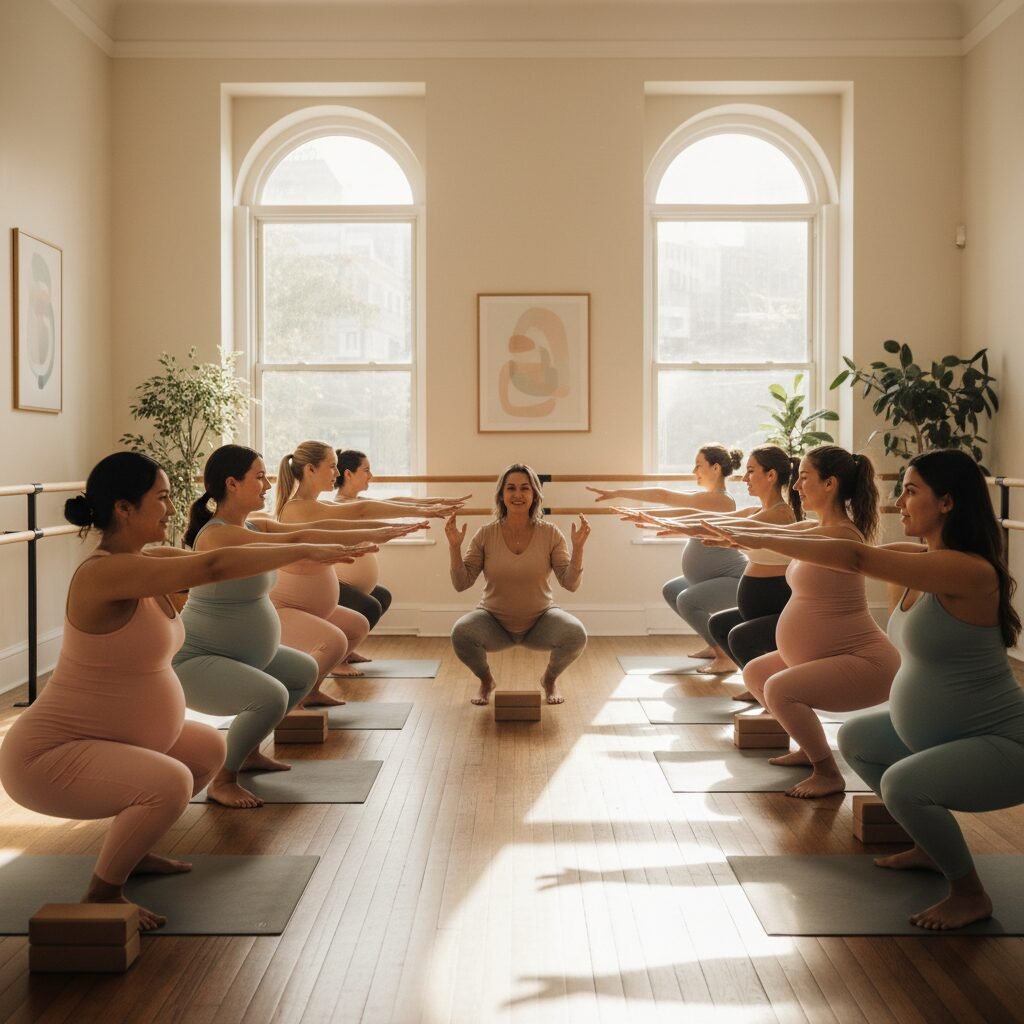
First, let’s clarify what we mean by the ‘Asian squat’ or deep resting squat. Forget the high-energy, repetitive squats you might do at the gym. A deep resting squat is a posture of stillness. It involves squatting all the way down until your glutes are resting on or are close to your calves, with your heels planted firmly on the floor. It’s a position of active rest, common in many parts of the world for daily activities like cooking, socializing, and, historically, giving birth.
For many in Western cultures who spend most of their days in chairs, this position can feel foreign and challenging. Tight hips and inflexible ankles can make it seem impossible at first. But it’s a movement our bodies are inherently designed for. For expecting parents, reclaiming this posture is about more than just physical conditioning; it’s about unlocking your body’s innate birthing potential.
A Legacy of Birthing Wisdom
Long before the prevalence of lying down to give birth, squatting was a primary birthing position. It’s a posture that intuitively makes sense. It aligns the body to work with gravity, opens the pelvis to its maximum capacity, and provides a sense of grounding and stability. By embracing this position during pregnancy, you are not just preparing your muscles; you are tapping into a legacy of birthing wisdom that honors the physiological process of labor. It’s a powerful reminder that your body knows what to do, and your role is to create the best possible environment for it to work its magic.
The Science of Squatting: How It Opens Your Pelvis and Helps Baby Descend
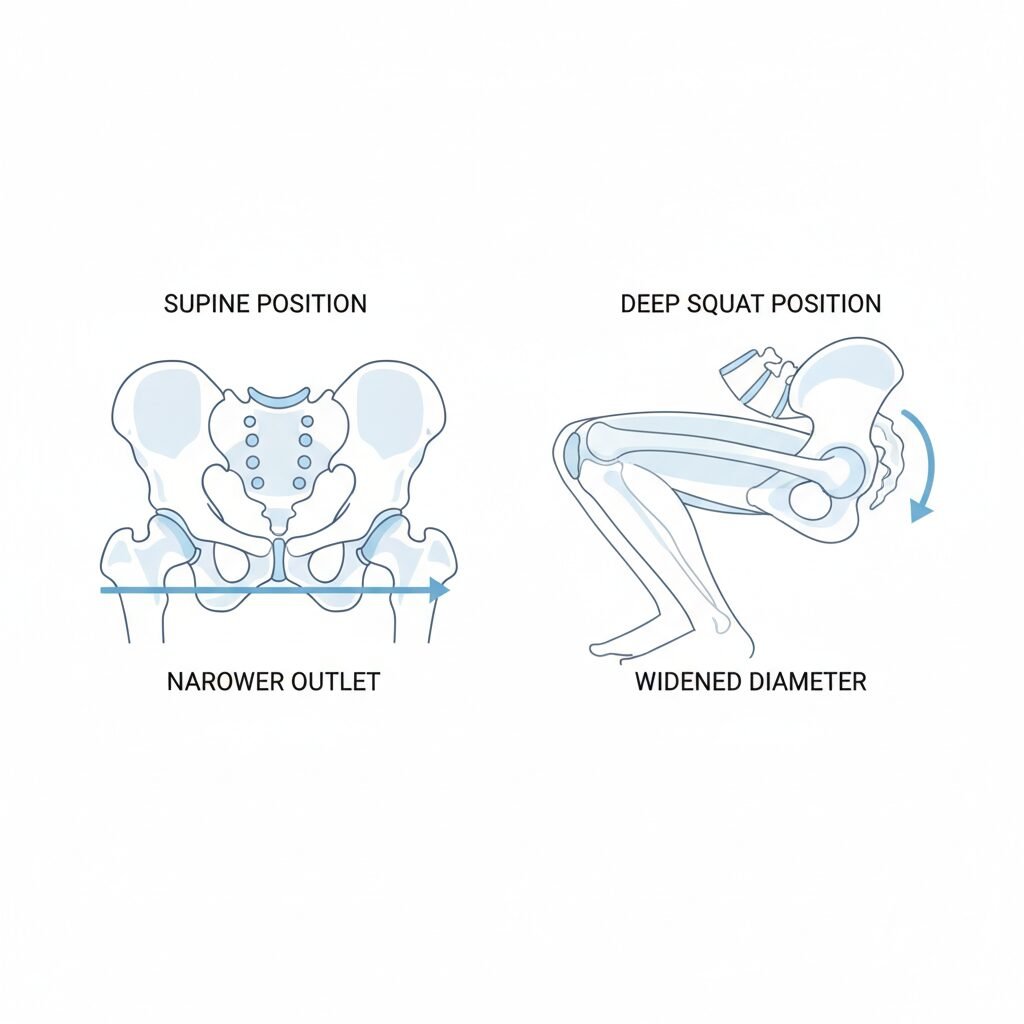
The magic of the squat isn’t just anecdotal; it’s rooted in simple, beautiful biomechanics. Understanding the science can empower you and your partner to see this not as just an exercise, but as a strategic tool for your birth plan. When you move into a deep squat, several incredible things happen to your body to facilitate labor.
Maximizing Pelvic Space
This is perhaps the most significant benefit. Research has shown that squatting can increase the diameter of the pelvic outlet by as much as 20-30%. Think of your pelvis as the gateway for your baby. In a supine (lying on your back) position, the sacrum and coccyx (tailbone) are compressed, effectively narrowing that gateway. When you squat, your tailbone is free to move back, and your thigh bones press outward, widening the entire pelvic outlet. This creates precious extra space for your baby to navigate the birth canal, which can reduce pushing time and the need for interventions.
Harnessing the Power of Gravity
Gravity is your best friend during labor. Any upright position, including squatting, allows gravity to help guide the baby downwards. This gentle, constant pressure on the cervix can help it to dilate more efficiently and can encourage stronger, more effective contractions. Squatting aligns the baby, the uterus, and the birth canal in a straight, vertical line, creating a direct path for descent. It’s about working smarter, not harder, and letting nature assist in the process.
Encouraging Optimal Fetal Position
The position your baby is in can significantly impact the course of labor. The ideal position is generally ‘Occiput Anterior’ (OA), where the baby is head-down, facing your back. A deep squatting position naturally encourages this. It helps to open up the front of your pelvis, creating more room for the baby’s back to settle towards your belly. Regularly practicing squats during the third trimester can be a gentle and effective way to help your baby get into the best possible starting position for their journey into the world.
Building Your Squatting Stamina: A Gentle Guide for Pregnancy
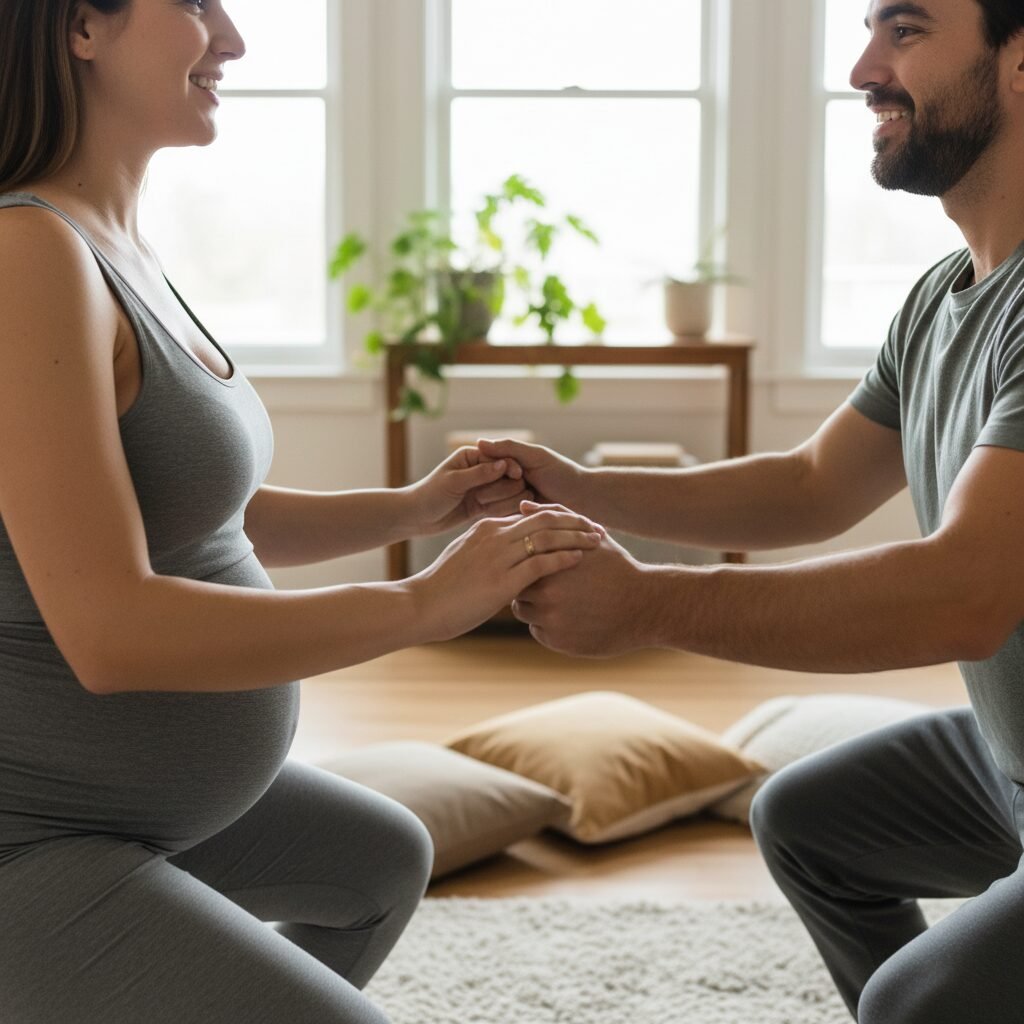
If the idea of holding a deep squat feels daunting, please know you are not alone. The key is to start slowly, listen to your body, and build up your strength and flexibility over time. It’s a practice, not a performance. Always consult with your healthcare provider, a pelvic floor physical therapist, or a certified prenatal fitness instructor before starting any new exercise regimen.
Here is a gentle progression to help you incorporate squatting into your daily routine:
- Start with Support: Begin by holding onto something sturdy, like the back of a sofa, a kitchen counter, or your partner’s hands. Use this support to slowly lower yourself down as far as you comfortably can, keeping your back straight. Don’t worry about how deep you go at first.
- Use Props: Most people new to squatting find their heels lift off the ground. This is very common! Place a rolled-up towel, yoga mat, or a couple of thick books under your heels for support. This will allow you to sink deeper into the squat while keeping your feet grounded, which is crucial for stability and relaxation.
- Practice ‘Active Rest’: Instead of seeing it as a workout, integrate squatting into your day. Try squatting for 30-60 seconds while you’re waiting for water to boil, folding laundry, or even watching TV. Little bits of practice throughout the day are more effective than one long, strenuous session.
- Focus on Your Breath: Once in the squat, focus on your breath. Inhale deeply, allowing your belly to expand, and as you exhale, consciously relax your pelvic floor. This practice is phenomenal preparation for labor, teaching your body to open and release under pressure.
Tips for Partners: How You Can Help
Your role as a support person is invaluable. Here’s how you can help:
- Be the Anchor: Offer your hands or forearms for her to hold onto as she squats. Stand in front of her, plant your feet firmly, and be her rock.
- Provide Counter-Pressure: While she is in a squat, she might enjoy gentle pressure on her lower back or hips. This can feel incredibly relieving.
- Offer Verbal Encouragement: Remind her of her strength. Let her know she’s doing an amazing job. Your words of support are a powerful comfort.
Beyond the Deep Squat: Other Powerful Labor Positions to Explore
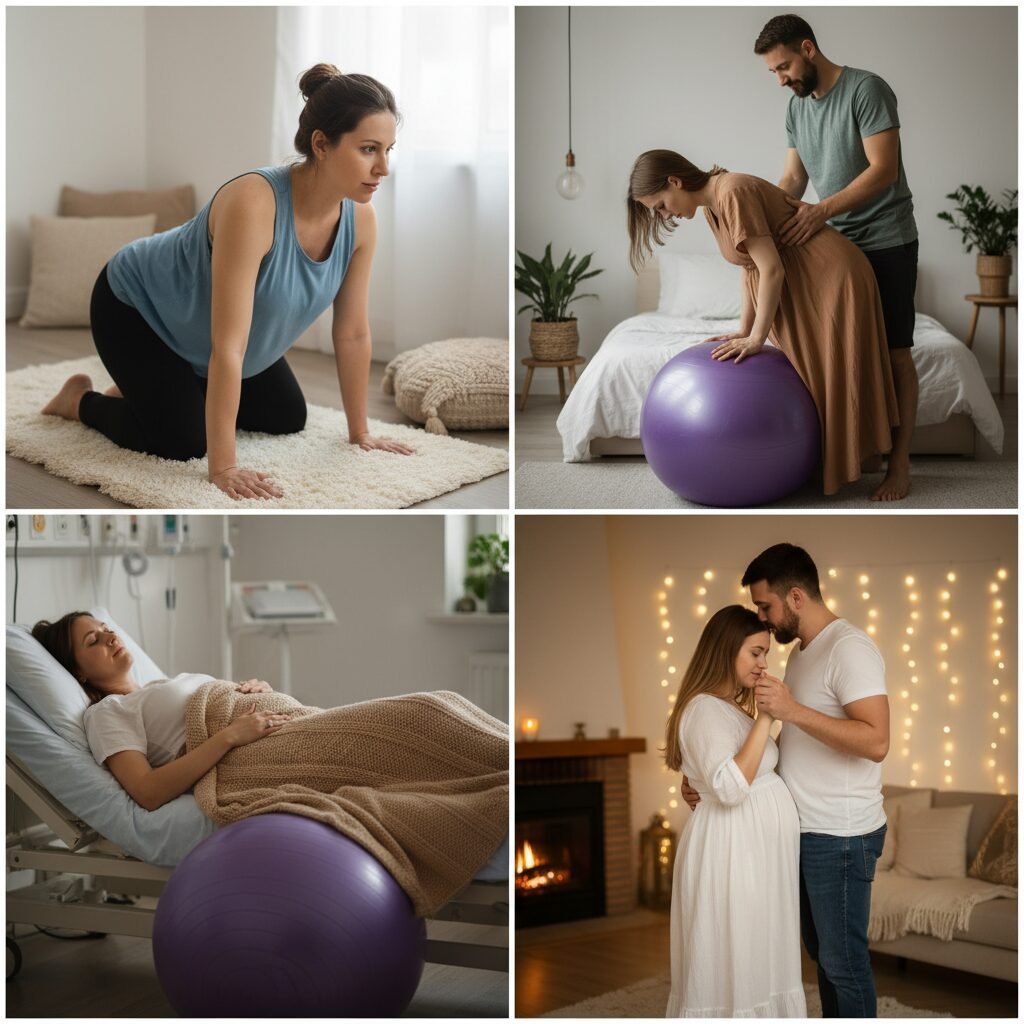
While the deep squat is a fantastic tool, it’s important to remember that the best labor position is the one that feels right to you in the moment. Your body will give you cues, and the key is to stay mobile and listen to its wisdom. The squat is one of many powerful positions in your toolkit. Variety is your friend!
Think of labor as a dance—sometimes you’ll want to be upright and active, and other times you’ll need to rest. Here are some other wonderful positions to explore with your partner or doula:
- Hands and Knees: This position is excellent for relieving back labor pain, as it takes pressure off the spine and helps the baby rotate. You can use pillows under your knees for comfort.
- Leaning Forward: Whether you’re standing and leaning on your partner, or kneeling and leaning over a birthing ball or the head of a hospital bed, this position opens the pelvis and uses gravity while allowing you to rest your upper body.
- Side-Lying: An excellent resting position, especially if you have an epidural. Lying on your side with a peanut ball or pillows between your knees keeps the pelvis open and can help labor progress even while you’re resting.
- Slow Dancing: Leaning on your partner and swaying gently can be both comforting and effective. The rhythmic motion can be soothing, and the upright position helps the baby descend.
Your body was designed to give birth. Movement is your ally, and the best position for you is the one that brings you comfort and a sense of control in the moment. Trust your instincts.
When to Squat and When to Listen to Your Body (and Your Medical Team)

Empowerment in childbirth comes from knowledge, and that includes knowing when a certain position may or may not be appropriate. While squatting is beneficial for most low-risk pregnancies, there are situations where it might not be recommended. It’s crucial to maintain open communication with your medical team—your midwife, doula, or doctor.
For example, in some cases of breech presentation or other specific fetal positions, your provider might advise against deep squatting. If you have certain medical conditions, like severe symphysis pubis dysfunction (SPD) or high blood pressure, modifications will be necessary. An epidural will also limit your ability to get into a deep, unsupported squat, though modified, supported squats may still be possible with assistance.
The most important takeaway is this: there is no ‘one-size-fits-all’ rule for childbirth. The goal of practicing the squat during pregnancy is not to force yourself into one specific position during labor. The goal is to prepare your body, increase your options, and build confidence in your physical capabilities. During labor, you may find that squatting feels amazing for a few contractions and then you need to move. That’s perfect. That’s you listening to your body. Your medical team is there to ensure the safety of you and your baby, and your intuition is there to guide you to what feels right. Together, you make the best team.
Conclusion
Embracing the deep squat is about so much more than just preparing for a faster delivery. It is an act of reclaiming your body’s innate strength and wisdom. By familiarizing yourself with this powerful position, you open your pelvis, align your body with gravity, and build a profound trust in the birthing process. It’s a tool that connects you to generations of women who have birthed this way, grounding you in a legacy of strength.
Remember, this is one piece of a beautiful, complex puzzle. Combine this physical preparation with education, a supportive birth team, and a deep well of self-compassion. Whether you spend hours squatting or only a few moments, the preparation itself will have empowered you. As you approach your birthing day, walk forward with the confidence that you have prepared your body and mind, and you are ready to meet your baby with strength, openness, and love.
Medical Disclaimer: This article is for informational purposes only and does not constitute medical advice. The information provided is not intended to be a substitute for professional medical advice, diagnosis, or treatment. Always seek the advice of your physician or other qualified health provider with any questions you may have regarding a medical condition. Never disregard professional medical advice or delay in seeking it because of something you have read in this article.