
Why Is My Nose Getting Bigger? The Viral ‘Pregnancy Nose’ Phenomenon Explained
You scroll through your social media feed and see a video montage: women sharing before-and-after photos of their noses during pregnancy. The caption reads, “Tell me you’re pregnant without telling me you’re pregnant.” You look in the mirror, and suddenly, you see it too. Your nose seems… wider. Fuller. Is this real, or is it just another strange pregnancy symptom you’re imagining?
Rest assured, you are not imagining it. The viral trend known as ‘pregnancy nose’ is a very real, albeit temporary, physiological change experienced by many expectant parents. While it might be a surprising development, it’s a medically recognized phenomenon rooted in the profound hormonal shifts and fluid dynamics of pregnancy. It’s one of the many ways your body adapts to grow and nurture your baby. In this comprehensive guide, we’ll delve into the science behind why your nose might be changing, discuss what’s normal, offer tips for managing related discomfort, and clarify when it’s wise to consult your healthcare provider.
The Science Behind the Swell: Understanding ‘Pregnancy Nose’
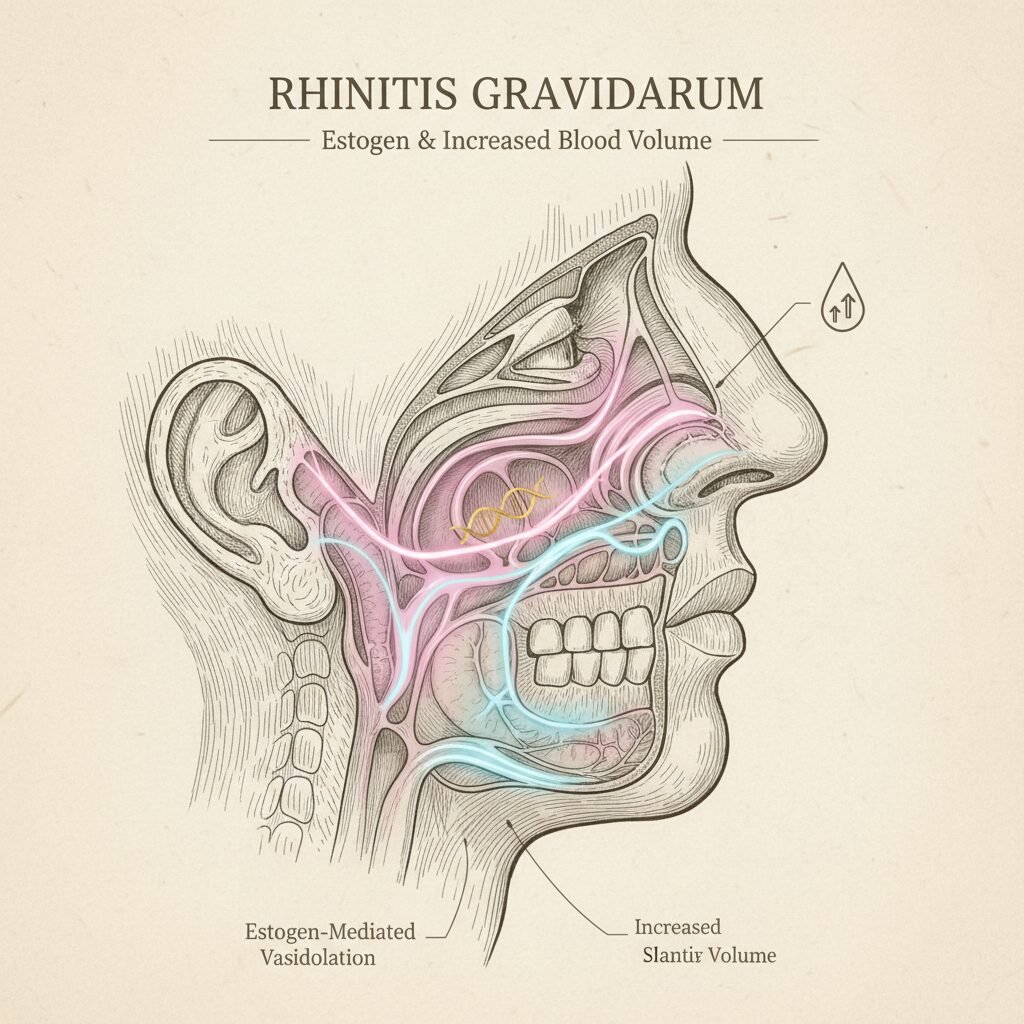
The Hormonal Influence
The primary drivers behind ‘pregnancy nose’ are the same powerful hormones responsible for sustaining your pregnancy: estrogen and progesterone. Their levels surge dramatically, impacting nearly every system in your body, including your circulatory and respiratory systems.
- Estrogen: This hormone is known to increase blood flow throughout the body, including to the mucous membranes that line your nasal passages. This heightened circulation can cause the delicate blood vessels in your nose to dilate and the surrounding tissues to swell. Estrogen also contributes to the relaxation of cartilage, and while the cartilage in your nose is less affected than, say, your pelvic ligaments, this subtle loosening can contribute to a feeling of fullness.
- Progesterone: Working in tandem with estrogen, progesterone also helps increase blood volume and causes blood vessels to relax and widen to accommodate this extra flow. This ensures your baby receives ample oxygen and nutrients but can also lead to swelling in various parts of your body, including your hands, feet, ankles, and yes, your nose.
Fluid Retention and Increased Blood Volume
During pregnancy, your body’s total blood volume increases by as much as 50% to support the placenta and your baby’s development. Simultaneously, your body retains more water to support this expanded circulatory system. This systemic fluid retention, known as edema, often manifests in the extremities but can also affect facial tissues. The soft, vascular tissues inside and around your nose are particularly susceptible to this swelling, leading to a wider, more rounded appearance.
Beyond a Wider Appearance: Other Nasal Symptoms You Might Experience

The changes responsible for ‘pregnancy nose’ often bring a few other nasal symptoms along for the ride. This cluster of symptoms is medically termed rhinitis of pregnancy, a condition affecting up to 30% of pregnant individuals. It’s characterized by nasal inflammation that isn’t caused by allergies or infection.
Common Related Symptoms:
- Nasal Congestion: A persistent stuffy or blocked nose is the most common complaint. The swelling of the nasal membranes narrows the air passages, making it feel like you have a constant cold.
- Runny Nose (Rhinorrhea): You might find yourself reaching for tissues more often due to a runny nose with clear, watery discharge.
- Post-Nasal Drip: The sensation of mucus dripping down the back of your throat can be irritating and may cause a cough, especially when lying down.
- Nosebleeds (Epistaxis): The increased blood flow and delicate, swollen vessels in your nose make them more prone to rupturing from minor trauma, like blowing your nose or even just from dry air.
It can sometimes be difficult to distinguish rhinitis of pregnancy from a common cold or seasonal allergies. This table can help you spot the differences:
| Symptom | Rhinitis of Pregnancy | Common Cold / Allergies |
|---|---|---|
| Onset | Gradual, often in the 2nd or 3rd trimester. | Sudden (cold) or seasonal/triggered (allergies). |
| Primary Symptoms | Congestion, stuffiness, mild runny nose. | Sneezing, coughing, sore throat, itchy/watery eyes, body aches, fever (with a cold). |
| Duration | Can last for six weeks or more, resolving after delivery. | Typically 7-10 days (cold) or as long as allergen is present. |
| Treatment Response | Does not respond to antihistamines or decongestants. | Often improves with appropriate allergy or cold medication. |
A Temporary Transformation: The Timeline of Pregnancy Nose
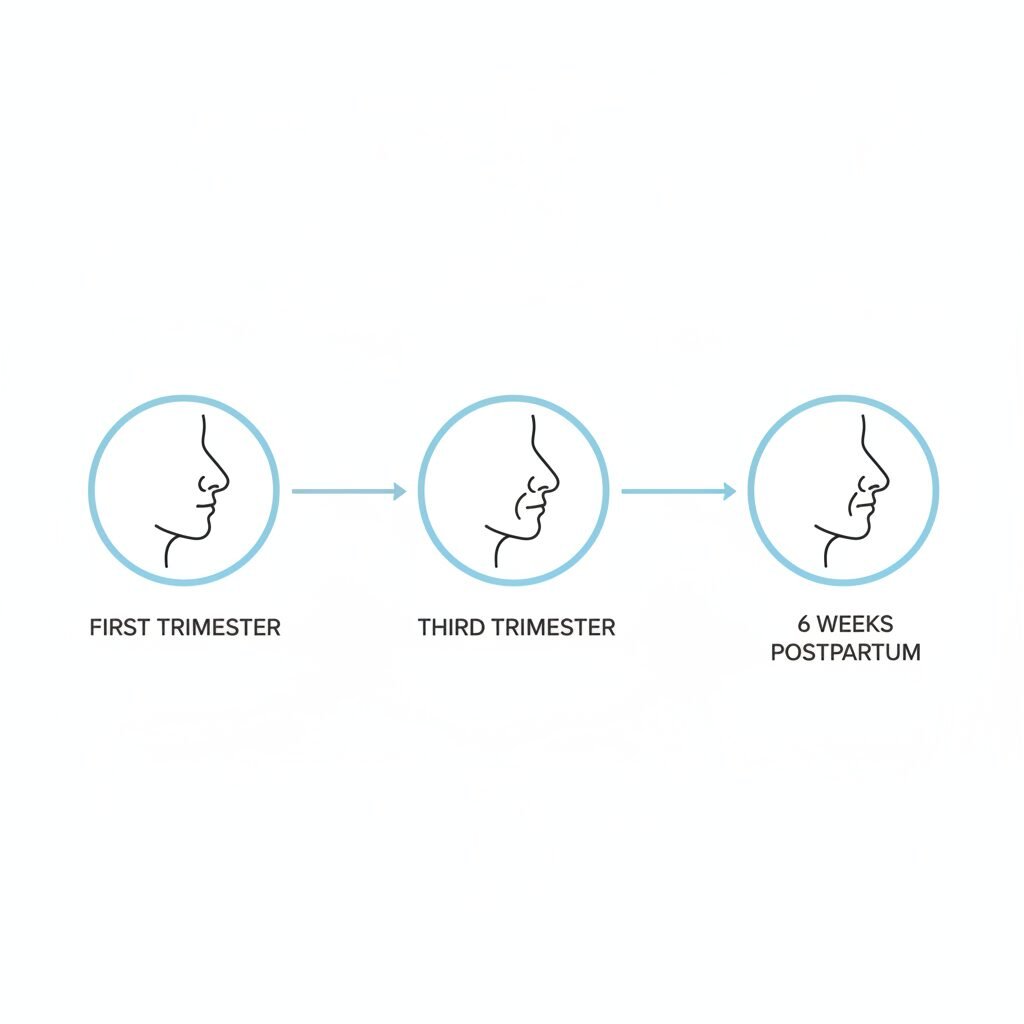
One of the most pressing questions for many is: how long will this last? The reassurance here is definitive: ‘pregnancy nose’ is a temporary state. The timeline, however, can vary from person to person.
When It Starts
While nasal congestion can begin as early as the first trimester, the visible swelling associated with ‘pregnancy nose’ is most commonly noticed during the late second and third trimesters. This is when fluid retention, blood volume, and hormone levels typically peak. For some, the change is gradual over several months; for others, it may seem to appear more suddenly in the final weeks leading up to delivery.
When It Ends
The good news is that your nose will return to its pre-pregnancy size. After you give birth, your body begins a rapid process of hormonal readjustment and diuresis (shedding excess fluid). Most people notice the swelling in their nose, hands, and feet begin to subside within the first few days to weeks postpartum. For the vast majority, any visible change is completely resolved by six to eight weeks postpartum as your hormone levels and body fluids return to their non-pregnant state. Patience is key as your body recovers and recalibrates after the monumental task of childbirth.
Finding Comfort: How to Manage Symptoms and Embrace Your Changing Body

While ‘pregnancy nose’ itself doesn’t require treatment, the associated symptoms like congestion can be bothersome. The goal is to manage discomfort safely and effectively. Always consult your healthcare provider before trying any new remedy or medication during pregnancy.
Safe and Effective Management Strategies:
- Stay Hydrated: Drinking plenty of water helps thin mucus and can reduce overall inflammation.
- Use a Saline Nasal Spray: A simple, over-the-counter sterile saltwater spray is perfectly safe during pregnancy. It helps moisturize nasal passages, clear congestion, and soothe irritation.
- Run a Humidifier: Using a cool-mist humidifier in your bedroom at night can add moisture to the air, preventing your nasal passages from drying out and reducing stuffiness and the risk of nosebleeds.
- Elevate Your Head: When sleeping, use an extra pillow to prop your head up. This uses gravity to help drain nasal passages and can make breathing more comfortable.
- Avoid Irritants: Steer clear of cigarette smoke, strong perfumes, and harsh chemical fumes, as these can further irritate your sensitive nasal membranes.
A Note on Body Image and Self-Compassion
It’s completely valid to feel surprised or even a little self-conscious about the changes you see in the mirror. Pregnancy is a journey of profound physical transformation, and it’s okay to have mixed feelings about it. Remember that this change is a testament to the incredible work your body is doing.
“Your body is not ruined; you’re a goddamn tiger who earned her stripes.” – Unknown
Try to practice self-compassion. Frame these changes not as flaws, but as markers of your journey into parenthood. Your body is building a human, and ‘pregnancy nose’ is just one small, temporary footnote in that epic story.
When to Seek Medical Advice: Separating Normal Symptoms from Red Flags

In the overwhelming majority of cases, a swollen nose during pregnancy is a benign and normal symptom. However, it’s crucial to be aware of certain signs that could indicate a more serious underlying condition, such as preeclampsia—a pregnancy complication characterized by high blood pressure.
Contact your doctor or midwife immediately if you experience swelling in your nose or face that is:
- Sudden and Severe: If the swelling appears very abruptly over a day or two.
- Accompanied by Other Symptoms: Pay close attention if facial swelling occurs alongside any of the following:
- A severe headache that doesn’t go away with simple pain relief.
- Vision changes, such as seeing spots, flashing lights, or blurriness.
- Significant swelling in your hands or feet (more than the typical mild puffiness).
- Pain in the upper right side of your abdomen.
- Rapid weight gain unrelated to diet.
- Causing Breathing Difficulties: If nasal congestion becomes so severe that it significantly impacts your ability to breathe.
- Associated with Frequent, Heavy Nosebleeds: While minor nosebleeds are common, persistent or heavy bleeding should be evaluated.
Trust your instincts. You know your body best. If something feels off or worries you, it is always better to err on the side of caution and get professional medical advice. Your healthcare team is there to support you and ensure both you and your baby remain healthy.
Conclusion
The phenomenon of ‘pregnancy nose’ is a perfect example of the widespread, systemic changes your body undergoes to create life. Fueled by hormones and increased fluid, this temporary swelling is a common, harmless, and often surprising part of the journey. While the associated congestion can be a nuisance, it can be managed with simple, safe remedies. Most importantly, remember that this, like so many other pregnancy-related changes, is fleeting. Your body, in its infinite wisdom, is adapting, and it will find its way back to its baseline after your baby arrives.
Embrace the journey with curiosity and self-kindness. Every change, from your growing belly to your slightly wider nose, is a part of your unique story of becoming a parent.
Medical Disclaimer
The information provided in this article is for educational and informational purposes only and is not intended as medical advice. It is not a substitute for professional medical advice, diagnosis, or treatment. Always seek the advice of your physician or other qualified health provider with any questions you may have regarding a medical condition. Never disregard professional medical advice or delay in seeking it because of something you have read in this article.