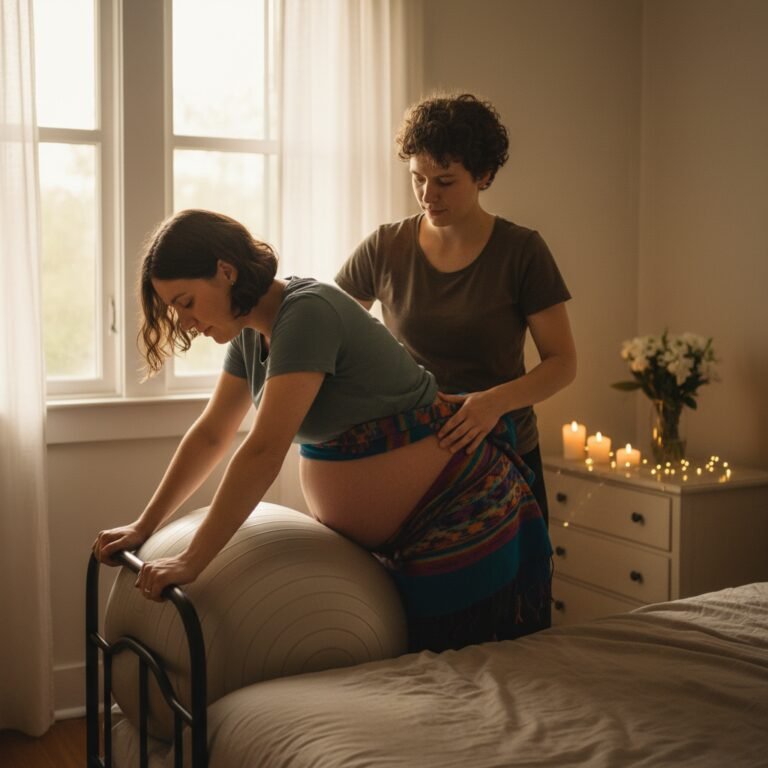
Why Diaphragmatic Breathing Is The Secret To A Faster Labor
As you approach your due date, it’s completely normal for a mix of excitement and anxiety to bubble up. You’ve prepared the nursery, packed the hospital bag, and read the books. But the one question that often lingers is: What will labor actually feel like? And how can I handle it? Many expecting parents fear the pain and the duration of labor, feeling like it’s an event that happens to them rather than one they can actively participate in.
What if I told you that you already possess one of the most powerful tools for a more positive, efficient, and less painful birth? It’s not a device or a drug. It’s your own breath. Specifically, diaphragmatic breathing, or ‘belly breathing.’ This simple, innate technique is the unsung hero of the birthing room. It’s the physiological key to unlocking your body’s own pain-relieving hormones, relaxing the muscles that need to open, and working with your contractions, not against them.
In this guide, we’ll move beyond the simple advice to ‘just breathe’ and delve into the science of why this specific type of breathing is a game-changer for labor. We’ll provide a step-by-step guide for you and your partner to practice, so when the time comes, you can approach labor with confidence, calm, and a profound sense of control. This isn’t just about getting through it; it’s about transforming your birth experience.
The Science of Stress and Labor: How Your Breath Dictates Your Birth
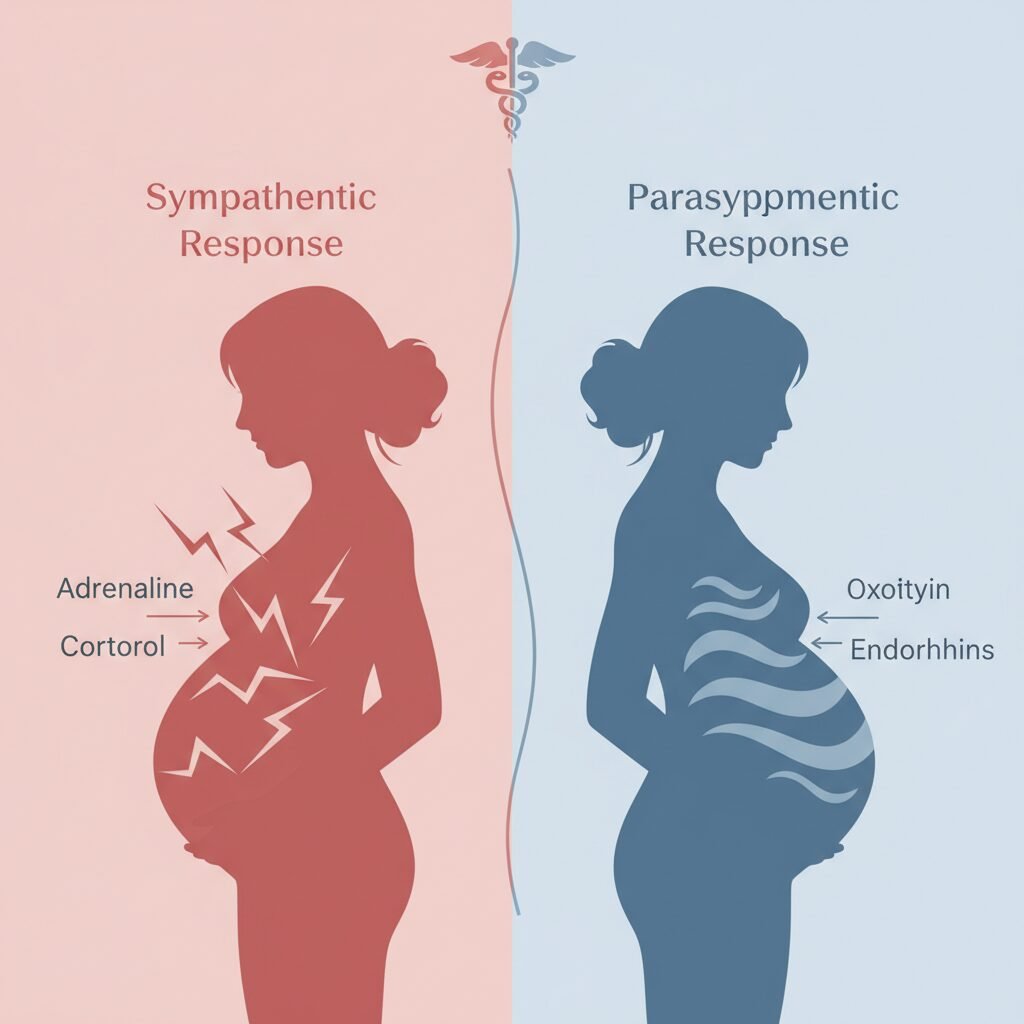
To understand why diaphragmatic breathing is so effective, we first need to understand the nervous system’s role in labor. Your body has two primary operating systems: the sympathetic nervous system (the ‘fight or flight’ response) and the parasympathetic nervous system (the ‘rest and digest’ response). Labor is designed to function best in the ‘rest and digest’ state.
The Vicious Cycle of Fear and Pain
When you feel fear, stress, or intense pain, your body triggers the sympathetic nervous system. It floods your system with stress hormones like adrenaline and cortisol. For our ancestors, this was a lifesaver, preparing them to flee a predator. In the labor room, however, it becomes counterproductive. Adrenaline tells your body it’s not a safe time to give birth. This can:
- Increase Muscle Tension: Stress causes you to clench your jaw, raise your shoulders, and, most importantly, tighten your pelvic floor and uterine muscles. This creates resistance against the very muscles that are trying to open and release your baby.
- Restrict Blood Flow: Adrenaline diverts blood away from non-essential organs—like the uterus—and towards major muscle groups for a quick escape. Less blood flow means less oxygen for the hardworking uterine muscle, which can make contractions feel more painful and less effective.
- Stall or Slow Labor: The presence of high levels of stress hormones can inhibit the production of oxytocin, the crucial ‘love hormone’ that drives contractions and helps labor progress.
This creates a vicious feedback loop: contractions cause pain, pain causes fear, fear triggers adrenaline, and adrenaline makes contractions more painful and less productive, leading to more fear. This is often where interventions become necessary.
Breaking the Cycle with Your Breath
This is where diaphragmatic breathing works its magic. A slow, deep, intentional breath is the most direct and reliable way to activate your parasympathetic nervous system. When you switch from shallow, panicked chest breathing to deep belly breathing, you send a powerful signal to your brain that says, ‘I am safe. All is well.’
Your body responds instantly by decreasing the production of stress hormones and increasing the flow of hormones that actually help labor progress. Think of your breath as the conductor of your hormonal orchestra.
The key players it brings to the stage are:
- Oxytocin: Deep breathing supports the steady release of oxytocin, which creates strong, regular, and effective contractions. It helps the cervix dilate and the uterus to work efficiently.
- Endorphins: These are your body’s natural painkillers, often described as being more powerful than morphine. The calm state induced by deep breathing allows endorphins to flow freely, helping you cope with the intensity of contractions and even reach a state of calm focus between them.
By consciously choosing to breathe deeply, you are not just managing pain; you are fundamentally shifting your body’s hormonal and physiological environment to one that is optimal for giving birth.
What Is Diaphragmatic Breathing? (And Why It’s Different From ‘Normal’ Breathing)
When someone tells you to ‘take a deep breath,’ what do you do? Most people will lift their chest and shoulders, pulling a quick breath into the top portion of their lungs. This is thoracic breathing, or chest breathing. It’s shallow, inefficient, and often a subconscious habit we develop in response to chronic stress. It’s the kind of breathing that perpetuates the ‘fight or flight’ state.
Diaphragmatic breathing is the complete opposite. It’s the natural way babies breathe, and it’s how our bodies are designed to breathe when we are relaxed. It involves the diaphragm, a large, dome-shaped muscle located at the base of the lungs.
The Mechanics of a Truly Deep Breath
Here’s what happens during a single diaphragmatic breath:
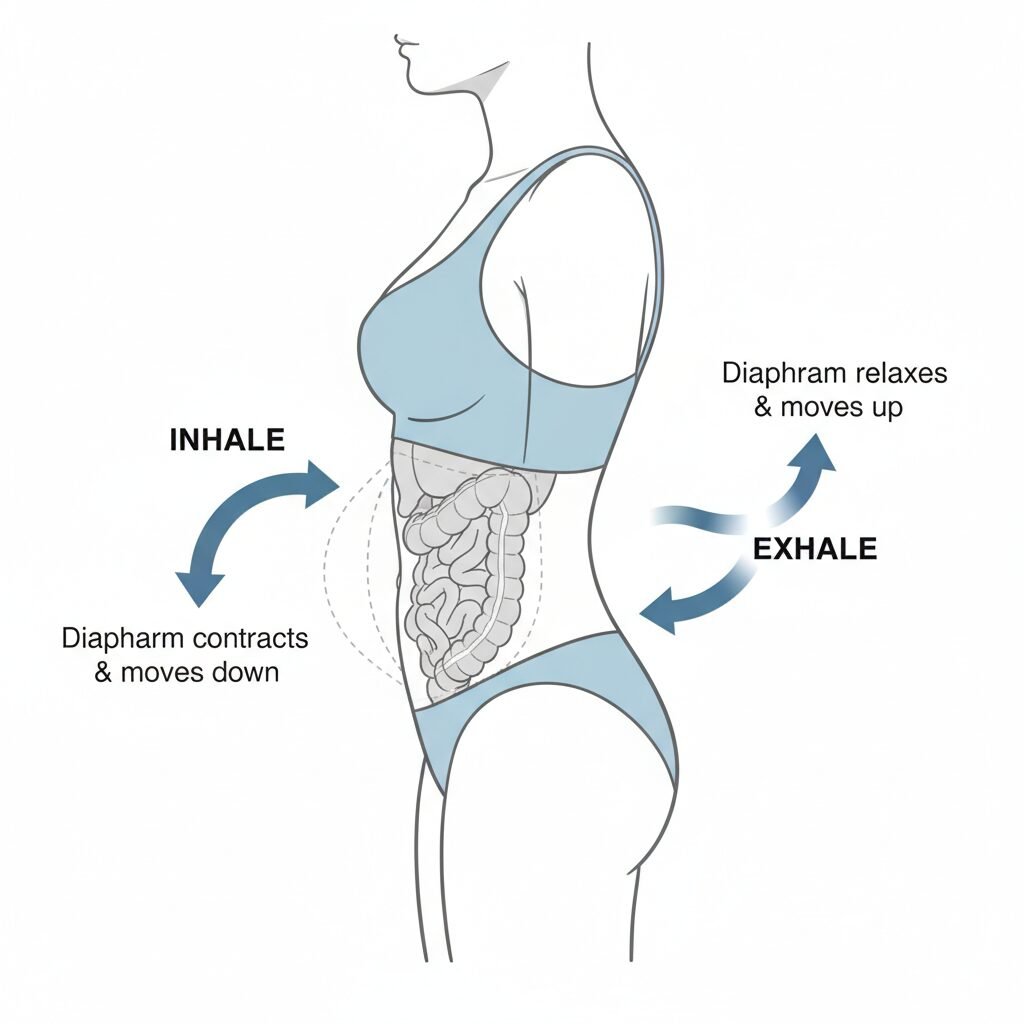
- Inhalation: As you inhale slowly through your nose, your diaphragm contracts and moves downward. This creates a vacuum effect, pulling air deep into the lower, most oxygen-rich parts of your lungs. This downward movement pushes your abdominal organs down and out, which is why your belly visibly expands.
- Exhalation: As you exhale slowly through your mouth, your diaphragm relaxes and moves back upward, helping to gently push the air out of your lungs. Your belly naturally falls back towards your spine.
The key difference is the belly movement. With chest breathing, the chest rises and falls. With diaphragmatic breathing, the belly rises and falls while the chest remains relatively still. This method is far more efficient, allowing you to take in significantly more oxygen with each breath. For you and your baby during labor, this increased oxygenation is incredibly beneficial, keeping your muscles energized and your baby happy.
Why It Feels So Calming
The power of diaphragmatic breathing extends beyond just oxygen. The diaphragm is located near a major nerve called the vagus nerve, which is the primary controller of the parasympathetic nervous system. The slow, rhythmic movement of the diaphragm during belly breathing gently stimulates the vagus nerve. This stimulation is what tells your brain to calm down, lower your heart rate and blood pressure, and release those wonderful, labor-helping hormones. It’s a direct, physical hack into your body’s relaxation system.
Your Step-by-Step Guide to Mastering Diaphragmatic Breathing for Labor

Like any new skill, diaphragmatic breathing feels most natural when it has been practiced. Don’t wait until your first contraction to try it! Integrating this into your daily routine during pregnancy will build muscle memory, so when labor begins, your body will know exactly what to do. It’s a wonderful practice for both the birthing parent and their partner to do together.
The Basic Technique
Follow these steps to learn the core practice. Aim for 5-10 minutes, once or twice a day.
- Get Comfortable: Lie on your back with a pillow under your knees (if you’re early in pregnancy and it’s comfortable) or sit upright in a chair with your feet flat on the floor. You can also practice while lying on your side, which is a great position for labor.
- Hand Placement: Place one hand on your upper chest and the other hand on your belly, just below your rib cage. This will give you tactile feedback.
- Inhale Slowly Through Your Nose: Breathe in slowly and deeply through your nose for a count of four. Your goal is to feel the hand on your belly rise significantly, while the hand on your chest remains as still as possible. Imagine you are inflating a balloon in your stomach.
- Exhale Slowly Through Your Mouth: Purse your lips slightly and exhale slowly and completely through your mouth for a count of six or eight. Make the exhale longer than the inhale. Feel the hand on your belly gently fall as you release the air. This extended exhale is key to activating the relaxation response.
- Pause and Repeat: Pause for a moment at the end of the exhale before beginning the next breath. Continue this cycle, focusing on the sensation of your belly rising and falling.
Tips for Practice and Partner Involvement
- Set a Reminder: Link your practice to an existing habit, like right after you wake up or before you go to sleep.
- Use Visualizations: As you breathe, you can visualize waves rolling onto a shore, your cervix gently opening like a flower, or a warm, healing light filling your body.
- Partner Coaching: For dads and partners, this is one of the most helpful things you can do! Practice with the birthing parent. During labor, you can place your hands on their belly to provide a physical cue, breathe with them, and gently remind them to ‘breathe down into my hands’ if they start to hold tension in their chest. Your calm presence and rhythmic breathing will be a powerful anchor.
Remember, this is not about perfection. It’s about creating a familiar pattern of calm that you can return to when you need it most. Every practice breath is an investment in a more positive birth experience.
Putting It Into Practice: Breathing Through Each Stage of Labor
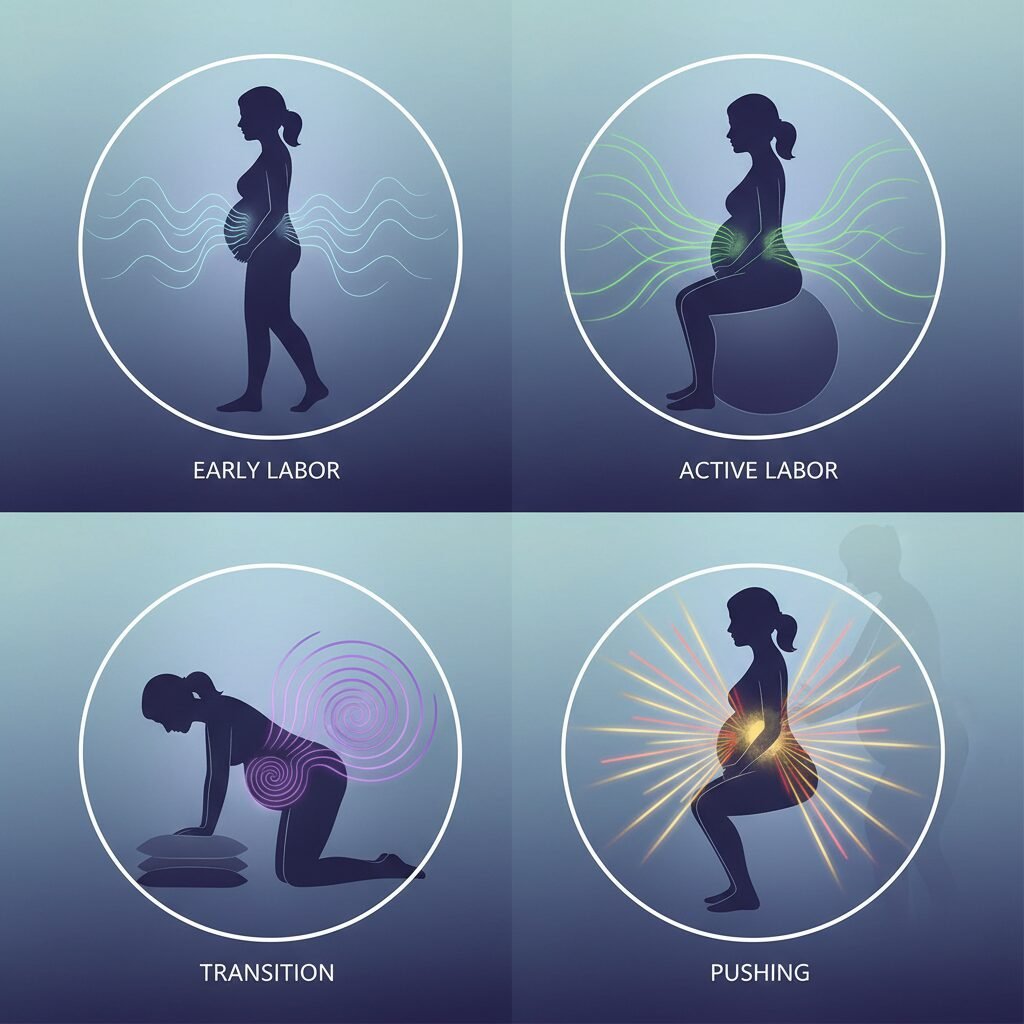
Your breathing will naturally adapt as labor progresses. The foundational diaphragmatic breath is your home base, but you can modify its pace and rhythm to match the intensity of each stage.
Early Labor (The ‘Hooray, it’s starting!’ Stage)
Contractions are typically mild and further apart. The goal here is to conserve energy and stay calm.
- Technique: Use your slow, practiced diaphragmatic breathing. Inhale for four, exhale for six. Focus on relaxing your entire body with each exhale.
- When to Use It: Breathe through each contraction, and rest in between. This is a great time to listen to music, watch a movie, or go for a slow walk, all while maintaining your deep breathing pattern.
Active Labor (The ‘Okay, this is real work’ Stage)
Contractions become longer, stronger, and closer together. Your focus will need to turn inward.
- Technique: You may need to speed up your breath slightly to match the contraction’s intensity. You might find a ‘wave’ breath helpful: as the contraction builds, your breath quickens slightly; as it peaks, you might hold a steady rhythm; and as it subsides, you lengthen your exhale to release tension. The long exhale is still your best friend.
- When to Use It: Your breath is now your primary coping tool. Close your eyes and focus solely on the sensation of your belly rising and falling. Your partner can breathe with you, making eye contact to help you stay centered.
Transition (The ‘I can’t do this!’ Stage – but you can!)
This is often the most intense but shortest phase. Contractions are very powerful and you may feel shaky or overwhelmed.
- Technique: Many find a ‘hee-hee-whoo’ or patterned breath helpful here. For example, two or three quick, light ‘hee’ breaths followed by a long, sighing ‘whoo’ exhale. This prevents you from holding your breath and helps you ride the peak of the most intense contractions. The key is to keep the exhale long and audible, releasing the pressure.
- When to Use It: Use this patterned breath only during the peak of the contractions when slow breathing feels impossible. Return to your deep belly breath as soon as the contraction ends to recover.
The Pushing Stage (The ‘Meet your baby’ Stage)
Your body will give you the urge to bear down. The goal is to work with this urge, not strain against it.
- Technique: Instead of holding your breath and turning purple (Valsalva pushing), try ‘breathing your baby down.’ Take a deep diaphragmatic breath in as the contraction begins, and then as you bear down, exhale slowly and steadily, either with an open mouth or a low, deep groan. This keeps oxygen flowing to your baby and allows your pelvic floor to relax, potentially reducing the risk of tearing.
- When to Use It: Coordinate your breath with each urge to push. Listen to your body and your care provider.
Beyond a Faster Labor: The Other Incredible Benefits of Mindful Breathing

While a more efficient labor is a fantastic outcome, the benefits of mastering diaphragmatic breathing extend far beyond the clock. Committing to this practice enriches your entire birthing experience and provides you with a lifelong tool for wellness.
Here are some of the other profound benefits:
- Enhanced Oxygenation for Baby: Every deep, oxygen-rich breath you take is shared with your baby. This helps them tolerate the stresses of labor beautifully, leading to better fetal heart rate patterns and a healthier start.
- Effective, Natural Pain Management: As mentioned, deep breathing stimulates endorphin release. This can significantly reduce your perception of pain, allowing you to work with the sensations rather than being overwhelmed by them. For many, it reduces or eliminates the need for pain medication.
- A Greater Sense of Control and Empowerment: Labor can feel unpredictable. Your breath is your anchor—the one thing you can always control. This focus can transform your mindset from one of fear to one of active, powerful participation.
- Reduced Risk of Interventions: By helping labor progress efficiently and keeping both you and baby well-oxygenated and calm, diaphragmatic breathing can lower the likelihood of interventions such as Pitocin augmentation or cesarean section due to fetal distress or ‘failure to progress.’
- Deeper Partner Connection: When a partner takes on the role of ‘breath coach,’ it creates an incredibly intimate and supportive environment. Breathing together through the most intense moments of labor is a profound bonding experience.
- A Skill for Postpartum and Parenthood: The challenges don’t end after birth. A crying newborn, sleepless nights, and the stress of new parenthood can all trigger your ‘fight or flight’ response. Your mastery of diaphragmatic breathing becomes your go-to tool for finding a moment of calm in the chaos.
Conclusion
Your body is incredibly designed for birth. Diaphragmatic breathing isn’t about learning a complicated, unnatural trick; it’s about remembering and reclaiming an innate ability to keep your body in a state of calm, safety, and openness. It is the simple, powerful secret to unlocking your body’s full potential, allowing you to work in harmony with the natural process of labor.
By practicing this technique, you are giving yourself, your partner, and your baby an incredible gift. You are paving the way for a birth experience that is not defined by fear, but by strength, focus, and empowerment. Trust in your body, trust in your breath, and know that you are fully capable of navigating the beautiful journey ahead.
Medical Disclaimer: The information provided in this article is for educational and informational purposes only and is not intended as medical advice. It is not a substitute for professional medical advice, diagnosis, or treatment. Always seek the advice of your physician, midwife, or other qualified health provider with any questions you may have regarding a medical condition or your pregnancy. Never disregard professional medical advice or delay in seeking it because of something you have read in this article.