The Ultimate TOG Rating Guide: How To Dress Baby For Sleep Safely
Bringing a new baby home is a whirlwind of joy, love, and a seemingly endless list of questions. Among the most pressing concerns for any new parent is sleep. Is my baby warm enough? Are they too hot? Are they safe? These questions can keep you up at night, anxiously checking on your little one. The fear of overheating is valid, as it’s a significant risk factor for Sudden Infant Death Syndrome (SIDS). Fortunately, there is a simple, science-backed system designed to remove the guesswork and anxiety: the TOG rating.
TOG, which stands for Thermal Overall Grade, is a standardized measurement of thermal insulation used for textiles, most notably in baby sleepwear like swaddles and sleep sacks. Think of it as a simplified rating for how warm a garment is. By understanding your baby’s room temperature and pairing it with the correct TOG-rated sleep sack and clothing layers, you can create a perfectly safe and comfortable sleep environment. This guide, written from my experience as a Doula and Maternal Health Educator, will walk you through everything you need to know to become confident in dressing your baby for sleep, ensuring peace of mind for you and safe slumber for them.
What Exactly is a TOG Rating? Decoding the Science of Sleepwear
What Exactly is a TOG Rating? Decoding the Science of Sleepwear
At its core, the TOG rating system is about safety and simplicity. It replaces subjective measures—like touching a blanket to see how ‘thick’ it feels—with an objective, reliable number. A higher TOG number signifies more insulation and greater warmth, while a lower number indicates a lighter, more breathable garment suitable for warmer temperatures.
Understanding the Numbers
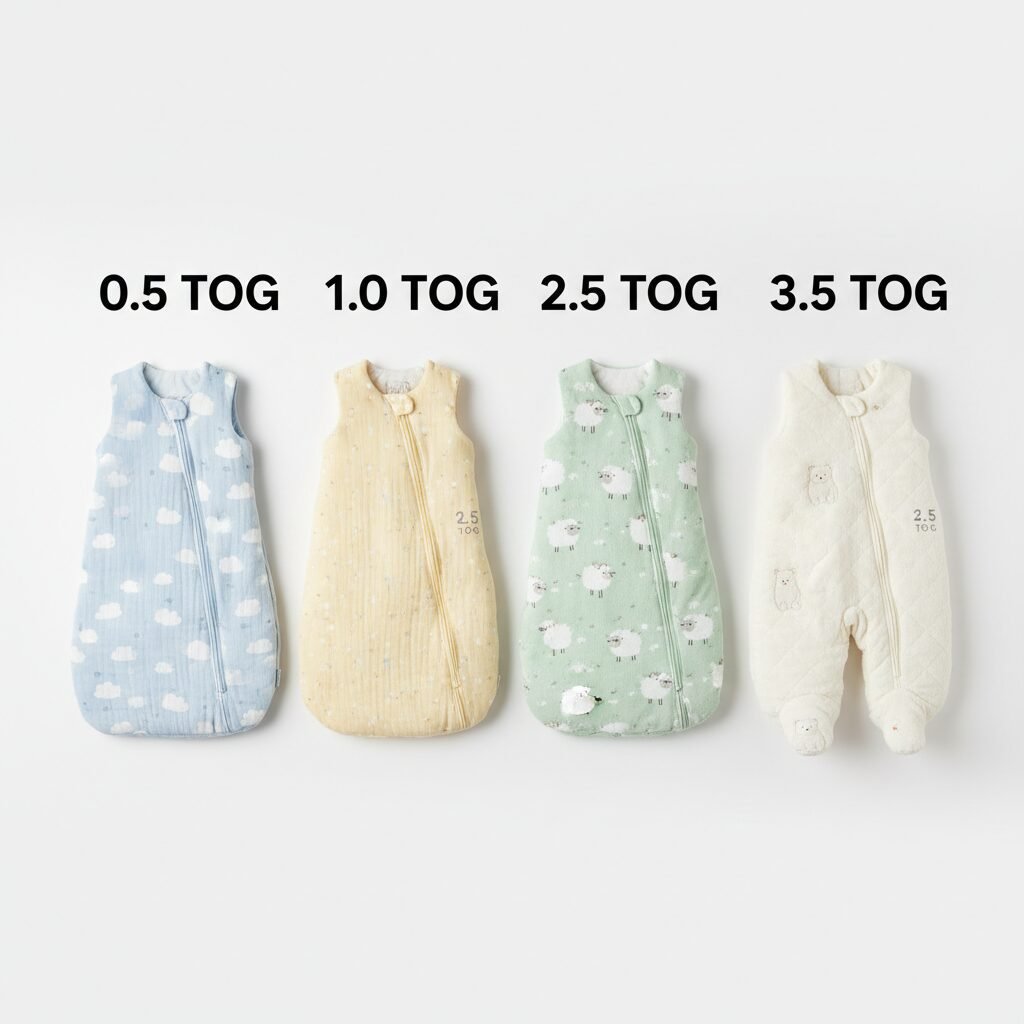
You’ll typically find TOG ratings ranging from 0.2 to 3.5 for baby sleepwear. Here’s a general breakdown of what those numbers mean:
- 0.2 – 0.5 TOG: Ideal for very hot weather and warm climates, typically when the nursery temperature is above 75°F (24°C). These are usually made from single layers of very light, breathable fabric like muslin or bamboo cotton.
- 1.0 TOG: A versatile and common rating, perfect for moderate temperatures year-round, usually in rooms between 69-73°F (20-23°C). These are often made from a single layer of cotton or jersey.
- 2.5 TOG: Designed for cooler temperatures and standard for most homes during the winter months. Suitable for rooms between 61-68°F (16-20°C). These sleep sacks are padded and feel more like a quilt.
- 3.5 TOG: The warmest option available, intended for cold climates and rooms that drop below 61°F (16°C). These are heavily padded for maximum insulation.
Dressing your baby for sleep isn’t about bundling them up; it’s about regulating their temperature. The goal is to keep them comfortable, not hot. A baby cannot kick off blankets if they overheat, which is why a properly chosen sleep sack is the safest option.
The primary benefit of this system is that it helps prevent overheating, a critical factor in reducing the risk of SIDS. Babies are not as efficient at regulating their own body temperature as adults are. When they get too hot, they can fall into a deeper sleep, making it harder for them to arouse if they are in distress. By following a TOG guide, you are making an informed, evidence-based decision that directly contributes to your baby’s safety.
The Core of Safe Sleep: Matching Room Temperature to TOG Ratings
The Core of Safe Sleep: Matching Room Temperature to TOG Ratings
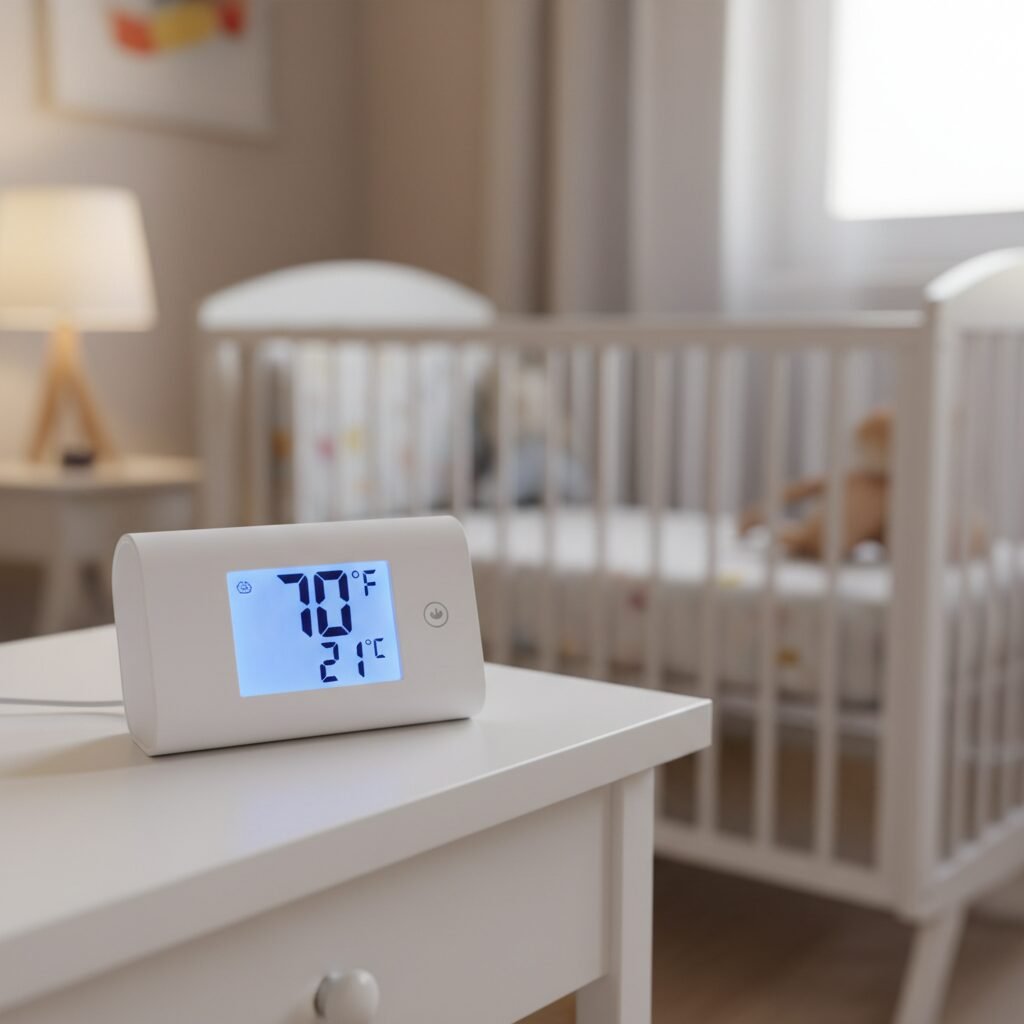
The effectiveness of the TOG system hinges on one crucial piece of information: the ambient temperature of your baby’s nursery. What feels comfortable to an adult may not be right for an infant. Therefore, investing in a reliable room thermometer is non-negotiable. Many baby monitors have this feature built-in, but a simple digital thermometer placed near the crib (but out of baby’s reach) works perfectly.
Once you know the consistent temperature of the room where your baby sleeps, you can use the following chart as your guide. This table is the cornerstone of the TOG system, providing clear recommendations for both the sleep sack TOG rating and the appropriate clothing to wear underneath.
| Room Temperature | Recommended TOG Rating | Suggested Clothing Layers Underneath |
|---|---|---|
| Above 77°F (25°C) | 0.2 – 0.5 TOG | Diaper only or a short-sleeved, legless onesie. |
| 72-77°F (22-25°C) | 0.5 TOG | Short-sleeved onesie. |
| 69-73°F (20-22°C) | 1.0 TOG | Long-sleeved onesie or footless pajamas. |
| 64-68°F (18-20°C) | 2.5 TOG | Long-sleeved pajamas (with or without feet). |
| 61-64°F (16-18°C) | 2.5 TOG | Long-sleeved pajamas plus a long-sleeved onesie. |
| Below 61°F (16°C) | 3.5 TOG | Long-sleeved pajamas, a long-sleeved onesie, and potentially socks. |
Important Considerations for Layering:
- Fabric Matters: Always choose natural, breathable fabrics like cotton, bamboo, or merino wool for your baby’s sleepwear. Synthetic fabrics like polyester can trap heat and moisture, increasing the risk of overheating.
- Adjust for Your Baby: This chart is a guide. Some babies naturally run warmer or cooler. The next section will teach you how to check your baby’s actual temperature to make personalized adjustments.
- No Hats Indoors: Never put a hat on your baby for sleep indoors. Babies regulate their temperature through their heads, and covering them can quickly lead to overheating.
Beyond the Chart: How to Check if Your Baby is Actually Comfortable

Beyond the Chart: How to Check if Your Baby is Actually Comfortable
While the TOG chart is an invaluable tool, it’s essential to remember that it is a starting point. Every baby is unique, and factors like metabolism and individual comfort levels can vary. The most reliable way to know if your baby is dressed appropriately is not by guessing, but by performing a simple physical check.
The Neck/Chest Check: The Gold Standard
The common instinct is to feel a baby’s hands or feet to gauge their temperature. However, this is often misleading. It’s perfectly normal for a baby’s extremities to feel cool to the touch due to their still-developing circulatory system. The most accurate way to check their core body temperature is to place two fingers on the back of their neck or on their chest.
- Just Right: The skin should feel warm and dry. This indicates they are perfectly comfortable.
- Too Hot: The skin feels hot, sweaty, or clammy. You may also notice flushed cheeks, rapid breathing, or a heat rash. If you observe these signs, you must remove a layer of clothing immediately.
- Too Cold: The skin feels cool or cold to the touch. In this case, you may want to add a light layer, such as a long-sleeved onesie under their pajamas, or consider moving to the next highest TOG rating if appropriate for the room temperature.
Trust your parental intuition, but verify it with a physical check. Learning your baby’s cues and temperature norms is a skill that builds confidence and ensures their well-being.
Observing Your Baby’s Cues
Beyond the physical check, pay attention to your baby’s behavior. A baby who is consistently waking up and seems fussy might be uncomfortable. While many factors can cause night wakings, being too hot or too cold is a common and easily fixable culprit. A comfortable baby is more likely to sleep soundly.
The Bigger Picture: Essential Safe Sleep Rules Beyond TOG
The Bigger Picture: Essential Safe Sleep Rules Beyond TOG
Using the TOG system correctly is a major step towards creating a safe sleep environment, but it’s one piece of a larger puzzle. To truly minimize risks, these practices, as recommended by the American Academy of Pediatrics (AAP), must be followed every time your baby sleeps, for naps and at night.
The ABCs of Safe Sleep
This simple acronym is the most critical guideline for infant sleep safety.
- A – ALONE: Your baby should sleep alone in their own dedicated sleep space, such as a crib, bassinet, or play yard. This means no co-sleeping with parents, siblings, or pets. Bed-sharing dramatically increases the risk of accidental suffocation and SIDS.
- B – BACK: Always place your baby on their back to sleep. Even if they can roll over on their own, your job is to start them on their back. The ‘Back to Sleep’ campaign has been credited with a significant reduction in SIDS-related deaths.
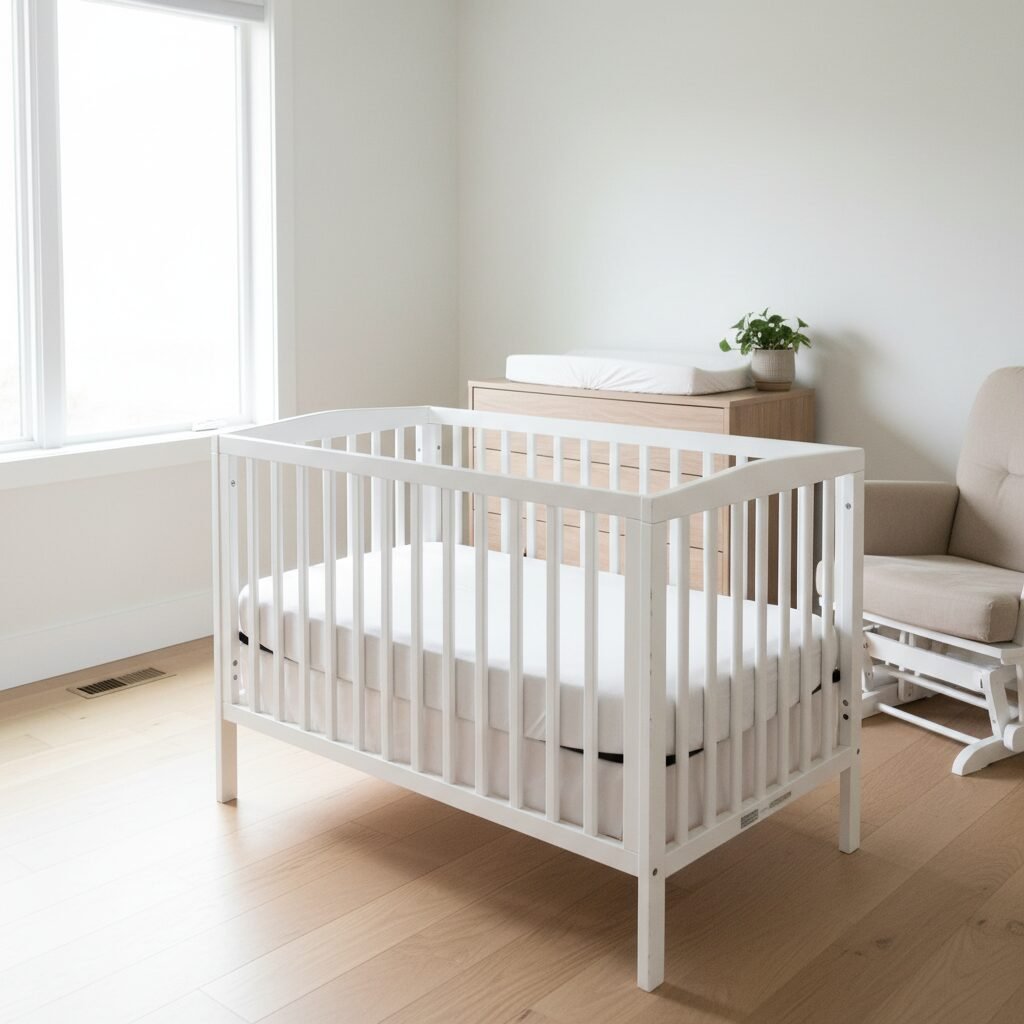
- C – CRIB: The sleep space should be a safety-approved crib or bassinet with a firm, flat mattress and a tightly fitted sheet. There should be nothing else in the crib.
A Bare Crib is a Safe Crib
The rule is simple: the only thing in the crib with your baby should be your baby. This means you must avoid:
- Loose Blankets: These pose a major suffocation and strangulation hazard. Wearable blankets (sleep sacks) are the safe alternative.
- Pillows: Including nursing pillows and infant positioners.
- Crib Bumpers: Padded, mesh, or braided, all types of bumpers are considered a suffocation risk and should be removed.
- Stuffed Animals and Toys: Soft objects can obstruct a baby’s airway.
Transitioning from Swaddle to Sleep Sack
Swaddles are wonderful for newborns as they mimic the womb and suppress the Moro (startle) reflex. Many swaddles also have TOG ratings. However, once a baby shows signs of attempting to roll over (which can happen as early as 2 months), it is no longer safe to swaddle them with their arms in. At this point, you must transition to an arms-out sleep sack to allow them to use their arms to reposition their head and push up if they roll onto their stomach.
Your TOG Questions, Answered

Your TOG Questions, Answered
As a doula, I hear many of the same questions from concerned parents. Here are answers to some of the most common queries about TOG ratings and dressing a baby for sleep.
What if my home’s temperature fluctuates significantly at night?
This is a common issue, especially in older homes or with changing seasons. The best approach is to dress your baby for the lowest anticipated temperature of the night. It is always safer for a baby to be slightly cool than to be overheated. You can also consider using a smart thermostat to better regulate the nursery temperature overnight.
Can I use a loose blanket over a sleep sack if it gets really cold?
No. The AAP guidelines are firm on this: no loose blankets in the crib for at least the first year. A sleep sack is a wearable blanket. If you are concerned about your baby being cold, the solution is to adjust the layers underneath the sleep sack (e.g., add a onesie) or use a higher TOG-rated sleep sack, not to add a hazardous blanket on top.
Are TOG ratings the same for every brand?
Yes, for the most part. TOG is a standardized European measurement, so a 2.5 TOG from one reputable brand should offer a similar level of warmth as a 2.5 TOG from another. However, always check the brand’s specific temperature guide, as there can be slight variations in their recommendations.
How should I dress my baby for sleep if they have a fever?
If your baby is sick and has a fever, their body is already working to fight off an illness, and they can overheat much more easily. You should dress them in fewer layers than you normally would for the current room temperature. For example, if you would typically use a 1.0 TOG sleep sack, you might opt for just a 0.5 TOG or even just their pajamas. Always consult your pediatrician for advice when your baby is ill.
Do I need to follow TOG guidelines for daytime naps too?
Yes. Safe sleep rules apply to all sleep, day or night. The room temperature and your baby’s clothing should be managed just as carefully for naps as for nighttime sleep to ensure they are always in a safe and comfortable environment.
Conclusion
Navigating the world of newborn care can feel overwhelming, but ensuring safe and comfortable sleep doesn’t have to be. The TOG rating system is a brilliant, straightforward tool that empowers you to make confident, informed decisions for your baby. By pairing your room’s temperature with the right sleep sack and layers, you eliminate dangerous guesswork and create a secure environment where your little one can rest soundly.
Remember the core principles: know your room temperature, choose the appropriate TOG, and always perform a quick check by feeling the back of your baby’s neck or their chest. Trust in this system, adhere to all safe sleep guidelines, and give yourself grace. You are doing an incredible job of protecting and nurturing your child. With this knowledge, you are well-equipped to provide your baby with the safe, comfortable sleep they need to grow and thrive, allowing you to rest a little easier, too.
Disclaimer: The information provided in this article is for educational purposes only and is not a substitute for professional medical advice, diagnosis, or treatment. Always seek the advice of your pediatrician or another qualified health provider with any questions you may have regarding a medical condition or the health and safety of your child.