The Ultimate Guide to Organizing Baby’s Medical Records & Papers
Welcome to parenthood, where your heart—and your home—suddenly fill to bursting. Alongside the tiny clothes and endless love comes an unexpected blizzard of paper: hospital discharge forms, birth certificate applications, insurance explanations, pediatrician handouts, and immunization schedules. It can feel like a full-time job just to keep track of it all. As a doula and maternal health educator, I’ve seen countless new parents, including dads who are eager to take charge, feel completely overwhelmed by this administrative burden.
Let me reassure you: this feeling is normal. But I also want to empower you with a solution. Creating a centralized, organized system for your baby’s medical records and important papers isn’t just about being tidy; it’s about creating peace of mind. It’s about being able to instantly access critical information during a late-night fever, confidently fill out forms for daycare, and seamlessly track your child’s developmental journey. This guide will walk you through a simple, effective process to conquer the paper chaos, transforming it from a source of stress into a tool that supports you and your growing family.
Gathering the Essentials: What to Keep and Where to Find It
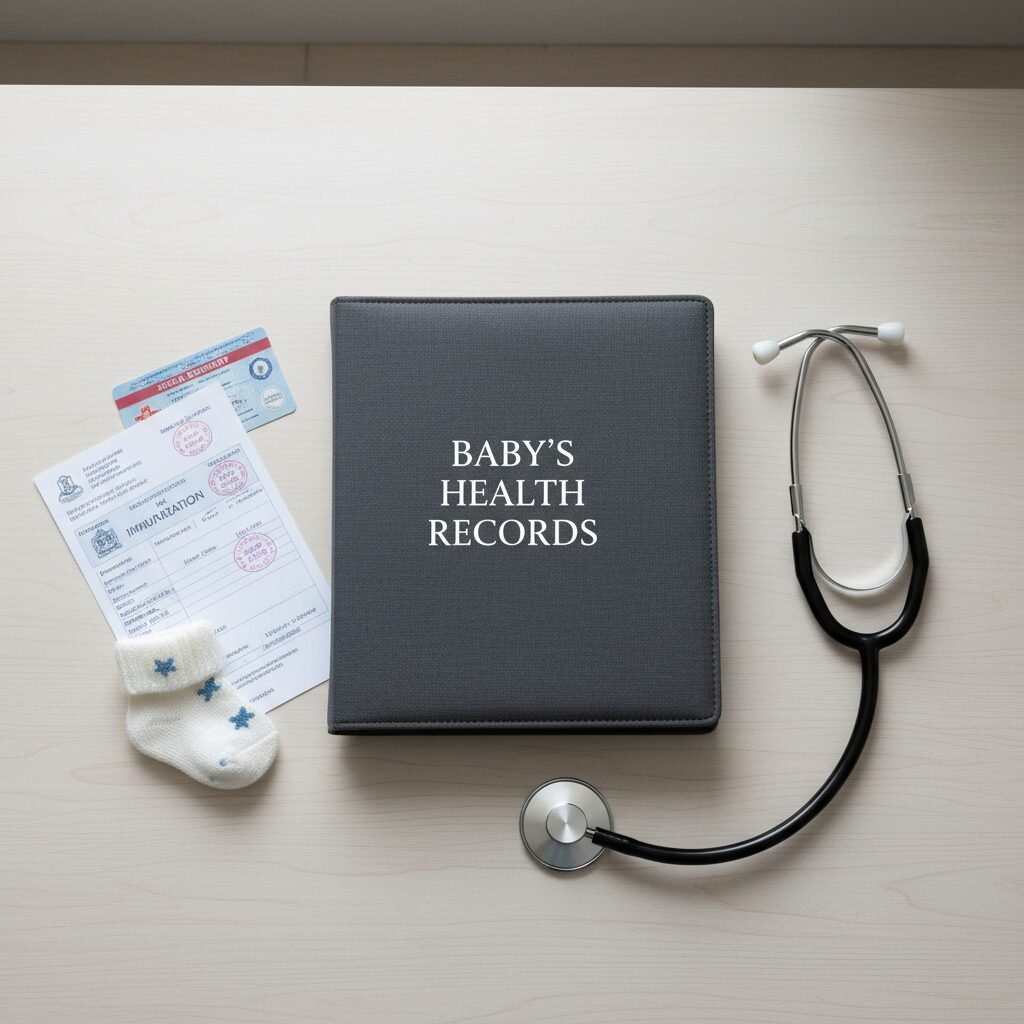
Before you can organize, you need to know what you’re organizing. Many of these documents will be given to you at the hospital, while others will arrive in the mail or be provided by your pediatrician. Start by creating a designated ‘inbox’—a simple tray or folder—where all new baby-related papers go until you have a moment to file them. Here is a comprehensive checklist of the essential documents you’ll want to gather and keep.
Core Identity & Legal Documents
- Birth Certificate: This is the most crucial document. You’ll need it for everything from getting a social security number to future school registration and obtaining a passport. You’ll typically apply for this at the hospital, and the official copy will be mailed to you. Always store the original in a secure place (like a fireproof safe) and keep certified copies in your binder.
- Social Security Card: Similarly, you can often apply for this at the hospital. This is essential for claiming your child as a dependent on your taxes and for opening savings accounts. Sign the card immediately upon receipt and store it securely.
- Insurance Cards & Information: Add your baby to your health insurance policy as soon as possible (there’s usually a 30-day window). Keep a copy of their insurance card, a summary of benefits, and contact numbers for your provider in your system.
Medical History & Records
- Hospital Discharge Papers: This packet contains vital information about your baby’s birth, including their weight, length, APGAR scores, and any immediate health concerns or procedures.
- Immunization Record: This is a long-term document that you will update for years. It’s required for school and many activities. Your pediatrician will provide this and update it at each well-child visit.
- Well-Child Visit Summaries: After each check-up, you’ll receive a summary of your baby’s growth stats (weight, height, head circumference), developmental milestones, and any advice or instructions from the doctor.
- Records of Illnesses or ER Visits: If your baby gets sick, has an allergic reaction, or requires an emergency room visit, keep all related paperwork. Note the date, symptoms, diagnosis, and any medications prescribed. This creates a complete health history that can be invaluable later.
- Contact Information Sheet: Create a single page with all key contacts: pediatrician’s office (including after-hours line), preferred pharmacy, local emergency services, and poison control (1-800-222-1222).
Choosing Your Organizational System: Digital vs. Physical

There is no single ‘right’ way to organize; the best system is the one you will actually use. The two main approaches are physical and digital, though a hybrid model often works best for modern families. Let’s break down the pros and cons of each to help you decide what fits your lifestyle.
A physical system is tangible and straightforward. It often involves a binder, an accordion file, or a filing cabinet. It doesn’t rely on technology, which can be a comfort. However, it’s vulnerable to damage from fire or water and can only be in one place at a time. A digital system involves scanning documents and saving them to a secure cloud service (like Google Drive, Dropbox, or a dedicated family organization app). It’s accessible from anywhere, easy to share with a partner or caregiver, and can be backed up. The downsides include the time it takes to scan, potential security concerns, and reliance on devices and internet access.
For most families, I recommend a hybrid approach: maintain a primary physical binder for original documents and frequently accessed papers, and create a digital backup of the most critical items for on-the-go access and security.
| Feature | Physical System (e.g., Binder) | Digital System (e.g., Cloud Storage) |
|---|---|---|
| Accessibility | Only available where it is physically located. | Accessible anywhere with an internet connection via phone or computer. |
| Sharing | Requires physically handing it over or making photocopies. | Can be instantly and securely shared with partners, caregivers, or doctors. |
| Security | Vulnerable to fire, water damage, or loss. Best kept in a fireproof safe. | Vulnerable to cyber threats but can be protected with strong passwords and two-factor authentication. Secure from physical damage. |
| Ease of Use | Intuitive and requires no technical skill. Easy to grab and go. | Requires scanning/uploading. May have a slight learning curve. Search functions make finding documents fast. |
| Best For | Original copies of vital records (Birth Certificate, SS Card) and quick-reference sheets. | Backups of all documents, sharing with caregivers, and accessing information during travel or emergencies. |
Step-by-Step Guide to Creating Your Baby’s Medical Binder
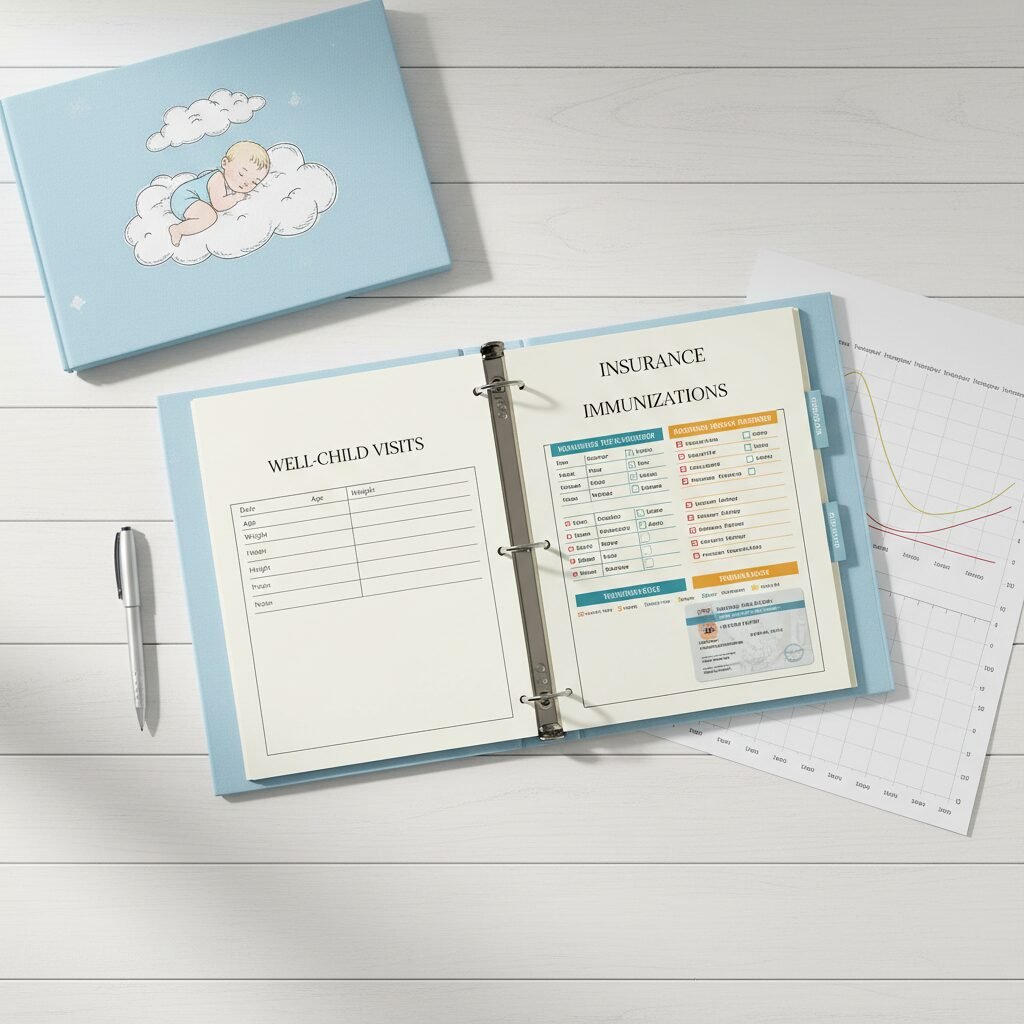
The medical binder is the heart of your physical organization system. It’s a centralized, portable hub for everything related to your baby’s health. Taking an hour to set this up now will save you countless hours of searching and stress later. Here’s how to build it from the ground up.
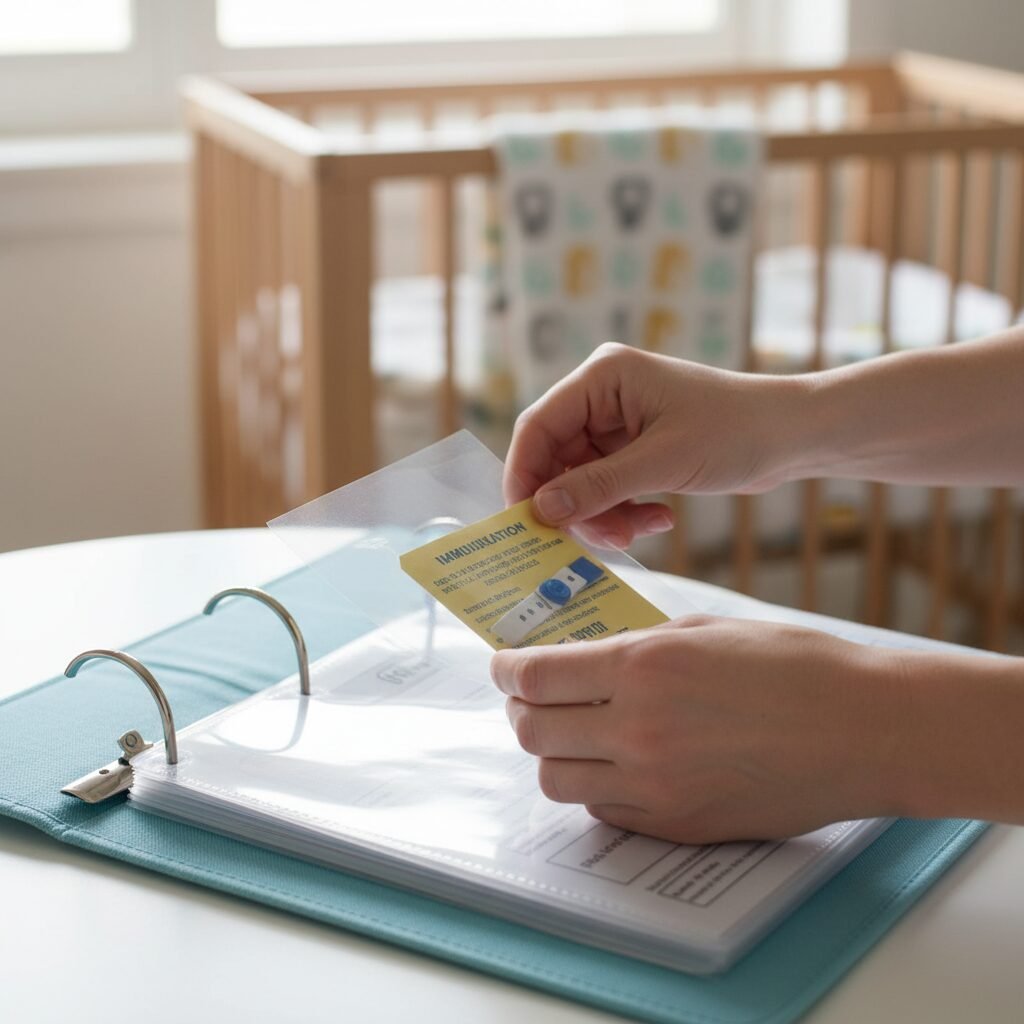
- Select Your Supplies: You’ll need a sturdy 2- or 3-inch three-ring binder, a set of tabbed dividers (at least 8-10), a three-hole punch, and a pack of clear sheet protectors. Sheet protectors are non-negotiable—they protect papers from spills and wear and tear.
- Create Your Sections: Label your tabbed dividers. This structure will make finding information quick and intuitive. A great starting point is:
- Master Info Sheet
- Insurance & Billing
- Well-Child Visits
- Growth Charts
- Immunizations
- Sick Visits & Prescriptions
- Developmental Milestones
- Caregiver Information
- Design a Master Information Sheet: This should be the very first page in your binder. It’s your at-a-glance reference for emergencies or filling out forms. Laminate it or put it in a heavy-duty sheet protector.
Sample Master Information Sheet
| Category | Information to Include |
|---|---|
| Child’s Info | Full Name, Date of Birth, Blood Type (if known), Known Allergies (food, medication), Current Medications & Dosages |
| Parent/Guardian Info | Names, Cell Phone Numbers, Work Phone Numbers |
| Medical Info | Pediatrician’s Name, Office Address, Phone Number, After-Hours Line |
| Insurance Info | Provider Name, Member ID Number, Group Number, Customer Service Phone Number |
| Emergency Contacts | Names and phone numbers of at least two other trusted adults. |
- Punch and File: Go through your pile of gathered documents. Three-hole punch them or slide them into sheet protectors and file them in the appropriate sections. File them chronologically within each section, with the most recent document on top.
- Establish a Habit: The key to a useful binder is keeping it current. After every doctor’s appointment or upon receiving a new document in the mail, take two minutes to file it immediately. Don’t let a new pile form!
Maintaining the System: Tips for Staying Organized Long-Term

Creating the system is the first half of the battle; maintaining it is the second. Life with a little one is unpredictable, but these simple habits can help ensure your records stay up-to-date and useful for years to come.
Adopt the ‘One-Touch’ Rule
When you get home from the pediatrician with an after-visit summary, don’t put it on the counter to ‘file later.’ Take the extra 60 seconds to walk over to your binder and put it in its place immediately. Handling a piece of paper only once is the single most effective way to prevent clutter and backlog.
Schedule a Quarterly Review
Set a recurring calendar reminder every three months to spend 15 minutes with your system. Use this time to:
- Purge outdated information (e.g., old insurance cards).
- Ensure everything is filed correctly.
- Update your digital backups by scanning any new documents from the quarter.
- Review your Master Information Sheet and update any changed phone numbers or contacts.
Create a ‘Grab-and-Go’ Folder
Within your main binder, create a simple folder that holds only the essentials for a specific appointment or an emergency: a copy of the insurance card, the immunization record, the Master Information Sheet, and a list of current concerns or questions for the doctor. Before an appointment, you can simply pull this folder out instead of lugging the entire binder.
Empower Your Village
An organized system is also a powerful tool for communication. Make sure your partner knows the system inside and out. If you have regular caregivers, like grandparents or a nanny, walk them through the binder. Show them where the Master Information Sheet is and how to find key medical history. This ensures consistent, informed care for your child, no matter who is looking after them.
Being organized isn’t about being perfect; it’s about giving your future self the gift of peace and preparation. You are building a foundation of security for your family.
Beyond Medical Records: Organizing Other Important Baby Papers
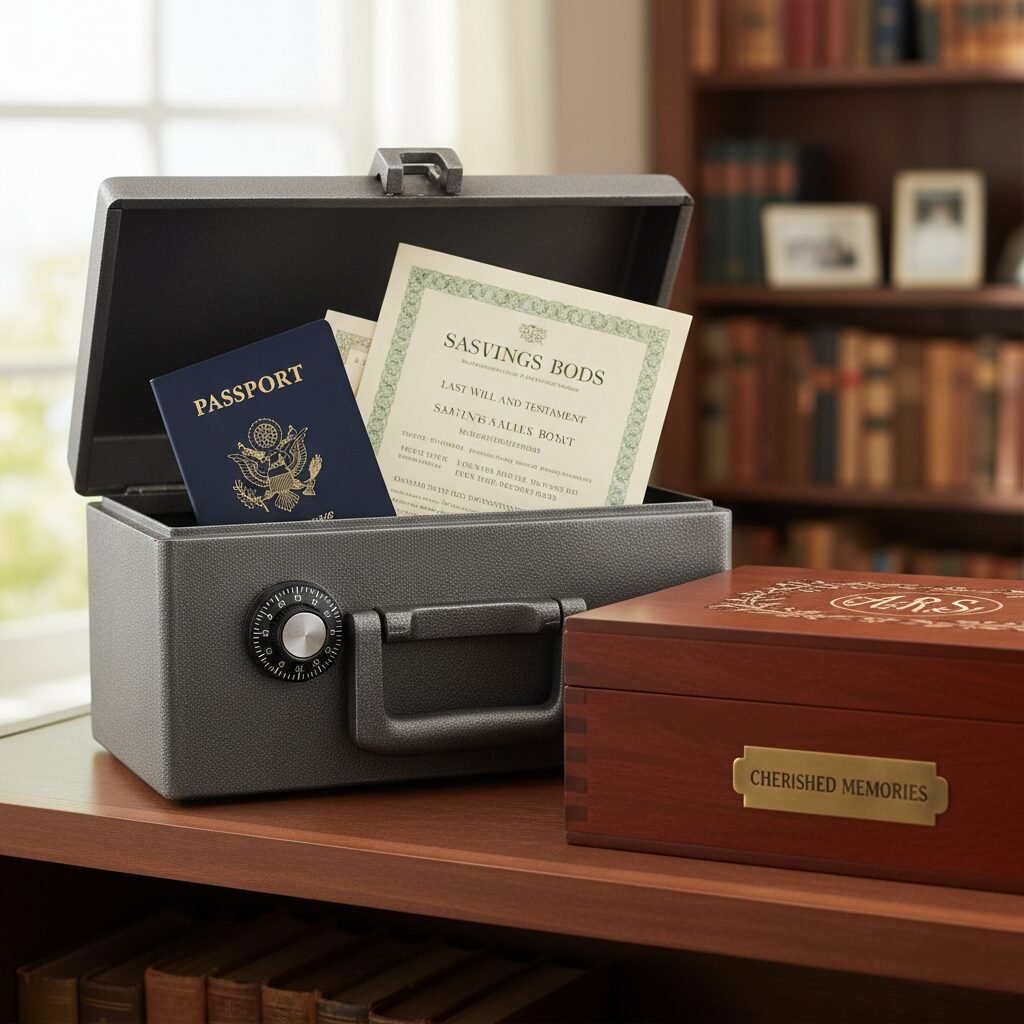
While medical records are the most frequently accessed documents, your baby comes with other important paperwork that needs a secure home. It’s wise to think about long-term document storage from the beginning. We recommend a small, fireproof and waterproof lockbox for these irreplaceable items.
Legal and Financial Documents
- Guardianship and Will: If you haven’t already, becoming a parent is the number one reason to create a will and legally designate a guardian for your child. Store the original copies of these legal documents in your fireproof box. Give copies to the designated guardians and your lawyer.
- Financial Accounts: Keep records of any financial accounts opened in your child’s name, such as a 529 college savings plan or a custodial savings account (UTMA/UGMA). Include account numbers, institution names, and login information in a secure location.
- Life Insurance Policies: Ensure your child is listed as a beneficiary where appropriate and keep a copy of the policy information with your other vital records.
Sentimental Items
Not every piece of paper is an official record, but some are just as precious. Hospital bracelets, the hat they wore home, their first scribbled drawing—these items deserve a special place. To avoid cluttering your medical binder, create a separate ‘Keepsake Box.’ This allows you to honor sentimental items without compromising the efficiency of your primary records system. It’s a beautiful way to preserve memories that you and your child can look back on together one day.
Conclusion
As you stand at the beginning of this incredible journey of parenthood, remember that every small step you take to create order and predictability is an act of love. Organizing your baby’s medical records is more than a task to check off a list; it’s about building a system of care that will support your family through fevers, check-ups, and milestones. It frees up your mental energy, allowing you to focus less on finding a form and more on cherishing the fleeting moments with your little one. You are capable, you are prepared, and by taking control of the paperwork, you are giving yourself the invaluable gift of peace of mind. You’ve got this.