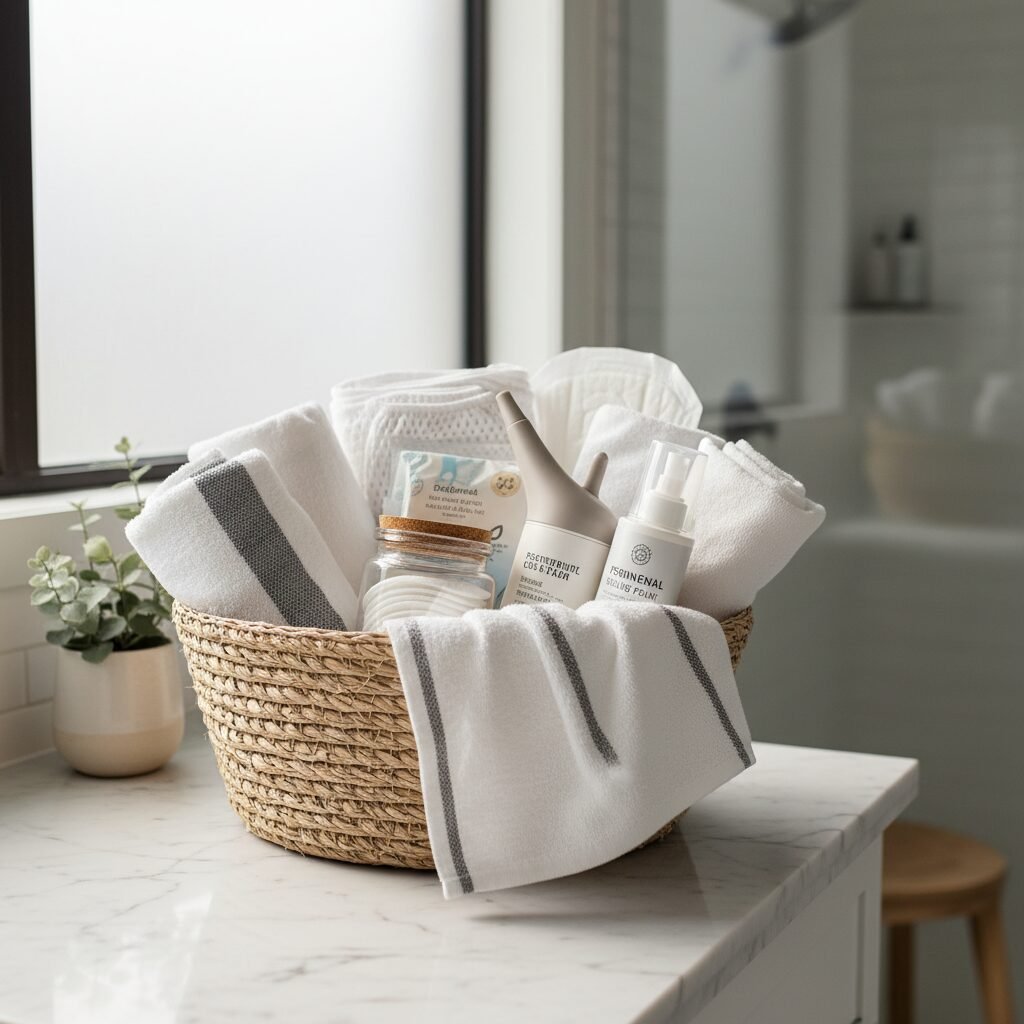
The ‘Potty Station’: Exactly What To Put In Your Postpartum Bathroom Basket
Welcome to the fourth trimester. It’s a period of profound change, immense joy, and significant physical healing. While so much focus is placed on preparing for the baby, it is equally crucial to prepare for your own recovery. As a doula and maternal health educator, one of the most practical and impactful pieces of advice I offer to expecting families is to create a ‘potty station’—a dedicated postpartum bathroom basket filled with everything you’ll need to care for yourself after birth.
Think of it as your personal healing command center. After delivering a baby, whether vaginally or via C-section, trips to the bathroom can be daunting. You’ll be dealing with bleeding, soreness, stitches, and general discomfort. The last thing you want is to be searching for supplies while you’re in pain or feeling vulnerable. Having every essential item within arm’s reach of the toilet is not a luxury; it is a fundamental act of self-care that honors your body’s incredible journey and facilitates a smoother, more comfortable healing process.
This guide will walk you through exactly what to include, why each item is a non-negotiable, and how partners can take the lead in this vital preparatory task. Let’s build the ultimate postpartum bathroom basket, ensuring you feel supported, cared for, and empowered during your recovery.
Why a Postpartum Potty Station is a Non-Negotiable Act of Self-Care
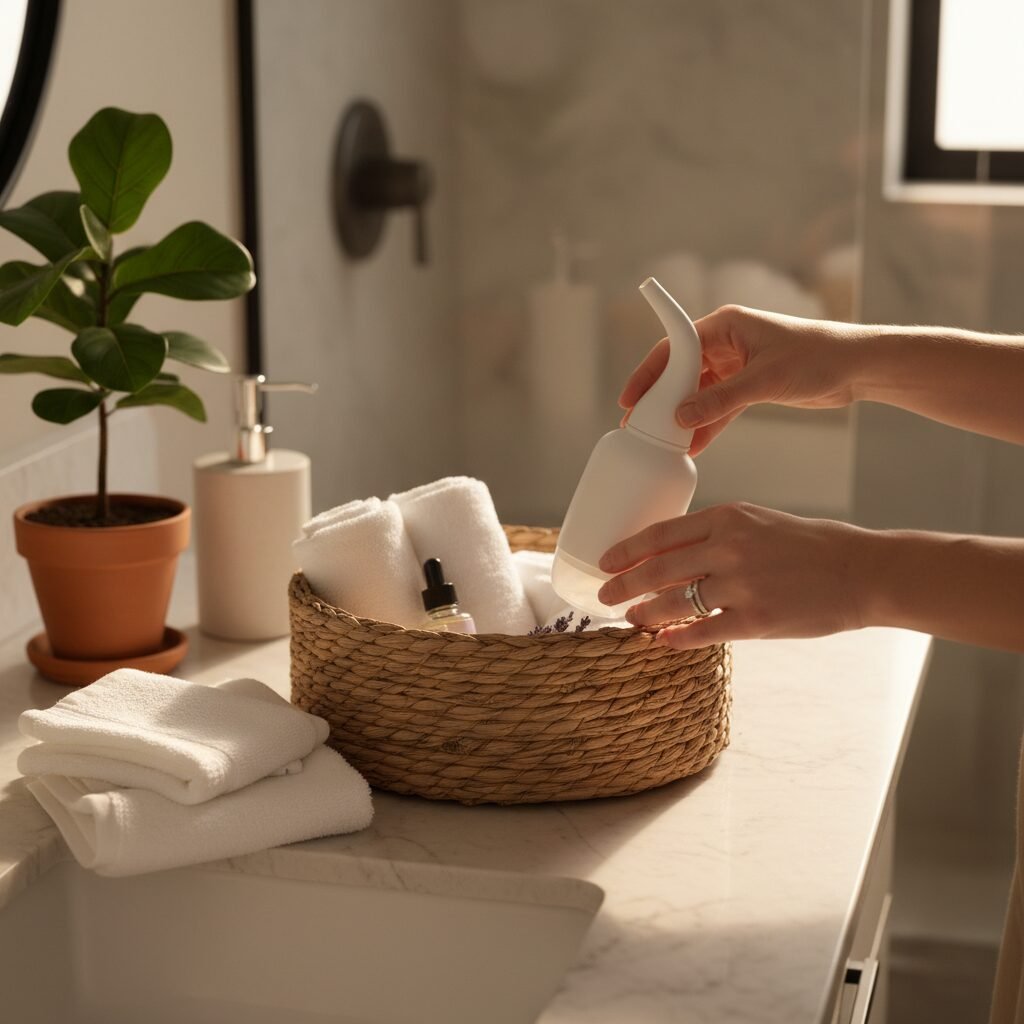
Before we dive into the checklist, it’s essential to understand the ‘why’ behind this concept. The postpartum body is a healing body. After a vaginal birth, you will likely experience perineal swelling, tenderness, and potentially stitches from tearing or an episiotomy. You’ll also have lochia, the postpartum bleeding that can last for several weeks. For those who have had a C-section, you’ll be recovering from major abdominal surgery, making bending and twisting difficult and painful.
A well-stocked potty station addresses these realities head-on. It streamlines the process of perineal care, which is vital for preventing infection and promoting healing. By having everything in one place, you:
- Minimize Painful Movement: You won’t have to bend, stretch, or walk around searching for pads, sprays, or bottles. Everything you need is right there, reducing strain on your perineum or incision site.
- Encourage Consistent Care: When the tools are easily accessible, you are more likely to follow the necessary steps for hygiene and comfort with every bathroom visit. This consistency is key to a better recovery.
- Promote Emotional Well-being: Taking the time to care for your body in this way is a powerful form of self-compassion. It sends a message that your healing is a priority. This simple, organized basket can provide a sense of control and calm during a time that can often feel chaotic.
‘Tending to your own healing is not selfish. It is the necessary foundation upon which you will build your strength to care for your new baby. Honor your recovery.’
Preparing this station before the baby arrives is one of the most loving things you can do for your future self. It’s a practical demonstration of foresight and care that will pay dividends in comfort and peace of mind during those first challenging and beautiful weeks.
The Core Four: Essential Perineal Care Items
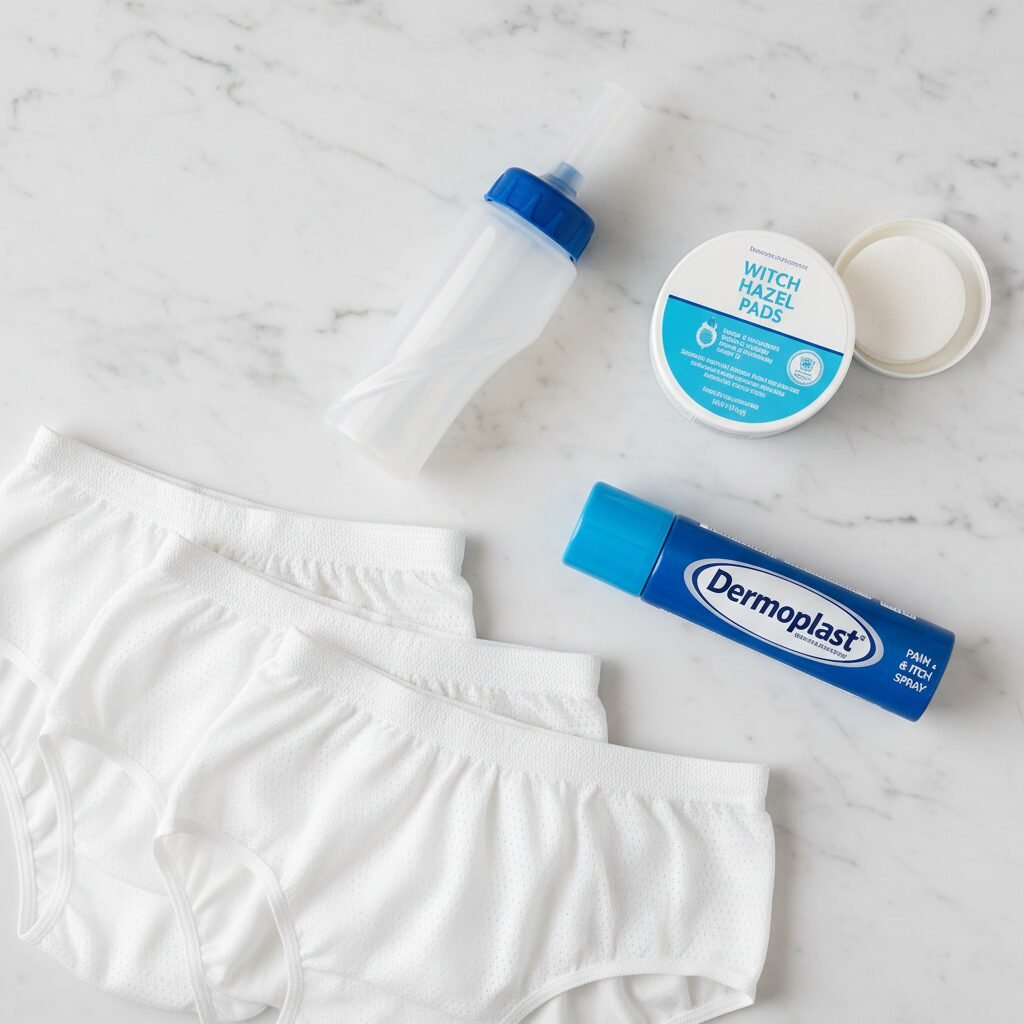
These are the absolute must-haves for perineal hygiene and healing after a vaginal birth. They form the foundation of your potty station and will be your most-used items in the early days.
-
Peri Bottle (Perineal Irrigation Bottle)
This is your new best friend. Wiping with toilet paper is a no-go when the area is tender and stitched. A peri bottle is a squirt bottle you fill with warm water to gently cleanse your perineum after urinating or having a bowel movement. The warm water is soothing, helps keep the area clean to prevent infection, and can dilute urine to reduce stinging. Pro-Tip: The standard bottle from the hospital works, but many mothers swear by the ergonomic, angled-neck versions you can buy online. They are much easier to aim and use effectively.
-
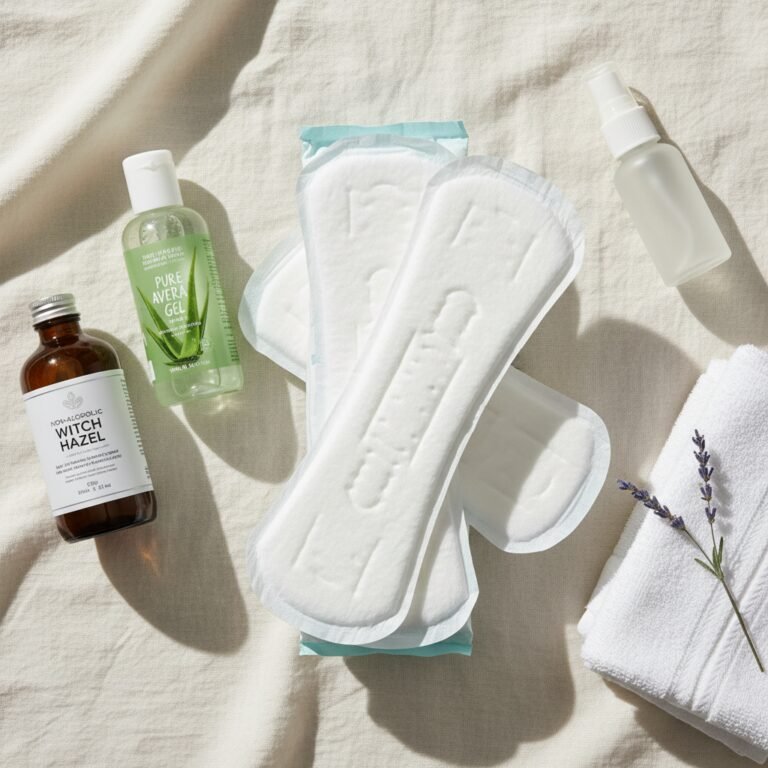
Witch Hazel Pads
These medicated pads are lifesavers for soothing swollen, irritated tissue and providing relief from hemorrhoids, which are common after pregnancy and delivery. They contain witch hazel, a natural astringent and anti-inflammatory. You can place a few pads on top of your maternity pad for continuous cooling relief, or fold one and apply it directly to a hemorrhoid.
-
Perineal Healing Foam or Spray
Think of this as targeted relief. There are two main types. Medicated sprays, like Dermoplast (the blue can), contain a topical anesthetic that provides immediate numbing relief from pain and itching. Herbal options often feature ingredients like lavender, cucumber, and peppermint for natural, cooling comfort and to promote healing. Having one of these on hand can make sitting down much more bearable.
-
High-Quality Postpartum Underwear & Maternity Pads
Your normal underwear and pads won’t cut it initially. You’ll want two things: 1) Mesh Underwear: The disposable, super-stretchy kind from the hospital are fantastic for the first few days. They are breathable and can hold giant pads without putting pressure on your sore abdomen or perineum. Stock up! 2) Heavy-Duty Maternity Pads: You will need very absorbent, long pads for the initial heavy lochia. As the bleeding lessens over the weeks, you can transition to smaller pads and eventually panty liners. Choose pads without synthetic mesh coverings, as they can snag on stitches.
Comfort and Relief: Items for Soothing and Healing
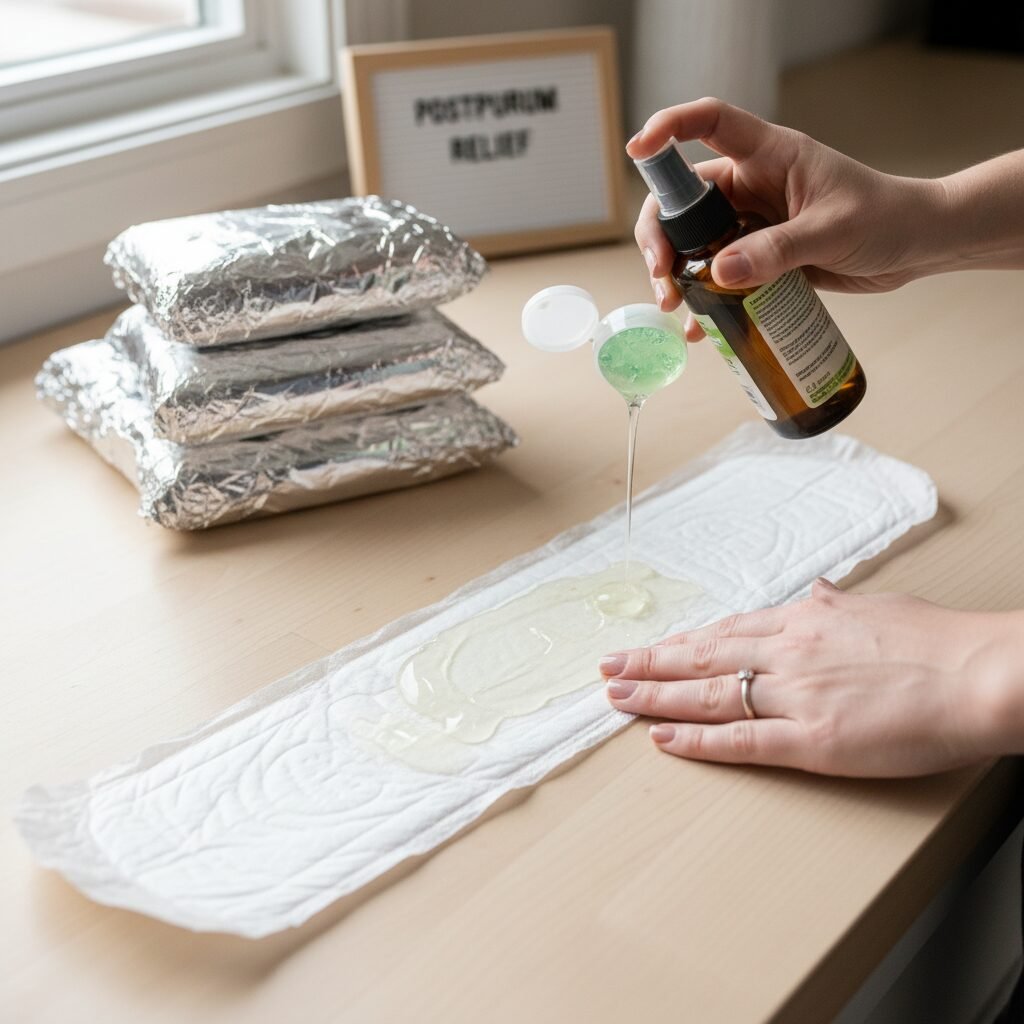
Beyond the basic cleaning quartet, these items offer next-level comfort and can significantly speed up your sense of well-being. They target pain and swelling, making the recovery process much more manageable.
-
‘Padsicles’ (Frozen Perineal Pads)
These are a DIY miracle for postpartum relief. A ‘padsicle’ is a maternity pad that has been saturated with healing ingredients and then frozen. The combination of cold therapy and soothing agents provides incredible relief from perineal pain and swelling. To make them, simply open a maternity pad, spread it with alcohol-free aloe vera gel, drizzle some witch hazel on top, and add a few drops of lavender essential oil if desired. Fold them back up, place them in a freezer bag, and store them in the freezer. Prepare a batch in your third trimester!
-
Stool Softener
The first postpartum bowel movement is a source of anxiety for many new mothers. Between perineal stitches and the fear of straining, it can be terrifying. Stool softeners (like Colace) are often recommended by doctors to make this process much gentler and less painful. They don’t force a bowel movement but simply make it softer and easier to pass. This is especially important if you are taking any opioid pain relievers, which can cause constipation. Always consult your healthcare provider before taking any medication.
-
Sitz Bath
A sitz bath is a shallow basin that fits over your toilet bowl. You fill it with warm water (and sometimes Epsom salts or special herbal blends) and sit in it for 15-20 minutes a couple of times a day. This practice is incredibly soothing, promotes blood flow to the perineal area to accelerate healing, and helps keep stitches clean. It can provide immense relief from hemorrhoid pain and general soreness.
-
Donut Pillow
While you won’t store this in your basket, having one in the bathroom (and in other rooms where you sit) can be a game-changer. A donut pillow is designed to relieve pressure on the perineum and coccyx (tailbone). Sitting on the toilet or any hard surface can be very painful, and this simple cushion can make a world of difference.
General Hygiene and Personal Care Upgrades
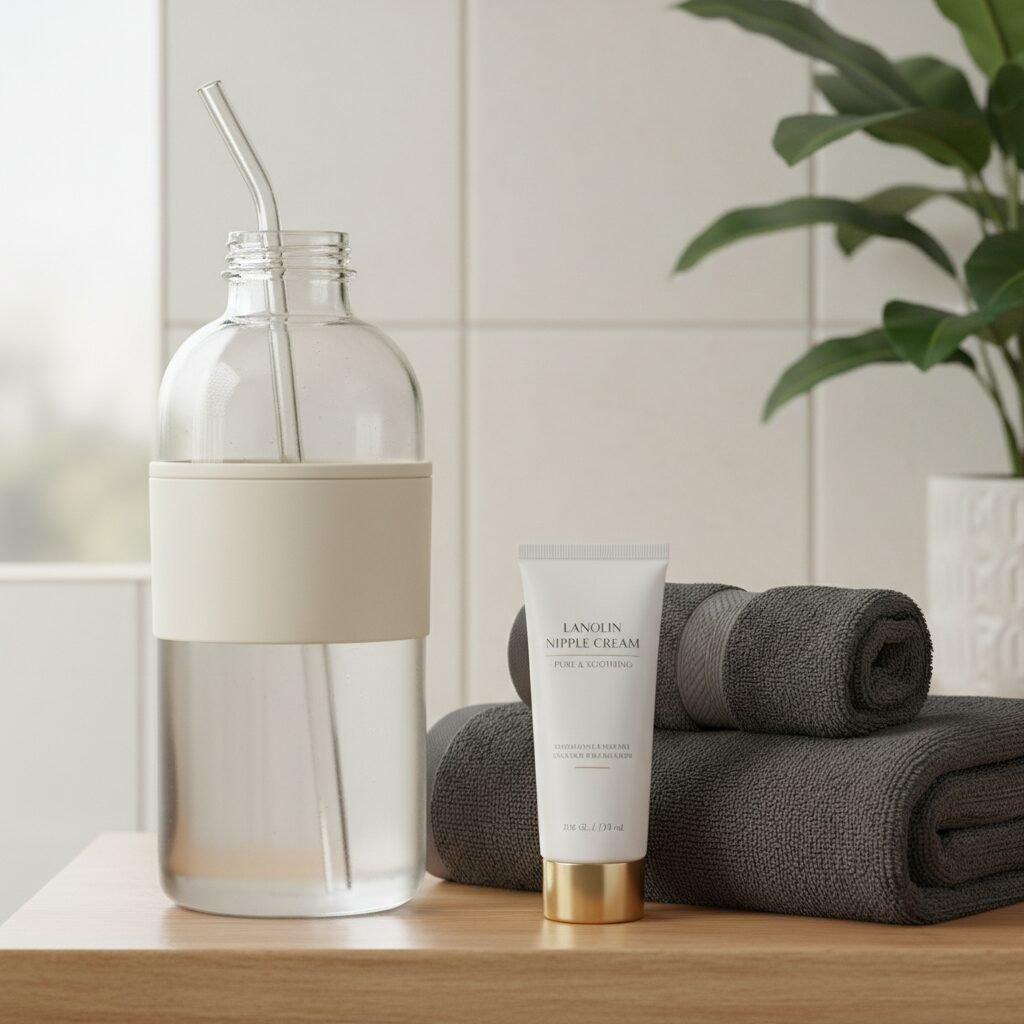
Feeling clean and somewhat ‘normal’ can have a huge impact on your mental state during the postpartum period. These items are about comfort, convenience, and helping you feel a little more like yourself when a full shower feels like a monumental task.
-
A Dedicated, Dark-Colored Towel
Have a small, soft, dark-colored towel exclusively for patting your perineal area dry after using the peri bottle. The dark color is practical as it won’t show stains from any lingering lochia. Pat gently; never rub.
-
Large Water Bottle with a Straw
Hydration is critical for healing, combating constipation, and establishing milk supply if you are breastfeeding. Keep a large water bottle with a straw in the bathroom to remind yourself to drink every time you’re in there. The straw is key for easy, one-handed sipping while holding a newborn.
-
Comforting Personal Care Items
Think small luxuries that make a big difference. This could include: lip balm (hospitals are notoriously dry), gentle face wipes for a quick refresh, dry shampoo for when hair washing is not happening, and your favorite hand lotion. These small acts of personal care can boost your spirits.
-
Nipple Cream
If you are breastfeeding, your nipples can become sore very quickly. It’s convenient to have a tube of lanolin or other nipple cream in your bathroom basket to apply after a shower or during late-night bathroom trips.
-
Healthy Snacks
Postpartum recovery and breastfeeding create a ravenous hunger. Keep a small stash of non-perishable, one-handed snacks like granola bars, nuts, or dried fruit in or near your basket. You’ll be grateful for them during 3 a.m. feeding and bathroom sessions.
For the C-Section Mama: Special Considerations
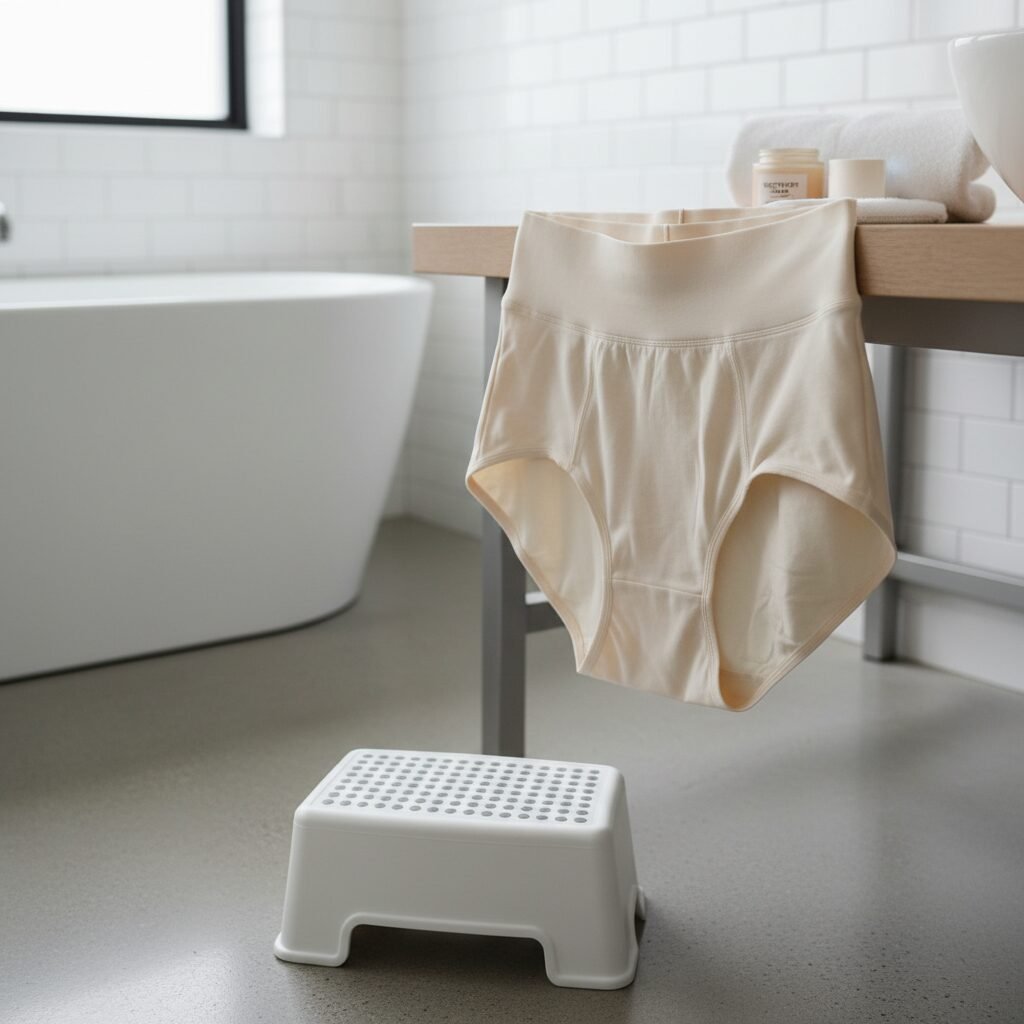
While C-section recovery doesn’t involve perineal tearing, it is major abdominal surgery that requires its own specific care and support. Your bathroom station will look slightly different but is just as crucial.
-
High-Waisted Postpartum Underwear
This is the most important item. You need underwear that comes up well over your incision site. Anything that sits on or near the incision will be incredibly irritating and painful. Look for soft, breathable, high-waisted cotton briefs or specialized C-section recovery underwear.
-
Step Stool
A small, sturdy step stool next to the toilet can be a huge help. It allows you to brace your feet and use your leg muscles to lower and raise yourself, reducing the strain on your core and abdominal incision. This simple tool can significantly decrease pain during bathroom visits.
-
Incision Care Supplies
Your doctor will give you specific instructions for cleaning your incision. Keep any recommended supplies—like gentle, fragrance-free soap or saline wash—in your basket so they are ready when you shower.
-
Abdominal Binder
While you won’t keep it in the basket, an abdominal binder is a key recovery tool. It provides compression and support to your abdominal muscles, which can make moving around, coughing, and laughing much less painful. Put it on before you leave the bathroom to feel more secure.
-
Continue with the Peri Bottle & Stool Softeners
Even with a C-section, you will still have lochia and need to keep the vaginal area clean, so the peri bottle is still useful. Stool softeners are arguably even more critical, as straining with an abdominal incision is painful and dangerous for your recovery.
Assembling Your Basket: A Guide for Dads and Partners
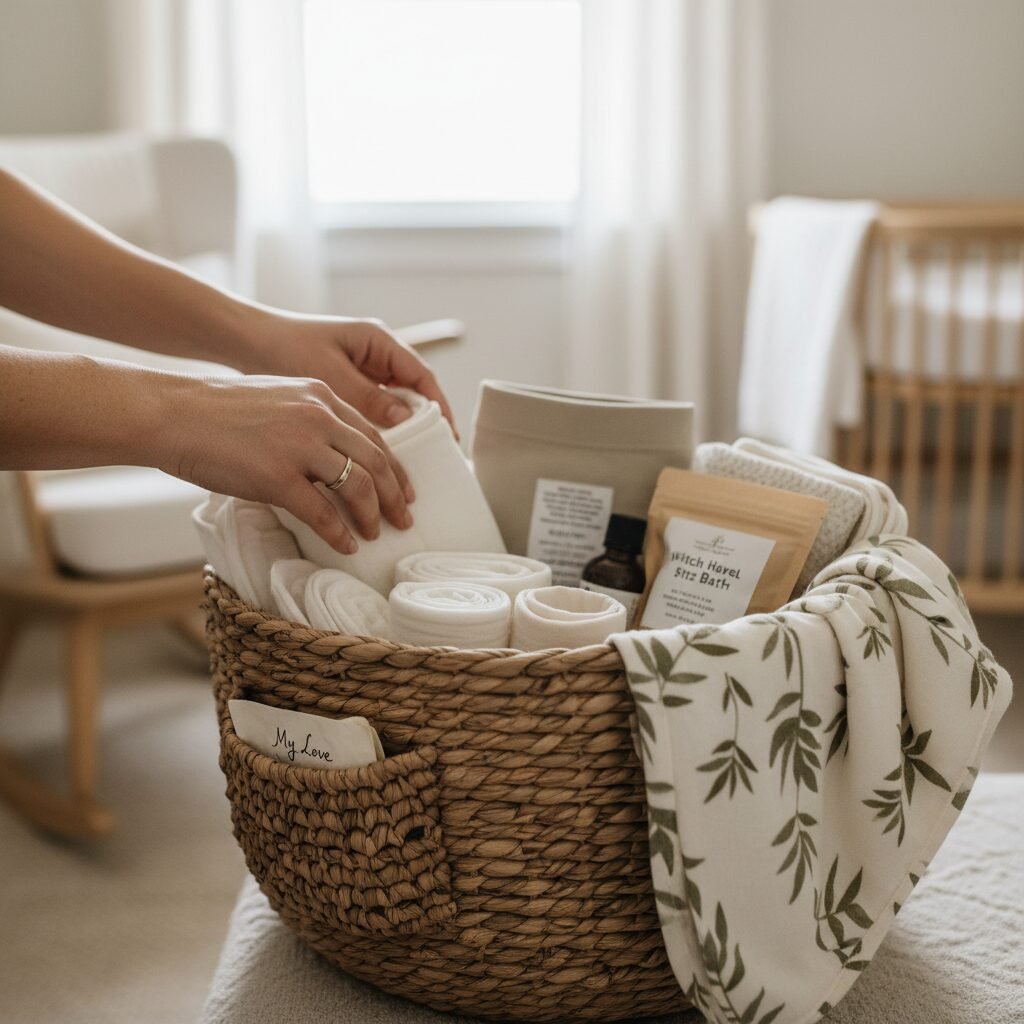
To the partners reading this: this is your time to shine. Taking charge of creating and maintaining the potty station is one of the most tangible, helpful, and loving things you can do. It takes a significant task off your partner’s plate and shows you are actively participating in the recovery process. Your role is not just to assemble, but to maintain.
Your Mission, Should You Choose to Accept It:
- Gather the Supplies: Use the checklist below to go shopping or place an online order. Get everything ready before the 37-week mark.
- Choose and Assemble the Basket: Find a basket, caddy, or cart that can sit right next to the toilet. Arrange everything so it’s visible and easy to grab.
- Become the Chief Restocking Officer: Your job continues after the baby comes home. Check the basket daily. Is the peri bottle empty? Refill it with warm water. Are the pads running low? Restock them. This proactive care is invaluable.
- Add a Personal Touch: Tuck a little love note, her favorite chocolate bar, or a new lip balm into the basket as a surprise. Small gestures of love and encouragement mean the world during this time.
Here is a consolidated checklist to make it easy:
| Category | Item | Purpose |
|---|---|---|
| Perineal Care | Angled-Neck Peri Bottle | Gentle cleansing without wiping |
| Perineal Care | Witch Hazel Pads (Tucks) | Soothes swelling and hemorrhoids |
| Perineal Care | Perineal Spray (Dermoplast) or Foam | Pain and itch relief |
| Perineal Care | Mesh/Disposable Underwear | Breathable, non-restrictive underwear |
| Perineal Care | Heavy Flow Maternity Pads | Absorbing lochia |
| Comfort & Relief | Ingredients for ‘Padsicles’ (Aloe, Witch Hazel) | DIY frozen pads for intense relief |
| Comfort & Relief | Stool Softener (e.g., Colace) | Prevents straining during bowel movements |
| Comfort & Relief | Sitz Bath or Herbal Salts | Soothing soaks for healing |
| Hygiene & Personal Care | Dark-Colored Washcloth/Towel | For gently patting the area dry |
| Hygiene & Personal Care | Large Water Bottle with Straw | Encourages crucial hydration |
| Hygiene & Personal Care | Nipple Cream | Soothes sore nipples from breastfeeding |
| C-Section Specific | High-Waisted Cotton Underwear | Avoids irritating the incision |
| C-Section Specific | Small Step Stool | Reduces core strain when using the toilet |
Conclusion
Creating a postpartum potty station is more than just a practical preparation step; it’s a ritual that centers your well-being during a transformative time. By anticipating your needs and gathering these tools for healing, you are setting the stage for a more comfortable and empowered fourth trimester. You are acknowledging that your recovery is just as important as the care you provide to your new baby.
Remember, this period of intense physical healing is temporary. Be patient and gentle with your body. Allow it the time and resources it needs to mend. You have accomplished something extraordinary, and you deserve to be nurtured, supported, and celebrated.
As you embark on this new chapter, know that you are strong, you are capable, and you are surrounded by a community that wants to see you thrive. You’ve got this.
Medical Disclaimer: The information provided in this article is for educational and informational purposes only and is not intended as medical advice. It is not a substitute for professional medical advice, diagnosis, or treatment. Always seek the advice of your physician or other qualified health provider with any questions you may have regarding a medical condition.