

The Only C-Section Hospital Bag Checklist You’ll Ever Need
Dear parent-to-be, take a deep breath. Whether your Cesarean birth is scheduled or a possibility you’re preparing for, the journey ahead is one of incredible strength. Packing your hospital bag can feel like one of the few things you can control, a way to nest and prepare for the moment you’ll meet your baby. But a C-section hospital bag isn’t quite the same as one for a vaginal delivery. Your recovery will be different, your hospital stay will likely be a bit longer, and your comfort needs are unique.
As a doula, I’ve supported countless families through this beautiful and transformative experience. I’ve seen firsthand which items bring the most comfort and which ones end up being useless clutter. This checklist is more than just a list; it’s a guide crafted with empathy and practical experience, designed to help you feel prepared, empowered, and cared for as you step into this new chapter. Let’s pack this bag together, ensuring it’s filled with everything you truly need for a smoother, more comfortable recovery.
Understanding the C-Section Difference: Why Your Bag Needs a Special Plan
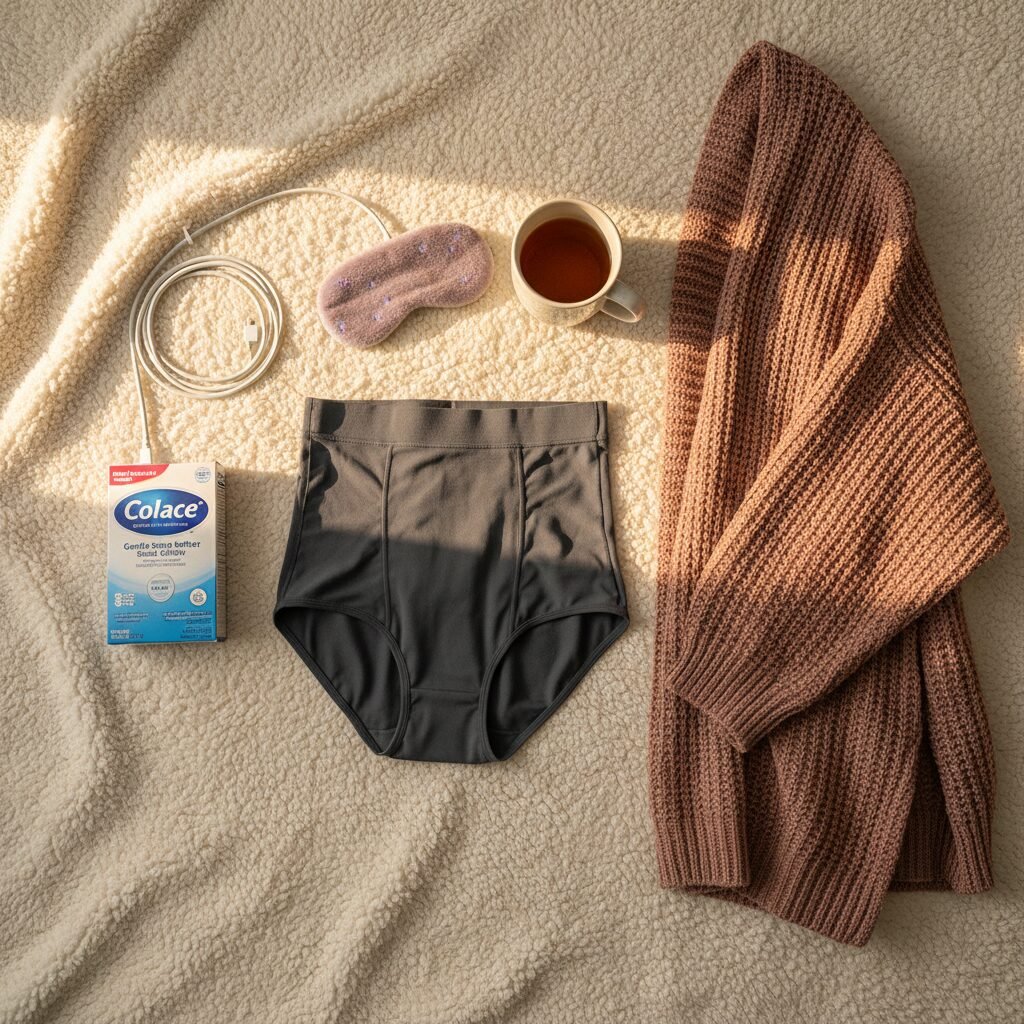
Before we dive into the list, let’s talk about why this checklist is different. A C-section is major abdominal surgery. Your body will be healing from an incision, your mobility will be limited for the first few days, and your hospital stay will typically be longer (usually 3-4 days, compared to 1-2 for an uncomplicated vaginal birth). This changes everything.
Your packing strategy should focus on three key areas:
- Incision Comfort: Nothing should press, rub, or irritate your incision site. Think soft, high-waisted, and loose.
- Ease of Access: When it’s difficult to bend or twist, having everything you need within arm’s reach is a game-changer.
- Extended Stay Essentials: A few extra days in the hospital means you’ll want more creature comforts to make the sterile environment feel a little more like home.
Remember: Preparation is a form of self-care. Packing this bag is an act of love for your future self, the strong mother who will be recovering and bonding with her new baby.
For You, Mama: The Ultimate Comfort & Recovery Checklist
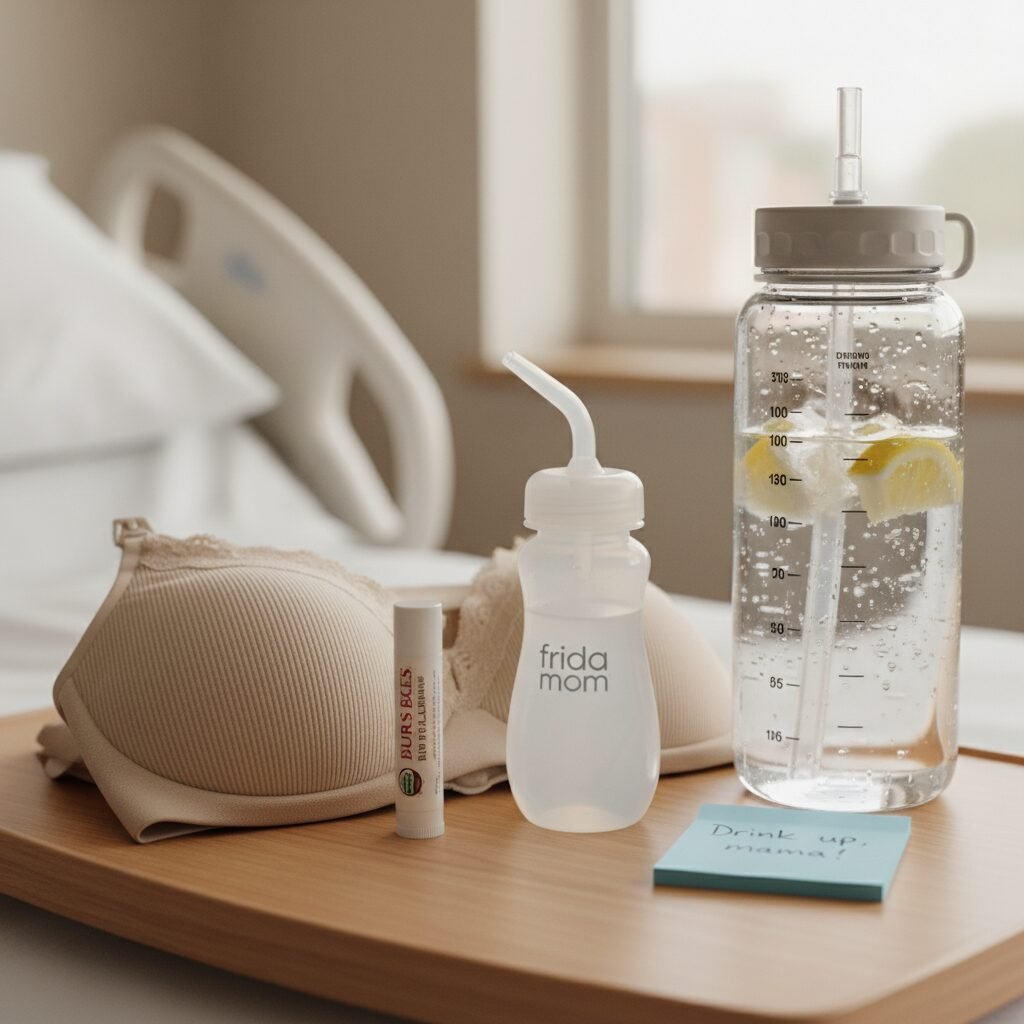
This is the core of your bag. Focus on items that will soothe your body, support your healing, and make you feel human during those first tender days.
Clothing for Comfort
- High-Waisted Postpartum Underwear (4-6 pairs): This is non-negotiable. You need underwear that sits well above your incision line. Look for soft, breathable cotton. Some moms love disposable postpartum underwear for the first few days.
- Loose-Fitting Pajamas or Gowns (2-3): Choose front-opening styles if you plan to breastfeed. Nightgowns can be great as they don’t have a waistband at all. Dark colors are always a practical choice.
- A Lightweight Robe or Cardigan: Perfect for layering over a hospital gown, for walking the halls (which they will encourage!), and for receiving visitors without feeling too exposed.
- Going-Home Outfit: Pick the loosest, softest, most comfortable maternity dress or pants you own. Something that was comfortable at 6 months pregnant is a good benchmark. Do not pack pre-pregnancy jeans.
- Grippy Socks or Slippers (2 pairs): The hospital will provide basic ones, but your own cozy, non-slip socks or easy-to-slide-on slippers will feel like a luxury. You’ll need them for those first careful walks.
- Nursing Bras or Tanks (3-4): If you plan to breastfeed, comfortable, non-underwire nursing bras or tanks are essential for support and easy access.
Toiletries & Personal Care
- Your Own Toiletries: While the hospital has soap, having your own shampoo, conditioner, face wash, toothbrush, and toothpaste will make that first shower feel incredible. Travel-sized bottles are perfect.
- Lip Balm & Moisturizer: Hospital air is notoriously dry. Lip balm is a must-have.
- Dry Shampoo: You may not feel up to washing your hair right away, and dry shampoo is a miracle worker.
- Gentle Body Wipes: For moments when you need to freshen up but aren’t ready to get out of bed.
- Hair Ties or Headband: To keep your hair out of your face during labor, surgery, and postpartum snuggles.
- Postpartum Peri Bottle: The hospital will provide one, but many moms prefer the angled-neck design of specialty brands for easier use.
- Stool Softener: The hospital will offer this, but if you have a brand you trust, bring it. The first postpartum bowel movement can be intimidating, and stool softeners are your friend.
- Belly Binder: Check with your doctor first, but many women find a supportive belly binder provides welcome compression and support for their abdominal muscles and incision, especially when moving around.
For Your Sweet Baby: Simple & Practical Essentials
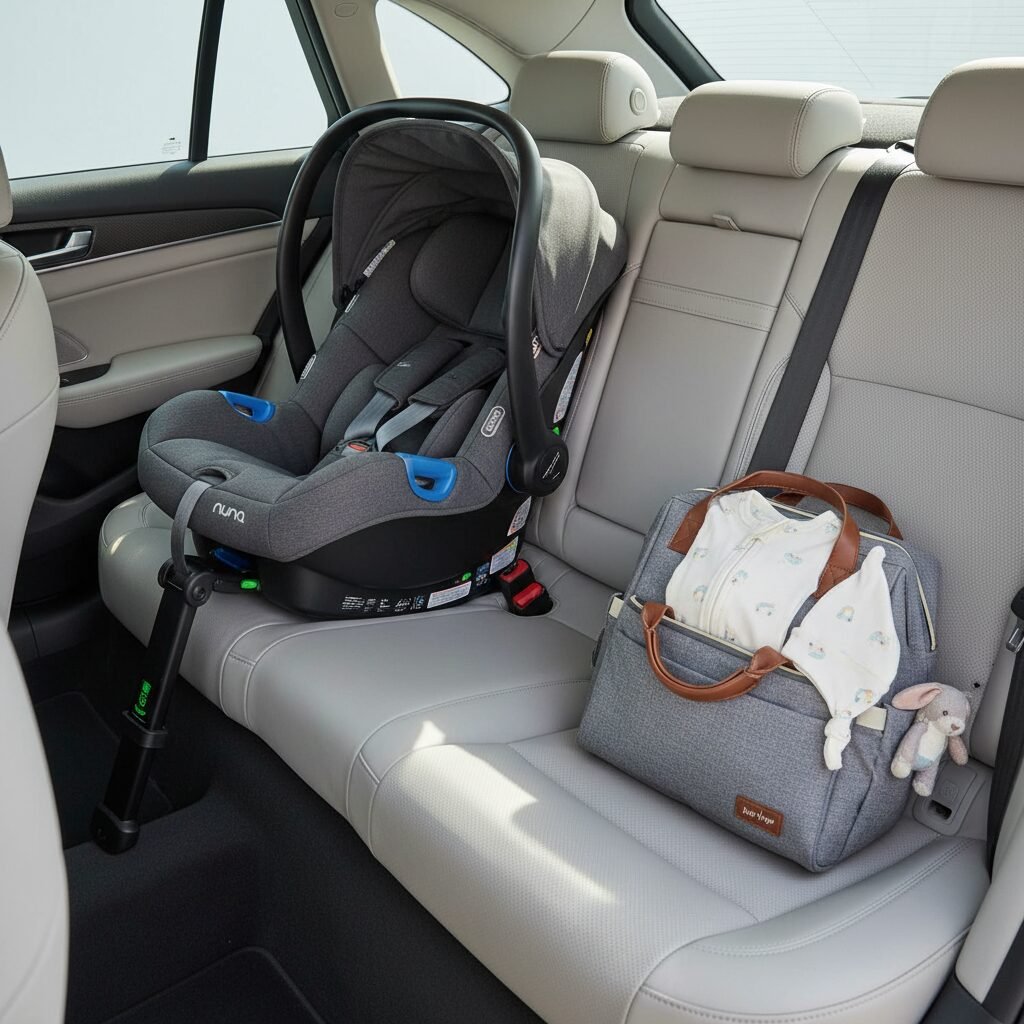
The hospital provides almost everything your baby will need: diapers, wipes, swaddle blankets, and formula if you are using it. You don’t need to overpack for the baby. Focus on a few key items for photos, comfort, and the ride home.
- Going-Home Outfit: Choose one outfit in newborn size and one in 0-3 months, just in case. Make it seasonally appropriate and easy to put on. Remember that your baby will need to be safely buckled into a car seat, so avoid bulky or complicated outfits.
- Swaddles or Sleep Sacks (1-2): While the hospital provides blankets, you might want to practice with the swaddles or sleep sacks you plan to use at home. The nurses can be wonderful teachers!
- Baby Hats & Mittens (2 pairs): To keep your little one warm and prevent them from scratching their delicate face.
- Pacifiers: If you plan to use them, bring a couple of different brands, as babies can be picky.
- Car Seat: This is the one absolute must-have. You cannot leave the hospital without it. Make sure it is properly installed in your car *before* you go to the hospital. Have a local certified Child Passenger Safety Technician check your installation for peace of mind.
- Pediatrician’s Information: The hospital staff will ask for your pediatrician’s name and contact details. Have it written down and easily accessible.
For Your Partner or Support Person: The Unsung Hero’s Go-Bag
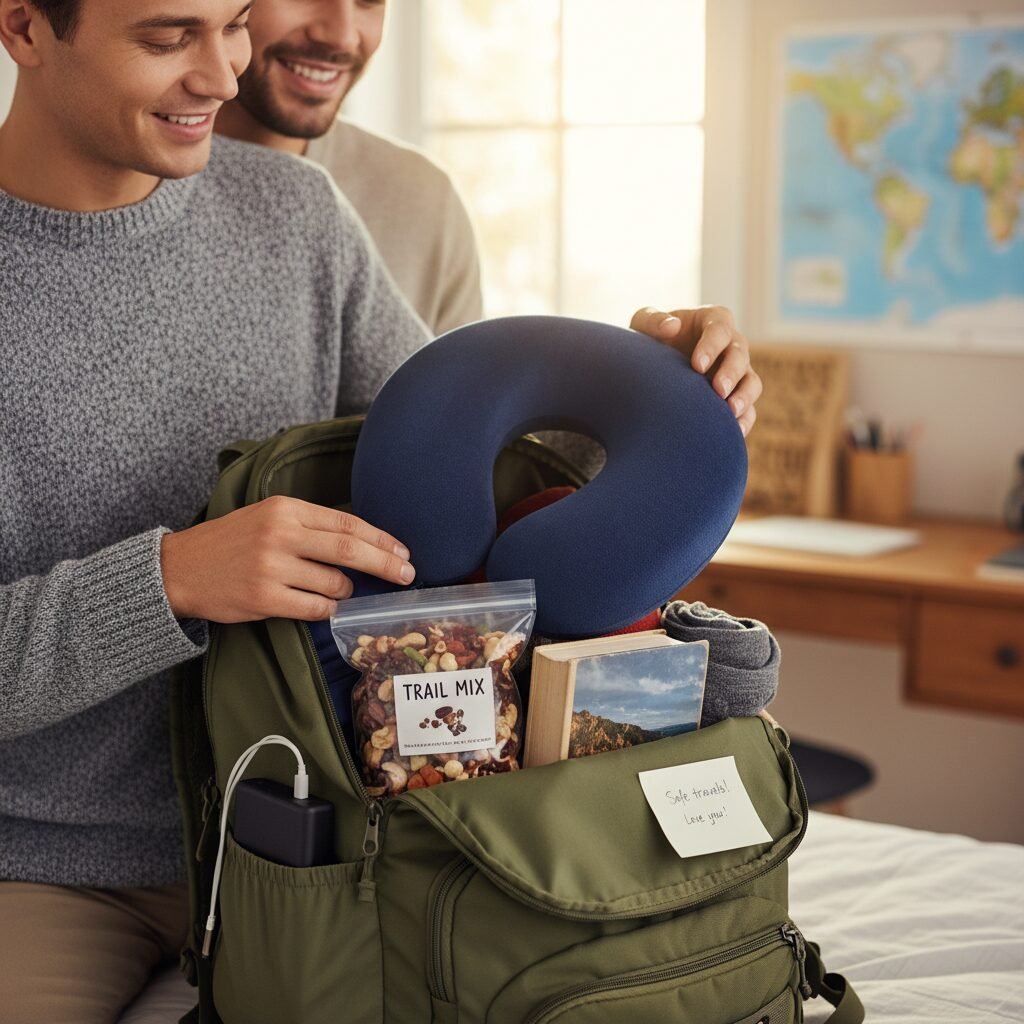
Your support person is your rock during this time. Their comfort is important, too! A well-rested, comfortable partner is a better support system for you and the baby. They should pack a separate bag with their own essentials.
- Change of Clothes (2-3 outfits): They will be there for a few days.
- Pajamas or Comfortable Loungewear: That hospital chair/couch is not a 5-star hotel. Comfort is key.
- Their Own Toiletries: Toothbrush, deodorant, etc.
- Snacks & Reusable Water Bottle: Hospital food options can be limited, especially late at night. Packing protein bars, trail mix, and other easy snacks is a lifesaver. Staying hydrated is crucial for them, too.
- Pillow and Blanket: Hospital-provided linens for partners are often thin and scarce. A comfortable pillow and blanket from home can dramatically improve their sleep quality.
- Book, Tablet, Headphones: There can be downtime while you are resting. Entertainment is important.
- Phone & Extra-Long Charging Cable: The wall outlets are never conveniently located. A 10-foot cable is a pro move. A portable power bank is also a great idea.
- List of Important Contacts: A physical list of people to call or text with updates, just in case their phone battery dies.
Documents, Tech, and The ‘Just-in-Case’ Items
This category covers the practical items that will make your stay smoother and help you capture the memories.
Paperwork & Administration
- Photo ID & Insurance Card: Keep them in an easily accessible part of your wallet.
- Hospital Pre-Registration Paperwork: If you filled it out ahead of time, bring your copy.
- Birth Plan (Optional): Even with a C-section, you can have preferences. Bring a few copies for your nurses and doctor. Discuss things like whether you want the curtain lowered to see the birth, immediate skin-to-skin in the OR, etc.
- A Pen and Notepad: For jotting down questions for doctors, tracking baby’s feeding times, or writing down memories.
Technology & Entertainment
- Your Phone & Extra-Long Charging Cable: We’re saying it again because it’s that important!
- Portable Speaker: To play a calming playlist during recovery.
- Camera: If you prefer to use something other than your phone for photos. Don’t forget the charger and an extra memory card.
Nice-to-Haves
- Your Own Pillow: A pillow from home can make a world of difference for your comfort. Use a colored or patterned pillowcase to distinguish it from hospital pillows.
- Nipple Cream: If you’re breastfeeding, start using it from the first latch to prevent soreness.
- Nursing Pillow: This can be a lifesaver after a C-section. It helps position the baby for feeding without putting pressure on your incision.
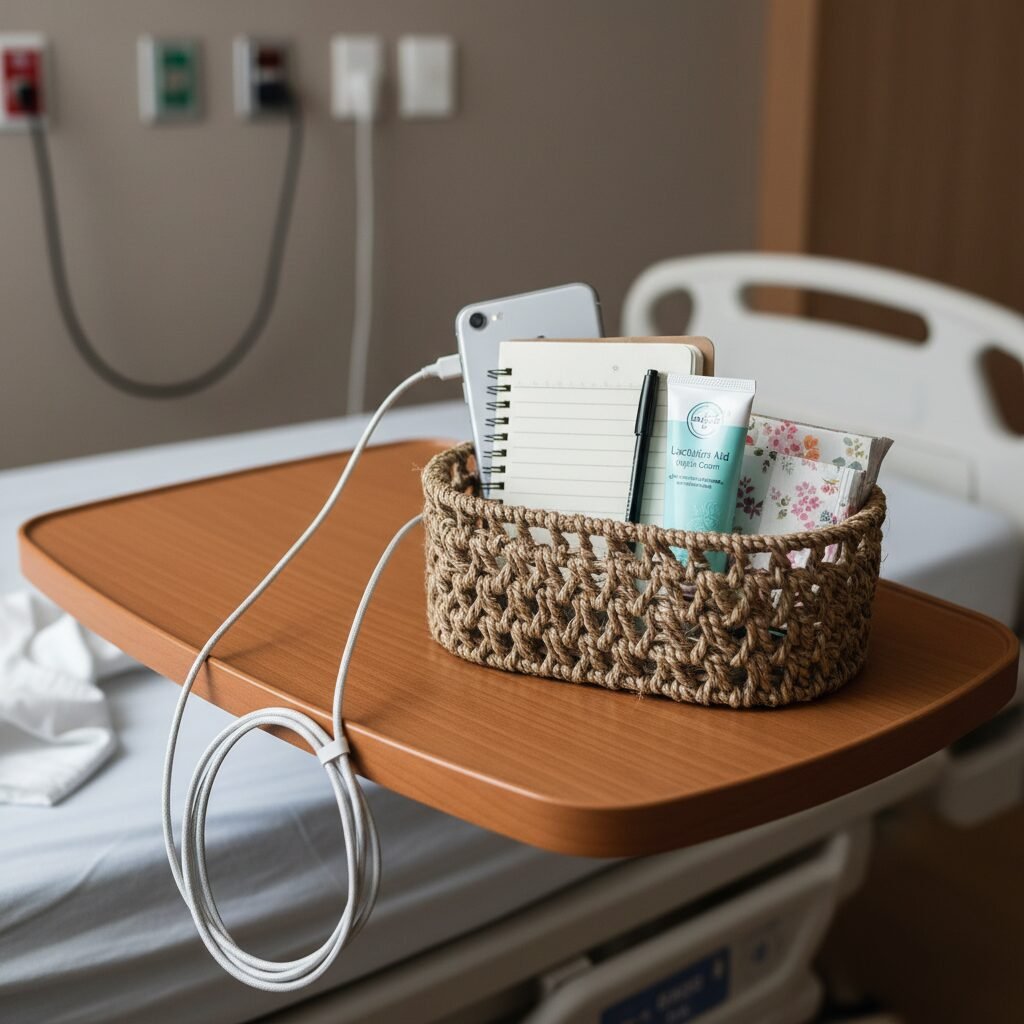
- Small Basket for Your Bedside Table: A small, open basket can keep your essentials (lip balm, phone, hair ties, snacks) contained and within easy reach, which is a huge help when your mobility is limited.
Conclusion
Packing your C-section hospital bag is your final act of preparation before you meet your baby. Seeing it ready and waiting can bring a profound sense of calm. Remember that this list is a guide, not a rigid set of rules. The most important thing you can bring with you is confidence in your body and your birth team. You are strong, you are capable, and you are about to embark on the most incredible adventure. Trust yourself, lean on your support system, and know that you have prepared beautifully for this moment. You’ve got this.
Medical Disclaimer
The information provided in this article is for educational and informational purposes only and is not intended as medical advice. It is not a substitute for professional medical advice, diagnosis, or treatment. Always seek the advice of your physician or other qualified health provider with any questions you may have regarding a medical condition. Never disregard professional medical advice or delay in seeking it because of something you have read in this article.


