

The ‘Flower Bloom’ Visualization Technique That Cut My Labor Time in Half
I remember the feeling vividly. The mounting excitement mixed with a wave of sheer panic as my due date approached. Every birth story I heard, every scene in a movie, painted labor as an excruciating, marathon event to be endured, not experienced. I was terrified of the pain, of losing control, of the sheer unknown. What if I couldn’t do it? This fear, I would later learn, was one of the biggest roadblocks to the birth I truly wanted. Then, my doula introduced me to a concept so simple, yet so profound, it changed everything: the ‘Flower Bloom’ visualization. It sounds gentle, almost too simple to work against the intensity of labor, but this single mental tool became my anchor. It didn’t just help me cope; I truly believe it helped my body do its work more efficiently, cutting my active labor time down to a shocking four hours with my second child. This isn’t about ignoring the reality of labor’s intensity. It’s about giving your mind a powerful, positive job to do—a job that directly supports what your body is already designed to accomplish. It’s about trading fear for focus and tension for release. In this guide, we’ll walk through the science of the mind-body connection in birth and give you a step-by-step plan to master this beautiful technique for yourself.
Understanding the Mind-Body Connection During Childbirth

The Fear-Tension-Pain Cycle: Your Body on High Alert
Before we dive into the ‘how-to’ of the flower visualization, it’s crucial to understand why it works. Famed obstetrician Dr. Grantly Dick-Read first described a concept known as the “Fear-Tension-Pain Cycle.” It’s a physiological feedback loop that can make labor harder and longer than it needs to be. Here’s how it works: you feel a contraction, you anticipate pain, and your mind reacts with fear. This fear triggers a primal fight-or-flight response in your body, flooding you with stress hormones like adrenaline and cortisol. This hormonal cocktail causes your muscles—including your uterine and cervical muscles—to become tense. A tense, tight muscle cannot open and work effectively. When your powerful uterine muscles contract against a tense, resistant cervix, the result is more pain. This increased pain then validates your initial fear, and the cycle repeats, growing more intense with each surge.
“When you change the way you view birth, the way you birth will change.” – Marie F. Mongan
Adrenaline is the hormone of action and emergency; it’s designed to help you run from a threat. In labor, it directly counteracts oxytocin, the hormone of love, bonding, and—critically—contractions. When adrenaline is high, oxytocin production can slow or even stall, leading to a longer, less effective labor pattern. The key to a smoother birth is to keep the body in a state of calm, trust, and release, allowing oxytocin to flow freely. This is where visualization comes in. It’s not just wishful thinking; it’s a direct intervention to break the Fear-Tension-Pain Cycle. By giving your brain a calm, positive focus, you actively prevent the initial fear trigger. You keep your nervous system in a parasympathetic state (rest and digest) instead of a sympathetic one (fight or flight). This allows your muscles to remain soft and relaxed, ready to work with the contractions, not against them.
Introducing the ‘Flower Bloom’ Visualization: Your Cervix in Full Bloom
What is the ‘Flower Bloom’ Technique?
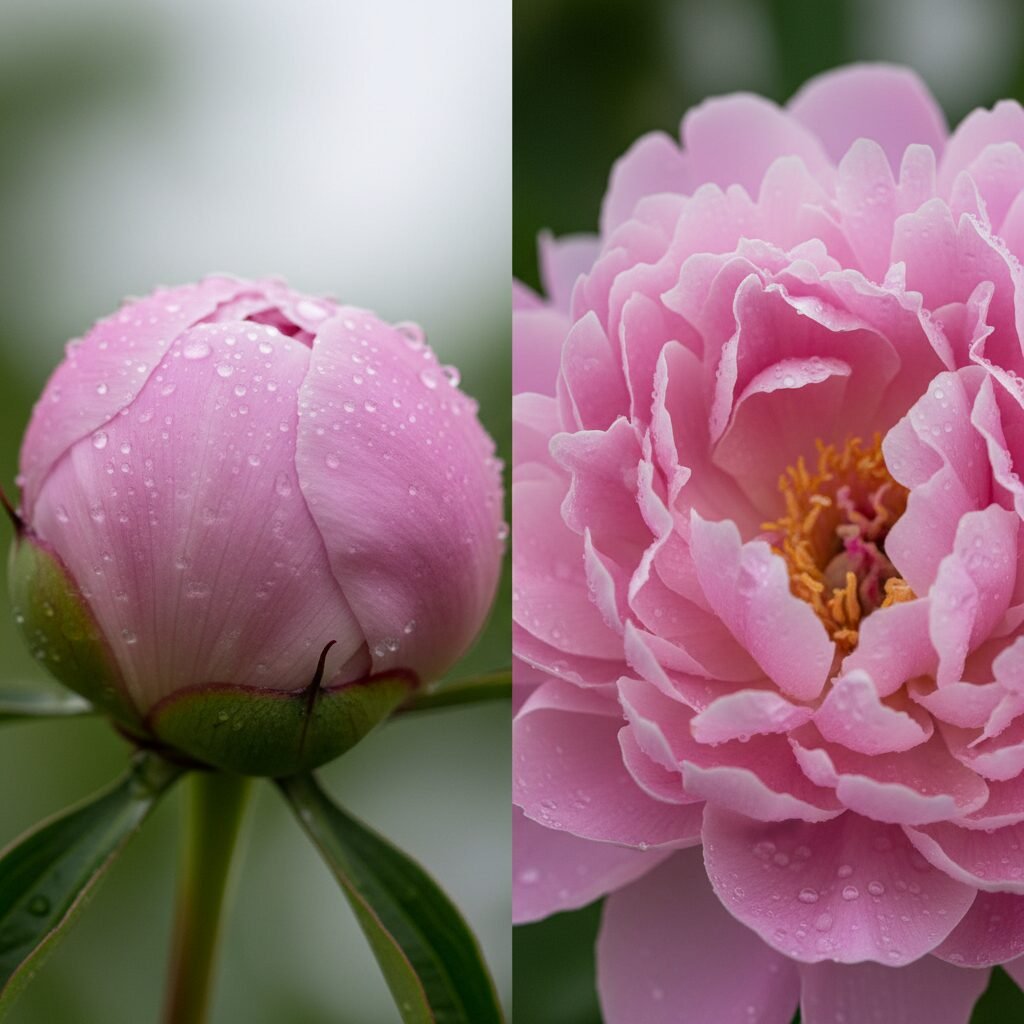
The ‘Flower Bloom’ visualization is a specific, guided imagery practice designed to reframe your perception of contractions and cervical dilation. Instead of picturing a painful, forceful stretching, you are invited to visualize your cervix as a beautiful, tightly closed flower bud. You can choose any flower that resonates with you—a delicate rose, a lush peony, a serene lotus, a vibrant hibiscus.
With each contraction, or ‘surge’ as many prefer to call it, you don’t imagine pain; you imagine this flower bud slowly, gently, and perfectly unfurling. Each wave of sensation is simply the flower’s petals opening, layer by layer. The pressure you feel is the energy of the bloom. The intensity is the life force bringing this flower to its fullest expression. This simple mental switch does several powerful things:
- It replaces a negative image with a positive one: Our brains think in pictures. The image of a flower blooming is one of nature, beauty, and gentle opening. It is the antithesis of the violent, tearing imagery we often subconsciously associate with birth.
- It encourages release, not resistance: You can’t force a flower to bloom by prying its petals open. It must unfurl in its own time. This visualization encourages your mind to send signals of release and surrender to your pelvic floor and cervical muscles, rather than signals to clench and tighten against the sensation.
- It gives purpose to the intensity: By linking the sensation of a contraction to a petal opening, the feeling is no longer just ‘pain.’ It is productive, purposeful energy. You can greet each surge with a thought like, “Ah, another petal is opening. We are getting closer.”
Think of it this way: for ten months, your body has been working to keep your cervix closed and firm to protect your baby. Now, it must do the opposite. This technique is a way of giving your body mental permission to do this new, incredible work of opening up to let your baby pass through.
How to Practice the Flower Bloom Visualization Before and During Labor

Your Step-by-Step Guide to Mastering the Technique
Like any skill, visualization becomes more effective with practice. You wouldn’t run a marathon without training, and preparing your mind for the marathon of birth is just as important. Starting this practice in your third trimester can build the mental muscle memory you’ll need on the big day.
Before Labor: Your Practice Rounds
- Find Your Flower: Take some time to think about what flower you want to use. Look at pictures online. Do you connect with the layered complexity of a rose? The soft, pillowy bloom of a peony? The spiritual significance of a lotus? Choose one that feels right to you. This will be your flower.
- Create a Calm Space: A few times a week, set aside 10-15 minutes. Sit or lie down comfortably in a quiet place where you won’t be disturbed. You can dim the lights, play soft instrumental music, or use an essential oil diffuser with a calming scent like lavender.
- Focus on Your Breath: Close your eyes and begin by taking several deep, slow breaths. Inhale through your nose for a count of four, feeling your belly expand. Exhale slowly through your mouth for a count of six or eight, imagining you are releasing all tension. This breath is called ‘surge breathing’ and it will be your best friend in labor.
- Introduce the Visualization: Once you feel relaxed, bring the image of your chosen flower bud to your mind’s eye. See its color, its texture, the way the petals are tightly wrapped. Now, as you continue your slow breathing, imagine that with each exhale, one petal gently unfurls. Don’t rush it. Just watch it happen. Practice this for several minutes, watching your flower slowly open.
- Anchor the Feeling: As you practice, pay attention to the feeling of relaxation and release in your body. Associate this feeling with the image of the blooming flower. This creates a powerful mind-body connection that you can tap into during labor.
During Labor: Putting it into Practice
When the day comes, your practice will pay off. In early labor, as surges are just beginning, use the visualization to stay calm and centered. With each contraction, close your eyes, take your deep breaths, and see your flower opening. In active labor, when the intensity builds, this becomes your anchor. You may not be able to think about anything else, and you won’t need to. Your single point of focus is your breath and your bloom. If you have a partner or doula, they can whisper reminders: “Breathe out, let another petal open. Your flower is blooming so beautifully.” This verbal cue can be incredibly powerful when you’re deep in the zone.
Cultivating the Garden Together: A Guide for Birth Partners

How Your Support Person Can Be the Gardener
For the partners, new dads, and support people, it can be hard to know how to help during labor. The ‘Flower Bloom’ technique gives you a concrete, active role. You are not just a bystander; you are the gardener, tending to the environment to help the flower bloom.
Your Role as the Birth Partner:
- Be the Narrator: When you see your partner deep in a contraction, you can be their guide. Use soft, encouraging words that reinforce the visualization. For example: “That’s a big one. Just breathe and picture your beautiful rose opening. Another petal is letting go.” Avoid saying things like “relax,” which can be frustrating. Instead, give them the image to focus on.
- Create a Blooming Environment: Your job is to protect the oxytocin-rich environment. This means keeping the lights low, minimizing interruptions, playing calming music, and perhaps using that same scent you practiced with (like lavender oil on a cloth). You are creating a safe, private greenhouse for the bloom to happen.
- Use Touch to Reinforce Opening: Touch can be a powerful tool. Instead of tense, gripping touch, use open-palmed, downward strokes on her back or arms. This physical touch reinforces the mental message of opening, releasing, and moving down. A gentle hip squeeze or counter-pressure on the lower back can also help create space and ease tension in the pelvis.
- Remind Her to Hydrate and Rest: Between surges, the flower rests. Remind her to take sips of water or coconut water and to rest completely. Encourage her to let her jaw hang slack and her shoulders drop, as tension in the face and shoulders often corresponds to tension in the pelvis.
By actively participating in the visualization, you are connecting with your partner on a profound level, working together as a team to welcome your baby.
Creating Your Complete Comfort Toolkit

Beyond the Bloom: Weaving Visualization into Your Birth Plan
The Flower Bloom technique is incredibly powerful, but it’s one tool in a whole toolkit of comfort measures. The true magic happens when you layer these techniques together, creating a symphony of support for your laboring body. Think of visualization as the foundation upon which you can add other elements of comfort. Here’s how they can work together:
| Comfort Measure | How It Complements the ‘Flower Bloom’ Visualization |
|---|---|
| Deep Breathing (Surge Breathing) | This is the most critical partner to visualization. Your slow, deep exhale is the ‘breeze’ that helps the flower petals unfurl. Linking each breath to the image makes both techniques more powerful. |
| Movement & Positioning | Rocking on a birth ball, swaying, or leaning forward uses gravity to help the baby descend and the cervix to open. As you move, you can visualize your flower opening with each sway or rock, creating space in your pelvis. |
| Hydrotherapy (Shower or Tub) | The warmth of the water is profoundly relaxing for tense muscles. Imagine the warm water softening the petals of your flower, making them more pliable and able to open easily. |
| Counter-Pressure & Massage | Firm pressure on the lower back or hips can relieve the intensity of back labor. As your partner applies pressure, you can visualize that touch as energy that is helping to open your bloom from the outside in. |
| Music & Sound | Listening to a calming playlist or even using your own voice to moan or hum on a low tone can be incredibly grounding. The vibrations can help release tension. You can imagine the sound waves vibrating through your flower, encouraging it to open. |
By having multiple tools at your disposal, you can adapt to the ever-changing landscape of labor. What works in one hour may not work in the next, and having a full toolkit empowers you to respond to your body’s needs in the moment.
Conclusion
Trust Your Body, Picture Your Bloom
Childbirth is a profound journey, one that asks for your strength, your surrender, and your trust. The ‘Flower Bloom’ visualization is more than just a distraction from pain; it is a way to actively and lovingly participate in the miracle your body is performing. It is a tool of empowerment that reminds you that you are not breaking; you are opening. You are not fighting a battle; you are blooming to welcome your child.
Practice this technique, share it with your partner, and pack it in your mental hospital bag. When the time comes, let the image of your unique, beautiful flower guide you through each surge. Trust in your body’s innate wisdom, trust in the process, and trust in your own strength. You can do this.
Disclaimer: The information provided in this article is for educational purposes only and is based on personal experience and doula training. It is not intended to be a substitute for professional medical advice, diagnosis, or treatment. Always seek the advice of your physician or other qualified health provider with any questions you may have regarding a medical condition or your pregnancy.


