
The Drug-Free Labor Miracle: Why Every Mom Needs A TENS Machine In Her Bag
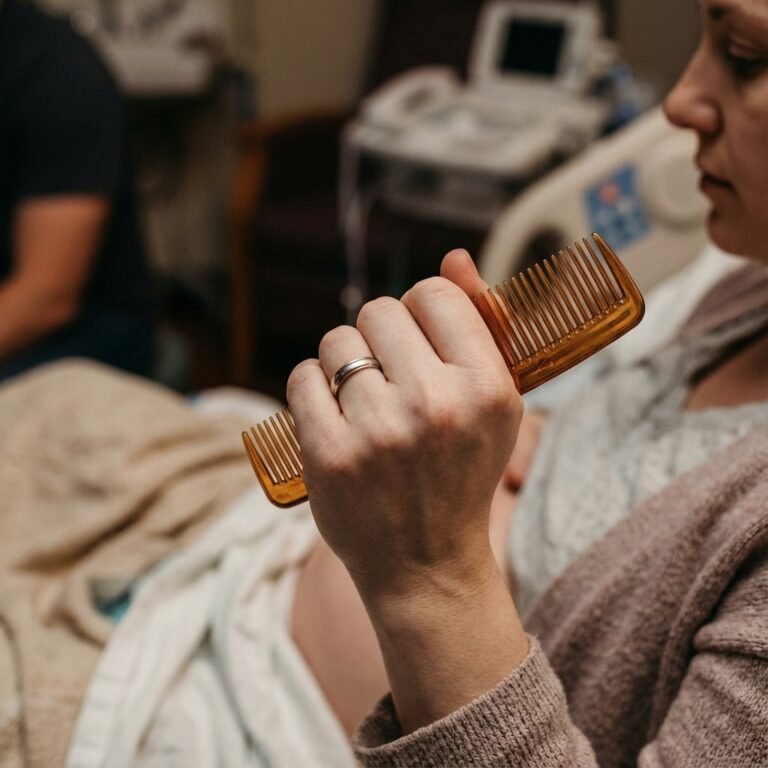
The journey to meeting your baby is filled with anticipation, excitement, and, for many, a significant amount of anxiety about labor pain. It’s a profound and natural concern. As a doula and maternal health educator, I’ve supported countless families as they navigate this transformative experience. One of the most common questions I hear is, “How can I manage the pain without medication?” Parents today are seeking empowerment, control, and options that work with their bodies. They want a toolkit of strategies to draw from, whether they are planning an unmedicated birth or simply want to delay an epidural.
Imagine having a tool that you control, one that is non-invasive, safe for you and your baby, and can be used from the very first twinges of labor in the comfort of your own home. This isn’t a futuristic fantasy; it’s a clinically-proven device called a TENS machine. While it might sound technical, a TENS (Transcutaneous Electrical Nerve Stimulation) machine is one of the most effective, underutilized resources for laboring mothers. This article will demystify this incredible device, exploring what it is, the science behind how it provides relief, its myriad benefits, and a practical guide on how to use it to make your labor experience a more positive and manageable one. It’s time to add this ‘miracle’ machine to your hospital bag checklist.
What is a TENS Machine and How Does It Work for Labor?
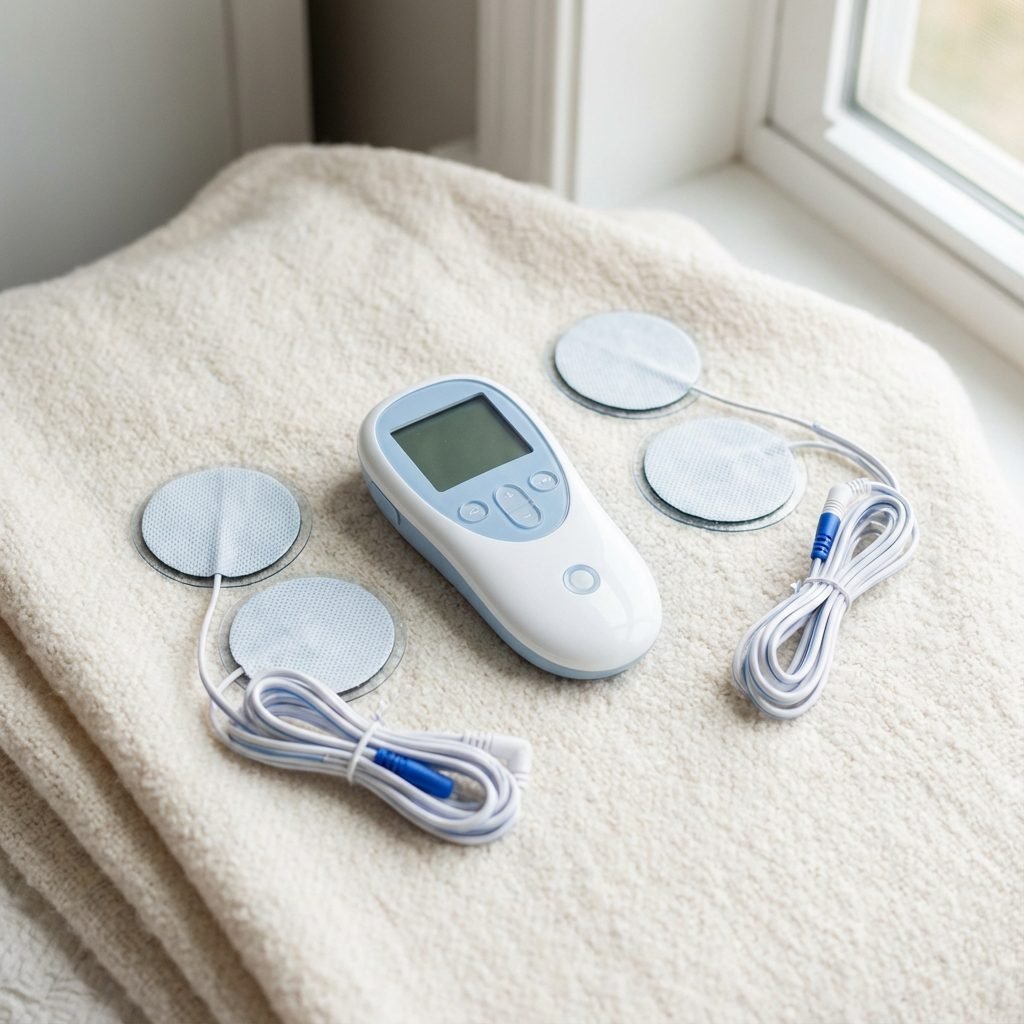
Before you can feel confident packing a TENS machine, it’s essential to understand what it is and the science that makes it so effective. At its core, a TENS machine is a small, handheld, battery-operated device, similar in size to a mobile phone. It is connected by thin wires to four self-adhesive electrode pads that you place on your back.
When you turn it on, the machine sends gentle, rhythmic electrical pulses through the pads to your skin and muscles. You control the intensity, so it never feels painful—most women describe it as a pleasant, tingling, or buzzing sensation. For labor, you’ll want a specific type called an obstetric TENS machine, which includes a crucial ‘boost’ button. But how does this tingling sensation translate into significant pain relief?
The Gate Control Theory of Pain
The primary mechanism behind TENS is explained by the Gate Control Theory of Pain. Think of your nervous system as having a series of ‘gates’ in the spinal cord that pain signals must pass through to reach your brain. These gates can only handle a certain amount of information at one time. The gentle, buzzing signals from the TENS machine travel along the same nerve pathways as the pain signals from your contracting uterus. Because the TENS signals are faster and more pleasant, they effectively ‘close the gate’ on the slower, more intense pain signals. The buzzing sensation reaches your brain first, distracting it and reducing the perception of contraction pain.
The Endorphin Release Theory
There’s a second, equally powerful process at play. The continuous stimulation from the TENS machine encourages your body to produce its own natural pain-relieving chemicals: endorphins. Endorphins are often called ‘feel-good’ hormones; they act similarly to opioids like morphine but are completely natural and safe. They create a sense of well-being, reduce pain perception, and help you cope with the intensity of labor. The longer you use the TENS machine, the more these wonderful endorphins build up in your system, providing a cumulative pain-relieving effect as your labor progresses.
In essence, the TENS machine doesn’t block the pain entirely, but it changes your perception of it. It gives your brain a different, more pleasant sensation to focus on while simultaneously boosting your body’s innate ability to manage discomfort. It’s a beautiful synergy of modern technology and your body’s natural wisdom.
The Science-Backed Benefits of Using a TENS Machine
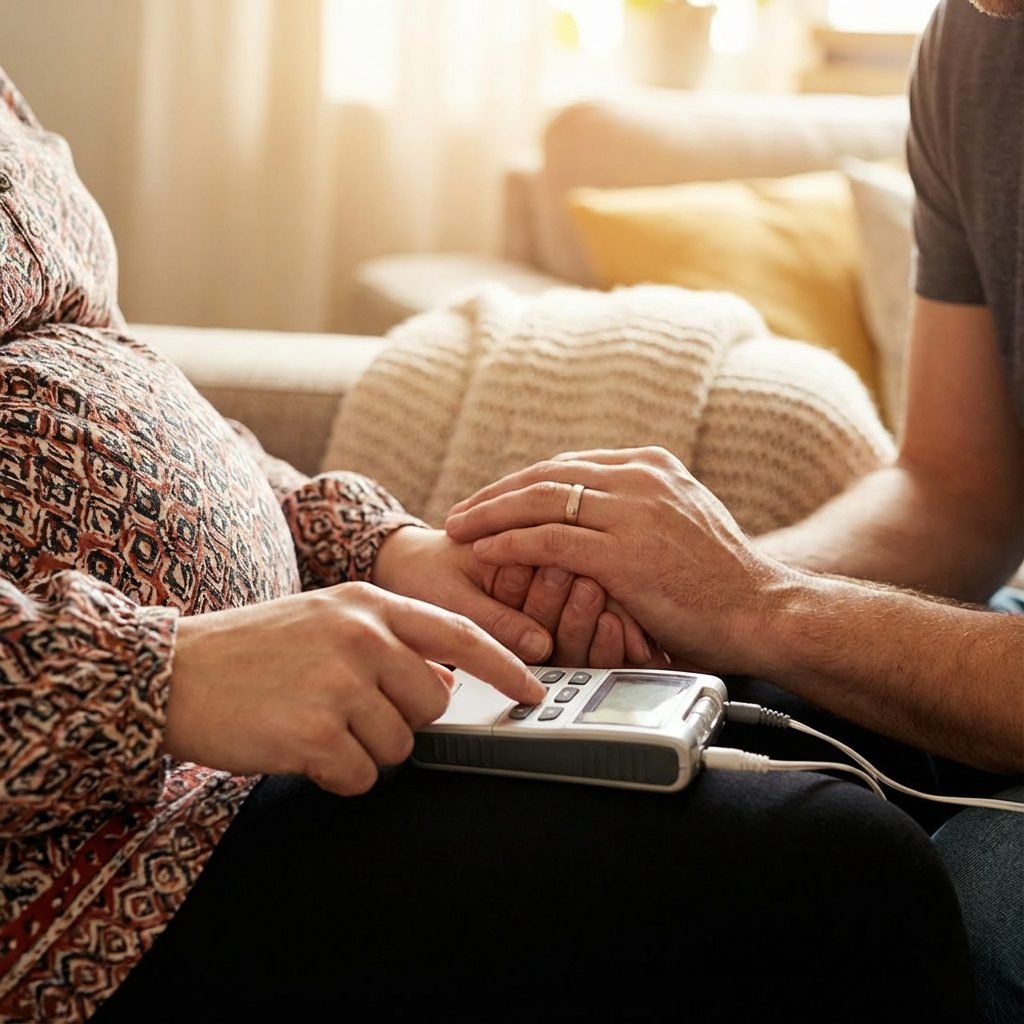
The decision to incorporate any tool into your birth plan should be based on clear, tangible benefits. The TENS machine offers a compelling list of advantages that resonate deeply with the goals of modern, informed parents. It’s not just about pain relief; it’s about the entire birth experience.
- Completely Drug-Free and Non-Invasive: For mothers hoping to avoid or delay pharmacological pain relief, this is the number one benefit. A TENS machine is entirely external and has no known side effects for the baby, nor does it interfere with the natural progression of labor hormones.
- User-Controlled Empowerment: Labor can sometimes make you feel like things are happening to you. The TENS machine puts the control directly into your hands. You decide when to turn it on, how high to set the intensity, and when to press the ‘boost’ button. This sense of agency is incredibly empowering and can significantly reduce fear and anxiety.
- Ideal for Early Labor at Home: The early stages of labor can last for many hours, and it’s often the most uncertain time. The TENS is most effective when applied early, allowing you to manage discomfort in your own familiar environment before heading to the hospital or birth center.
- Promotes Mobility: Unlike an epidural, which confines you to a bed, a TENS machine is portable. You can walk, sway, use a birth ball, and change positions freely, all of which are proven to help labor progress and improve comfort.
- Works Cooperatively with Other Comfort Measures: TENS is not an all-or-nothing choice. It can be used seamlessly alongside other powerful coping techniques like breathing exercises, massage, counter-pressure from a partner, aromatherapy, and hydrotherapy (though the machine must be removed before entering a tub or shower).
- Reduces the Need for Further Intervention: Studies have shown that women who use TENS for labor report higher satisfaction with their pain relief and may be less likely to request an epidural. By managing pain effectively from the start, you can stay more relaxed and focused, potentially leading to a smoother labor experience overall.
“Giving the laboring mother a tool she can control herself is a game-changer. It shifts her focus from the overwhelming sensation of the contraction to an action she can take to meet it. That is the heart of empowerment in birth.” – A Certified Nurse-Midwife
A Practical Guide: How and When to Use Your TENS Machine

Knowing the benefits is one thing; feeling confident using the device is another. Here is a step-by-step guide to help you and your partner feel prepared to use the TENS machine effectively when the time comes.
When to Start Using It
The golden rule of TENS is: start early! The device is most effective when you apply it as soon as you feel regular, established contractions beginning. This gives the Gate Control Theory time to work and allows your body to start building up those crucial endorphins before the sensations become too intense. Don’t wait until you’re in active, hard labor and feeling overwhelmed.
Proper Pad Placement
Correct placement is key to getting the most relief. For labor, you will use four pads.
- Upper Pads: Place two pads on your upper back, one on each side of your spine, at about bra-strap level.
- Lower Pads: Place the other two pads on your lower back, again on either side of the spine, just above your bottom. They should frame the area where you might feel ‘back labor’ or deep pelvic pressure.
Your partner’s role here is invaluable. They can ensure the pads are placed symmetrically and are adhering well to clean, dry skin (free of oils or lotions).
Understanding the Controls
Obstetric TENS units are designed to be simple:
- Constant Pulse/Between Contractions: Once the pads are on, turn the unit on to a low setting. You will feel a continuous tingling or buzzing. Increase the intensity until the sensation is strong but still comfortable. This is the level you’ll keep it at between contractions.
- The ‘Boost’ Button/During a Contraction: As soon as you feel a contraction beginning to build, you or your partner will press the ‘boost’ button. This changes the electrical pulse to a more intense, surging sensation designed to override the peak of the contraction’s pain signal. Once the contraction ends, release the boost button, and the machine will return to its lower, constant pulse.
Tips for Partners: The TENS Co-Pilot
New dads and support partners, this is a fantastic, hands-on way to help. You can be the official ‘TENS Co-Pilot’.
- Be the Pad Manager: Help apply the pads correctly and re-stick them if they come loose.
- Be the Boost Button Operator: In the throes of intense labor, your partner might appreciate you watching her cues and pressing the boost button for her as each contraction starts.
- Offer Verbal Cues: Remind her to relax her shoulders and breathe as you press the boost button, creating a calming ritual for each wave.
- Be the Encourager: Your belief in the process and in her strength is powerful. Remind her that she is in control and doing an amazing job.
Choosing the Right TENS Machine and Important Considerations
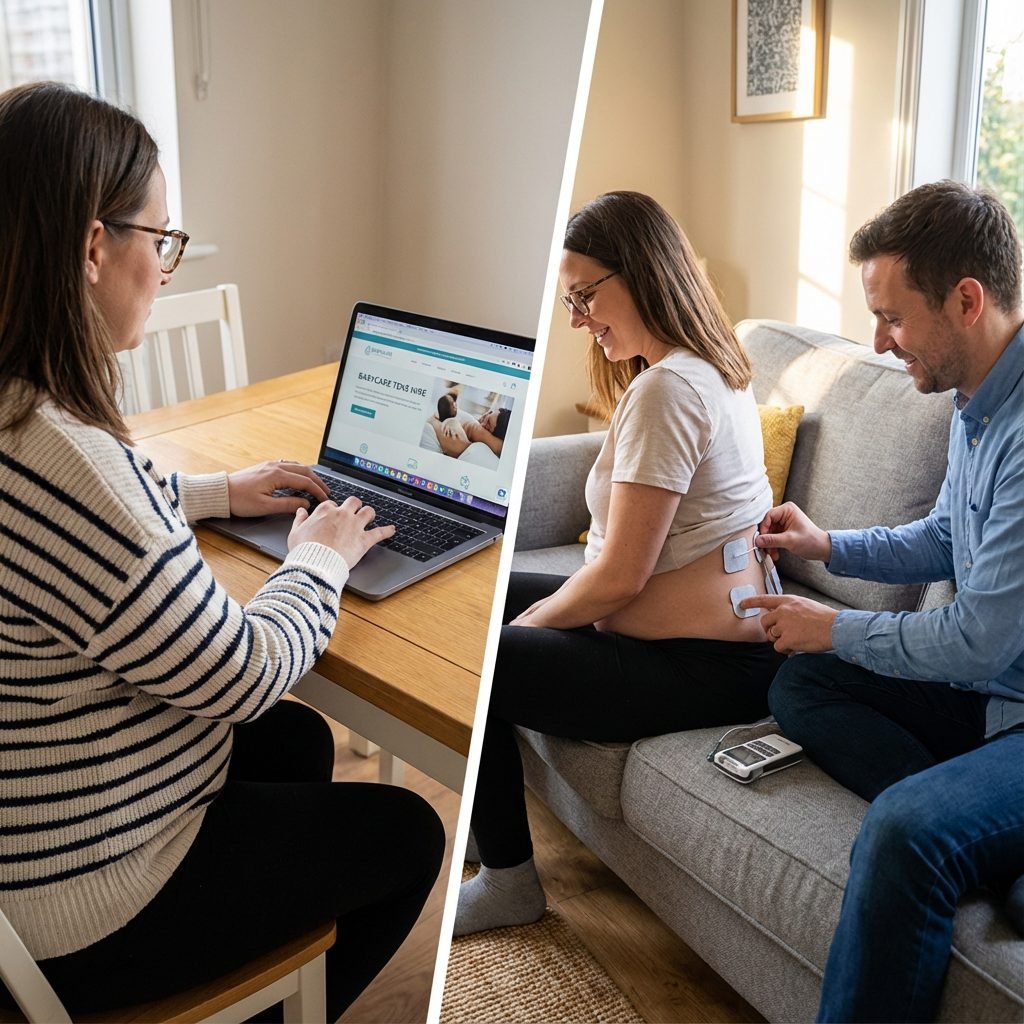
Not all TENS machines are created equal, and it’s vital to use one that is safe and effective for childbirth. Here’s what you need to know before you rent or buy.
Key Features to Look For
When selecting a device, ensure it is an obstetric TENS machine. These have specific features designed for labor:
- A ‘Boost’ Button: This is non-negotiable. It provides the higher-intensity pulse needed to manage the peak of a contraction.
- Pre-set Programs for Labor: Many units come with modes specifically calibrated for the different stages of labor, taking the guesswork out of finding the right settings.
- Large, Easy-to-Use Buttons: In labor, you won’t want to fumble with tiny, complicated controls. Look for a simple, intuitive interface.
Renting vs. Buying
For most families, renting is the most practical and cost-effective option. Many companies specialize in renting obstetric TENS units. They typically send you the complete kit around 37 weeks of pregnancy, and you return it several weeks after your due date. This ensures you have a high-quality, sanitized device with fresh pads and batteries, without the expense of purchasing a machine you may only use once.
Practice Makes Perfect
Don’t wait until your first contraction to figure out how the machine works. When your rental unit arrives, take it out of the box with your partner. Read the instructions, practice putting the pads on your back, and turn it on to feel the sensation. Familiarizing yourself with the device beforehand will remove any stress or confusion when it’s go-time.
Important Safety Contraindications
While TENS is extremely safe, there are specific situations where it should NOT be used. It is crucial to be aware of these and to discuss TENS use with your doctor or midwife beforehand.
- Do not use before 37 weeks of pregnancy without medical approval.
- Never place pads on your abdomen, the front or sides of your neck, or over your eyes.
- Do not use in water, such as in a shower or birth pool. The device must be removed first.
- Do not use if you have a cardiac pacemaker or a heart rhythm disorder.
- If you have epilepsy, consult your doctor before using a TENS machine.
Always trust your medical provider’s advice. They can help you determine if a TENS machine is a safe and appropriate choice for your specific health history and birth plan.
Real Stories: What Parents Say About TENS for Labor

The clinical data and theory are important, but hearing from other parents who have walked this path can be the most powerful testament. The TENS machine has been a pivotal part of countless positive birth stories, providing comfort, control, and a bridge to the birth experience they hoped for.
“I put the TENS on as soon as my contractions were 10 minutes apart and kept it on for 12 hours. It didn’t erase the pain, but it gave me a focal point. Every time a wave started, my husband would say ‘breathe’ and I would press the boost button. It was our ritual. It got me to the hospital at 8cm dilated, feeling totally in control. I couldn’t have had my unmedicated birth without it.”
– Jessica, first-time mom.
“As a dad, you can feel so helpless during labor. The TENS machine was something concrete I could help with. I was in charge of pad placement and making sure she was comfortable with the settings. It made me feel like an active, useful part of the team, not just a bystander. Seeing it give her relief was everything.”
– Mark, new dad.
“My plan was to go as long as I could before getting an epidural. The back labor was intense, but the TENS machine was a lifesaver for that specific pain. It allowed me to stay home longer, labor in my own space, and I ended up getting to the hospital with only a few hours to go. It made me feel so capable and strong.”
– Sarah, second-time mom.
These stories highlight a common theme: the TENS machine is more than just a pain-blocking device. It is a tool of empowerment, a focal point for focus, and a way for partners to be actively involved. It helps bridge the gap between the desire for a low-intervention birth and the reality of intense labor, proving that you can have a positive, manageable experience on your own terms.
Conclusion
Your birth experience is uniquely yours, and building a toolkit that makes you feel safe, supported, and empowered is one of the most important things you can do to prepare. The TENS machine is a remarkable blend of simple technology and your body’s innate strength. It offers a way to actively manage labor sensations, putting control back in your hands and allowing you to remain mobile and present from the earliest stages of labor.
It is not a magic wand that erases all sensation, but it is a powerful, reliable, and safe companion that can transform your perception of pain and enhance your ability to cope. By understanding how it works, its benefits, and how to use it, you are adding a game-changing tool to your hospital bag. You are giving yourself another option, another layer of support, and another reason to feel confident and prepared as you step into the incredible journey of bringing your baby into the world.
Medical Disclaimer
The information provided in this article is for educational and informational purposes only and is not intended as medical advice. It is not a substitute for professional medical advice, diagnosis, or treatment. Always seek the advice of your physician, midwife, or other qualified health provider with any questions you may have regarding a medical condition or before using any new device during pregnancy and labor.