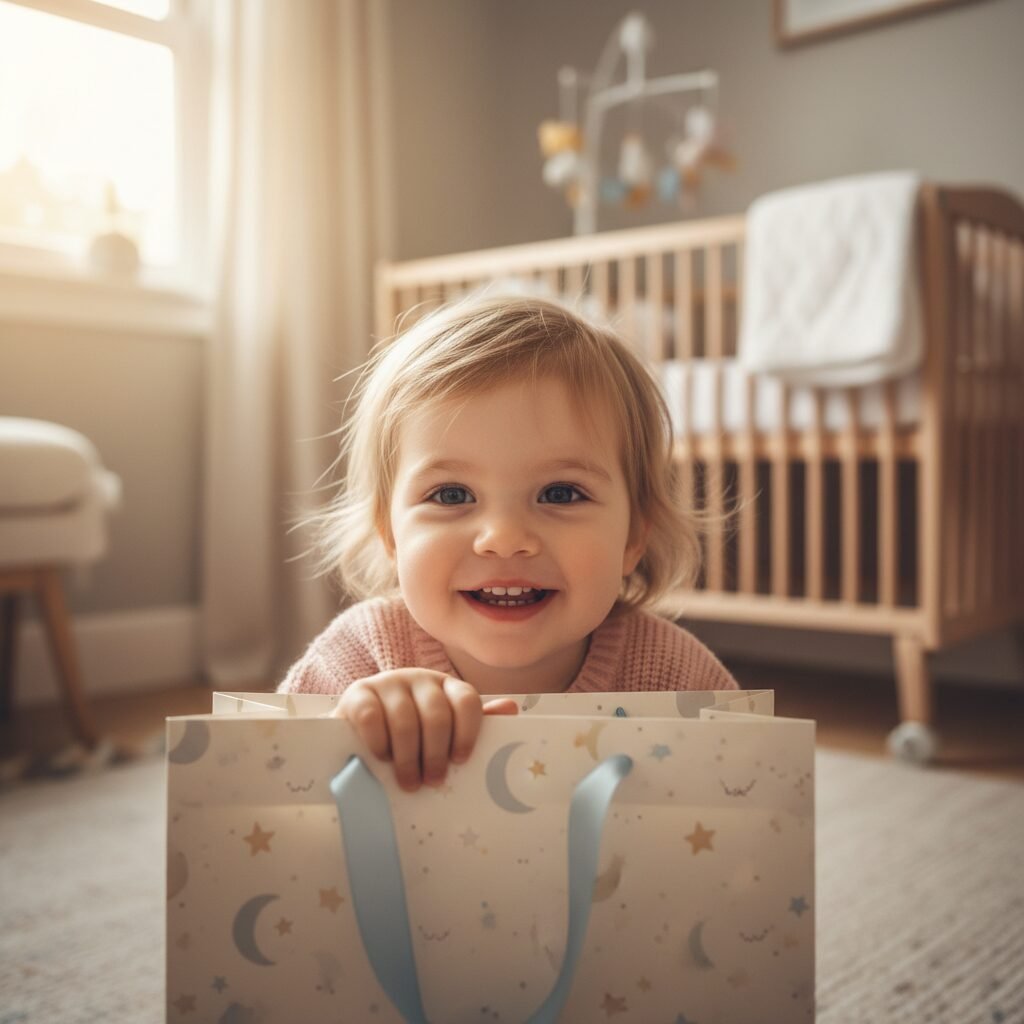
Stop Jealousy Fast: The Perfect “Big Sister” Gift Bag Ideas From The New Baby
Bringing a new baby home is a whirlwind of profound joy, sleepless nights, and overwhelming love. Yet, for parents who already have a child, this beautiful moment is often tinged with a quiet anxiety: How will my older child react? This concern is valid. For a young child, the arrival of a sibling can feel like a seismic shift in their universe. Suddenly, the undivided attention they once commanded is shared, and feelings of jealousy, confusion, and displacement are entirely normal developmental responses.
As a doula and maternal health educator, I’ve supported countless families through this delicate transition. One of the most effective and heartfelt strategies I recommend is preparing a special gift bag for the older sibling, presented as a thoughtful present from the new baby. This isn’t about bribery; it’s a powerful psychological tool. It’s a tangible welcome, an icebreaker that reframes the baby’s arrival not as an intrusion, but as the beginning of a new, loving relationship. This simple act honors the older child’s feelings and celebrates their new, incredibly important role as a big sister.
Understanding the ‘Why’: The Psychology of Sibling Introduction
Before we dive into the ‘what’ of the gift bag, it’s crucial to understand the ‘why.’ From a child’s perspective, especially a toddler or preschooler, they are the center of their parents’ world. The arrival of a new baby can feel like what psychologists call ‘dethronement.’ Their throne—and the exclusive attention that comes with it—is suddenly occupied by a tiny, crying newcomer.
A gift from the baby immediately works to counteract this narrative. It creates a positive first impression and association. Instead of seeing the baby as a rival, the older sibling sees them as a source of something wonderful and exciting. This gesture communicates a powerful, non-verbal message: ‘I’m happy to be here, and I’m already thinking about you. I’m not here to take away; I’m here to add.’
Key Psychological Benefits:
- Positive Association: The very first interaction is linked to a positive event—receiving a thoughtful present.
- Reduces Rivalry: It frames the baby as a giver and a potential friend, not just a taker of time and attention.
- Empowers the Big Sister: It acknowledges her presence and importance in the family dynamic from the outset.
- Models Generosity: It sets a precedent for a giving, caring relationship between the siblings.
“By anticipating and validating a child’s complex emotions about a new sibling, we give them the emotional tools to navigate the change. A gift is a concrete symbol that their place in the family is not just secure, but enhanced.”
When you present the gift, the language you use is just as important as the gift itself. Instead of, ‘Here’s a gift to keep you busy,’ try, ‘Look! Your new baby sister was so excited to meet you that she brought you a special present!’ This phrasing reinforces the idea that the gift is a direct, loving gesture from one sibling to another, planting the first seed of a lifelong bond.
Building the Perfect Big Sister Gift Bag: A Curated Guide
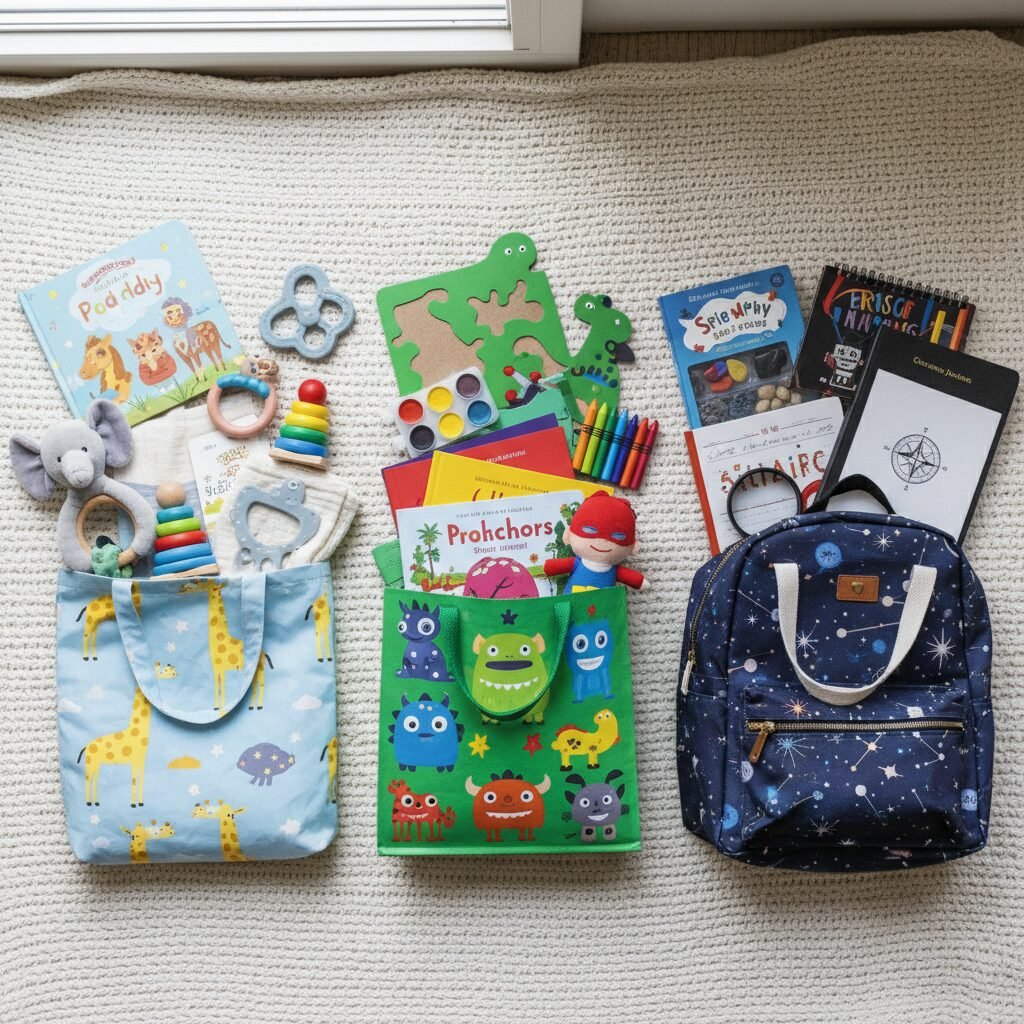
The effectiveness of the gift bag lies in its thoughtfulness. The contents should be tailored to your daughter’s age, interests, and the unique needs of a family with a newborn. The goal is to provide items that make her feel special, seen, and equipped for her new role. Below are curated ideas broken down by developmental stage.
For the Toddler (Ages 1-3)
At this age, children are learning through imitation and require items that can engage them in independent, quiet play. The focus is on comfort and parallel activities.
- A ‘Baby’ of Her Own: A soft-bodied doll gives her someone to care for while you care for the new baby. She can practice being gentle, wrapping her baby in a blanket, and ‘feeding’ her. This is powerful imitative play.
- Mess-Free Art Supplies: Crayola Color Wonder markers and paper or a water-reveal painting book are perfect for quiet time when you’re nursing or the baby is sleeping.
- Special Snacks: A small bag of her favorite, non-messy treats that are reserved just for her ‘big sister’ moments can feel like a special privilege.
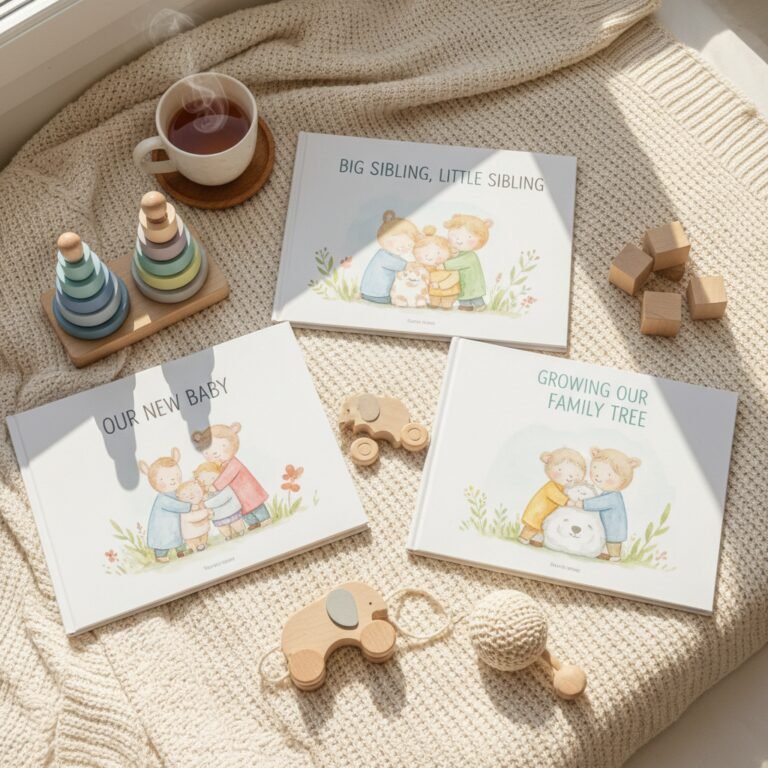
- Durable Board Books: Choose books with simple stories about becoming a big sister. Titles like ‘I Am a Big Sister’ by Caroline Jayne Church are excellent.
For the Preschooler (Ages 3-5)
Preschoolers are eager for responsibility and love having a ‘job.’ Gifts that give them a sense of purpose and identity work wonders.
- ‘Big Sister’ Gear: A special t-shirt, cape, or bracelet that proudly proclaims her new title. This gives her a tangible identity to show off to visitors.
- A Kid-Proof Camera: Designate her as the ‘Official Family Photographer.’ A VTech KidiZoom or a simple disposable camera allows her to document the baby’s first days, giving her a vital, participatory role.
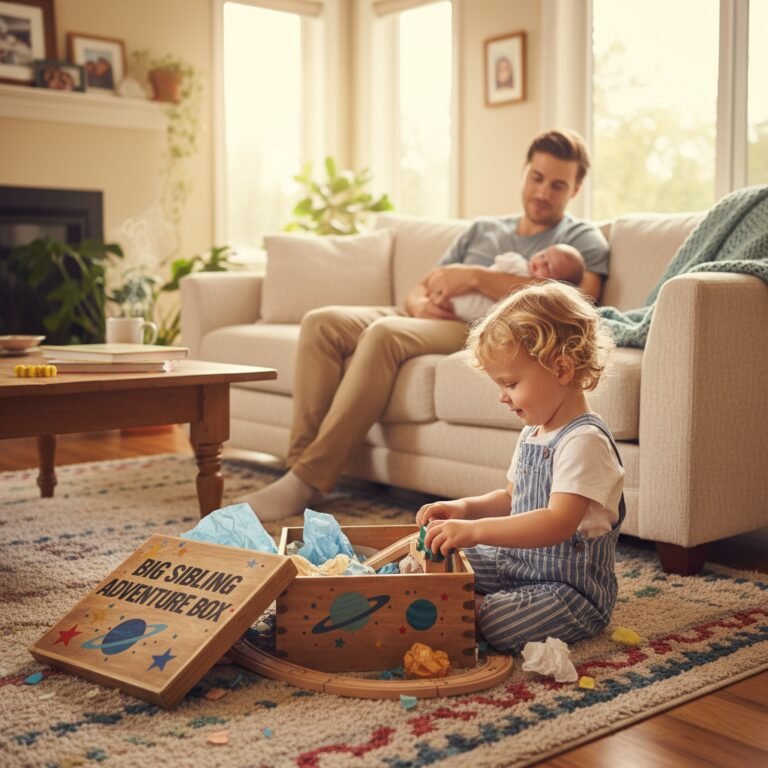
- A ‘Big Sister’ Activity Kit: Fill a small box with new crayons, stickers, play-doh, and a special scrapbook she can use to make pictures for the baby’s room.
- A Coupon Book: Create simple, illustrated coupons she can redeem for ‘One Story with Dad’ or ’20 Minutes of Uninterrupted Playtime with Mom.’ This directly addresses her fear of losing one-on-one time.
For the School-Aged Child (Ages 6+)
Older children understand the dynamics more clearly, but still need reassurance. Acknowledge their maturity and interests while reinforcing their connection to the family.
- Hobby-Related Items: A new LEGO set, a chapter book from a series she loves, or an advanced craft kit provides a quiet, engaging activity.
- A Special Piece of Jewelry: A necklace or bracelet with a ‘big sister’ charm or her birthstone can be a lasting symbol of her important place in the family.
- A Shared Journal: A ‘Mommy and Me’ or ‘Daddy and Me’ journal where you can write back and forth is a wonderful way to maintain a private, special connection during a busy time.
- Upgraded Tech: A pair of kid-friendly headphones allows her to listen to music or watch a show without disturbing a sleeping baby, giving her a sense of autonomy.
To help you visualize the options, here is a quick-glance guide:
| Age Group | Gift Category | Example Ideas | Developmental Goal |
|---|---|---|---|
| Toddler (1-3) | Nurturing & Independent Play | Baby doll, mess-free coloring book, special snacks | Encourage imitative caregiving and provide quiet activities. |
| Preschooler (3-5) | Identity & Purpose | ‘Big Sister’ t-shirt, kid’s camera, activity kit | Foster a sense of pride and give a tangible ‘job’ to do. |
| School-Aged (6+) | Maturity & Connection | Chapter books, special jewelry, parent-child journal | Acknowledge her independence while reinforcing the one-on-one bond. |
The Art of the Reveal: Timing and Presentation for Maximum Impact
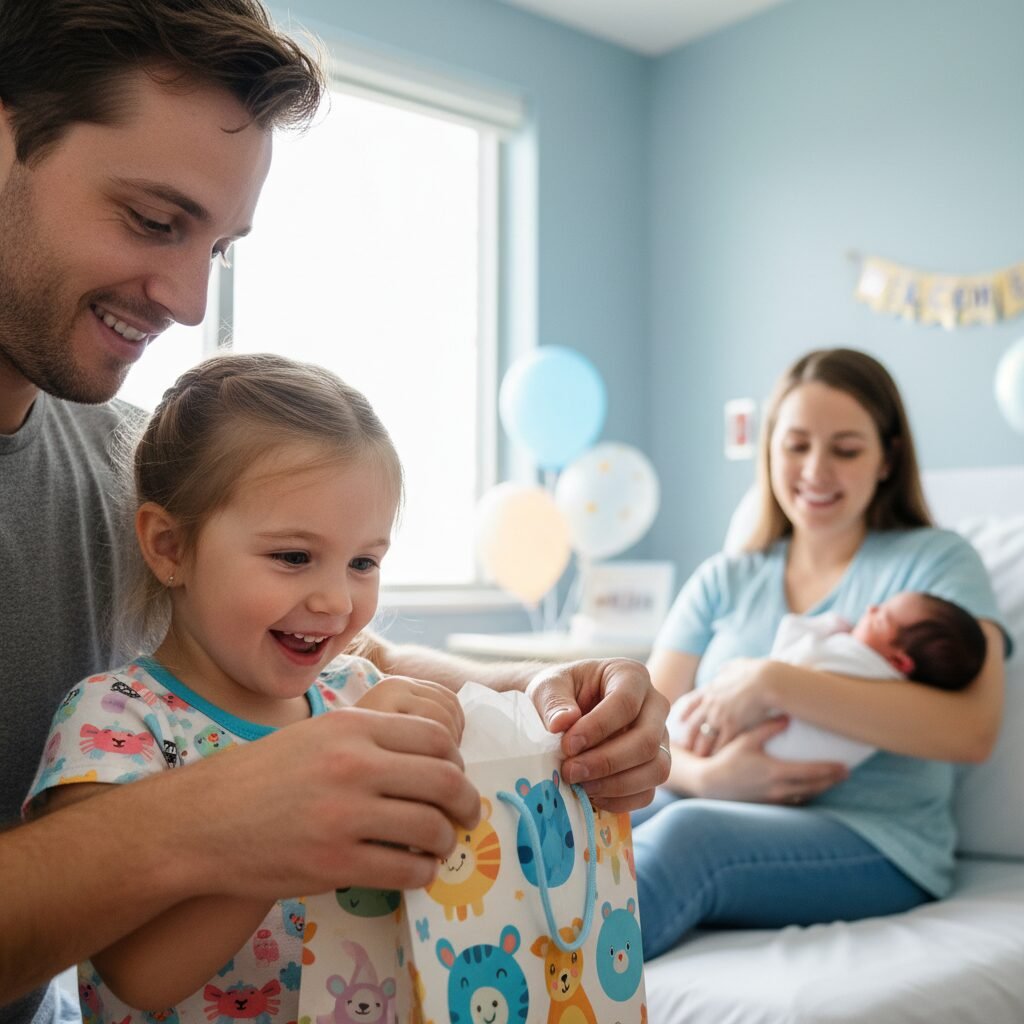
How and when the gift is presented can be just as impactful as the gift itself. The goal is to create a memorable, positive moment that the big sister associates directly with meeting her new sibling for the first time. There are two primary scenarios to consider:
Scenario 1: The Hospital Introduction
If your older child will be meeting the baby for the first time at the hospital, this can be an ideal setting. The environment is new, and her focus can be guided.
- Preparation is Key: Before she enters the room, have your partner or another trusted adult talk to her about the new baby and the special surprise waiting for her.
- Strategic Placement: Place the wrapped gift bag in the baby’s bassinet. When the big sister comes in, you can guide her attention there first.
- The Script: Say something like, “Welcome! We’re so happy you’re here. Look, your baby sister was so excited to meet her amazing big sister, she brought you something special.”
- Her Moment to Shine: Allow her to open the gift and explore its contents before pushing for her to hold or interact with the baby. Let this moment be entirely about her. This validates her importance and fills her emotional cup before she’s asked to give attention to the baby.
Scenario 2: The Homecoming
For some families, the first meeting happens when the baby comes home. This can also be a beautifully controlled moment.
- A Quiet Welcome: Try to have the baby arrive home during a calm time of day. Avoid having a house full of visitors for this first introduction.
- Gift from the Get-Go: Have the gift placed near the front door or in a special spot in the living room, ready for the moment the big sister sees the baby in the car seat.
- Connect the Two: As you bring the baby inside, you can say, “Your sister is finally home! And look, she brought her favorite big sister in the whole world a welcome-home present!”
- Engage with the Gift: Once she has her gift, sit with her and engage with one of the items. If it’s a book, read the first page. If it’s a camera, help her take the first picture. This reinforces your connection with her amidst the new-baby chaos.
Regardless of the location, the golden rule is: Celebrate the big sister first. The new baby will be the center of attention for weeks to come. In that crucial first meeting, ensuring the older sibling feels seen, celebrated, and cherished can set a positive tone for the entire transition.
Beyond the Gift Bag: Fostering a Lasting Sibling Bond
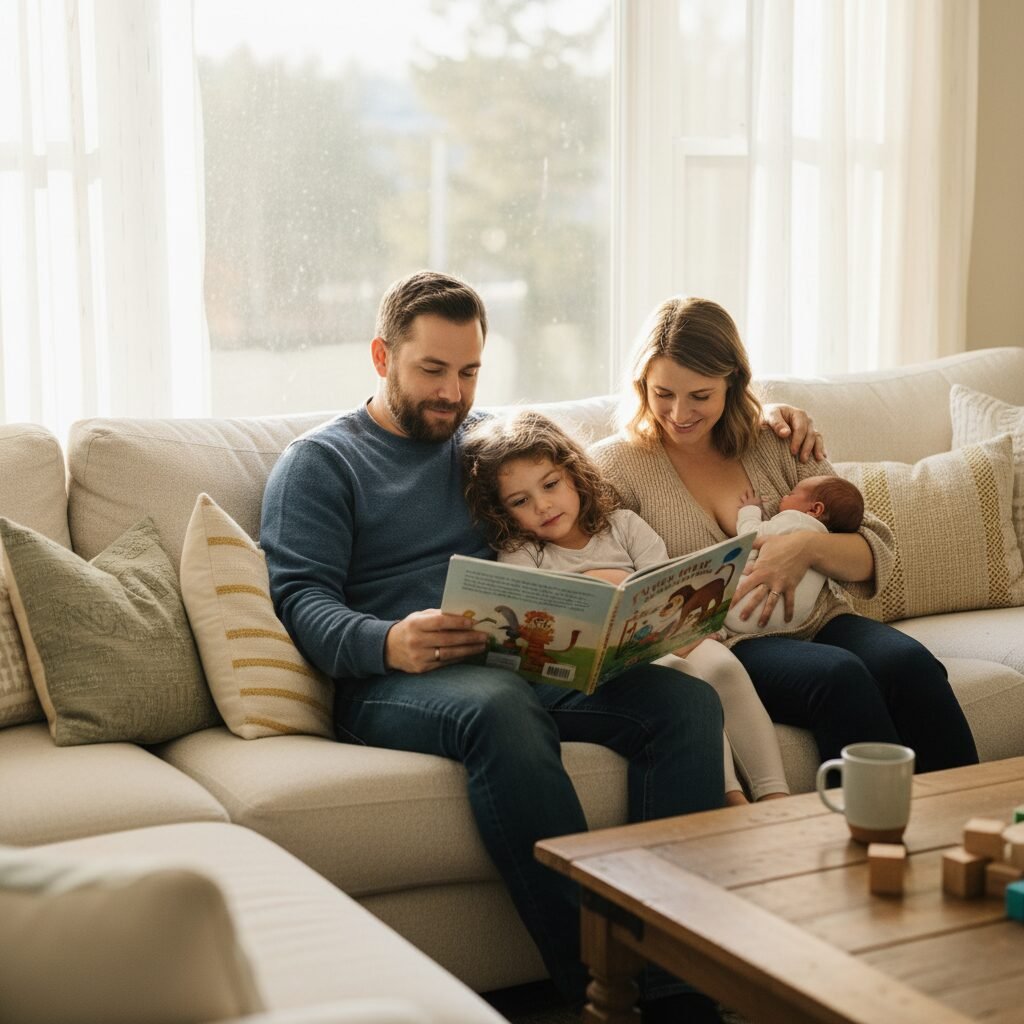
The big sister gift bag is a brilliant opening act, but fostering sibling harmony is a long-term commitment. The gift cracks the door open to a positive relationship; these ongoing strategies will help you build a strong, lasting foundation.
- Carve Out ‘Big Sister’ Time: This is non-negotiable. Even 15-20 minutes of truly focused, uninterrupted one-on-one time each day can make a world of difference. Let her choose the activity. This reassures her that she hasn’t been replaced.
- Involve Her in Baby Care: Give her age-appropriate ‘helper’ tasks. A toddler can fetch a diaper or a burp cloth. A preschooler can sing songs to the baby during tummy time. A school-aged child can help pick out the baby’s outfit. This turns potential jealousy into teamwork.
- Verbalize the Baby’s ‘Admiration’: Speak for the baby. Say things like, “Look how the baby stops crying when she hears your voice,” or “He loves watching you play. You’re his favorite person to look at.” This helps the older child see herself through the baby’s ‘eyes’ as a positive, beloved figure.
- Acknowledge and Validate All Feelings: It’s okay for her to feel frustrated, sad, or jealous. Pushing these feelings away will only make them stronger. Instead, validate them:
“I know it’s hard to wait for me to finish feeding the baby. It feels like it takes a long time, doesn’t it? Thank you for being so patient. You are such a great helper.”
- Praise Positive Interactions: Lavishly praise gentle touches, kind words, or any attempt to engage positively with the baby. Say, “That was so gentle how you touched her hand. You are such a kind and loving big sister.”
- Read Together: Continue to read books about sibling relationships, family changes, and love. Stories provide a safe space for children to process their complex emotions.
Remember, you are not just raising children; you are nurturing their relationship with each other. This transition is a marathon, not a sprint. There will be good days and challenging days, but with empathy, intention, and consistent reinforcement, you can guide your children toward a beautiful, supportive, and lifelong bond.
Conclusion
Navigating the transition from one child to two is one of parenting’s most delicate balancing acts. The big sister gift bag is more than just a collection of toys; it is a profound gesture of love and inclusion. It is a strategic first step that says to your firstborn, ‘You are still so important. Your world is not shrinking; it is expanding, and we will navigate this new adventure together.’ By acknowledging her feelings, celebrating her new role, and intentionally fostering connection from the very first moment, you are laying the groundwork for a strong sibling bond.
You are a wonderful parent, growing your family with love and thoughtfulness. Trust your instincts, embrace the chaos, and know that you are giving your children the greatest gift of all: each other.
This journey requires patience and grace—both for your child and for yourself. You are building a family, and every intentional act of love, no matter how small, contributes to a foundation of a lifetime of love.