Stop Cleaning It! The New Rules of Umbilical Cord Care for Faster Healing
Welcome, new parents! The journey into parenthood is filled with countless joys, questions, and sometimes, a little bit of anxiety, especially when it comes to caring for your precious newborn. One area that often prompts many questions is umbilical cord care. For generations, advice often centered around rigorous cleaning with antiseptics. However, medical understanding and best practices have evolved significantly, leading to a revolutionary shift: for most healthy newborns, less is truly more.
As a certified Doula and Maternal Health Educator, I’ve seen firsthand the confusion and concern that traditional advice can cause. This comprehensive guide is designed to empower you with the most current, evidence-based information on umbilical cord care, ensuring faster healing and reducing the risk of complications. We’ll explore why the ‘stop cleaning it’ mantra is gaining traction, what the ‘new rules’ entail, and how you can confidently care for your baby’s cord until it naturally falls away. Let’s embark on this journey together, armed with knowledge and a deep sense of empathy for the incredible experience you’re navigating.
Understanding the Umbilical Cord’s Purpose and Journey

Before we delve into care practices, it’s essential to understand the remarkable role the umbilical cord plays and its natural transition after birth. During pregnancy, the umbilical cord serves as your baby’s lifeline, a vital conduit connecting them to you. It transports oxygen-rich blood and essential nutrients from the placenta to your baby, while also carrying waste products away. This incredible connection sustains life and growth throughout gestation.
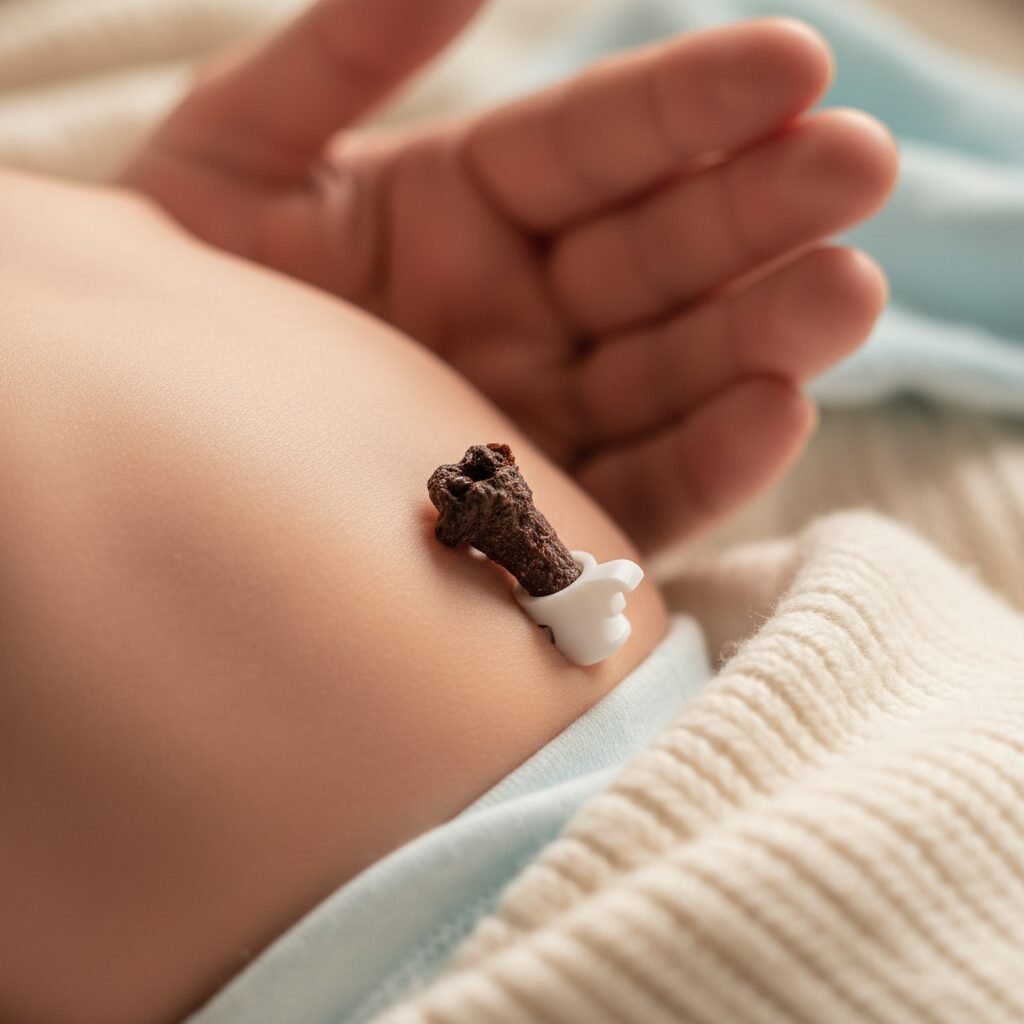
Immediately after birth, once your baby is breathing independently, the umbilical cord is clamped and cut, a painless procedure for both mother and baby. What remains is a small stump, typically 2-3 centimeters long, attached to your baby’s belly button. This stump is essentially a piece of tissue that is no longer needed. Its natural process is to dry out, shrivel, turn black, and eventually fall off on its own, much like a dried leaf detaching from a branch. This process usually takes anywhere from 5 to 15 days, though it can sometimes take up to three weeks. It’s a testament to your baby’s amazing ability to adapt to life outside the womb.
“The umbilical cord, once a bridge of life, gracefully detaches to mark the beginning of independent existence. Trusting this natural process is key to supporting your baby’s healing.”
Understanding this natural course of events helps us appreciate why current care recommendations prioritize allowing nature to take its course, with minimal interference.
The Shift in Umbilical Cord Care: Why ‘Less is More’

For many years, the standard advice for umbilical cord care involved regularly cleaning the stump with alcohol, iodine, or other antiseptic solutions. The intention was good: to prevent infection. However, extensive research and clinical experience have revealed that this approach often does more harm than good, particularly in developed countries with good hygiene and access to healthcare. The new paradigm emphasizes a “dry care” approach, and here’s why:
- Interference with Natural Healing: Antiseptics can irritate the delicate skin around the stump and may kill beneficial bacteria that help the cord dry and fall off naturally. They can also delay the cord’s detachment process.
- Increased Risk of Infection (in some cases): While counterintuitive, some studies have shown that routine antiseptic use can actually increase the risk of infection by eliminating the normal skin flora that protects against more harmful pathogens.
- No Proven Benefit: For healthy, full-term infants born in clean environments, studies have consistently shown that dry care is as safe, if not safer, than antiseptic care, and often leads to faster cord separation.
- Comfort for Baby: Alcohol and other solutions can be uncomfortable or even painful for a newborn’s sensitive skin. Dry care is gentle and allows the baby to be undisturbed.
This paradigm shift is a testament to evidence-based medicine continually refining best practices for newborn care. The World Health Organization (WHO) and many national pediatric associations now recommend dry care for healthy newborns. Below is a comparison of the traditional versus modern approaches:
| Traditional Umbilical Cord Care (Outdated) | Modern Umbilical Cord Care (Recommended) |
|---|---|
| Routine application of alcohol, iodine, or other antiseptics. | Dry care: Keep the stump clean and dry, allowing air exposure. |
| Covering the stump with gauze after cleaning. | Exposing the stump to air as much as possible; folding diapers below the stump. |
| Belief that antiseptics prevent all infections. | Understanding that natural drying is the primary mechanism for preventing infection in healthy infants. |
| Potential for delayed cord separation. | Promotes faster, natural cord separation. |
| Risk of skin irritation or discomfort. | Gentle, non-irritating, and promotes infant comfort. |
Embracing these new rules means trusting your baby’s body to heal naturally, with a little help from thoughtful, minimal intervention.
The New Rules: A Step-by-Step Guide to Dry Cord Care

Now that we understand the ‘why’ behind dry care, let’s dive into the practical ‘how.’ These simple steps will guide you in providing optimal care for your baby’s umbilical stump, promoting quick and healthy healing:
- Keep it Dry: This is the golden rule. The drier the stump, the faster it will shrivel and fall off. Avoid applying any lotions, powders, oils, or antiseptics unless specifically instructed by your pediatrician.
- Expose it to Air: Whenever possible, allow air to circulate around the stump. This aids in the drying process. You can achieve this by dressing your baby in loose-fitting clothing or simply a diaper and a light blanket.
- Diapering with Care: When changing diapers, ensure the top edge of the diaper is folded down below the umbilical stump. Many newborn diapers have a special cutout for this purpose. This prevents urine from contaminating the stump and allows air exposure.
- Sponge Baths Only: Until the cord stump falls off and the belly button is fully healed, stick to sponge baths. Submerging the stump in bathwater can delay drying and potentially introduce bacteria. Gently clean around the stump with a damp cloth if needed, but avoid scrubbing the stump itself.
- Gentle Cleaning (If Necessary): If the stump becomes soiled with urine or stool, gently clean it with plain water and a soft cloth or cotton swab. Pat it completely dry afterward. Avoid vigorous rubbing.
- Let it Fall Naturally: Resist the urge to pull, pick, or wiggle the stump, even if it appears to be hanging by a thread. This can cause pain, bleeding, and increase the risk of infection. Let it detach on its own timeline.
- Observe, Don’t Obsess: While it’s important to monitor the stump, try not to over-examine it. A healthy stump will progressively dry and darken. Some minor crusting or a small amount of clear or yellowish fluid is normal as it heals.
Following these simple guidelines will provide the best environment for your baby’s umbilical stump to heal efficiently and safely.
Recognizing Normal Healing vs. Signs of Concern

As you care for your newborn’s umbilical stump, it’s natural to wonder what’s normal and what might be a sign of a problem. Most umbilical cords heal without any issues, but knowing the signs of concern will help you act quickly if needed. Here’s what to look for:
Normal Healing Signs:
- Color Change: The stump will gradually change from yellowish-green to brown or black as it dries.
- Shrinking and Shrivelling: It will become smaller and harder over time.
- Minor Bleeding: A small amount of dried blood or a few drops of fresh blood can be normal, especially just before the stump falls off or if it gets snagged on clothing.
- Slight Odor: A very mild odor can sometimes be present due to the drying tissue, but it should not be strong or foul.
- Clear/Yellowish Discharge: A small amount of clear or yellowish sticky discharge can be normal as the tissue separates.
Signs of Concern (When to Contact Your Pediatrician Immediately):
While rare, infections or other issues can occur. Contact your pediatrician promptly if you notice any of the following:
- Redness and Swelling: The skin around the base of the stump becomes increasingly red, swollen, or tender to the touch.
- Pus-like Discharge: Foul-smelling, thick, yellow, or greenish discharge coming from the stump.
- Fever: Your baby develops a fever (check with your pediatrician for specific temperature guidelines, but generally 100.4°F/38°C or higher for a newborn is a concern).
- Pain/Tenderness: Your baby cries or shows signs of discomfort when the stump or surrounding area is touched.
- Bleeding: Persistent, active bleeding from the stump that doesn’t stop with gentle pressure.
- Delayed Healing: The stump hasn’t fallen off after three weeks, or if there’s a persistent moist lump or growth after it falls.
- Red Streaks: Red streaks extending from the base of the stump onto your baby’s abdomen.
“Trust your parental instincts. If something doesn’t feel right, it’s always best to err on the side of caution and consult with your healthcare provider.”
Your pediatrician is your best resource for any concerns regarding your baby’s health. Don’t hesitate to reach out.
Dispelling Common Myths and Providing Reassurance

The wealth of information (and misinformation) available can be overwhelming for new parents. Let’s address some common myths and provide reassurance regarding umbilical cord care:
Myth 1: My baby will feel pain when the cord falls off.
- Fact: The umbilical cord stump has no nerve endings, so your baby will not feel any pain when it detaches. You might notice a tiny spot of blood on the diaper, which is normal.
Myth 2: I can’t bathe my baby until the cord falls off.
- Fact: While full immersion baths are generally discouraged to avoid soaking the stump, sponge baths are perfectly fine and recommended for keeping your baby clean until the cord detaches and the belly button heals.
Myth 3: I need to clean the cord with alcohol every day.
- Fact: As discussed, this is an outdated practice. For healthy newborns, dry care is the recommended approach. Alcohol can irritate the skin and delay healing.
Myth 4: If the cord doesn’t fall off by a certain day, something is wrong.
- Fact: While most cords fall off between 5 and 15 days, the timing can vary. Some healthy babies may take up to three weeks. As long as there are no signs of infection, patience is key.
Myth 5: It’s normal for the belly button to bleed a lot after the cord falls off.
- Fact: A tiny bit of spotting or a small blood smear is common, but significant or persistent bleeding is not. If you see more than a few drops of blood, contact your pediatrician.
Remember, every baby is unique, and their healing journey will be slightly different. Trust in the natural process and your ability to care for your little one. You’re doing a wonderful job!
“The power of parenthood lies in your unwavering love and commitment. You are your baby’s first and best advocate. Embrace the journey with confidence and informed care.”
Conclusion
Navigating the early days of parenthood is an extraordinary adventure, filled with learning and growth for both you and your baby. Umbilical cord care, once a source of confusion, is now simplified by evidence-based practices that champion a ‘less is more’ approach. By understanding the natural healing process and adopting the new rules of dry care, you are actively promoting faster healing, minimizing risks, and ensuring your baby’s comfort.
Remember, your baby’s body is designed to heal, and your gentle, informed care is the most powerful tool you have. Trust your instincts, stay observant, and never hesitate to reach out to your pediatrician with any questions or concerns. You are doing an incredible job, and with these new rules, you can approach umbilical cord care with confidence and peace of mind.
Medical Disclaimer: The information provided in this article is intended for general knowledge and informational purposes only, and does not constitute medical advice. It is essential to consult with a qualified healthcare professional, such as your pediatrician or family doctor, for any health concerns or before making any decisions related to your child’s medical care. Always seek the advice of a medical professional for diagnosis and treatment of any medical condition. Never disregard professional medical advice or delay in seeking it because of something you have read in this article.