Stop Buying The Wrong Size! The Ultimate Baby Clothes Guide By Weight
There are few things as delightful as shopping for tiny baby clothes. The miniature socks, the adorable prints on onesies, the soft-as-a-cloud sleepers—it’s an exciting part of preparing for your little one’s arrival. But this joy can quickly turn to frustration when that ‘0-3 months’ outfit you lovingly picked out is too snug for your one-month-old, or the ‘newborn’ size swallows your baby whole. You are not alone in this experience. It’s a universal challenge for new parents, leading to wasted money, unworn garments, and unnecessary stress.
The fundamental issue lies in the labels themselves. The clothing industry relies on age-based sizing (e.g., ‘3-6 months’) as a convenient shorthand, but it’s a deeply flawed system. Babies, like all humans, come in a beautiful variety of shapes and sizes and grow at their own unique pace. A baby born at 9 pounds will have a completely different growth trajectory than one born at 6 pounds. Relying on age is like navigating without a map.
As a Doula and Maternal Health Educator, I’ve guided countless families through the practicalities of preparing for a baby, and the clothing conundrum is always a top concern. The secret to success isn’t a secret at all; it’s a shift in perspective. The most reliable metrics for a perfect fit are your baby’s weight and length. This guide is designed to be your definitive resource, empowering you to move beyond the confusing ‘months’ on the tag and become a confident expert in dressing your baby comfortably and practically. We’ll break down sizing charts, explore how fabrics affect fit, and provide a strategic approach to building a wardrobe that actually works for you and your growing baby.
The Flaw in the ‘Months’ Label: Why Weight is the Gold Standard
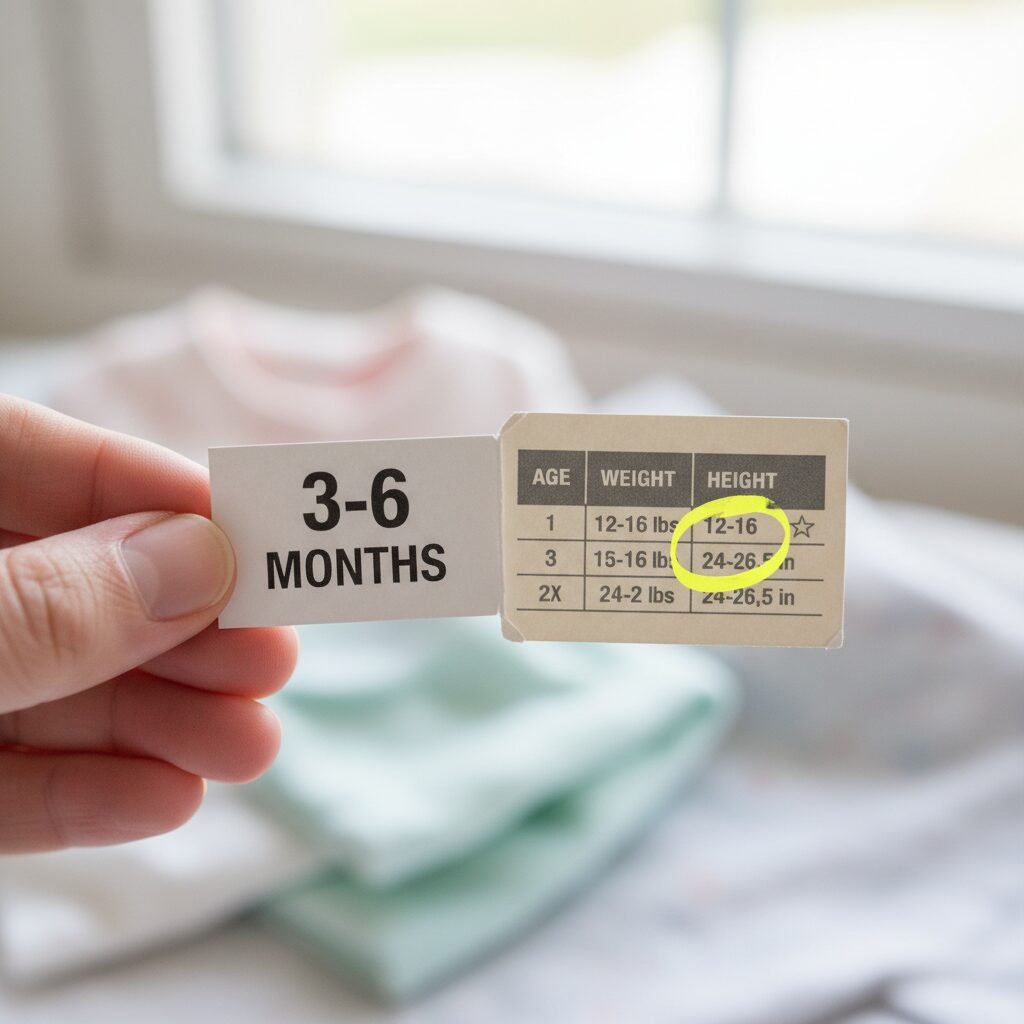
Let’s start by dismantling the biggest myth in the baby aisle: the age-based size tag. While it seems logical, it’s merely an average—a single data point in a vast spectrum of normal development. A clothing manufacturer might designate ‘3 months’ as the size for a baby weighing approximately 12 pounds, but many perfectly healthy three-month-olds might weigh 10 pounds or 15 pounds. This discrepancy is the root of the sizing problem.
Factors That Make Age-Based Sizing Unreliable
- Birth Weight: A baby’s starting weight is a primary determinant of their clothing size in the early months. A baby in the 95th percentile for weight at birth may skip the ‘newborn’ size entirely and go straight into ‘0-3 months’ clothing from day one. Conversely, a smaller or premature baby may need ‘preemie’ sizes for several weeks.
- Growth Spurts: Babies don’t grow in a neat, linear fashion. They experience rapid growth spurts where they can seemingly outgrow an entire size range overnight. These spurts are not synchronized to a calendar month.
- Genetics and Body Composition: Just like adults, babies have different body types. Some are long and lean, while others are shorter and chunkier. A long baby might need to size up for length in sleepers and onesies long before their weight matches the tag’s recommendation.
- Feeding Method: While both breastfed and formula-fed babies thrive, they can have different growth patterns, particularly in the first year. These normal variations further highlight why a one-size-fits-all, age-based approach is inadequate.
Think of it this way: you wouldn’t buy shoes for a ten-year-old simply by looking for a tag that says ‘Age 10.’ You’d use their specific shoe size. Baby clothes should be approached with the same logic. Your baby’s current weight and length, easily obtained from their last pediatrician visit or with a home scale, are the most accurate measurements you have. By prioritizing these numbers, you transform shopping from a guessing game into a precise, fact-based process. You’ll buy fewer items that don’t fit, get more wear out of each piece, and ensure your baby is always comfortable.
Your Go-To Guide: The Universal Baby Clothes Size & Weight Chart

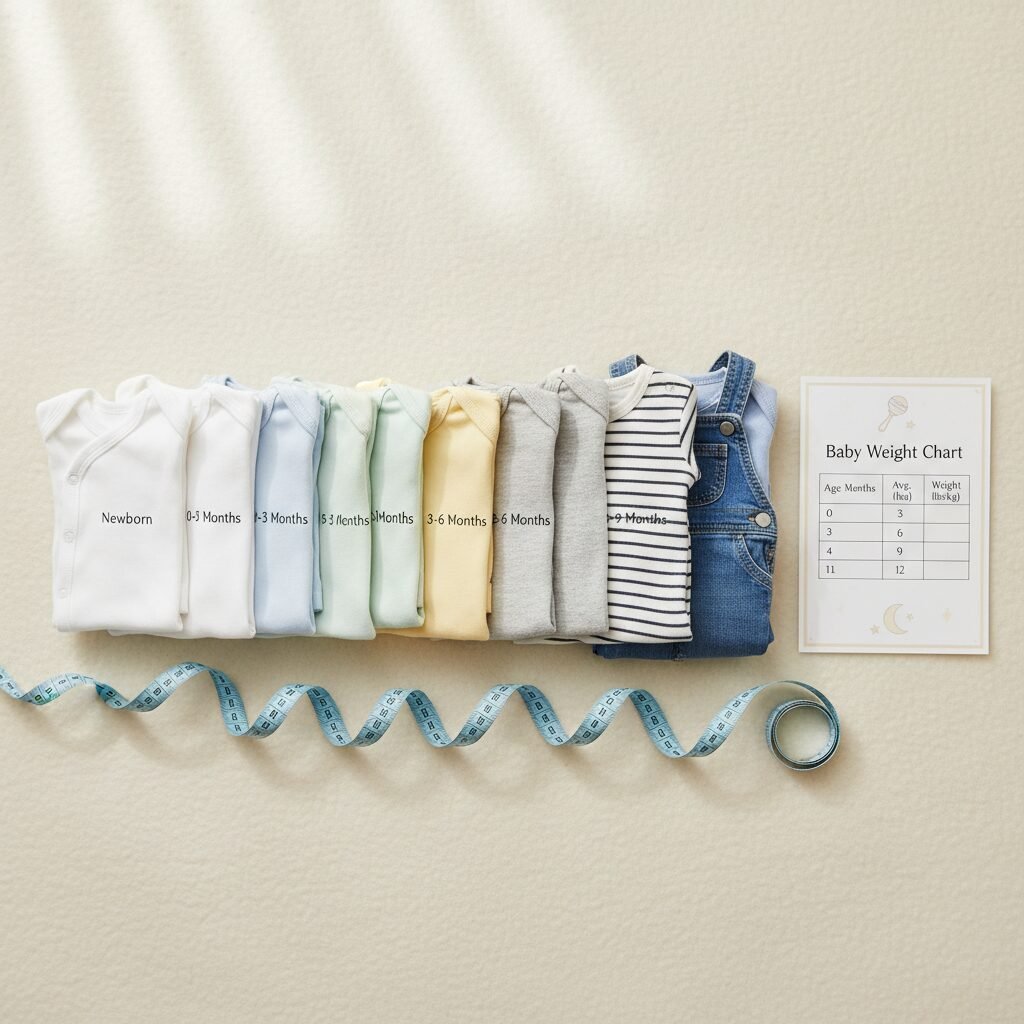
To truly master the art of baby clothes shopping, you need a reliable reference. While every brand has its own slight variations, most follow a general industry standard. This chart consolidates those standards, giving you a powerful starting point. We recommend bookmarking this page or taking a screenshot to have on your phone while you shop. Always remember to cross-reference with a specific brand’s chart if it’s available, but this will serve as your foundational guide.
When using this chart, prioritize weight first, then length. If your baby is long for their weight, you may need to size up, especially for one-piece items like sleepers or rompers, to ensure there’s enough room in the torso.
| Size Label | Average Weight Range (lbs) | Average Weight Range (kg) | Average Length/Height (in) | Notes & Fit Tips |
|---|---|---|---|---|
| Preemie (P) | Up to 5 lbs | Up to 2.3 kg | Up to 17 in | Designed for very small or premature infants. Often has features like open shoulders for medical access. |
| Newborn (NB) | 5 – 8 lbs | 2.3 – 3.6 kg | Up to 21.5 in | Many babies outgrow this size within a few weeks. Don’t overbuy! Ideal for your hospital bag. |
| 0-3 Months | 8 – 12.5 lbs | 3.6 – 5.7 kg | 21.5 – 24 in | A core size for the ‘fourth trimester.’ You’ll likely get the most use out of this range early on. |
| 3-6 Months | 12.5 – 16.5 lbs | 5.7 – 7.5 kg | 24 – 26.5 in | Often a period of rapid growth. This is a good time to have the next size up on hand. |
| 6-9 Months | 16.5 – 20.5 lbs | 7.5 – 9.3 kg | 26.5 – 28.5 in | As babies become more mobile (sitting, crawling), look for clothes with good stretch and reinforced knees. |
| 9-12 Months | 20.5 – 24.5 lbs | 9.3 – 11.1 kg | 28.5 – 30.5 in | Sizing can start to vary more significantly between brands at this stage. |
| 12-18 Months | 24.5 – 27.5 lbs | 11.1 – 12.5 kg | 30.5 – 32.5 in | Often labeled as ’12M’ or ’18M’. Check if it’s a single size or a range. |
| 18-24 Months | 27.5 – 30 lbs | 12.5 – 13.6 kg | 32.5 – 34 in | Often labeled as ’24M’ or ‘2T’. ‘2T’ (Toddler) is often slightly longer and slimmer than ’24M’ to accommodate a walking child. |
Beyond the Size Tag: How Fabric Choice and Care Affects Fit
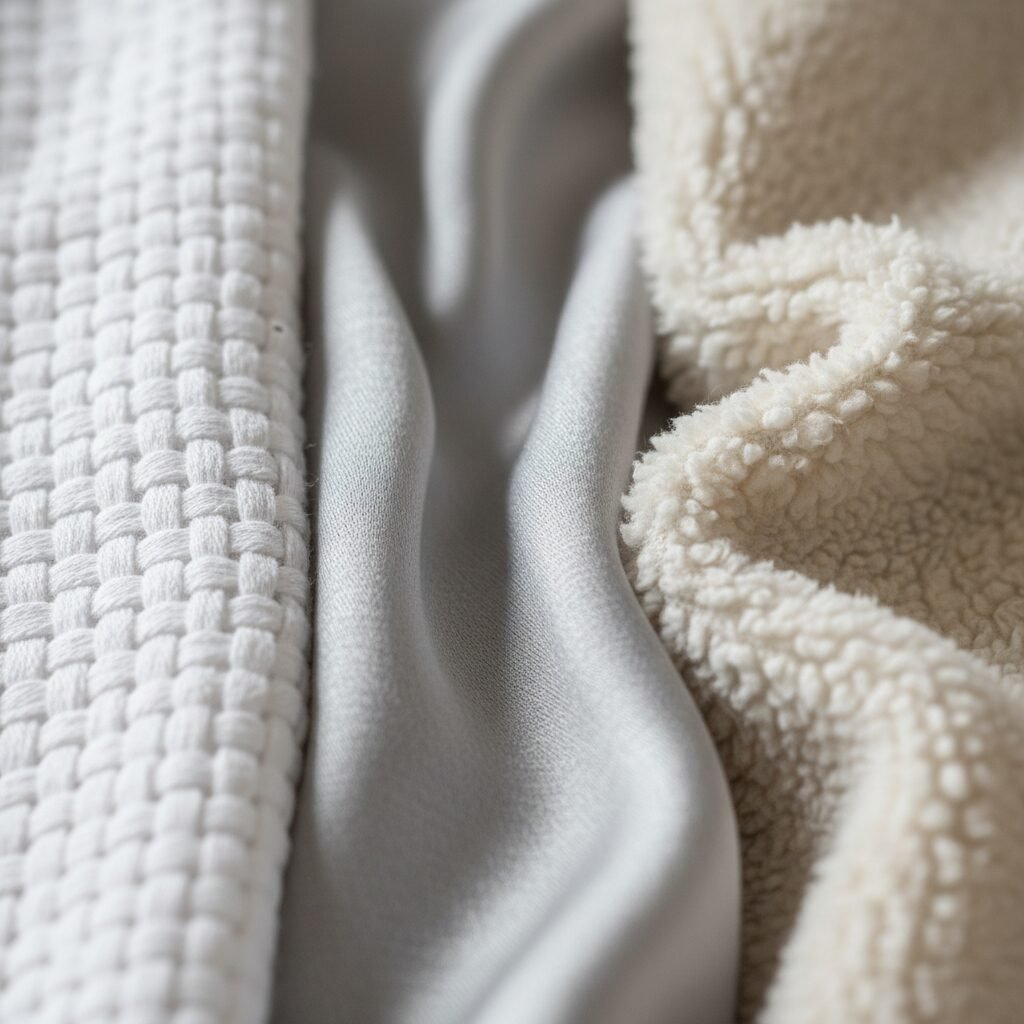
You’ve checked your baby’s weight and consulted the chart—you’re already ahead of the game. But there’s another crucial factor that impacts fit: the fabric. The material of a garment determines its stretch, breathability, and, most importantly, its potential to shrink in the wash. Understanding these properties will help you make smarter purchasing decisions.
Natural Fibers: The Comfort Kings
- 100% Cotton: This is the workhorse of baby clothing for a reason. It’s soft, breathable, and gentle on sensitive skin. However, it is highly prone to shrinkage, especially in the high heat of a dryer. Pro Tip: When buying 100% cotton items, especially from brands known to run snug, consider buying one size up to account for the inevitable shrinkage after the first wash. Always wash in cold water and tumble dry on low.
- Organic Cotton: Grown without synthetic pesticides and fertilizers, organic cotton offers the same benefits as conventional cotton but with an eco-conscious and hypoallergenic advantage. Look for GOTS (Global Organic Textile Standard) certification to ensure its authenticity. It will also shrink, so the same sizing-up rule applies.
- Bamboo Viscose/Rayon: Known for its incredible softness and silky feel, bamboo is also thermal-regulating, helping to keep your baby cool in the heat and warm in the cold. It has a beautiful drape and excellent stretch, making it very forgiving in terms of fit. It is generally less prone to shrinkage than cotton if cared for properly (cold wash, gentle cycle).
Synthetic & Blended Fibers: Stretch and Durability
- Polyester (Fleece): Often used for warm sleepers and outerwear, fleece is durable, moisture-resistant, and does not shrink. However, it is not very breathable and can sometimes trap heat, so it’s best for cold weather or as an outer layer.
- Cotton/Spandex Blends: The addition of a small amount of spandex (or Lycra, elastane) to cotton is a game-changer. It provides stretch and recovery, meaning the garment moves with your baby and holds its shape better over time. These blends are less likely to shrink dramatically than 100% cotton and often provide a more comfortable, snug fit for active babies.
Remember this simple rule: The higher the natural fiber content (like cotton), the higher the potential for shrinkage. Always read the care label before washing for the first time.
Not All Brands Are Created Equal: Navigating Sizing Inconsistencies
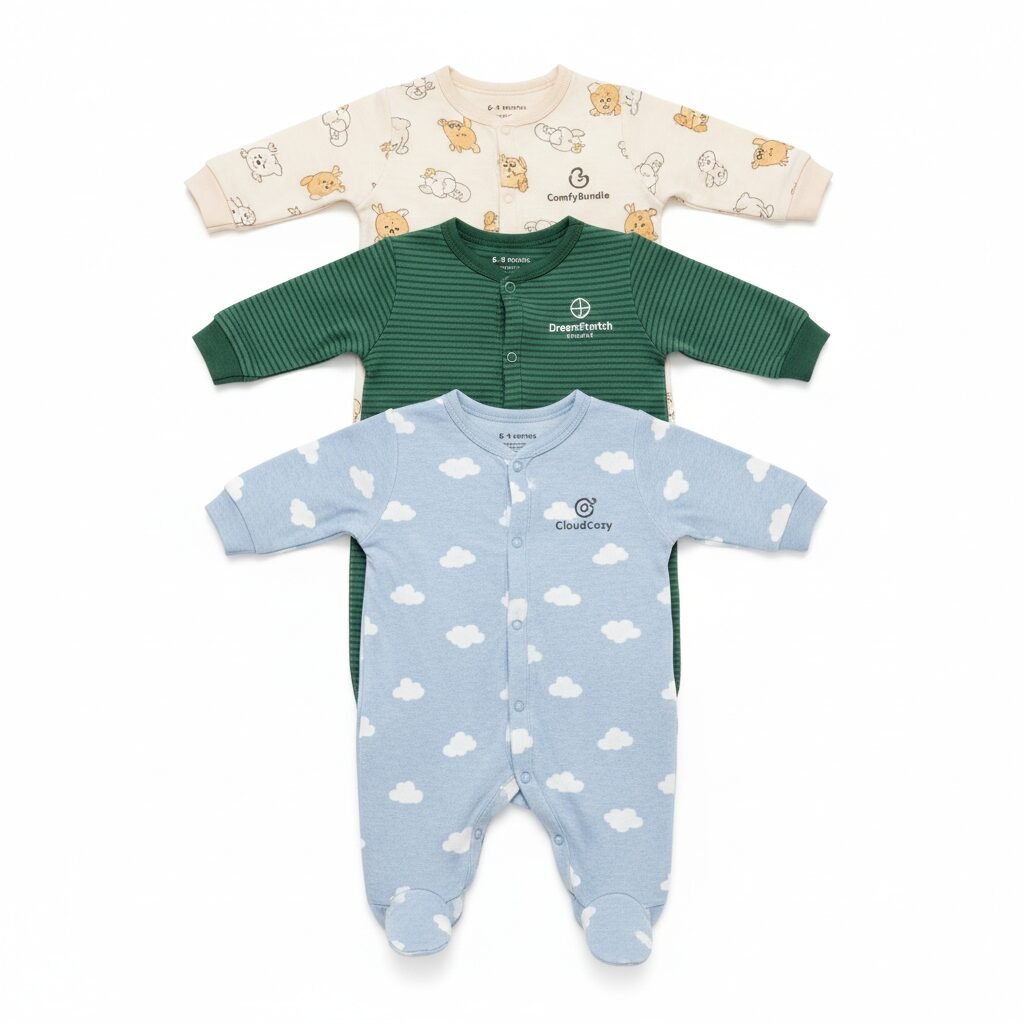
Here is a truth every seasoned parent knows: a size ‘3-6 months’ from Carter’s is not the same as a ‘3-6 months’ from H&M. This lack of standardization is one of the most maddening aspects of buying baby clothes. Some brands cater to long, slim babies, while others are cut more generously for rounder physiques. Learning these brand-specific quirks can save you countless returns and fitting-room frustrations.
While this is not an exhaustive list, here are some general reputations of popular baby clothing brands in the United States. Always default to the brand’s own size chart on their website for the most accurate information.
A Quick Guide to Popular Brand Sizing:
- Carter’s / OshKosh B’gosh: Generally considered the industry standard. Their sizing is fairly consistent and tends to be long and narrow. If you have a baby who is average or slim for their age, Carter’s will likely be a good fit.
- Gerber: This brand is famous for running small. This is especially true for their classic white side-snap shirts and Onesies®. It is almost a rite of passage for new parents to buy a pack of Gerber in their baby’s current size only to find it’s already too snug. Always size up by at least one size with Gerber.
- Hanna Andersson: A Swedish brand known for high-quality organic cotton and durability. Their sizing is European, often based on centimeters (cm) instead of months, which is actually more accurate. They tend to run large and are cut generously, making them great for chunkier babies and providing lots of room to grow.
- H&M Baby: Similar to Hanna Andersson, H&M is a European brand that typically runs large. Their clothes are often wider and offer a more relaxed fit than many American brands.
- Burt’s Bees Baby: Known for their soft organic cotton, this brand tends to run long and slim. Their sleepers are particularly popular but are designed for a very snug fit for safety reasons, so if your baby is at the higher end of a weight range, definitely size up.
- Primary: This brand focuses on basics in a rainbow of colors and is beloved for its consistent, reliable sizing. They provide very detailed weight and height charts for their products, and their clothes are generally considered true-to-size based on those charts.
The key takeaway is to be a brand detective. Once you find a brand that fits your baby’s body type well, it can be wise to stick with it for essential items to create a predictable and reliable wardrobe.
A Practical Wardrobe Strategy: How Much to Buy in Each Size
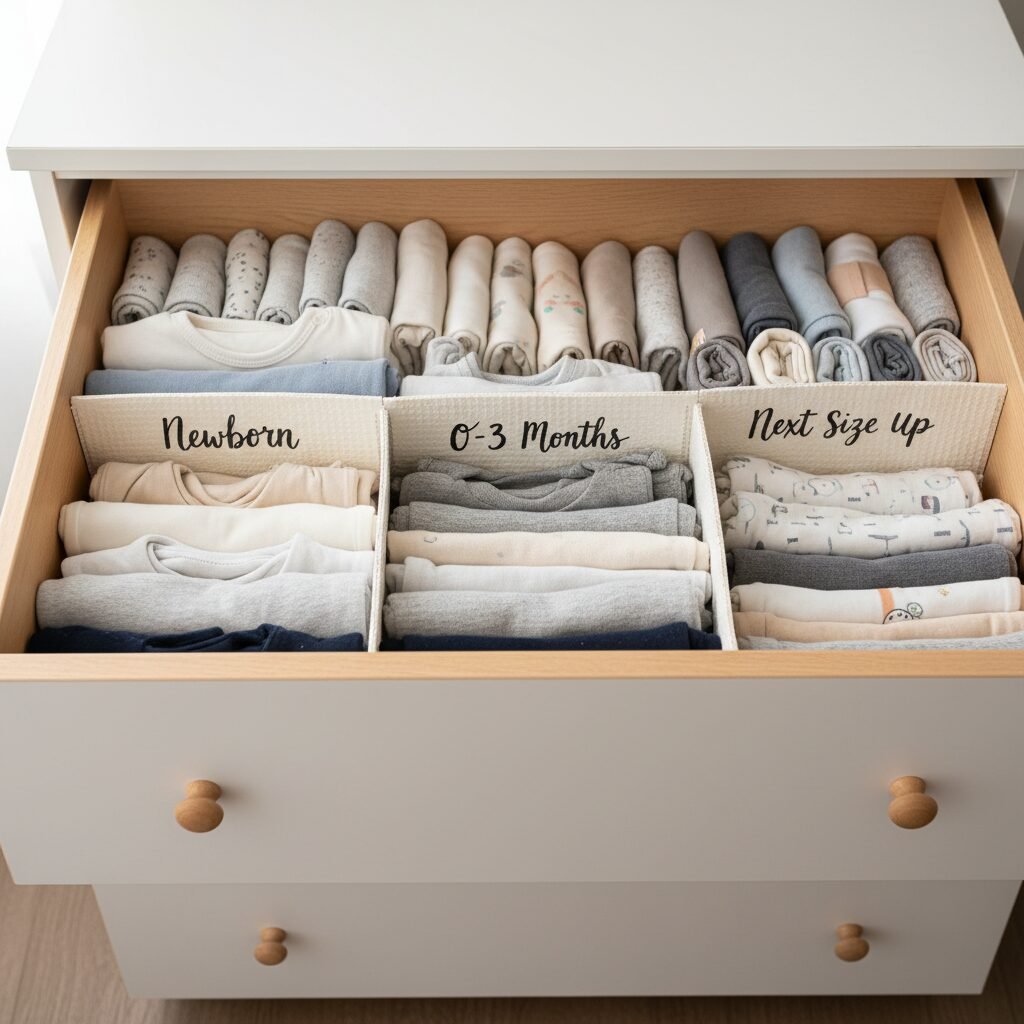
The temptation to buy every adorable outfit you see is strong, but a strategic approach will save you money and storage space. Babies, especially in the first six months, grow at an astonishing rate. Overbuying in any single size, particularly ‘Newborn’, is a common mistake. The goal is to have enough clothing to handle daily messes without creating a mountain of laundry, while also not investing too heavily in a size that might only last a few weeks.
The Minimalist’s Checklist for Early Sizes (Newborn & 0-3 Months)
This checklist covers the essentials. You can always add more special occasion outfits, but this forms a solid, functional core wardrobe for one size range.
- Bodysuits/Onesies (7-10): These are the foundation of a baby’s wardrobe. Opt for a mix of short-sleeve and long-sleeve depending on the season. Side-snap or kimono-style bodysuits are wonderful for newborns to avoid pulling anything over their delicate head.
- Sleepers/Pajamas (5-7): Your baby will spend a lot of time sleeping. Look for sleepers with zippers (especially two-way zippers for easy diaper changes) over snaps to save your sanity during 3 a.m. changes.
- Pants/Leggings (4-6 pairs): For pairing with bodysuits to create a full outfit.
- Socks or Booties (6-8 pairs): Baby socks are notorious for disappearing. It’s impossible to have too many.
- Swaddles (2-3): While not clothing, they are essential for newborn sleep.
- Seasonal Items (2-3): Depending on your climate, this might include a few sweaters, a fleece bunting, or a sun hat.
The ‘One Size Ahead’ Rule
One of the best pieces of advice I can offer is to always have a small stash of clothes in the next size up. When a growth spurt hits, it happens fast. Having a few bodysuits and a couple of sleepers ready to go means you won’t be caught off guard. When you notice the current size is getting snug, wash the next size up so it’s prepped and ready for its debut.
Embrace Hand-Me-Downs and Secondhand
Because babies wear their clothes for such a short period, secondhand items are often in excellent condition. Accepting hand-me-downs from friends and family or shopping at consignment stores is an incredibly sustainable and budget-friendly way to build a robust wardrobe. It allows you to experiment with different brands and sizes without a significant financial investment.
Conclusion
Navigating the world of baby clothes doesn’t have to be a source of stress. By shifting your focus from the arbitrary age on the tag to the concrete data of your baby’s weight and length, you equip yourself with the knowledge to shop with confidence and precision. Remember the core principles: weight is your guide, charts are your map, fabric dictates the final fit, and brand sizing is never standard.
Building your baby’s first wardrobe is a special part of the journey into parenthood. Give yourself grace—there will still be times an outfit doesn’t fit quite right, and that’s perfectly okay. This is a process of learning your unique baby. By focusing on their comfort and your own peace of mind, you can spend less time worrying about sizing and more time cherishing the precious, fleeting moments with your little one. You’ve got this.