Solid Starts: The Ultimate Baby Led Weaning Starter Kit for New Moms
The moment to introduce solid foods is one of the most anticipated—and often, most anxiety-inducing—milestones in your baby’s first year. The questions can feel endless: What do I feed them? How much? What if they choke? For generations, the answer was puréed foods on a tiny spoon. But a more intuitive, baby-led approach has empowered families worldwide: Baby-Led Weaning (BLW). This method champions self-feeding from the very first bite, allowing your baby to be in control of their own eating journey.
Pioneered by resources like Solid Starts, BLW is about more than just food; it’s about fostering a positive relationship with eating, developing crucial motor skills, and building self-confidence. It transforms mealtime from a task into an adventure of sensory exploration. This guide is designed to be your trusted companion, helping you assemble the ultimate BLW starter kit. We’ll walk you through the essential gear, crucial safety protocols, ideal first foods, and the supportive mindset you need to begin this exciting chapter with knowledge and peace of mind.
What is Baby-Led Weaning (BLW) and Why Choose It?
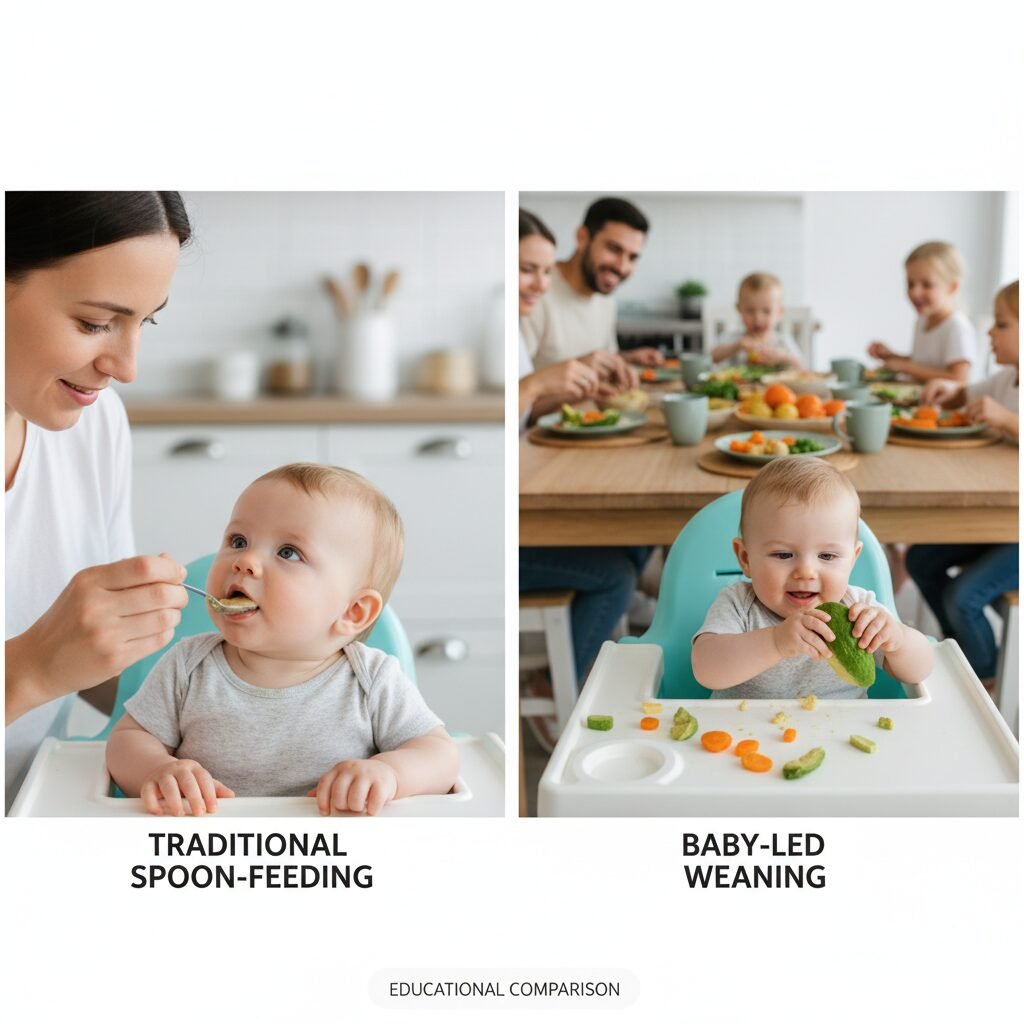
At its core, Baby-Led Weaning is a method of introducing solid foods that allows infants to feed themselves finger foods right from the start, skipping traditional spoon-fed purées entirely. The philosophy is simple: trust your baby. When they show the signs of readiness—typically around six months of age—they can join family mealtimes and explore whole, safely prepared foods at their own pace.
The Core Principles of BLW
The approach championed by experts and resources like Solid Starts is built on a few key ideas:
- Baby is in Control: The baby decides what to eat from the options you provide, how much to eat, and how quickly to eat. This helps them learn to listen to their own hunger and fullness cues, a skill that can last a lifetime.
- Shared Mealtimes: BLW encourages babies to eat with the family, trying modified versions of the same foods everyone else is enjoying. This promotes social skills and makes meal prep simpler.
- Skill Development: The act of picking up food, bringing it to their mouth, and chewing helps develop fine motor skills, hand-eye coordination, and strong jaw muscles essential for speech development.
Benefits for Baby and Parents
Choosing BLW can feel like a leap of faith, but the benefits are well-documented and deeply rewarding:
- Encourages Adventurous Eaters: By exploring a variety of textures and tastes from the beginning, babies may be more open to trying new foods as they grow.
- Promotes Self-Regulation: Babies are born with an innate ability to recognize when they’re full. BLW respects this instinct, potentially reducing the risk of overeating.
- Reduces Mealtime Stress: For many parents, eliminating the ‘airplane’ game and the pressure to get baby to take ‘just one more bite’ makes mealtimes more relaxed and enjoyable for everyone.
Remember, the goal of starting solids is not just about nutrition; it’s about building a foundation for a lifetime of healthy and happy eating. BLW is a powerful tool to achieve that.
The Essential ‘Solid Starts’ Starter Kit: Gear You’ll Actually Use
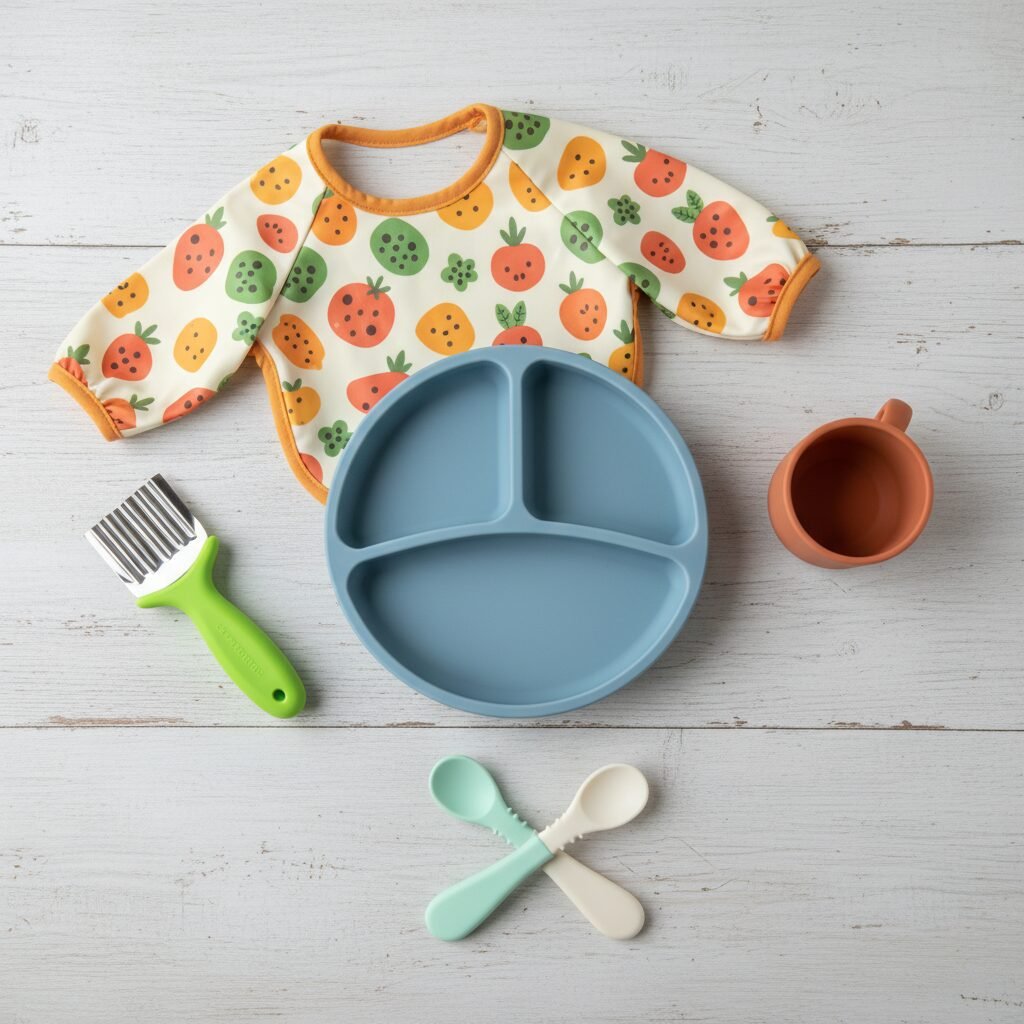
While one of the beauties of BLW is its simplicity, having the right gear can make the process safer, easier, and a little less messy. Think of this as your foundational ‘starter kit.’ You don’t need every gadget on the market, but these key items provide significant value.
The Right High Chair is Non-Negotiable
Safety starts with proper positioning. A good high chair is the single most important piece of equipment for BLW. Look for a chair that allows your baby to sit fully upright with their hips and knees at a 90-degree angle. The most critical feature is an adjustable footrest. When a baby’s feet are flat and supported, they have more stability in their core, which allows for safer chewing and swallowing.
Must-Have Bibs, Mats, and Plates
Let’s be honest: BLW is messy. But the mess is a sign of learning and sensory exploration. The right tools can help you embrace it.
- Long-sleeved, waterproof bibs: These offer maximum coverage to protect clothes.
- Silicone bibs with a scoop/pocket: Perfect for catching dropped food, which your baby can then retrieve and eat (a skill in itself!).
- A ‘Splat Mat’: A machine-washable or wipeable mat placed under the high chair will save your floors and your sanity.
- Suction Plates and Bowls: A plate that stays put prevents your baby from gleefully launching their entire meal onto the floor. Look for 100% silicone, BPA-free options.
Utensils and Cups for Skill-Building
While BLW focuses on hands first, introducing utensils and an open cup early is fantastic for development.
- Pre-spoons (like the Gootensil): These are designed for little hands to grip easily. They have textured heads that purées and thicker foods (like yogurt or oatmeal) cling to, making self-feeding with a spoon less frustrating.
- The Tiny Cup: Introducing water in a small, silicone open cup from the start helps babies learn to sip rather than suck, which is important for oral motor development.
| Essential Gear | Key Feature | Why It’s Critical for BLW |
|---|---|---|
| High Chair | Adjustable Footrest & Upright Seat | Ensures proper posture for safe chewing and swallowing, reducing choking risk. |
| Silicone Bib with Pocket | Large food-catching pocket | Minimizes mess and allows baby to practice pincer grasp by retrieving fallen food. |
| Suction Plate/Bowl | Sticks firmly to the tray | Prevents baby from throwing the plate, keeping the focus on eating. |
| Tiny Open Cup | Small size, soft silicone material | Promotes a mature swallowing pattern and is safer for developing teeth than sippy cups. |
| Crinkle Cutter | Wavy blade | Adds texture to slippery foods like avocado or banana, making them easier for baby to grip. |
Preparing First Foods: The Solid Starts Approach to Size and Safety
The number one concern for parents considering BLW is choking. This is a valid fear, and understanding how to mitigate the risk is paramount. The Solid Starts philosophy is rooted in food safety, focusing on preparing foods in shapes and textures that are appropriate for a baby’s developmental stage.
Understanding Gagging vs. Choking
First, it’s crucial to know the difference between gagging and choking. Gagging is a natural, noisy, and protective reflex that brings food forward in the mouth. Your baby might cough, sputter, and their face may turn red, but they are handling it. Choking is silent and terrifying. The airway is blocked, and the baby cannot cry or cough. Knowing the difference helps you stay calm and respond appropriately. Gagging is a normal part of learning to eat.
Affirmation for Worried Parents: My baby’s body has a natural reflex to protect their airway. Gagging is their way of learning to manage food. I will stay calm and allow them to work it out.
The Rules of Safe Shapes (6-9 Months)
For babies just starting out (around 6-9 months), their grasp is still developing. They use their whole palm to pick things up (palmar grasp). Therefore, food needs to be large enough for them to hold in their fist with some sticking out to nibble on.
- The ‘Two-Finger’ Rule: Prepare foods to be roughly the length and width of two adult fingers. This ensures it’s big enough to hold and long enough to prevent it from becoming an immediate choking hazard.
- Spears and Wedges are Best: Think roasted sweet potato wedges, avocado spears, and toast strips.
- Use a Crinkle Cutter: This inexpensive tool is a game-changer! It adds texture to slippery foods like kiwi, banana, and avocado, making them much easier for little hands to grip.
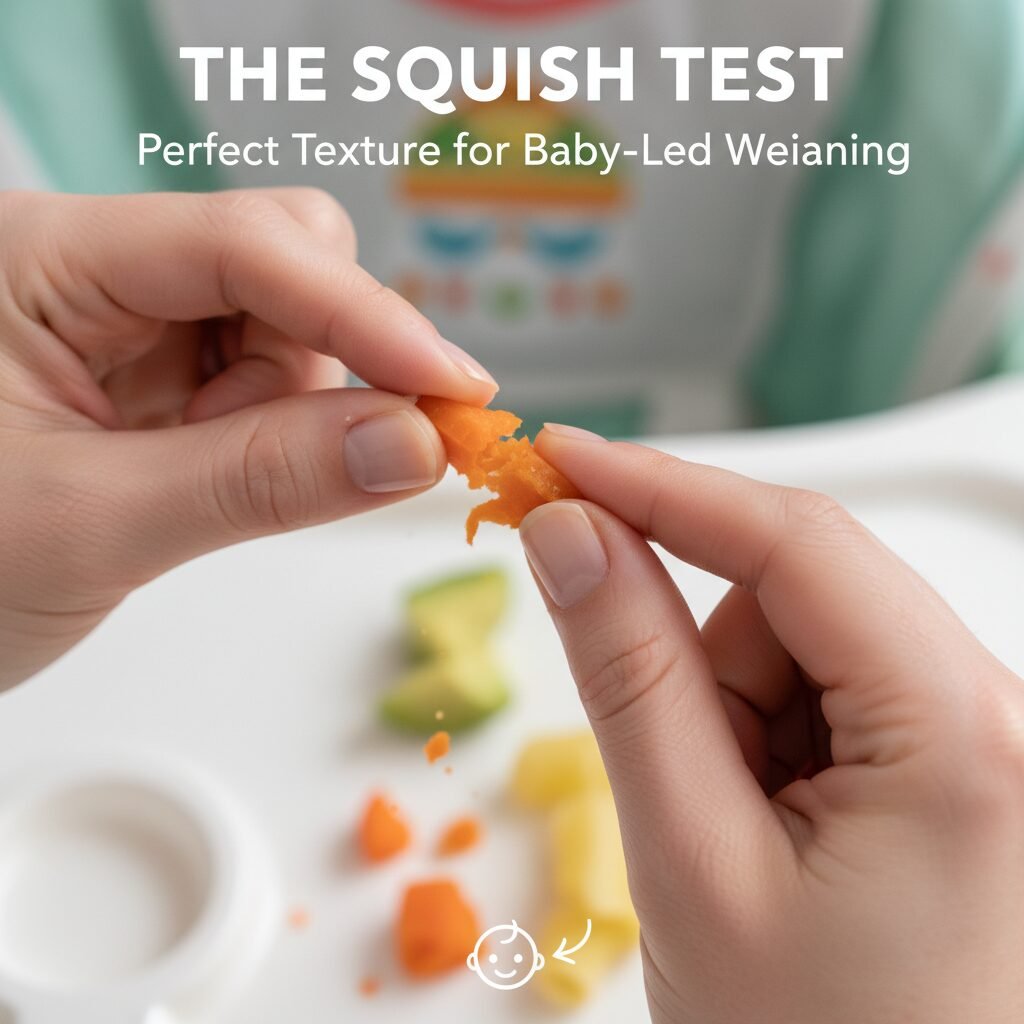
The ‘Squish Test’ for Texture
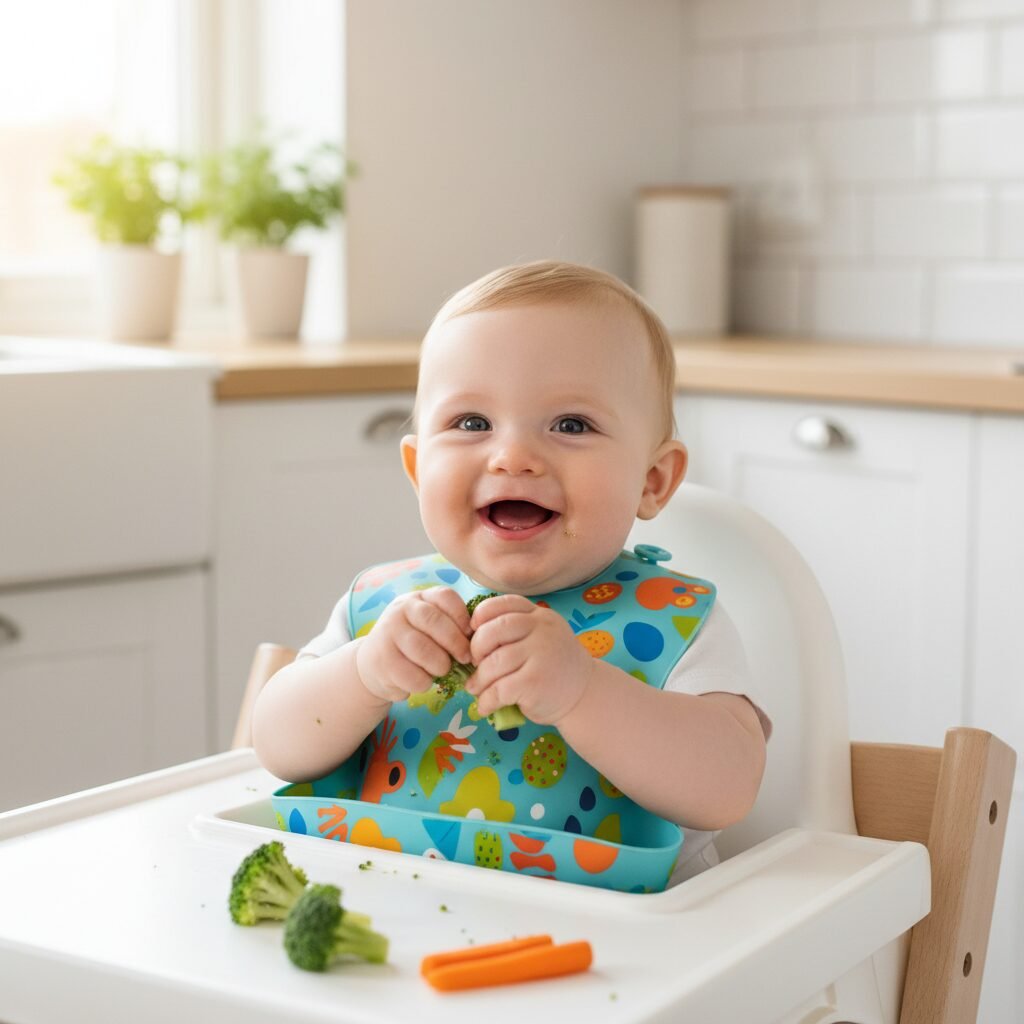
Food must be soft enough for a baby to mash with their gums. A simple way to check is the ‘squish test’: press a piece of the food between your thumb and forefinger. It should smash easily with gentle pressure. Steaming, roasting, or baking hard fruits and vegetables like apples, carrots, and broccoli is essential until they are soft enough to pass this test.
Great Starter Foods for BLW
- Avocado: Cut into thick spears or wedges. Leave some of the skin on at the bottom for a better grip.
- Sweet Potato: Roasted until very soft and cut into thick wedges.
- Broccoli: Steamed until the stalk is tender. The floret end serves as a perfect handle.
- Banana: Cut in half, then slice the peel off the top half, leaving the bottom peel on as a handle.
- Toast Strips: Lightly toasted bread cut into 1-2 finger-width strips. You can top it with a thin layer of mashed avocado or unsalted butter.
Your First Week of BLW: A Sample Meal Plan and Guide
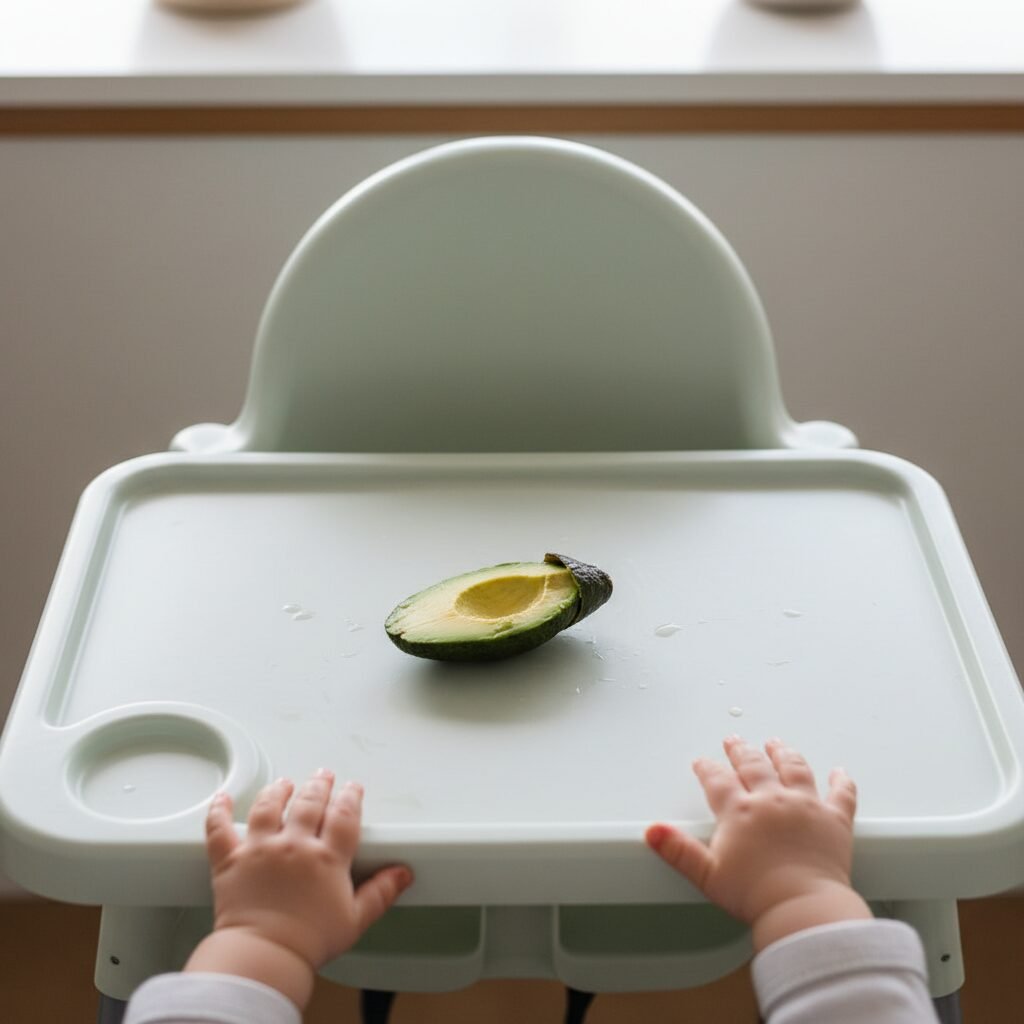
Starting can feel overwhelming. The best approach is to start slow, be patient, and manage your expectations. For the first few weeks, or even months, your baby will be doing more exploring than eating, and that’s perfectly okay! Remember the mantra: “Food before one is just for fun.” Breast milk or formula remains their primary source of nutrition.
Tips for a Successful First Experience
- Choose the Right Time: Offer solids when your baby is happy, well-rested, and not ravenously hungry. A good time is about 30-60 minutes after a milk feeding.
- Eat Together: Sit down and eat with your baby. Model chewing and enjoying your food. They learn by watching you!
- Offer One or Two Foods at a Time: Don’t overwhelm them. Start with one or two simple, safely prepared items on their tray.
- Stay Calm and Positive: Your baby will pick up on your energy. Keep the atmosphere light and pressure-free. If they don’t eat anything, it’s okay. There’s always the next meal.
Sample 5-Day Meal Plan to Get Started
This is just a suggestion to help you visualize what the first week might look like. Offer one meal a day to start, and always include their usual milk feedings throughout the day. Offer a small amount of water in an open cup with the meal.
| Day | Suggested Food(s) | Preparation Tip |
|---|---|---|
| Day 1 | Avocado Spear | Cut a ripe avocado into a thick wedge, about the width of two fingers. Leave some skin on the bottom for grip. |
| Day 2 | Roasted Sweet Potato Wedge | Roast a sweet potato until very soft. Cut into a thick, long wedge that passes the ‘squish test’. |
| Day 3 | Steamed Broccoli Florets | Steam broccoli until the stalk is tender enough to be easily mashed. The floret acts as a natural handle. |
| Day 4 | Banana with ‘Handle’ | Cut a banana in half. Slice the peel off the top half, leaving the bottom peel on for your baby to hold. |
| Day 5 | Toast Strips with Avocado | Lightly toast a piece of whole wheat bread and cut into 1-inch wide strips. Spread a very thin layer of mashed avocado on top. |
Observe your baby’s cues. If they seem interested and engaged, you can gradually increase the frequency of meals and the variety of foods offered. Trust the process and, most importantly, trust your baby.
Navigating Common Concerns: Allergens, Mess, and Family Support
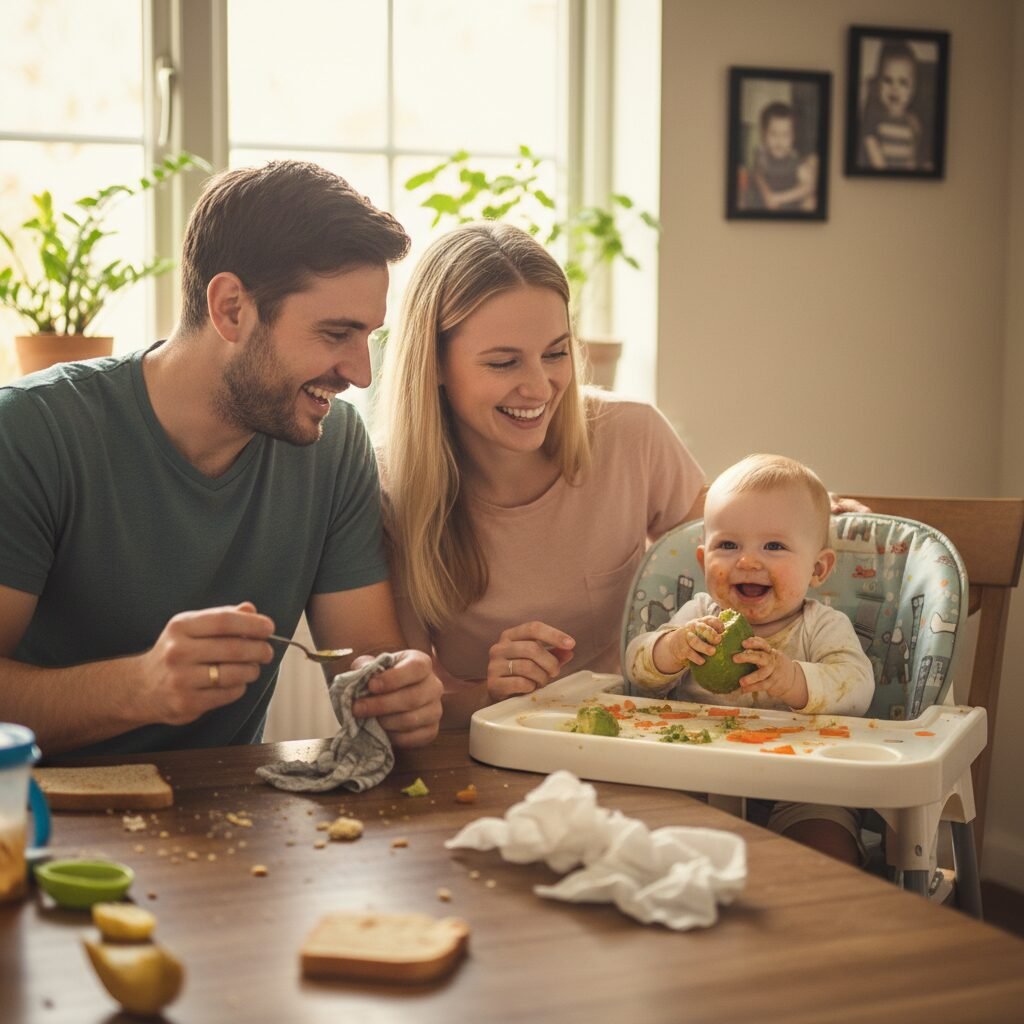
Once you get into the rhythm of BLW, new questions and challenges will arise. Addressing these common concerns head-on with accurate information and a supportive mindset is key to long-term success and enjoyment.
Introducing Allergens Early and Often
Current medical guidance has shifted dramatically. Experts now recommend introducing common allergenic foods (like peanuts, tree nuts, egg, dairy, soy, wheat, fish, and shellfish) early and often, starting around 6 months. This practice has been shown to reduce the risk of developing food allergies. Solid Starts provides excellent, free resources on how to introduce each specific allergen safely.
- How to Start: Introduce one allergen at a time in a small amount. For example, thin a small amount of smooth peanut butter with breast milk or water and spread it on a toast strip.
- When to Offer: Serve it early in the day so you can monitor your baby for any reaction for several hours.
- Consult Your Pediatrician: Always discuss your plan for introducing allergens with your pediatrician, especially if there is a family history of allergies or your baby has eczema.
Embracing the Mess as a Learning Tool
The mess is not a drawback of BLW; it’s a feature. When your baby squishes, smears, and drops their food, they are engaging in invaluable sensory play. They are learning about texture, temperature, and gravity. Instead of fighting the mess, prepare for it.
- Use your splat mat and bibs.
- Consider stripping baby down to their diaper for particularly messy meals like spaghetti.
- Keep a damp cloth handy for a quick wipe-down afterward.
- Reframe your mindset: This mess is the sign of a brain at work.
Getting Partners and Caregivers on Board
It’s crucial that everyone caring for your baby is on the same page. A partner, grandparent, or daycare provider might be skeptical or fearful of BLW, often because they are unfamiliar with it and worried about choking. Communication is key.
- Share Resources: Show them articles or videos (like those from Solid Starts) that explain the difference between gagging and choking.
- Demonstrate Safe Prep: Physically show them how to prepare foods into safe shapes and how to perform the ‘squish test’.
- Build a United Front: As parents, it’s important to be a team. New dads can be powerful advocates, explaining the ‘why’ behind your choice to family members and ensuring consistency. This is a journey you are on together, supporting each other and your baby.
Conclusion
Beginning the journey of solid foods with Baby-Led Weaning is an act of trust—in your baby’s innate abilities, in your own parental instincts, and in a process that has empowered countless families. By assembling your ‘starter kit’ of essential gear, understanding the principles of safe food preparation, and adopting a patient, positive mindset, you are setting the stage for a lifetime of healthy and joyful eating. The path will be messy, and there will be days when more food ends up on the floor than in your baby’s mouth. That is all part of the beautiful, chaotic, and rewarding process of watching your child discover the world of food. You are your baby’s best guide. Trust the journey, embrace the adventure, and know that you are giving your child an incredible gift.