Sneezing Non-Stop? The Definitive Guide to Pregnancy Safe Allergy Relief
Is a relentless stuffy nose, an endless parade of sneezes, and itchy, watery eyes making your pregnancy journey feel less than magical? If you’re nodding along, please know you are not alone. For many expectant parents, allergy symptoms can suddenly appear or worsen dramatically, turning what should be a joyful time into a frustrating ordeal. It’s easy to feel overwhelmed, especially when you’re trying to be so careful about what you put into your body for your growing baby.
This guide is here to hold your hand through the confusion. We’ll explore why your body is reacting this way—from hormonal shifts creating something called ‘pregnancy rhinitis’ to your immune system working overtime. More importantly, we’ll walk you through a comprehensive list of safe and effective solutions. We’ll start with gentle, natural remedies you can try at home, navigate the pharmacy aisle with confidence, and clarify exactly when it’s time to check in with your doctor or midwife. Your comfort matters, and finding relief is possible. Let’s take a deep breath (even if it’s a stuffy one) and find a path to feeling better, together.
Why Am I Sneezing So Much? Understanding Pregnancy Allergies & Rhinitis

Differentiating Between Allergic Rhinitis and Pregnancy Rhinitis
Before you can tackle the problem, it helps to understand the source. While your symptoms might feel just like your typical seasonal allergies, pregnancy can introduce a new culprit: non-allergic pregnancy rhinitis. It’s a surprisingly common condition, affecting up to 30% of pregnant individuals.
Allergic Rhinitis in Pregnancy
This is the classic allergy you may already be familiar with. It’s an immune system response to a specific allergen in your environment. Your body identifies something harmless—like pollen, dust mites, pet dander, or mold—as a threat and releases histamines to fight it off. This histamine release is what causes the signature sneezing, itching, and swelling.
- Triggers: Environmental allergens (pollen, dust, pet dander).
- Key Symptoms: Often includes itchy eyes, nose, or throat, in addition to sneezing and congestion.
- Timing: Can occur seasonally or year-round, depending on your specific allergy triggers.
Non-Allergic Pregnancy Rhinitis
This condition, on the other hand, is not an immune response. It’s caused directly by the physiological changes of pregnancy itself. The primary drivers are the surging levels of hormones, particularly estrogen.
- Triggers: Hormonal fluctuations, primarily increased estrogen.
- How it Works: These hormones increase blood flow throughout your body, including to the mucous membranes in your nasal passages. This can cause the lining of your nose to swell, leading to congestion and a runny nose. Estrogen may also increase mucus production, adding to that stuffy, drippy feeling.
- Key Symptoms: The main symptom is persistent congestion (a stuffy nose). While sneezing and a runny nose can occur, the intense itching associated with allergies is usually absent.
- Timing: It can start as early as the first trimester but often becomes more noticeable in the second and third trimesters. The good news? It typically resolves completely within two weeks after you give birth.
It’s entirely possible to have both conditions at the same time, making symptoms feel even more intense. Understanding the potential cause helps you and your healthcare provider choose the most effective and safest treatment path for you and your baby.
The First Line of Defense: Natural and Drug-Free Allergy Relief
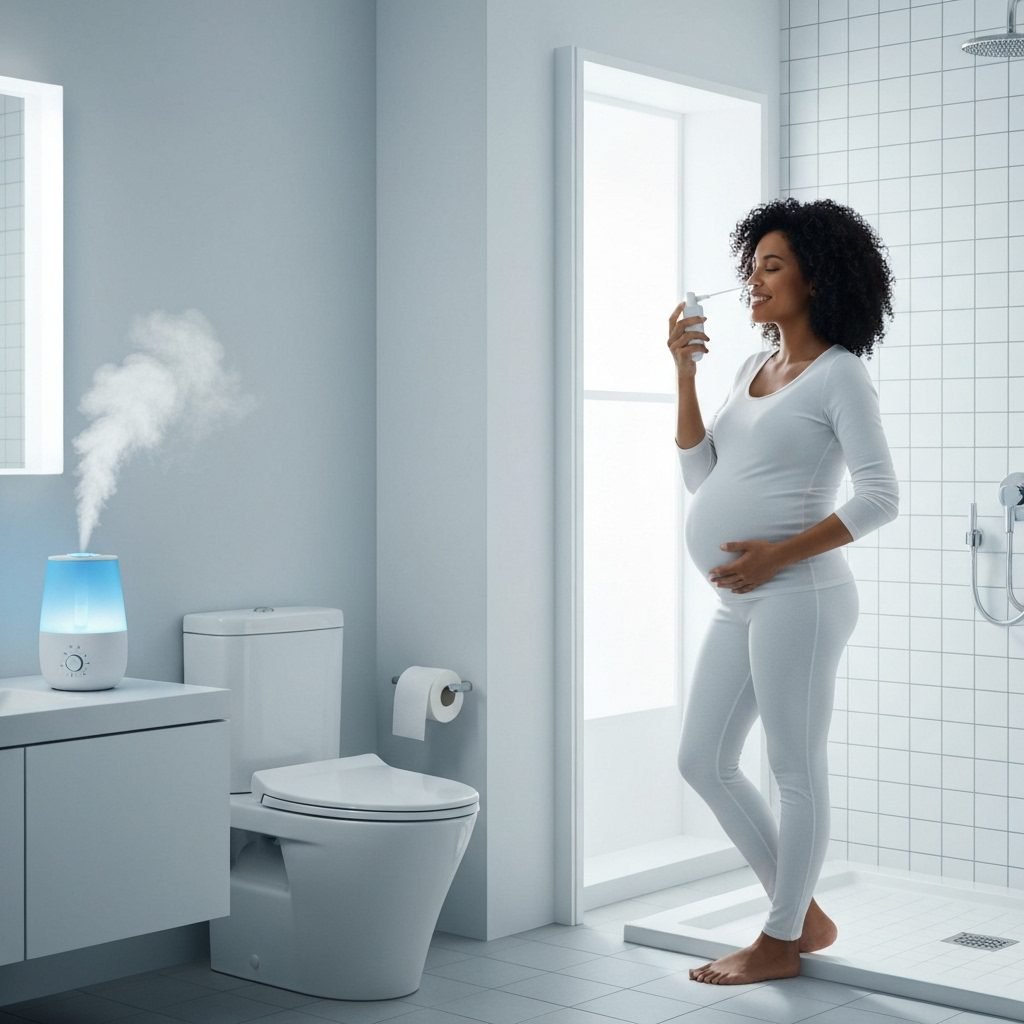
Before reaching for medication, it’s always wise to start with the safest, most natural methods of relief. These strategies can be surprisingly effective at managing symptoms and can be used freely without worrying about potential effects on your baby. Think of this as building a strong foundation for comfort.
Create an Allergen-Free Sanctuary
Your first step is to reduce your exposure to known triggers. This is especially crucial if you’re dealing with traditional allergic rhinitis.
- Monitor Pollen Counts: Use weather apps or websites to check daily pollen levels. On high-pollen days, try to stay indoors, especially during peak hours (usually morning), and keep windows closed.
- Purify Your Air: A High-Efficiency Particulate Air (HEPA) filter in your bedroom can work wonders by trapping airborne allergens like pollen, dust mites, and pet dander while you sleep.
- Master Your Bedding: Wash your sheets, pillowcases, and blankets weekly in hot water (at least 130°F or 54°C) to kill dust mites. Consider using allergen-proof covers for your mattress and pillows.
- Rethink Your Cleaning Routine: Vacuum regularly using a vacuum with a HEPA filter. Damp-dusting surfaces traps allergens instead of sending them into the air.
Harness the Power of Water and Steam
Moisture is your best friend when it comes to soothing irritated nasal passages.
- Saline Nasal Sprays & Rinses: A sterile saline spray is simply salt water. It’s completely safe during pregnancy and helps to moisturize your nasal passages, thin mucus, and flush out allergens. For a more thorough cleansing, a sinus rinse bottle or a Neti pot can be used, but always use distilled, sterile, or previously boiled water to prevent serious infections.
- Run a Humidifier: A cool-mist humidifier in your bedroom at night can add moisture to the air, helping to ease congestion and soothe a dry, scratchy throat. Be sure to clean it regularly according to the manufacturer’s instructions to prevent mold growth.
- Enjoy a Steamy Shower: The warm steam from a shower can provide immediate, temporary relief by loosening mucus and reducing nasal inflammation.
Finding small moments of comfort is key. A warm cup of tea, a steamy shower, the gentle hum of a humidifier—these aren’t just remedies; they are acts of self-care. You deserve to feel as good as possible.
Navigating the Pharmacy: Pregnancy-Safe Over-the-Counter (OTC) Medications

When natural remedies aren’t enough to provide relief, it’s time to consider over-the-counter medications. However, the pharmacy aisle can be a daunting place when you’re pregnant. The golden rule is: Always consult your doctor, midwife, or pharmacist before taking any new medication, including those labeled ‘all-natural.’
Different medications have different safety profiles depending on the trimester you are in. Your provider can give you the most personalized and up-to-date advice. Below is a general guide to help you have an informed conversation with them.
| Medication Type | Generally Considered Safer Options (With Doctor’s OK) | Medications to Approach with Caution or Avoid |
|---|---|---|
| Antihistamines (Oral) | Medications containing Loratadine (Claritin) and Cetirizine (Zyrtec) are often considered the first choice for oral antihistamines during pregnancy due to extensive research. Chlorpheniramine and Diphenhydramine (Benadryl) are also generally considered safe but can cause significant drowsiness. | While many are considered safe, it’s best to avoid any new or less-studied antihistamines. Always stick to single-ingredient formulas. |
| Antihistamines (Nasal Spray) | Azelastine (Astelin) may be prescribed by your doctor, though its data is less extensive than oral options. | Consult your doctor, as the safety data is more limited compared to other categories. |
| Decongestants | This category requires significant caution. Some doctors may approve occasional, short-term use of Pseudoephedrine (Sudafed) after the first trimester for severe congestion. However, it can affect blood flow and should be used with extreme care. | Phenylephrine (found in Sudafed PE) is generally recommended to be avoided due to concerns it could constrict blood vessels. Oral decongestants of any kind are typically avoided in the first trimester. Avoid all multi-symptom ‘cold and flu’ formulas, which often contain decongestants and other drugs you don’t need. |
| Nasal Sprays (Steroid & Other) | Budesonide (Rhinocort) is often the preferred prescription nasal steroid because it has the best safety rating for pregnancy. Other steroid sprays like Fluticasone (Flonase) may also be approved by your doctor. Cromolyn sodium (NasalCrom) is a non-steroid option and is considered very safe as it is poorly absorbed by the body. | Oxymetazoline (Afrin) should be used for no more than 3 days to avoid ‘rebound congestion,’ where your stuffiness comes back worse than before. Long-term use is discouraged during pregnancy. |
Remember, the goal is to use the lowest effective dose for the shortest possible time. Starting with a nasal spray is often recommended, as the medication acts locally in your nose with minimal absorption into your bloodstream.
When to Call Your Doctor or Midwife

While most cases of pregnancy allergies and rhinitis are more of a nuisance than a danger, there are times when it’s essential to seek professional medical advice. Your healthcare team is your partner in this journey, and reaching out is a sign of proactive care for both you and your baby. Never hesitate to call if you’re feeling worried.
Schedule a Non-Urgent Appointment If:
- Your symptoms are severe. If your stuffiness and sneezing are significantly disrupting your sleep, affecting your appetite, or making it hard to get through your day, your provider needs to know. Quality rest is crucial during pregnancy.
- Natural remedies and approved OTCs aren’t working. If you’ve tried the safe options discussed and are still miserable, your doctor may have other solutions, including prescription medications like Rhinocort.
- You’re unsure about a medication. If you’re standing in the pharmacy aisle feeling confused, a quick call to your provider’s office or the on-call nurse can provide immediate clarity and peace of mind.
- You have a history of asthma. Uncontrolled allergies can sometimes trigger asthma symptoms. It’s vital to manage your allergies effectively to keep your asthma in check. Let your doctor know if you’re using your rescue inhaler more often.
Call Your Provider Promptly If You Experience:
- Signs of a sinus infection. This is more than just clear, runny mucus. Watch for facial pain or pressure (around your eyes, cheeks, or forehead), thick yellow or green nasal discharge, a headache, or a toothache.
- A fever. A fever is not a typical symptom of allergies or pregnancy rhinitis and could indicate an infection that needs treatment.
- Coughing, wheezing, or shortness of breath. These symptoms are not associated with rhinitis and need to be evaluated immediately to rule out more serious conditions.
Trust your instincts. You know your body best. Advocating for your own comfort and health is one of the first and most important things you’ll do as a parent.
A Word for Partners: How to Be an Allergy-Fighting Superhero

Watching the person you love feel miserable is hard, especially when they’re already navigating the physical demands of pregnancy. As a partner, you have a powerful role to play. Your support can make a world of difference, not just in her physical comfort but in her emotional well-being too. Here are some practical ways you can step up and be her allergy-fighting superhero.
Take on Allergen-Reducing Tasks
- Become the Chief of Cleaning: Take the lead on tasks that stir up dust and allergens. This could mean doing the vacuuming (ideally with a HEPA-filter vacuum), dusting with a damp cloth, and changing the air filters in your home’s HVAC system.
- Manage the Outdoors: If pollen is the enemy, you can help her avoid the battlefield. Volunteer for lawn mowing, gardening, or other yard work that kicks up allergens.
- Handle Pet Duty: If pet dander is a trigger, take over grooming the pets. Brushing them outside can help minimize dander inside the home. Wiping pets down with a damp cloth when they come inside can also help remove pollen from their fur.
Provide Comfort and Emotional Support
- Be the Pollen Forecaster: A simple gesture like checking the daily pollen count and suggesting a cozy indoor date on high-pollen days shows you’re thinking of her comfort.
- Create a Soothing Environment: Help by running a steamy shower for her before bed, making sure the humidifier is clean and filled with fresh water, or brewing a cup of pregnancy-safe herbal tea (like peppermint or ginger) to help soothe her throat.
- Listen and Validate: Sometimes, the most helpful thing you can do is just listen. Pregnancy hormones can amplify emotions, and feeling sick on top of it all is draining. Acknowledge her frustration. Say things like, “I’m so sorry you’re feeling so miserable. It’s unfair that you have to deal with this.” It shows you’re on her team.
Your active involvement and empathy won’t go unnoticed. These acts of service are a beautiful way to care for both your partner and your coming baby during a challenging time.
Conclusion
Navigating allergies or pregnancy rhinitis is an unwelcome challenge, but it’s one you can absolutely manage with the right knowledge and support. Remember to start with gentle, natural approaches to minimize your exposure to triggers and soothe your symptoms. When you do need to turn to medication, do so in partnership with your healthcare provider to choose the safest, most effective option for you and your baby. Most importantly, give yourself grace. You are doing an incredible job growing a human being, and it’s okay to ask for help—from your partner, your friends, and your medical team.
This phase of congestion and sneezing is temporary. By taking these proactive steps, you can find significant relief and get back to focusing on the joy and anticipation of meeting your little one. You’ve got this.
Medical Disclaimer: The information provided in this article is for informational purposes only and is not intended to be a substitute for professional medical advice, diagnosis, or treatment. Always seek the advice of your physician or other qualified health provider with any questions you may have regarding a medical condition or before taking any medication during pregnancy. Never disregard professional medical advice or delay in seeking it because of something you have read here.