
Skip The Shower: Why Trendy Moms Are Throwing Sip and See Parties Instead
The journey into parenthood is an extraordinary and transformative experience, often heralded by traditions that have stood the test of time. Among these, the baby shower has long been the quintessential pre-birth celebration, a moment for expectant parents to be ‘showered’ with gifts and well wishes. While deeply rooted in sentiment, the traditional baby shower, typically held in the third trimester, can sometimes add an unexpected layer of stress to an already demanding period.
For many new parents, the physical discomfort of late pregnancy, coupled with the emotional anticipation and practical preparations for the baby’s arrival, can make hosting or even attending a large event feel overwhelming. This is particularly true for new dads, who may sometimes feel less integrated into the traditional shower format. Recognizing these evolving needs, a refreshing and increasingly popular alternative has emerged: the Sip and See party. This post-birth celebration offers a gentle, intimate, and often more practical way to introduce your newborn to loved ones, allowing parents to host when they feel truly ready and recovered. As a certified Doula and Maternal Health Educator, I’ve witnessed the beautiful shift towards prioritizing parental well-being and genuine connection. This article delves into the ‘why’ behind this trendy choice, providing an empathetic, fact-based, and authoritative guide for new parents, new dads, and couples considering this modern approach to welcoming their newest family member.
The Evolution of Baby Welcoming: Why Traditional Showers Are Shifting

For decades, the baby shower has been the definitive pre-birth celebration, a cherished tradition designed to equip expectant parents with essentials and emotional support. However, contemporary parenting journeys have brought forth a re-evaluation of this long-standing custom. The timing of a traditional shower, usually in the final weeks of pregnancy, often coincides with a period of intense physical and emotional strain for the birthing parent. Fatigue, swelling, and the sheer effort of carrying a full-term baby can make social obligations feel less like a celebration and more like an arduous task.
Beyond physical discomfort, the mental load of preparing for a baby – from nursery setup to birth plan creation – can be all-consuming. Adding the complexities of hosting or being the guest of honor at a large party can detract from the crucial nesting and resting period. Furthermore, the focus on receiving gifts before the baby’s arrival, while practical for some, can lead to accumulating items that don’t ultimately suit the baby’s actual needs or the family’s lifestyle once the little one is home. New parents often discover what they truly need only after experiencing life with a newborn. This realization, coupled with a desire for more intimate and less performative celebrations, has paved the way for the Sip and See. It’s a response to a collective yearning for a celebration that truly supports the new family unit, rather than potentially adding to their pre-birth anxieties.
Embracing Calm: The Core Benefits of a Sip and See

The allure of a Sip and See lies in its inherent tranquility and practical advantages, making it an increasingly favored option for modern families. One of the most compelling benefits is that the baby has already arrived. This allows guests to genuinely meet and connect with the newborn, transforming abstract excitement into tangible joy. For parents, this means that any gifts received can be far more practical and tailored to their actual needs, as they’ve already begun to understand their baby’s preferences and what essentials they might still be missing. This often leads to more thoughtful and useful presents, reducing potential waste.
Crucially, a Sip and See significantly reduces the stress associated with hosting. Instead of managing a large event while heavily pregnant, parents can wait until they’ve had some time to recover, bond with their baby, and establish a semblance of a routine. While the postpartum period is undoubtedly tiring, the nature of this fatigue is different; it’s often more manageable when the immediate pressure of birth is behind you. These gatherings are typically smaller and more intimate, fostering deeper conversations and genuine connections, which is invaluable for new parents seeking support, not just celebration. The flexibility in scheduling is another huge advantage; parties can be shorter, designed around the baby’s feeding and nap times, ensuring the well-being of both the newborn and the parents. For new dads, a Sip and See often feels more natural and inclusive, as the focus is squarely on the new family unit they’ve created, allowing them to participate actively in welcoming their child into the world.
Planning Your Sip and See: A Gentle Guide for New Parents

Organizing a Sip and See doesn’t have to add to the already full plate of new parenthood. Its inherent simplicity and flexibility are key to its appeal. Here’s a gentle, step-by-step guide to help you plan a memorable and stress-free event:
- When to Host: Most parents find the ideal window to be between 2 to 4 weeks after birth. This allows for initial physical recovery, establishment of early feeding routines, and precious bonding time, yet the baby is still very much a sleepy newborn. Avoid rushing; choose a time when you feel genuinely ready.
- Guest List: Prioritize intimacy. Think close family and friends who will offer genuine support and connection. A smaller group ensures a calmer environment, which is beneficial for both the baby and the recovering parents. Quality over quantity is the mantra here.
- Invitations: Digital invitations are often the most practical and efficient choice for new parents. Clearly state that it’s a ‘Sip and See’ and explain its purpose: to meet the baby. If you prefer no gifts, a polite phrase like ‘Your presence is the only present we need’ works beautifully. If you have specific needs, a link to a discreet registry or a diaper/meal fund can be included subtly.
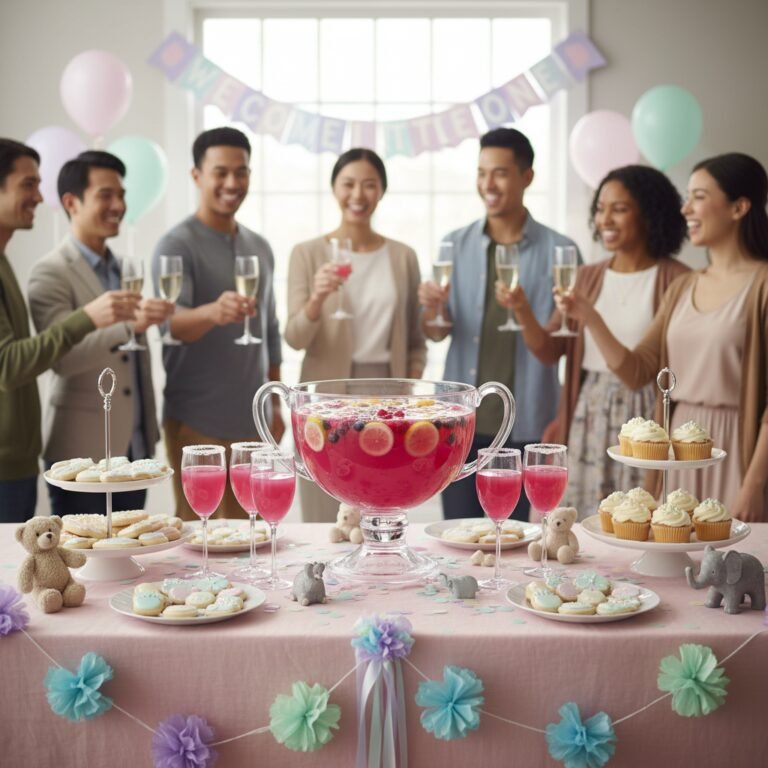
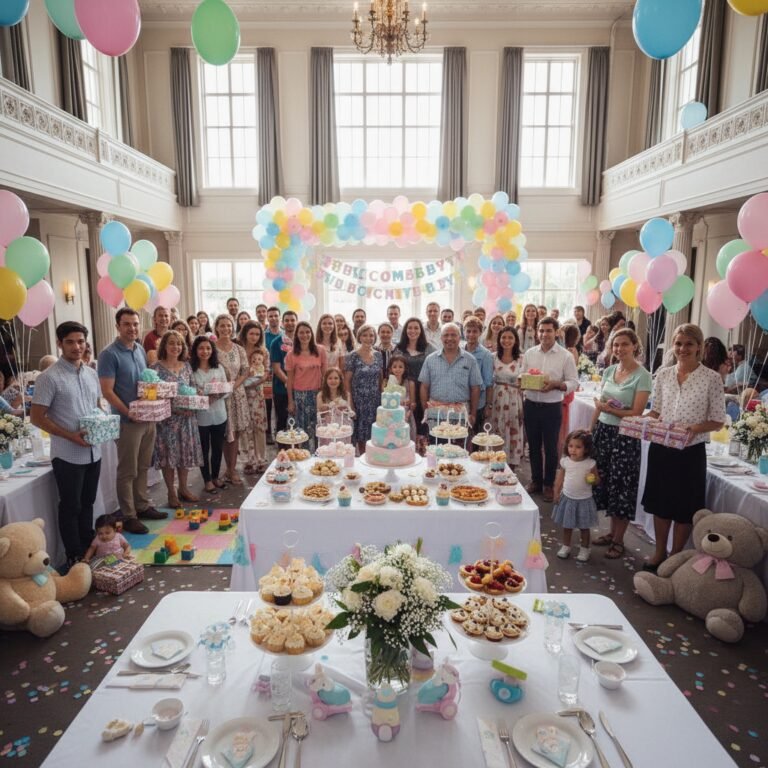
- Decorations: Embrace a minimalist and calming aesthetic. Soft colors, comfortable seating, and perhaps a few simple baby-themed accents (like a baby photo or a few gentle balloons) are perfect. The focus should be on creating a warm and welcoming atmosphere, not an elaborate display.
- Food & Drink: Opt for light refreshments, easy-to-eat finger foods, and minimal-fuss snacks. Think fruit platters, cheese and crackers, small sandwiches, or individual desserts. Offer a variety of beverages, including non-alcoholic options, sparkling water with fruit, tea, coffee, and perhaps a ‘signature sip’ mocktail. Consider asking a close friend or family member to help with food setup and replenishment.
- Baby’s Schedule: Plan the party around your baby’s typical feeding and nap times. Be prepared to step away at any moment for a feeding, diaper change, or a quiet moment with your baby. Communicate this flexibility to your guests; they will understand.
- Duration: Keep the event short, typically 2 to 3 hours. This is usually ample time for guests to visit without overwhelming the new parents or overstimulating the baby. An ‘open house’ style, where guests come and go within a specified window, works very well.
Navigating Etiquette and Expectations: A Smooth Celebration

A truly successful Sip and See hinges on clear communication and the establishment of gentle, yet firm, boundaries. These measures ensure that everyone, especially the new family, feels comfortable and respected. Here’s how to navigate common etiquette and manage expectations for a smooth celebration:
- Gift Etiquette: While the primary purpose is for guests to meet your newborn, some will inevitably wish to bring a gift. To manage this gracefully, reiterate ‘your presence is our present’ on your invitation. If you have specific needs or preferences, a discreet link to a registry or a fund (e.g., for diapers, meals, or a college savings) can be included. The key is to convey that there is absolutely no obligation to bring a gift.
- Baby Handling: This is perhaps the most critical aspect for new parents. Before guests arrive, ensure you have readily available hand sanitizer and gently encourage everyone to use it before touching or holding the baby. It is perfectly acceptable, and indeed advisable, to state on the invitation or verbally, ‘We kindly ask guests to wash their hands before interacting with the baby.’ If you’re uncomfortable with guests kissing the baby, a simple and polite explanation about the baby’s developing immune system, such as ‘We’re trying to keep germs away from our little one,’ is entirely appropriate. Remember, you are your baby’s primary protector.
- Parental Boundaries: Give yourself explicit permission to step away for breaks. Whether it’s for a feeding, a diaper change, or simply a moment of quiet rest, prioritize your well-being and your baby’s needs. Designate a close friend or family member to help manage guests during these times, ensuring you don’t feel pressured to constantly be ‘on.’ Your physical and mental health are paramount.
- Communicating Expectations: Be transparent in your invitations. Clearly state that it’s a casual, open-house style event with a specific time window. This helps guests understand the relaxed nature of the gathering and manage their own expectations regarding formality and duration, contributing to a truly relaxed atmosphere for all involved.
- Respecting Naps: If the baby is sleeping, it’s okay to let them sleep. There’s no need to wake a sleeping baby for guests. Guests can admire from afar and enjoy the peaceful atmosphere.
Making It Yours: Personalizing Your Sip and See Experience

While the core concept of a Sip and See emphasizes simplicity and ease, there’s abundant opportunity to infuse your unique personality and make the event truly reflect your family’s style. Personalization transforms a simple gathering into a cherished memory without adding unnecessary stress.
- Choose a Simple Theme: Instead of elaborate decor, opt for a subtle theme that resonates with your family or complements the baby’s nursery. This could be a specific color palette (e.g., earthy tones, soft pastels), a beloved animal motif, or a meaningful phrase. The goal is cohesion and charm, not extravagance. Simple floral arrangements or greenery can also add a fresh touch.
- Thoughtful Activities: Consider low-key, interactive elements that encourage connection. A guestbook where friends and family can leave advice or well wishes for the baby is a beautiful keepsake. A ‘wishes for baby’ jar, where guests write down their hopes and dreams for the newborn’s future, provides a heartwarming collection of sentiments. Some parents enjoy a small, simple photo booth with a few props and a backdrop for casual snaps.
- Involving Older Siblings: If your newborn has older siblings, make them feel special and included. They could be ‘junior hosts,’ helping to greet guests, offer snacks, or even show off their new sibling (with supervision). Creating a special activity station for them can also keep them engaged and feeling celebrated amidst the attention given to the baby.
- Thank You Notes: While it might seem like a distant task, preparing thank you notes in advance (perhaps addressing envelopes or having personalized cards ready) can significantly ease the post-party burden. A heartfelt, personalized message expressing gratitude for their visit and any gifts is always deeply appreciated. Consider using a photo of the baby on the thank you cards.
- Create a Signature Drink: A special non-alcoholic punch, infused sparkling water, or a unique mocktail can be a delightful and memorable touch. Name it after the baby, a family inside joke, or a meaningful word to add a personal flair that guests will remember.
- Share Your Birth Story (Optional): For very close friends and family, you might choose to share a brief, positive recap of your birth story, if you feel comfortable. This can deepen the connection and appreciation for your journey.
Ultimately, the most important aspect of personalization is ensuring the event feels authentic to you and your family, creating cherished memories in a way that truly brings you joy, not added pressure.
Conclusion
The decision to host a Sip and See rather than a traditional baby shower is a deeply personal one, reflecting a growing and commendable trend among new parents to prioritize calm, connection, and their family’s well-being during the precious postpartum period. It’s an empathetic acknowledgment that welcoming a newborn into the world is a profound experience that deserves a celebration tailored to its unique demands, not one that adds to parental stress.
By choosing a Sip and See, you’re not merely following a trend; you’re making a conscious and empowered choice to create an intimate, stress-free environment where loved ones can meet your baby, offer genuine support, and celebrate your new family unit in a way that truly feels right for you. As a Doula and Maternal Health Educator, I advocate for choices that support the physical and emotional recovery of birthing parents and foster a strong, loving bond within the new family. Embrace the flexibility, enjoy the intimacy, and revel in the joy of introducing your little one to the world on your own terms. Whether you opt for a traditional shower or a modern Sip and See, remember that your instincts and your family’s needs should always guide your decisions. The ultimate goal is to celebrate new life with joy, love, and unwavering support.