

Placenta Previa Diagnosis? The Safest Sleeping Positions for You and Baby
Hearing the words ‘placenta previa’ during an ultrasound can send a wave of anxiety through any expectant parent. Your mind might be racing with questions and concerns. What does this mean? Is my baby okay? What do I need to do differently? Please, take a deep breath. You’ve come to a safe space. As a doula and maternal health educator, I’ve supported many families through this exact diagnosis. While it requires careful monitoring and some lifestyle adjustments, it’s a condition that can be managed effectively with the right information and care.
This guide is here to walk with you through one of the most common questions we hear: ‘How can I sleep safely and comfortably?’ We’ll explore not just the best positions for rest, but also what this diagnosis truly means for you, how to manage your daily activities, and when to reach out to your medical team. You are your baby’s best advocate, and being informed is the first step toward a safe and healthy pregnancy journey.
Understanding Placenta Previa: What This Diagnosis Really Means
Understanding Placenta Previa: What This Diagnosis Really Means
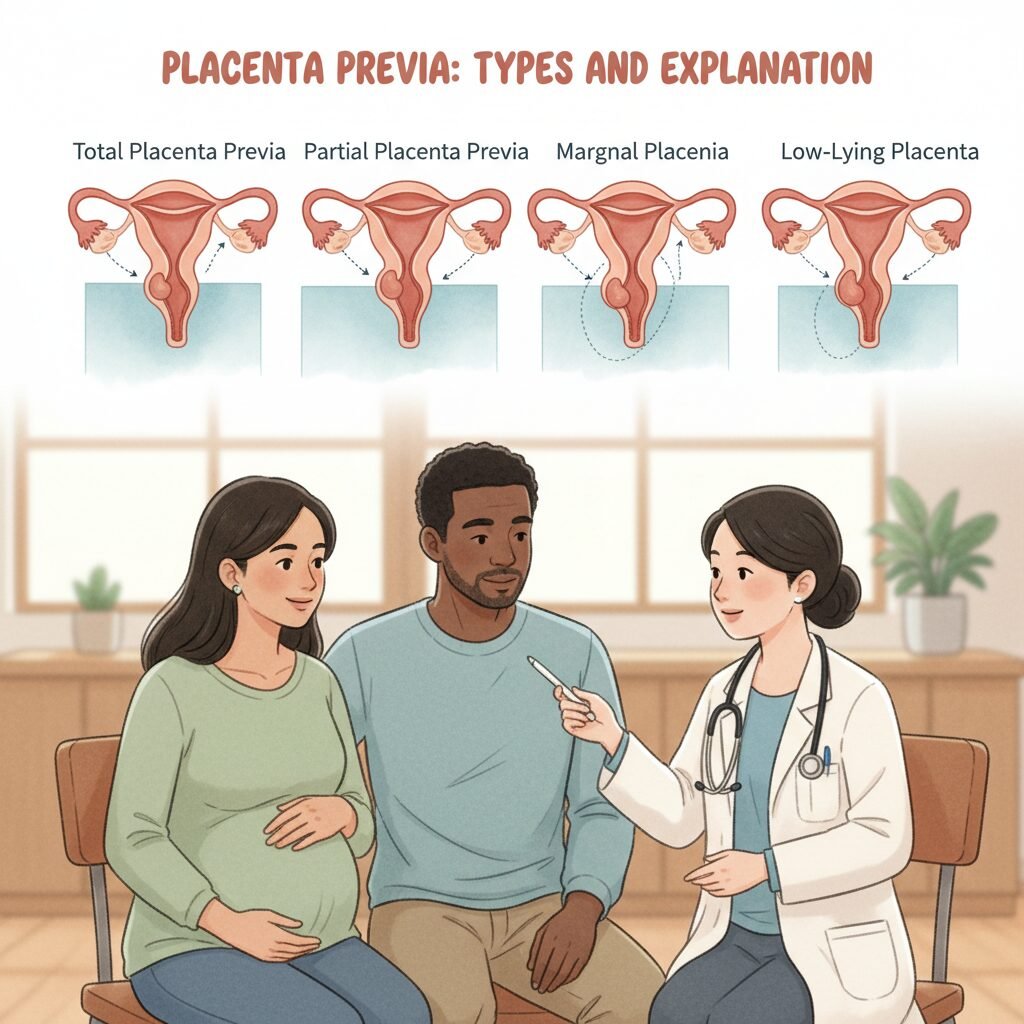
First, let’s demystify the medical term. Simply put, placenta previa means that your placenta is lying unusually low in your uterus, next to or covering your cervix. The placenta is the incredible organ that develops during pregnancy to provide oxygen and nutrients to your growing baby. Normally, it attaches to the top or side of the uterine wall. In cases of previa, its position can potentially cause complications, primarily bleeding, especially as the cervix begins to change in preparation for birth.
Types of Placenta Previa:
- Complete Previa: The placenta completely covers the cervical opening.
- Partial Previa: The placenta covers part of the cervical opening.
- Marginal Previa: The placenta is on the edge of the cervical opening but doesn’t cover it.
- Low-Lying Placenta: The placenta is positioned close to the cervix but not touching the opening.
It’s incredibly important to remember that many cases of placenta previa diagnosed in the second trimester resolve on their own! As your uterus expands, it can often ‘pull’ the placenta up and away from the cervix. Your care provider will monitor the position with follow-up ultrasounds.
The main reason placenta previa requires special attention is the risk of painless, bright red bleeding, especially in the third trimester. This is why your doctor will likely recommend certain precautions to reduce the risk of triggering a bleed, which brings us to the crucial topic of how you rest and sleep.
The Gold Standard: Why Side-Sleeping is Your Safest Choice

The Gold Standard: Why Side-Sleeping is Your Safest Choice
When you have placenta previa, the primary goal is to minimize any pressure on the cervix and the lower part of the uterus where the placenta is located. The right sleeping position can help achieve this, while also promoting optimal blood flow for you and your baby.
Sleep on Your Side (SOS)
Sleeping on your side is recommended for all pregnancies, but it becomes particularly vital with placenta previa. Here’s why:
- Maximizes Blood Flow: Sleeping on your side, especially the left, prevents the weight of your uterus from compressing a major blood vessel called the inferior vena cava. This vein runs along your spine and carries blood from your lower body back to your heart. Unrestricted blood flow means more oxygen and nutrients are reaching your placenta and, ultimately, your baby.
- Reduces Uterine Pressure: Lying on your side helps distribute the weight of your growing uterus more evenly, reducing direct pressure on the low-lying placenta and cervix. This can help lower the risk of irritation that might lead to bleeding.
Is the Left Side Really Better Than the Right?
You’ve likely heard that the left side is the ‘best’ side. This is because the vena cava is on the right side of your spine, so lying on your left gives it maximum space. However, let’s be realistic. You will likely shift positions during the night. Sleeping on your right side is still a safe and far superior alternative to sleeping on your back or stomach. The key is to avoid positions that put direct pressure on your major blood vessels or the cervix. Don’t stress if you wake up on your right side; simply roll back to your left or find a comfortable side position.
Creating Your Sleep Sanctuary: Pillow Strategies and Positions to Avoid
Creating Your Sleep Sanctuary: Pillow Strategies and Positions to Avoid
Knowing you should sleep on your side is one thing; actually getting comfortable is another. This is where a strategic pillow arrangement becomes your best friend. Think of it as building a supportive nest for you and your baby.
Your Pillow Toolkit:
- Between the Knees: Placing a firm pillow between your knees keeps your hips aligned and reduces strain on your lower back and pelvic muscles.
- Under the Belly: A small wedge pillow or a rolled-up blanket tucked under your baby bump can provide gentle lift, easing the pulling sensation on your ligaments and skin.
- Behind Your Back: This is a game-changer. Tucking a firm pillow or a long body pillow behind you provides support and acts as a physical barrier, making it harder for you to accidentally roll onto your back while you sleep.
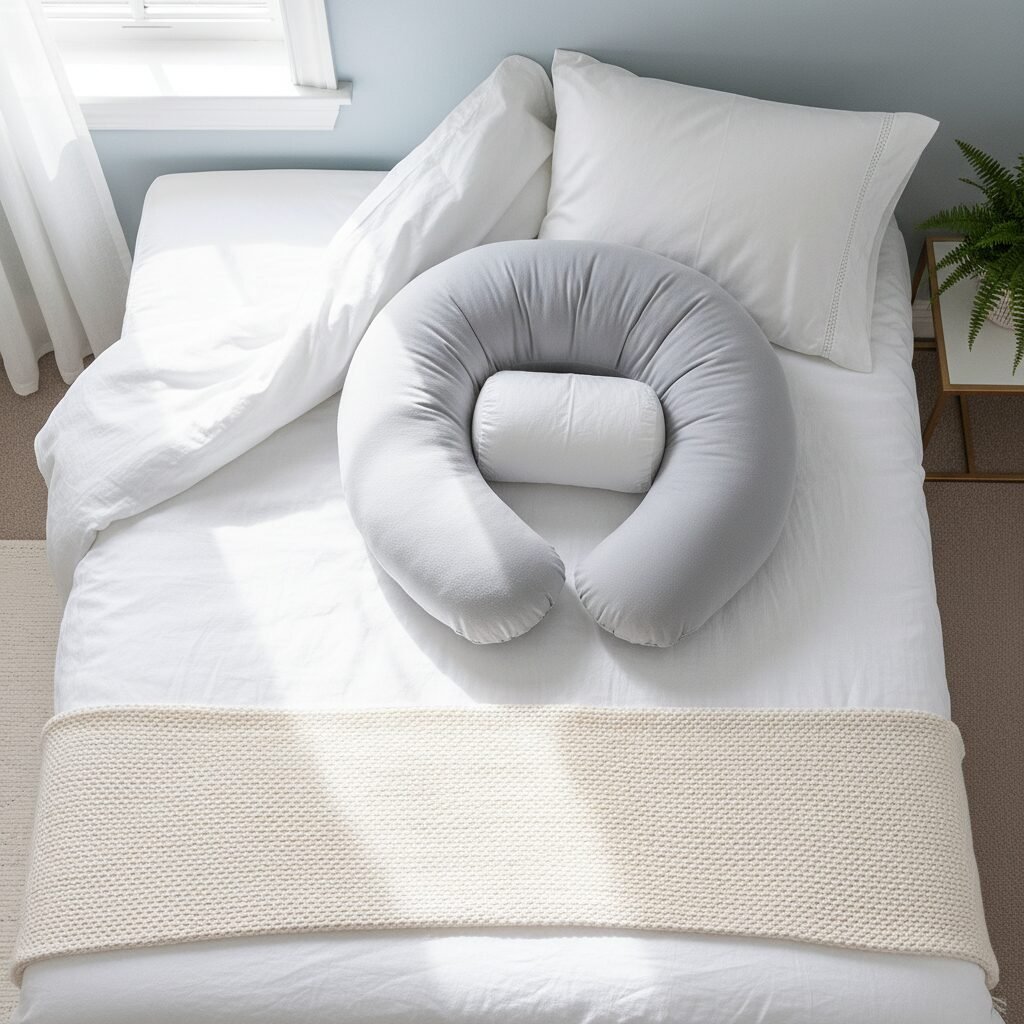
- The Full-Body Pillow: Many expectant parents find that a C-shaped or U-shaped pregnancy pillow is a great all-in-one solution, providing support for your head, back, belly, and knees simultaneously.
Positions to Strictly Avoid
With placenta previa, avoiding certain positions is non-negotiable for your safety.
| Position to Avoid | Reason Why |
|---|---|
| Sleeping on Your Back | The full weight of your uterus presses on your spine, intestines, and the inferior vena cava. This can reduce blood flow to your baby, cause dizziness and shortness of breath for you, and is generally discouraged in the second and third trimesters. |
| Sleeping on Your Stomach | As your pregnancy progresses, this becomes physically impossible and uncomfortable. Any attempt would place direct and significant pressure on your uterus, which is unsafe. |
If you wake up on your back, don’t panic. The discomfort and shortness of breath would likely wake you before any harm is done. Simply take a moment, and gently roll back onto your side.
Beyond the Bedroom: Daily Activity and Pelvic Rest

Beyond the Bedroom: Daily Activity and Pelvic Rest
Managing placenta previa extends beyond your sleeping hours. Your healthcare provider will give you specific instructions based on your situation, but most recommendations center around the concept of ‘taking it easy’ to avoid jostling the placenta or stimulating the cervix.
Understanding Pelvic Rest
This is one of the most common recommendations. Pelvic rest is different from bed rest. It means nothing should be placed in the vagina. This includes:
- No sexual intercourse
- No tampons or menstrual cups
- No douching
- Avoiding internal vaginal exams unless absolutely medically necessary
The goal is to prevent any physical irritation to the cervix, which could trigger bleeding from the nearby placenta.
Modifying Your Daily Activities
Your doctor will guide you on your specific activity level. For many, this means a temporary pause on certain activities until the baby arrives. It’s a small sacrifice for a huge reward.
| Recommended Activities (with Doctor’s OK) | Activities to Avoid |
|---|---|
| Gentle walking on flat surfaces | Heavy lifting (e.g., groceries, older children) |
| Sitting with feet elevated | Strenuous exercise (e.g., running, jumping, aerobics) |
| Light housework, avoiding bending and straining | Squatting or deep bending |
| Swimming or water aerobics (check with your doctor) | Activities with a risk of falling or impact |
A Note for Dads and Partners: This is your time to shine. Your partner needs your physical and emotional support more than ever. Take over the heavy lifting, encourage her to rest, ensure she’s hydrated, and be her advocate. Your active involvement is a crucial part of a healthy team approach to this diagnosis.
Red Flags: When to Call Your Doctor or Seek Immediate Care

Red Flags: When to Call Your Doctor or Seek Immediate Care
Living with a placenta previa diagnosis means being extra vigilant about your body’s signals. Trust your instincts. Your medical team wants to hear from you if you have any concerns. Never hesitate to call your doctor, midwife, or go to the hospital if you experience any of the following:
- Any Vaginal Bleeding: This is the most critical sign. Call your doctor immediately for any amount of bright red vaginal bleeding, with or without pain. Even if it seems like a small amount and it stops, it needs to be reported.
- Contractions or Cramping: Regular, painful uterine contractions or persistent cramping could be a sign of preterm labor, which requires immediate medical attention.
- Severe Back Pain: While back pain is common in pregnancy, a new, severe, or rhythmic pain in your lower back should be evaluated.
- Leaking Fluid: A gush or a trickle of fluid from the vagina could indicate that your water has broken.
Keep your hospital bag packed and your transportation plan ready, especially as you enter the third trimester. Being prepared can reduce anxiety and ensure you get the care you need as quickly as possible. Remember, it is always better to call and be told everything is fine than to wait and worry.
Conclusion
Navigating a placenta previa diagnosis is a journey of patience, mindfulness, and self-care. It’s completely normal to feel a mix of emotions, but you are already doing the most important thing: seeking out information to protect yourself and your baby. By prioritizing side-sleeping with supportive pillows, adhering to pelvic rest, and modifying your daily activities, you are creating the safest possible environment for your little one to thrive. Communicate openly with your partner and your medical team. Lean on your support system. You are strong, you are capable, and you are not alone in this.
Medical Disclaimer: The information in this article is for educational and informational purposes only and is not intended as health or medical advice. Always consult a physician or other qualified health provider regarding any questions you may have about a medical condition or health objectives.


