

Office Baby Shower Etiquette: 7 Rules to Avoid Awkward Work Parties
Welcoming a new baby into the world is a joyous occasion, and for many new parents, the support and well-wishes from colleagues can be incredibly meaningful. However, the unique dynamics of a workplace mean that celebrating such a personal event requires a delicate balance of enthusiasm and professionalism. Office baby showers, while well-intentioned, can sometimes stray into awkward territory if not handled with care and clear guidelines.
As a Doula and Maternal Health Educator, I understand the importance of community and support during this transformative time. This guide is designed for new parents, new dads, and couples trying to conceive, as well as their colleagues, to navigate the nuances of office baby shower etiquette. By adhering to these seven essential rules, we can ensure that every workplace celebration is a positive, respectful, and genuinely supportive experience for everyone involved, free from any unnecessary awkwardness.
Setting the Stage: Understanding Workplace Culture and Intent

Before any plans are made or invitations are sent, it’s crucial to consider the broader context of your workplace. Every company has its own unique culture, and what might be perfectly acceptable in one office could be seen as inappropriate in another. Understanding these unspoken rules is the first step towards a successful and well-received office baby shower.
Rule 1: Gauge Company Culture and Policy Before Planning
The first and most fundamental rule is to assess your company’s stance on personal celebrations. Some organizations have clear policies regarding workplace parties, gift-giving, and even solicitations. Others may have an unwritten culture that dictates what’s appropriate.
- Check HR Policies: Consult your HR department or employee handbook. Are there guidelines on organizing social events, collecting money, or distributing invitations? Adhering to these policies is not just about avoiding trouble; it’s about showing respect for your employer’s operational framework.
- Observe Past Precedents: Reflect on how other personal milestones (weddings, retirements, previous baby showers) have been handled. Was it a small cake in the breakroom, a potluck lunch, or a more elaborate affair? Mimicking successful past events can provide a safe blueprint.
- Consider Your Role: If you’re a manager or in a leadership position, be mindful of setting a precedent. Ensure any celebration aligns with your company’s values of inclusivity and non-coercion.
By taking the time to understand these foundational elements, you lay the groundwork for a celebration that feels natural and welcomed within your professional environment.
Rule 2: Keep it Inclusive and Strictly Voluntary
An office baby shower should be a gesture of genuine goodwill, not an obligation. Forcing participation or making colleagues feel pressured to contribute can quickly turn a joyful event into a source of resentment. Inclusivity and voluntarism are paramount.
- No Pressure on Gifts: Make it explicitly clear that gifts are optional. A simple note like, ‘Your presence and well wishes are gift enough, but if you wish to contribute, a group gift is being organized,’ can alleviate pressure. For new parents, remember that the emotional support of colleagues often means more than any material item.
- Respect Diverse Beliefs: Be mindful that not all colleagues may share the same enthusiasm for baby-related celebrations, perhaps due to personal circumstances or cultural differences. Ensure the invitation respects these sensitivities.
- Consider Monetary Contributions: If a group gift is organized, suggest a comfortable, modest amount, or offer alternatives for those who prefer to give individually or not at all. Transparency about how funds will be used is also vital.
- Include All Departments (Where Appropriate): If the honoree frequently interacts with multiple departments, consider inviting key individuals from those teams to foster a sense of broad community support.
The Practicalities: Planning and Execution with Professionalism
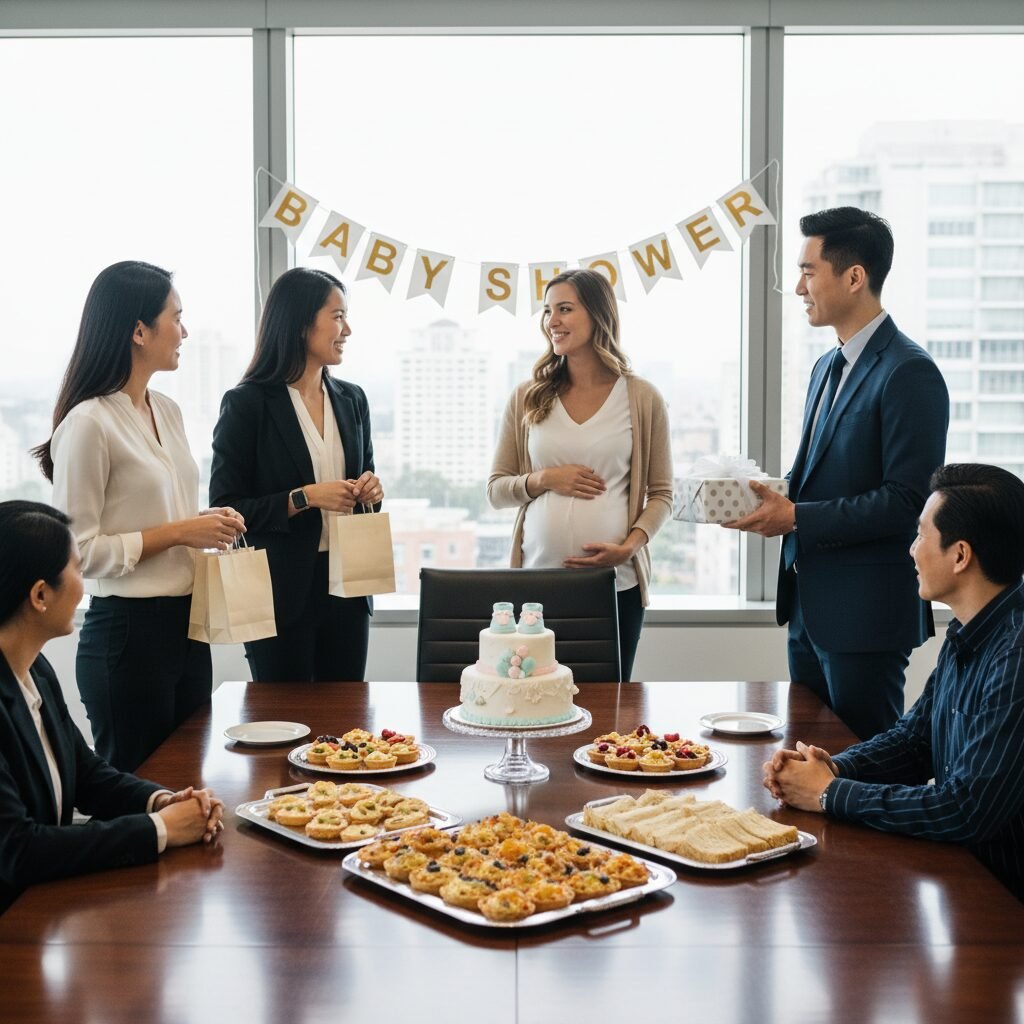
Once the cultural landscape is understood, the next phase involves the practical aspects of planning and executing the office baby shower. This requires careful consideration of logistics, communication, and the overall experience for both the honoree and the guests.
Rule 3: Set Clear Expectations for Gifts and Participation
One of the most common sources of awkwardness in office celebrations revolves around gifts. Clear communication from the outset can prevent misunderstandings and ensure everyone feels comfortable.
- Gift Options: Offer a few clear options for gifts. A group gift is often preferred as it minimizes individual cost and avoids a parade of gifts being opened, which can take up valuable work time.
- Registry Information (If Applicable): If the parents-to-be have a registry, it can be shared discreetly and optionally, perhaps by a designated organizer rather than the parents themselves. Emphasize that participation is voluntary.
- Focus on Well-Wishes: Shift the emphasis from material gifts to the collective well-wishes and support of colleagues. A card signed by everyone can be a cherished keepsake.
- No Cash Collections (Unless Policy Allows): Be extremely cautious with direct cash collections, as this can often be against company policy and feel coercive. If a monetary gift is desired, consider gift cards to specific baby stores or a collective online contribution platform if allowed.
Rule 4: Choose the Right Time, Venue, and Duration
Logistics play a critical role in ensuring the office baby shower integrates seamlessly into the workday without disrupting productivity or causing inconvenience.
- Timing is Key: Lunch breaks or the last hour of a Friday afternoon are often ideal. Avoid scheduling during peak work hours or critical meeting times. Keep the event brief – 30 to 60 minutes is usually sufficient for an office setting.
- Appropriate Venue: A conference room, breakroom, or common area is generally suitable. Avoid personal offices, which can feel exclusive or cramped. Ensure the space is clean, comfortable, and accessible.
- Keep it Simple: Elaborate decorations or catering are usually unnecessary for an office setting. A cake, some light snacks, and beverages are often more than enough. The focus should be on the person being celebrated, not the extravagance of the party.
- Minimize Work Disruption: Remind attendees to manage their work responsibilities. The event should enhance, not detract from, the professional environment.
The Art of Participation: Being a Gracious Host and Guest

Whether you are the expectant parent or a colleague attending the celebration, mindful participation is key to a positive experience. This involves both thoughtful engagement and genuine expression of gratitude.
Rule 5: Mind Your Manners as a Guest (and Organizer)
As an attendee, your role is to contribute positively to the celebratory atmosphere. As an organizer, you set the tone for this engagement.
- Be Punctual and Present: Arrive on time and be fully present. Engage with the honoree and other colleagues. Avoid checking emails or taking calls during the brief celebration.
- Keep it Brief and Respectful: Remember it’s an office event. Keep conversations positive and congratulatory. Avoid overly personal questions or sharing unsolicited parenting advice, which can be overwhelming for new parents.
- Contribute Positively: If there’s a group card, sign it with a heartfelt message. If there are activities, participate respectfully. Your positive energy enhances the collective experience.
- Organizers’ Role: Ensure the event runs smoothly and on time. Designate someone to manage gifts (if any) and facilitate any brief remarks or games. Make sure the space is left tidy afterwards.
Rule 6: Express Sincere Gratitude (The Honoree’s Role)
For the expectant parent, expressing genuine appreciation is paramount. This acknowledges the effort of your colleagues and reinforces positive workplace relationships.
- Thank Everyone Personally: During the event, take a moment to thank everyone for their presence and well wishes. A brief, sincere speech can go a long way.
- Follow Up with Thank You Notes: Send individual or group thank-you notes (email is acceptable for an office setting) within a reasonable timeframe. Mention specific gifts if possible, but a general heartfelt thank you for their support is always appreciated.
- Acknowledge the Effort: Recognize that your colleagues took time out of their workday and potentially contributed financially. Your gratitude shows you value their support.
- Manage Expectations: If you receive many gifts, you don’t need to open them all during the party, especially if time is limited. You can thank everyone for their generosity and mention you’ll enjoy opening them at home.
Special Considerations: Maintaining Professionalism and Boundaries

Even amidst celebration, the workplace remains a professional environment. It’s important to maintain appropriate boundaries and ensure the baby shower enhances, rather than detracts from, the professional dynamic.
Rule 7: Maintain Professional Boundaries and Respect Privacy
While a baby shower is personal, it still takes place in a professional context. Striking the right balance is crucial for everyone involved.
- Avoid Over-Sharing: For the expectant parent, it’s wonderful to share your joy, but be mindful of how much personal information you disclose. Keep conversations appropriate for a professional setting.
- Respect Others’ Time and Workload: Colleagues should be mindful that some individuals may have pressing deadlines or simply prefer not to participate extensively. Respect their choices without judgment.
- No Pressure to Attend: Organizers should ensure that invitations are extended in a way that makes it clear attendance is optional and there will be no repercussions for not attending.
- Keep it Work-Focused (Mostly): While the topic is personal, the setting is professional. Avoid turning the event into an extended discussion about personal lives or parenting advice that might make others uncomfortable or feel excluded.
- After the Shower: Once the shower is over, transition back to work seamlessly. Avoid lingering discussions about gifts or personal details that can disrupt the office flow.
By adhering to these professional boundaries, the office baby shower remains a positive and respectful event, reinforcing collegiality without compromising the integrity of the workplace environment. It’s about celebrating a significant life event in a way that honors both the individual and the professional collective.
Conclusion
Office baby showers are a wonderful opportunity for colleagues to come together, celebrate a significant life milestone, and offer support to new parents. By carefully considering company culture, communicating clearly, and adhering to these seven etiquette rules, we can transform potentially awkward workplace gatherings into genuinely heartfelt and well-received celebrations.
For new parents, receiving this kind of support from your professional community can be incredibly affirming as you embark on this new chapter. For colleagues, it’s a chance to show camaraderie and build stronger workplace bonds. Remember, the goal is always to foster a sense of joy, respect, and community, ensuring that the focus remains on the beautiful journey ahead for the growing family. With thoughtful planning and considerate participation, every office baby shower can be a cherished memory, free from any awkwardness and full of genuine warmth.