
Nursery Blackout Hacks: Curtains Vs. Shades For The Best Baby Sleep
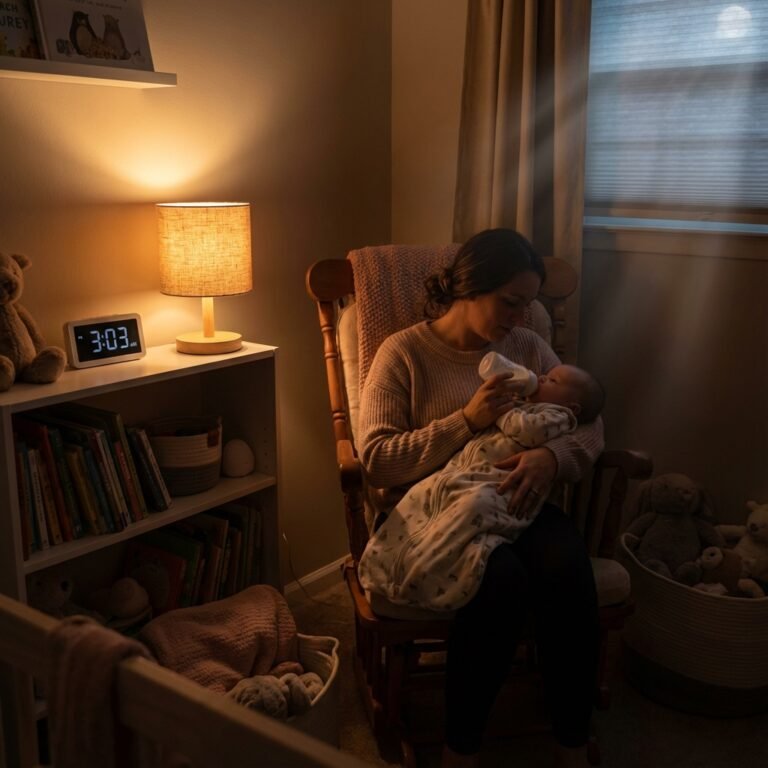
In the quiet, bleary-eyed hours of early parenthood, sleep becomes the most valuable currency. You’d do almost anything for a few uninterrupted hours for both you and your baby. As a doula and maternal health educator, I’ve sat with countless families who feel this exhaustion deep in their bones. One of the most powerful, evidence-based tools in our arsenal for better baby sleep isn’t a fancy gadget or a complicated method—it’s darkness. Absolute, complete, pitch-black darkness.
Creating this perfect sleep sanctuary often comes down to one key decision: blackout curtains or blackout shades? It’s a common dilemma, and the answer isn’t always straightforward. This guide is here to walk you through that choice with professional insight and parental empathy. We’ll delve into the science of why a dark room is non-negotiable for your baby’s developing circadian rhythm, provide a detailed, head-to-head comparison of curtains and shades, and share essential hacks to banish every last photon of sleep-disrupting light. Your journey to a well-rested family starts here.
The Science of Sleep: Why a Pitch-Black Nursery is Non-Negotiable

Before we dive into window treatments, it’s crucial to understand why this matters so much. It isn’t just about preference; it’s about biology. A baby’s internal clock, or circadian rhythm, isn’t fully developed at birth. They rely on external cues, like light and darkness, to learn the difference between active day-time and restful night-time.
Here’s what’s happening on a physiological level:
- Melatonin Production: The hormone melatonin is the star player in sleep regulation. Its production is triggered by darkness and suppressed by light. Exposing a baby to light—even the dim glow from a streetlamp, a nightlight, or a phone screen—can signal their brain to stop producing melatonin, making it harder for them to fall asleep and stay asleep.
- Establishing Day/Night Rhythm: For the first several weeks, newborns have their days and nights mixed up. Consistently making their sleep environment pitch-black for both naps and nighttime sleep helps their brain make the powerful association that ‘dark means sleep.’ This is one of the foundational steps in establishing healthy, long-term sleep patterns.
- Deeper, More Restorative Sleep: Light exposure can cause more frequent waking and a shift into lighter stages of sleep. A truly dark environment promotes deeper, more restorative sleep cycles, which are vital for your baby’s incredible brain development, physical growth, and immune system function.
Creating an optimally dark room isn’t about spoiling your baby; it’s about providing the biological cues their body needs to learn the vital skill of sleep.
The Main Event: Blackout Curtains vs. Blackout Shades

Now, let’s address the central question. Both curtains and shades can be incredibly effective, but they have distinct differences in function, form, and cost. Understanding these nuances will help you choose the best solution for your nursery, budget, and aesthetic.
What Are Blackout Curtains?
Blackout curtains are fabric panels made from tightly woven, dense material. They often feature multiple layers, including a decorative outer fabric, a central layer of black, light-blocking fibers or foam, and a backing. They hang from a curtain rod installed above the window frame.
What Are Blackout Shades?
Blackout shades are a single piece of material that rolls, folds, or gathers to open. They are typically mounted either inside the window frame for a snug fit or outside the frame. Common types include:
- Roller Shades: A single piece of blackout fabric that rolls around a tube at the top.
- Cellular (Honeycomb) Shades: These have a honeycomb-like structure with air pockets that provide insulation and can be lined with light-blocking material.
- Roman Shades: Fabric shades that fold up into neat horizontal pleats when raised.
To help you decide, let’s compare them across the most important categories for new parents:
| Feature | Blackout Curtains | Blackout Shades |
|---|---|---|
| Light Blocking | Excellent, especially with wraparound rods to cover side gaps. Potential for light halo at top/bottom. | Excellent, especially with an inside mount or side channels. Potential for light gaps on the sides. |
| Installation | Requires drilling for a curtain rod. Generally straightforward for one person. | Requires precise measurements and drilling. Can be more intricate, especially for inside mounts. |
| Safety (Cords) | Naturally cordless. The only risk is a child pulling on the fabric itself. | Cordless options are the standard and strongly recommended for nurseries. Avoid older, corded models. |
| Insulation & Sound | Superior. The thick, heavy fabric provides significant thermal insulation and dampens outside noise. | Good, especially cellular shades which trap air. Less sound dampening than heavy curtains. |
| Aesthetics | Adds softness, color, and texture. Wide variety of styles from traditional to modern. Can feel bulky. | Sleek, minimalist, and clean. Takes up less visual space. Fewer stylistic variations than curtains. |
| Cost | Generally more budget-friendly for good quality options. Wide price range available. | Can be more expensive, especially for custom sizes and high-quality cellular or Roman styles. |
| Maintenance | Can collect dust and pet hair. Most are machine washable, but can be cumbersome to take down and rehang. | Easier to wipe down or vacuum with a brush attachment. Less prone to collecting dust. |
Deep Dive: The Pros and Cons for Your Nursery

The table gives a great overview, but let’s talk about how these features feel in the real world of parenting. Sometimes the small details make the biggest difference when you’re trying to get a baby to sleep at 2 a.m.
Blackout Curtains: The Cozy Cocoon
- Pros:
- Total Light Domination: When you pair quality blackout curtains with a wraparound curtain rod (one that curves at the ends to bring the curtain flush with the wall), you can achieve an unparalleled level of darkness.
- Sound & Temperature Control: This is a huge, often overlooked benefit. Heavy curtains can muffle neighborhood noise and help keep the nursery warmer in the winter and cooler in the summer, creating a more stable and comfortable sleep environment.
- Design Flexibility: Curtains can be a major design element, adding a layer of softness, color, and personality to the room. You can easily swap them out as your child’s room decor evolves.
- Cons:
- Dust Magnets: The fabric can accumulate dust, which may be a concern for babies with allergies or sensitivities. They require regular cleaning to stay fresh.
- The ‘Light Halo’ Effect: Without a wraparound rod, you will almost certainly get ‘light halos’—gaps of light leaking from the sides, top, and bottom.
Blackout Shades: The Sleek Solution
- Pros:
- Safety First: Modern cordless shades (roller, cellular) are inherently safer for a nursery. There are no dangling cords for a curious toddler to get tangled in, offering immense peace of mind.
- Clean & Uncluttered: For minimalist or small nurseries, shades provide a clean, unobtrusive look that doesn’t overwhelm the space. When raised, they practically disappear.
- Precision Fit: An inside-mounted shade, measured correctly, offers fantastic light-blocking with minimal gaps, creating a very tidy appearance.
- Cons:
- Side Gaps are Common: Even with a perfect fit, you may still have tiny slivers of light peeking through the sides of roller or Roman shades. This can be enough to disturb a sensitive sleeper.
- Cost and Customization: Non-standard window sizes will likely require custom-ordered shades, which can significantly increase the cost and lead time.
The Ultimate Solution: Essential Blackout Hacks for a Pitch-Black Room

Whether you choose curtains, shades, or are on a tight budget, you can achieve a true blackout effect with a few clever hacks. As a doula, I’ve seen and recommended them all. Here are the most effective strategies to eliminate every last crack of light.
- The Layering Technique: This is the gold standard. Install an inside-mounted blackout shade first to cover the majority of the glass. Then, hang a pair of blackout curtains on a wraparound rod over the shade. This one-two punch tackles light from every angle and provides maximum insulation and soundproofing. It’s an investment, but it’s foolproof.
- Seal the Gaps with Adhesives: For stubborn light leaks around the edges of a shade or curtain, use removable adhesive solutions. You can buy specialized ‘Light Blockers for Windows,’ which are L-shaped plastic strips that stick to the window frame, or simply use black Velcro command strips to fasten the edges of your curtain or shade directly to the wall or frame.
- The Travel & Budget Hack: Blackout Window Film: For a semi-permanent and highly effective solution, consider static cling blackout window film. You cut it to size and apply it directly to the glass with water. It blocks 100% of light passing through the glass. You can then add decorative curtains over it for aesthetics. This is also a fantastic solution for renters or for travel.
- Don’t Forget the Door: A surprising amount of light can creep in from the hallway under the nursery door. A simple fabric draft stopper placed at the bottom of the door can solve this problem instantly.
- Tame the Electronics: Once the windows are sealed, you’ll be shocked at how bright the tiny LED lights on baby monitors, sound machines, or air purifiers are. Use a small piece of black electrical tape to cover these distracting lights.
Safety First: A Doula’s Guide to Nursery Window Safety

Creating a dark room is important, but creating a safe room is paramount. Window treatments can pose a serious risk if not chosen and installed correctly. Please, take these safety considerations with the utmost seriousness.
Go Cordless. Always.
The single most important safety rule for a nursery is to choose cordless window treatments. Dangling cords are a significant strangulation hazard for infants and young children. The U.S. Consumer Product Safety Commission has identified them as one of the top hidden hazards in the home. Thankfully, the industry has responded, and cordless options are now the standard for most reputable brands. Whether you choose curtains (which are naturally cordless) or shades, ensure there are no accessible cords, ever.
Securing Existing Cords
If you are in a rental or have existing window treatments with cords that you cannot replace, you must secure the cords. Use a cord cleat or winder installed high up on the wall, completely out of your child’s reach—even if they were to climb on furniture. Bundle the excess cord tightly and secure it. Never leave a looped cord dangling.
Crib Placement is Key
Your baby’s crib should be placed away from the window. This serves two safety purposes:
- It prevents them from being able to reach the window treatment, whether it’s pulling on a curtain or trying to play with a shade.
- It ensures that if they were ever able to climb out of their crib, they are not doing so next to a window.
Your baby’s safety is the foundation upon which all good sleep habits are built. A dark room helps them sleep soundly, and a safe room ensures they wake up happily.
Conclusion
Choosing between blackout curtains and shades doesn’t have to be another source of stress on your new-parent plate. As we’ve seen, both are fantastic tools for encouraging healthy sleep. The best choice for your family will ultimately depend on your specific needs: your budget, your nursery’s aesthetic, your window type, and your desire for added benefits like noise reduction and insulation. For many, the ultimate, no-fail solution is a combination of both—a sleek shade for primary coverage and beautiful curtains for total darkness and style.
Remember, the goal is to create a safe, dark, and comforting cave for your little one. By controlling the light, you are giving their developing body one of the most powerful cues it needs to rest, grow, and thrive. Be patient with the process, celebrate the small victories, and know that every effort you make to create a peaceful sleep environment is a profound act of love. You’ve got this.