Not Just Clutter: How to Curate the Perfect Baby Memory Box (List Included)
The first few months of parenthood are a beautiful, chaotic whirlwind. Amid the sleepless nights and endless diaper changes, there are countless fleeting moments of pure magic: the first grasp of your finger, the first sleepy smile, the impossibly tiny hat they wore home from the hospital. You want to hold onto every single second, but time moves relentlessly forward. Soon, you find yourself with a collection of precious items—a positive pregnancy test, a hospital bracelet, a favorite onesie now comically small—and a question: what do you do with it all?
This is where the art of the baby memory box comes in. It’s a conscious act of preservation, a way to say, “This moment mattered. This tiny object tells a part of our story.” This isn’t about hoarding or creating clutter; it’s about curating a tangible narrative of your child’s beginning. It’s a treasure chest of memories for you to revisit on quiet evenings and a priceless gift to share with your child when they’re old enough to ask, “What was I like when I was little?” This guide will walk you through creating a memory box that is not just a container, but a deeply personal family heirloom.
Why a Memory Box is More Than Just a Box: The Heart Behind the Keepsakes
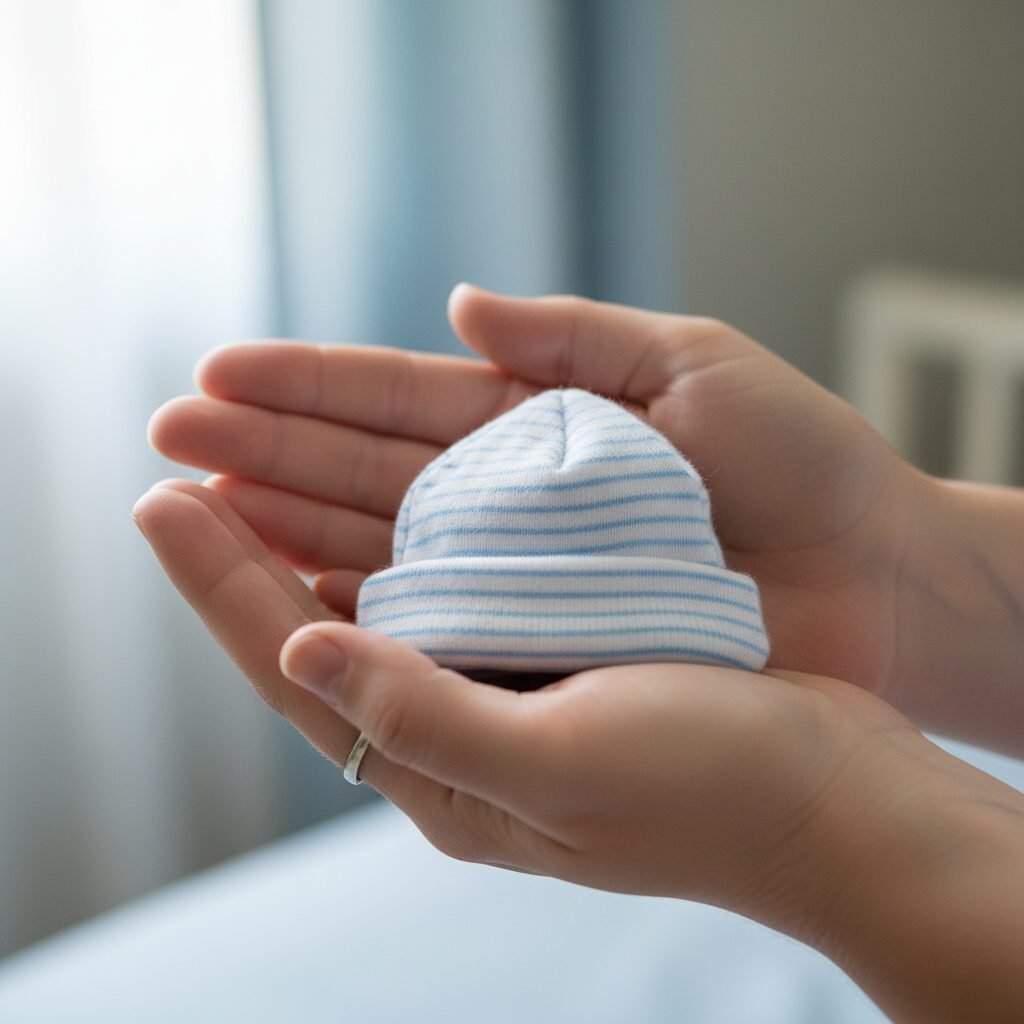
In our digital age, where thousands of photos can live on a cloud, there is something profoundly powerful about holding a physical object from the past. A memory box serves as a sensory anchor to your most cherished moments, grounding you in the reality of your journey into parenthood. For new parents, navigating the immense identity shift and emotional waves, these items can be a source of comfort and validation.
A Bridge to the Past
That tiny, paper-thin hospital bracelet represents the moment you officially met the love of your life. The faded receiving blanket still holds the phantom scent of your newborn. These are not just things; they are artifacts of your love story. They connect you to the person you were as you awaited their arrival and the new parent you became in an instant. For dads, seeing the ticket stub from the first movie you saw while pregnant or the tiny jersey from your favorite team can be a powerful reminder of the dreams and hopes you held for your child from the very beginning.
A Story for the Future
Imagine, years from now, sitting with your child and opening this box together. You can show them the ultrasound photo and say, “This is the very first picture we ever had of you.” You can let them feel the softness of their first blanket and tell them the story of bringing them home. This box becomes a storytelling tool, a way to share their own history with them in a way that photos on a screen cannot replicate. It helps them understand their roots, the love that surrounded them from day one, and the journey you took as a family.
“Preserving these early memories is an act of love. It’s a promise to your child that their story is important, and a gift to your future self to remember the beautiful beginning.”
Choosing the Perfect Vessel: Selecting Your Baby’s Memory Box
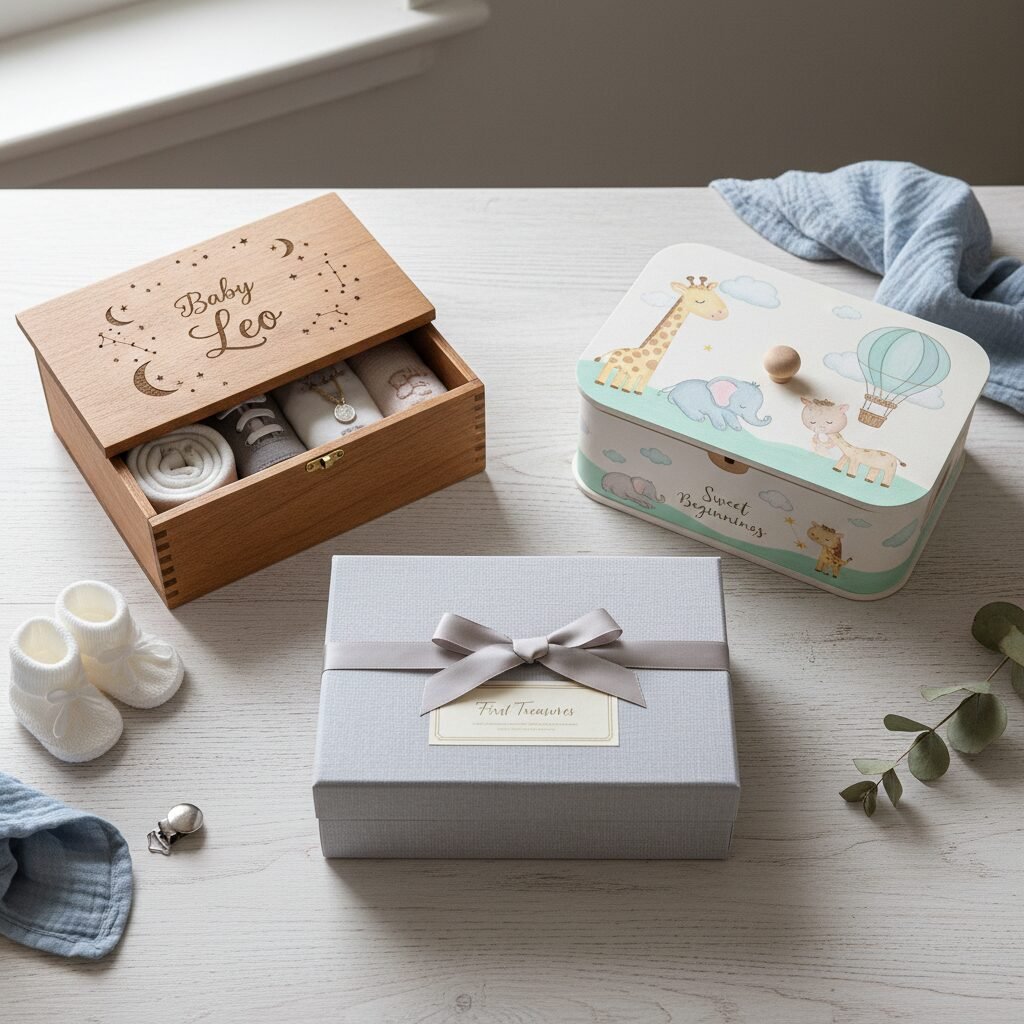
The box itself is the first chapter of your story, so choosing the right one is an important step. You want something that is not only beautiful but also practical and protective of the treasures inside. There’s no single “best” option; the perfect choice depends on your personal style, budget, and the types of items you plan to save.
Key Considerations for Your Box:
- Material and Durability: A sturdy material like wood, archival-grade board, or even high-quality leather will stand the test of time. A wooden box can be engraved or painted for a personal touch and offers excellent protection.
- Archival Quality: For preserving paper items and textiles, look for boxes made from acid-free and lignin-free materials. These archival-quality containers prevent yellowing, fading, and deterioration over the decades.
- Size Matters: It’s tempting to get a small, sweet box, but babies accumulate a surprising number of keepsakes. Consider a box that’s large enough to hold not just newborn items, but perhaps a few treasures from their toddler years as well. A box around 12x15x5 inches is often a great starting point.
- Aesthetics and Personalization: Choose a style that you love and that feels representative of your family. Do you prefer a rustic, engraved wooden chest? A classic, monogrammed linen box? A whimsical, hand-painted design? This box will likely be a feature in your home for years to come, so pick something you’ll be happy to see.
Popular options include custom-engraved wooden boxes from Etsy, elegant archival boxes from specialty stationery stores, or even a beautiful, sturdy decorative box you find at a home goods store. The most important thing is that it feels special to you.
The Ultimate Baby Memory Box Checklist: What to Save
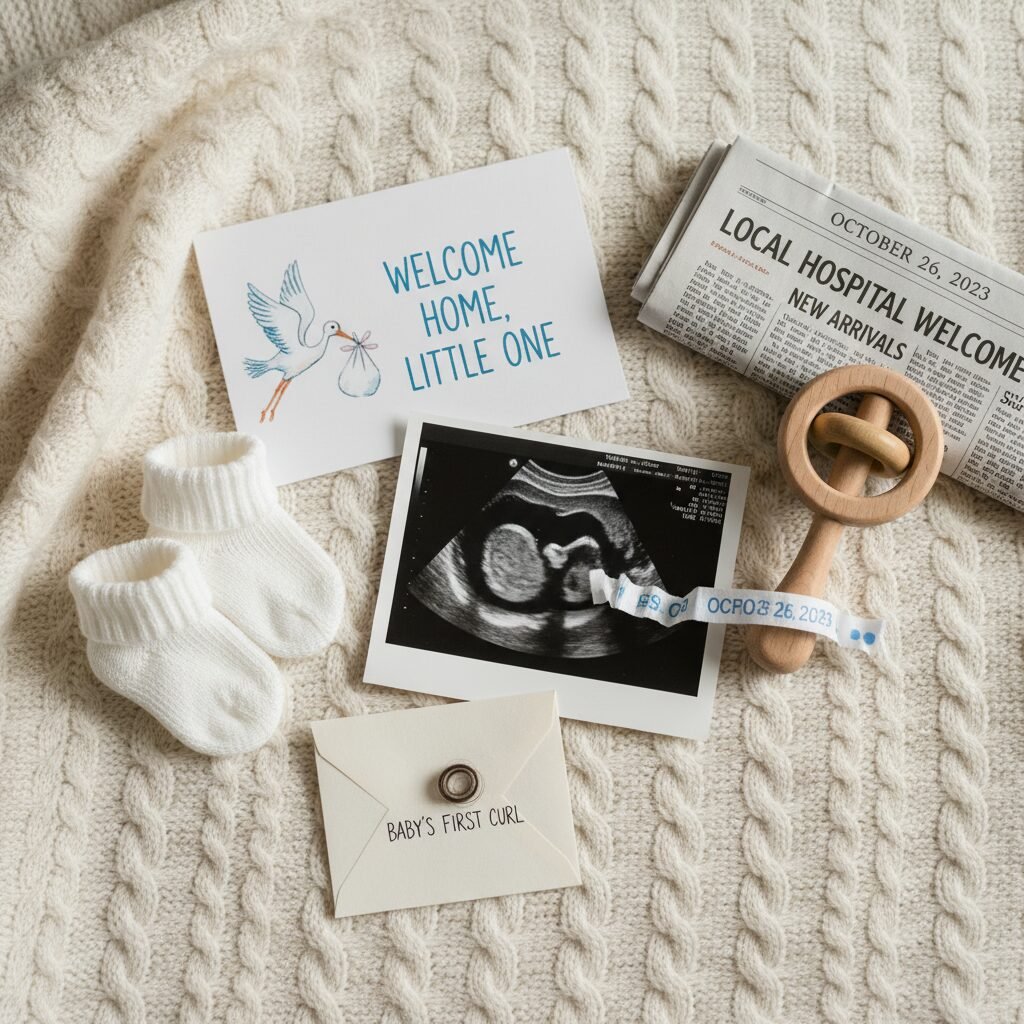
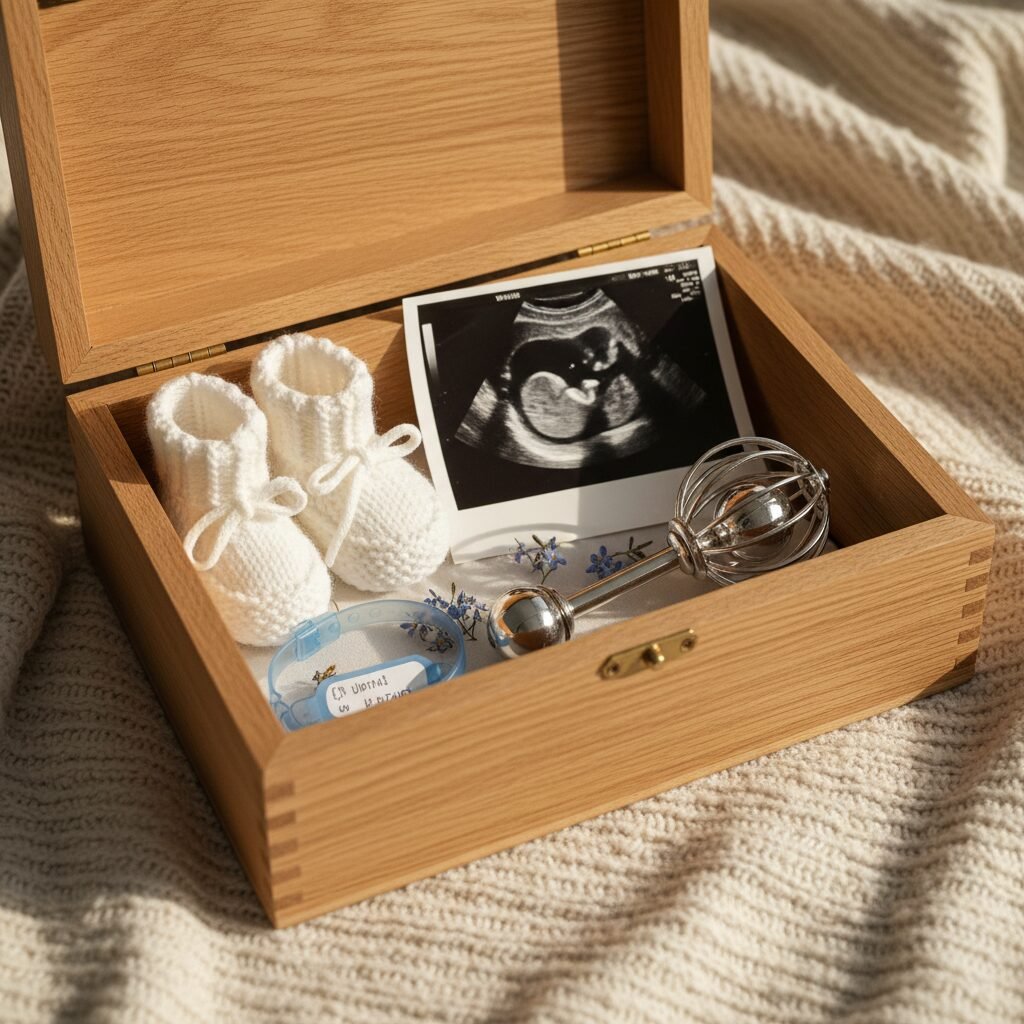
This is where the curation begins. The goal is not to save everything, but to save the items that tell the most significant stories. Here is a comprehensive list to inspire you. Pick and choose what resonates most with your family’s journey.
From Pregnancy & Birth
- Positive pregnancy test
- Ultrasound photos (especially the first and the 3D/4D scans)
- A copy of your birth plan (the original and the reality!)
- A letter you wrote to your baby before they were born
- Photos from your baby shower and a list of gifts/guests
- The announcement card or email you sent to family and friends
The Hospital Stay
- Baby’s hospital ID bracelet and ankle band
- Mom’s hospital bracelet
- The baby’s first hat and swaddle blanket from the hospital
- The little card from the bassinet with their name, weight, and length
- A copy of their birth certificate or the hospital paperwork
- The “going home” outfit
- A photo of your hospital room
Coming Home & Firsts
- A newspaper from the day they were born
- Cards and well-wishes received
- Baby’s first pacifier or bottle
- A lock of hair from their first haircut (stored in a small, labeled envelope)
- Handprints and footprints
- The candle from their first birthday cake
- A favorite rattle or small toy
Sentimental Clothing & Textiles
- One or two favorite newborn outfits (think beyond the going-home outfit)
- The first pair of shoes or booties
- A special bib or burp cloth
- A handmade blanket or quilt from a loved one
Paperwork & Mementos
- Appointment cards from prenatal visits
- A journal you kept during pregnancy or the baby’s first year
- Favorite drawings or scribbles from their early toddler years
- A copy of the baby naming or baptism/christening certificate and program
A Modern Touch: Digital Memories
While the box is for physical items, don’t forget digital memories. Include a beautifully designed card with a QR code or a URL linking to a cloud folder. You can also use a dedicated, high-quality USB drive. Store things like:
- A video of you telling the story of their birth
- The playlist you listened to during labor
- A digital photo album of their first year
- Audio recordings of their first coos, giggles, or attempts at words
Curating and Organizing Your Collection: A Step-by-Step Guide
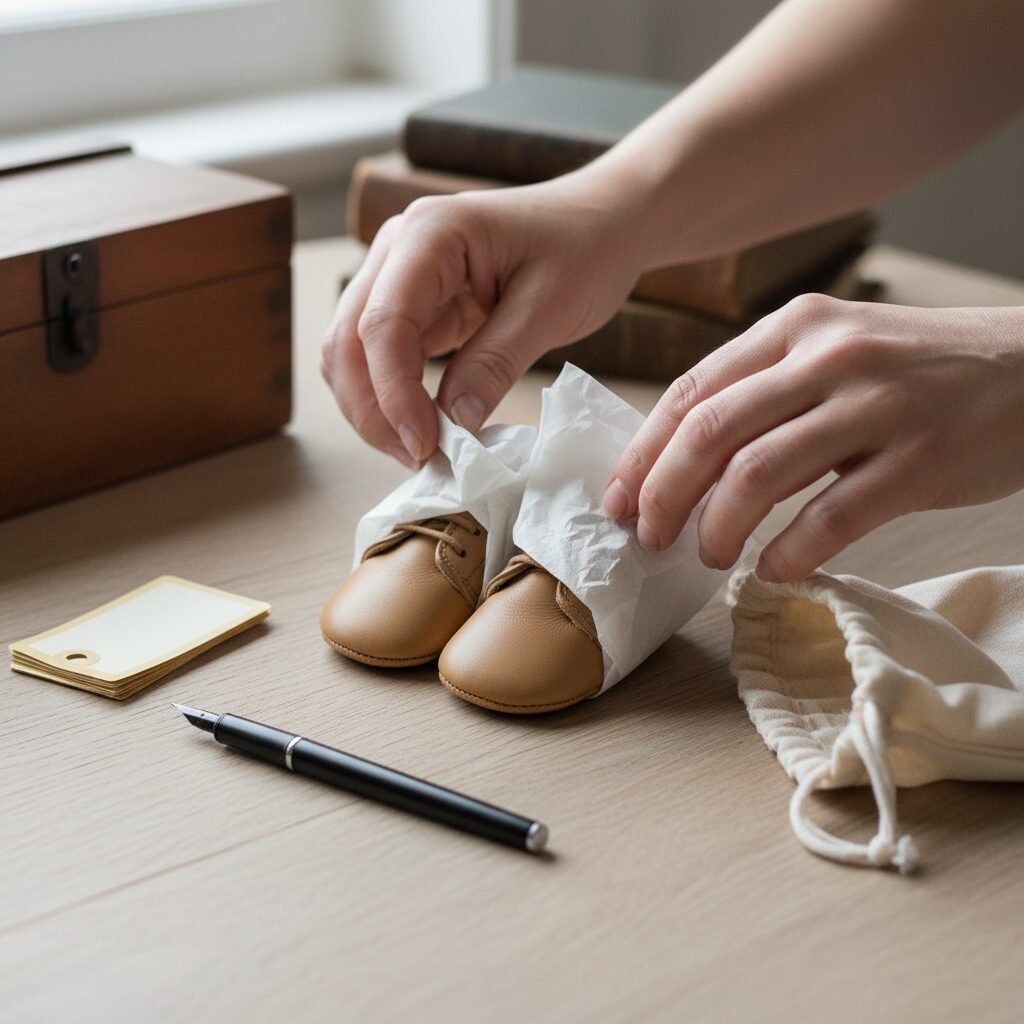
Once you have your items, the final step is to organize them with care. Proper storage will ensure these memories last a lifetime and beyond. Follow these steps to create a beautifully arranged and well-preserved collection.
- Gather & Sort: Lay everything out on a large, clean surface. This helps you see what you have and decide what truly earns a spot in the box. Be selective. The goal is a curated collection, not a storage unit.
- Clean & Prepare: Gently wash any clothing or textiles you plan to store. Wipe down any plastic items. Make sure everything is completely dry before packing it away to prevent mildew.
- Invest in Archival Materials: Use acid-free tissue paper to wrap delicate items or separate layers. Store photos in photo-safe sleeves or envelopes. Avoid plastic bags, which can trap moisture and degrade over time. Small muslin or cotton bags are great for containing tiny items like a first pacifier or a lock of hair.
- Label Everything (This is Critical!): The most important step! Attach a small, acid-free tag to each item. On the tag, write what it is, the date, and a brief memory associated with it. For example, instead of just including a onesie, your tag might read: “The yellow duck onesie you wore home from the hospital. April 12, 2024. You looked so tiny and perfect in it.” These details are what bring the memories to life years later when the specifics have faded.
- Arrange Thoughtfully: Place heavier items at the bottom. Use the tissue paper to create soft layers. You might group items by theme (hospital items together, firsts together) or chronologically. The act of arranging is part of the beautiful ritual.
A Note for Dads: Your Memories Matter, Too
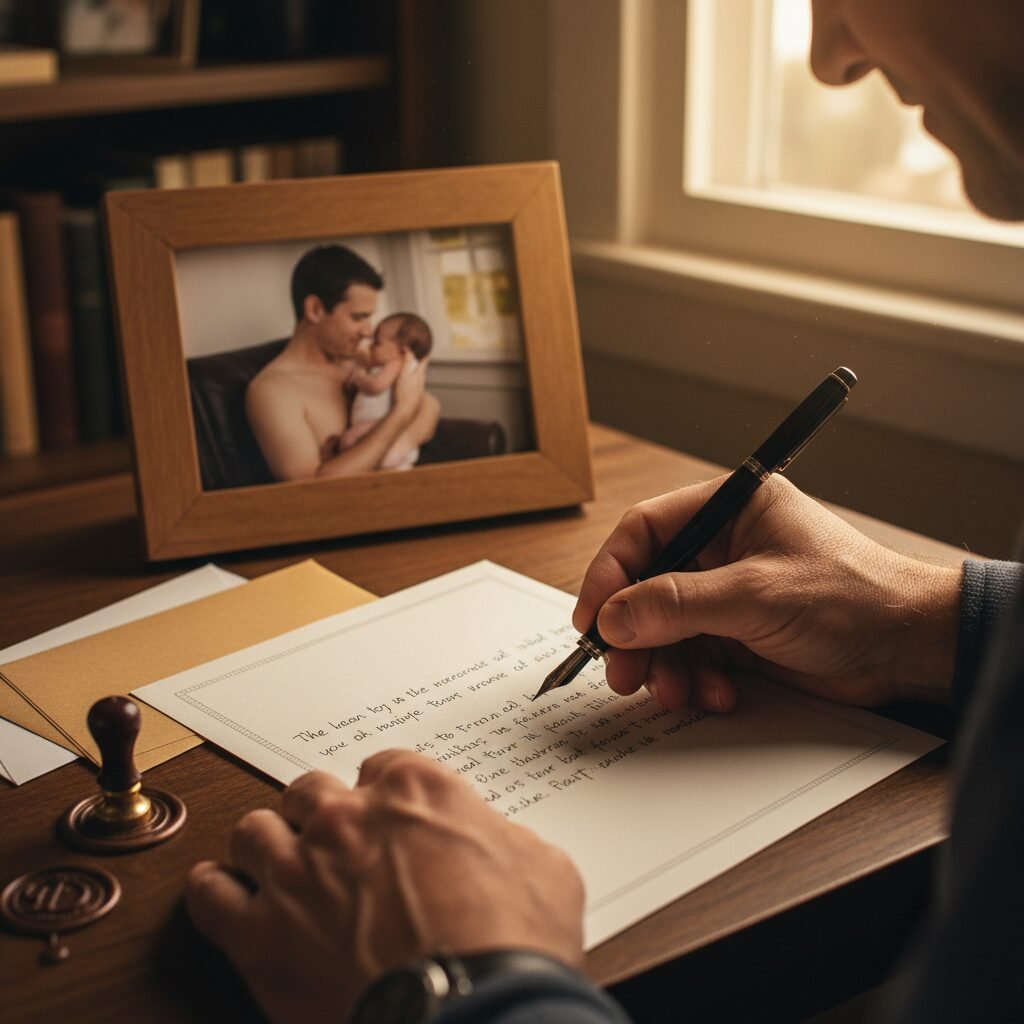
Often, memory-keeping defaults to mom, but a father’s perspective and memories are an equally vital part of the story. New dads, this is your invitation to be an active curator of this family treasure. Your connection and your memories are unique and irreplaceable.
What Can Dads Contribute?
Think about the moments and items that hold special significance for you. Your contributions will add a beautiful depth and a different dimension to the memory box. Consider adding:
- A Letter from You: Write a letter to your baby during the first few weeks. Write about your hopes, your fears, the overwhelming love you felt when you first held them. This is a priceless gift.
- Mementos from Your Perspective: Maybe it’s the receipt from the late-night food run you made for your partner during pregnancy cravings. Perhaps it’s a photo of you watching the baby monitor on the first night home.
- “Dad’s Firsts”: The ticket stubs from their first ball game with you (even if they slept through it). A small, smooth stone from your first family hike. The bib from the first time you successfully fed them solids.
- Your Hopes and Dreams: A small item that represents a hobby you hope to share with them one day—a new golf ball, a small paintbrush, a child’s first fishing lure.
This box is a joint project. By adding your own memories, you ensure that when your child looks through it one day, they will see the full picture of the family that welcomed them with so much love.
Conclusion
Creating a baby memory box is a deeply personal and rewarding process. It’s an act of mindfulness in the midst of the beautiful chaos of new parenthood. It’s a way to honor the journey, preserve the milestones, and tell the story of your family’s beginning. This box of “clutter” will one day be one of your most prized possessions—a tangible collection of the love that started it all. So take your time, choose with your heart, and build a treasure chest that will carry the magic of these fleeting days far into the future. You’re not just saving things; you’re saving the story of you.