
No Nursery? No Problem! 12 Genius Ways To Fit Baby In Your Master Bedroom
The moment you see that positive pregnancy test, the nesting instinct can kick in with the force of a tidal wave. Suddenly, your Pinterest boards are overflowing with images of perfectly curated nurseries—themed murals, designer cribs, and color-coordinated everything. But for many families, a dedicated nursery simply isn’t an option due to space constraints, budget, or personal preference. If you’re looking at your one-bedroom apartment or cozy master suite and wondering, ‘Where will the baby go?’, take a deep, calming breath. You are in the right place.
As a doula and maternal health educator, I want to reassure you of a vital truth: your baby doesn’t need a separate room; they need you. In fact, the American Academy of Pediatrics (AAP) recommends room-sharing—having your baby sleep in your room, but on a separate, safe sleep surface—for at least the first six months, and ideally the first year. This practice is proven to reduce the risk of Sudden Infant Death Syndrome (SIDS) by as much as 50%. So, not only is creating a baby space in your bedroom practical, it’s also the safest arrangement for your newborn.
Forget the pressure of the ‘perfect’ nursery. Let’s reframe this as an opportunity to create an intimate, functional, and serene sanctuary for your growing family. This guide will walk you through 12 genius ways to seamlessly and stylishly integrate your baby into your master bedroom, ensuring comfort, safety, and peace of mind for everyone.
The Foundation: Safe Sleep Sanctuaries

The single most important element of your baby’s space is where they will sleep. Safety is non-negotiable. The goal is to provide a firm, flat surface free of any soft bedding, pillows, bumpers, or toys. Here are the best space-saving options that meet these critical safety standards.
1. Embrace the Mini-Crib
A mini-crib offers the safety and longevity of a standard crib but in a much smaller package. They are an ideal solution for tighter spaces, often fitting perfectly in a corner or alongside your bed. Many models are also portable, with wheels that allow you to move the baby’s sleep space around the room if needed. When choosing, ensure it meets the latest CPSC safety standards. Look for features like adjustable mattress heights, which will allow you to lower the mattress as your baby learns to sit and stand.
2. Opt for a Bedside Bassinet or Co-Sleeper
Bassinets are designed for the first few months of life and have a very small footprint. A bedside sleeper is a specific type of bassinet with a retractable side wall that sits flush against your bed. This makes middle-of-the-night feedings and comforting incredibly convenient, as you can tend to your baby without fully getting out of bed. It provides the intimacy of co-sleeping while adhering to the AAP’s safe-sleep guidelines by keeping the baby on their own separate surface. This can be a game-changer for postpartum recovery and sleep deprivation.
3. Utilize a Pack ‘n Play with a Bassinet Insert
The humble Pack ‘n Play (or playard) is one of the most versatile pieces of baby gear. For your bedroom setup, a model with a full-size infant bassinet insert is a brilliant two-for-one solution. The raised insert provides a safe, accessible sleep space for the newborn stage. Once your baby outgrows it, you can remove the insert and use the lower level as a safe place for them to play while you get ready. It’s also portable, making it perfect for travel or visits to grandparents. Many models come with attached changing stations and storage pockets, further maximizing their utility in a small space.
Smart Storage Solutions for Small Spaces

Babies come with a surprising amount of stuff. Diapers, wipes, creams, clothes, swaddles—it all needs a home. In a shared space, clever storage is the key to maintaining a sense of calm and order. The strategy is to think vertically and multi-functionally.
4. Go Vertical: Use Your Wall Space
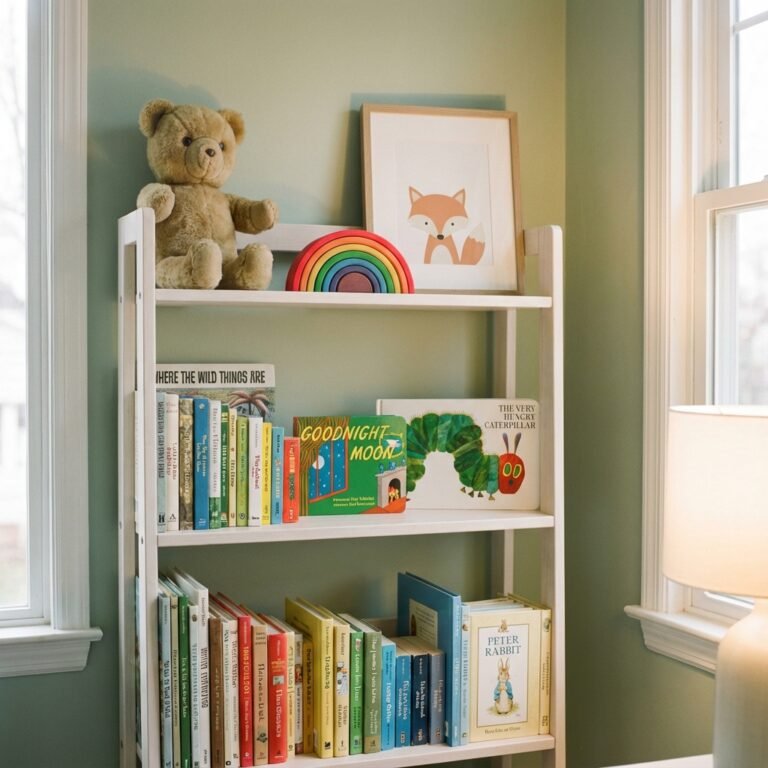
When floor space is at a premium, look up. Your walls are your greatest untapped storage resource. Install sturdy floating shelves above a dresser to hold baskets of supplies, books, and a few decorative items. A tall, narrow bookshelf can store an incredible amount without taking up much square footage. Consider a wall-mounted pegboard system, which is endlessly customizable for hanging clothes, diaper caddies, and small essentials. This keeps items off the floor and within easy reach.
5. Invest in Multi-Functional Furniture
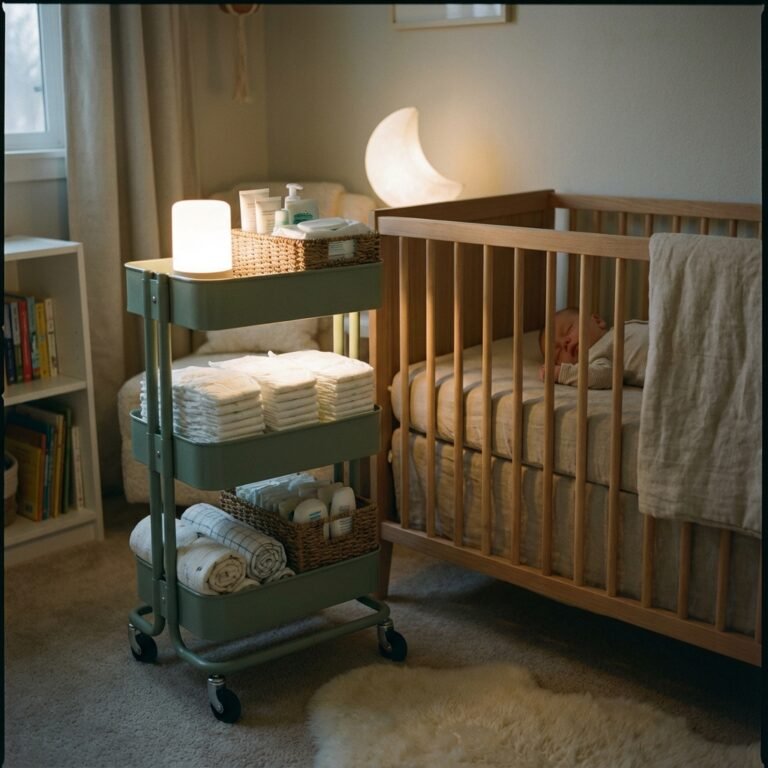
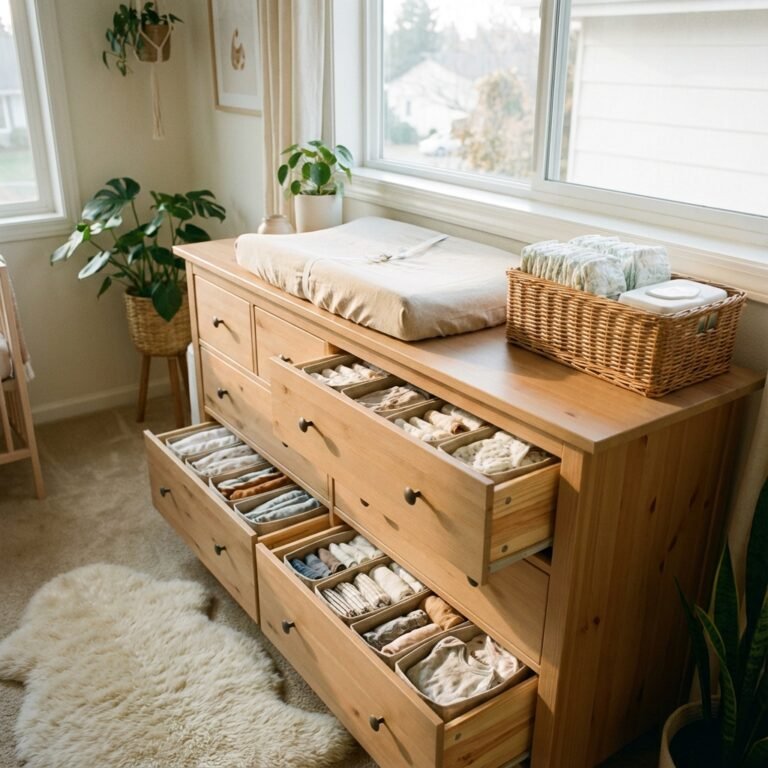
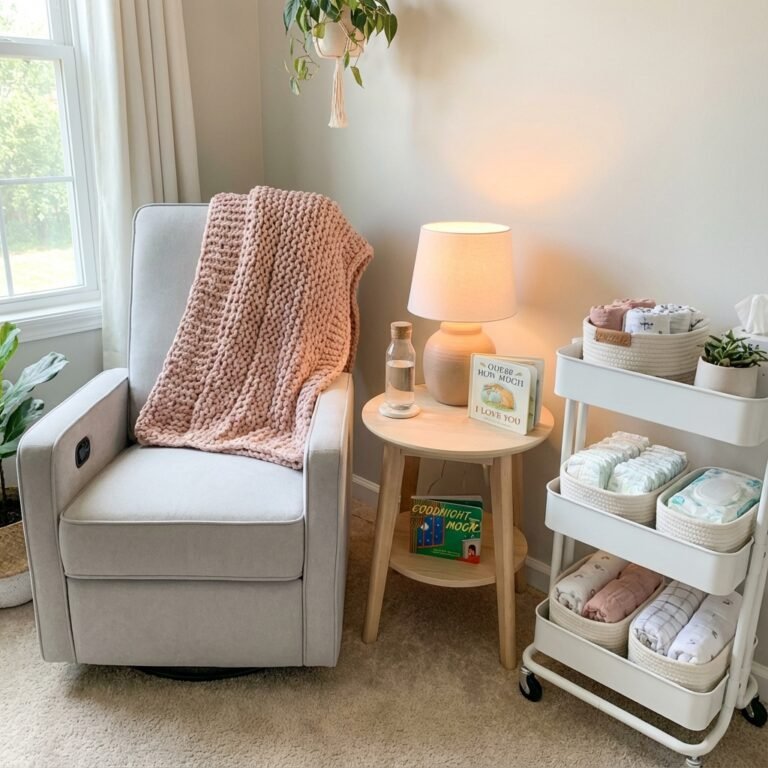
Every piece of furniture should work hard for its spot in the room. Instead of a dedicated changing table, use a low, sturdy dresser and place a contoured changing pad with a non-skid bottom on top. Secure it properly according to the manufacturer’s instructions. You get a changing station and ample clothing storage in one piece. An ottoman with a lift-off top can store extra blankets or baby toys while providing a place to sit. A small rolling cart (like an IKEA RÅSKOG) can serve as a mobile diapering or feeding station, easily moved out of the way when not in use.
6. Execute a Closet Takeover
Your baby doesn’t need a whole closet, but they can certainly borrow some of yours. Dedicate a section of your master closet to their belongings. Add a second clothing rod below the existing one to double the hanging space for tiny outfits. Use hanging canvas organizers with cubbies for folded clothes, shoes, and swaddles. Clear, labeled bins on shelves are perfect for organizing items by size, making it easy to find what you need and to pack away clothes as your baby grows.
Creating Zones for Function and Serenity

Even in a single room, you can create distinct ‘zones’ that help delineate the baby’s space from the adults’ space. This psychological separation can help preserve the feeling of your bedroom as a restful retreat while still being fully functional for baby care.
7. Define a ‘Nursery Nook’
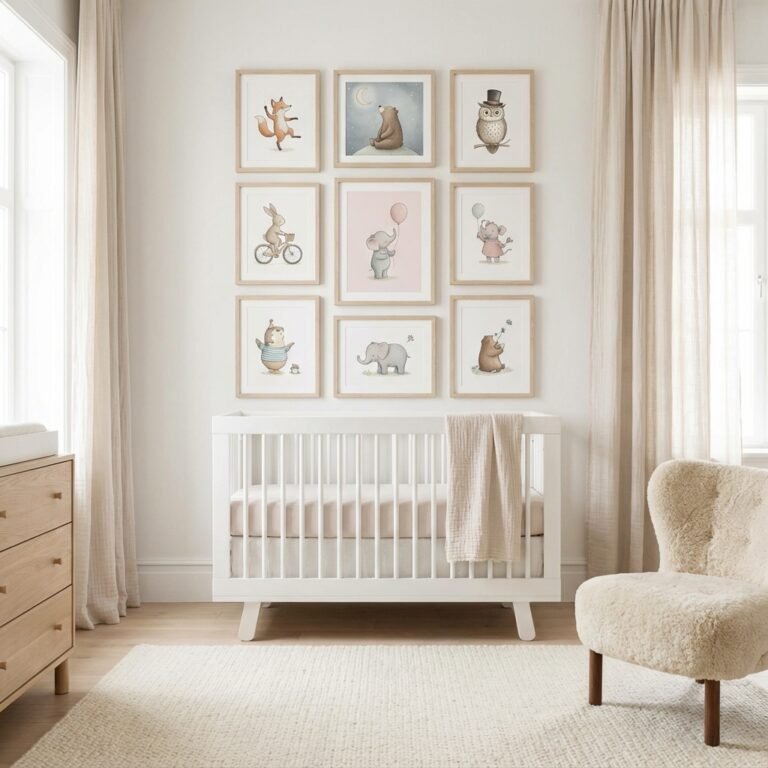
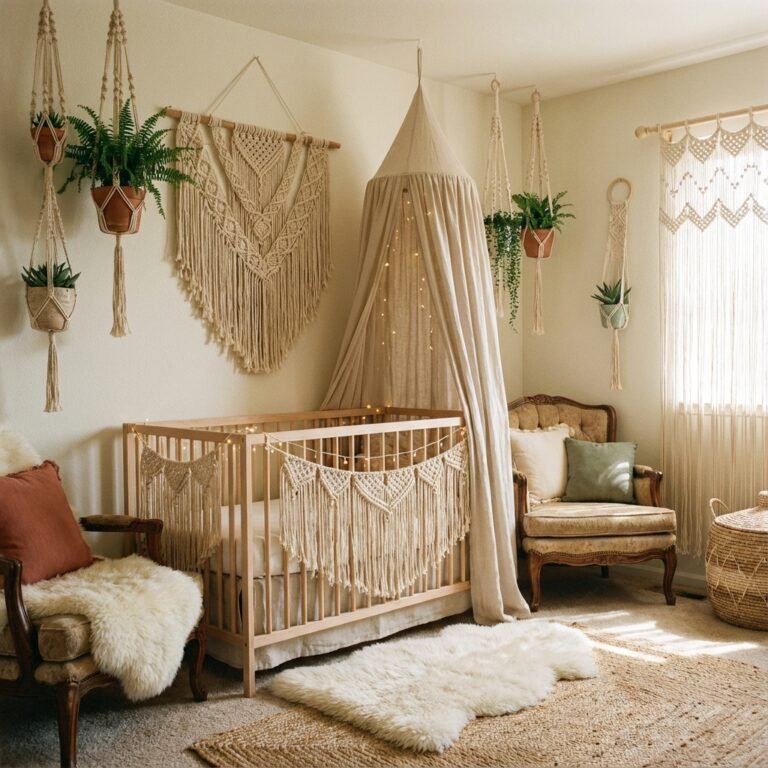
Visually anchor the baby’s area to make it feel intentional and special. Place the crib or bassinet in a corner and define the space with a small, soft rug. You could apply a removable wallpaper decal to the wall behind the crib or paint that corner a soothing, complementary color. Even a simple, elegant room divider screen or a strategically placed bookshelf can create a sense of separation and reduce visual clutter, helping you relax when it’s your time to sleep.
8. Create a Mobile Changing Station
As mentioned, a dresser top is a perfect changing station. But to make it even more functional, assemble a ‘diaper caddy.’ This is a portable basket or organizer stocked with all the essentials: diapers, wipes, cream, a spare onesie, and a small toy for distraction. You can place this caddy on the dresser, but you can also easily carry it to the bed or floor for a quick change, offering flexibility and convenience.
Remember, creating a space for your baby is an act of love. It doesn’t need to be a separate room to be a perfect, nurturing environment. Your presence and care are what truly make a home.
9. Designate a Comfortable Feeding Corner
Whether you are breastfeeding or bottle-feeding, you will spend many hours feeding your baby. Creating a comfortable spot for this is a gift to yourself. If space allows, tuck a comfortable armchair or a small glider into a corner. Add a small side table to hold your water bottle, a snack, your phone, and a burp cloth. A small footstool can also make a world of difference. Ensure you have soft, accessible lighting, like a floor lamp with a dimmer switch, so you can see what you’re doing without jarring the baby (or your partner) with bright overhead lights.
Essential Tech and Tools for a Shared Space

Sharing a room requires a few key pieces of gear to ensure that everyone—parents and baby—gets the best sleep possible. These tools help manage the different sensory needs of adults and infants co-existing in one space.
10. A High-Quality White Noise Machine
This is arguably the most critical tool for successful room-sharing. A white noise machine creates a consistent, soothing sound that masks disruptive noises. It will help your baby sleep through your quiet movements, a cough, or your partner’s snoring. Conversely, it will help you sleep through your baby’s little grunts, sighs, and rustles, which can otherwise keep new parents on high alert all night. It creates a peaceful sound buffer for the entire room.
11. True Blackout Curtains
Babies’ internal clocks are still developing, and they aren’t governed by daylight in the same way adults are. To encourage longer, more restorative naps during the day and prevent early morning wake-ups as the sun rises, blackout curtains are a necessity. They help create a dark, womb-like environment that signals it’s time for sleep, regardless of the hour. This also allows a parent to sleep in or nap when the baby is sleeping, which is crucial for recovery.
12. Smart, Dimmable Lighting
Fumbling for a bright lamp switch during a 3 a.m. feeding is a recipe for a wide-awake baby and a startled partner. Smart lighting is a fantastic solution. Use smart bulbs that you can control from your phone to turn on at a very low, warm setting. Or, install a dimmer switch on a nearby lamp. The goal is to have just enough light to see for feeding and changing without stimulating the baby into full wakefulness, making it easier for everyone to fall back asleep quickly.
Conclusion
Creating a space for your baby within your own bedroom is more than just a practical necessity; it’s a beautiful, intimate way to begin your journey as a family. By focusing on safe sleep, smart storage, and creating functional zones, you can design a space that is both a restful sanctuary for you and a nurturing environment for your newborn. Let go of the external pressure and embrace the simplicity and connection that room-sharing offers. The gentle sounds of your baby’s breathing nearby will become a comfort, and the convenience of having them within arm’s reach will feel like a blessing during those hazy, sleep-deprived nights. You are not compromising by not having a separate nursery; you are creating a cozy, love-filled nest that is perfectly tailored to your family’s needs. You’ve got this.