
Moses Basket or Bassinet? The Honest Pros and Cons Before You Buy
Welcome to one of the first of many important decisions you’ll make as a new parent: choosing where your baby will sleep. The market is flooded with options, and two of the most popular for the newborn stage are the traditional Moses basket and the modern bassinet. The choice can feel overwhelming, especially when you’re focused on safety, comfort, and convenience. As a maternal health educator, I’ve guided countless families through this exact decision. This article isn’t about declaring a ‘winner.’ It’s about empowering you with fact-based, empathetic guidance. We will dissect the features, safety standards, pros, and cons of each, so you can confidently choose the sleep space that best suits your baby, your home, and your unique parenting journey.
The Foundation of Safe Sleep: What Every Parent Must Know
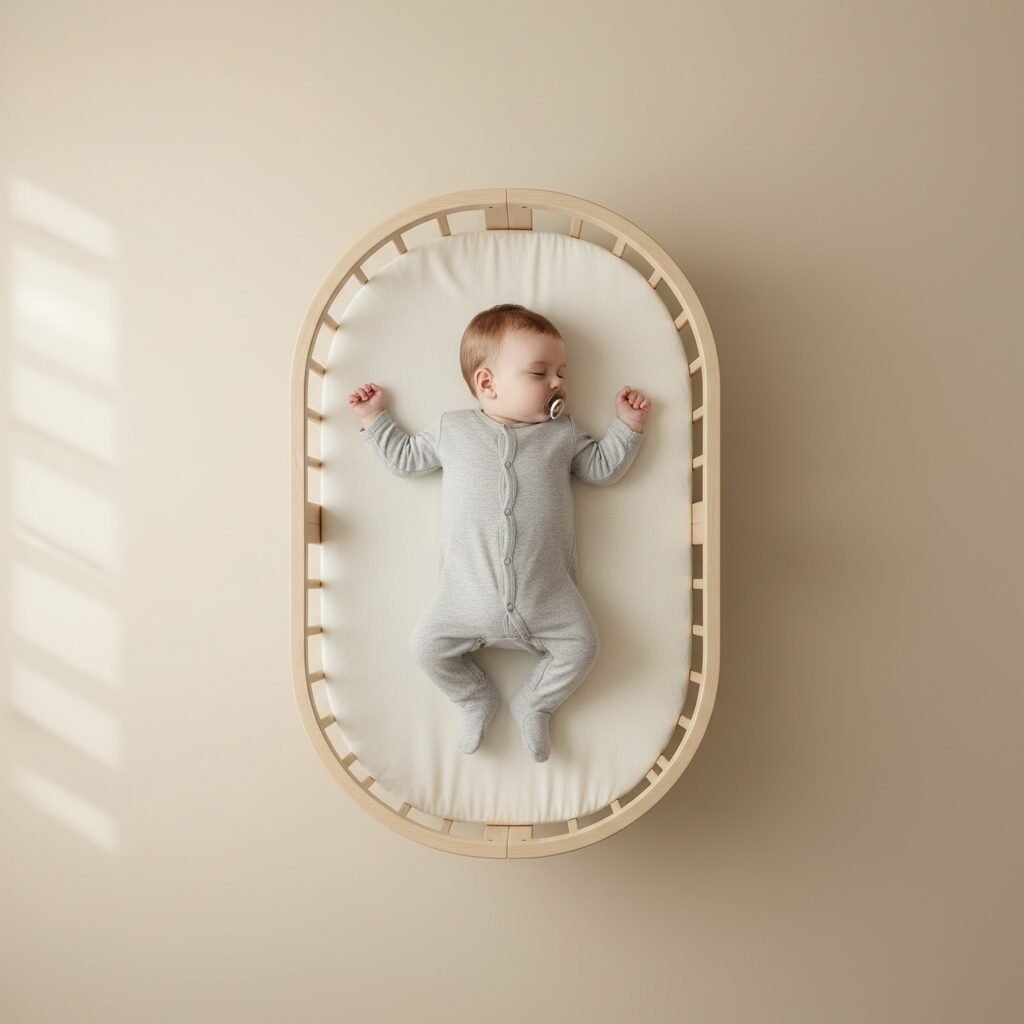
Before we compare a single feature, let’s establish the non-negotiable foundation of infant sleep: safety. The American Academy of Pediatrics (AAP) has clear guidelines designed to reduce the risk of Sudden Infant Death Syndrome (SIDS) and other sleep-related deaths. Any product you choose must allow you to follow these rules. Remember the ABCs of Safe Sleep:
- A – Alone: Your baby should sleep alone in their own designated sleep space, without any soft objects like blankets, pillows, bumpers, or toys.
- B – Back: Always place your baby on their back to sleep for every sleep, including naps.
- C – Crib (or Bassinet/Play Yard): Your baby should sleep on a firm, flat surface in a safety-approved crib, bassinet, or play yard.
Both a Moses basket and a bassinet can be safe options, provided they meet current U.S. Consumer Product Safety Commission (CPSC) standards. A safe sleep surface is flat, firm, and comes with a thin, tight-fitting sheet. We will evaluate both options through this critical safety lens.
Choosing a sleep space isn’t just about aesthetics; it’s a commitment to providing a safe environment where your baby can rest and you can have peace of mind.
What is a Moses Basket? A Deep Dive into Tradition and Portability

A Moses basket is a small, portable baby bed, traditionally woven from materials like palm leaf, wicker, or maize. Its appeal lies in its charming, classic aesthetic and its lightweight nature, allowing parents to easily move a sleeping baby from room to room.
Pros of a Moses Basket
- Exceptional Portability: This is the primary advantage. A Moses basket is light enough to carry around the house, so your baby can nap safely in the living room, your home office, or wherever you are.
- Cozy & Contained: The small, snug space can feel more secure and womb-like for a newborn, which may help them settle more easily.
- Aesthetic Appeal: Many parents are drawn to the beautiful, natural, and often eco-friendly look of a woven basket, which can complement home decor beautifully.
- Space-Saving: With a very small footprint, it’s an excellent solution for smaller homes or apartments where a larger bassinet might feel bulky.
Cons of a Moses Basket
- Short Lifespan: Babies outgrow Moses baskets very quickly, typically by 3-4 months or as soon as they can push up or roll over. This makes the cost-per-use relatively high.
- Safety Scrutiny Required: Not all Moses baskets on the market meet CPSC safety standards. You must ensure it has a firm, flat mattress, no plush padding, and that the sides are sturdy. Handles must be robust and checked regularly for wear and tear, as carrying a baby in a basket with weak handles is a serious safety hazard.
- Lack of Breathability: Traditional woven sides do not offer the same airflow as the mesh sides found on modern bassinets, which is a key AAP safety recommendation.
- Low to the Ground: Unless you purchase a separate stand (an added cost), the basket sits on the floor. This can be challenging for postpartum recovery, especially for mothers who have had a C-section and need to avoid bending.
Understanding the Modern Bassinet: Features, Safety, and Longevity
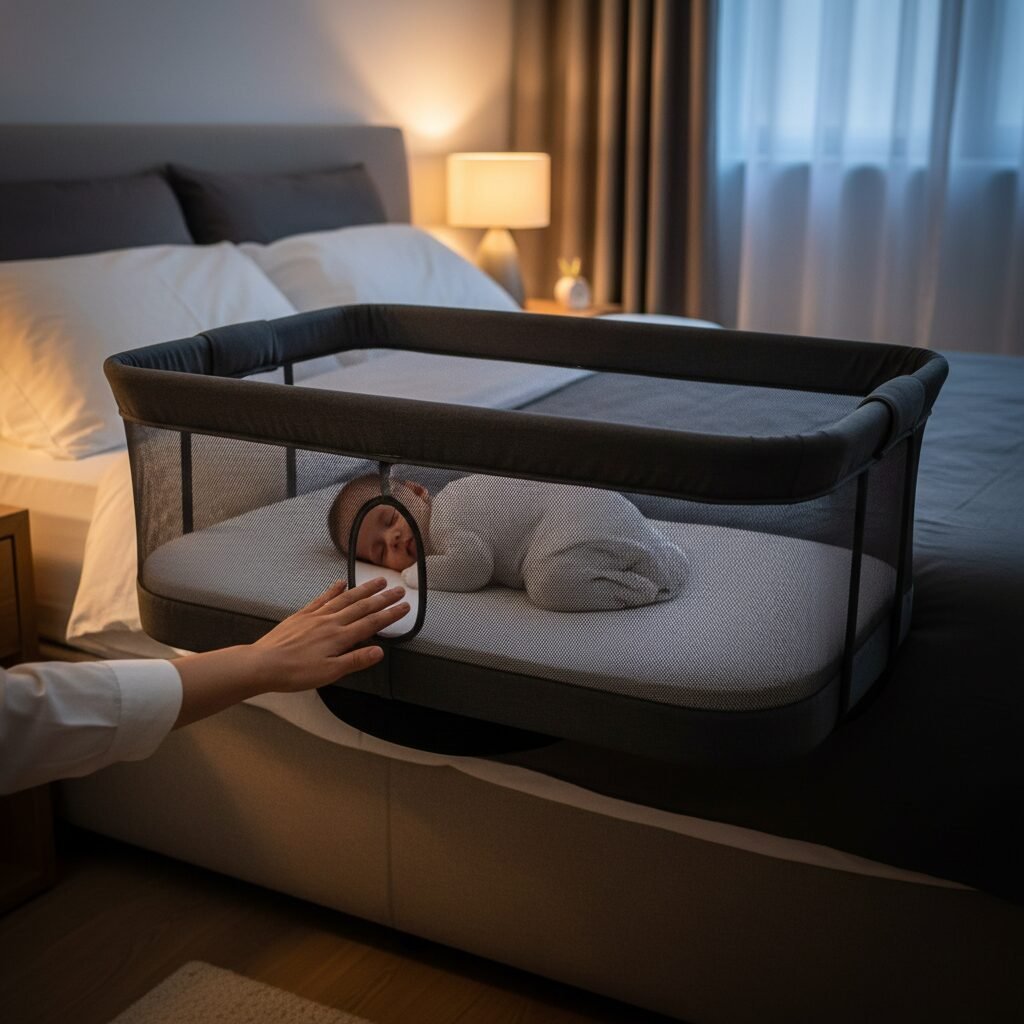
A bassinet is a small bed specifically designed for infants, typically used from birth until about 5-6 months. Modern bassinets have evolved significantly and often come packed with features designed for safety and convenience. They are legally required to meet the stringent ASTM F2194 safety standard for bassinets and cradles.
Pros of a Bassinet
- Strict Safety Standards: Bassinets sold in the U.S. must meet federal safety standards, providing a higher level of baseline safety assurance. Most feature breathable mesh sides, promoting airflow and visibility.
- Longer Usability: Bassinets generally have higher weight and development limits than Moses baskets, allowing them to be used for a longer period before transitioning to a crib.
- Convenient Features: Many models are designed as bedside sleepers with a drop-down side for easy access during the night. Other features can include adjustable height, a rocking or gliding motion, vibration, and even built-in sound machines.
- Ergonomic for Parents: Standing at waist height, a bassinet eliminates the need to bend down to the floor, which is a significant benefit for parents recovering from childbirth.
Cons of a Bassinet
- Less Portable: While some bassinets have wheels, they are generally larger, heavier, and more cumbersome to move between rooms compared to a Moses basket.
- Larger Footprint: They take up more space than a Moses basket, which can be a consideration in smaller bedrooms.
- Higher Cost: The initial investment for a feature-rich bassinet is often higher than for a simple Moses basket (though the longer usability can balance this out).
- Can Be Over-Engineered: Some parents find the ‘smart’ features unnecessary and prefer a simpler, tech-free sleep environment for their baby.
Head-to-Head Comparison: The Ultimate Decision-Making Table
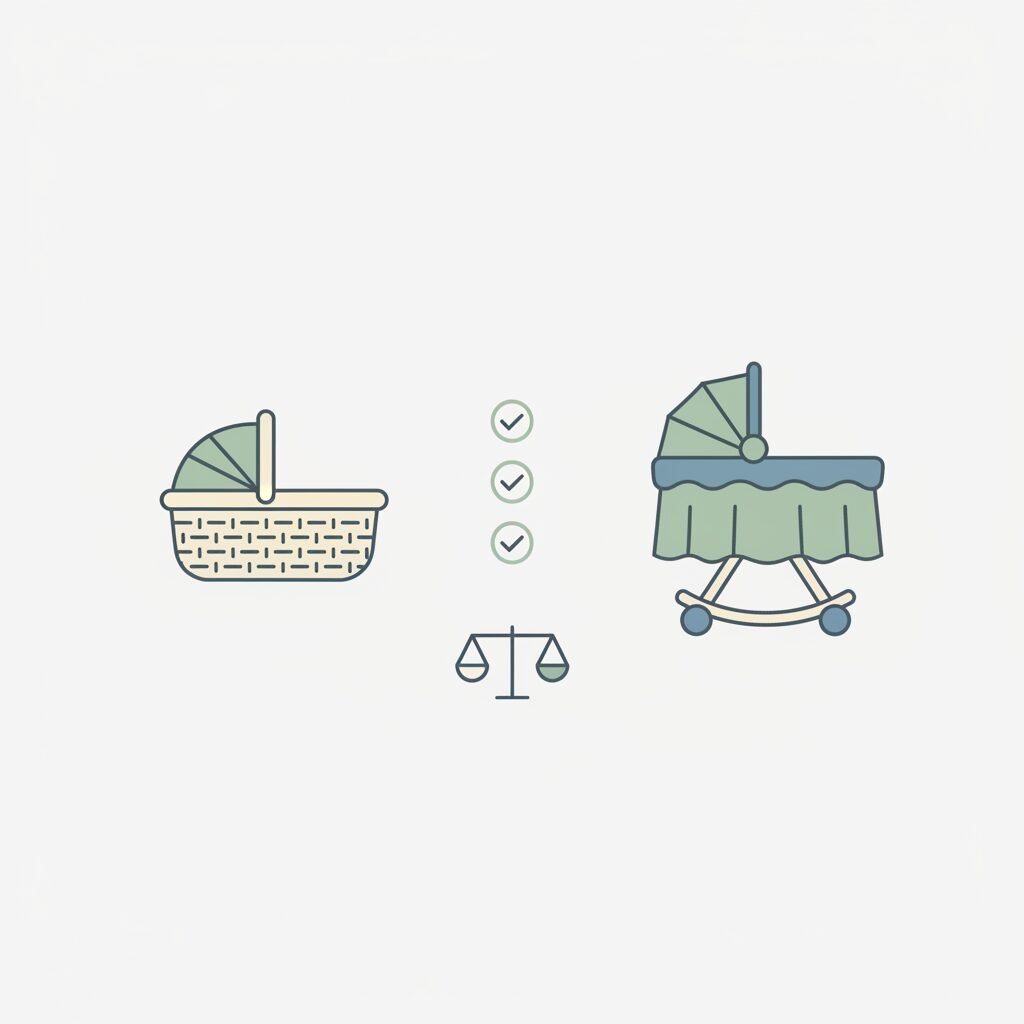
To make the choice clearer, let’s break down the key differences in a side-by-side format. This table is designed to give you a quick, at-a-glance overview to help you weigh what matters most to your family.
| Feature | Moses Basket | Bassinet |
|---|---|---|
| Safety Standards | Variable; must be verified by consumer. Look for a firm, flat mattress and sturdy construction. Not all meet CPSC standards. | Mandatory adherence to CPSC/ASTM F2194 standards. Typically includes breathable mesh sides. |
| Portability | Excellent. Lightweight and easy to move from room to room. | Limited. Heavier and bulkier; some models have wheels but are not designed for frequent relocation. |
| Typical Lifespan | Very short (0-4 months, or until baby pushes up/rolls). | Longer (0-6 months, or until baby reaches weight/activity limit). |
| Footprint / Size | Very small and compact. Ideal for small spaces. | Larger footprint. Requires more dedicated space next to the bed. |
| Average Cost | $60 – $200+ (stand often sold separately). | $100 – $350+. Price varies widely based on features. |
| Key Convenience | Move a sleeping baby without waking them. Natural aesthetic. | Bedside access for night feedings. Ergonomic height. Tech features (rocking, sound). |
| Primary Drawback | Short usability period and potential for non-compliance with safety standards. | Lack of room-to-room portability and higher initial cost. |
Key Factors to Consider for Your Family’s Lifestyle

The ‘best’ product is the one that best fits your life. Generic pros and cons are helpful, but the final decision should be personal. Consider these questions:
What is your home’s layout?
If you live in a multi-story home or a large, spread-out space, the portability of a Moses basket might be a game-changer for daytime naps. If you’re in a smaller apartment or plan for the baby to sleep exclusively in your bedroom, a stationary bassinet might be more practical.
What is your budget?
A simple Moses basket can be a budget-friendly initial purchase. However, remember its short lifespan. A more expensive bassinet may offer better value over time since it can be used for more months. Consider the cost-per-month of use, not just the ticket price.
How is your physical recovery?
This is a critical, often-overlooked factor. If you are anticipating a C-section or have other mobility challenges, bending to the floor to pick up a baby from a Moses basket can be painful and impede healing. The waist-high design of a bassinet is a significant ergonomic advantage in this case.
What are your nighttime parenting goals?
If you plan to breastfeed and want the baby as close as possible for easy access during the night, a bedside sleeper bassinet is specifically designed for this purpose. The visibility through mesh sides also provides immense peace of mind without having to get out of bed.
Conclusion
Ultimately, the choice between a Moses basket and a bassinet is less about which one is universally ‘better’ and more about which is the right tool for your family during the first few precious months. Both can be safe, effective sleep spaces when used correctly. A Moses basket is an excellent choice for parents who prioritize daytime portability, have a smaller living space, and love a natural, traditional aesthetic. A bassinet is the ideal solution for those who value modern safety features, the convenience of a bedside sleeper, and a longer period of use. Whichever you choose, ensure it has a firm, flat mattress and always follow the ABCs of safe sleep. Trust your research and your intuition. You are building a safe and loving environment for your new baby, and that is what truly matters.