

Metal Mouth? How to Get Rid of That Gross Pregnancy Taste
You’re newly pregnant, navigating a sea of new sensations, from the incredible joy of seeing that positive test to the less-than-glamorous reality of morning sickness. But there’s another strange symptom that might have you wrinkling your nose: a persistent, unpleasant metallic taste in your mouth. Often described as sucking on a handful of loose change, this phenomenon is surprisingly common and has a medical name: dysgeusia. It can make your favorite foods taste repulsive and even a simple glass of water seem off.
If you’re experiencing this, please know you are not alone, and you are not imagining it. This metallic taste is a real, physiological side effect of the incredible hormonal shifts happening in your body. As a doula and maternal health educator, I’ve supported countless parents through this exact experience. It can be frustrating and disheartening, but it’s typically temporary. This guide will walk you through exactly what ‘metal mouth’ is, the science behind why it happens, and most importantly, provide a comprehensive list of safe and effective strategies to help you manage the taste and find relief.
What is Dysgeusia (and Why Do I Have It)?
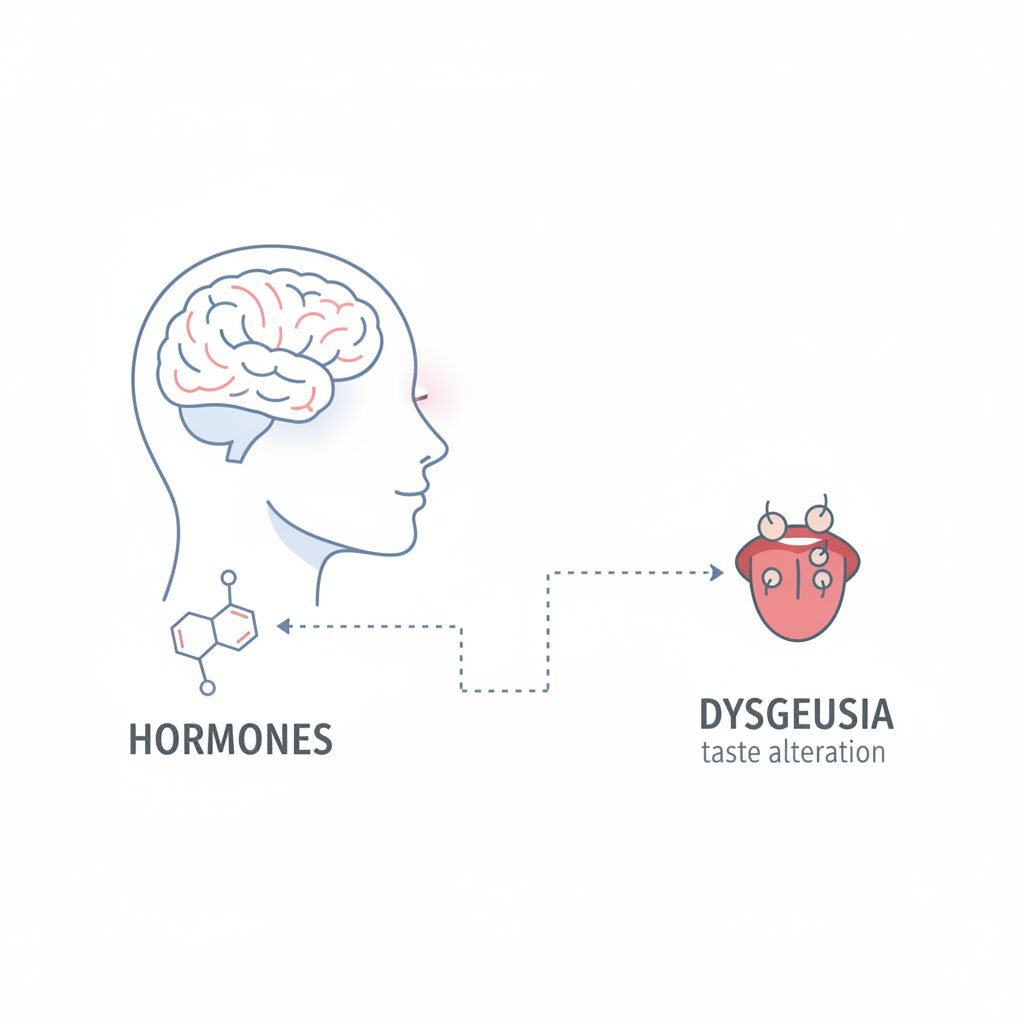
Understanding Pregnancy-Related Dysgeusia
Dysgeusia is the medical term for a distortion in your sense of taste. During pregnancy, it most commonly manifests as a sour, bitter, or metallic taste that lingers regardless of what you’ve eaten. For many, it’s one of the earliest signs of pregnancy, often appearing in the first trimester alongside nausea and fatigue, and typically fading by the second trimester as your hormone levels begin to stabilize.
So, what’s the culprit? The primary driver is the dramatic surge in pregnancy hormones, particularly estrogen. Estrogen plays a crucial role in regulating our taste perception. When levels skyrocket in early pregnancy, they can throw your taste buds (or, more accurately, the receptors that send taste signals to your brain) into a state of confusion. This hormonal interference can make you hypersensitive to certain tastes and smells, leading to that distinct metallic flavor.
Pregnancy is a time of profound change, both emotionally and physically. Symptoms like dysgeusia are not just ‘in your head’—they are tangible evidence of the amazing work your body is doing to grow a new life. Be patient and gentle with yourself.
It’s also worth noting the connection between dysgeusia and your heightened sense of smell, known as hyperosmia. Taste and smell are intricately linked. When your sense of smell is in overdrive, it can amplify the distorted signals from your taste buds, making that metallic tang even more pronounced. This is why certain food smells that you used to love might now seem overwhelming and contribute to both the bad taste and nausea.
Safe and Effective Remedies to Banish the Metal Mouth

While you may not be able to eliminate the metallic taste completely until your hormones settle, there are many effective strategies you can use to neutralize it and make eating and drinking more pleasant. The key is to experiment and find what works best for you. Here are some of the most successful remedies I recommend to my clients.
1. Fight Back with Acidity
Acidic foods and drinks are fantastic at cutting through the metallic taste and stimulating saliva production, which helps wash the flavor away. Think of it as a palate reset.
- Citrus Power: Sip on lemonade, limeade, or water with a generous squeeze of fresh lemon or lime. Sucking on sugar-free lemon drops or sour candies can also provide immediate, on-the-go relief.
- Pickles and Olives: The vinegar in pickled foods like pickles, olives, and sauerkraut can be very effective at neutralizing the metallic taste.
- Marinated Foods: Foods marinated in vinegar-based dressings, like a fresh salad, can be more palatable.
2. Embrace Excellent Oral Hygiene
Keeping your mouth exceptionally clean can make a significant difference. The goal is to remove any residue that might be contributing to the unpleasant taste.
- Brush Frequently: Brush your teeth more often than usual, ideally after every meal. Don’t forget to gently brush your tongue or use a tongue scraper, as this is where taste-altering bacteria can accumulate.
- Switch Your Toothpaste: If your regular mint toothpaste is too strong, try a milder flavor like cinnamon or even a baking soda-based toothpaste.
- Rinse It Out: A simple saline (saltwater) rinse can help neutralize the pH in your mouth. Mix a half-teaspoon of salt into a glass of warm water, swish, and spit. You can do this a few times a day.
3. Adjust Your Food and Drink Habits
Sometimes, small changes to how and what you eat can have a big impact.
- Go Cold: Cold or chilled foods often have less of an aroma and taste than hot foods. Try smoothies, yogurt, cottage cheese, or fruit salads.
- Ditch the Metal: It might sound strange, but using plastic or bamboo cutlery instead of metal forks and spoons can help reduce the metallic flavor for some individuals.
- Stay Hydrated: Drinking plenty of water is essential for pregnancy and can help dilute the metallic taste. If plain water is unappealing, infuse it with fruit, cucumber, or mint.
- Check Your Prenatals: Prenatal vitamins, especially those high in iron, can sometimes contribute to dysgeusia. Do not stop taking your prenatal vitamin. Instead, talk to your healthcare provider. They may be able to recommend a different formulation, a coated tablet, or suggest taking it with a small meal to minimize the side effect.
When Should I Be Concerned About Dysgeusia?

Is It Ever More Than Just a Weird Symptom?
For the vast majority of expectant parents, dysgeusia is a harmless, albeit annoying, symptom of early pregnancy that resolves on its own. It’s a sign that your body is awash with the hormones necessary to support a healthy pregnancy. However, it’s always wise to be informed and proactive about your health.
You should mention the metallic taste to your doctor or midwife at your next prenatal appointment. It’s a common symptom they are very familiar with, and it’s good for them to have a complete picture of your pregnancy experience. While it’s rarely a sign of a serious problem, they will want to rule out other, less common causes, especially if the symptom is severe or persists well into your second or third trimester.
When to Make a Specific Call to Your Provider:
- If it’s accompanied by dental issues: A metallic taste can sometimes be linked to oral health problems like gingivitis (gum inflammation), which is also more common in pregnancy due to hormonal changes. If you have any pain, bleeding gums, or sores in your mouth, it’s important to see your dentist.
- If it leads to severe food aversions or weight loss: If the dysgeusia is so intense that it’s preventing you from eating a balanced diet or causing you to lose weight, you must speak with your provider. They can help ensure you and your baby are getting the necessary nutrients and may refer you to a registered dietitian specializing in prenatal nutrition.
- If it doesn’t go away: If the metallic taste persists long after the first trimester or appears suddenly later in pregnancy, it’s worth a discussion to rule out other potential causes, such as medication side effects or, in very rare cases, other underlying health conditions.
Ultimately, communication is key. Your healthcare team is your partner in this journey. Never hesitate to bring up a symptom, no matter how strange it may seem. They can provide reassurance, rule out any concerns, and offer personalized advice to help you feel your best.
Conclusion
Navigating the early weeks of pregnancy is a journey filled with new experiences, and dysgeusia is certainly one of the more peculiar ones. While the ‘metal mouth’ phenomenon can be frustrating, remember that it is a temporary and common side effect of the incredible hormonal symphony orchestrating your baby’s development. By implementing strategies like incorporating acidic foods, maintaining meticulous oral hygiene, and staying hydrated, you can significantly reduce its impact and make mealtimes more enjoyable.
Most importantly, listen to your body and give yourself grace. This is a short phase in your nine-month marathon. The metallic taste will likely fade as you enter the second trimester, often replaced by new cravings and sensations. Continue to communicate with your healthcare provider about all your symptoms, and know that every strange twinge and taste is part of the amazing process of bringing your child into the world.
Medical Disclaimer
The information provided in this article is for educational and informational purposes only and is not intended as medical advice. It is not a substitute for professional medical advice, diagnosis, or treatment. Always seek the advice of your physician or other qualified health provider with any questions you may have regarding a medical condition. Never disregard professional medical advice or delay in seeking it because of something you have read in this article.