Is Your Dog Acting Out? How to Fix Pet Regression After Bringing Baby Home
The moment you’ve been waiting for has arrived: you’ve brought your beautiful new baby home. The nursery is ready, the car seat is installed, and your hearts are overflowing. But amidst the joy and exhaustion, you notice something unsettling. Your loyal, well-behaved dog—your ‘first baby’—has started acting out. The potty training is a distant memory, there’s a new symphony of whining and barking, and your favorite shoes have become a chew toy. You’re not imagining it, and you’re certainly not alone. This is pet regression, a common and deeply stressful challenge for new parents.
It’s easy to feel overwhelmed, frustrated, or even guilty. You’re navigating the steep learning curve of parenthood, and now your trusted companion seems to be adding to the chaos. But before you despair, it’s crucial to understand that this isn’t malice. Your dog isn’t being ‘bad.’ They are communicating stress, confusion, and anxiety in the only way they know how. Their entire world—their routine, the sounds and smells of their home, and their share of your attention—has been turned upside down. This article, written from the perspective of a maternal health educator who has guided countless families through this exact transition, will provide you with an empathetic, fact-based roadmap. We will explore the ‘why’ behind your dog’s behavior and give you a clear, step-by-step plan to manage the regression, re-establish peace, and guide your growing family toward a harmonious future.
Understanding the ‘Why’: A Dog’s-Eye View of a New Baby
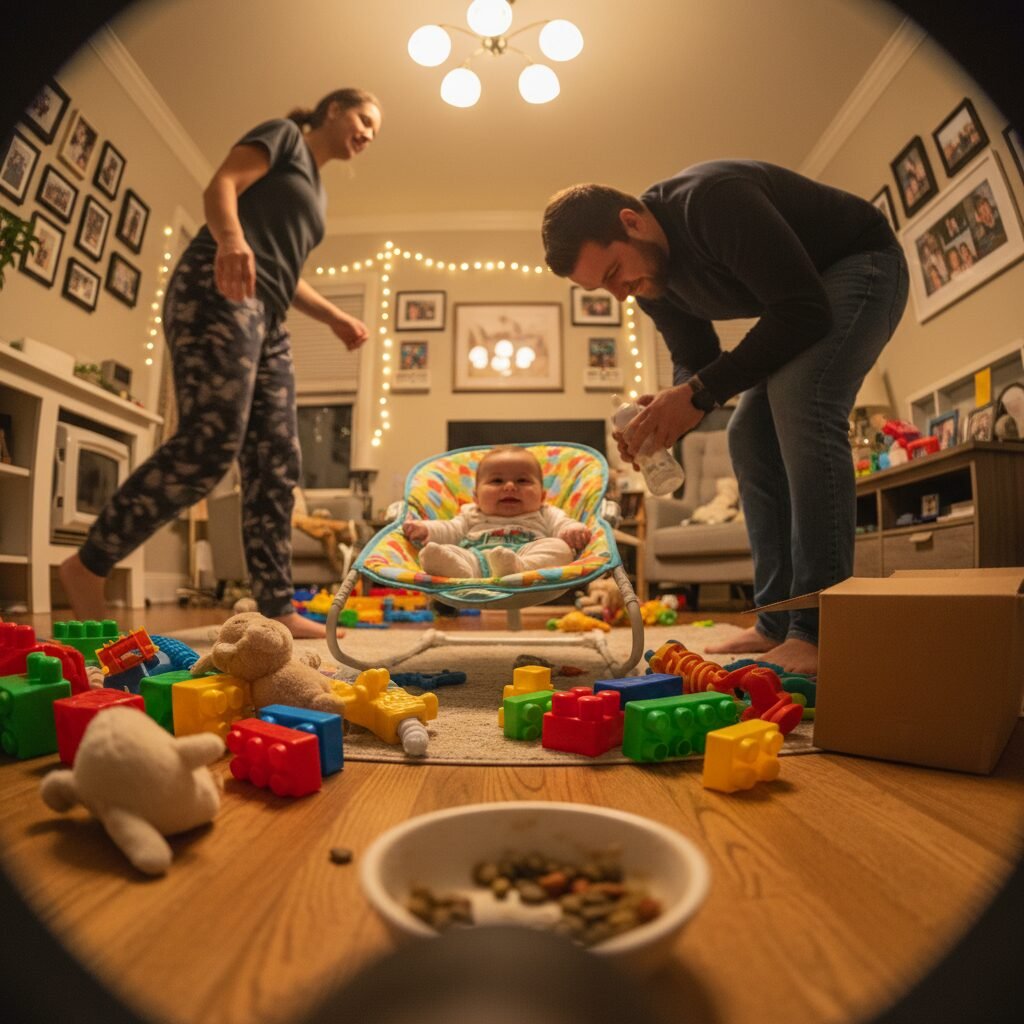
To effectively address your dog’s behavioral changes, we must first practice empathy and see the world through their eyes. For years, your dog has been a central figure in your life. They had a predictable routine, familiar scents, and a certain amount of your undivided attention. The arrival of a baby shatters that predictable world. This isn’t just a new person; it’s a seismic shift in their environment.
Sensory Overload
Dogs experience the world primarily through scent and sound. A new baby introduces a barrage of intense, unfamiliar sensory information. There are new smells: baby powder, diapers, formula, and the unique scent of the baby itself. There are new sounds: crying, cooing, and the noise from swings and other baby gear. What seems normal to us can be overwhelming and alarming to a dog, putting them in a constant state of high alert.
Disruption of Routine and Resources
Your life now revolves around the baby’s feeding, sleeping, and changing schedule, and your dog’s predictable life is collateral damage. Walks may be shorter or at different times. Playtime might be interrupted. Their favorite napping spot on the couch might now be occupied by a nursing pillow. This unpredictability creates anxiety. Furthermore, the resource they value most—you—is now being shared. The sudden decrease in one-on-one time can feel like a profound loss, triggering behaviors designed to get your attention, even if it’s negative attention.
Perceived Change in Social Structure
In a dog’s world, the family is their pack. The introduction of a new, helpless, and very loud pack member who commands all the alpha members’ (your) attention can be confusing. They don’t understand what this new creature is and are trying to figure out where they now fit in the family hierarchy. Behaviors like resource guarding (protecting toys or food) or territorial marking can be a dog’s misguided attempt to re-establish their place and sense of security in a suddenly unstable world. Understanding these underlying causes is the first step in shifting your mindset from frustration to compassionate problem-solving.
The Foundation: Re-establishing Routine and Positive Associations
Before you can correct specific behaviors, you must rebuild a foundation of security for your dog. Dogs thrive on predictability. While your old routine is gone, creating a new, consistent routine is paramount. This signals to your dog that their world is still safe and orderly, even with the new addition.
Crafting a New Predictable Schedule
Try to anchor your dog’s key activities—feeding, walks, and potty breaks—to the same times each day. You can even tie them to the baby’s schedule. For example, the dog gets a vigorous walk every morning after the baby’s first feeding. Or they get a special puzzle toy to work on while you are nursing. This creates a new rhythm they can learn to depend on.
The Power of Positive Association
Your goal is to teach your dog that the baby is a source of wonderful things, not the cause of their loss. This is classical conditioning at its finest. Here’s how to implement it:
- Scent Acclimation: Before even bringing the baby home from the hospital, have your partner bring home a blanket or item of clothing with the baby’s scent on it. Let your dog sniff it calmly. Don’t force it on them. Just leave it in a common area so they can investigate on their own terms.
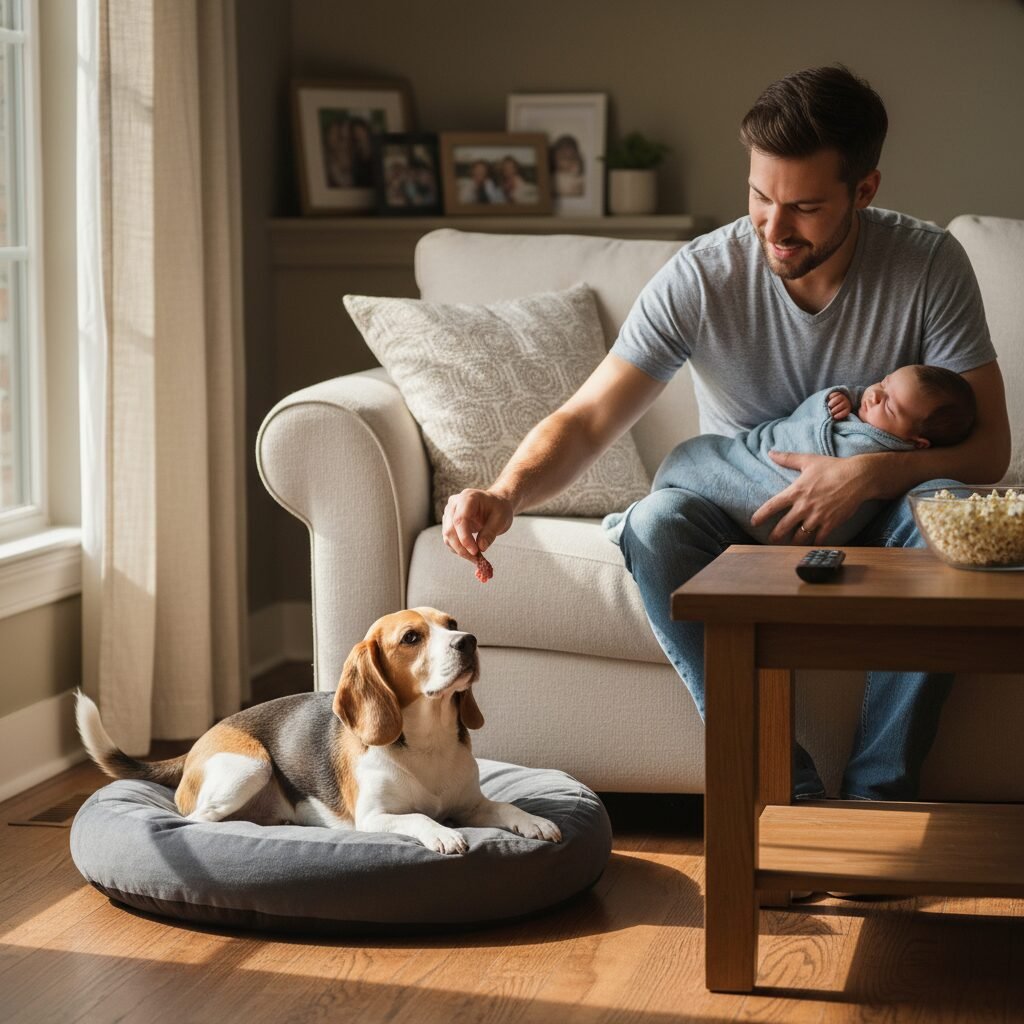
- Treats for Proximity: When the baby is in the room, give your dog high-value treats (small pieces of chicken, cheese, or special dog treats they don’t get otherwise). When the baby leaves the room, the special treats stop. The dog will quickly learn: Baby’s presence = amazing snacks.
- Calm is King: Reward your dog for any calm behavior they exhibit near the baby. Are they lying down peacefully in the same room? Quietly praise them and give them a treat. The message should be clear: calm, relaxed behavior around the baby is highly rewarded.
Patience is your most powerful tool. You are not just managing a pet; you are guiding a family member through a difficult emotional transition. Celebrate small victories and remember that consistency will yield results.
Actionable Training Techniques for a Harmonious Home
With a foundation of routine and positive association in place, you can now implement specific training exercises to manage problem behaviors and ensure safety. These techniques create structure and clear communication, which helps reduce a dog’s anxiety.
The ‘Place’ or ‘Go to Mat’ Command
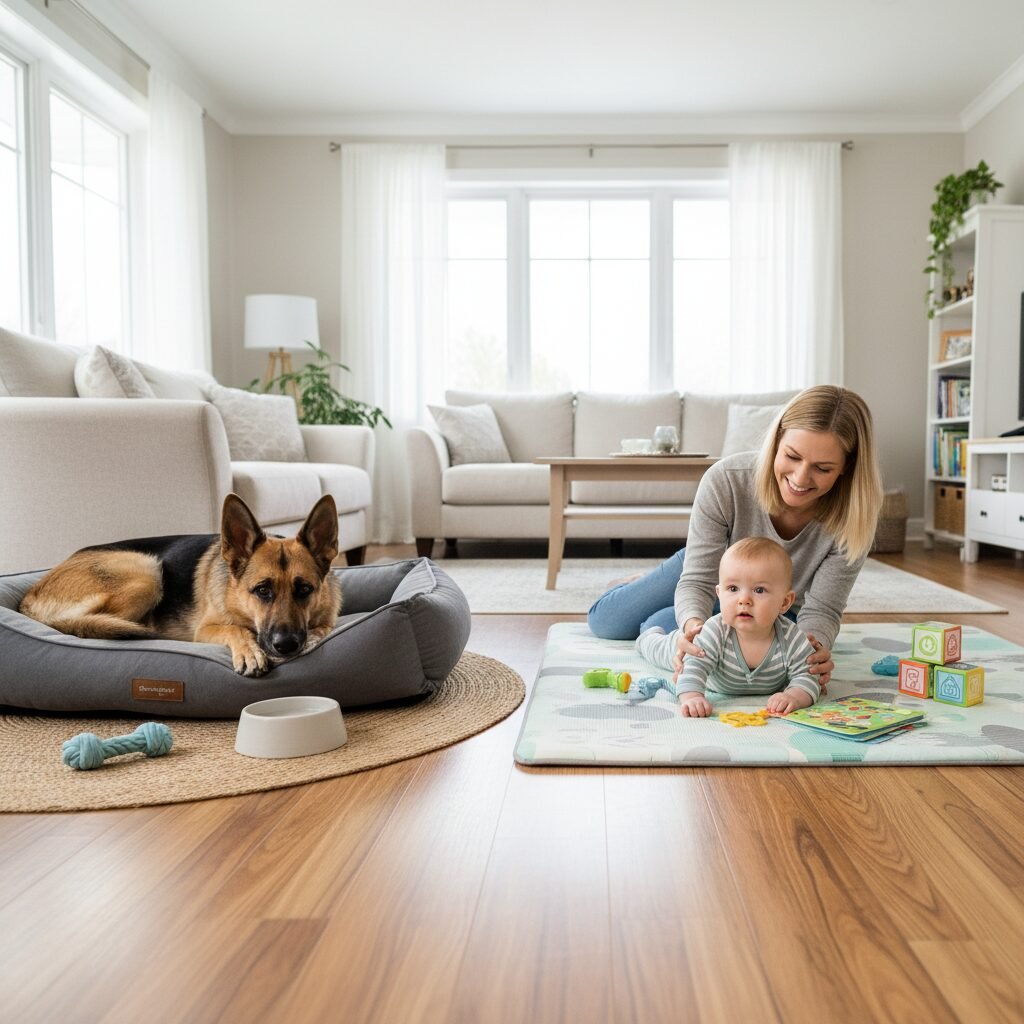
This is arguably the most valuable command for any family with a dog and a baby. It teaches your dog to go to a designated spot—their bed, a mat, or a specific rug—and stay there until released. This creates a safe, managed space for your dog when you need to focus on the baby, have visitors, or simply prevent them from being underfoot.
Here’s how to teach it:
- Lead your dog to their mat. The moment they put one paw on it, say ‘Yes!’ and give them a treat. Repeat this several times.
- Next, wait until they put all four paws on the mat before you reward them.
- Once they are confidently stepping onto the mat, add the verbal cue ‘Place’ or ‘Go to your mat’ just before they do it.
- Gradually increase the duration they must stay on the mat before getting a reward. Start with just a few seconds and work your way up.
- Practice this for a few minutes several times a day. It becomes their ‘safe spot’ and an invaluable management tool.
Managing Attention-Seeking Behaviors
Barking, whining, and pawing are often attempts to regain your attention. The key is to teach your dog that these behaviors are ineffective, while calm behavior is rewarded. This is called differential reinforcement. When your dog barks for attention, turn your back and ignore them completely. The second they are quiet, turn back around and give them praise or a pat. This is challenging, especially with a sleeping baby nearby, but consistency is critical. For unwanted behaviors that cannot be ignored (like jumping), redirect them to a more appropriate action like ‘Sit’ and reward that instead.
Safe and Supervised Interactions
Safety is non-negotiable. Never leave your dog and baby alone together, not even for a second. All interactions must be 100% supervised and structured for success. Allow the dog to sniff the baby’s feet, but don’t force interactions. Keep initial meetings short and positive. Your calm energy is vital; if you are anxious, your dog will be too. Focus on teaching your baby gentle behavior as they grow, and teach your dog that moving away from the baby is always an acceptable and safe choice.
A Proactive Approach: Fulfilling Your Dog’s Core Needs
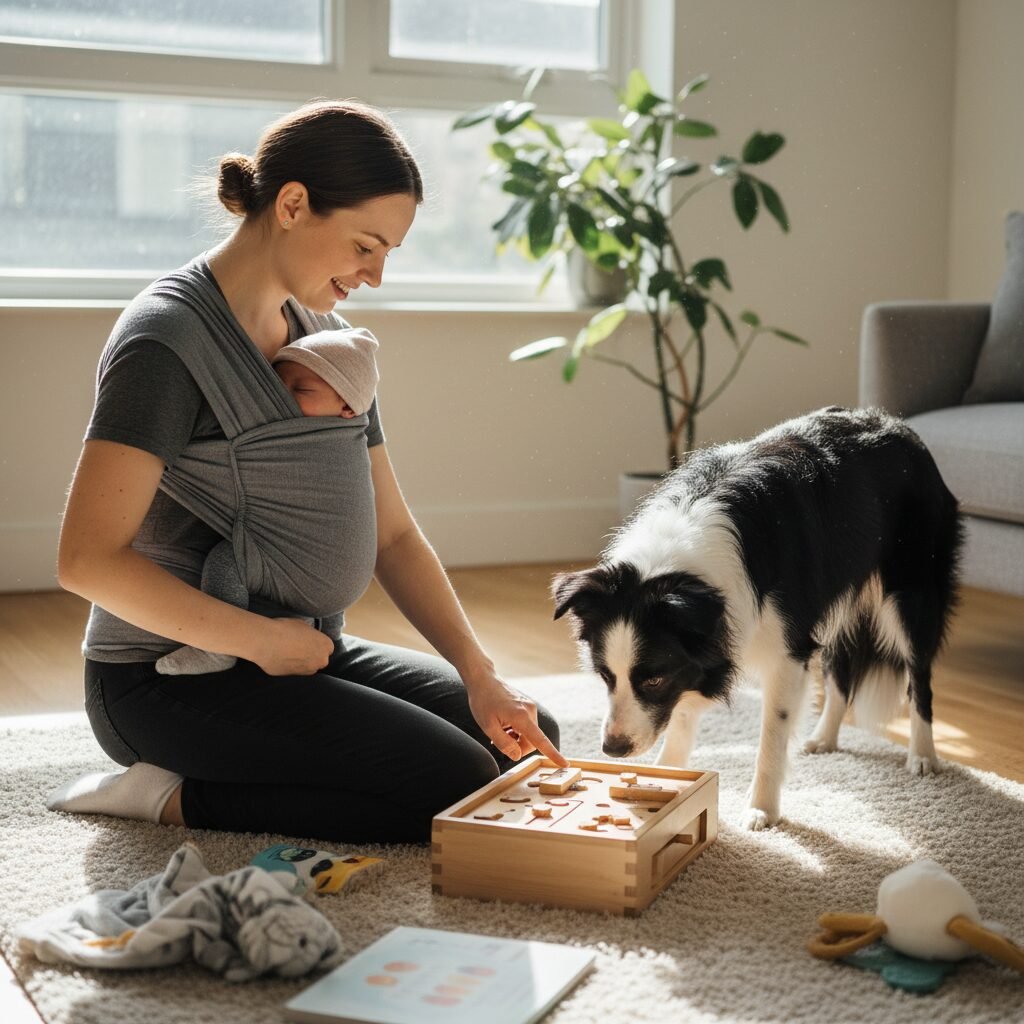
Often, regression isn’t just about the baby; it’s a symptom of the dog’s own needs not being met in the new family dynamic. A tired and mentally stimulated dog is a well-behaved dog. It’s easy to let these things slide when you’re sleep-deprived, but prioritizing them is a proactive way to prevent problem behaviors before they start.
- Physical Exercise: This is more than just a quick potty break. Your dog still needs opportunities to run, sniff, and burn off physical energy. A baby carrier can be your best friend here, allowing you to take the baby on walks with the dog. If you’re too exhausted, consider a dog walker or doggy daycare a few times a week. It’s an investment in your home’s peace.
- Mental Stimulation: Mental exercise can be just as tiring as physical exercise. Use puzzle feeders and food-dispensing toys for their meals instead of a regular bowl. This makes them work for their food and engages their brain. Short, 5-minute training sessions reinforcing commands like ‘Sit,’ ‘Stay,’ or ‘Place’ also provide excellent mental work.
- Dedicated One-on-One Time: Your dog still needs to know they are a cherished part of the family. Carve out just 10-15 minutes a day of ‘dog-only’ time. This could be a game of fetch in the yard while the baby is napping, or some quality cuddle time on the couch after the baby is in bed for the night. This focused attention fills their cup and reassures them of their place in your heart.
Integrating these needs into your new life can feel daunting, but a schedule can help.
| Time of Day | Baby Activity | Dog Activity | Parent Focus |
|---|---|---|---|
| 7:00 AM | Morning Feeding | Fed in a puzzle toy | Meet everyone’s breakfast needs simultaneously. |
| 10:00 AM | Morning Nap | Brisk walk (with baby in carrier) | Combine baby’s nap with dog’s exercise. |
| 1:00 PM | Tummy Time / Play | Chewing a long-lasting bone on their ‘Place’ | Keep dog occupied during baby’s active time. |
| 4:00 PM | Cat Nap | 5-minute training session | Engage dog’s brain during a quiet moment. |
| 8:00 PM | Down for the night | 15 mins of dedicated fetch/cuddle time | Provide focused one-on-one attention. |
When to Seek Professional Help: Recognizing Red Flags

While most cases of pet regression can be managed with patience, consistency, and the techniques outlined above, some situations require immediate professional intervention for the safety of your baby. It is your responsibility as a parent and a pet owner to recognize these red flags and act decisively.
Do not hesitate to contact a professional if you observe any of the following behaviors:
- Growling or Lip Curling: Any growl directed at the baby, whether it’s when the baby is near the dog’s food, toys, or resting place, is a serious warning sign. It is a clear communication of discomfort and a precursor to a potential bite.
- Snapping or Lunging: An air snap or a lunge toward the baby is an unambiguous signal that the dog’s tolerance has been exceeded. This should never be ignored or dismissed as ‘just a warning.’
- Resource Guarding the Baby: This is a less common but very dangerous behavior where the dog becomes possessive of the baby, ‘protecting’ it from you or other family members by growling or blocking access.
- Stiff Body Language: A dog that becomes very still and rigid, with a ‘hard stare’ directed at the baby, is extremely uncomfortable and potentially preparing to react defensively.
- Extreme Anxiety: If your dog is showing signs of severe, unmanageable anxiety (non-stop pacing, inability to settle, destructive behavior when left alone for even short periods), they need professional support.
Finding the Right Professional
When seeking help, look for a Certified Applied Animal Behaviorist (CAAB), a veterinary behaviorist (DACVB), or a Certified Professional Dog Trainer (CPDT) with specific experience in dog and baby dynamics. Avoid trainers who use punishment-based or ‘dominance’ methods, as these can increase anxiety and aggression, making the situation far more dangerous. Your veterinarian is an excellent resource for a referral. Seeking help is not a sign of failure; it is a sign of responsible, proactive parenting and pet ownership.
Conclusion
Navigating the challenges of pet regression while caring for a newborn is undeniably tough. It requires a deep well of patience at a time when you’re already feeling depleted. Remember to be kind to yourself and your dog during this major life adjustment. The key takeaways are to lead with empathy, establish a predictable new routine, create positive associations between your dog and your baby, and proactively meet your dog’s core needs for exercise and stimulation.
By consistently applying these strategies, you are not just ‘fixing’ a problem; you are actively teaching both your dog and your child how to coexist peacefully and respectfully. You are laying the groundwork for a beautiful, lifelong friendship.
You are a good parent and a good pet owner. This is a temporary phase, and with love, structure, and consistency, you will guide your entire family through it into a new, wonderful chapter together.