Is That Paint Safe? 5 Zero-VOC Brands for a Chemical-Free Nursery
The nesting instinct is a powerful force. As you prepare for your baby’s arrival, every decision, from the crib to the color on the walls, feels monumental. You’re not just decorating a room; you’re building a sanctuary. But amidst the excitement of choosing the perfect shade of duck-egg blue or sunny yellow, there’s a critical safety factor many parents overlook: the paint itself. Traditional paints can release harmful chemicals called Volatile Organic Compounds (VOCs) into the air, long after the paint has dried. For a developing fetus and a newborn’s delicate respiratory system, this can pose a significant health risk.
As a doula and maternal health educator, I empower parents to make informed choices that protect their family’s well-being. Choosing a non-toxic, zero-VOC paint is one of the most impactful steps you can take to ensure your baby’s nursery is a truly healthy environment. This guide will demystify the labels, explain the science in simple terms, and provide a curated list of the best zero-VOC paint brands on the market, so you can paint with peace of mind.
Decoding the Can: What ‘Zero-VOC’ and ‘Non-Toxic’ Really Mean
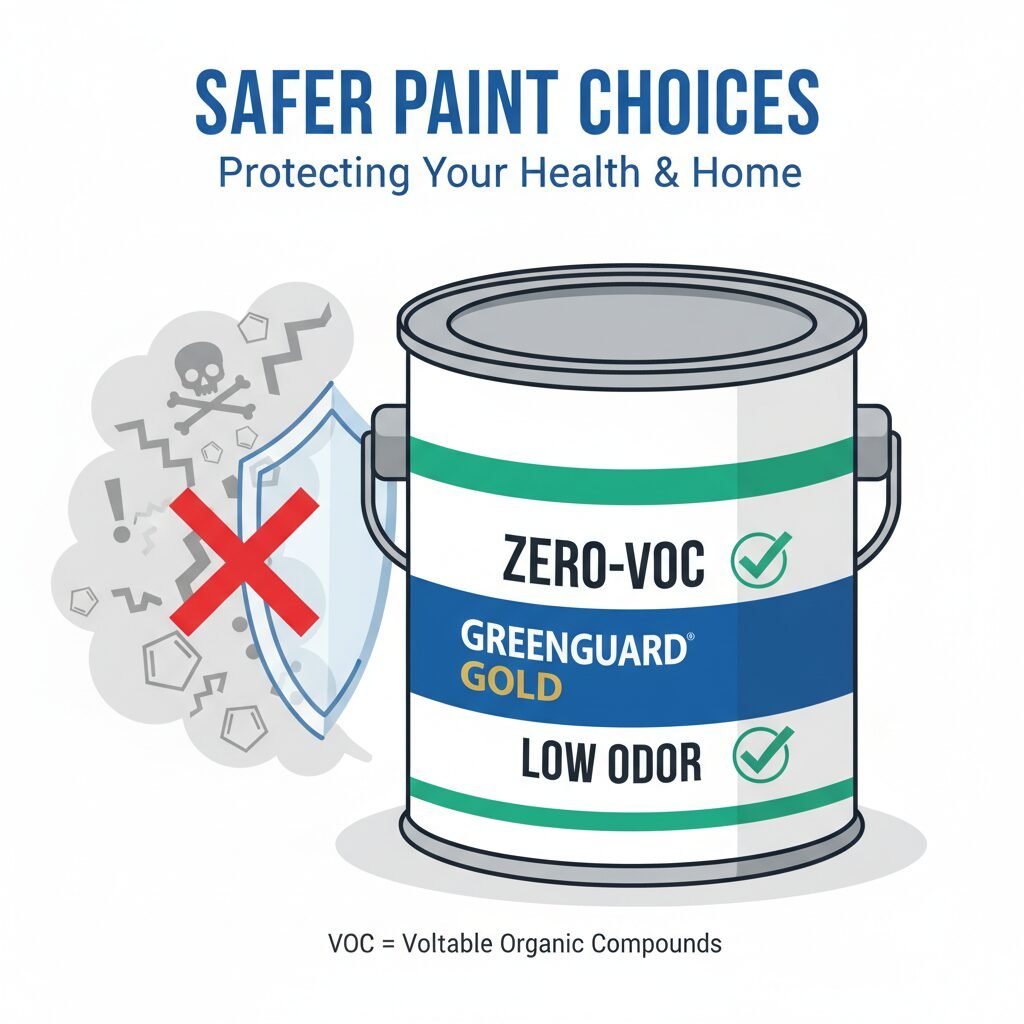
Understanding the Jargon
Walking down the paint aisle can be overwhelming. Labels are covered in terms and certifications that aren’t always clear. Let’s break down what you need to know to make a confident choice for your family’s health.
What Are VOCs and Why Do They Matter?
Volatile Organic Compounds (VOCs) are chemical gases emitted from certain solids or liquids. In the context of paint, these are solvents that help the paint apply smoothly and dry correctly. The ‘volatile’ part means they easily evaporate into the air at room temperature. That ‘new paint smell’ is actually the scent of VOCs off-gassing into your home.
The problem? These chemicals can cause a range of health issues, from short-term effects like headaches, dizziness, and respiratory irritation to more serious long-term concerns. The Environmental Protection Agency (EPA) notes that some VOCs are known carcinogens. Infants and children are especially vulnerable because their respiratory systems are still developing, they breathe more air relative to their body weight than adults, and their bodies are less equipped to process and eliminate toxins.
“Creating a low-toxin environment is not about perfection; it’s about reducing the overall chemical load on our children’s developing bodies. Starting with the air they breathe in their own nursery is a foundational act of protection.”
Key Terms to Look For on the Label
Not all ‘eco-friendly’ paints are created equal. Here’s how to decipher the terminology:
- Zero-VOC: This is the gold standard for a nursery. According to EPA standards, this means the paint formula contains fewer than 5 grams per liter (g/L) of VOCs. It’s the safest option for indoor air quality.
- Low-VOC: This label indicates that the paint has fewer VOCs than traditional paints, but they are still present. Regulations typically define this as less than 50 g/L for flat finishes. While better than conventional options, ‘zero-VOC’ is the superior choice for a baby’s room.
- Water-Based vs. Oil-Based: Always opt for water-based (latex) paints for interior projects. Oil-based paints are high in VOCs, require harsh chemicals for cleanup, and are generally not recommended for indoor use, especially in a nursery.
- Non-Toxic: This term is not regulated, so it can be used for marketing purposes. A truly non-toxic paint should be zero-VOC and free from other harmful chemicals like alkylphenol ethoxylates (APEs), formaldehyde, and ammonia. Look for specific certifications to back up this claim.
Understanding Certifications
Third-party certifications provide unbiased assurance that a product meets rigorous health and safety standards. Look for these logos:
- GREENGUARD Gold: This is one of the most stringent certifications. It ensures a product has met strict chemical emissions limits and is suitable for use in sensitive environments like schools and healthcare facilities. It’s an excellent indicator of a safe nursery paint.
- Asthma & Allergy Friendly®: This certification, administered by the Asthma and Allergy Foundation of America, identifies products that are scientifically proven to be suitable for people with asthma and allergies.
- Cradle to Cradle Certified™: This standard assesses products for their material health, recyclability, and manufacturing processes, offering a holistic view of a product’s environmental impact.
Comparing the Top 5 Zero-VOC Paint Brands
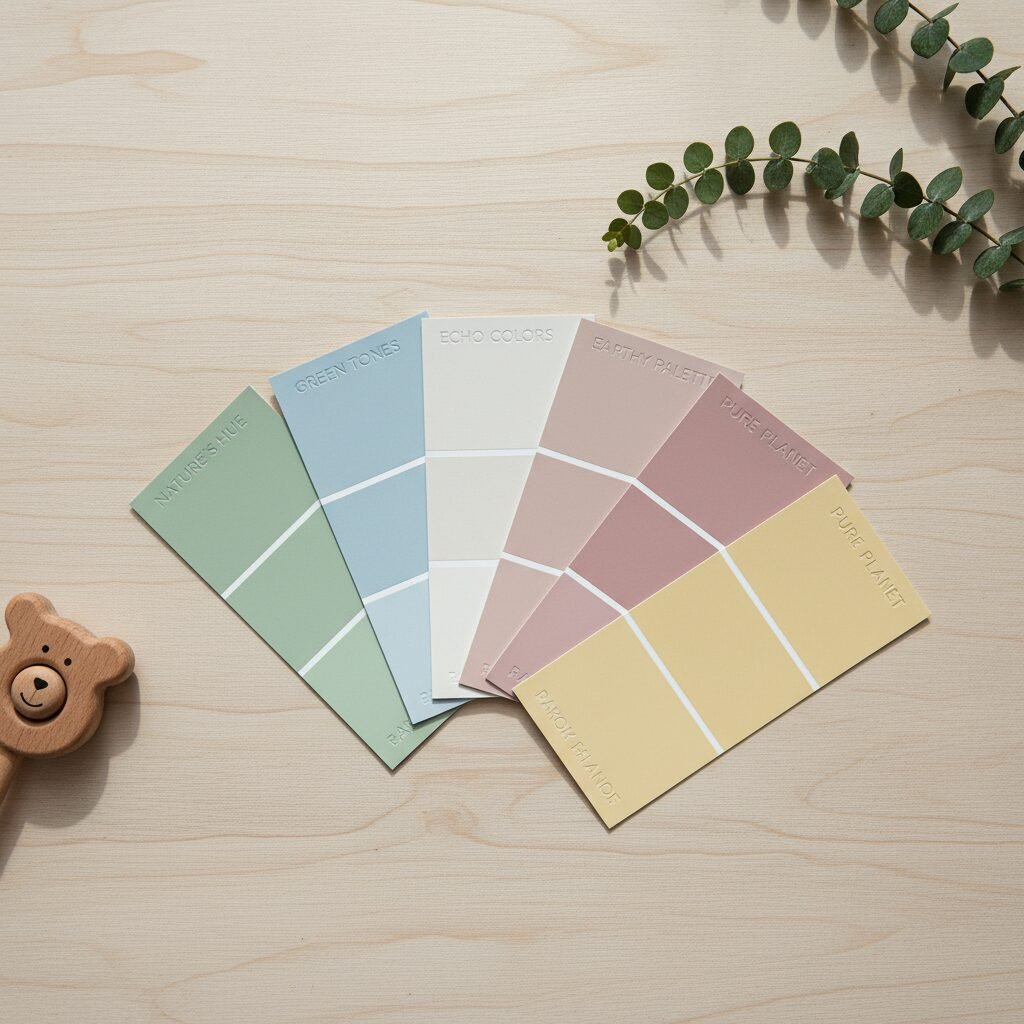
A Side-by-Side Look at the Safest Nursery Paints
We’ve researched and vetted numerous brands to bring you the top five contenders for a safe and beautiful nursery. Each of these brands prioritizes health without compromising on quality or aesthetics. Below is a comprehensive table to help you compare them at a glance, followed by our in-depth reviews.
| Brand | VOC Level | Key Certifications | Price Point | Color Selection | Standout Feature |
|---|---|---|---|---|---|
| ECOS Paints | Zero-VOC | Declare Label, Cradle to Cradle, GREENGUARD Gold (pending) | $$$ | Unlimited (Custom color matching) | Exceptional transparency and ideal for extreme chemical sensitivities. |
| Clare | Zero-VOC | GREENGUARD Gold | $$$ | Curated designer palette | All-in-one painting kits delivered to your door. |
| The Real Milk Paint Co. | Zero-VOC | N/A (Natural ingredients) | $$ | 56 classic, earthy tones | 100% natural, biodegradable, and creates a unique matte, chalky finish. |
| Benjamin Moore Eco Spec® | Zero-VOC | GREENGUARD Gold, Asthma & Allergy Friendly® | $$ | Thousands (Full BM color library) | Contractor-grade durability and performance from a trusted brand. |
| Sherwin-Williams Harmony® | Zero-VOC | GREENGUARD Gold | $$ | Thousands (Full SW color library) | Actively reduces airborne VOCs and odors from other sources. |
A Closer Look: In-Depth Reviews of Our Favorite Brands
Detailed Analysis of Each Zero-VOC Paint
Now that you’ve seen the overview, let’s dive into the specifics of what makes each of these brands an excellent choice for your nursery project.
1. ECOS Paints
ECOS Paints was founded over 35 years ago with a single mission: to create paints for people with chemical sensitivities. Their transparency is unmatched; they provide a complete list of ingredients for every product. This makes them a go-to for parents who want absolute certainty about what’s going on their walls.
- Pros: Unrivaled transparency with full ingredient disclosure. Water-based formula is odorless and non-toxic. Offers custom color matching to any shade from other brands. Exceptional coverage and durability.
- Cons: Premium price point. Primarily sold online, so you can’t pick it up at a local store.
2. Clare
Clare has revolutionized the paint-buying experience, especially for busy parents-to-be. They offer a tightly curated palette of designer-approved colors, taking the guesswork out of choosing a shade. Their genius is in the delivery: you can order everything you need—paint, primer, trays, rollers, brushes—in one convenient box, delivered to your door.
- Pros: Incredibly convenient all-in-one kits. Beautiful, curated color selection. GREENGUARD Gold certified for low chemical emissions. Excellent online tools, including a paint calculator and color swatch stickers.
- Cons: Limited color palette compared to legacy brands. Higher cost per gallon.
3. The Real Milk Paint Co.
For parents seeking a truly natural, old-world option, The Real Milk Paint Co. is in a league of its own. Made from purified milk protein, lime, and natural pigments, this paint is sold as a powder that you mix with water. It’s biodegradable, non-toxic, and creates a beautiful, slightly varied matte finish that is perfect for a vintage or rustic nursery theme. It’s also fantastic for painting furniture.
- Pros: Made from 100% natural, food-grade ingredients. Naturally mold-resistant. Creates a unique, artisanal finish. Environmentally friendly from production to disposal.
- Cons: Requires mixing, which is an extra step. The finish is not as uniform or scrubbable as modern latex paints without a topcoat. Limited color range.
4. Benjamin Moore Eco Spec®
If you trust the quality and performance of a legacy brand, Benjamin Moore’s Eco Spec® line is the perfect solution. It offers the same high-performance durability and coverage you expect, but in a zero-VOC formula. It’s a favorite among professional painters for a reason. Plus, with access to Benjamin Moore’s entire color library, your options are virtually limitless.
- Pros: Professional-grade quality and durability. Available in thousands of colors. Widely available at Benjamin Moore retailers. Certified Asthma & Allergy Friendly®.
- Cons: The tinting process can add trace amounts of VOCs, though levels remain very low (ask your retailer for zero-VOC colorants).
5. Sherwin-Williams Harmony®
Sherwin-Williams Harmony® goes a step beyond just being zero-VOC. It features innovative technology that actually helps improve indoor air quality. The formula actively reduces airborne concentrations of VOCs from other sources like carpets, insulation, and furniture, and it also contains odor-eliminating technology. It’s a high-tech solution for parents focused on creating the purest air possible.
- Pros: Actively improves indoor air quality by reducing VOCs and odors. Great coverage and a durable, washable finish. Available at thousands of locations. Backed by a major, reputable brand.
- Cons: Like other major brands, ensure the store uses zero-VOC colorants to keep the final tinted product truly zero-VOC.
Creating a Healthy Haven: More Than Just Paint
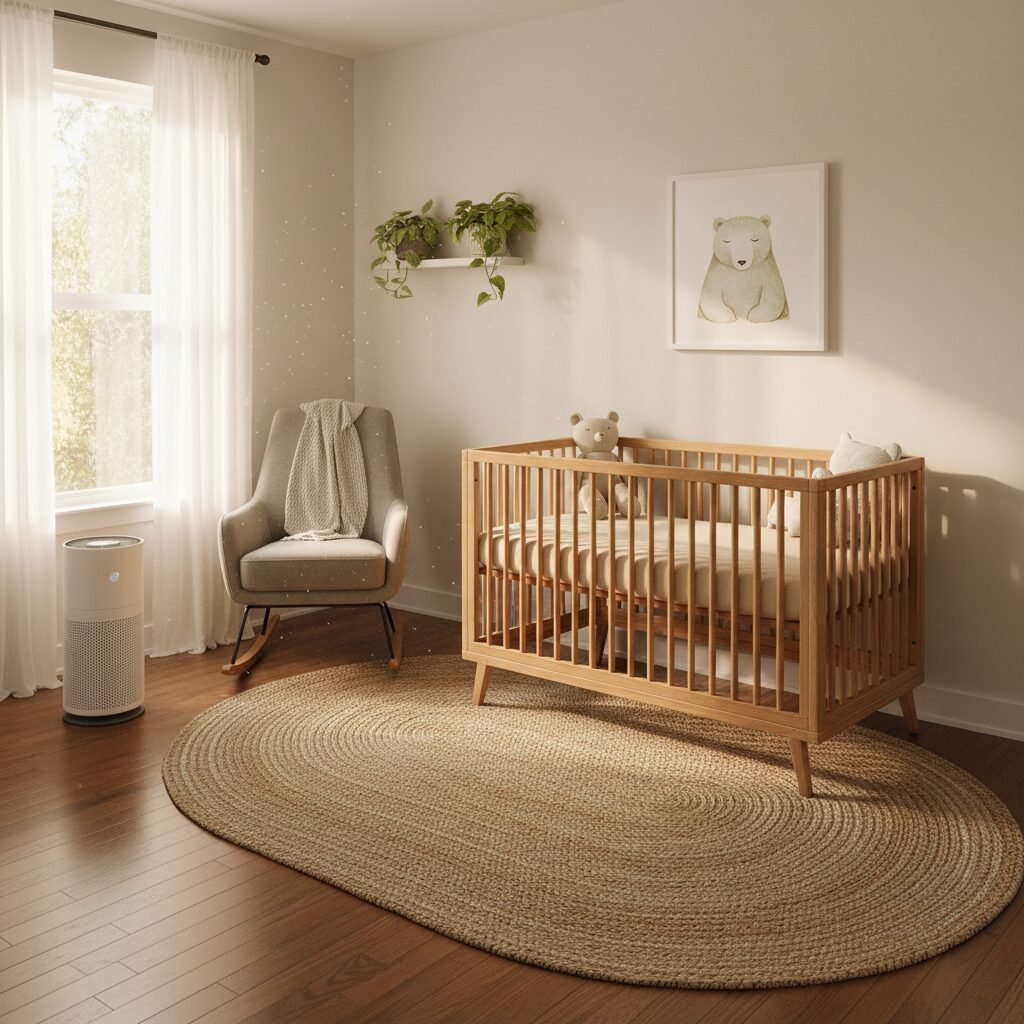
A Holistic Approach to a Non-Toxic Nursery
Choosing zero-VOC paint is a fantastic and crucial step, but it’s part of a larger strategy for creating a healthy nursery. VOCs and other chemicals can also be present in furniture, flooring, and mattresses. Here’s how to extend your low-toxin approach throughout the room.
Furniture and Furnishings
- Choose Solid Wood: Whenever possible, opt for furniture made from solid wood with non-toxic, low-VOC finishes. Avoid items made from particleboard, MDF, or plywood, as the glues and resins used can off-gas formaldehyde, a known carcinogen.
- Look for Certifications: If you choose composite wood furniture, look for a GREENGUARD Gold certification to ensure it meets low-emissions standards.
- Air it Out: No matter what you buy, assemble new furniture and let it air out in a well-ventilated garage or spare room for several weeks before bringing it into the nursery.
Mattress and Bedding
Your baby will spend a significant amount of time sleeping, making the crib mattress a critical item. Conventional mattresses are often treated with flame-retardant chemicals and made from petroleum-based foams. Look for a mattress made from natural materials like organic cotton, wool (a natural flame retardant), or natural latex. The GOTS (Global Organic Textile Standard) certification is a reliable indicator of a safe, organic product.
Flooring and Rugs
Carpets can trap dust, allergens, and off-gas chemicals from their backing and adhesives. The best flooring options are hard surfaces like solid hardwood, cork, or bamboo. If you use a rug, choose one made from natural fibers like wool, cotton, or jute, and use a rug pad made from natural rubber or felt instead of a synthetic one.
Ventilation is Key
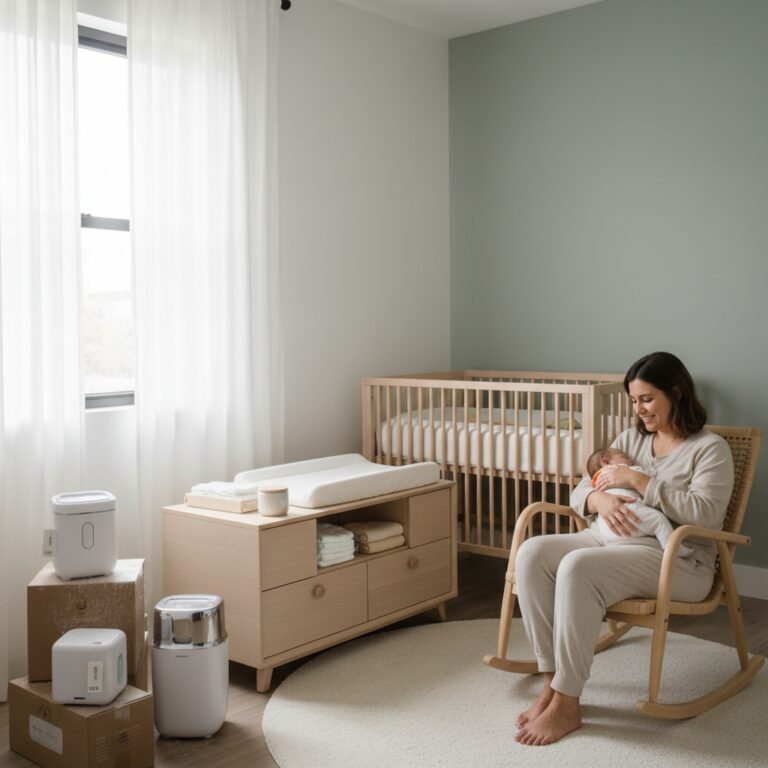
Even when using zero-VOC paint, proper ventilation is important. Plan to paint on a day when you can open the windows to allow for fresh air circulation. This helps any residual odors dissipate quickly and ensures the paint cures properly. Running an air purifier with a HEPA filter in the nursery is another excellent way to maintain clean air long after the painting is done.
Conclusion
Preparing your baby’s nursery should be a joyful experience, not a source of anxiety. By arming yourself with knowledge, you can confidently transform a room into a safe, healthy, and beautiful sanctuary for your little one. Choosing one of the recommended zero-VOC paint brands is a powerful first step in reducing your baby’s exposure to unnecessary chemicals. Remember, every conscious choice you make contributes to a healthier start in life for your child. You are building their first world, and with these tools, you can ensure it’s as pure and loving as possible.
Disclaimer: This article is for informational purposes only and does not constitute medical advice. Always consult with a qualified healthcare professional for any health concerns or before making any decisions related to your health or your baby’s health.