Is Laundry Stripping Safe? How to Deep Clean Baby Clothes Without Toxins
When you bring your new baby home, a powerful nesting instinct kicks in. You want everything to be perfect, pristine, and above all, safe. This feeling extends to every tiny onesie, every soft blanket, and every little pair of socks. In the age of social media, you may have seen videos of ‘laundry stripping’—a deep-cleaning method that results in a tub of shockingly murky water, promising the ultimate clean. It’s tempting, isn’t it? The idea of removing every last bit of residue from your baby’s clothes can feel like a parenting win. But as a doula and maternal health educator, I want to gently press pause. Before you start mixing up a potent concoction, let’s talk about what laundry stripping really is, whether it’s safe for the most delicate member of your family, and how you can achieve that deep-clean peace of mind without any of the risks.
What is Laundry Stripping, and Why is it Trending?
What is Laundry Stripping, and Why is it Trending?
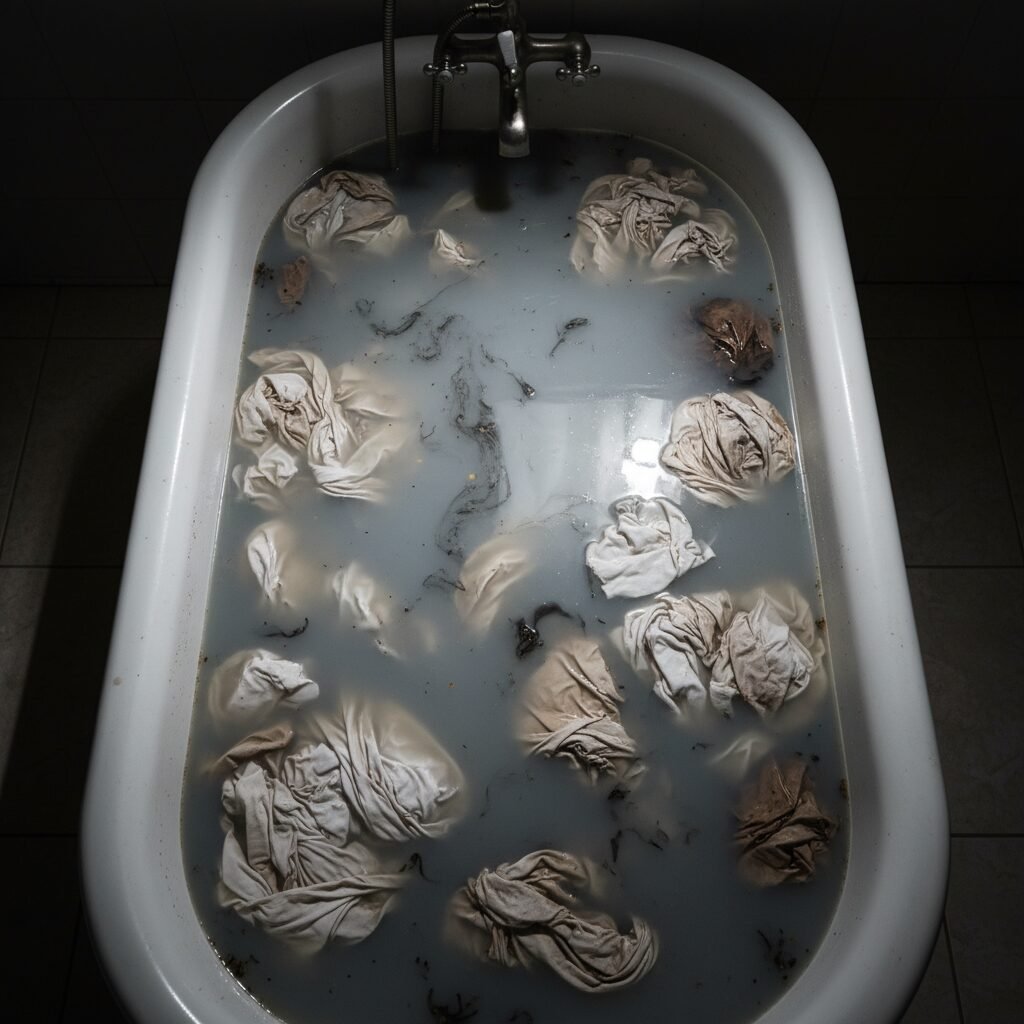
At its core, laundry stripping is an intensive soaking method designed to remove built-up residue from textiles. The typical recipe involves a combination of borax, washing soda (sodium carbonate), and a powdered laundry detergent dissolved in a bathtub of hot water. Clothes are soaked for several hours, and the process ‘strips’ away lingering detergent, fabric softener residue, body oils, and—most significantly—mineral deposits from hard water.
The reason it has become so popular online is purely visual. The ‘after’ photo of the dark, gritty water is undeniably shocking and satisfying. It makes you feel like you’ve conquered a hidden layer of grime you never knew existed. For items like gym clothes that hold onto odors or towels that have lost their absorbency due to buildup, it can be an effective occasional treatment. However, when we shift our focus from durable adult textiles to the delicate world of baby clothes, the conversation changes entirely.
The Verdict: Is Laundry Stripping Safe for Baby Items?
The Verdict: Is Laundry Stripping Safe for Baby Items?
The short, direct answer is: no, laundry stripping is not recommended for baby clothes. While your intention to get things exceptionally clean comes from a place of love, this method can introduce unnecessary risks. Let’s break down why.
The Harsh Ingredients
A baby’s skin is significantly thinner and more porous than an adult’s. It’s incredibly sensitive and can absorb substances it comes into contact with. Both Borax and washing soda are alkaline substances that can be harsh irritants.
- Skin Irritation: Even after rinsing, trace amounts of these chemicals can remain in the fabric fibers. For a baby’s sensitive skin, this residue can lead to contact dermatitis, rashes, and general discomfort.
- Respiratory Concerns: The fine powders of these ingredients can become airborne during mixing, potentially irritating the respiratory passages of both you and your baby.
Damage to Delicate Fabrics and Safety Features
Baby clothes are designed for softness and safety, and laundry stripping can compromise both.
- Fabric Breakdown: The combination of high heat and harsh chemicals can break down the delicate fibers of organic cotton, bamboo, and merino wool, which are common materials for baby clothing. This can make them feel less soft and wear out much faster.
- Stripping Flame Retardants: Children’s sleepwear is legally required to be flame-retardant. The harsh stripping process can remove this important safety finish, rendering the pajamas less safe.
- Color Fading: Prepare for those beautiful, soft pastels and vibrant prints to fade or bleed. Stripping is indiscriminate; it removes everything, including dye.
Your goal is to nurture and protect. Choosing a cleaning method that is gentle on fabrics and skin is a direct extension of that loving care. There is no need for harshness to achieve cleanliness.
Safer Alternatives: A Guide to Non-Toxic Deep Cleaning
Safer Alternatives: A Guide to Non-Toxic Deep Cleaning
The great news is that you can achieve a thorough, satisfying clean without resorting to harsh measures. It’s about working smarter, not harder, and using gentle ingredients effectively. Here’s how to deep clean your baby’s clothes safely.
1. Start with a Better Detergent
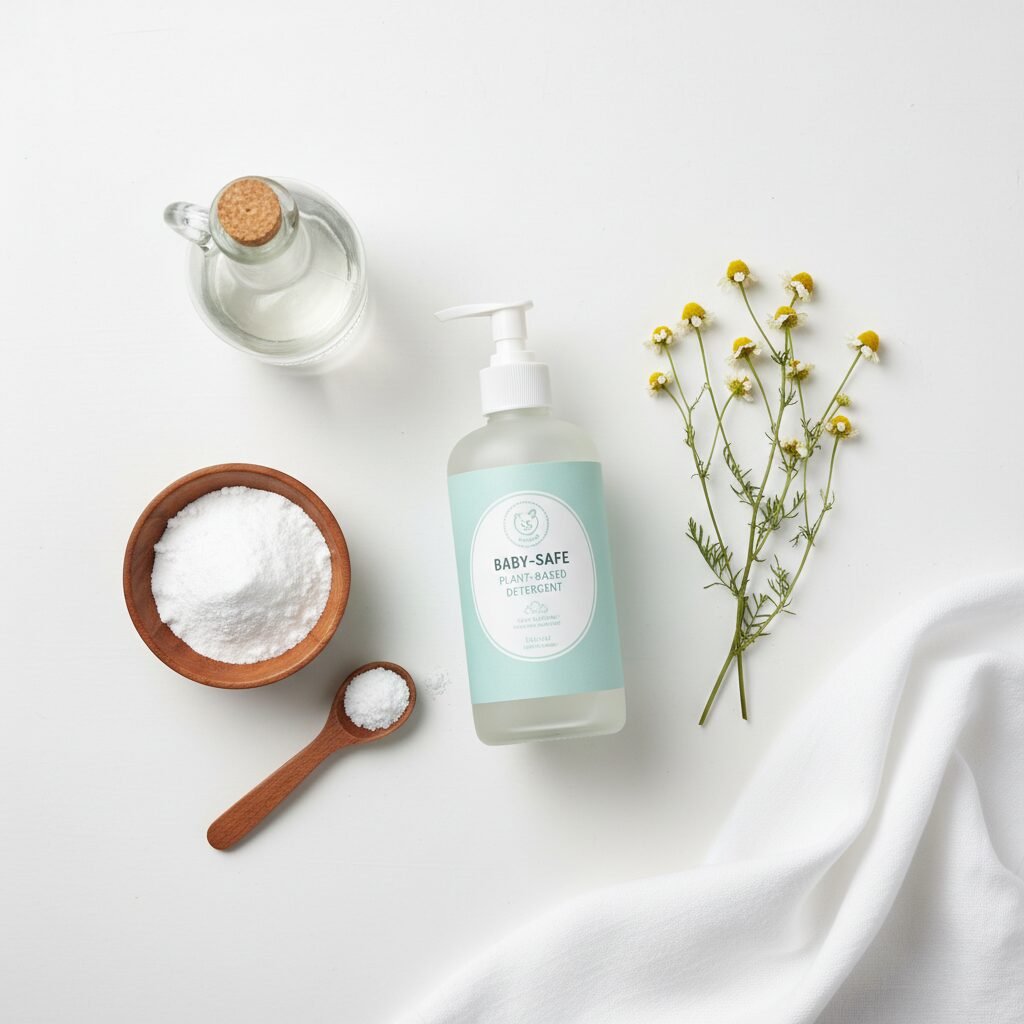
The single most important step is choosing a detergent specifically designed for babies or sensitive skin. Look for labels that say ‘fragrance-free,’ ‘dye-free,’ ‘hypoallergenic,’ and ‘plant-based.’ These formulas are designed to rinse clean, which is the key to preventing the very buildup that makes people want to strip their laundry in the first place.
2. The Gentle ‘Strip’: A Non-Toxic Deep Soak
If you feel your baby’s clothes, blankets, or cloth diapers need a reset, you can perform a safe and gentle deep soak. This is best for tackling stubborn smells or residue from previous, less-than-ideal detergents.
- Fill a basin or tub with warm (not scalding hot) water.
- Add a scoop of a baby-safe oxygen brightener (like OxiClean Baby or a similar product with sodium percarbonate) OR a half-cup of baking soda.
- Add the clothes and let them soak for 1-2 hours. You may still see some discoloration in the water, which is satisfying!
- Wring out the clothes and wash them in a normal cycle in your machine with no additional detergent. Add an extra rinse.
3. Harness the Power of Natural Boosters
Incorporate these simple, non-toxic ingredients into your regular wash routine to keep clothes fresh and buildup-free.
- Distilled White Vinegar: Add a half-cup of white vinegar to your fabric softener dispenser. Don’t worry, the smell will completely rinse out! Vinegar is a miracle worker that acts as a natural fabric softener by breaking down detergent residue and minerals.
- Baking Soda: Add a quarter-cup of baking soda directly to the wash drum with your clothes. It’s a fantastic natural deodorizer and brightener.
4. Let the Sun Do the Work
Never underestimate the power of sunshine! Sunlight is a natural disinfectant and stain remover. For stubborn organic stains (like from a diaper blowout or spit-up), wash the item and then lay it out in the direct sun while it’s still damp. You’ll be amazed at how the stains fade away. It’s nature’s bleach, and it’s completely free and safe.
Your Weekly Step-by-Step Baby Laundry Routine
Your Weekly Step-by-Step Baby Laundry Routine
Feeling overwhelmed? Let’s put it all together into a simple, repeatable routine that will keep your baby’s clothes clean, soft, and safe without any stress.
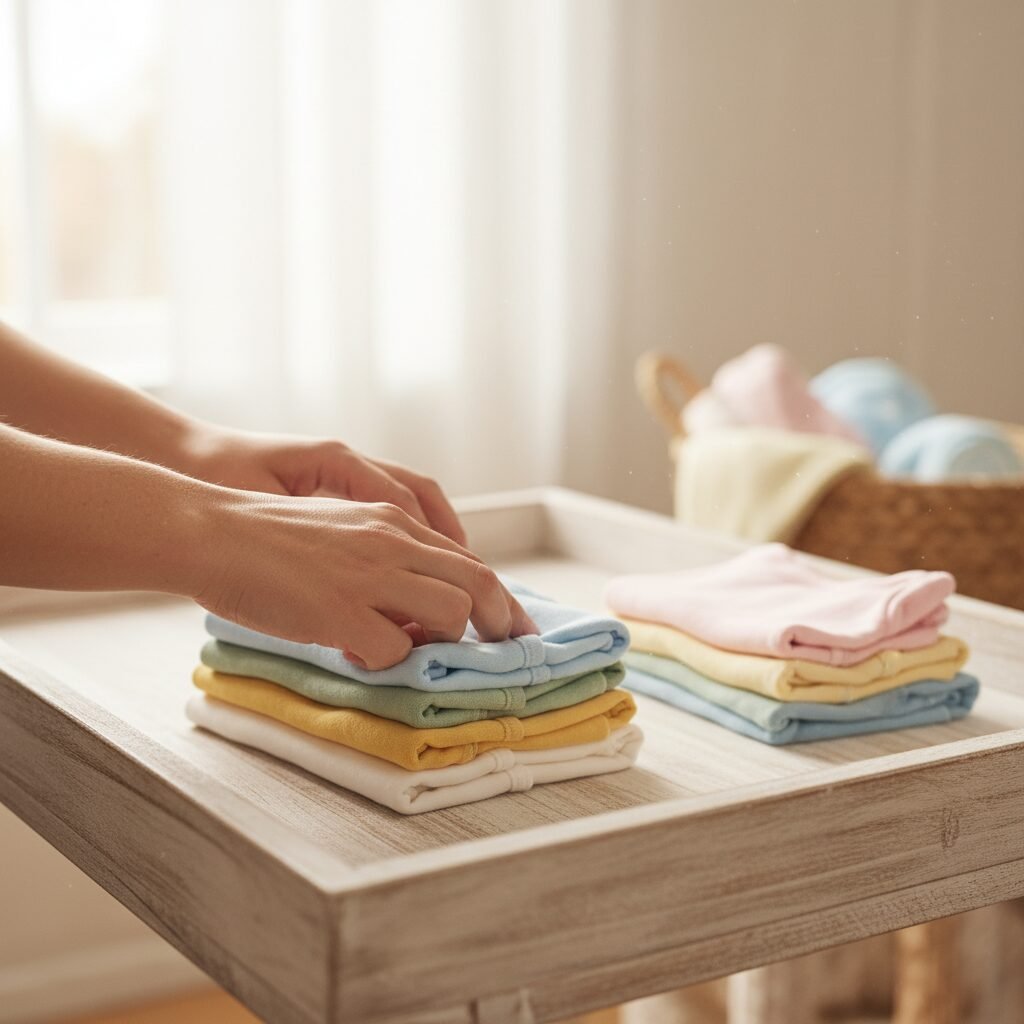
- Sort Smart: Separate baby’s clothes from the rest of the family’s laundry. This prevents the transfer of heavier soils and harsher detergents. Also separate by color as you normally would.
- Pre-Treat Stains Immediately: The infamous ‘diaper blowout’ is a rite of passage. Scrape off any solids and rinse the stain immediately with cold water. Apply a dab of your baby-safe detergent or a baby-friendly stain remover directly to the spot before tossing it in the hamper.
- Don’t Overdo the Detergent: Use the recommended amount of your chosen baby-safe detergent. Using too much is a primary cause of buildup and skin irritation. More is not better!
- Select the Right Cycle: Use a warm water setting for general cleaning and a hot water setting for heavily soiled items like cloth diapers (check fabric care labels first). Always, always select the ‘extra rinse’ option on your machine. This is crucial for ensuring all detergent is washed away.
- Boost When Needed: Add your half-cup of vinegar to the rinse cycle or a quarter-cup of baking soda to the wash drum for extra softening and deodorizing power.
- Dry Gently: Dry clothes on a low heat setting to protect the delicate fibers and any safety features. Better yet, line-dry outside whenever possible to take advantage of the sun’s natural benefits.
Frequently Asked Questions About Baby Laundry

Frequently Asked Questions About Baby Laundry
Do I really need to wash new baby clothes before my baby wears them?
Yes, absolutely. New clothes can be treated with chemicals like formaldehyde to keep them wrinkle-free during shipping. They also collect dust and are handled by many people before they get to you. A quick wash with your baby-safe detergent removes these potential irritants and ensures the first thing touching your baby’s skin is clean and soft.
Can I wash baby clothes with the rest of the family’s clothes?
For the first few months, it’s best to wash them separately. This is for two main reasons: 1) You’ll be using a special, gentle detergent for the baby that you might not use for everyone else, and 2) It prevents the transfer of germs, heavy soils, or chemicals from adult clothing. Once you know your baby doesn’t have particularly sensitive skin, you can start combining loads if you’re using a detergent that works for the whole family.
How do I handle cloth diapers? They seem to need a deep clean.
Cloth diapers do have their own specific and more intensive washing routine to ensure they are fully sanitized. However, this still does not require harsh stripping. A proper cloth diaper routine involves specific pre-washes, main washes with hot water, and a cloth-diaper-safe detergent. There are wonderful resources online dedicated solely to creating a safe and effective wash routine for cloth diapers that will protect your baby’s skin and your investment.
Conclusion
Navigating the world of baby care can feel like there’s a new worry around every corner. It’s completely normal to want to do everything in your power to create a safe and healthy environment for your little one. When it comes to laundry, remember that gentle is powerful. You don’t need harsh chemicals or extreme methods to protect your baby. By choosing a safe detergent, embracing natural boosters like vinegar and sunshine, and sticking to a simple routine, you are doing more than just cleaning clothes. You are wrapping your baby in love, care, and true, non-toxic cleanliness. Trust your instincts, lean into simplicity, and know that you are doing a wonderful job.