I Ate My Placenta: The Shocking Truth About Encapsulation Pills
As a certified Doula and Maternal Health Educator, I’ve had the privilege of supporting countless families through the incredible journey of pregnancy, birth, and postpartum. One topic that frequently sparks curiosity and discussion among new parents, and even those trying to conceive, is placenta encapsulation. The idea of consuming your placenta after birth, often in pill form, has gained significant traction, lauded by some as a ‘miracle cure’ for common postpartum challenges. It’s natural to seek every possible avenue to optimize your recovery and well-being during such a transformative time.
However, amidst the glowing testimonials and the growing trend, many questions arise: What exactly is the ‘truth’ behind these claims? Is it a scientifically backed practice, or more of a modern-day folk remedy? In this comprehensive guide, we’ll embark on an empathetic yet fact-based exploration of placenta encapsulation. We’ll delve into its history, examine the widely reported benefits, scrutinize the available scientific evidence, and critically, discuss the potential risks and safety considerations. Our goal is to empower you, dear parents, with the knowledge to make a truly informed decision that feels right for your family, ensuring your postpartum journey is as supported and healthy as possible.
Understanding Placentophagy: A Historical & Modern Perspective
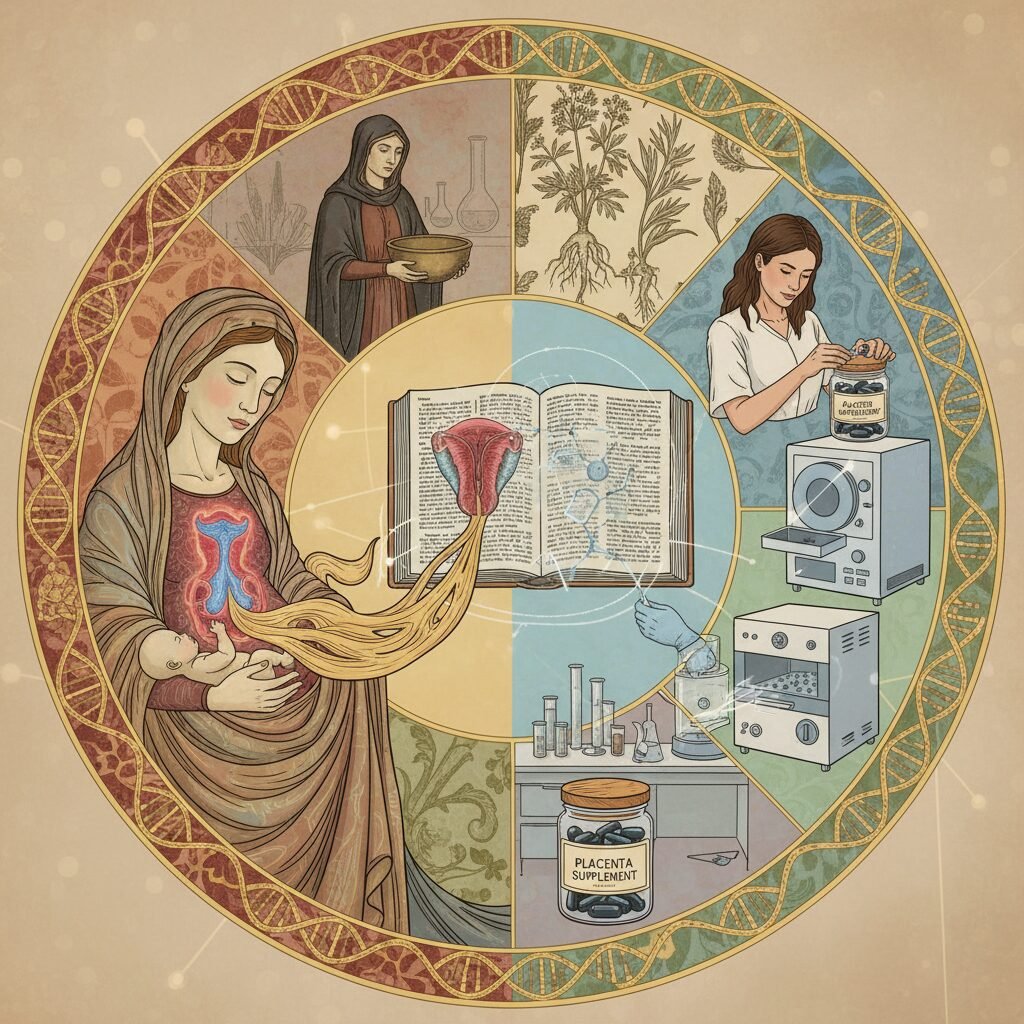
Placentophagy, the act of consuming the placenta after birth, is a practice that dates back centuries in various cultures and is widespread throughout the animal kingdom. While many mammals instinctively consume their placentas, often for nutritional reasons or to hide traces of birth from predators, human placentophagy has a more nuanced history. Some ancient traditions viewed the placenta as sacred, a ‘tree of life,’ and incorporated it into rituals rather than consumption.
The modern resurgence of human placentophagy, particularly in Western societies, largely centers around placenta encapsulation. This involves preparing the placenta after birth – typically by steaming, dehydrating, grinding, and then encapsulating it into pills – which can then be ingested by the birthing parent. Proponents suggest this method makes consumption more palatable and convenient, allowing for a steady intake of the placenta’s purported beneficial compounds. The process is often carried out by trained placenta encapsulators, who adhere to varying standards of practice, as the industry remains largely unregulated.
For many new parents, the decision to consider placenta encapsulation stems from a deep desire to mitigate the challenges of the postpartum period, from mood swings and fatigue to lactation issues. It’s a testament to the powerful instinct to nurture oneself after the immense effort of childbirth. Understanding this foundational context is crucial as we delve deeper into the claims and scientific realities of this practice.
The Allure: Exploring Reported Benefits and Anecdotal Evidence

The appeal of placenta encapsulation is deeply rooted in the numerous anecdotal reports and perceived benefits shared by those who have chosen the practice. For new parents navigating the often overwhelming demands of postpartum life, the idea of a natural remedy that could ease the transition is incredibly compelling. Many individuals who consume their encapsulated placenta report a range of positive experiences, which contribute significantly to its growing popularity.
“After my first birth, I felt so depleted and struggled with my mood. With my second, I encapsulated my placenta, and I truly felt a noticeable difference in my energy and emotional stability. It was like a gentle lift when I needed it most.” – A New Mother’s Testimony
Commonly cited benefits by proponents and those sharing their personal stories include:
- Improved Mood & Reduced Postpartum Depression Risk: Many believe that the hormones and nutrients in the placenta can help stabilize mood swings and ward off the ‘baby blues’ or more severe postpartum depression.
- Increased Energy Levels: The iron content and other nutrients are thought to combat postpartum fatigue and boost vitality.
- Decreased Postpartum Bleeding: Some report that placenta pills help the uterus contract more efficiently, leading to less and shorter duration of postpartum bleeding.
- Enhanced Lactation/Milk Supply: It’s believed that certain hormones and prolactin-boosting properties within the placenta can support and increase breast milk production.
- Hormonal Rebalance: The placenta, a powerhouse of hormones during pregnancy, is theorized to help reintroduce these hormones into the body, aiding in a smoother hormonal transition after birth.
- Replenishment of Iron Stores: Given the blood loss during birth, the placenta’s iron content is seen as a natural way to prevent or treat postpartum anemia.
These powerful personal accounts often resonate deeply with expectant and new parents, offering hope for a smoother, more energized postpartum recovery. It’s important to acknowledge that these experiences are valid and deeply personal. However, as we move forward, we must also consider how these anecdotal claims stand up to rigorous scientific investigation.
The Scientific Scrutiny: What Research Says About Placenta Pills

This is where the ‘shocking truth’ often emerges for many. While anecdotal reports of positive experiences are plentiful and deeply personal, the scientific community has largely found a significant gap between these claims and verifiable clinical evidence. The scientific scrutiny of placenta encapsulation has yielded results that often contradict the popular narrative, urging caution and a deeper look at the facts.
Current research, though still somewhat limited due to ethical challenges in conducting large-scale placebo-controlled studies on human placentophagy, has struggled to substantiate the majority of the purported benefits. Here’s a summary of what science currently tells us:
- Hormone Levels: Studies examining hormone levels in encapsulated placenta pills have found very low concentrations of key hormones like estrogen, progesterone, and oxytocin. These levels are often so low that they are unlikely to have any significant physiological effect when ingested, especially when compared to the vast hormonal shifts occurring naturally postpartum.
- Iron Levels: While the placenta does contain iron, studies investigating iron levels in parents consuming encapsulated placenta have shown only minimal, if any, clinically significant increase in iron stores. Dietary iron supplementation or specific iron-rich foods are far more effective for preventing or treating postpartum anemia.
- Mood and Postpartum Depression: Perhaps the most significant claim, the ability to prevent or alleviate postpartum depression, has not been supported by scientific evidence. Several studies, including randomized controlled trials, have found no significant difference in mood, energy, or postpartum depression symptoms between those who consumed encapsulated placenta and those who consumed a placebo. The positive effects reported by some are often attributed to the powerful placebo effect, which is a real and valid experience but not a direct physiological action of the pills.
- Lactation and Pain: Similarly, research has not demonstrated any statistically significant improvement in milk supply or reduction in postpartum pain among those who consume encapsulated placenta compared to control groups.
The limitations of existing research are important to acknowledge. Many studies are small, and the variability in placenta preparation methods makes standardization difficult. However, the consistent theme across multiple investigations is a lack of robust evidence to support the efficacy of placenta encapsulation beyond a placebo effect.
| Claimed Benefit of Placenta Encapsulation | Current Scientific Findings |
|---|---|
| Improved Mood & Reduced Postpartum Depression | Limited to no evidence; studies often show no significant difference from placebo. |
| Increased Energy Levels | No consistent scientific evidence to support this claim. |
| Decreased Postpartum Bleeding | Insufficient evidence to confirm or deny; some studies show no significant impact. |
| Enhanced Lactation/Milk Supply | No clinical evidence to support improved milk production. |
| Hormonal Rebalance | Studies show very low levels of hormones (estrogen, progesterone, oxytocin) remain after processing, likely insufficient for therapeutic effect. |
| Replenishment of Iron Stores | Some studies show minimal increase in iron, often not clinically significant. |
It’s crucial for new parents to understand that while personal experiences are valid, the scientific consensus currently points to a lack of clinical benefit, challenging the notion of placenta pills as a powerful postpartum remedy. This doesn’t invalidate individual feelings but helps ground expectations in evidence.
Potential Risks and Safety Concerns: What You Need to Know

Beyond the lack of proven benefits, perhaps the most critical aspect of the ‘shocking truth’ lies in the very real and significant safety concerns associated with placenta encapsulation. Unlike regulated pharmaceuticals or supplements, the placenta encapsulation industry is largely unregulated, meaning there are no standardized safety protocols, quality controls, or oversight bodies ensuring the safety of the final product.
The placenta is an organ that filters waste and can accumulate toxins, heavy metals, and pathogens during pregnancy. Improper handling, storage, or processing of the placenta can introduce serious health risks:
- Bacterial Contamination: This is arguably the most significant risk. If the placenta is not handled, stored, and processed under strict sterile conditions, it can become contaminated with bacteria. A notable case involved a newborn who developed a severe Group B Streptococcus (GBS) infection after the birthing parent consumed GBS-infected encapsulated placenta pills. The Centers for Disease Control and Prevention (CDC) has issued warnings against placenta encapsulation due to this risk, highlighting that the processing methods (steaming to only 135°F/57°C) may not be sufficient to eliminate all infectious pathogens.
- Heavy Metals and Toxins: As a filter organ, the placenta can accumulate environmental toxins, pollutants, and heavy metals. Encapsulating and consuming these could potentially reintroduce harmful substances into the birthing parent’s body.
- Unknown Pathogens: Beyond common bacteria, there’s a risk of transmitting other unknown pathogens or viruses that might be present in the placenta.
- Lack of Regulation and Training: The variability in the training and practices of placenta encapsulators means there’s no guarantee of consistent hygiene or safe processing. Some may use food-grade standards, others medical-grade, and some may have inadequate training in bloodborne pathogen safety or food safety.
- Hormonal Imbalance (Paradoxical Effect): While some seek encapsulation for hormonal balance, the introduction of unmeasured and inconsistent levels of hormones (even if low) could theoretically interfere with the body’s natural postpartum hormonal adjustments, though this is less studied.
For new parents, especially those who are breastfeeding, the risk of transmitting infections or harmful substances to the baby through breast milk is a serious consideration. It’s vital to prioritize safety and understand that the desire for a natural remedy should not overshadow potential health risks that lack scientific mitigation.
Making an Informed Choice: Guidelines and Considerations

Navigating the decision about placenta encapsulation can feel complex, especially when balancing personal desires, anecdotal stories, and scientific evidence. As your Doula and Maternal Health Educator, my role is to empower you with information, not to dictate your choices. Here are some guidelines and considerations to help you make an informed decision that aligns with your values and health priorities:
- Consult Your Healthcare Provider: Before making any decisions, have an open and honest conversation with your obstetrician, midwife, or primary care provider. Discuss your interest in placenta encapsulation, any health concerns you have, and ask for their medical advice based on your individual health history. They can provide guidance on potential interactions or contraindications.
- Prioritize Safety Above All: If you are considering encapsulation, inquire rigorously about the encapsulator’s practices. Ask about their training, certification, and, most importantly, their sanitation protocols. Do they adhere to OSHA bloodborne pathogen standards? What are their cleaning and disinfection procedures? How is the placenta transported and stored to prevent contamination? A reputable encapsulator should be transparent and able to answer all your questions thoroughly.
- Understand the Lack of Regulation: Be aware that the industry is largely unregulated. This means you are relying on the individual encapsulator’s commitment to safety and hygiene. There is no overarching body ensuring quality control or product consistency.
- Explore Evidence-Based Alternatives for Postpartum Support: If your primary motivation for considering placenta encapsulation is to boost mood, energy, or milk supply, know that there are many evidence-based strategies that offer proven benefits:
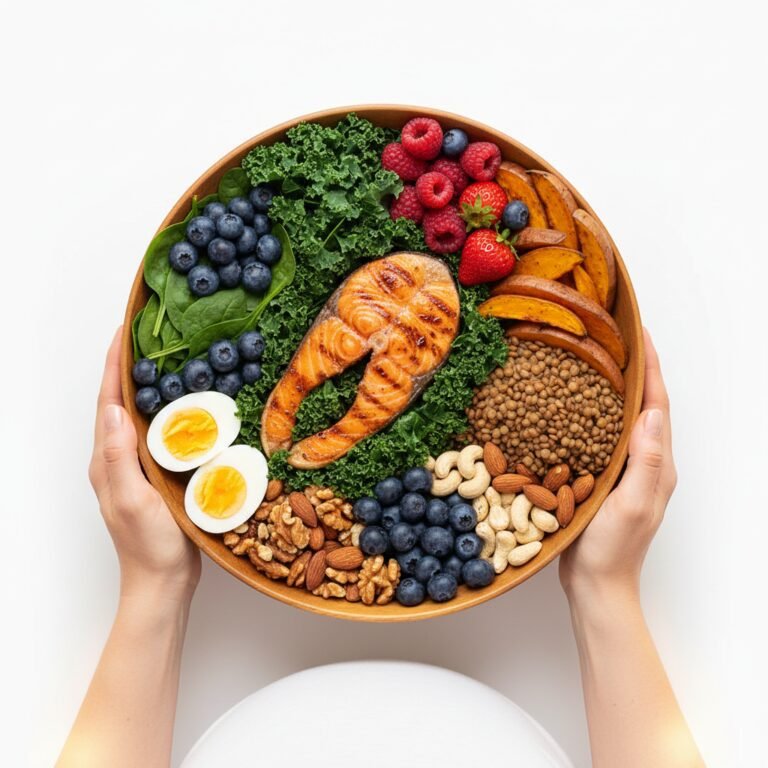
- Nutritional Support: Focus on a nutrient-dense diet rich in iron, protein, and healthy fats.
- Rest and Sleep: Prioritize rest whenever possible, even if it means delegating tasks or accepting help.
- Support Systems: Lean on your partner, family, friends, and postpartum doulas for practical and emotional support.
- Mental Health Resources: If you experience persistent ‘baby blues’ or symptoms of postpartum depression/anxiety, seek professional help from a therapist or counselor. Early intervention is key.
- Lactation Consultants: For breastfeeding challenges, a certified lactation consultant can provide invaluable, evidence-based support.
- Gentle Exercise: Once cleared by your provider, gentle movement can significantly improve mood and energy.
- Listen to Your Intuition: Ultimately, this is your body and your postpartum journey. Gather all the facts, consider the risks and benefits, consult with trusted professionals, and then listen to your own intuition. What feels truly safe, supportive, and beneficial for you?
Making an informed choice means weighing all these factors thoughtfully, ensuring that whatever path you choose, it contributes positively and safely to your well-being during this precious time.
Conclusion
The postpartum period is a profound journey, filled with immense joy, unexpected challenges, and a deep desire to nurture both yourself and your newborn. The curiosity around practices like placenta encapsulation is a testament to every parent’s innate drive to optimize their well-being during this transformative time. As we’ve explored the ‘shocking truth’ behind placenta encapsulation pills, it becomes clear that while anecdotal experiences are powerful and deeply personal, the scientific evidence for their efficacy is largely lacking, and significant, well-documented safety concerns exist.
It is my sincere hope that this empathetic, fact-based exploration has provided you with the clarity and understanding needed to navigate this decision. You deserve to feel supported, informed, and empowered in your postpartum journey. Whether you choose to encapsulate your placenta or opt for other evidence-based strategies, remember that open communication with your healthcare provider, a strong support system, and prioritizing your physical and mental health are paramount.
There are countless proven ways to support a healthy and fulfilling postpartum recovery – from nutritional care and adequate rest to professional mental health support and strong community connections. Embrace the options that resonate with you, knowing that your well-being is the foundation for your family’s health and happiness.
Disclaimer: The information provided in this article is for general informational purposes only and does not constitute medical advice. It is not intended to be a substitute for professional medical advice, diagnosis, or treatment. Always seek the advice of your physician or other qualified health provider with any questions you may have regarding a medical condition. Never disregard professional medical advice or delay in seeking it because of something you have read in this article.