

How to Stop a Pregnancy Migraine Instantly (Natural Remedies That Work)
That familiar, throbbing pain begins at your temple. The light from the window feels like a spotlight, and the gentle hum of the refrigerator sounds like a jet engine. A migraine is debilitating on any day, but when you’re pregnant, it carries an extra layer of worry and frustration. Your usual go-to medications are likely off-limits, and your primary concern is the well-being of the little one you’re growing. Please, hear this first: you are not alone, and your pain is valid. Many expectant parents experience migraines, sometimes for the first time, due to the incredible hormonal shifts happening in the body. The good news is that relief is possible. This guide is here to walk you through safe, natural, and effective strategies to manage pregnancy migraines, offering both instant relief techniques and proactive prevention plans. We’ll approach this with empathy and evidence, helping you feel empowered to care for yourself during this precious time.
Understanding Pregnancy Migraines: Why Are These Happening?
Understanding Pregnancy Migraines: Why Are These Happening?
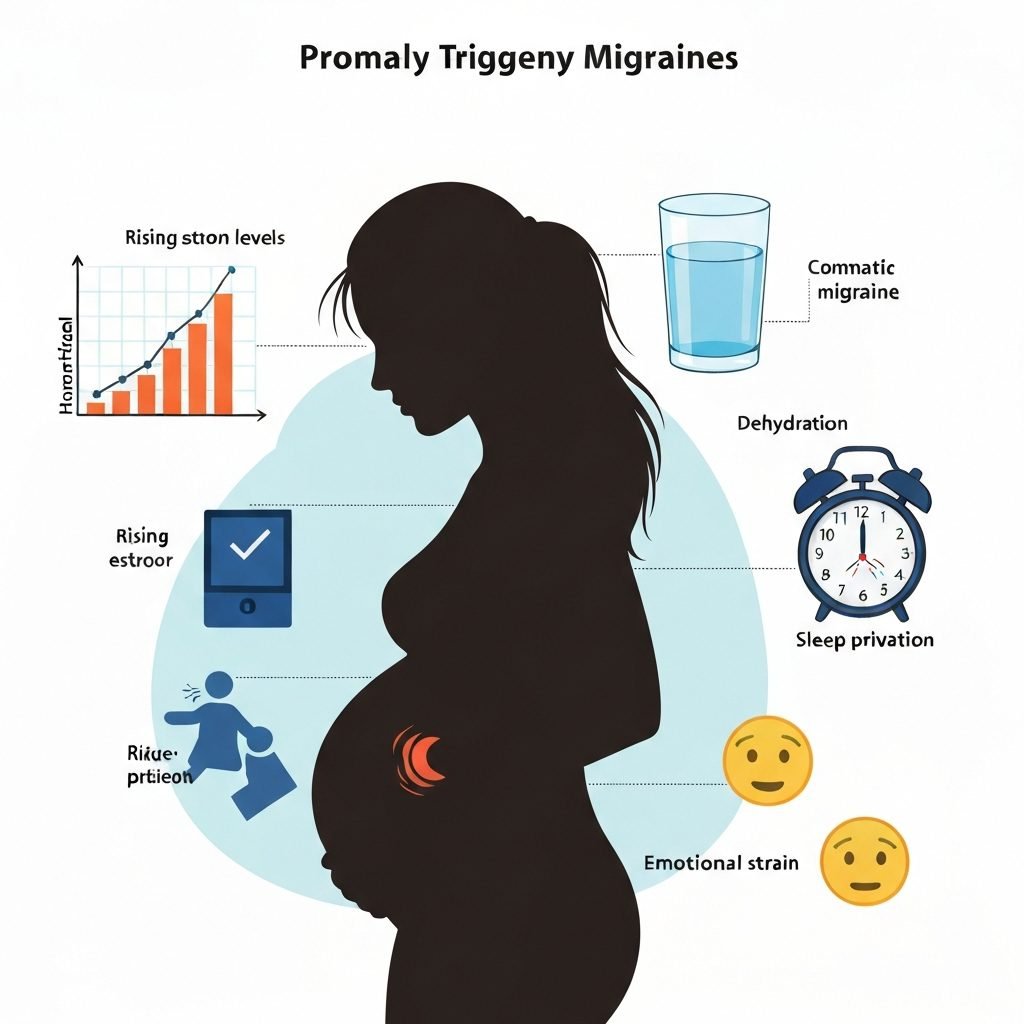
Before we dive into solutions, it helps to understand the ‘why.’ Knowledge is power, and identifying your triggers is the first step toward prevention. During pregnancy, your body is a whirlwind of hormonal activity, which is the primary culprit behind new or worsening migraines.
The Hormone Connection
The main hormone at play is estrogen. In the first trimester, estrogen levels skyrocket, which can trigger more frequent or intense migraines. For many, there’s a welcome reprieve in the second and third trimesters as estrogen levels stabilize at a high level. However, for others, the headaches can persist. It’s a highly individual experience.
Common Migraine Triggers During Pregnancy
Beyond hormones, pregnancy introduces a unique set of potential triggers. Being aware of them can help you connect the dots and find patterns:
- Dehydration: Your body needs significantly more water during pregnancy to support increased blood volume and amniotic fluid. It’s incredibly easy to become dehydrated, which is a major headache trigger.
- Blood Sugar Swings: Skipping meals or not eating frequently enough can cause your blood sugar to dip, leading to a migraine.
- Lack of Sleep: Insomnia, discomfort, and frequent bathroom trips can disrupt sleep, another classic migraine trigger.
- Stress and Tension: The emotional and physical stress of pregnancy, coupled with tension in the neck and shoulders from carrying extra weight, can easily set off a headache.
- Caffeine Withdrawal: If you’ve recently cut back on your daily coffee, your body might protest with withdrawal headaches.
- Sensory Overload: Heightened senses during pregnancy can make you more sensitive to bright lights, strong smells, and loud noises.
Is It a Migraine or Just a Headache?
It’s important to distinguish between a typical tension headache and a migraine. While both are unwelcome, a migraine has a more distinct set of symptoms. Use this table to see the difference:
| Symptom | Tension Headache | Migraine |
|---|---|---|
| Pain Type | Dull, aching, like a tight band around the head. | Intense, throbbing, or pulsing, often on one side of the head. |
| Intensity | Mild to moderate. | Moderate to severe, often debilitating. |
| Accompanying Symptoms | Usually none. Maybe some neck or shoulder tension. | Nausea, vomiting, extreme sensitivity to light (photophobia) and sound (phonophobia). |
| Aura | No. | Sometimes preceded by an ‘aura’—visual disturbances like flashing lights, blind spots, or tingling sensations. |
“Recognizing your specific symptoms is the first step. A migraine is more than just a bad headache; it’s a complex neurological event. Understanding this helps you and your provider find the most effective and safest treatment plan for you and your baby.”
Instant & Natural Relief Strategies You Can Try Now

Instant & Natural Relief Strategies You Can Try Now
When a migraine strikes, you want relief, and you want it fast. The following strategies are safe to try during pregnancy and can provide immediate comfort without medication. The key is to act at the very first sign of an attack.
Retreat into Darkness and Quiet
This is the most crucial first step. At the first twinge of pain, find a dark, quiet room where you can lie down. Sensory input—light and sound—is fuel for a migraine. Close the curtains, turn off your phone, and ask for help with other children if possible. Give yourself permission to completely check out. Even 15-20 minutes in a peaceful environment can significantly reduce the severity of the attack.
The Power of Temperature Therapy
Temperature can be a powerful tool. Most people find relief from cold, which can help constrict blood vessels and numb the area.
- Cold Compress: Apply a cold pack, gel pack, or even a bag of frozen peas wrapped in a towel to your forehead, temples, or the back of your neck.
- Cool Shower: A cool or lukewarm shower can be soothing and help lower your overall body temperature.
- Warmth for Tension: If you feel your migraine is related to neck tension, a warm compress or a warm shower directed at your neck and shoulders can help relax the muscles.
Mindful Hydration and a Magnesium Boost
Don’t underestimate the basics. Dehydration can both trigger and worsen a migraine.
- Sip Cold Water: Keep a large, insulated water bottle with you at all times. Sipping ice-cold water at the onset of a headache can help.
- Electrolyte Drinks: Sometimes water isn’t enough. A low-sugar electrolyte drink can help rehydrate you more effectively.
- Magnesium-Rich Snack: Magnesium is a mineral known to help prevent and treat migraines. Low levels are common in pregnancy. Try a small, gentle snack rich in magnesium, like a handful of almonds, a banana, or some pumpkin seeds.
Gentle Physical Techniques
Sometimes, gentle pressure and movement can provide surprising relief.
- Acupressure: Locate the fleshy area between your thumb and index finger (the LI4 point). Apply firm, circular pressure with the thumb of your opposite hand for about a minute. This is a well-known point for headache relief. (Note: While generally considered safe, some practitioners advise caution with this point late in pregnancy. If you have concerns, speak with your provider).
- Gentle Neck Stretches: Slowly tilt your head from side to side (ear to shoulder) and then gently nod forward and back. Avoid any movements that cause sharp pain.
- Self-Massage: Use your fingertips to apply gentle, firm pressure to your temples, scalp, and the back of your neck.
Creating a Proactive Migraine Prevention Plan

Creating a Proactive Migraine Prevention Plan
The best way to treat a pregnancy migraine is to prevent it from starting in the first place. This requires a bit of detective work and a commitment to consistency, but the payoff—fewer migraine days—is more than worth it. Think of this as an act of self-care for both you and your baby.
Become a Migraine Detective: Keep a Diary
A headache diary is your single most powerful prevention tool. By tracking your days, you can start to see patterns and identify your personal triggers. It doesn’t have to be complicated. Use a notebook or a simple app to track the following each day, especially on days you get a migraine.
| Category to Track | Example Notes | Why It’s Important |
|---|---|---|
| Date & Time | Mon, 10 AM – 4 PM | Helps identify time-of-day or day-of-week patterns. |
| Pain Level (1-10) | Started at a 4, peaked at an 8. | Tracks severity and response to treatment. |
| Food & Drink | Skipped breakfast. Drank coffee. Had cheese for lunch. | Identifies potential food triggers (e.g., aged cheese, processed meats). |
| Sleep Quality | Woke up 4 times. Only got 5 hours total. | Connects poor sleep to migraine onset. |
| Stress Level | High – deadline at work. Argued with partner. | Shows the direct impact of emotional stress. |
| Weather | Stormy, high humidity. | Many people are sensitive to barometric pressure changes. |
Prioritize Radical Consistency
The migraine brain loves routine. It thrives on stability. During pregnancy, when so much is changing, creating consistency where you can is key.
- Consistent Sleep: Aim for 7-9 hours of quality sleep per night. Go to bed and wake up around the same time every day, even on weekends.
- Consistent Meals: Eat small, frequent meals throughout the day to keep your blood sugar stable. Never skip a meal. Pack healthy, protein-rich snacks like nuts, yogurt, or hard-boiled eggs.
- Consistent Hydration: Don’t wait until you’re thirsty. Sip water consistently all day long. Carry a large water bottle with you everywhere as a visual reminder.
Manage Stress Mindfully
Stress is an unavoidable part of life, but how you manage it can make all the difference. Find what works for you.
- Deep Breathing: When you feel overwhelmed, take five deep, slow breaths. Inhale through your nose for four counts, hold for four, and exhale through your mouth for six. This simple act can calm your nervous system.
- Prenatal Yoga or Stretching: Gentle movement can release tension in the neck, shoulders, and back where migraines often begin.
- Meditation Apps: Even five minutes of a guided meditation can help center you and reduce stress hormones.
When to Call Your Doctor: Navigating Safe Medical Options

When to Call Your Doctor: Navigating Safe Medical Options
While natural remedies are a wonderful first line of defense, it is absolutely essential to keep an open line of communication with your healthcare provider (your OB-GYN, family doctor, or midwife). There is no prize for suffering in silence. Seeking medical help is a sign of responsible self-care.
Red Flag Symptoms: When to Seek Immediate Care
Sometimes, a severe headache can be a sign of a more serious pregnancy complication, like preeclampsia. Call your doctor or midwife immediately or go to the emergency room if you experience a headache along with any of the following symptoms:
- A sudden, explosive, or ‘thunderclap’ headache.
- A headache that is significantly worse than any you’ve ever had.
- Vision changes like blurring, seeing spots, or loss of vision.
- Swelling in your hands, feet, or face (edema).
- Pain in your upper right abdomen.
- Fever, stiff neck, or confusion.
These can be signs of a serious condition and should never be ignored. It’s always better to be safe and get checked out.
Talking to Your Provider About Your Migraines
If your migraines are frequent or severe and not responding to natural remedies, it’s time to have a dedicated conversation with your provider. Don’t just mention it in passing at the end of an appointment. Schedule a visit specifically to discuss your headaches. To make the most of your visit, come prepared:
- Bring Your Migraine Diary: This provides invaluable data for your doctor to see patterns and triggers.
- Describe Your Symptoms in Detail: Explain where it hurts, what the pain feels like (throbbing, stabbing), and any other symptoms you experience (nausea, aura, etc.).
- Discuss What You’ve Tried: Tell them which natural remedies have helped, even a little, and which haven’t.
Pregnancy-Safe Medication: What Are the Options?
It is critical that you NEVER take any medication—over-the-counter or prescription—without first clearing it with your healthcare provider. What was safe before pregnancy may not be safe now.
- Generally Considered Safe (with approval): Acetaminophen (Tylenol) is often the first medication recommended for pain during pregnancy. However, you should still ask your doctor about the appropriate dosage and frequency.
- Use with Caution or Avoid: Nonsteroidal anti-inflammatory drugs (NSAIDs) like Ibuprofen (Advil, Motrin) and Naproxen (Aleve) are typically advised against, especially in the third trimester, as they can affect the baby’s heart.
- Prescription Options: In cases of severe, debilitating migraines, your doctor may discuss other prescription options, such as certain beta-blockers or other medications, weighing the potential benefits against any risks. This is a highly individualized decision.
Remember, advocating for your health is part of being a parent. You deserve to feel well. Partnering with your healthcare provider is the best way to ensure a safe and effective treatment plan for your pregnancy migraines.
Conclusion
Navigating migraines during pregnancy can feel isolating and overwhelming, but you have a wealth of safe and effective tools at your disposal. From the immediate relief of a cold compress in a dark room to the long-term benefits of a consistent prevention plan, you have the power to regain control. Remember the key pillars we’ve discussed: understanding your unique triggers, acting quickly with natural remedies, proactively building routines that support your well-being, and most importantly, maintaining an open and honest partnership with your healthcare provider. Listening to your body and advocating for your needs is not just good for you; it’s one of the first and most important acts of love for your baby. You are strong, you are capable, and you deserve to experience the joy of pregnancy with as much comfort and peace as possible.
Medical Disclaimer
The information provided in this article is for educational and informational purposes only and is not intended as medical advice. It is not a substitute for professional medical advice, diagnosis, or treatment. Always seek the advice of your physician or other qualified health provider with any questions you may have regarding a medical condition. Never disregard professional medical advice or delay in seeking it because of something you have read in this article.