
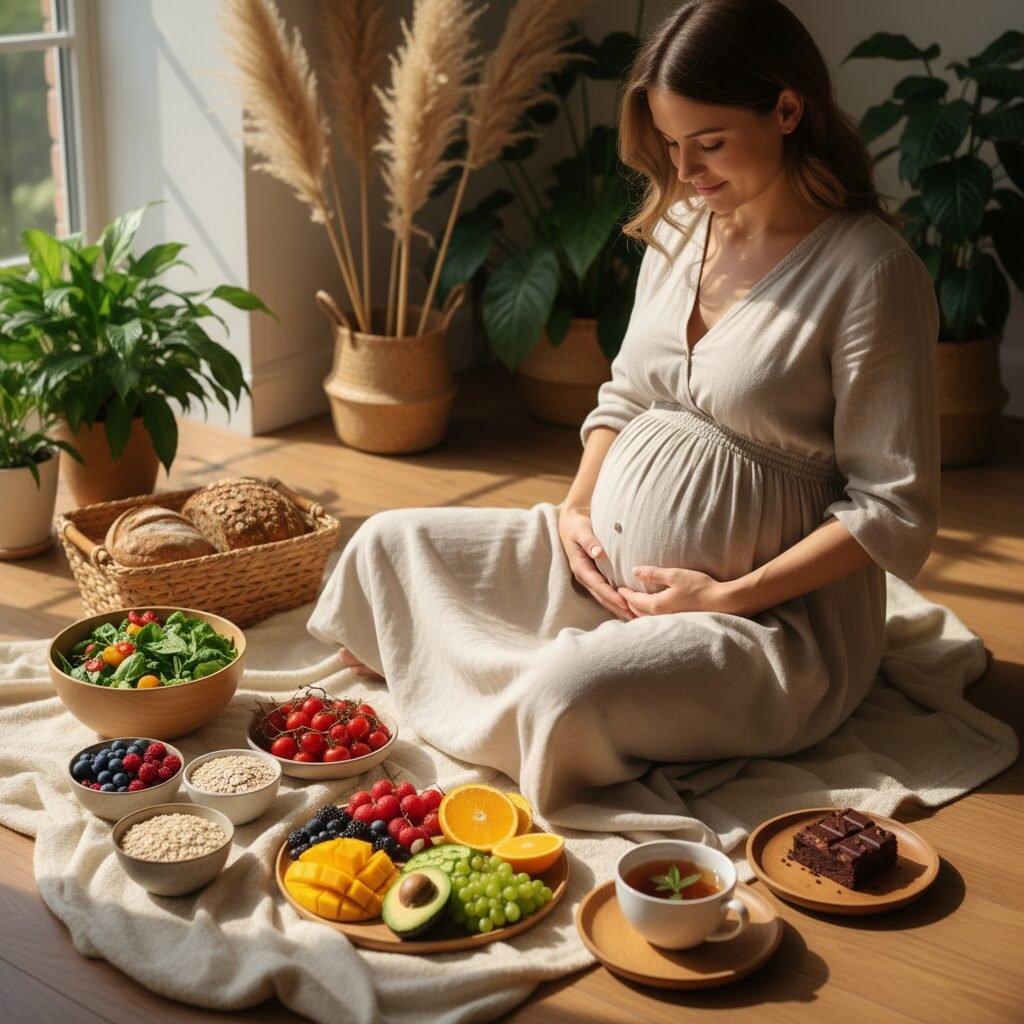
How to Practice Intuitive Eating When Pregnancy Cravings Take Over
Pregnancy is a miraculous journey, a time of profound transformation for your body, mind, and spirit. With these changes often come shifts in appetite, energy levels, and, for many, intense and sometimes perplexing cravings. From the sudden urge for pickles and ice cream to an insatiable desire for specific textures or flavors, pregnancy cravings can feel like a powerful force, often challenging our usual eating habits and sometimes even stirring feelings of guilt or confusion.
As a Doula and Maternal Health Educator, I understand these experiences deeply. It’s common for expectant parents to feel torn between nourishing their growing baby optimally and honoring their own body’s sometimes unpredictable signals. This is where intuitive eating offers a gentle, empowering framework. Rather than battling your cravings with strict rules, intuitive eating invites you to listen to your body’s wisdom, respond to its needs with compassion, and cultivate a truly nourishing relationship with food during this special time. This article will guide you through adapting intuitive eating principles to embrace your pregnancy journey, cravings and all, with confidence and self-kindness.
Understanding Intuitive Eating in Pregnancy: A Gentle Approach
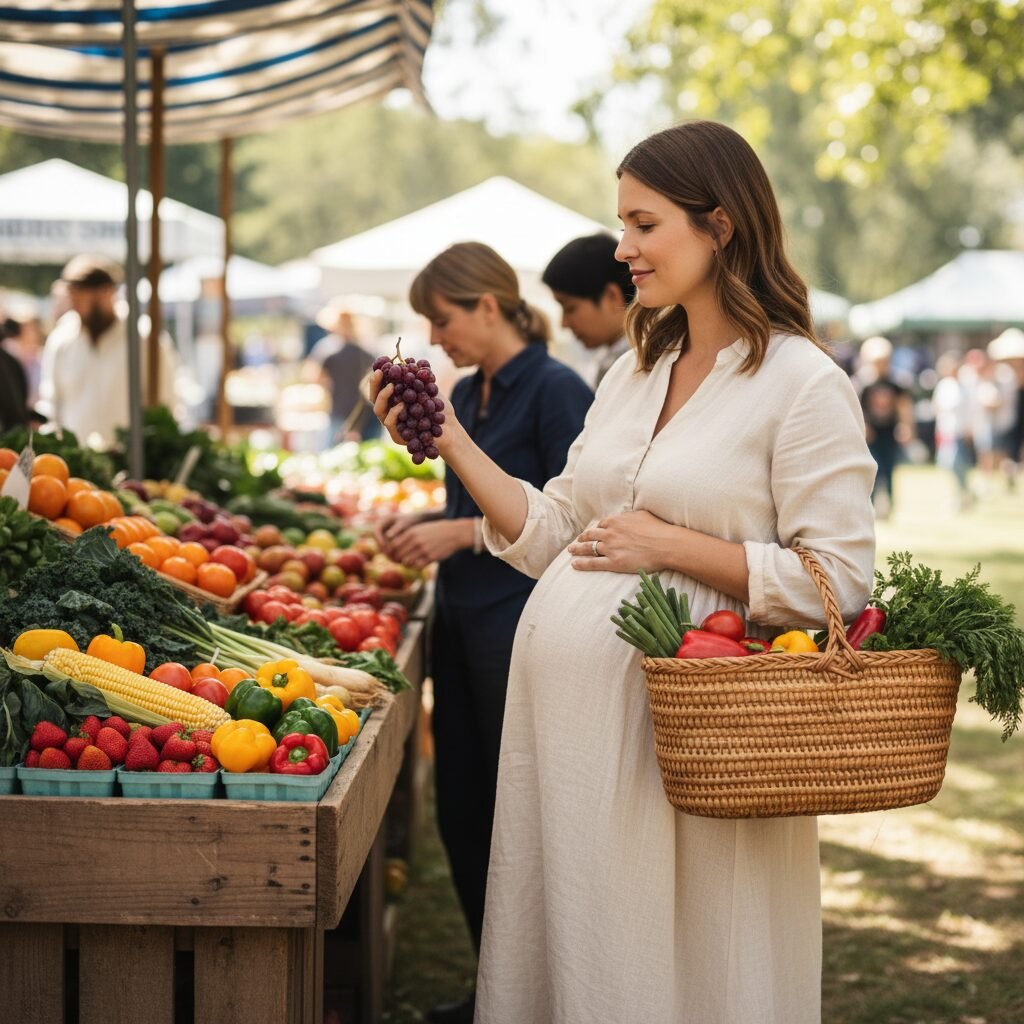
Intuitive eating is a philosophy that encourages you to tune into your body’s natural hunger, fullness, and satisfaction cues, rather than relying on external rules or diet culture. During pregnancy, these cues can feel amplified or even confusing. However, the core principles remain incredibly relevant and beneficial:
- Reject the Diet Mentality: Pregnancy is not the time for restrictive diets. Focus on nourishment, not deprivation.
- Honor Your Hunger: Recognize and respond to early signs of hunger. Your baby needs consistent fuel!
- Make Peace with Food: Give yourself unconditional permission to eat. Food is not ‘good’ or ‘bad.’
- Challenge the Food Police: Silence the internal voices that judge your food choices.
- Feel Your Fullness: Pay attention to signals of comfortable fullness, which might shift with your growing uterus.
- Discover the Satisfaction Factor: Eat foods that truly satisfy you, not just fill you up.
- Cope with Your Emotions with Kindness: Explore emotional triggers for eating without judgment.
- Respect Your Body: Appreciate your body for its incredible ability to create and nurture life.
- Movement – Feel the Difference: Engage in gentle movement that feels good for your pregnant body.
- Honor Your Health with Gentle Nutrition: Make food choices that support your health and your baby’s development, without striving for perfection.
These principles provide a flexible roadmap, allowing you to adapt to the dynamic needs of your pregnant body while fostering a positive relationship with food.
Decoding Your Cravings: More Than Just a Whim
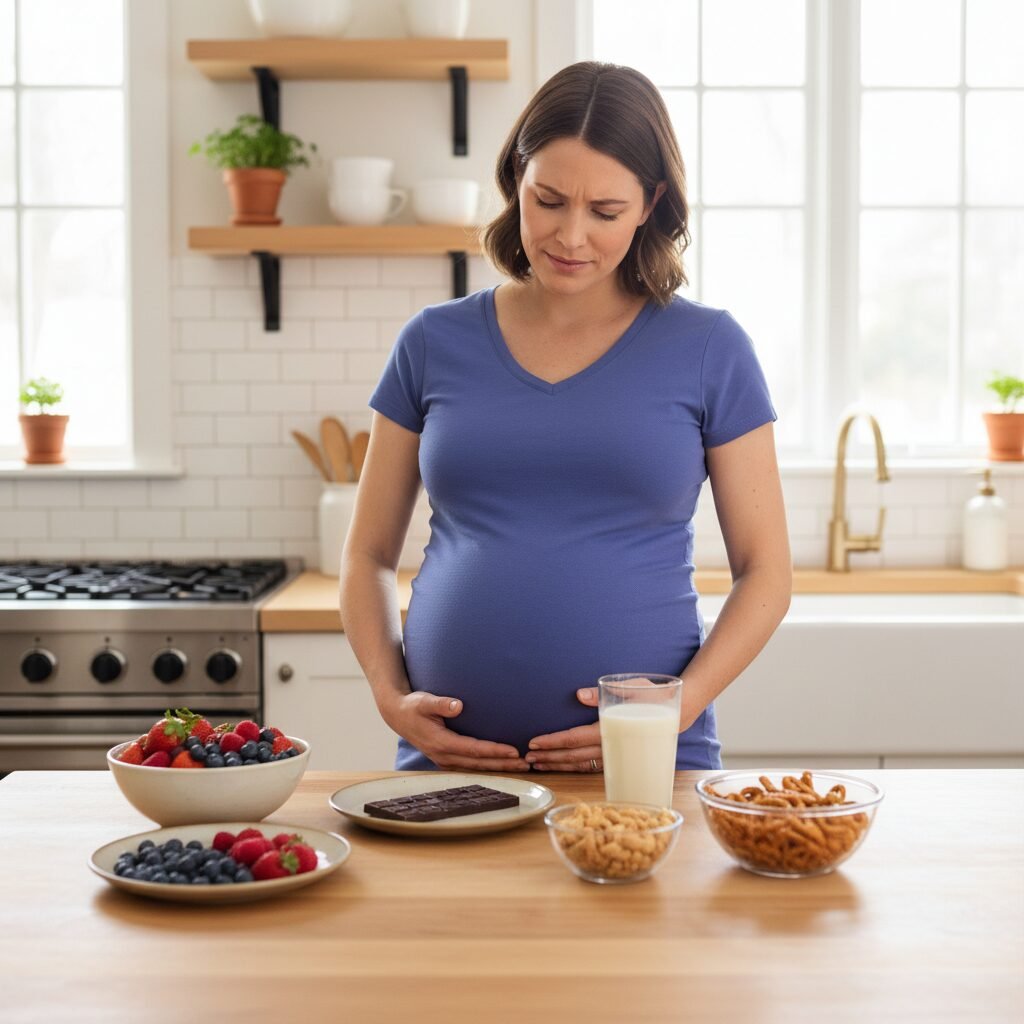
Pregnancy cravings are famously unpredictable and can range from the seemingly bizarre to intensely specific. Instead of viewing them as a weakness, consider them messages from your body. These messages can stem from various sources:
- Physiological Needs: Sometimes, cravings can hint at a need for certain nutrients. For instance, a craving for red meat might signal a need for iron, or an intense desire for fruit could be your body asking for vitamins.
- Hormonal Shifts: The dramatic fluctuation of hormones like estrogen and progesterone can significantly impact taste, smell, and appetite, leading to new preferences or aversions.
- Emotional Comfort: Food often serves as a source of comfort, especially during times of stress, anxiety, or emotional intensity. Pregnancy brings a cascade of emotions, and familiar comfort foods can provide a sense of security.
- Sensory Satisfaction: Sometimes, it’s less about a specific food and more about a particular texture (crunchy, creamy) or temperature (cold, warm).
- Cultural or Learned Associations: Foods we grew up with or associate with positive memories can become powerful cravings during emotionally charged times like pregnancy.
Understanding the potential roots of your cravings can help you respond more mindfully. Here’s a brief look at common cravings and their possible interpretations:
| Craving Type | Potential Physical Need | Potential Emotional/Sensory Need |
|---|---|---|
| Sweet (chocolate, ice cream, cake) | Quick energy, blood sugar regulation (short-term) | Comfort, reward, stress relief, joy, nostalgia |
| Salty (chips, pickles, savory snacks) | Electrolyte balance, hydration (especially if experiencing nausea/vomiting) | Stress relief, sensory satisfaction (crunch), familiarity |
| Sour (lemons, vinegar, tart fruits) | Vitamin C, digestive aid, relief from nausea | Novelty, feeling in control, awakening taste buds |
| Spicy (hot sauce, chili) | Increased metabolism, sensory stimulation | Excitement, warmth, distraction from nausea |
| Earthy (dirt, ice, clay – Pica) | Iron deficiency (Pica), mineral deficiency | Stress, anxiety (Pica – consult your doctor immediately if experiencing Pica) |
Remember, this table offers general interpretations. Always consult your healthcare provider for any concerns about nutritional deficiencies, especially if experiencing non-food cravings (Pica).
Honoring Your Hunger and Fullness: A Pregnant Woman’s Guide

The symphony of hunger and fullness cues can feel entirely different when you’re pregnant. Early pregnancy nausea might make hunger feel like a sudden, urgent need to eat anything to settle your stomach. Later, your growing uterus can put pressure on your stomach, leading to earlier fullness or the need for smaller, more frequent meals. Here’s how to tune in:
Recognizing Hunger Cues:
- Early Hunger: This might be a gentle rumble, a slight dip in energy, or a subtle thought about food. In pregnancy, ignoring these can quickly escalate to nausea or intense cravings.
- Moderate Hunger: A more noticeable stomach growl, slight lightheadedness, or increased focus on food. This is the ideal time to eat.
- Extreme Hunger: Feeling ravenous, shaky, irritable (‘hangry’), or experiencing strong nausea. This often leads to overeating or less mindful choices. Try to avoid this stage by eating regularly.
Feeling Fullness Cues:
- Gentle Fullness: A feeling of comfortable satisfaction, no longer hungry, but not stuffed. This might be a new sensation with a baby taking up space.
- Stuffed/Uncomfortably Full: A feeling of heaviness, discomfort, or even nausea. This is a sign you’ve eaten past your body’s needs.
Practical Tips for Pregnancy:
- Eat Regularly: Aim for smaller, more frequent meals and snacks to keep blood sugar stable and prevent extreme hunger, which can exacerbate nausea.
- Keep Snacks Handy: Always have nourishing snacks accessible – nuts, fruit, yogurt, whole-grain crackers.
- Hydrate: Sometimes thirst can be mistaken for hunger. Drink water throughout the day, especially between meals.
- Slow Down: Eat slowly and mindfully. Put your fork down between bites, savor the flavors, and give your body time to register fullness signals.
- Listen to Your Body’s Changing Needs: What satisfied you yesterday might not today. Be flexible and forgiving with yourself.
Navigating Cravings with Compassion and Curiosity

“Your body is doing incredible work, and it’s natural for its needs and desires to shift. Approach your cravings not with judgment, but with gentle curiosity and unwavering compassion.” – Certified Doula & Maternal Health Educator
When a craving strikes, your first instinct might be to fight it or feel guilty. Intuitive eating encourages a different approach: one of observation and kindness.
Step-by-Step Approach to Cravings:
- Pause and Acknowledge: Notice the craving without immediate judgment. Simply say, “I’m craving X.”
- Check In with Your Body: Ask yourself: “Am I truly hungry? Or is this an emotional craving? What feeling am I trying to satisfy?”
- Consider the Craving’s Source: Is it a specific nutrient, a texture, a taste, or a comfort? (Refer back to the ‘Decoding Cravings’ table).
- Offer Yourself the Craved Food (Mindfully): If it’s a true craving and you have access, allow yourself a reasonable portion. The key is mindful indulgence. Savor each bite, noticing the taste, texture, and how it makes you feel. Often, a small amount is enough to satisfy the craving.
- If You Can’t Have It (or Choose Not To): If the craving is for something genuinely unsafe (like Pica) or inaccessible, or if you decide it won’t truly serve you, explore alternatives. Could a piece of fruit satisfy a sweet craving? Could a warm bath soothe the emotional need?
- Practice Gentle Nutrition: This principle means making nourishing choices most of the time, without striving for perfection. It acknowledges that all foods can fit into a healthy lifestyle, especially during pregnancy. Focus on adding nutrient-dense foods rather than eliminating others.
Remember, depriving yourself completely can often intensify cravings and lead to overeating later. By allowing yourself to enjoy the foods you crave in a thoughtful way, you build trust with your body and reduce the power cravings hold over you.
Building a Supportive Food Environment for Pregnancy

Your environment plays a significant role in how you navigate intuitive eating and cravings. Creating a supportive space can make all the difference, and this often involves your partner and household.
Tips for a Supportive Environment:
- Stock Your Pantry Thoughtfully: Keep a variety of nourishing foods readily available – fresh fruits, vegetables, whole grains, lean proteins, healthy fats. But also, ensure you have some satisfying ‘fun foods’ that you genuinely enjoy. Having both accessible means you can respond to various cravings without feeling restricted.
- Communicate with Your Partner: Share what you’re learning about intuitive eating and your pregnancy cravings. Your partner can be an incredible ally by understanding your needs, helping with meal prep, or simply offering emotional support without judgment.
- Meal Planning vs. Intuitive Eating: Finding the Balance: While intuitive eating is about flexibility, some gentle planning can be beneficial during pregnancy. Knowing you have healthy options for breakfast, lunch, and dinner can reduce stress and prevent reaching for less nourishing choices out of desperation. This isn’t about rigid rules, but about ensuring you have easy access to food when hunger strikes.
- Hydration Station: Set up a dedicated ‘hydration station’ with water, herbal teas, and perhaps some sparkling water with fruit. Staying well-hydrated is crucial and can sometimes alleviate what feels like hunger.
- Minimize Triggers (if necessary): If there are certain foods that consistently lead to uncomfortable overeating or strong negative feelings, consider keeping them out of immediate reach or buying them in smaller, single-serving portions. This is about self-care, not deprivation.
Involving your partner in this process can strengthen your bond and ensure you feel supported in your nutritional journey. They can help prepare meals, shop for groceries, or simply offer a listening ear when cravings feel overwhelming.
When to Seek Support: Beyond Self-Regulation

While intuitive eating promotes self-trust and autonomy, it’s important to recognize when professional support is beneficial. Pregnancy is a unique time, and certain cravings or eating patterns may warrant a conversation with your healthcare provider.
Consider seeking professional guidance if:
- You Experience Pica: If you find yourself craving or consuming non-food items like dirt, clay, ice, laundry starch, or paint chips, this is a serious condition called Pica. It can indicate a severe nutrient deficiency (often iron) and can be harmful to both you and your baby. Contact your doctor immediately.
- Cravings Feel Overwhelming or Distressing: If cravings feel uncontrollable, lead to significant guilt, shame, or distress, or interfere with your daily life.
- You Have a History of Disordered Eating: Pregnancy can sometimes trigger or exacerbate past eating disorder behaviors. A compassionate team approach is vital.
- You’re Concerned About Weight Gain: While weight gain is a healthy and necessary part of pregnancy, if you have concerns about the amount or rate of gain, a registered dietitian specializing in prenatal nutrition can provide personalized guidance.
- You Struggle to Incorporate Nourishing Foods: If intense cravings for specific foods consistently push out nutrient-dense options, leading to concerns about your baby’s nutrition.
- Persistent Nausea or Vomiting (Hyperemesis Gravidarum): If you are experiencing severe and persistent nausea and vomiting, intuitive eating might be challenging, and medical intervention is often necessary.
Your healthcare team – your OB/GYN, midwife, or a registered dietitian – are your allies. They can offer evidence-based advice, help identify any underlying nutritional deficiencies, and provide strategies tailored to your unique pregnancy journey. There is no shame in seeking help; it’s a sign of strength and a commitment to your health and the health of your baby.
Conclusion
Embracing intuitive eating during pregnancy is an act of profound self-care and trust in your body’s innate wisdom. It’s a journey of listening, learning, and responding with compassion, even when pregnancy cravings feel all-consuming. Remember, there’s no perfect way to eat, especially when you’re growing a human. Focus on nourishing yourself gently, honoring your body’s signals, and allowing for satisfaction without guilt.
This approach not only supports your physical health but also fosters a positive relationship with food that can benefit you long after your baby arrives. Trust your body, listen to its messages, and know that you are doing an incredible job. Celebrate every bite that brings you and your baby closer to a healthy, joyful journey.