How To Get Rid Of Ants Safely While Pregnant (No Toxic Chemicals)
Seeing a trail of ants marching across your kitchen counter is frustrating on any day. But when you’re pregnant, that frustration can quickly turn into a wave of anxiety. Your protective instincts are in high gear, and the first thing you think of is, ‘How do I get rid of these without bringing harmful chemicals into my home?’ Your concern is completely valid. Many conventional pesticides contain chemicals that are best avoided, especially during this precious time of development for your little one.
Please, take a deep breath. You are not alone in this worry, and you’ve come to the right place for gentle, effective solutions. As a doula and maternal health educator, I’ve supported countless families as they navigate the journey of creating the safest possible environment for their growing baby. Dealing with pests is a common challenge, but it doesn’t have to be a stressful one. This guide is designed to empower you with fact-based, non-toxic strategies to reclaim your space from ants, ensuring the health and safety of both you and your baby. We’ll walk through why ants might be visiting, how to prevent them from coming back, and a toolkit of safe remedies you can use with confidence.
Why Are Ants Invading My Home Now? Understanding the Ant Attraction
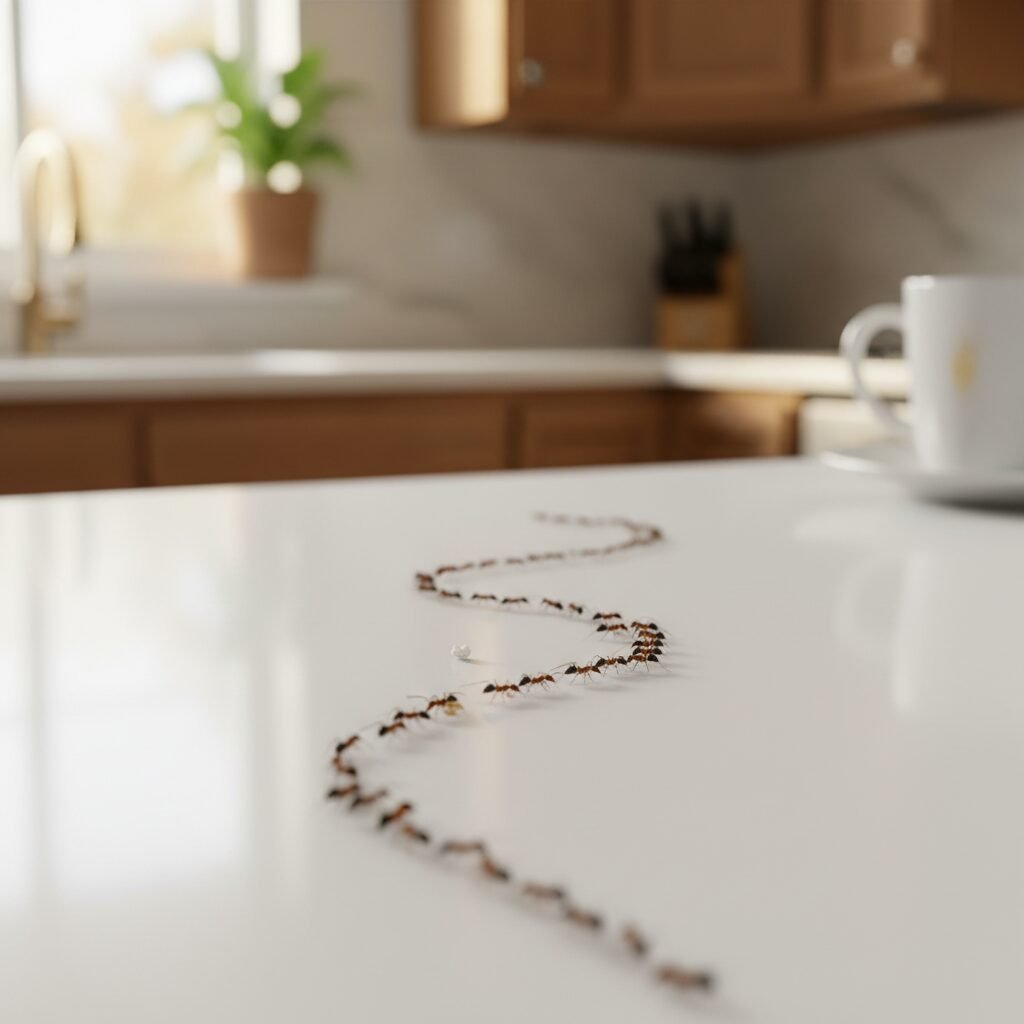
First things first, let’s release any guilt. An ant problem is not a reflection of your housekeeping skills. Even the most spotless homes can become a target for these persistent little explorers. During pregnancy, you have enough on your plate without adding self-blame. Understanding why they’re showing up can help you address the root cause more effectively.
Ants are simple creatures driven by three primary needs: food, water, and shelter. Your home provides all of these in abundance. Here’s a breakdown of what might be attracting them:
- The Search for Food: A few crumbs from the toast you managed to eat despite morning sickness, a tiny sticky spot of juice on the counter, or an unsealed bag of sugar in the pantry can be a feast for an ant colony. Their scouts are incredibly efficient at finding these resources and leaving a pheromone trail for others to follow.
- The Need for Water: During dry spells, ants will venture indoors searching for moisture. A leaky faucet, a damp sponge left by the sink, or even condensation on pipes can be an oasis for them.
- Changing Seasons: Extreme weather, whether it’s heavy rain or a sudden heatwave, can drive ants indoors as they seek refuge from the elements. They are looking for a safe, climate-controlled space to nest, and the walls of your home can seem like a perfect spot.
Recognizing these attractants is the first step in gently showing them the door. It’s not about a war on ants; it’s about making your home less hospitable to them and more of a safe sanctuary for you.
Step 1: Creating an Ant-Proof Fortress (The Gentle Way)
Prevention is, without a doubt, the most powerful and pregnancy-safe tool in your arsenal. By creating a few simple, consistent habits, you can make your home far less appealing to ant scouts. Think of it as building a gentle fortress that keeps pests out without the need for harsh chemicals. Here are the most effective preventative steps:
- Master Your Food Storage: Ants have an incredible sense of smell. Make your pantry impenetrable. Transfer dry goods like sugar, flour, cereal, and pasta from their original boxes into airtight containers made of glass or hard plastic. Wipe down honey jars and syrup bottles after each use. Most importantly, clean up crumbs and spills on counters, floors, and inside cupboards immediately.
- Be Diligent with Dishes and Trash: Try not to leave dirty dishes in the sink overnight. If you’re too exhausted (which is completely understandable!), at least give them a good rinse to remove food particles. Ensure your kitchen trash can has a tight-fitting lid and take it out daily, especially if it contains food scraps.
- Manage Pet Food: If you have pets, their food and water bowls can be a major ant magnet. Try to feed your pets at specific times and clean up any leftover food right away. Store pet food in a sealed container and regularly clean the bowls and the area around them.
- Erase Their Highways: Ants leave an invisible chemical trail (pheromones) for their colony-mates to follow. You can easily wipe this trail away. Fill a spray bottle with a solution of one part white vinegar and one part water. Regularly spray and wipe down your countertops, floors, and anywhere you’ve seen ants. The vinegar smell dissipates as it dries, but it’s enough to destroy the trail and deter new ants.
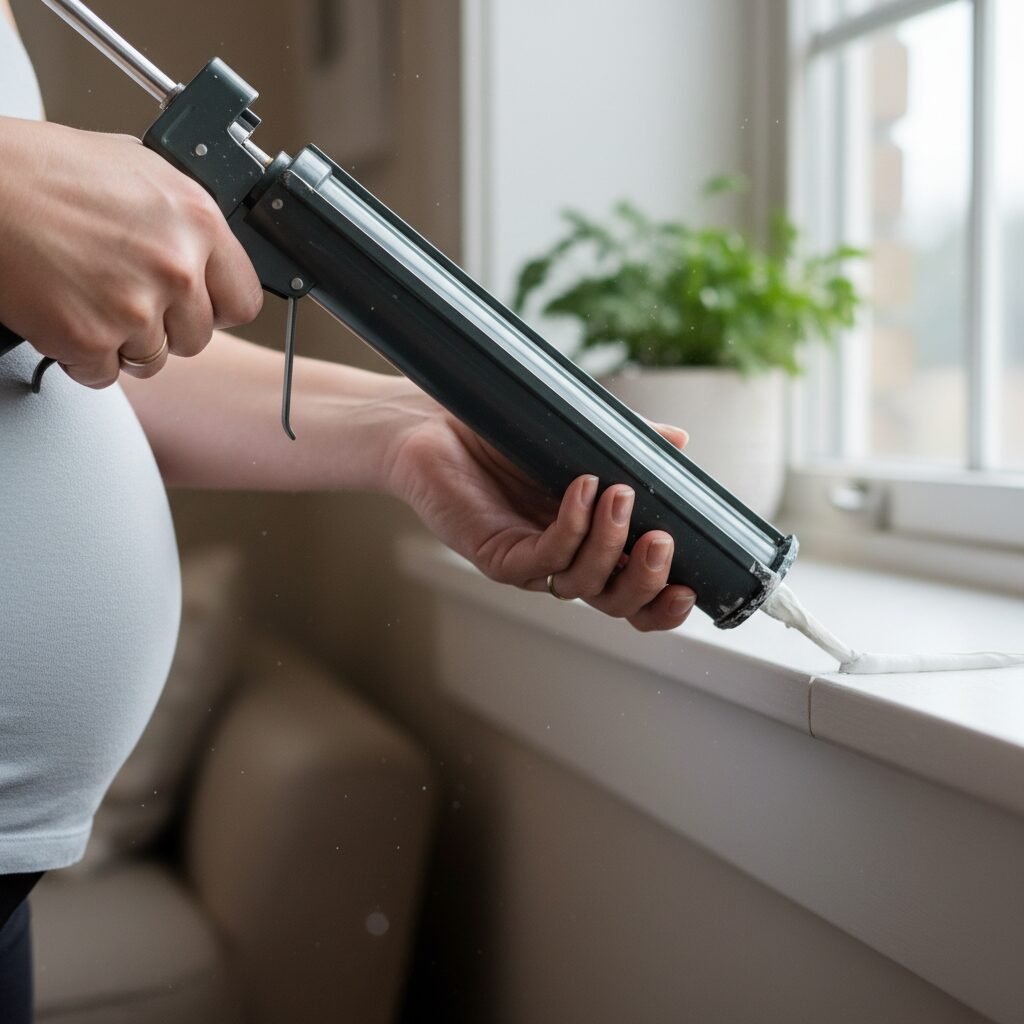
- Seal Entry Points: Do a little detective work. Watch where the ants are coming from and going to. They can get through the tiniest cracks. Use a pregnancy-safe caulk to seal cracks and holes around windows, doors, baseboards, and where pipes enter your home. This is a one-time task that pays off immensely.
Step 2: Your Pregnancy-Safe Ant-Fighting Toolkit
When you have an active ant trail, you need solutions that work now. This toolkit is filled with items that are likely already in your home and are safe to use around you and your family. Remember to start with the gentlest method first.
The Soap and Water Spray
This is your first line of defense for ants you can see. Simply mix a few drops of dish soap into a spray bottle filled with water. The soapy water breaks down the ants’ waxy exoskeleton and is a quick, non-toxic way to deal with an immediate trail. Just spray, wait a minute, and wipe them up with a damp paper towel.
Diatomaceous Earth (Food-Grade ONLY)
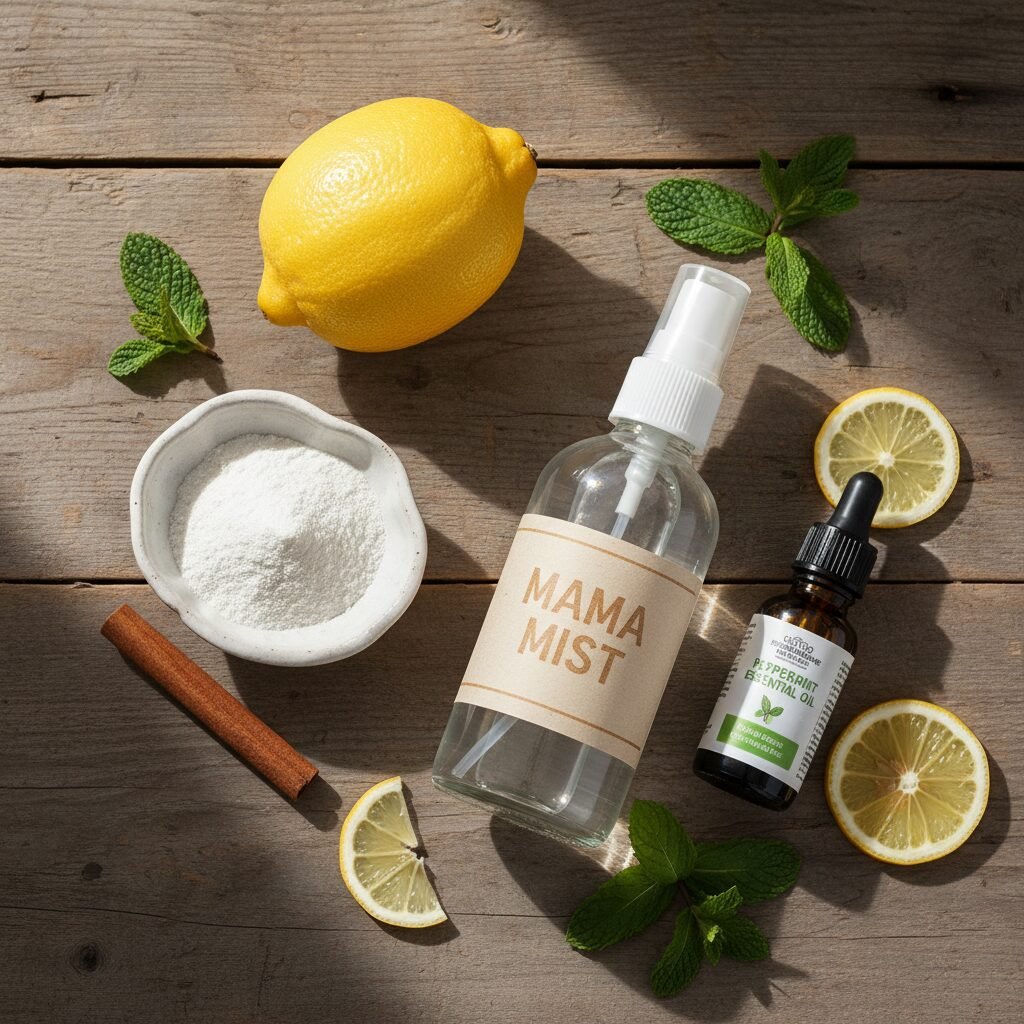
This is a fantastic non-toxic weapon, but it must be food-grade. Diatomaceous earth (DE) is a fine powder made from fossilized aquatic organisms. To us, it feels like soft powder, but to an ant, its microscopic sharp edges are deadly, causing them to dehydrate. Lightly puff a very thin layer in areas where you see ant activity, like along baseboards, under appliances, and near entry points. Safety Note: While non-toxic, the fine dust can be an irritant if inhaled. Wear a simple dust mask during application and keep children and pets away until the dust has settled.
Strategic Scent Deterrents
Ants navigate by scent, and you can use this to your advantage by overwhelming their senses with smells they hate. These are wonderful, natural deterrents:
- Cinnamon: Sprinkle ground cinnamon or place cinnamon sticks near entry points. You can also add a few drops of cinnamon essential oil to a cotton ball and place it in a cupboard corner.
- Citrus: Ants dislike the smell of citrus. Place lemon or orange peels near thresholds. You can also use a lemon-water solution to wipe down surfaces.
- Peppermint: A few drops of peppermint essential oil on a cotton ball can be a powerful deterrent. Place them in areas where you’ve seen ants.
A Note on Borax Baits
You may see DIY ant baits using Borax and sugar. While Borax is a naturally occurring mineral, it is toxic if ingested. During pregnancy and with a baby on the way, it is crucial to be extra cautious. If you feel a bait is necessary, it is far safer to purchase a pre-made, enclosed ant bait station from the store. These stations are designed to keep the toxicant contained, preventing accidental contact by children or pets. Place them well out of reach and handle them with care.
Chemicals and Methods to Strictly Avoid During Pregnancy
Knowing what not to do is just as important as knowing what to do. Your body is working hard to grow a healthy baby, and minimizing exposure to potentially harmful chemicals is a wise and loving choice. When you’re pregnant, it’s best to err on the side of extreme caution.
Being mindful about your environment is not about fear; it’s about empowerment. You are your baby’s first and most important protector.
Here is a list of common pest control products and methods you should strictly avoid during pregnancy:
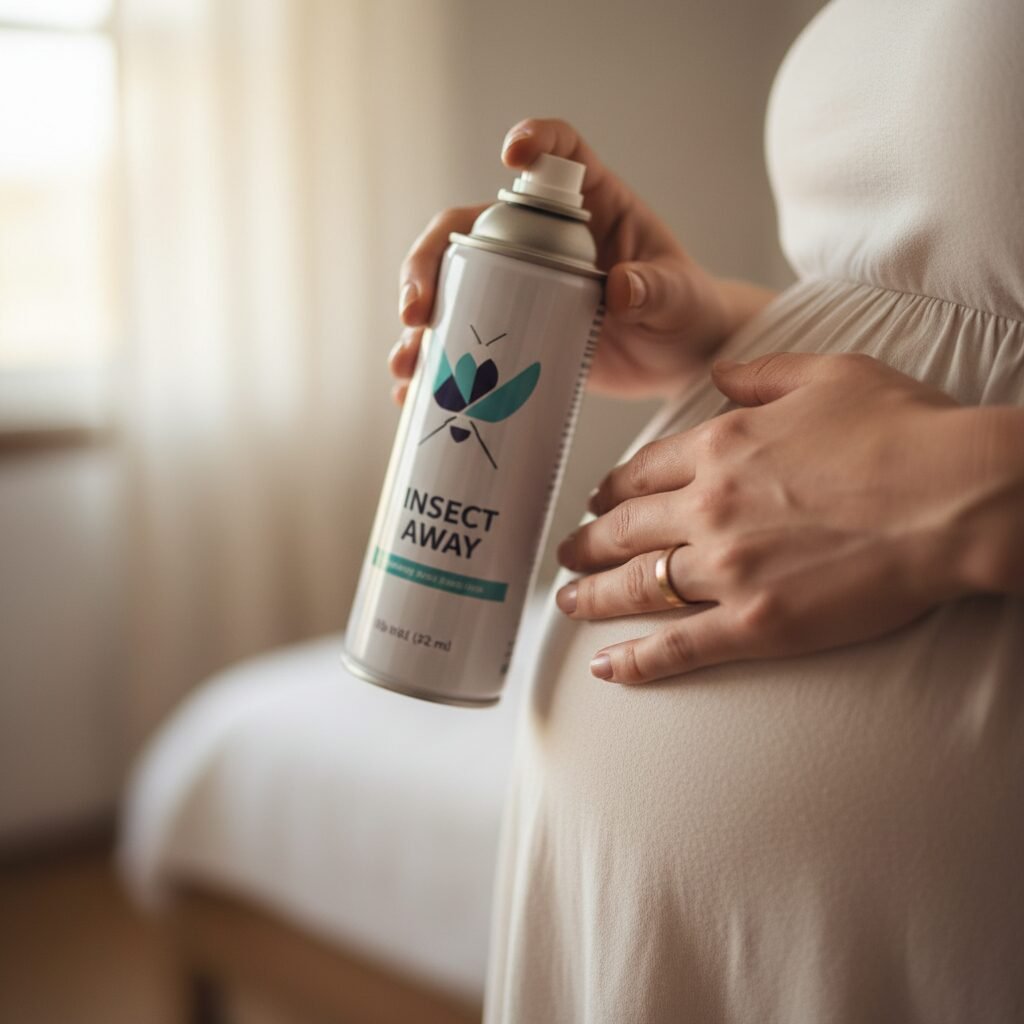
- Aerosol Insecticide Sprays: These sprays atomize chemicals into the air, where they can be easily inhaled or settle on surfaces you touch. Many contain active ingredients like pyrethroids, which have been linked to developmental concerns in some studies.
- Chemical Foggers or ‘Bug Bombs’: These products are designed to permeate every corner of a room with a chemical pesticide. They leave a residue on all surfaces and are absolutely not recommended for use in a home with an expectant mother.
- Unsealed Chemical Baits and Powders: Any pesticide in a loose powder or gel form that isn’t contained in a child-proof station poses a risk. It can be tracked through the house, become airborne, or be accidentally touched.
- Professional Spraying with Harsh Chemicals: If you hire a professional, it’s vital to know what they are using. Do not consent to a general, broad-spectrum chemical spray indoors.
Reading labels is key. If you see active ingredients like cypermethrin, permethrin, or imiprothrin, it’s best to choose a different, non-toxic alternative from our toolkit above.
When the Ant Army is Too Strong: Calling for Backup Safely

Sometimes, despite your best efforts, an ant infestation can be too widespread or persistent to handle with DIY methods. This is particularly true if you suspect they have nested inside your walls. In these cases, calling a professional pest control service is the right decision. However, you are still in control, and you can insist on a pregnancy-safe approach.
A reputable company will understand your concerns and should be able to offer ‘green’ or ‘integrated pest management’ (IPM) solutions. An IPM approach focuses on finding the source of the problem and using the least toxic methods first, such as targeted baits and sealing entry points, rather than just spraying chemicals everywhere.
When you call, be prepared with a list of questions. You are their client, and you have every right to be fully informed:
- “Do you offer pregnancy-safe, non-toxic, or eco-friendly pest control options?” This question immediately tells them your priority.
- “What specific products would you use for my situation? Can I see the Safety Data Sheets (SDS) for them?” The SDS will provide detailed information on any potential health risks.
- “What are your safety protocols for households with pregnant women, young children, or pets?” A professional company will have clear procedures.
- “Do you use targeted gels or baits in enclosed stations instead of aerosol sprays?” This is often a much safer application method.
- “Will we need to leave our home during or after the treatment? If so, for how long?”
Hiring a professional doesn’t mean giving up on your commitment to a non-toxic environment. It means bringing in an expert who can execute your safety-first plan more effectively.
Conclusion
Dealing with an ant invasion while you’re pregnant can feel like one more overwhelming task on a long list. But by focusing on prevention and arming yourself with knowledge about safe, non-toxic remedies, you can handle this challenge with confidence and peace of mind. Remember to be kind to yourself; creating a safe haven for your baby is a journey, not a destination. You are already doing an incredible job by being so thoughtful and proactive about the products you use in your home.
You’ve got this. Your home is your sanctuary, and with these gentle methods, you can ensure it remains a safe, healthy, and happy place for you and your growing family.
Medical Disclaimer
The information provided in this article is for educational and informational purposes only and is not intended as medical or professional advice. While the methods described are widely considered safe, you should always consult with your healthcare provider or obstetrician regarding any concerns about your health, safety, and environment during pregnancy.