How I Cured My PUPPPS Rash Naturally When Nothing Else Worked
If you’re reading this, chances are you’re in the throes of one of pregnancy’s most maddening conditions: Pruritic Urticarial Papules and Plaques of Pregnancy, or PUPPP. I know the feeling intimately. The itch that starts as a minor annoyance within your stretch marks and erupts into an all-consuming, fire-like torment that robs you of sleep, peace, and the joy you’re supposed to be feeling. For me, it was a desperate, clawing madness that left me in tears more nights than I can count.
You’ve likely already been to your doctor. You’ve probably been given steroid creams that barely touch the sides, or antihistamines that make you drowsy but do little for the relentless crawl under your skin. I was there, too. I felt defeated and unheard, as if this was just another ‘uncomfortable’ part of pregnancy I was meant to endure. But my intuition told me there had to be another way. This article is my story—a journey from utter desperation to complete relief. It’s a combination of my personal experience, exhaustive research, and a holistic approach that finally healed my skin. This is not medical advice, but a hand of solidarity and a detailed account of what worked for me when nothing else did. You are not alone, and there is hope.
What is PUPPP, Really? Understanding the Unrelenting Itch
What is PUPPP, Really? Understanding the Unrelenting Itch
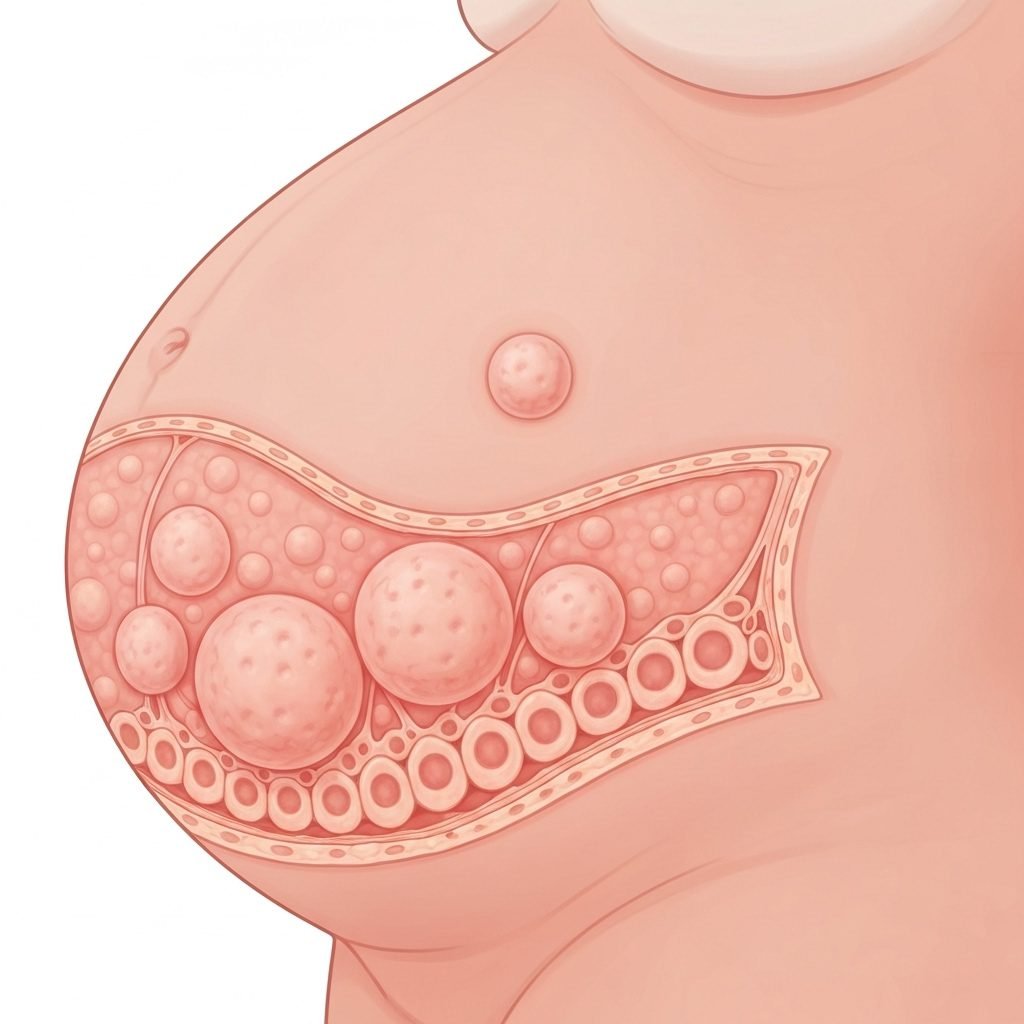
Before we dive into solutions, it’s essential to understand what you’re up against. PUPPP is the most common pregnancy-specific skin condition, affecting about 1 in every 160 pregnancies. It typically appears in the third trimester, often in first-time mothers or those carrying multiples, and usually starts in the stretch marks (striae) on the abdomen before spreading to the thighs, buttocks, and arms. It almost never affects the face, palms, or soles of the feet.
The rash itself looks like a collection of angry red bumps (papules) that merge into larger, hive-like patches (plaques). The defining feature? An intense, unrelenting itch (pruritus) that can be severe enough to disrupt every aspect of your life.
What Causes It?
The frustrating truth is that the exact cause of PUPPP is unknown. However, leading theories suggest it may be linked to:
- Rapid Abdominal Stretching: The stretching of the skin may trigger an inflammatory response in the connective tissue.
- Hormonal Fluctuations: The unique hormonal landscape of late pregnancy could be a contributing factor.
- Fetal Cells: Some research suggests that fetal cells migrating into the mother’s skin might trigger an immune response, causing the rash.
It’s crucial to understand this: PUPPP is not an allergic reaction, it’s not contagious, and most importantly, it poses no danger to your baby. The suffering is, unfortunately, all yours.
Getting a proper diagnosis from your healthcare provider is the first and most critical step. They need to rule out other, more serious conditions, which we will discuss later.
The Conventional Route: What Doctors Prescribe (And Why It Sometimes Isn’t Enough)
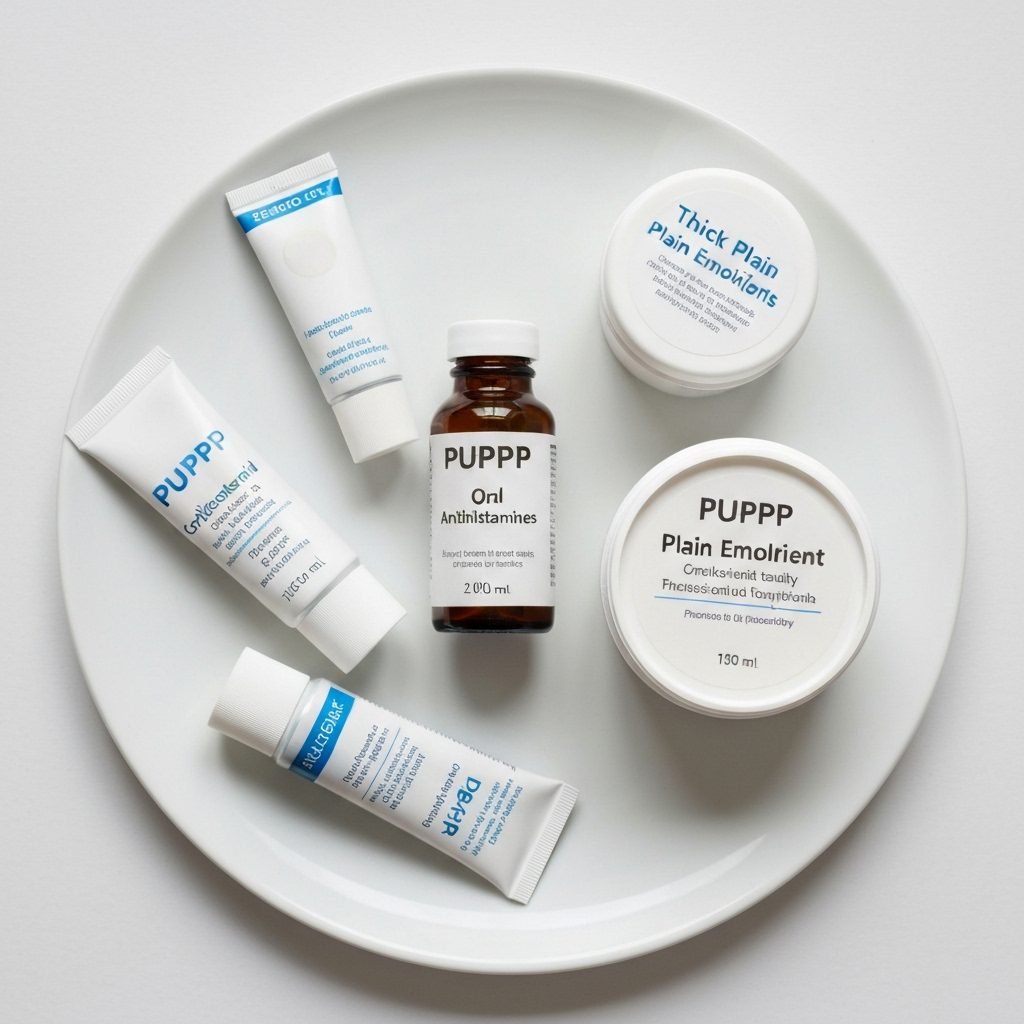
The Conventional Route: What Doctors Prescribe (And Why It Sometimes Isn’t Enough)
When I first presented my fiery, itchy belly to my obstetrician, the response was standard and by-the-book. The primary goal of conventional treatment is to manage the symptoms—namely, the itch—until delivery, after which the condition typically resolves on its own within a few weeks.
Common first-line treatments include:
- Topical Corticosteroids: These creams or ointments are applied directly to the rash to reduce inflammation and itching. They can range from low-potency hydrocortisone to stronger, prescription-grade steroids. For me, they provided about 20 minutes of mild relief before the fire returned.
- Oral Antihistamines: Medications like Benadryl (diphenhydramine) or Zyrtec (cetirizine) are often recommended. Their main benefit for many, myself included, was the drowsiness that allowed for a few precious hours of sleep, but they did little to quell the actual itch during waking hours.
- Moisturizers: Keeping the skin hydrated with bland, unscented emollients is always advised to support the skin barrier.
In very severe cases, a doctor might prescribe oral steroids, but this is often reserved as a last resort due to potential side effects. For many women, this protocol is enough to make the condition bearable. But for a significant number of us, it feels like using a water pistol on a house fire. The frustration of applying creams religiously with no real change, of feeling perpetually drowsy yet still agonizingly itchy, is profound. It can make you feel hopeless. It was this feeling of hopelessness that pushed me to look beyond the standard approach and investigate the root cause from a holistic perspective.
My Turning Point: A Holistic and Natural Healing Protocol
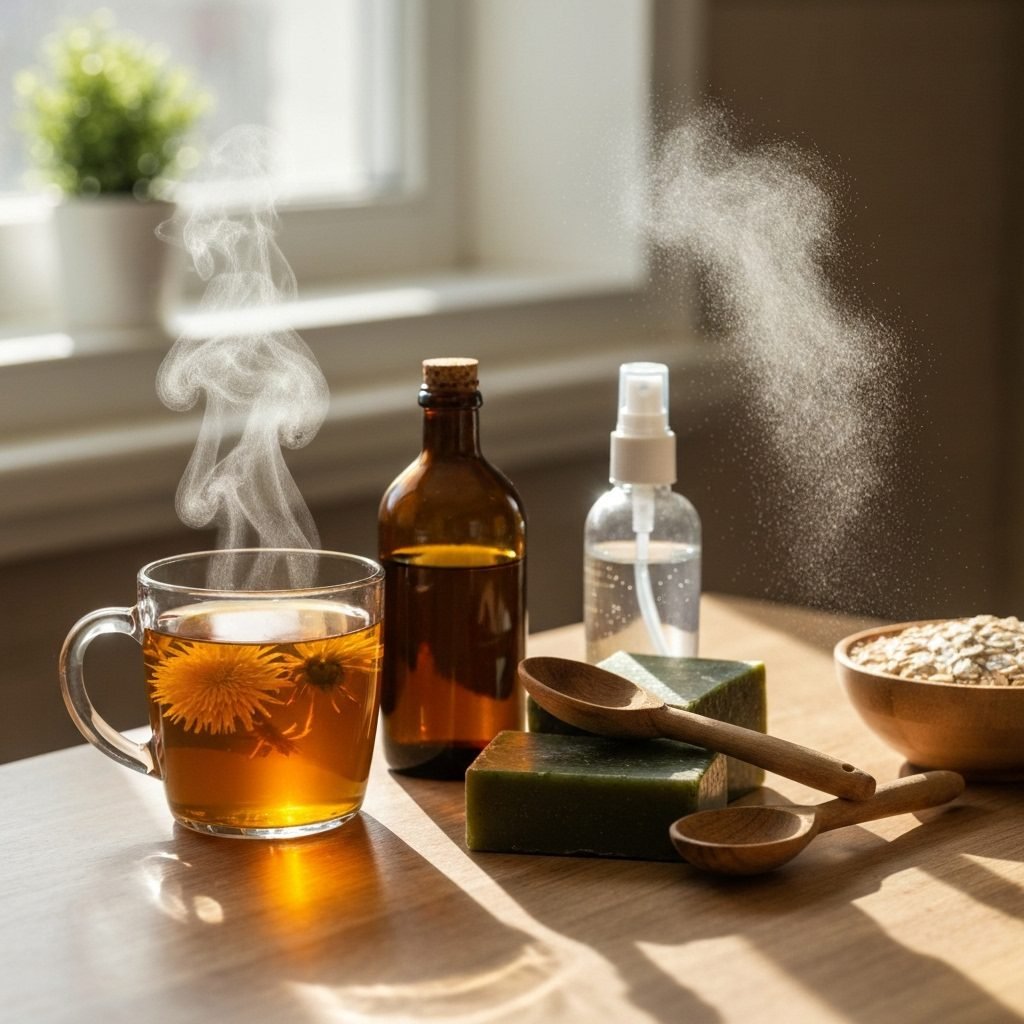
My Turning Point: A Holistic and Natural Healing Protocol
My breakthrough came when I started thinking of the rash not just as a skin-deep issue, but as a sign of my body, particularly my liver, being under immense strain. During pregnancy, the liver works overtime to process hormones for both you and your baby. My theory, shared by many holistic practitioners, was that my liver was overburdened, and toxins were being pushed out through my skin. My entire approach shifted to supporting my liver and calming my body’s inflammatory response from the inside out and the outside in.
Internal Support: Cooling and Cleansing from Within
- Dandelion Root Tea: This was a game-changer. Dandelion root is a well-known liver tonic that supports detoxification. I drank 2-3 cups daily. (Always consult your provider before starting any new herbal remedy during pregnancy).
- Flaxseed Oil: Rich in omega-3 fatty acids, flaxseed oil is a powerful anti-inflammatory. I took one tablespoon of cold-pressed flaxseed oil every morning.
- Limiting Inflammatory Foods: I drastically reduced my intake of sugar, dairy, and processed foods, which can contribute to systemic inflammation. I focused on a diet rich in leafy greens, colorful vegetables, and lean proteins.
- Hydration: I drank water relentlessly, often with lemon, to help flush my system.
External Relief: Soothing the Fire on My Skin
- Grandpa’s Pine Tar Soap: This soap is legendary in PUPPP circles for a reason. It has a strong, campfire-like smell, but its anti-inflammatory and anti-itch properties are incredible. I lathered up in a lukewarm shower twice a day, letting the soap sit on my skin for a few minutes before rinsing.
- Oatmeal Baths: A classic remedy for itchy skin. I would grind up whole oats in a blender to a fine powder, then add it to a lukewarm bath and soak for 20 minutes before bed. This was incredibly calming.
- DIY Cooling Spray: I mixed witch hazel, a few drops of peppermint essential oil, and filtered water in a spray bottle and kept it in the fridge. Misting this on my skin throughout the day provided immediate, cooling relief.
- V8 Splash Juice (Topical): This sounds bizarre, I know. But I was desperate. Many women in online forums swore by dabbing V8 Splash (the berry or tropical kind) on the rash. The theory is that the vegetable and fruit extracts have an astringent, vitamin-rich effect that calms the skin. I tried it, and while sticky, it did seem to reduce the redness and anger of the rash. I would apply it with a cotton ball, let it dry, and then rinse off after about 30 minutes.
My Daily PUPPP Relief Protocol That Finally Brought Peace
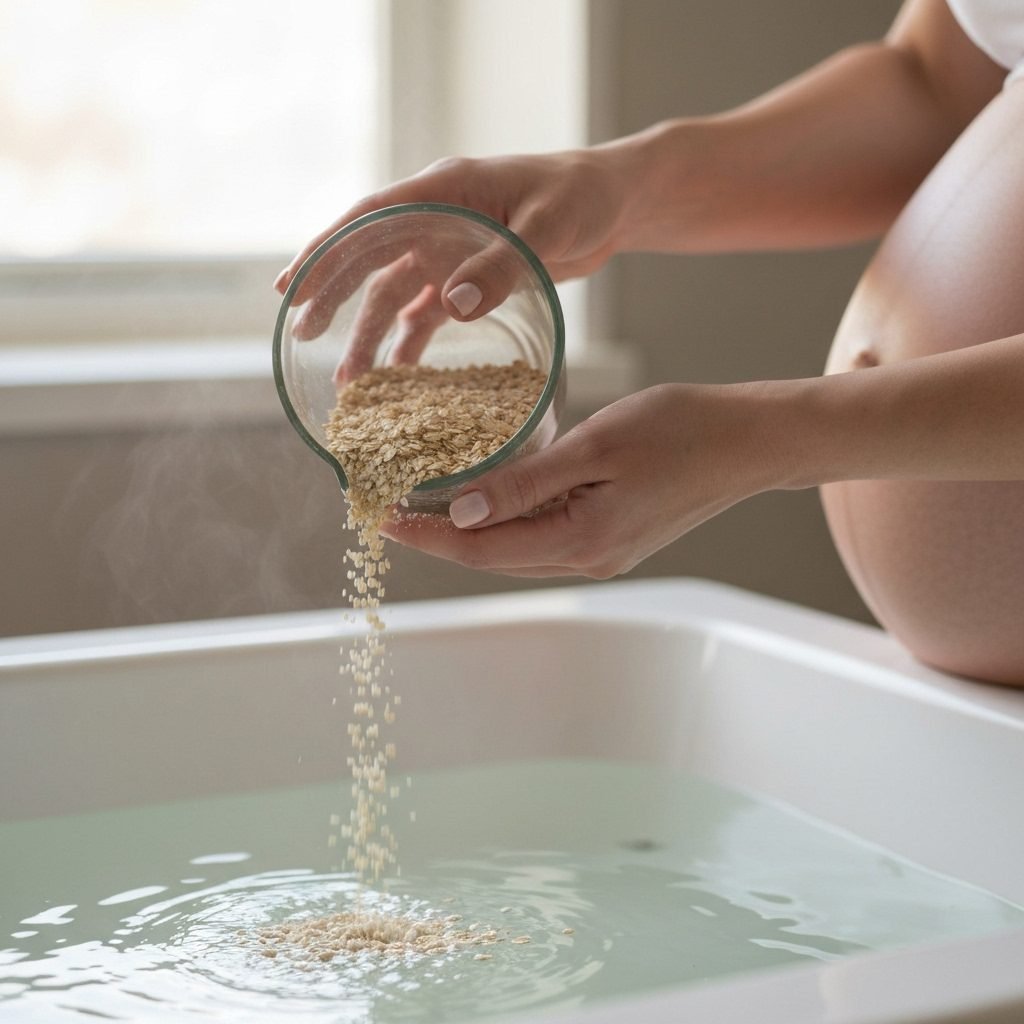
My Daily PUPPP Relief Protocol That Finally Brought Peace
Consistency was the key to turning the tide against my PUPPP rash. I developed a strict daily ritual that combined all the internal and external strategies. It was a commitment, but the payoff—sweet, blessed relief—was worth every second. Here is the exact schedule I followed that took my itching from a 10/10 to a manageable 1-2/10 within a week.
| Time of Day | Action | Purpose |
|---|---|---|
| Upon Waking | Drink a large glass of lemon water. Take 1 tbsp of flaxseed oil. | Hydrate and flush the system. Provide an initial anti-inflammatory boost. |
| Morning | Lukewarm shower with Grandpa’s Pine Tar Soap. Pat skin dry gently. Apply a thick, unscented moisturizer. | Cleanse the skin, calm overnight itching, and lock in moisture for the day. |
| Breakfast | Have a nutrient-dense, low-sugar breakfast. Drink a cup of Dandelion Root Tea. | Fuel the body without triggering inflammation. Begin liver support. |
| Throughout the Day | Drink at least 2-3 liters of water. Mist skin with refrigerated witch hazel/peppermint spray as needed. | Continuous hydration and on-the-spot itch relief. |
| Lunch & Dinner | Focus on salads, lean proteins, and steamed vegetables. Drink another cup of Dandelion Root Tea. | Maintain an anti-inflammatory diet and continue liver support. |
| Evening | Take a 20-minute lukewarm oatmeal bath. | Soothe the skin and calm the nervous system before sleep. |
| Before Bed | Shower again with Pine Tar Soap. Apply moisturizer or, on very bad spots, the V8 Splash treatment (rinse before bed). Wear loose, cotton pajamas. | Reduce nighttime itching, which is often the worst, to allow for restful sleep. |
A Crucial Warning: Differentiating PUPPP from Cholestasis

A Crucial Warning: Differentiating PUPPP from Cholestasis
While I wholeheartedly advocate for exploring natural remedies, I cannot stress this enough: you must work with your healthcare provider. It is absolutely critical to rule out a more serious liver condition called Intrahepatic Cholestasis of Pregnancy (ICP).
ICP is a liver disorder that can occur in pregnancy, where the normal flow of bile is impaired. It can pose serious risks to your baby, including preterm labor and stillbirth. The primary symptom of ICP is also severe itching, but there are key differences from PUPPP.
PUPPP vs. ICP: Know the Signs
| Symptom | PUPPP | ICP (Intrahepatic Cholestasis of Pregnancy) |
|---|---|---|
| Rash | Yes, always present. Starts as red bumps and hives. | No rash is present. The skin may be red or have marks from scratching, but there is no primary rash. |
| Itch Location | Typically starts on the abdomen/stretch marks and can spread. Rarely affects palms and soles. | Often starts on and is most severe on the palms of the hands and soles of the feet. Can be widespread. |
| Other Symptoms | Primarily just the rash and itch. | May be accompanied by dark urine, pale stools, upper-right quadrant pain, or jaundice (yellowing of skin/eyes). |
| Risk to Baby | None. The condition is benign for the baby. | Significant risk. Requires medical management and often early induction of labor. |
If your itching is severe and you do NOT have a rash, or if the itching is primarily on your hands and feet, you must contact your doctor or midwife immediately and ask for a bile acid blood test. Do not delay. Your advocacy for your health and your baby’s health is paramount.
Conclusion
My journey through the agony of PUPPP was one of the most challenging parts of my pregnancy, but it taught me so much about listening to my body and advocating for my own well-being. The combination of liver support, an anti-inflammatory diet, and targeted topical relief didn’t just mask the symptoms; it felt like I was healing the problem from its source. Within two weeks of starting my strict protocol, the rash began to fade, and the itch subsided into a distant memory. By the time I gave birth, my skin was completely clear.
I share my story not as a prescription, but as a beacon of hope. When you feel like you’ve tried everything and you’re at the end of your rope, know that there are other avenues to explore. Trust your intuition. Be gentle with yourself and celebrate small victories. The mental and emotional toll of this condition is real, so lean on your support system and give yourself grace. You are a warrior, growing a human being while battling a relentless foe, and relief is possible.
Medical Disclaimer: The information in this article is based on personal experience and research. It is not intended to be a substitute for professional medical advice, diagnosis, or treatment. Always seek the advice of your physician, midwife, or other qualified health provider with any questions you may have regarding a medical condition. Do not disregard professional medical advice or delay in seeking it because of something you have read in this article.