Hairy Belly Panic: Will It Go Away? (And Does It Mean It’s A Boy?)
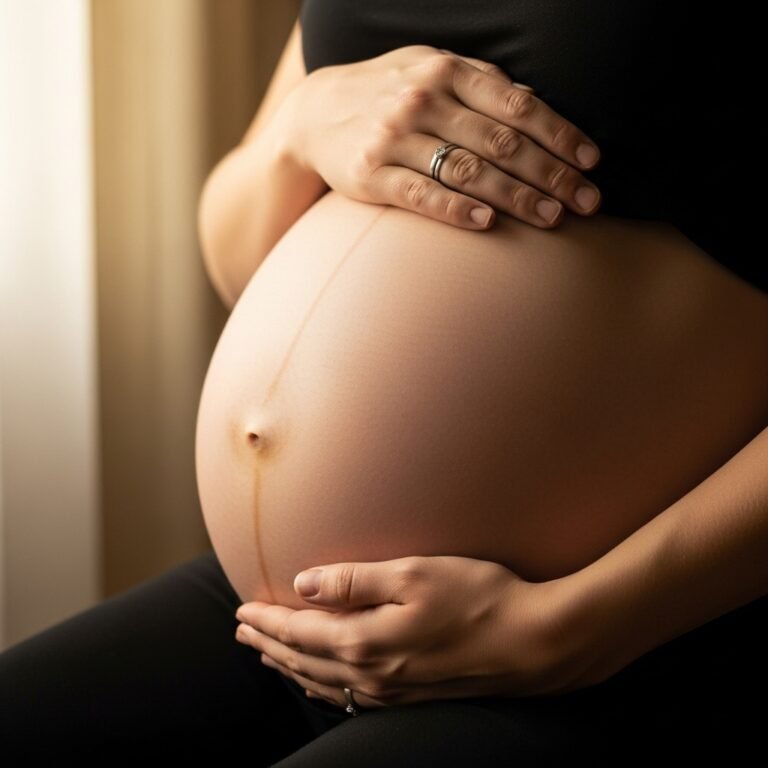
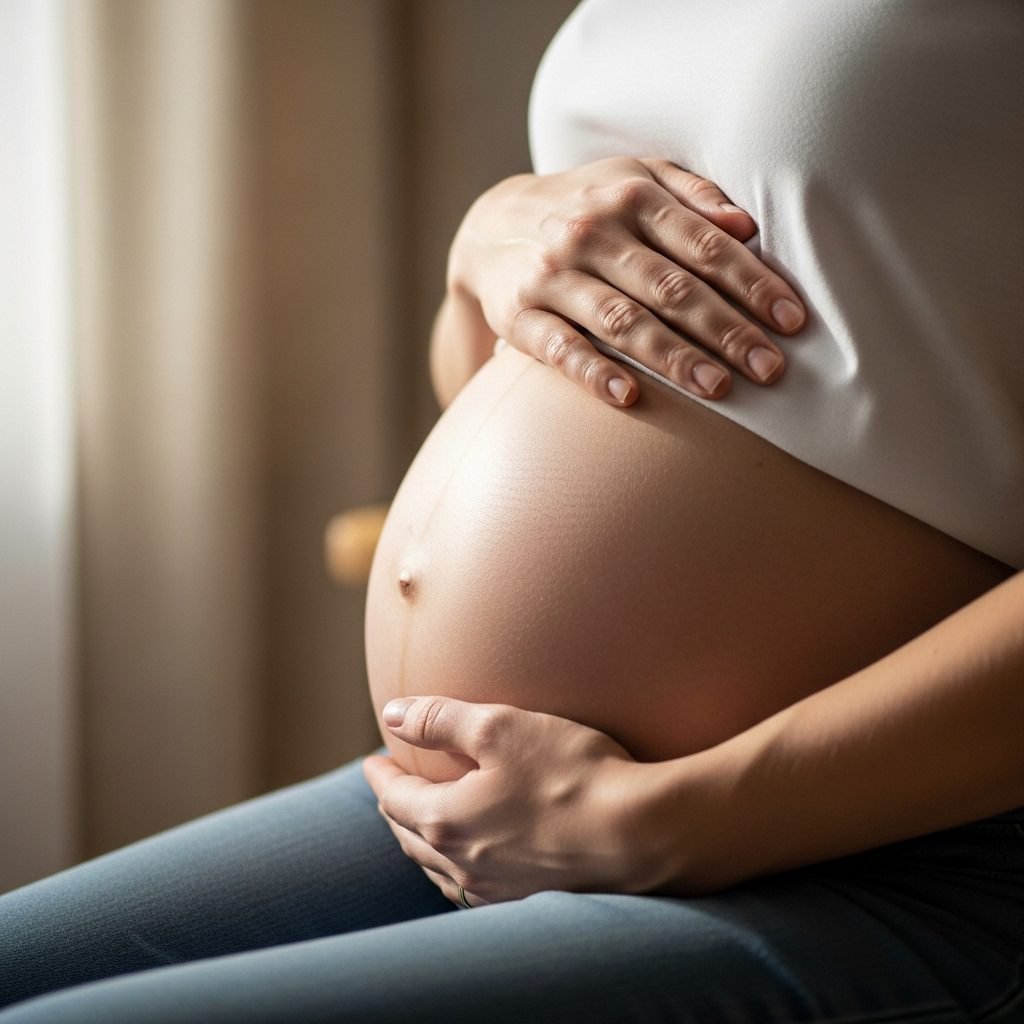
You’re meticulously tracking your pregnancy, celebrating each milestone, and getting to know the incredible changes in your body. But one day, you look down and notice something you definitely didn’t expect: your belly is… fuzzy. For many, the appearance of a soft, downy layer of hair on their growing bump can trigger a moment of surprise, confusion, or even what we affectionately call ‘hairy belly panic.’ You might be wondering, ‘Is this normal? What’s causing it? And what about that old wives’ tale… does this mean I’m having a boy?’
First, take a deep, calming breath. You are not alone, and this is an incredibly common—though rarely discussed—part of the pregnancy journey. Your body is doing something truly miraculous, and these changes are just signs of the powerful hormones at work. In this article, we’ll walk you through the science behind your newly furry tummy, separate fact from fiction, discuss your options for managing it (if you want to!), and reassure you about what happens after your baby arrives. Let’s navigate this together with facts and empathy, leaving the panic behind.
Why Is My Belly Suddenly Hairy? The Hormonal Explanation
The Science Behind the Fuzz
The primary culprit behind most of the surprising physical changes in pregnancy is, you guessed it, hormones. Your body is flooded with a powerful cocktail of them, all working to create a safe and nurturing environment for your baby to grow. The appearance of new hair on your belly, and sometimes on your face, chest, and back, is a direct result of these hormonal shifts.
Meet the Key Players:
- Estrogen: While often associated with female characteristics, high levels of estrogen during pregnancy can prolong the growth phase (anagen phase) of your hair follicles. This means that hairs that would normally fall out stick around longer, leading to the appearance of thicker hair on your head and, yes, new hair growth in unexpected places.
- Androgens: These are often called ‘male hormones,’ but everyone’s body produces them. During pregnancy, your adrenal glands and ovaries can ramp up androgen production slightly. These hormones can stimulate hair follicles that were previously dormant or produced only very fine, invisible hairs (vellus hair), causing them to grow darker and more noticeable terminal hair.
- Progesterone: This crucial hormone helps maintain the uterine lining and supports the fetus. It also contributes to the overall hormonal symphony that can influence everything from your mood to your skin and hair.
This new hair is often referred to as lanugo, which is the same type of fine, downy hair that covers a newborn baby in the womb for warmth and protection. While it’s more associated with babies, it’s not uncommon for this same hormonal trigger to cause a similar type of hair to appear on the mother’s abdomen. It’s simply a sign that your body is in full-fledged baby-growing mode. It’s not harmful, and it’s not an indication that anything is wrong. It’s just another one of pregnancy’s many beautiful and bizarre quirks.
Remember: Your body is intelligently adapting to grow a human being. Each change, even the surprising ones, is part of a complex and beautiful process. Be gentle with yourself.
Hairy Belly and Gender Prediction: Fact vs. Fiction
Debunking the Old Wives’ Tale
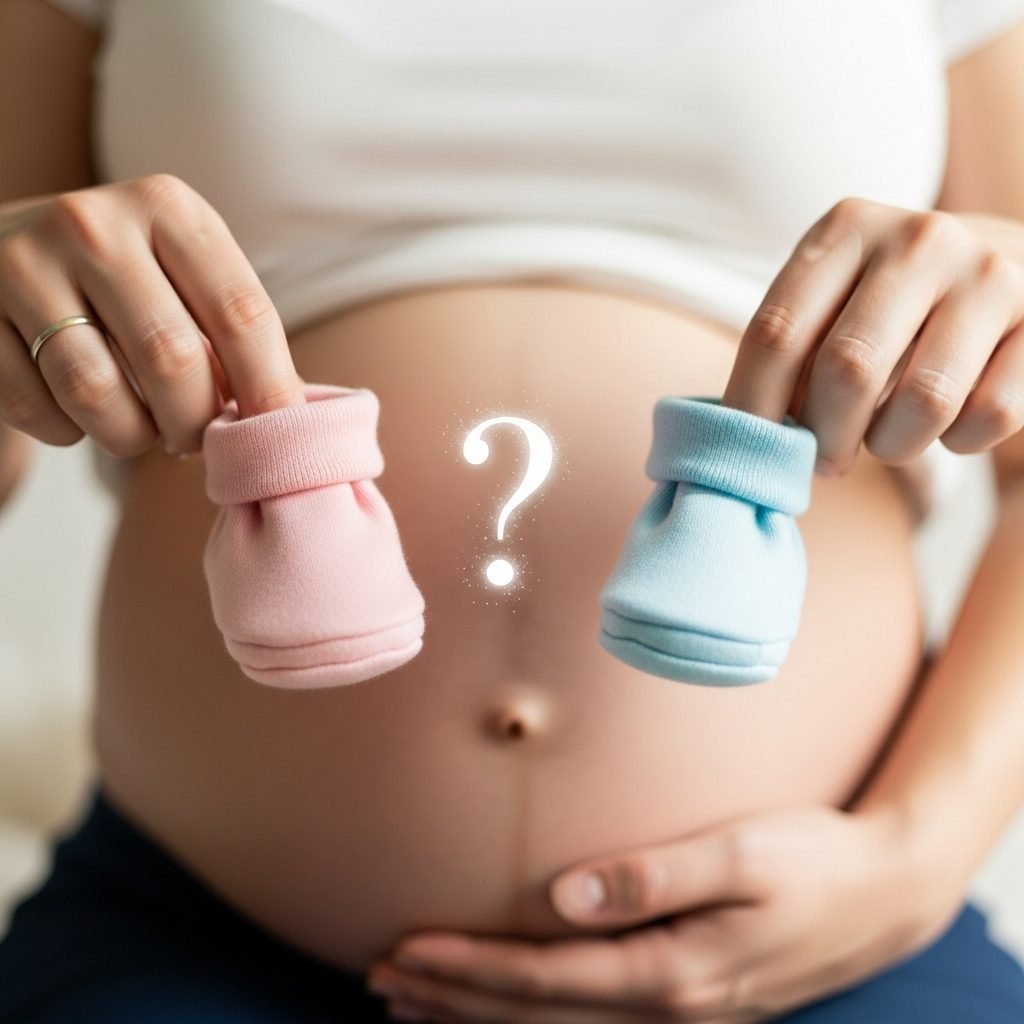
Now, let’s address the question that’s likely been whispered by well-meaning relatives or popped up in your late-night internet searches: ‘Does a hairy belly mean it’s a boy?’
The short, simple, and scientific answer is no. There is absolutely no proven correlation between the amount of hair on your pregnant belly and the sex of your baby. This is one of the many persistent old wives’ tales that have been passed down through generations, alongside myths about how you’re carrying (high or low) or what you’re craving (sweet or salty).
Where Do These Myths Come From?
These myths originated in a time before modern medicine and technology. People were naturally desperate for any clue about the baby’s gender. The logic behind the hairy belly myth was likely tied to the idea of androgens, or ‘male hormones.’ The flawed thinking was that if you were having a boy, your body would have more male hormones, leading to more hair. However, as we’ve discussed, the hormonal changes that cause belly hair happen in every pregnancy, regardless of the baby’s sex. The mother’s hormonal state is determined by her own body’s response to pregnancy, not by the hormones produced by the fetus.
The Definitive Ways to Know Your Baby’s Gender:
- Ultrasound: Typically performed around 18-22 weeks, an anatomy scan can often (but not always) visually identify the baby’s sex.
- Noninvasive Prenatal Testing (NIPT): This is a blood test performed as early as 10 weeks that screens for chromosomal abnormalities and can also determine the baby’s sex with very high accuracy by analyzing fetal DNA in the mother’s bloodstream.
- Chorionic Villus Sampling (CVS) and Amniocentesis: These are more invasive diagnostic tests that can determine gender with 100% accuracy but are typically only performed when there is a medical reason to do so.
So, while it can be fun to guess, don’t start painting the nursery blue just based on a little belly fuzz. Your body is simply responding to pregnancy itself, not to the gender of the little one you’re growing.
Managing the Fuzz: Safe Hair Removal During Pregnancy

To Remove or Not to Remove?
First and foremost, you do not have to do anything about your belly hair. It is a natural and temporary part of your pregnancy. However, if its appearance is bothering you, you have several safe options to manage it. Your comfort and confidence are important!
Safe Methods for Hair Removal:
- Shaving: This is generally considered the safest and easiest method during pregnancy. Use a clean, sharp razor and a moisturizing shaving cream to avoid irritation on your sensitive skin. Be mindful of your balance as your bump grows, and perhaps ask your partner for help if you can no longer see or reach the area comfortably.
- Tweezing: For a few stray, dark hairs (like those that might appear around the linea nigra), tweezing is perfectly safe.
- Waxing & Sugaring: For most people, waxing and sugaring are safe during pregnancy. However, be aware that your skin can be much more sensitive, and increased blood flow can make the process more painful and potentially cause more redness or bruising. It’s best to go to a professional salon that maintains high hygiene standards and to do a patch test first. Inform your aesthetician that you are pregnant.
Methods to Approach with Caution or Avoid:
- Depilatory Creams (e.g., Nair, Veet): The general advice is to be cautious. While there’s no definitive evidence that the chemicals are harmful, the strong odors can cause nausea, and your newly sensitive skin may have a negative reaction. Many healthcare providers recommend skipping these creams to be on the safe side. Always consult your doctor before using one.
- Bleaching: Similar to depilatory creams, there are concerns about the chemicals being absorbed into the skin. Most experts advise against using hair bleach during pregnancy.
- Laser Hair Removal & Electrolysis: These methods are generally not recommended during pregnancy. There is a lack of research on their effects on a developing fetus. It’s best to postpone these treatments until after you’ve given birth.
Ultimately, the choice is yours. Whether you embrace the fuzz as a temporary badge of pregnancy or choose to remove it for your own comfort, what matters most is that you feel good in your changing skin.
The Postpartum Promise: When Your Belly Goes Back to Normal
The Fourth Trimester and Beyond
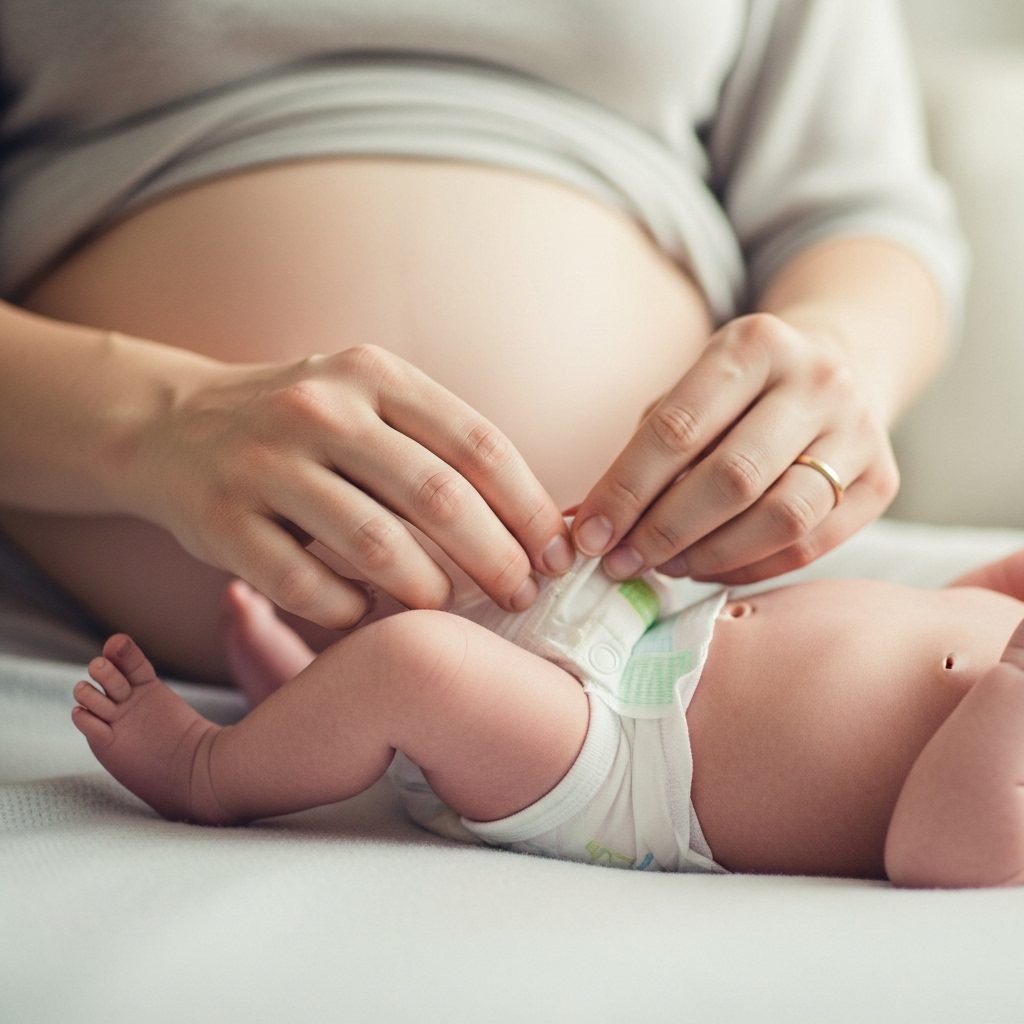
You’ve made it through pregnancy, you’re holding your beautiful baby, and now you’re navigating the postpartum period, often called the ‘fourth trimester.’ Your body is once again undergoing a massive hormonal shift as it transitions from growing a baby to nurturing one in the outside world. This is when you’ll start to see many pregnancy-related symptoms, including the extra belly hair, begin to fade.
The Hormonal Reset:
After you give birth and deliver the placenta, your levels of estrogen and progesterone drop dramatically. This sudden shift triggers a new set of changes. For the hair on your body, this drop in hormones signals the follicles to return to their normal growth cycles. The extra hair that grew or darkened during pregnancy will typically begin to shed.
What is the Timeline?
Patience is key. This process doesn’t happen overnight. For most women, the excess belly hair will thin out and disappear within three to six months postpartum. It happens gradually as your hormones find their new balance.
It’s interesting to note that this is the same hormonal process that can cause postpartum hair loss on your head. During pregnancy, the high estrogen levels kept you from shedding hair at the normal rate, resulting in a thicker-feeling mane. After birth, as estrogen plummets, all that hair that was supposed to fall out over the last nine months may come out at once, which can be alarming but is completely normal. The shedding of your belly hair is a much less dramatic, but related, process.
| Postpartum Change | Typical Timeline | Primary Cause |
|---|---|---|
| Belly Hair Shedding | 3-6 months postpartum | Dramatic drop in estrogen and progesterone |
| Postpartum Hair Loss (Head) | 3-6 months postpartum | Dramatic drop in estrogen |
| Linea Nigra Fading | Several months to a year postpartum | Hormone levels returning to pre-pregnancy state |
| Hormonal Regulation | Varies greatly (6 weeks to over a year) | Body recalibrating after birth, influenced by breastfeeding |
Seeing your body return to its pre-pregnancy state is a journey, not a race. The hair will go away. In the meantime, focus on bonding with your newborn and giving yourself grace. Your body has accomplished something extraordinary.
Conclusion
Embracing the Journey, Fuzz and All
That unexpected fuzz on your belly is more than just a strange symptom; it’s a testament to the incredible hormonal power that’s currently fueling the creation of life inside you. While it might be surprising, we hope this guide has brought you comfort and clarity. Remember the key takeaways: a hairy belly is a completely normal and common side effect of pregnancy hormones, it has no connection to your baby’s gender, and it is temporary, typically resolving on its own in the months after you give birth.
The pregnancy journey is filled with profound changes, both emotionally and physically. Some are magical, and others are just plain weird. Learning to navigate them with curiosity, self-compassion, and factual information can empower you to embrace the entire experience. So, the next time you look at your fuzzy tummy, we hope you can smile, knowing it’s just another sign of the amazing work your body is doing.
Disclaimer: This article is for informational purposes only and does not constitute medical advice. Always consult with a qualified healthcare provider for any questions or concerns you may have regarding your pregnancy and health.