

Don’t Lose A Tooth! The Pregnancy Dental Routine You Can’t Skip
When you first see that positive pregnancy test, your world shifts. Suddenly, you’re navigating a sea of new information—what to eat, which supplements to take, how to set up a nursery, and what to expect at each prenatal visit. It’s a beautiful, exciting, and sometimes overwhelming journey. Amidst the flurry of appointments and preparations, there’s one crucial aspect of your health that often gets overlooked: your dental care.
You might think, ‘My teeth? What do they have to do with my baby?’ The answer is: a lot more than you’d expect. The same hormones that are helping your baby grow can also wreak havoc on your gums and teeth. This isn’t meant to add another item to your worry list. Instead, consider this your empowering guide to protecting your oral health. Think of it as another beautiful act of self-care that nurtures both you and your growing baby. Let’s walk through this together, step by step, so you can keep your smile bright and healthy throughout your entire pregnancy and beyond.
Why Your Teeth and Gums Need Extra TLC During Pregnancy
Understanding the Hormonal Shift
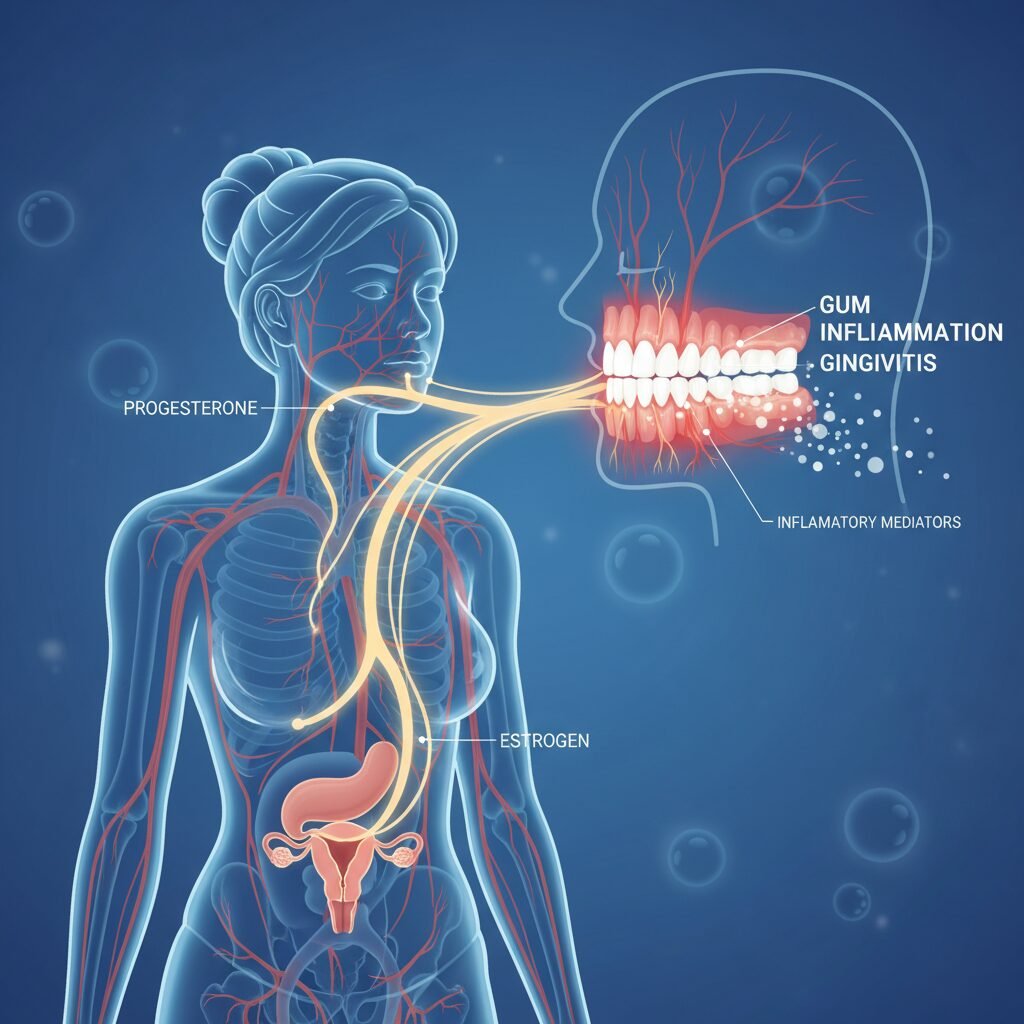
From the moment of conception, your body becomes a powerhouse of hormones, primarily estrogen and progesterone. While these hormones are essential for maintaining a healthy pregnancy, they also increase blood flow to all your mucous membranes, including your gums. This can lead to a condition many expecting parents experience called pregnancy gingivitis.
What does this look like? You might notice that your gums are more sensitive, swollen, or red. They may even bleed a little when you brush or floss. It can be alarming, but please know you’re not alone—it’s estimated that 60% to 75% of pregnant women experience it. This heightened inflammatory response means your gums react more strongly to the plaque and bacteria that are already in your mouth. What might have been a minor irritation before pregnancy can now become a more significant issue.
Beyond the Gums: The Risk to Your Teeth
It’s not just your gums that are more vulnerable. You may also be at a higher risk for tooth decay during pregnancy for a few reasons:
- Morning Sickness: If you’re experiencing nausea and vomiting, the stomach acid that comes up can be highly corrosive to your tooth enamel, weakening your teeth’s primary defense system.
- Changes in Diet: Pregnancy cravings are real! An increased desire for sugary or carbohydrate-rich foods can fuel the bacteria that cause cavities. More frequent snacking also means your teeth are exposed to these substances more often throughout the day.
- Fatigue and Changes in Routine: Let’s be honest, pregnancy can be exhausting. On days when you’re feeling particularly tired or unwell, your usual meticulous dental routine might be the first thing to slide.
Remember, these changes are a normal part of the pregnancy journey. Acknowledging them is the first step toward proactively managing your oral health with gentleness and care.
The Crucial Link Between Your Oral Health and Your Baby’s Health

More Than Just a Smile
Taking care of your teeth and gums during pregnancy is about more than preventing cavities or discomfort for you; it’s also a critical step in protecting your baby’s health. While common pregnancy gingivitis is typically not a threat, if left untreated, it can progress to a more serious form of gum disease called periodontitis.
Periodontitis is a severe infection that damages the soft tissue and can destroy the bone that supports your teeth. The bacteria causing this infection don’t always stay in your mouth. They can enter your bloodstream, and research has suggested a potential link between severe, untreated periodontitis and adverse pregnancy outcomes. Studies have shown that the inflammation and bacteria associated with advanced gum disease may contribute to an increased risk of:
- Preterm birth: Delivering a baby before 37 weeks of gestation.
- Low birth weight: A baby weighing less than 5.5 pounds at birth.
The theory is that the oral bacteria can travel to the uterus, triggering inflammation or an immune response that could lead to premature labor. While the exact relationship is still being studied, the connection is strong enough that major health organizations, including the American College of Obstetricians and Gynecologists (ACOG) and the American Dental Association (ADA), strongly recommend that all pregnant individuals maintain their oral health and continue with routine dental care.
Viewing your dental check-up as another important prenatal appointment can help frame its importance. It’s a proactive measure for both your well-being and your baby’s healthy start in life.
Your Pregnancy-Safe Dental Care Routine: A Step-by-Step Guide

Building Your Daily Oral Wellness Ritual
Consistency is your best friend when it comes to oral health, especially now. You don’t need a complicated or expensive routine—just a mindful and consistent one. Here is a simple, effective routine you can follow every day to keep your teeth and gums healthy.
- Brush Gently, But Thoroughly: Aim to brush your teeth for two full minutes, twice a day. Because your gums are extra sensitive, switch to a toothbrush with soft bristles to avoid causing further irritation. Use a gentle, circular motion, paying special attention to the gumline where plaque loves to hide.
- Choose Fluoride Toothpaste: Fluoride is a natural mineral that is safe during pregnancy and is your best defense against tooth decay. It helps strengthen your enamel and can even reverse early-stage decay.
- Make Flossing Non-Negotiable: Flossing once a day is more important than ever. It removes plaque and food particles from between your teeth and under the gumline—areas your toothbrush can’t reach. If traditional floss is difficult or painful on your sensitive gums, consider using a water flosser or gentle floss picks.
- Rinse to Refresh: If you’re struggling with morning sickness or just want an extra layer of protection, consider rinsing your mouth. You can use an alcohol-free, antimicrobial mouthwash to help reduce plaque. A simple and effective homemade rinse, especially after a bout of morning sickness, is a teaspoon of baking soda dissolved in a cup of warm water. This helps neutralize stomach acid and protect your enamel.
- Stay Hydrated: Drinking plenty of water throughout the day helps rinse away food particles and bacteria. It also keeps your mouth from becoming dry, which can increase your risk for cavities.
Think of this routine not as a chore, but as a few minutes of dedicated self-care. It’s a small pocket of time in your day that you can claim for yourself and your health.
Navigating Dental Visits and Treatments While Pregnant

Yes, You Can (and Should!) See the Dentist
One of the biggest myths about pregnancy is that you should avoid the dentist. The opposite is true! It is safe and highly recommended to continue with your regular dental check-ups and cleanings.
When you schedule your appointment, be sure to inform the dental office how far along you are in your pregnancy and if you have any specific medical advice from your OB-GYN. Your dentist can then tailor your care accordingly. Postponing a necessary visit could allow a small problem to become a much larger one.
A Trimester-by-Trimester Guide to Dental Work
While routine care is encouraged throughout pregnancy, the timing for certain procedures is often planned for everyone’s comfort and safety. Here’s a general guide:
| Procedure/Concern | First Trimester | Second Trimester | Third Trimester |
|---|---|---|---|
| Routine Cleaning & Check-up | Safe and Recommended | Safe and Recommended | Safe and Recommended (may be less comfortable to lie back for long periods) |
| Dental X-Rays | Avoided unless in an emergency. If necessary, your abdomen and thyroid will be shielded. | Considered safe with proper shielding if necessary for diagnosis. | Avoided unless in an emergency. Shielding is always used. |
| Local Anesthetics (e.g., for fillings) | Generally avoided for non-urgent procedures. | Ideal Time. Considered safe for both parent and baby. | Safe, but may be deferred until after delivery for comfort reasons if non-urgent. |
| Major Procedures (e.g., crowns, root canals) | Postponed if possible. Focus is on managing infection or pain. | Ideal Time. Best trimester to perform necessary, non-elective work. | Postponed until after delivery if possible. |
The second trimester is often called the ‘golden window’ for dental work because morning sickness has typically subsided, and you can still lie back in the dental chair relatively comfortably. Always maintain an open dialogue between your dentist and your prenatal care provider to ensure a coordinated and safe approach to your health.
Taming Common Pregnancy Dental Woes

Practical Solutions for Unique Challenges
Beyond gingivitis, pregnancy can present a few other unique oral health hurdles. Here’s how to manage them with grace.
Coping with Morning Sickness and Acid Reflux
The acid from your stomach is incredibly damaging to tooth enamel. If you experience vomiting or reflux, your first instinct might be to brush your teeth immediately to get rid of the taste. Please wait! Brushing right away can scrub the harsh acids deeper into your softened enamel. Instead, follow this simple process:
- Rinse first: Swish your mouth thoroughly with plain water or the baking soda solution (1 tsp baking soda in 1 cup of water) to neutralize the acid.
- Wait to brush: Wait at least 30 to 60 minutes before brushing your teeth. This gives your enamel time to remineralize and harden again.
Understanding Pregnancy Granulomas
You might discover a small, red, raspberry-like growth on your gums. This is likely a pyogenic granuloma, often called a ‘pregnancy tumor.’ The name is scary, but they are not cancerous. They are an extreme inflammatory response to local irritants like plaque and are fueled by pregnancy hormones. They most often appear during the second trimester.
While they can bleed easily, they are usually harmless and typically disappear on their own after you give birth. However, if a granuloma becomes painful, interferes with eating, or bleeds excessively, talk to your dentist. It can be safely removed if necessary.
Managing Cravings and Healthy Snacking
When a craving for ice cream or pickles hits, it can be all-consuming. While you should absolutely enjoy the foods you love, you can also make tooth-friendly choices when possible. If you find yourself snacking more frequently, try to incorporate foods that are good for your teeth, such as:
- Cheese and yogurt: They are high in calcium and phosphates, which help strengthen teeth.
- Crunchy fruits and vegetables: Apples, carrots, and celery can help scrub your teeth as you eat them.
- Nuts: Almonds are a great source of calcium and are low in sugar.
After a sugary snack, a quick rinse with water can help wash away some of the sugar before it has a chance to feed cavity-causing bacteria.
Conclusion
Navigating the journey of pregnancy is a profound experience, filled with moments of joy, anticipation, and a whole lot of learning. Adding dental care to your list of priorities might feel like one more thing, but it’s one of the most loving and protective things you can do for yourself and your baby. A healthy smile is part of a healthy body, and by embracing a simple, consistent routine, you are setting a foundation of wellness for your growing family.
Remember to be gentle with yourself. Brush softly, floss daily, communicate openly with your dentist and doctor, and nourish your body with healthy foods. These small, daily acts of care are powerful. They ensure that when your little one arrives, your smile will be just as bright and healthy as the new life you’ve brought into the world.
Medical Disclaimer
The information provided in this article is for educational and informational purposes only and is not intended as medical advice. It is not a substitute for professional medical advice, diagnosis, or treatment. Always seek the advice of your physician, dentist, or other qualified health provider with any questions you may have regarding a medical condition or treatment and before undertaking a new health care regimen. Never disregard professional medical advice or delay in seeking it because of something you have read in this article.