Don’t Let Your Belly Ring Rip: The Ultimate Guide to Pregnancy Piercing Care
When you first got your navel pierced, you probably weren’t thinking about how it would fare during pregnancy. It’s a part of your style, your identity. But now, as you watch your belly begin to grow and change, a new set of questions might be popping up. Will it stretch? Will it get infected? Do I have to take it out? And the most worrying one: could it actually rip?
First, take a deep breath. It’s completely normal to feel concerned about how your body is changing and how that affects the things you love, including your piercings. The good news is that with the right knowledge and care, you can navigate pregnancy with your belly piercing safely and comfortably. Many women successfully keep their piercing throughout their entire pregnancy and beyond.
This guide is designed to be your trusted resource, blending fact-based advice with the empathetic support you deserve. We’ll explore why your piercing needs special attention, what to expect during each trimester, how to choose the right pregnancy-safe jewelry, and what warning signs to look out for. Your body is doing something incredible, and our goal is to empower you to make the best decisions for your health, comfort, and peace of mind.
Why Your Belly Piercing Needs Extra Care During Pregnancy
Understanding the Physical Changes
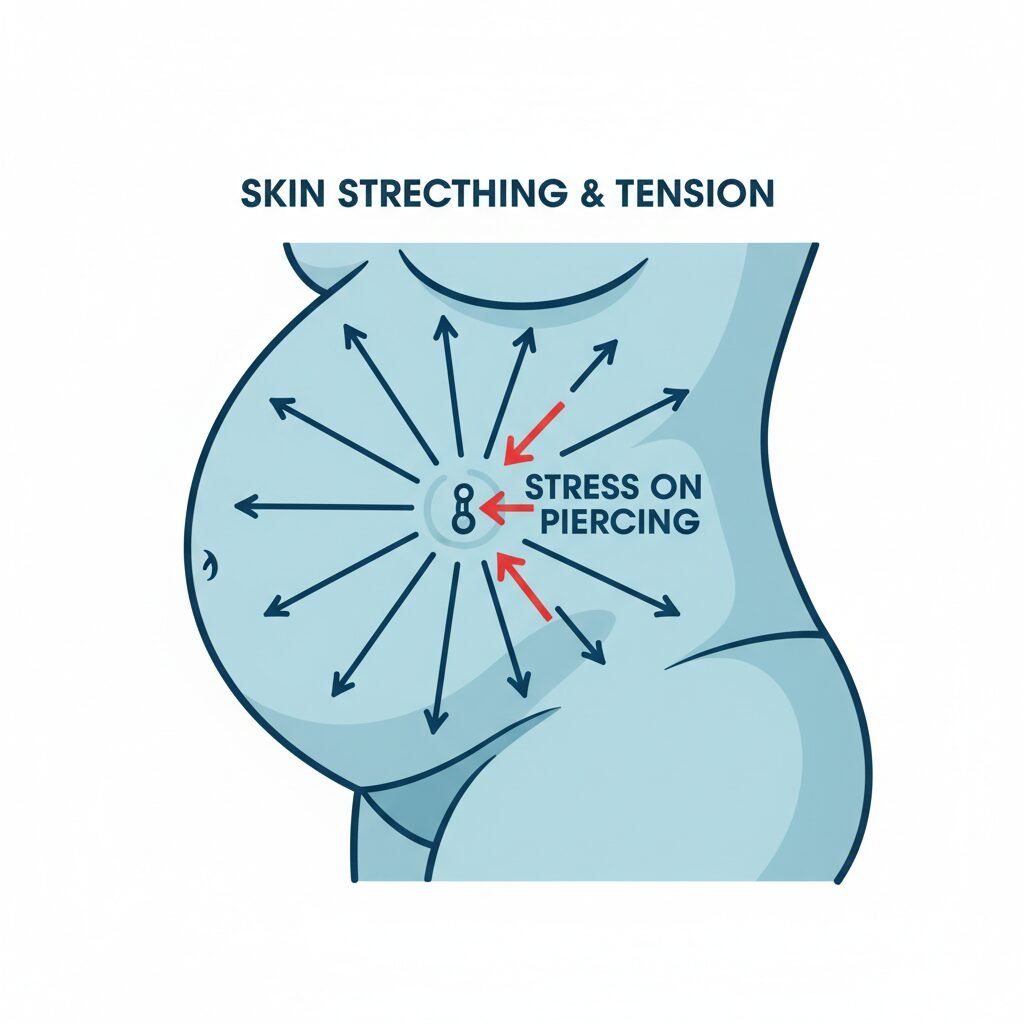
Your growing baby bump is the most obvious change, but the transformation goes more than skin deep. To accommodate your baby, your abdominal skin and muscles stretch significantly. This process puts new and unique stress on a navel piercing, which is why your old care routine might not be enough.
Key Factors Affecting Your Piercing:
- Skin Stretching: This is the biggest factor. As the skin on your abdomen thins and tightens, it can pull on the piercing hole. This can cause the hole to widen, migrate (shift from its original position), or even tear if the jewelry is too tight or gets snagged.
- Navel Changes: Many pregnant people find their ‘innie’ belly button becomes shallow or even pops out to become an ‘outie’ in the later stages of pregnancy. This change in shape can push the jewelry into an awkward position, causing irritation and friction against your clothing.
- Increased Sensitivity: Hormonal shifts can make your skin more sensitive and prone to irritation. A piercing that never bothered you before might suddenly feel itchy or uncomfortable.
- Higher Risk of Infection: While you aren’t necessarily more prone to infection, the constant friction and moisture (especially if your navel pops) can create a more favorable environment for bacteria if the area isn’t kept clean and dry.
“Think of your skin like a fabric being stretched. A tiny hole in that fabric will naturally be put under more tension. The goal isn’t to fight the stretch, but to work with it by using flexible materials.” – Certified Nurse-Midwife
Understanding these changes is the first step in proactive care. It’s not about being scared of what might happen, but about being prepared to adapt your routine to support your body’s incredible work.
Your Trimester-by-Trimester Piercing Plan
Navigating Each Stage of Pregnancy
Your approach to piercing care will likely evolve as your body changes. Here’s a breakdown of what to expect and how to adapt your routine for each trimester.
First Trimester (Weeks 1-13)
During the first trimester, you may not notice many changes to your belly. For most, your standard jewelry will still fit comfortably. This is the perfect time to establish a solid foundation of care.
- Assess Your Piercing: Check to make sure your piercing is fully healed and healthy. If you have any lingering redness, discharge, or pain from a newer piercing, it’s best to consult your piercer or doctor now.
- Establish a Gentle Cleaning Routine: Clean the area daily in the shower with a mild, fragrance-free soap. Rinse thoroughly and gently pat the area completely dry with a clean paper towel. Avoid harsh cleansers or alcohol.
- Shop for Options: This is a great time to research and purchase a maternity belly ring. You might not need it yet, but you’ll have it ready for when you do.
Second Trimester (Weeks 14-27)
This is when your baby bump typically ‘pops’ and starts to grow more rapidly. You’ll likely begin to feel your standard, rigid jewelry becoming tight or uncomfortable. This is the signal to make a change.
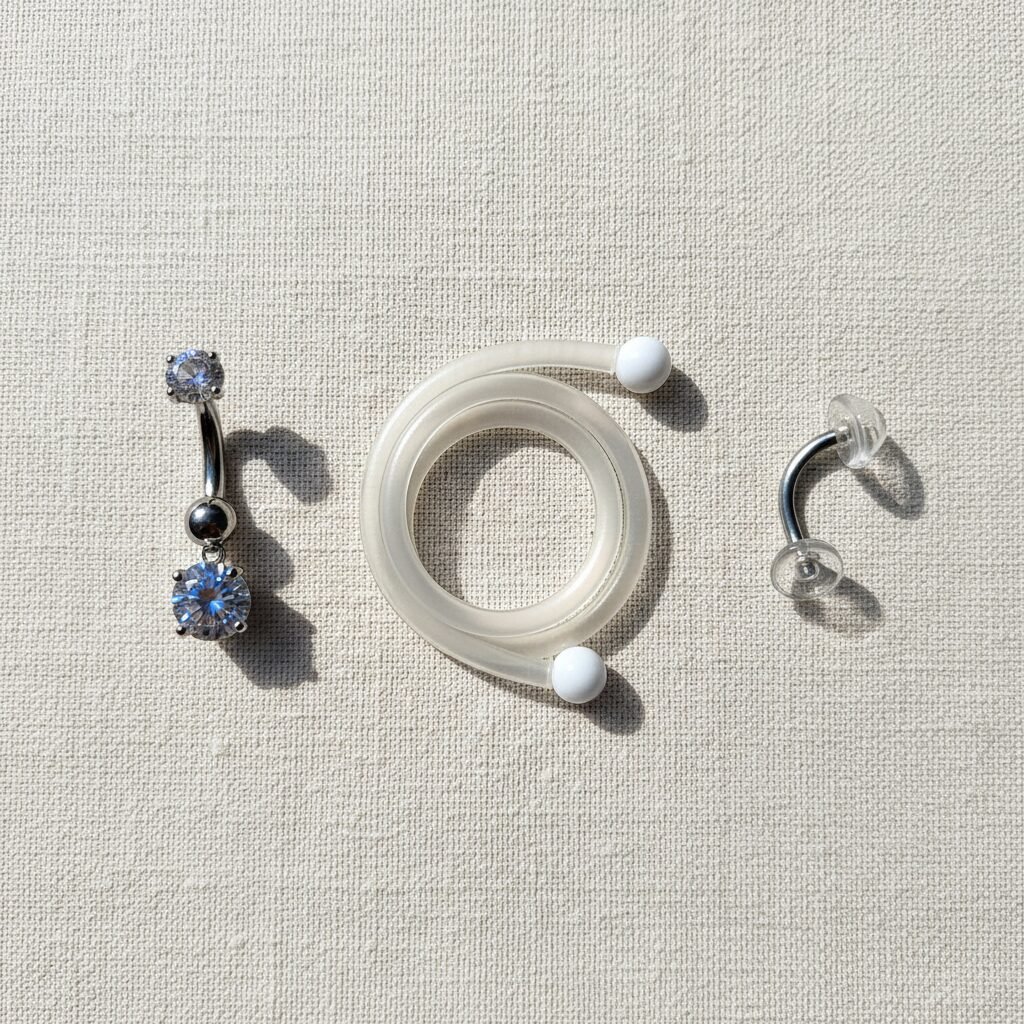
- Switch to Maternity Jewelry: It’s time to swap out your metal barbell for a flexible pregnancy belly ring. These are typically made from PTFE (Polytetrafluoroethylene) or BioPlast, which are flexible, medical-grade plastics. They have extra-long bars that can be trimmed to a custom, comfortable length.
- Monitor for Irritation: As your skin stretches, pay close attention to any redness, itching, or tenderness around the piercing holes. This could be a sign of irritation from friction.
- Moisturize Your Belly: Keep the skin on your belly well-moisturized with a pregnancy-safe lotion or oil to help improve skin elasticity. Apply it around, but not directly in, the piercing hole to avoid clogging it.
Third Trimester (Weeks 28-40+)
Your belly is at its largest during the final trimester, and the skin is under maximum tension. Comfort and safety are the absolute priorities now.
- Assess Comfort Daily: Even with a flexible barbell, the pressure might become too much. If the piercing feels overly tight, the skin around it looks thin, or it’s constantly irritated, it might be time to remove the jewelry completely.
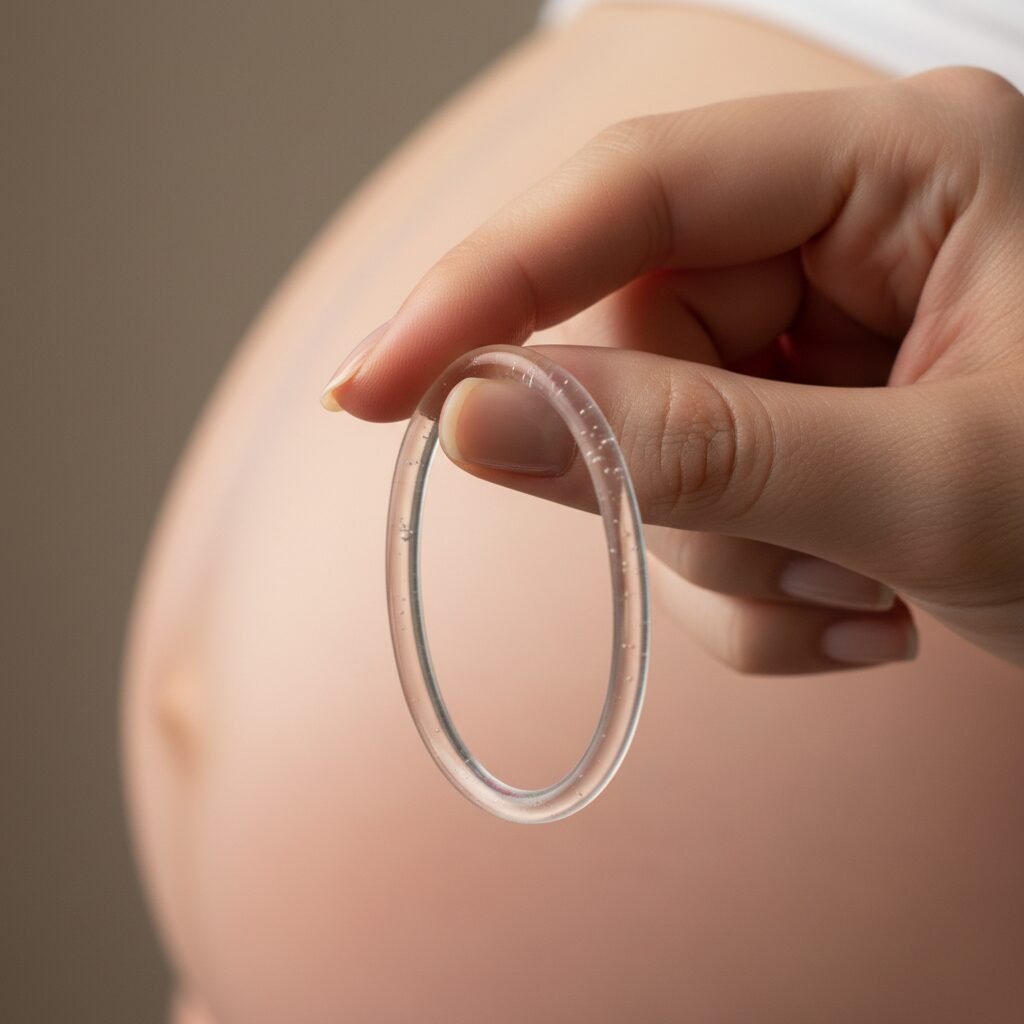
- Consider a Retainer: If you have to take your jewelry out but want to keep the hole open, you can use a simple, flexible piercing retainer. It’s very lightweight and will keep the channel from closing.
- Prioritize Hygiene: It can be hard to see your navel at this stage! Make sure you are still able to clean it effectively in the shower to prevent any buildup of sweat or dead skin cells that could lead to infection.
Choosing Your Pregnancy-Safe Jewelry: A Detailed Comparison
Making the Right Choice for Your Comfort and Safety
When it comes to navel jewelry during pregnancy, not all options are created equal. The rigid metal barbell that looked great before your bump might become your worst enemy. The key is to switch to something that can move and flex with your changing body. Let’s compare the most common options.
The gold standard for pregnancy is flexible, medical-grade plastic jewelry. These materials are designed to be biocompatible, meaning they are unlikely to cause an allergic reaction, and their flexibility is essential for preventing tearing or migration as your skin stretches.
| Jewelry Type | Material | Flexibility | Best For | Pros | Cons |
|---|---|---|---|---|---|
| Standard Metal Barbell | Surgical Steel, Titanium, Gold | None (Rigid) | Pre-pregnancy or very early pregnancy only. | Durable; Wide variety of styles. | Can dig into skin, increase tearing risk, and cause irritation as belly grows. Not recommended past the first trimester. |
| Maternity Belly Ring | PTFE, BioPlast, or Flexible BioFlex | High | Second and third trimesters. | Extra-long and can be cut to size; Bends with your body; Biocompatible and hypoallergenic. | Less decorative than metal options; Can discolor over time. |
| Piercing Retainer | Clear, Flexible Plastic | High | Keeping the hole open in late pregnancy or if jewelry is too irritating. | Extremely lightweight and discreet; Minimizes pressure on the piercing site. | Not decorative; Can be easier to lose. |
Why is PTFE/BioPlast a Better Choice?
PTFE (the same material used in Teflon) and BioPlast are medical-grade plastics that are incredibly flexible and lightweight. Unlike a metal bar that acts as a rigid lever against your stretching skin, a flexible rod will bend and move with you. This drastically reduces the pressure on the piercing holes, which is the primary cause of migration and tearing. They are also non-porous and easy to clean, which is crucial for preventing infection.
Daily Care Routines and Warning Signs to Watch For
How to Prevent Infection and Tearing
A consistent, gentle care routine is your best defense against complications. As your pregnancy progresses, it’s more about gentle maintenance than intensive treatment.
Your Simple Daily Care Routine:
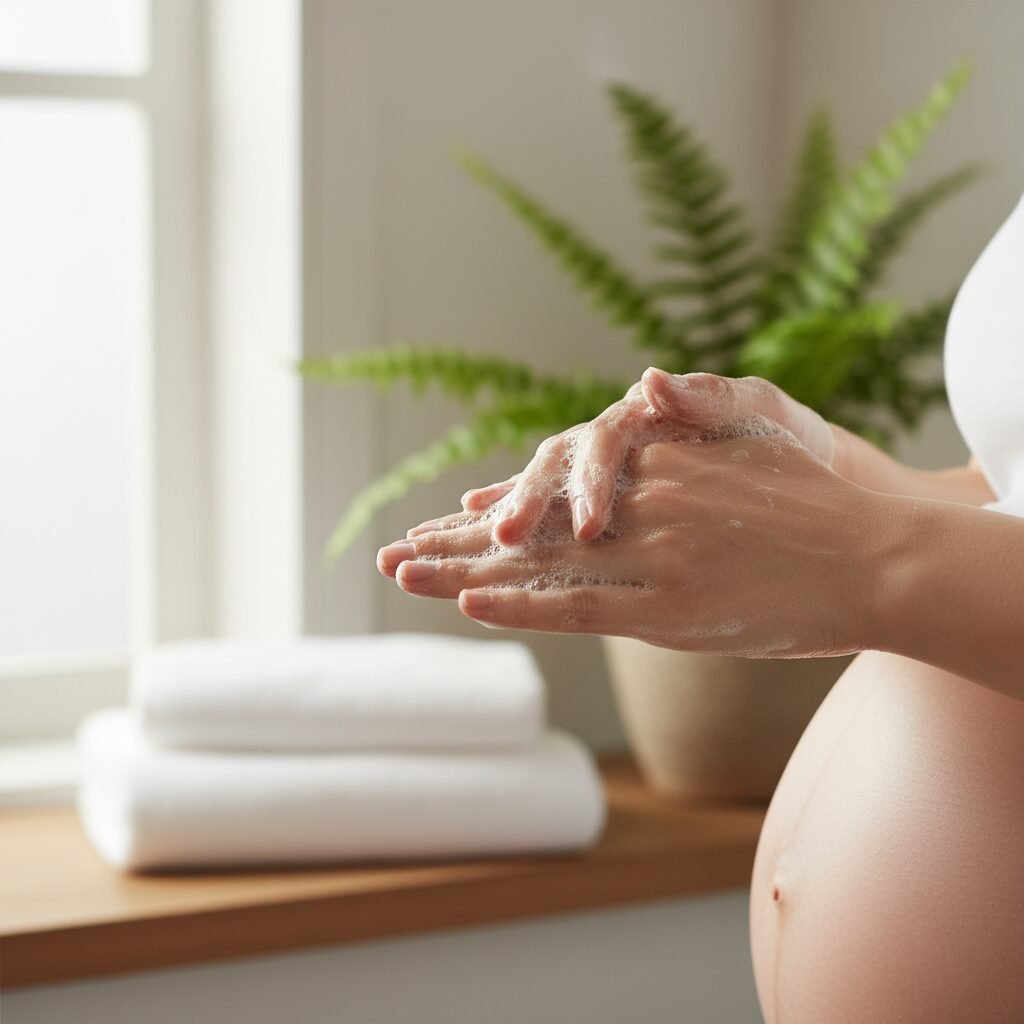
- Wash Your Hands: Before touching your piercing for any reason, always wash your hands thoroughly with soap and water.
- Cleanse Gently: Once a day, preferably in the shower, let warm water run over the piercing. Apply a small amount of mild, fragrance-free soap to your fingers and gently clean the area around the piercing holes and the jewelry itself.
- Rinse Completely: This is a critical step. Make sure all soap residue is rinsed away, as leftover soap can cause irritation and dryness. Gently move the jewelry back and forth to rinse the inside of the piercing channel.
- Dry Thoroughly: Use a fresh, disposable paper towel to gently pat the area completely dry. Fabric towels can harbor bacteria and snag on jewelry, so paper towels are a safer choice.
What to Avoid:
- Harsh Chemicals: Do not use alcohol, hydrogen peroxide, or antibacterial ointments (like Neosporin). These are too harsh, can kill the good bacteria that aid healing, and can trap moisture, leading to infection.
- Over-Cleaning: Cleaning more than once or twice a day can strip the natural oils from your skin and cause severe irritation.
- Fidgeting: Avoid twisting, turning, or playing with your jewelry. Unnecessary movement can introduce bacteria and irritate the piercing.
- Tight Clothing: Opt for maternity pants with low-rise or over-the-belly panels that don’t put direct pressure on your navel.
When to Call Your Doctor or Piercer
Listen to your body. It will tell you when something is wrong. Don’t hesitate to reach out for professional advice if you notice any of the following red flags:
- Signs of Infection: Increased redness or warmth, thick yellow or green discharge, a foul odor, or fever.
- Excessive Pain or Swelling: While some tenderness is possible, sharp pain or significant swelling is not normal.
- Skin Thinning: If you can see the barbell through your skin, or the strip of skin holding the piercing looks very thin and stressed, remove the jewelry immediately to prevent it from tearing through completely.
- Migration or Rejection: If you notice the piercing has noticeably shifted position or the amount of skin between the entry and exit holes has shrunk, your body may be rejecting the piercing.
After Baby: Reclaiming Your Piercing Postpartum

Navigating Piercing Care After Delivery
Congratulations, you’ve welcomed your new baby! As your body begins the healing process postpartum, your belly piercing will need some continued attention. Your abdomen won’t shrink back overnight; it’s a gradual process that can take weeks or months.
Patience is Key
Your abdominal skin has undergone a massive stretch, and it needs time to regain its elasticity. Rushing to put your old, short, metal jewelry back in can cause irritation or even damage to the still-sensitive piercing site.
- Keep Your Maternity Jewelry In: For the first several weeks postpartum, it’s wise to continue wearing your flexible maternity barbell or retainer. This will keep the hole open without putting unnecessary pressure on your healing skin.
- Wait for the Skin to Retract: Give your body at least 6-8 weeks, or until after you get clearance from your doctor at your postpartum checkup, before attempting to switch back to your pre-pregnancy jewelry. For some, it may take several months for the skin to feel firm enough.
- Test the Fit: When you do decide to switch back, see how it feels. If the old jewelry feels tight or pulls on the skin when you move, it’s too soon. Go back to your maternity ring for a few more weeks and try again later.
What if My Piercing Looks Different?
It’s very common for the piercing hole to appear slightly stretched or for the skin to have a different texture after pregnancy. This is a normal part of the journey. Embrace it as a small mark of the incredible thing your body has done. If the piercing has closed up, or if you’re unhappy with its new position after your skin has fully recovered, you can always visit a reputable professional piercer. They can assess the area and advise you on whether it can be safely and successfully re-pierced.
“Your postpartum body tells a story. Be gentle with it, including your piercing. Give it the same patience and grace you’re giving yourself as a new parent.”
Conclusion
Navigating a pregnancy with a belly piercing doesn’t have to be a source of stress. By understanding how your body is changing, adapting your care routine, and choosing the right flexible jewelry, you can protect your piercing and focus on the joy of your pregnancy. The most important advice is to listen to your body. Prioritize comfort and safety over aesthetics. If your piercing becomes painful or irritated, it’s always okay to take it out. A healthy you and a healthy baby are what matter most.
Remember, this journey of transformation is beautiful. Every stretch mark and every change is a testament to the life you’re creating. Be proud of your amazing body, piercing and all.
Medical Disclaimer
The information provided in this article is for educational and informational purposes only and is not intended as medical advice. It is not a substitute for professional medical advice, diagnosis, or treatment. Always seek the advice of your physician, midwife, or other qualified health provider with any questions you may have regarding a medical condition. Never disregard professional medical advice or delay in seeking it because of something you have read in this article.