
Discharge vs. Early Pregnancy: How To Spot The Difference Before You Test
The two-week wait (TWW) is a period of intense anticipation, hope, and often, anxiety. Every twinge, craving, and change in your body is put under a microscope. One of the most common and confusing signs to decipher is a change in vaginal discharge. You find yourself asking, ‘Is this my period coming, or could this be it? Could I be pregnant?’ This question can dominate your thoughts, making the wait feel even longer.
As a certified doula and maternal health educator, I have supported countless individuals and couples through this exact period of uncertainty. I understand the emotional weight of scrutinizing every sign. The purpose of this guide is to empower you with knowledge. We will break down the science behind vaginal discharge, compare what’s typical for your menstrual cycle versus what might indicate early pregnancy, and provide a clear, empathetic, and fact-based framework to help you interpret your body’s signals with more confidence and less anxiety. Let’s navigate this together, separating fact from fiction so you can feel more grounded during this delicate time.
The Basics: Understanding ‘Normal’ Vaginal Discharge and Your Cycle
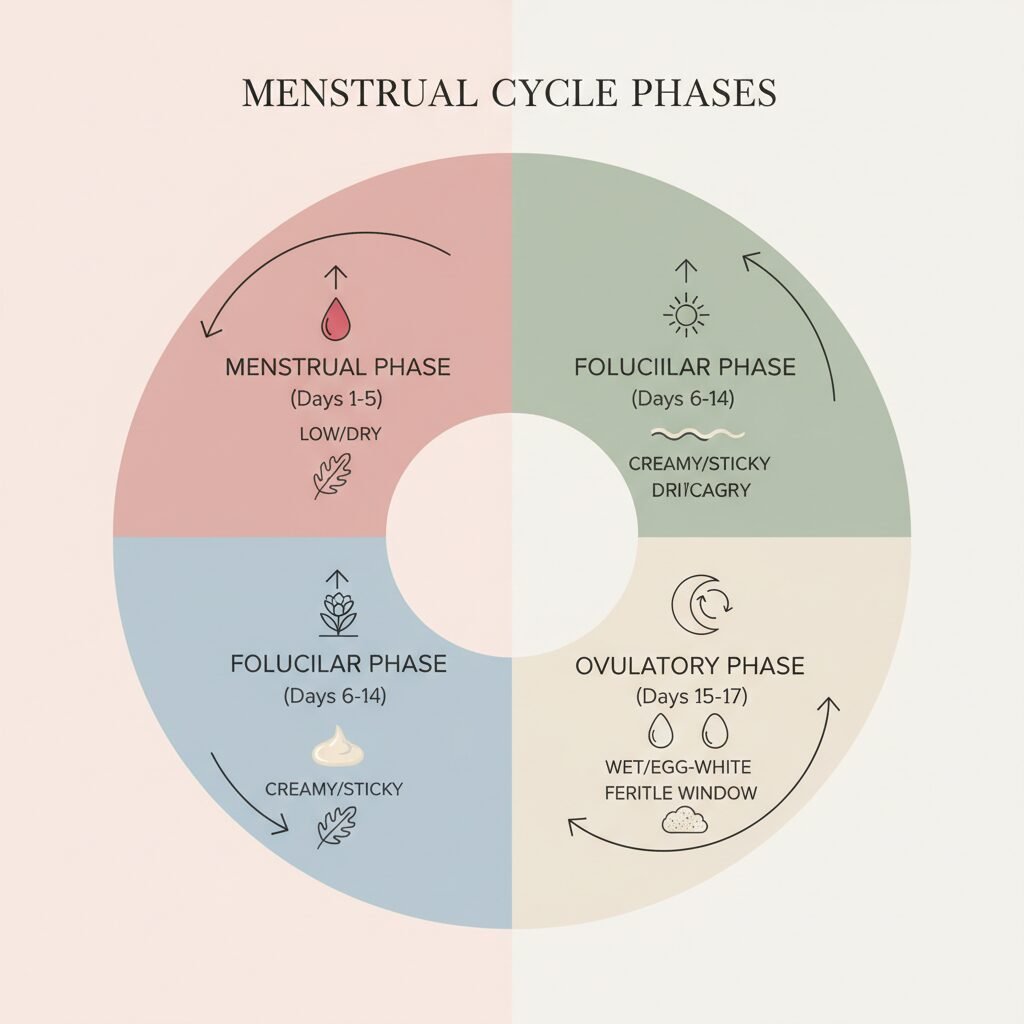
Before we can identify what might be different, it’s essential to understand the baseline: the normal, healthy changes in vaginal discharge that occur throughout a typical menstrual cycle. This discharge, primarily composed of fluid and cells from the vagina and cervix, is your body’s natural housekeeping method. It keeps the tissues healthy, provides lubrication, and protects against infection. Its consistency, color, and volume are directly influenced by fluctuating hormones, primarily estrogen and progesterone.
Think of your cervical mucus as a narrator, telling the story of where you are in your cycle. Here’s a typical progression:
- Immediately After Your Period (Follicular Phase): You’ll likely experience a few ‘dry’ days with little to no discharge. Estrogen levels are low.
- Approaching Ovulation (Late Follicular Phase): As estrogen levels begin to rise to prepare an egg for release, your discharge will start to change. It may become sticky or tacky, and appear white or cloudy.
- During Ovulation: This is peak fertility. Estrogen is at its highest, causing your cervical mucus to become clear, slippery, and stretchy—often compared to the consistency of raw egg whites. This fertile-quality mucus helps sperm travel efficiently to the egg. You’ll notice the highest volume of discharge during this time.
- After Ovulation (Luteal Phase): Once the egg is released, progesterone becomes the dominant hormone. This causes the discharge to change again. It will typically become thicker, creamier, and less stretchy, eventually feeling sticky or tacky again before your period begins. Its purpose now is to create a barrier to prevent sperm or bacteria from entering the uterus.
Understanding this pattern is the first step in symptom-spotting. By tracking your cycle for a few months, you can establish what’s ‘normal’ for your body, making any deviations easier to notice.
Leukorrhea: The Signature Discharge of Early Pregnancy

If conception occurs, your body’s hormonal landscape shifts dramatically to support the new pregnancy. One of the earliest changes this triggers is an increase in a specific type of discharge called leukorrhea. While leukorrhea is present to some degree throughout your life, it becomes much more noticeable in early pregnancy.
So, what causes it? Two main factors are at play:
- Surging Estrogen Levels: After implantation, estrogen levels rise significantly to help build and maintain the uterine lining (endometrium). This hormonal surge stimulates the cervix, causing it to produce more mucus.
- Increased Blood Flow: Pregnancy increases blood volume and circulation throughout your body, including to the pelvic region. This increased blood flow to the vaginal walls and cervix further contributes to an increase in discharge.
What Does Leukorrhea Look and Feel Like?
The key difference lies in its characteristics. Early pregnancy leukorrhea is typically:
- Color: Milky white or a very pale, creamy yellow.
- Consistency: Thin and watery, or slightly creamy, but not usually stretchy like ovulatory mucus.
- Amount: Noticeably more abundant than your usual luteal phase discharge. Many women feel ‘wetter’ than usual.
- Smell: It should be mild-smelling or completely odorless. A strong or foul odor is a sign of a potential infection.
This increase in discharge is completely normal and serves a protective purpose. It helps maintain a healthy balance of bacteria in the vagina and forms a mucus plug in the cervix, which acts as a barrier to protect the uterus and the developing baby from infection.
Spot the Difference: A Detailed Comparison Chart

To truly understand the nuances, it’s helpful to see the characteristics side-by-side. The waiting period often blurs our perception, so having a factual reference can be incredibly grounding. Use this table to compare what you’re experiencing with the typical signs of pre-menstrual discharge versus early pregnancy leukorrhea.
| Characteristic | Pre-Menstrual Discharge (Luteal Phase) | Early Pregnancy Discharge (Leukorrhea) |
|---|---|---|
| Timing | Occurs in the days leading up to your expected period. | May begin around the time of your expected period and will continue and often increase as the pregnancy progresses. |
| Color | Can be white, cloudy, or yellowish. May become brown or pink right as your period begins. | Typically milky white or off-white. It generally remains this color. |
| Consistency | Often thick, creamy, and sticky or tacky. Tends to be less watery. | Usually thin, watery, or lotion-like. Not typically sticky or stretchy. |
| Amount | Can range from scant to moderate, but often decreases and becomes drier right before your period starts. | Noticeably increased amount. A persistent feeling of wetness is common. |
| Smell | Typically odorless, or may have a slightly musky but not unpleasant odor. | Mild-smelling or odorless. Any foul, fishy, or yeasty smell is abnormal. |
Remember, your body is unique. This chart is a guide, not a diagnosis. The most reliable way to confirm a pregnancy is with a test after a missed period.
Decoding Other Signs: What About Implantation Bleeding?
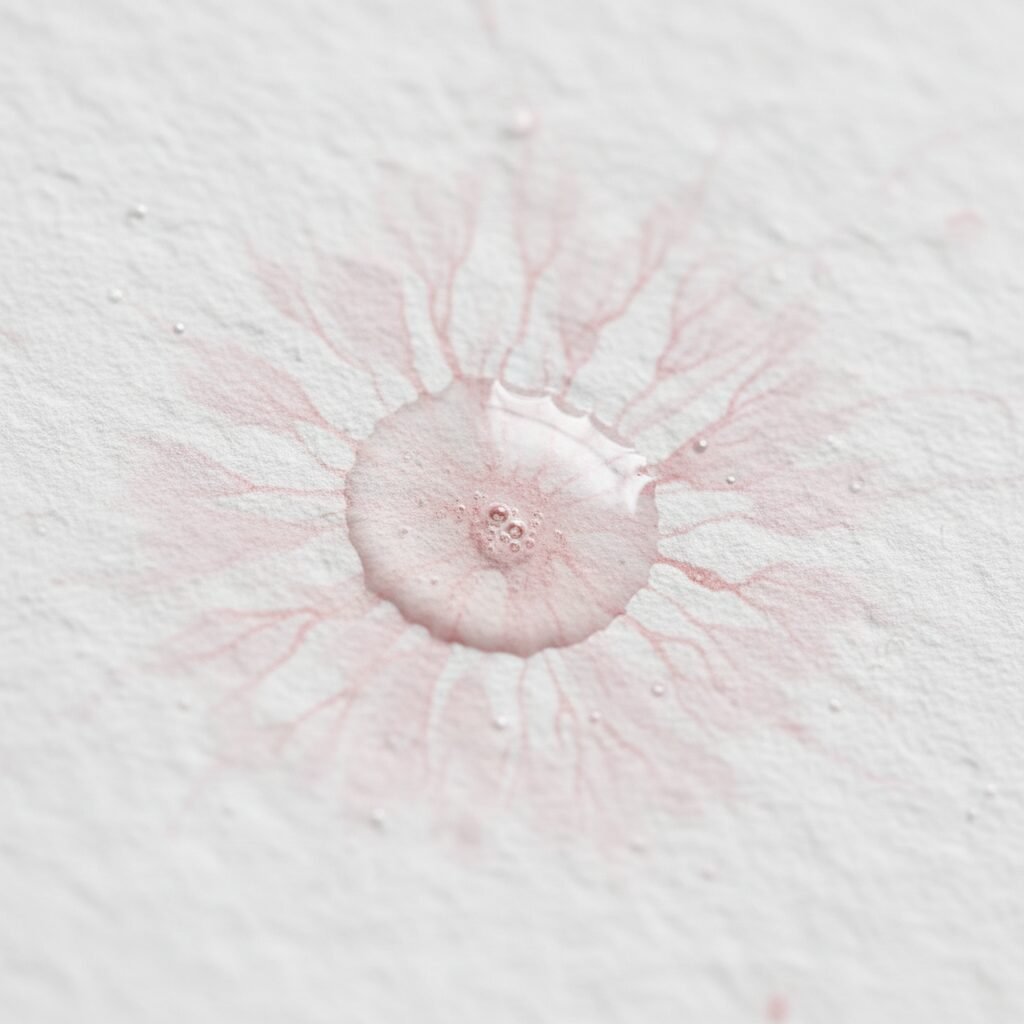
Another confusing sign that can occur during the two-week wait is light spotting. This can be mistaken for the start of a period, but it could also be implantation bleeding. Implantation is the process where the fertilized egg attaches itself to the wall of the uterus.
This event typically happens about 6 to 12 days after ovulation, which often coincides with the week you’d be expecting your period. As the embryo burrows into the uterine lining, it can disrupt tiny blood vessels, causing a small amount of bleeding.
Implantation Bleeding vs. Menstrual Period
How can you tell the difference? There are a few key distinctions:
- Color: Implantation bleeding is most often light pink or brown (like old blood), whereas menstrual blood is typically a vibrant red, especially on the first day.
- Flow: This is the biggest differentiator. Implantation bleeding is very light spotting—it might be a few streaks on toilet paper when you wipe or require only a light panty liner. A period involves a steady flow that requires a pad, tampon, or cup.
- Duration: Spotting from implantation usually lasts anywhere from a few hours to a maximum of two days. A period typically lasts for 3-7 days.
- Cramping: Some women experience light, fleeting cramps with implantation, often described as pulling or tingling. Menstrual cramps are usually more intense, persistent, and painful.
It’s crucial to note that not every pregnant person will experience implantation bleeding. In fact, studies suggest only about 25-30% of women do. So, its absence doesn’t mean you aren’t pregnant, and its presence isn’t a definitive sign that you are. It is simply one more clue your body might offer.
Warning Signs: When Discharge Signals a Problem

While changes in discharge are a normal part of both the menstrual cycle and pregnancy, some changes can indicate an infection that requires medical attention. It’s particularly important to address any potential issues when you are trying to conceive or believe you may be pregnant, as untreated infections can sometimes pose risks.
Please contact your doctor or healthcare provider if you experience any of the following, as they are not typical of leukorrhea or normal cyclical discharge:
- Itching, Burning, or Discomfort: Any irritation in or around the vagina is a red flag.
- Strong or Foul Odor: A fishy, yeasty, or otherwise unpleasant smell is a common sign of infections like bacterial vaginosis (BV) or trichomoniasis.
- Unusual Color: Discharge that is greenish, yellowish (especially if dark or thick), or gray is abnormal.
- Abnormal Texture: A texture resembling cottage cheese is the classic sign of a yeast infection. Frothy or foamy discharge is also a cause for concern.
- Pain: If the discharge is accompanied by pelvic pain or pain during urination or intercourse, it warrants a medical evaluation.
Seeking prompt care is an act of self-love and advocacy for your health and potential pregnancy. Your provider can perform simple tests to diagnose the issue and prescribe treatment that is safe for you, whether you are pregnant or not.
Conclusion
The two-week wait is a profound exercise in patience and body awareness. While it’s natural to search for definitive answers in every subtle sign, it’s important to remember that many pre-menstrual and early pregnancy symptoms overlap. The key difference between cyclical discharge and early pregnancy leukorrhea often comes down to its timing, consistency, and a noticeable increase in volume that persists beyond when your period was due.
Ultimately, these signs are just clues. The only way to confirm a pregnancy is with a positive pregnancy test after you’ve missed your period. Be gentle with yourself during this time. Acknowledge your hopes, honor your anxieties, and trust that you are doing your best. No matter the outcome this cycle, you are resilient, and you are not alone on this journey.
Medical Disclaimer
This article is for informational purposes only and does not constitute medical advice. The information contained herein is not intended to diagnose, treat, cure, or prevent any disease. Always seek the advice of your physician or other qualified health provider with any questions you may have regarding a medical condition. Never disregard professional medical advice or delay in seeking it because of something you have read in this article.