
Canvas vs. Plastic: Which Nursery Bins Hide Clutter Best?
As you prepare for your baby’s arrival, you’ll quickly notice one universal truth: babies come with a lot of stuff. From tiny socks and mountains of diapers to adorable stuffed animals and essential gear, the items can quickly pile up, turning your peaceful nursery vision into a cluttered reality. Creating a serene, functional space is crucial not just for your baby’s comfort, but for your own peace of mind. Effective storage is the cornerstone of that tranquility, and the humble storage bin is its unsung hero.
The central debate for many new parents often boils down to two popular contenders: soft, stylish canvas bins versus durable, practical plastic ones. Which one is truly better at hiding clutter and creating the nursery of your dreams? As a doula and maternal health educator, I’ve helped countless families navigate this exact decision. The answer isn’t always straightforward, as the ‘best’ choice depends entirely on your needs, style, and what you plan to store. In this guide, we’ll dive deep into the world of nursery organization, comparing canvas and plastic bins across key categories to help you build a system that is not only beautiful but also sustainable for your growing family.
The Case for Canvas Bins: Soft, Stylish, and Versatile

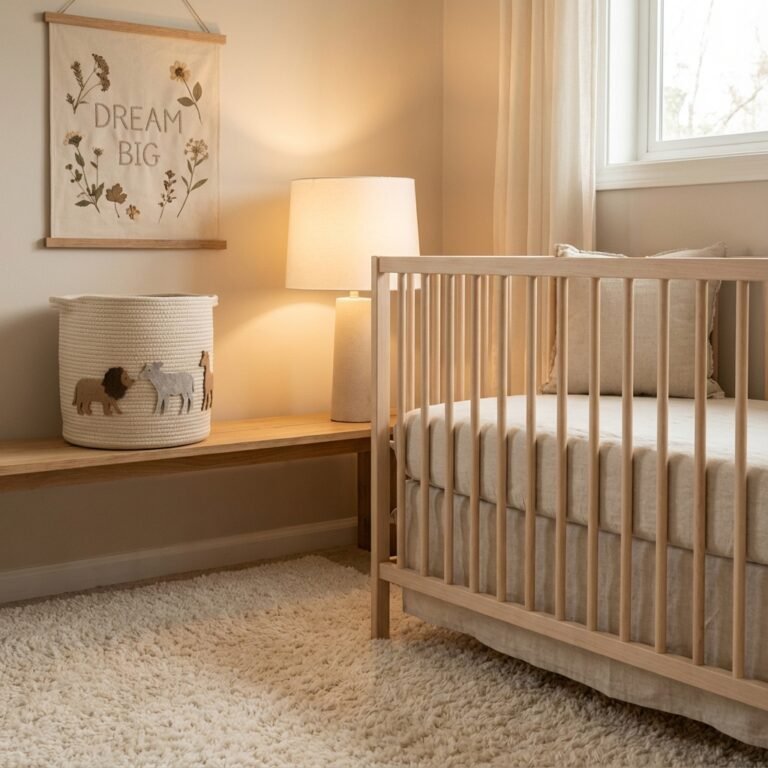
Canvas bins have become a staple in modern nursery design, and for good reason. They bring a softness and warmth that rigid materials often lack, instantly making a room feel more cozy and inviting. Available in a seemingly endless array of colors, patterns, and sizes—from chic neutrals to playful animal prints—canvas bins can be a design element in their own right, seamlessly blending with your chosen decor.
Beyond aesthetics, their physical properties offer unique advantages. Their soft-sided nature means no sharp corners, providing a safer environment for a baby who will soon be crawling and pulling up on everything. They are lightweight, making it easy for you to move them around and for your child to access their own toys as they grow. Many are also collapsible, which is a fantastic feature for storing them away when not in use.
Pros of Canvas Bins
- Aesthetically Pleasing: The variety of styles can complement any nursery theme, from bohemian to minimalist.
- Soft and Safe: With no hard edges, they are a safer choice for play areas and for little hands.
- Lightweight and Portable: Easy to carry from room to room, even when full of toys.
- Flexible Structure: Can be squeezed into tight or oddly shaped spaces more easily than rigid containers.
- Collapsible: Many designs fold flat, saving space when empty.
Cons of Canvas Bins
- Can Lose Shape: Without internal support, they can sag or bulge when overfilled, looking less tidy.
- More Difficult to Clean: Most canvas bins are spot-clean only. Spills from lotions, creams, or leaky diapers can lead to permanent stains or odors.
- Less Durable for Heavy Items: They may not hold up as well over time when used to store heavy items like books.
- Can Absorb Moisture and Odors: Not ideal for damp items or storing diapering supplies where odors can be a concern.
The Practicality of Plastic Bins: Durable, Stackable, and Easy to Clean

If functionality, durability, and ease of maintenance are at the top of your list, plastic bins are a formidable contender. They are the workhorses of the organization world. A simple wipe with a damp cloth is usually all it takes to clean up spills, dust, or sticky messes, making them perfect for storing things that can get messy—diapering supplies, toiletries, and later on, art supplies like crayons and paint.
Their rigid structure is a major advantage for creating a tidy, uniform look. Plastic bins hold their shape regardless of what’s inside, and their ability to stack securely is a game-changer for maximizing vertical space in closets or on shelves. Many come with lids, which not only hides clutter completely but also protects the contents from dust. When choosing plastic, it’s essential to look for options that are BPA-free, phthalate-free, and made from high-quality, non-toxic materials to ensure your baby’s environment is safe.
Pros of Plastic Bins
- Extremely Durable: Resistant to wear and tear, and can hold heavy items without losing their shape.
- Waterproof and Easy to Clean: Non-porous surface can be quickly wiped down or washed, preventing stains and odors.
- Stackable: Excellent for maximizing storage in closets and on shelves.
- Often More Affordable: Generally, plastic bins offer a lower price point compared to high-quality, decorative canvas bins.
- Lidded Options: Lids help to completely conceal clutter and keep contents dust-free.
Cons of Plastic Bins
- Can Look Sterile: The aesthetic can be more clinical or less ‘cozy’ than fabric options.
- Potential for Cracking: Lower-quality plastic can become brittle over time and crack or break, creating sharp edges.
- Less Breathable: The non-porous material isn’t ideal for storing fabrics or items that need air circulation.
- Environmental Concerns: The production and disposal of plastic is a consideration for eco-conscious parents.
Head-to-Head Comparison: Key Factors for Your Nursery

To make the decision clearer, let’s directly compare canvas and plastic bins across the factors that matter most to new parents. Seeing them side-by-side can help you prioritize what’s most important for your family and your space.
| Feature | Canvas Bins | Plastic Bins |
|---|---|---|
| Aesthetics & Style | High. Available in numerous colors and patterns to match decor. Adds a soft, cozy texture to the room. | Moderate. Can look clean and modern, but often more functional than decorative. Color options may be more basic. |
| Ease of Cleaning | Low. Typically spot-clean only. Susceptible to staining and absorbing odors. | High. Waterproof and non-porous. Can be easily wiped down, washed, or disinfected. |
| Durability & Structure | Moderate. Can sag or lose shape when overfilled. Fabric can wear or tear over time. | High. Rigid structure holds its shape. Resistant to wear and can hold heavy items. May crack if brittle. |
| Child Safety | High. Soft sides with no sharp corners, making them very safe for babies and toddlers. | Moderate. Generally safe, but can have sharp edges if cracked or broken. Look for BPA-free materials. |
| Space Efficiency | Good. Flexible sides can fit into odd spaces. Collapsible designs are great for storage. Not stackable. | Excellent. Rigid, uniform shapes are perfect for stacking to maximize vertical space in closets or on shelves. |
| Cost | Varies. Can range from inexpensive to quite pricey for designer or large-format bins. | Generally Low to Moderate. Typically a more budget-friendly option, especially for basic models. |
The Hybrid Approach: Why You Don’t Have to Choose Just One

After weighing the pros and cons, you might find yourself wishing you could have the best of both worlds. The great news is, you can! The most functional and beautiful nurseries I’ve seen often employ a hybrid approach, using each type of bin for what it does best. This strategy allows you to create designated zones for different items, optimizing for both style and practicality.
Creating a functional and peaceful nursery isn’t about finding one perfect solution; it’s about building a system that works for your family’s unique needs.
Consider how this might look in your nursery:
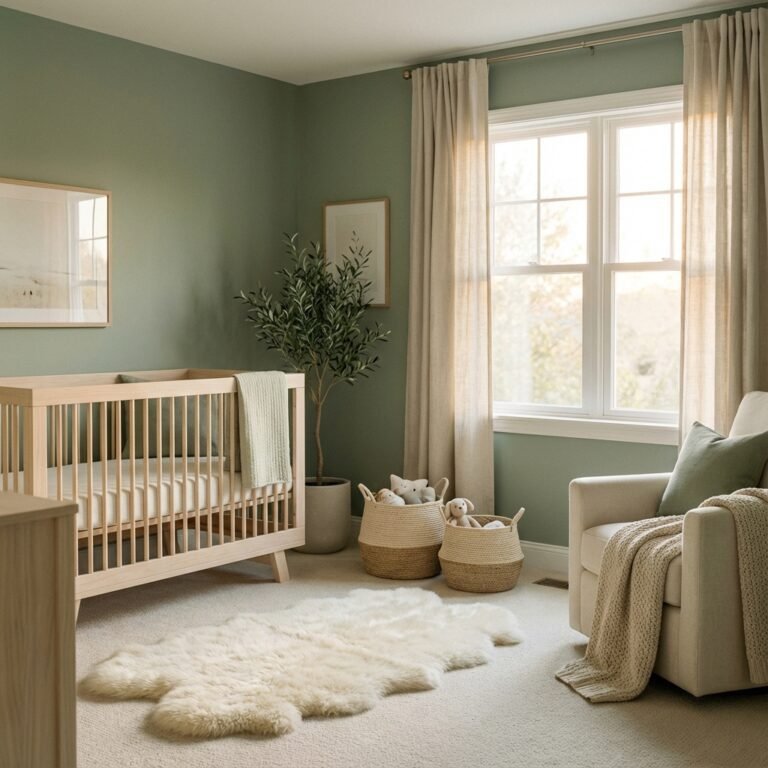
- Canvas for the Play Zone: Use large, open-top canvas bins and baskets on the floor in the main living or play area. They are perfect for stashing stuffed animals, blocks, and other soft toys. Their safe, soft-sided design is ideal for a space where your baby will be actively playing and exploring.
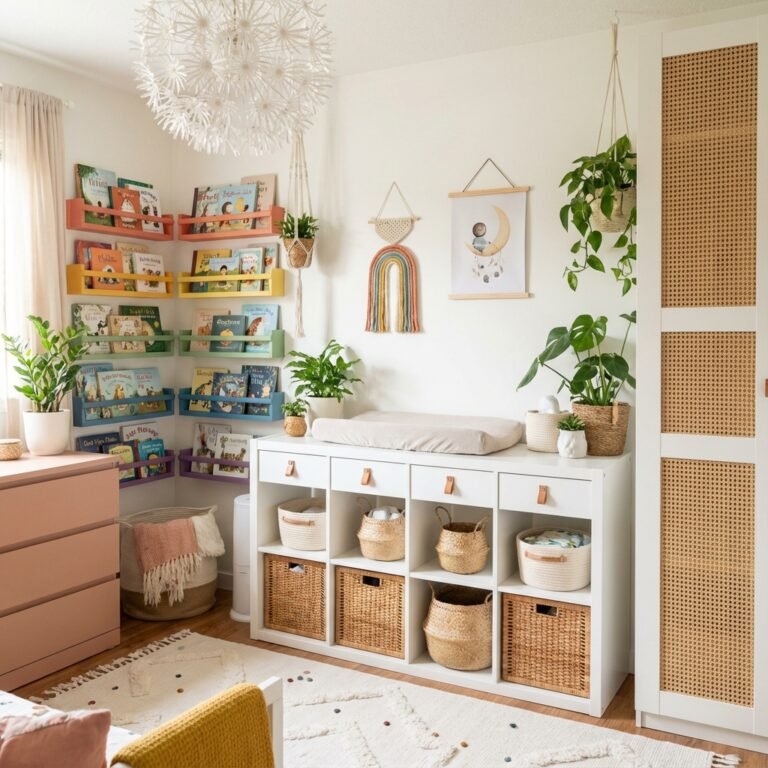
- Plastic for the Changing Station: Organize your changing table or closet with plastic bins. Use smaller, open plastic containers for diapers, wipes, and creams for easy access. Use larger, lidded plastic bins for storing backup supplies, medicines, or clothes your baby hasn’t grown into yet. Their wipeable surface is a lifesaver in this potentially messy zone.
- Canvas for Closets (Soft Goods): Use stylish canvas bins on closet shelves to store extra blankets, swaddles, and baby linens.
- Plastic for Under-Crib Storage: Low-profile, lidded plastic bins that slide under the crib are perfect for long-term storage of out-of-season clothing or sentimental keepsakes, protecting them from dust and moisture.
By mixing and matching, you get the warm aesthetic of canvas in visible areas and the hardworking practicality of plastic where it matters most.
Making the Final Decision: Questions to Ask Yourself

Ultimately, the right choice is a personal one. Before you click ‘add to cart,’ take a moment to reflect on your specific situation. Arming yourself with a clear understanding of your priorities will prevent you from buying storage that looks great online but doesn’t function well in your real life. Here is a simple checklist of questions to guide your decision:
- What is my primary goal? Am I trying to add a decorative touch (go for canvas) or am I focused purely on maximizing storage in a closet (plastic is likely better)?
- What specific items will I be storing in these bins? Soft toys and blankets are great for canvas. Diapering supplies, toiletries, or anything that could leak is better suited for plastic.
- Where will the bins be located? If they’re out in the open, aesthetics are key. If they are in a closet or under a bed, stackability and durability might be more important.
- How important is ‘easy to clean’ for me? Be honest with yourself about how much time and energy you’ll have for spot-treating fabric. With a new baby, sometimes wipeable is a non-negotiable feature.
- What is my budget? Determine how much you want to spend. You can often get more storage for your money with plastic, while a few select canvas bins can serve as accent pieces.
- How will my needs change over time? Think ahead. Those bins for tiny baby socks will eventually need to hold chunky toddler toys or art supplies. Which material will adapt better to your family’s future needs?
Thinking through these questions will help you invest in an organization system that not only hides clutter effectively but also serves your family well for years to come.
Conclusion
In the great nursery storage debate of canvas versus plastic, there is no single winner. Each material offers a distinct set of benefits tailored to different needs and priorities. Canvas bins win on style, bringing a soft, warm, and safe element to your nursery’s decor. Plastic bins are the champions of practicality, offering unparalleled durability, stackability, and an easy-to-clean surface that can handle any mess a baby throws its way.
For most families, the ideal solution lies not in choosing one over the other, but in embracing a hybrid system. Use beautiful canvas bins to enhance the look of your nursery and hold soft, safe items, while relying on the practical power of plastic bins inside closets and at the changing station. By thoughtfully assigning each type of bin to the right task, you can create a space that is organized, serene, and perfectly suited to you and your new baby.
Remember, the goal is to reduce stress, not add to it. Don’t get lost in the pursuit of a ‘perfect’ nursery. Choose the storage that makes your life easier and your baby’s room feel like a sanctuary. After all, the most important thing you’ll bring into this room is love. The bins are just there to hold the stuff.