
Can You Prevent Tearing? Proven Tips to Protect Your ‘Down There’ During Birth
Let’s talk about one of the biggest fears many expectant parents share: tearing during childbirth. The thought can be intimidating, bringing up worries about pain, stitches, and a difficult recovery. If this is weighing on your mind, please know you are not alone. It’s a completely valid concern. The good news is that while tearing can’t always be prevented, there is so much you can do to significantly reduce your risk and feel more in control of your birth experience.
As a doula, I’ve supported countless families through this journey, and I want to replace that fear with facts and empowerment. This isn’t about achieving a ‘perfect’ birth; it’s about understanding your body, knowing your options, and working with your birth team to have the gentlest experience possible. We’ll walk through what perineal tearing actually is, explore proven preparation techniques you can start today, and discuss strategies to use during labor itself. You are strong, your body is capable, and with the right knowledge, you can approach your baby’s birth day with confidence and peace.
Understanding Perineal Tearing: What, Why, and How Common Is It?
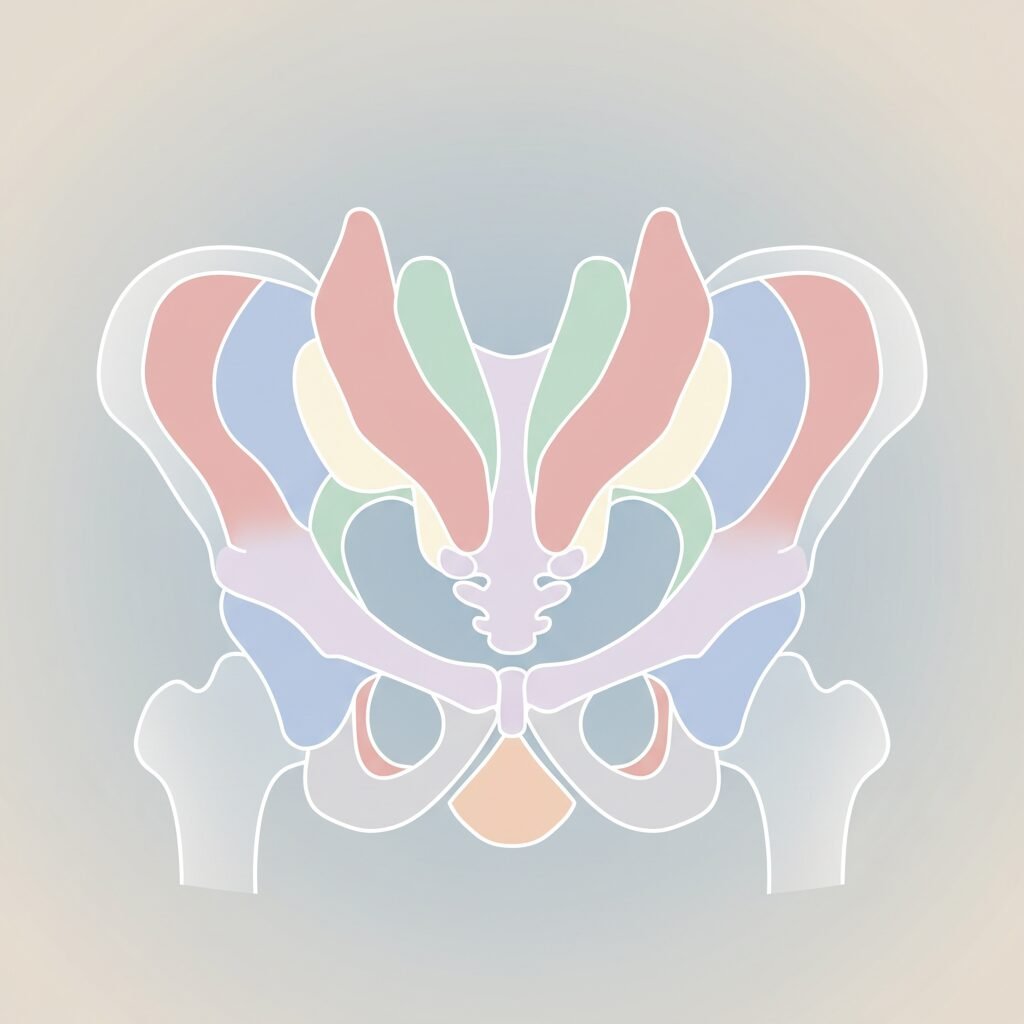
Before we dive into prevention, it’s essential to understand what we’re talking about. The perineum is the area of skin and muscle between the vaginal opening and the anus. It’s designed to stretch during birth to make way for your baby. Sometimes, as the baby’s head crowns, this area can tear. It’s incredibly common, with some studies suggesting that up to 90% of first-time mothers experience some degree of tearing.
The key thing to remember is that the vast majority of these are minor tears that heal quickly with little intervention. To help you understand what your provider might talk about, tears are classified into four degrees based on their severity.
Degrees of Tearing Explained
Thinking about this can be stressful, but knowledge is power. Most tears are first or second degree, involving only skin and superficial muscle, and typically heal beautifully within a few weeks.
| Degree of Tear | What It Involves | Commonality & Healing |
|---|---|---|
| First-Degree | A small tear affecting only the perineal skin or the surface of the vagina. Stitches may not even be needed. | Very common. Often feels like a small scrape or abrasion and heals quickly on its own or with a few stitches. |
| Second-Degree | The tear extends deeper through the skin and into the muscle of the perineum. | The most common type of tear that requires stitches. Healing usually takes a few weeks. |
| Third-Degree | The tear goes through the perineal skin and muscles and extends into the muscle of the anal sphincter. | Less common. Requires careful repair in an operating room and a longer recovery period. |
| Fourth-Degree | The most severe and least common type, where the tear goes completely through the anal sphincter and the tissue lining the rectum. | Rare. Requires specialized surgical repair and dedicated postpartum follow-up. |
What Factors Increase the Risk?
Several factors can influence the likelihood of tearing, and many are simply a part of the birth process. These can include:
- Being a first-time mom: The tissues haven’t stretched in this way before.
- A fast labor or pushing stage: The perineum may not have enough time to stretch gradually.
- Baby’s position: A baby in the ‘occiput posterior’ (sunny-side up) position can present a wider head diameter.
- Baby’s size: A larger baby can increase the stretch needed.
- Instrumental delivery: The use of forceps or a vacuum extractor can increase the risk of tearing.
Seeing this list isn’t meant to cause worry, but to help you understand the full picture. The following sections are dedicated to the factors you can influence.
Prenatal Preparation: Strengthening and Softening Your Tissues
The work to protect your perineum begins weeks, or even months, before labor starts. Think of it as training for a marathon. By preparing the tissues ahead of time, you give your body the best possible chance to stretch gently and effectively when the time comes.
Perineal Massage: Your Step-by-Step Guide
This is one of the most evidence-based techniques for reducing the risk of severe tearing, especially for first-time moms. The goal is to gently stretch and soften the perineal tissues, helping you become familiar with the sensation of stretching you’ll feel during birth. It’s recommended to start around 34-35 weeks of pregnancy.
- Get Comfortable: Find a private, relaxing space. You can try this in bed propped up with pillows, in a warm bath, or standing with one leg up on a stool.
- Wash Your Hands: Cleanliness is key. Ensure your (or your partner’s) hands are clean and nails are trimmed.
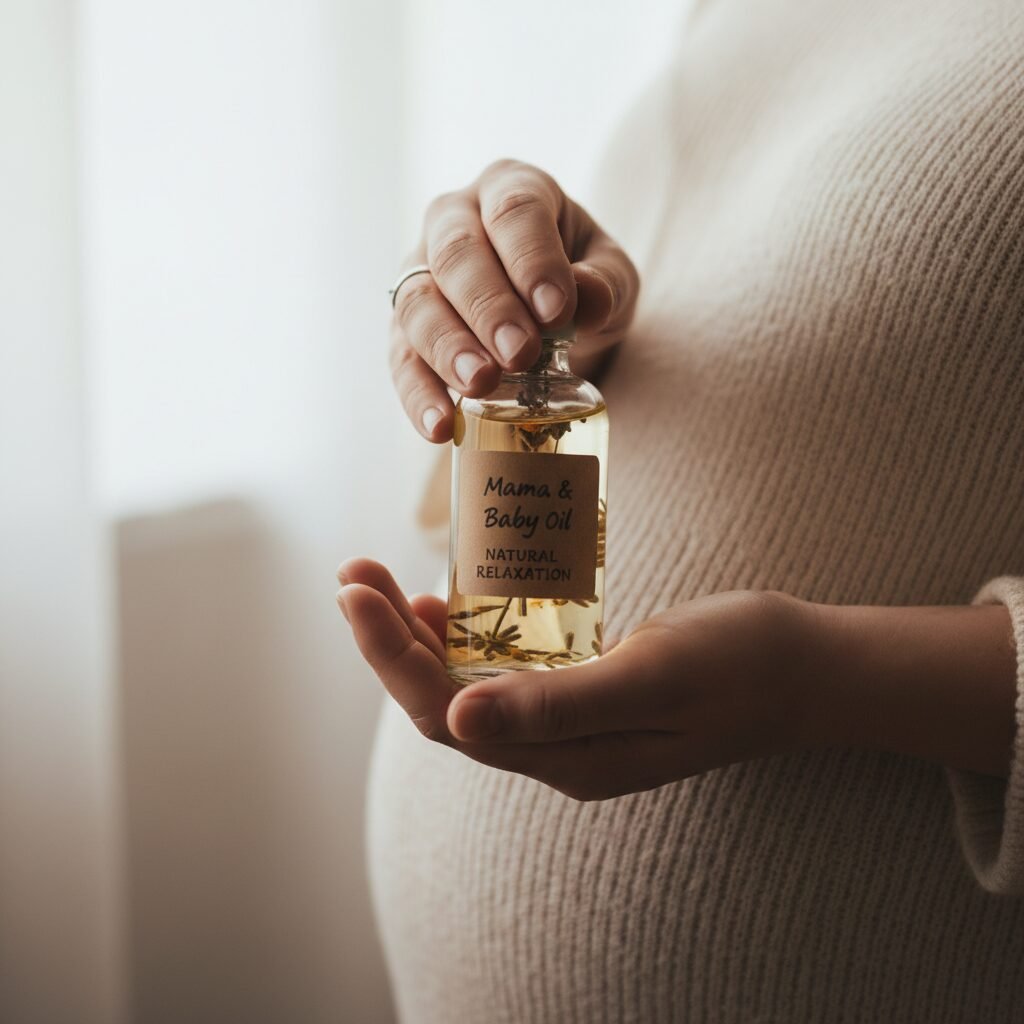
- Use a Lubricant: Apply a small amount of a natural, fragrance-free lubricant to your fingers and the outside of your perineum. Good options include vitamin E oil, almond oil, coconut oil, or a dedicated perineal massage oil.
- The Technique: Insert one or two thumbs about 1 to 1.5 inches (to the first knuckle) into your vagina. Gently press down towards your anus and to the sides. You should feel a slight stretching or tingling sensation, but never pain.
- Hold and Sweep: Hold this gentle stretch for about 60-90 seconds. Then, slowly and gently sweep your thumbs in a ‘U’ shape from one side to the other for 3-5 minutes.
- Be Consistent: Aim to do this 3-4 times a week for about 5-10 minutes per session. Consistency is more important than intensity.
Remember, this shouldn’t hurt. It’s a gentle process of familiarization and softening. It can also be a wonderful way for a partner to be involved in birth preparation in a tangible, supportive way.
Pelvic Floor Health: More Than Just Kegels
A healthy pelvic floor is a flexible pelvic floor. While Kegels (contracting the pelvic floor muscles) are important for support, learning to release and relax those same muscles is just as crucial for birth. During labor, you need to be able to let go and open up. A pelvic floor physical therapist can be an invaluable resource during pregnancy to help you connect with these muscles and learn to both strengthen and relax them effectively.
Nourish Your Skin from the Inside Out
Healthy, elastic skin starts with good nutrition. Ensure you’re eating a diet rich in protein, healthy fats, and vitamins C and E. Staying well-hydrated by drinking plenty of water is also essential for keeping all your body’s tissues, including your skin, supple and healthy.
During Labor: Techniques and Positions for a Gentler Birth

When the big day arrives, the choices you make during labor can have a profound impact on your perineum. This is where you can put all your preparation into practice. The key principles are avoiding excess pressure, working with gravity, and listening to your body’s innate wisdom.
Choose Your Birth Position Wisely
The classic image of a woman lying on her back with her feet in stirrups (the lithotomy position) is often the least helpful for perineal protection. It puts direct pressure on the tailbone, narrows the pelvic outlet, and forces you to push against gravity. Instead, consider positions that open the pelvis and reduce pressure:
- Hands and Knees: This position takes all pressure off the perineum and allows the baby to descend gently.
- Side-Lying: An excellent position for resting between contractions, it also slows down a rapid delivery, giving tissues more time to stretch. A peanut ball between the knees can be very helpful here.
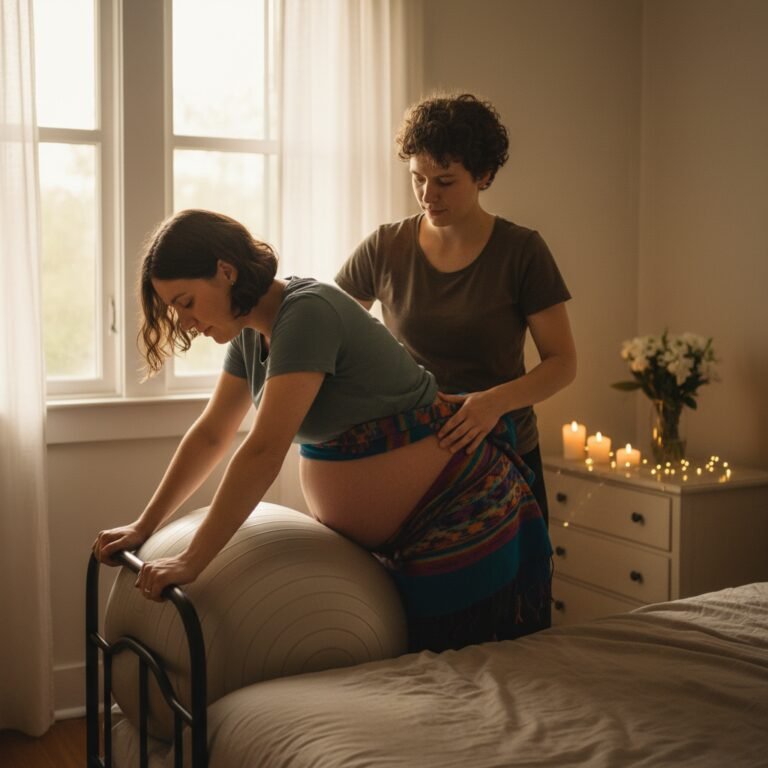
- Upright and Forward-Leaning: Whether you’re standing and leaning on your partner, kneeling over a birth ball, or on a birthing stool, using gravity helps the baby descend and opens the pelvis.
- Supported Squat: Squatting opens the pelvic outlet to its maximum diameter, but it can also be intense. Using a squat bar on the bed or having your partner support you can make it more manageable.
Breathe Your Baby Down
For decades, women were told to take a deep breath, hold it, and push with all their might for a count of ten. This is called coached or ‘purple’ pushing. Modern evidence suggests that a more intuitive approach is gentler on the body. Instead of forced pushing, try to listen for your body’s natural, involuntary urges to bear down. This is often called ‘spontaneous pushing’ or ‘breathing the baby down.’ It involves releasing grunts or open-mouthed breaths as you push, which is less jarring on the perineum.
The Magic of a Warm Compress
One of the most effective in-the-moment techniques is the application of a warm, wet compress to the perineum during the pushing stage. Ask your midwife, doctor, or doula to provide this. The warmth increases blood flow to the area, helps the tissues relax and stretch, and can provide significant comfort and pain relief as your baby crowns. It can feel incredibly soothing and counter-intuitive to the intense stretching sensation.
The Role of Your Provider: Making a Collaborative Plan

Your choice of care provider and your communication with them are critical pieces of the puzzle. You are the expert on your body, and they are the experts in safe delivery. Together, you form a team with the shared goal of a healthy mom and a healthy baby.
Discussing Your Preferences
It’s vital to have an open conversation with your OB or midwife about perineal protection long before you’re in labor. Use one of your prenatal appointments to ask direct questions. This isn’t about being confrontational; it’s about understanding their philosophy of care to ensure it aligns with yours.
Questions to Ask Your Provider:
- What is your philosophy on protecting the perineum?
- What positions do you typically encourage for pushing?
- How do you feel about spontaneous pushing versus coached pushing?
- What is your episiotomy rate? In what specific situations would you recommend one?
- Do you or the nurses at my birth place routinely use warm compresses during the second stage?
A Note on Episiotomy
An episiotomy is a surgical cut made in the perineum to enlarge the vaginal opening. Decades ago, this was a routine procedure, but research has since shown that a routine episiotomy is not beneficial and can lead to more significant pain and a more difficult recovery than a natural tear. The American College of Obstetricians and Gynecologists (ACOG) now recommends against routine episiotomies. They should only be used in specific medical circumstances, such as fetal distress where the baby needs to be born immediately.
The Doula Difference
Consider hiring a birth doula. A doula provides continuous physical, emotional, and informational support. Studies have shown that the presence of a doula is associated with better birth outcomes, including lower rates of interventions that can increase tearing risk. A doula can help remind you of different positions, provide hands-on comfort, and advocate for your birth preferences, allowing you and your partner to focus on the incredible work of bringing your baby into the world.
After Birth: Gentle Healing and Recovery
Even with the best preparation, tearing can still happen. If it does, please do not feel like you or your body failed. You accomplished something extraordinary. The focus now shifts to gentle, loving care for your body as it recovers.
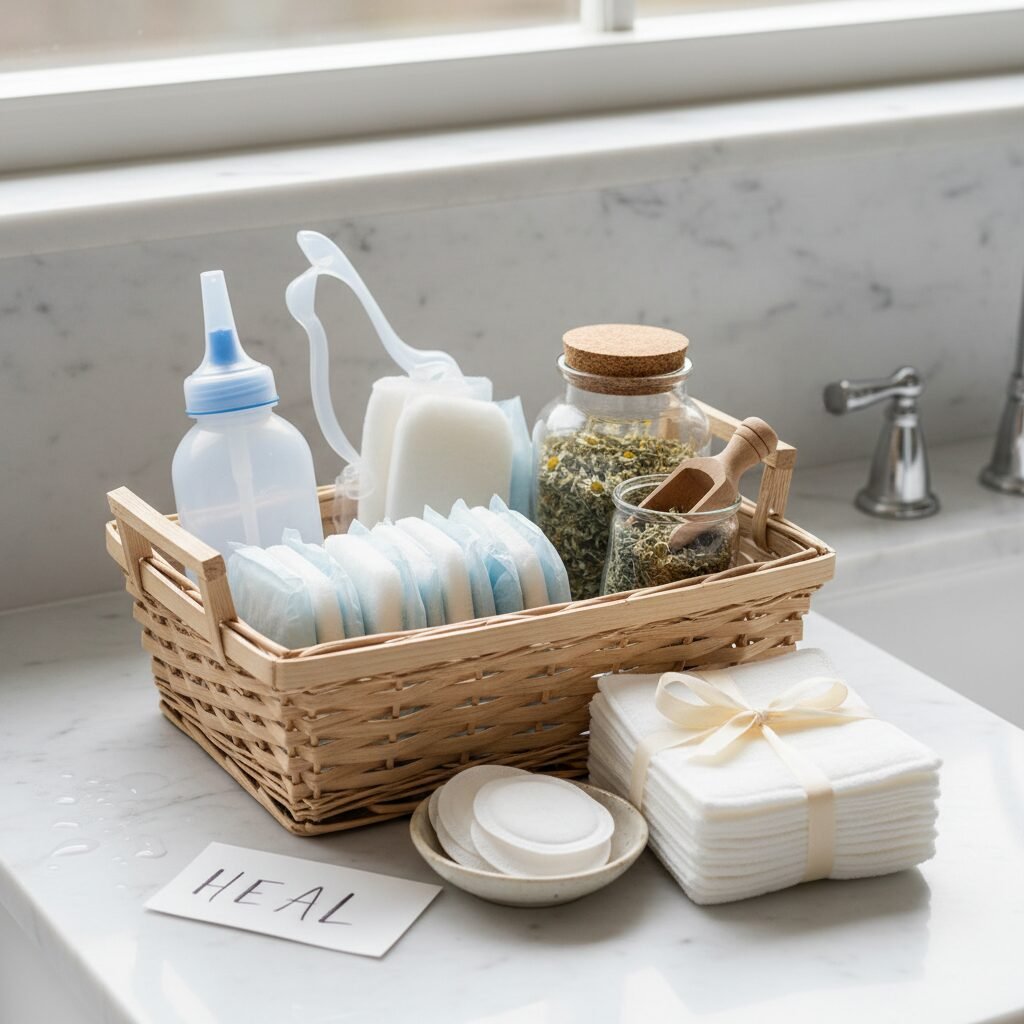
Whether you have a small tear, stitches, or just general soreness, your perineum will need some TLC in the days and weeks after birth. Your hospital or birth center will provide you with some supplies, but it’s a great idea to have your own postpartum care station set up at home.
Your Postpartum Soothing Toolkit
- Peri Bottle: This is a small squirt bottle you’ll fill with warm water to rinse your perineum after using the toilet. Pat dry gently with soft toilet paper; don’t wipe.
- Padsicles: These are a lifesaver. Take a maternity pad, open it up, and spread it with alcohol-free witch hazel and a little aloe vera gel. Fold it back up, place it in a plastic bag, and freeze. The cooling effect is incredibly soothing on a sore perineum.
- Sitz Bath: A sitz bath is a shallow basin that fits over your toilet. Soaking your bottom in warm water for 10-15 minutes a few times a day can promote healing, increase blood flow, and relieve discomfort. You can add Epsom salts for extra relief.
- Stool Softeners: The thought of your first bowel movement can be terrifying. Ask your provider for a gentle, pregnancy-safe stool softener. Staying hydrated and eating fiber-rich foods will also help.
- Rest, Rest, Rest: Do not underestimate the power of rest. Lying down takes pressure off your perineum and gives your body the energy it needs to heal. Accept all offers of help and spend as much time as possible off your feet.
Be gentle with yourself. Your body has just performed a miracle. Healing takes time. Nurture yourself just as you nurture your new baby.
Conclusion
Navigating the journey to childbirth is filled with hopes and fears, and the concern about tearing is a significant one. But remember that you are not powerless. By understanding your body, embracing prenatal preparation like perineal massage, and making informed choices about labor positions and pushing techniques, you can profoundly influence your birth experience. Open communication with your provider is the cornerstone of this preparation, ensuring you feel heard, respected, and safe.
And if tearing does happen, know that it is a common part of birth, not a reflection of your strength or preparation. Your body is resilient, and with gentle postpartum care, it will heal. The ultimate goal is a healthy baby in your arms and a birth experience where you felt empowered and supported, no matter how the story unfolded. You are about to embark on the most incredible adventure. Trust your body, trust your baby, and trust your strength.
Disclaimer: The information provided in this article is for educational purposes only and is not a substitute for professional medical advice, diagnosis, or treatment. Always seek the advice of your physician or other qualified health provider with any questions you may have regarding a medical condition.