

Baby In The Wrong Spot? How The Miles Circuit Can Save You From A Stalled Labor
Hearing the words “your baby is in the wrong spot” or “sunny-side up” can send a wave of anxiety through any expectant parent. You’ve done everything to prepare for this day, and now you’re faced with the frustrating reality of a labor that has slowed down, or perhaps, stopped progressing altogether. Please, take a deep breath. You are not alone in this, and you haven’t done anything wrong. The journey to meeting your baby is rarely a straight line, and sometimes, they just need a little gentle encouragement to find their way.
This is where the Miles Circuit comes in. It’s not a medical intervention, but a simple yet powerful sequence of maternal positions designed to help create space in your pelvis. This space can encourage your baby to rotate into a more optimal position for birth, potentially easing intense back labor and restarting a stalled labor. Think of it as opening the door and inviting your baby to move into the best possible starting position for their journey into the world.
As a doula, I’ve seen the quiet power of this circuit bring relief and progress to countless births. It’s a tool that puts the power back in your hands. In this guide, we’ll walk through what fetal positioning means, how the Miles Circuit works, and a clear, step-by-step tutorial on how to perform it safely and effectively. You have incredible strength, and you have options. Let’s explore one together.
What Does ‘Baby in the Wrong Spot’ Actually Mean?
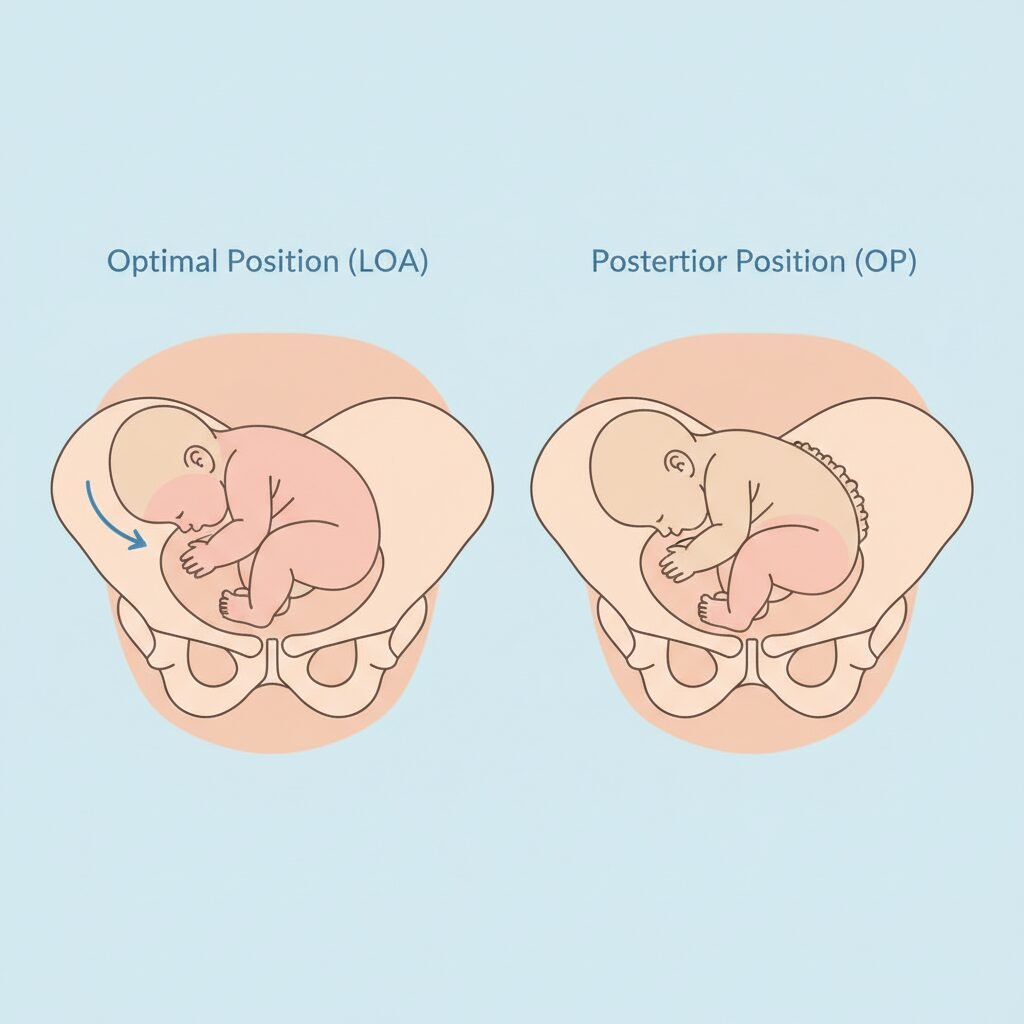
Understanding Fetal Positioning and Its Impact on Labor
Before we dive into the ‘how,’ let’s understand the ‘why.’ When your provider talks about your baby’s position, they’re describing how your baby is settled in your pelvis. While there are many safe ways for a baby to be born, some positions make the journey smoother than others.
The Ideal Arrangement: Optimal Fetal Positioning (OFP)
The most common and efficient position for a vaginal birth is called Occiput Anterior (OA). In this position, the baby is head-down, facing your spine, with their chin tucked to their chest. The back of their head (the occiput) is toward the front (anterior) of your pelvis. This allows the smallest part of their head to lead the way, fitting perfectly through the pelvic opening. The Left Occiput Anterior (LOA) position is often considered the most ideal.
Common Malpositions That Can Complicate Labor
When a baby isn’t in an OA position, it’s called a malposition. This is incredibly common and is not a reflection of anything you did or didn’t do. Modern lifestyles with deep couches and long periods of sitting can sometimes encourage these less-than-ideal positions.
- Occiput Posterior (OP): Often called “sunny-side up,” this is when the baby is head-down but facing your abdomen instead of your spine. The hard bone of their skull presses against the hard bone of your sacrum, which can cause intense back labor, a longer pushing stage, and a labor that stalls because the baby’s head doesn’t fit as neatly.
- Asynclitic: This refers to the baby’s head being tilted to one side, rather than being straight and tucked. It can make it difficult for the baby to descend through the pelvis.
Remember, your body and your baby are working together. A malposition is simply a puzzle to solve, not a sign of failure. You have the ability to be an active participant in solving it.
A baby’s malposition can lead to a cascade of events: a long, tiring labor, increased pain (especially in the back), and a higher likelihood of interventions like Pitocin, epidurals, or even a cesarean section. The Miles Circuit is a proactive way to address this puzzle, using gravity and positioning to gently nudge your baby into a better alignment.
Your Step-by-Step Guide: How to Perform the Miles Circuit Safely
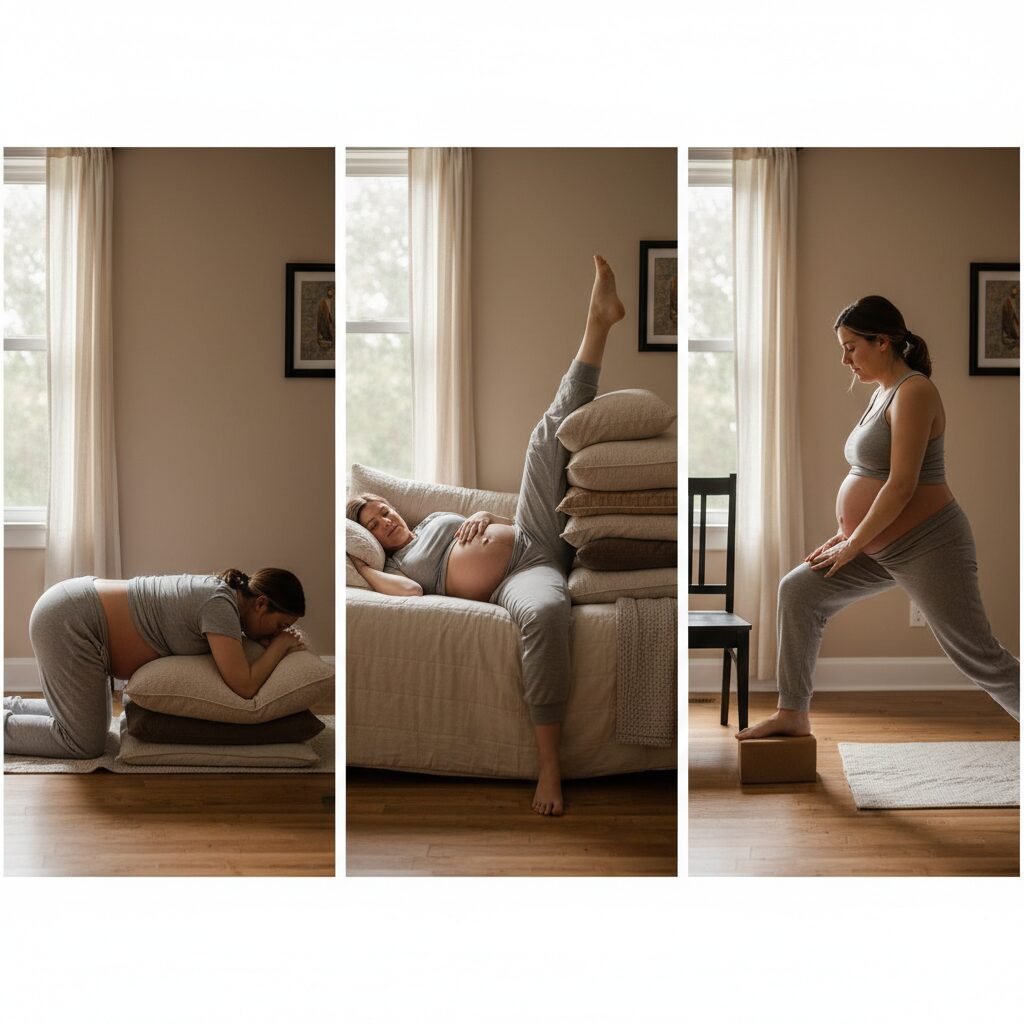
The Three Core Positions of the Miles Circuit
The circuit is a sequence of three positions, each held for about 30 minutes. The goal is to first create space for the baby to move, then encourage rotation, and finally use gravity to help them settle into their new, improved position. Gather a lot of pillows, put on some calming music, and let’s begin.
Important Note: Listen to your body. If any position causes sharp pain or significant discomfort, adjust or stop. Comfort is essential for relaxation, and relaxation is essential for labor progress.
-
Step One: Open-Knee Chest Position (30 Minutes)
Purpose: This position uses gravity to lift the baby up and out of the pelvis slightly. This gives them the room they need to untuck from a tricky spot and rotate.
How to do it: Start on your hands and knees on a soft surface like a bed or a carpeted floor with a mat. Gently lower your shoulders and head to the surface, keeping your hips and bottom high in the air. Your knees should be wide apart. You can turn your head to one side for comfort. Use pillows generously! Place them under your chest, shoulders, and head to make the position sustainable. Just focus on your breathing and imagine creating space for your baby.
-
Step Two: Exaggerated Side-Lying / Sims Position (30 Minutes on Left Side)
Purpose: After creating space, this position encourages the baby to rotate into an anterior position. Lying on the left side is often recommended as it can provide a better blood supply to the uterus and baby.
How to do it: Lie on your left side. Keep your bottom leg relatively straight. Bend your top (right) leg up towards your belly, aiming for a 90-degree angle at the hip and knee. You will need a large stack of pillows to support this top leg so that it is at least as high as your hip, if not higher. Once your leg is supported, roll your upper body forward slightly, as if you’re draping your belly over the pillows. You should feel a gentle opening in your pelvis.
-
Step Three: Movement and Gravity (30 Minutes)
Purpose: Now that your baby has hopefully rotated, this final step uses gravity and movement to help them engage deeply in the pelvis in their new position.
How to do it: Get up and move your body! The key is asymmetrical movement of the hips. Choose whatever feels best for you:
- Stair Lunges or Curb Walking: Place one foot up on a stair or curb and lunge gently. You can also walk up and down stairs sideways.
- Pelvic Tilts/Circles: Sit on a birth ball and make wide circles with your hips, or practice tilting your pelvis forward and back.
- Walking or Squatting: A simple walk around the room or holding a deep squat (if comfortable) can also be very effective.
Here is a quick summary table to help you remember the circuit:
| Step | Position | Duration | Primary Goal |
|---|---|---|---|
| 1 | Open-Knee Chest | 30 minutes | Lift baby out of the pelvis to create space |
| 2 | Exaggerated Left Side-Lying | 30 minutes | Encourage baby to rotate to an anterior position |
| 3 | Movement & Gravity | 30 minutes | Help baby engage in the pelvis in the new position |
Timing is Everything: When to Use the Miles Circuit
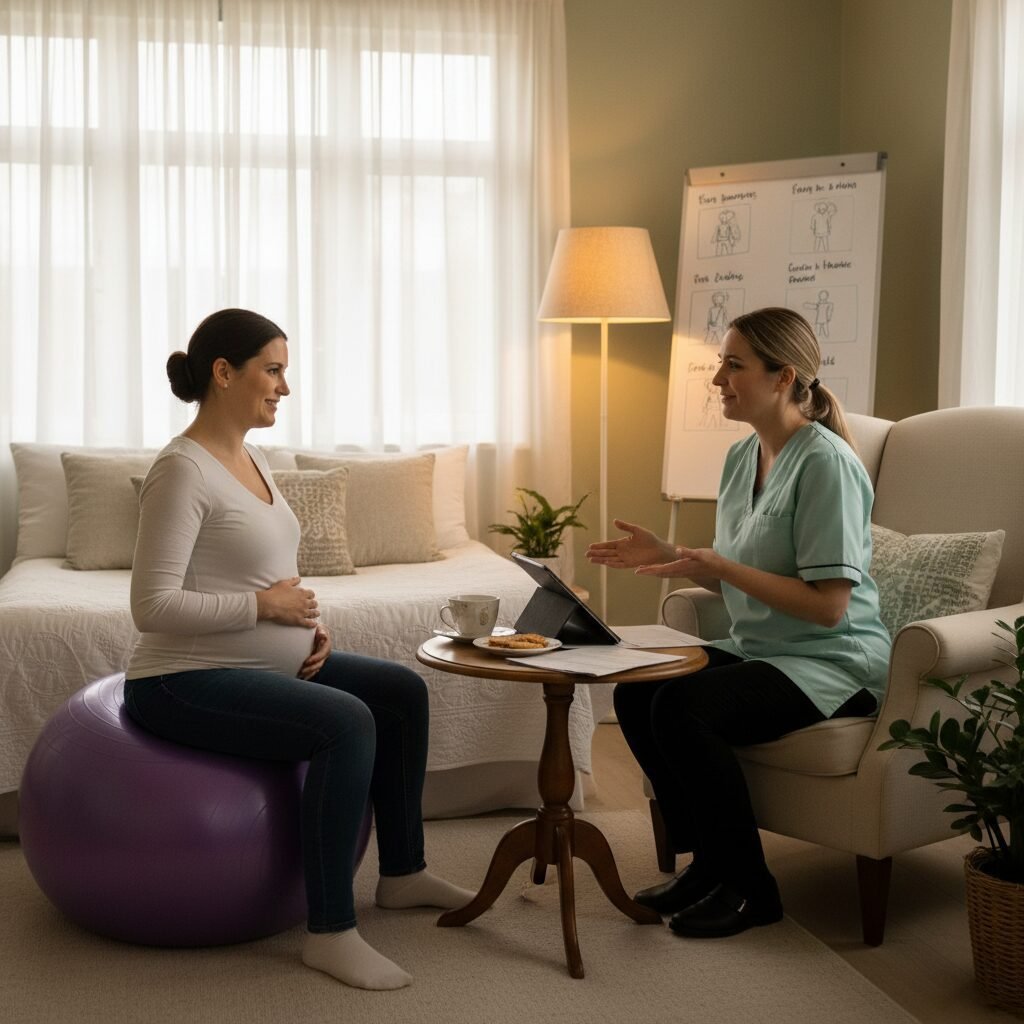
Knowing When to Implement This Powerful Tool
The Miles Circuit isn’t just for a stalled labor; it can be used proactively as well. Understanding when to use it can maximize its effectiveness and give you a sense of control on your journey.
In Late Pregnancy (from 37 weeks)
If you know or suspect your baby is in a posterior position, you can perform the circuit once a day or a few times a week. This is a preventative measure to encourage optimal positioning before labor even begins. It’s a wonderful way to connect with your body and baby and prepare for the work ahead.
During Early Labor
If your contractions are irregular, not getting stronger, or you’re experiencing significant back pain right from the start, it could be a sign that your baby’s position is slowing things down. Performing the circuit can help get labor into a more active and efficient pattern.
During a Stalled Active Labor
This is when the circuit truly shines. If you were progressing well and things suddenly slow down or stop, or if your provider confirms a malposition like OP or asynclitism, this is the perfect time to try it. Find a quiet space, ask for support, and dedicate 90 minutes to the sequence. Many birthing people find that their labor pattern picks back up with intensity and regularity shortly after completing the circuit.
When to Be Cautious
While the Miles Circuit is very safe, it’s always best to communicate with your care provider. If you have any medical conditions like high blood pressure, placenta previa, or other pregnancy complications, please discuss using these positions with your doctor or midwife before trying them. They know your specific medical history and can provide the safest guidance.
Making it Work: Tips for Comfort and Partner Support

Creating a Supportive Environment for Success
Performing the Miles Circuit is most effective when you can fully relax into the positions. This is where a supportive environment and a helpful partner or doula become invaluable.
For the Birthing Person: Comfort is Non-Negotiable
- Pillows are Your Best Friend: You cannot use too many pillows. Use them under your knees, chest, head, and between your legs to eliminate any strain.
- Listen to Your Body: If a position is causing pain (not just the discomfort of a contraction), adjust. Your intuition is your best guide.
- Create a Sanctuary: Dim the lights, play music that calms you, and use essential oils like lavender if that helps you relax. Tension can work against labor, so do whatever it takes to feel safe and peaceful.
For the Partner or Dad: How You Can Be the Hero
Watching your partner in a long or painful labor can feel helpless, but your role here is crucial. You can make a world of difference.
- The Pillow Master: Be in charge of gathering and arranging the pillows. Help her get into each position and ensure every part of her body is supported and comfortable.
- The Timekeeper and Encourager: Keep track of the 30-minute intervals for her. Offer quiet words of encouragement. “You’re doing so well.” “You are so strong.” “Each position is bringing our baby closer.”
- The Comfort Provider: Offer a gentle massage, a cool cloth for her forehead, or sips of water between contractions. During the open-knee chest position, applying firm, steady counter-pressure to her lower back can provide immense relief from back labor.
To the dads and partners: Your calm presence and active support are not just helpful; they are a vital part of the process. You are her anchor, and your support makes techniques like this possible.
Conclusion
The journey of labor and birth is one of surrender, strength, and profound partnership between you and your baby. When challenges like a stalled labor or a malpositioned baby arise, it’s easy to feel discouraged. But remember, you are not powerless. The Miles Circuit is a beautiful example of how you can actively and gently participate in your labor, creating the optimal conditions for your baby to navigate their path into your arms.
Whether you use it to prepare in late pregnancy or to overcome a hurdle in active labor, this circuit is a testament to the wisdom of the body. Trust in your strength, lean on your support system, and know that you are capable of meeting any turn in the road. You are so close to meeting your baby.
Medical Disclaimer: The information provided in this article is for educational and informational purposes only and is not intended as medical advice. It is not a substitute for professional medical advice, diagnosis, or treatment. Always seek the advice of your physician or other qualified health provider with any questions you may have regarding a medical condition.


