Don’t Forget The Big Kid! What To Pack In Your Toddler’s Overnight Bag For The Big Day
The final weeks of pregnancy are a whirlwind of emotion and preparation. You’re likely double-checking your own hospital bag, setting up the bassinet, and washing tiny newborn clothes. Amidst this beautiful chaos, there’s one very important person who needs special attention: your soon-to-be big kid. The arrival of a new sibling is a monumental event in a toddler’s life. While you’re at the hospital welcoming the newest family member, ensuring your toddler feels safe, secure, and loved is paramount.
Preparing their special overnight bag is more than just a practical task; it’s an act of love and reassurance. It’s a way to send a piece of home with them, a tangible collection of comfort and routine that tells them, ‘Even when things are changing, you are cherished and remembered.’ This guide is designed to help you pack a bag that not only meets all their physical needs but also nurtures their emotional well-being during this tender transition. Let’s walk through it together, ensuring your big kid feels like the celebrated new sibling they are.
The Absolute Essentials: Clothing & Toiletries
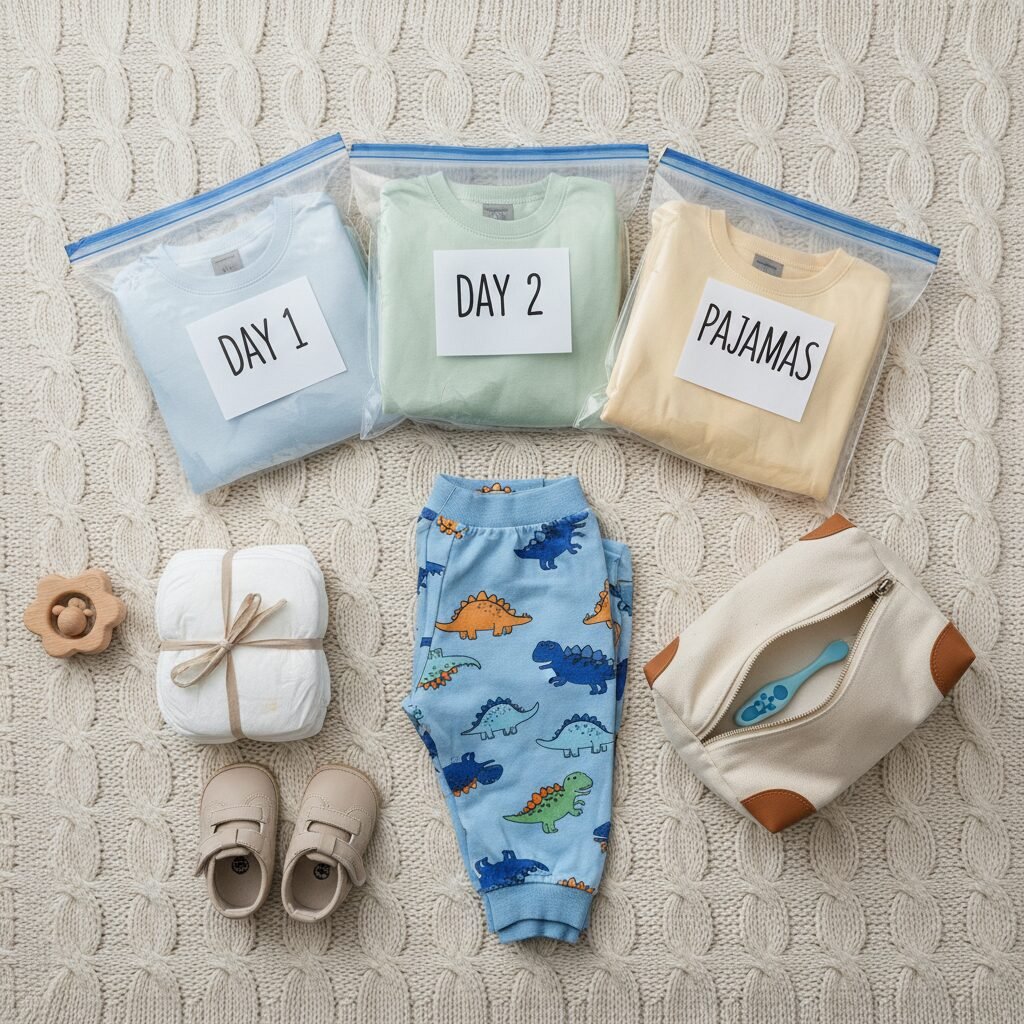
First things first, let’s cover the basics. The goal is to make life as easy as possible for the caregiver, whether it’s a grandparent, aunt, or close friend. Think through your toddler’s daily routine and pack accordingly. It’s always better to overpack slightly than to have the caregiver scrambling for an extra pair of pants.
Clothing Checklist
Pack each outfit in a labeled zip-top bag (e.g., ‘Day 1 Outfit,’ ‘Pajamas’) to make dressing a breeze.
- Outfits: Pack one to two more outfits than the number of days you anticipate being away. A typical stay might require 3-4 complete outfits (shirt, pants, socks, underwear/diaper).
- Pajamas: Two pairs of their favorite, most comfortable pajamas. Familiar PJs can be a big comfort at bedtime in a different place.
- Underwear or Diapers: Pack plenty! A good rule of thumb is 8-10 diapers or pairs of underwear per day, plus overnight diapers if needed. Don’t forget wipes.
- Socks: Several extra pairs. They always seem to disappear.
- Outerwear: A weather-appropriate jacket, sweater, or sweatshirt.
- Shoes: The comfortable, easy-to-put-on pair they wear every day.
Toiletries Checklist
Keeping their hygiene routine consistent can help them feel grounded. Use a small, separate toiletry bag to keep everything organized.
- Toothbrush and Toothpaste: Their own character toothbrush and kid-friendly toothpaste.
- Bath Supplies: If they have sensitive skin, pack their specific body wash, shampoo, and lotion. The familiar smells can be very soothing.
- Hairbrush or Comb: And any hair ties or clips they might need.
- Special Items: Don’t forget any prescription medications, diaper rash cream, or vitamins they take daily. Include clear, written instructions.
Comfort is Key: Soothing Items & Bedtime Routines
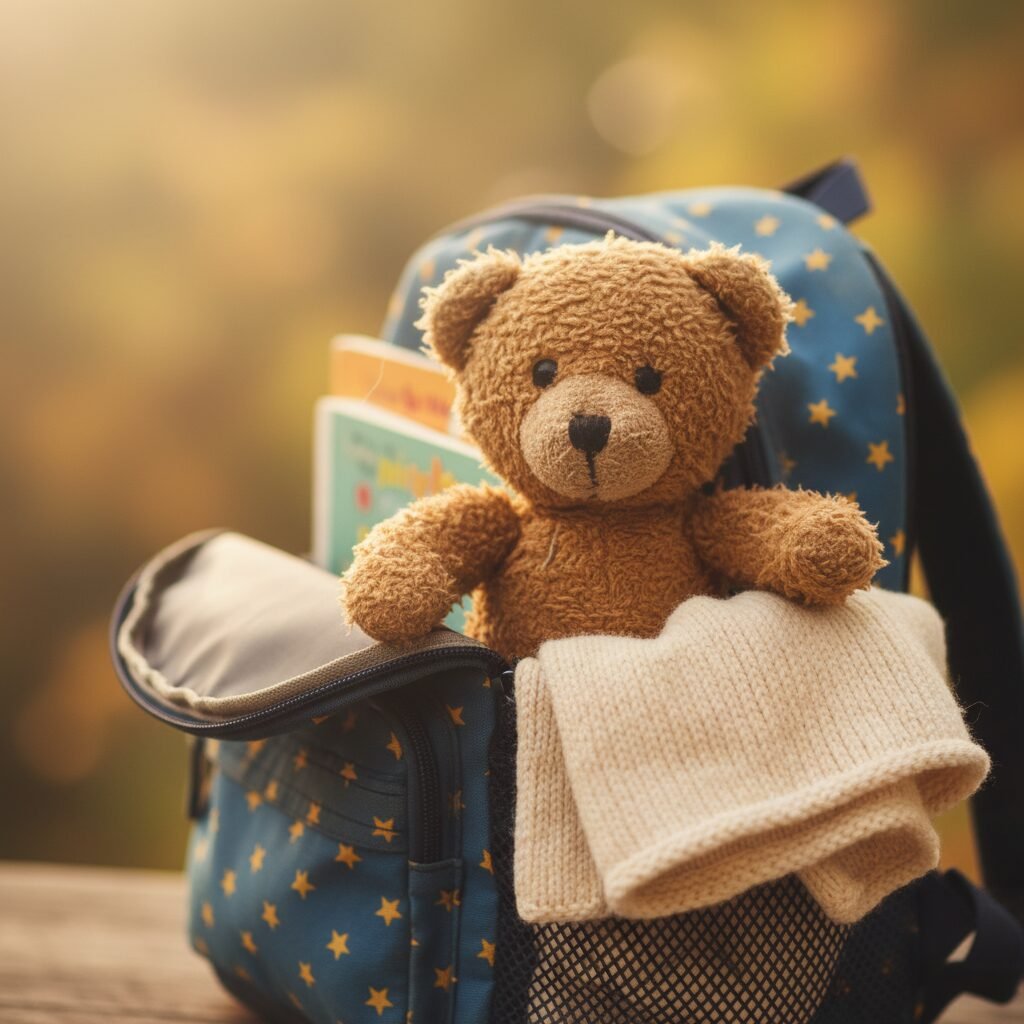
This is arguably the most important category. When a toddler is in an unfamiliar environment and their parents are away, items of comfort are their anchors. These are the non-negotiables that provide a sense of normalcy and security when everything else feels new and different.
Making sure your toddler has their most cherished comfort items can significantly reduce their anxiety and help them settle more easily with their caregiver. It’s their connection to home.
Think about what your child reaches for when they are tired, sad, or just need a cuddle. These are the items that absolutely must make it into the bag.
- The ‘Lovey’: Their most-loved stuffed animal, doll, or special blanket. If possible, have a backup ‘lovey’ at home just in case, but make sure the primary one goes with them.
- Pacifiers: If your child uses one, pack several. Keep them in a clean bag.
- Bedtime Storybooks: Pack two or three of their favorite, most-read bedtime stories. The familiar words and pictures are incredibly reassuring.
- Nightlight: A small, portable nightlight can make a strange room feel much safer and more like their own.
- Family Photo: A small, framed picture of your family can be a wonderful thing for them to have on their nightstand.
- A Scent of Home: A t-shirt that you or your partner have worn (but isn’t dirty) can be a powerful comfort. Your familiar scent can help them feel close to you, especially at night.
Also, type up and include a detailed description of their bedtime routine. For example: ‘7:00 PM: Bath time. 7:20 PM: PJs on, brush teeth. 7:30 PM: Read two books in the big chair. 7:45 PM: Tuck in with teddy and blanket, turn on nightlight, sing Twinkle Twinkle Little Star twice. Kisses and hugs.’ This empowers the caregiver to replicate the routine, which provides immense comfort for a toddler.
Keeping Busy & Happy: Toys, Books, and Activities
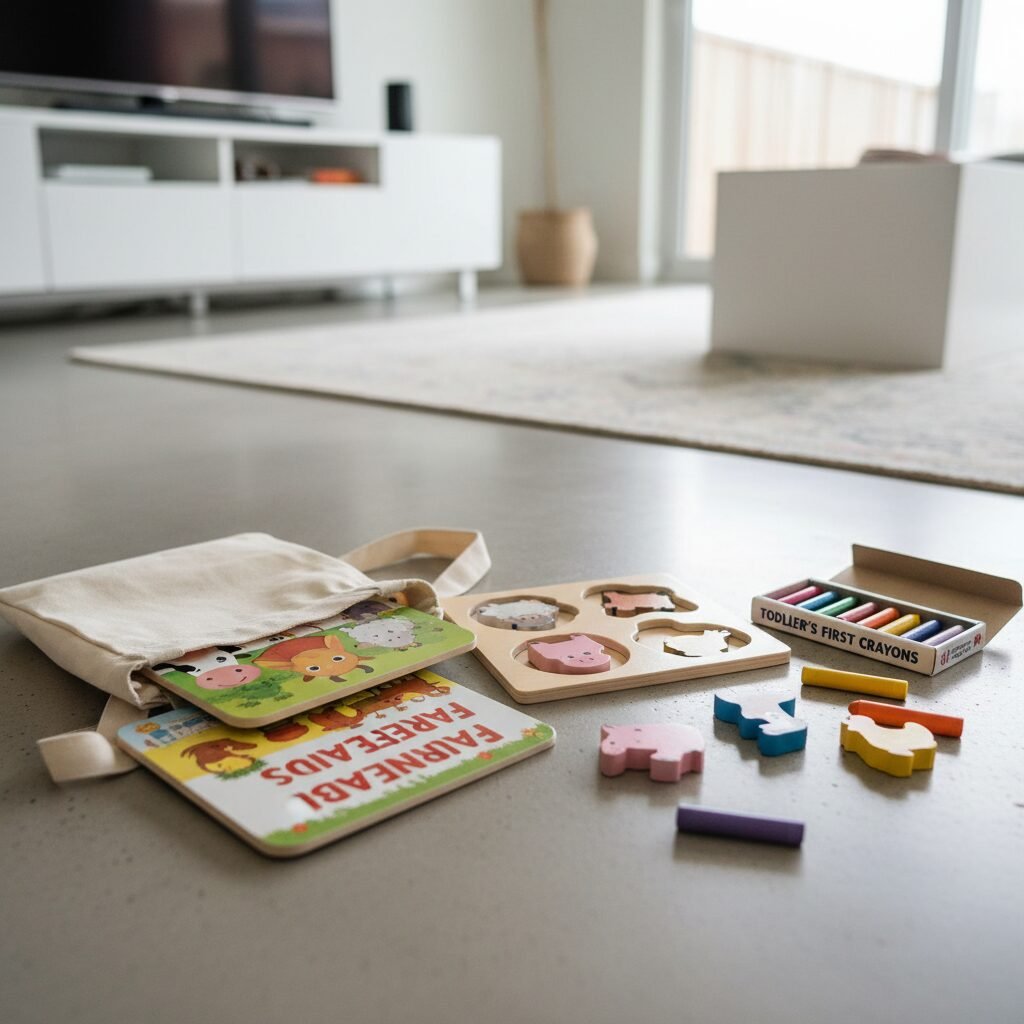
While their caregiver will surely have fun things planned, packing a small selection of familiar, engaging activities ensures your toddler has something of their own to turn to. The key is to choose low-mess, low-stress items that they can enjoy without a lot of supervision.
Activity Bag Checklist
- Coloring Supplies: A coloring book (or two) and a small pack of chunky crayons or washable markers. Avoid anything that can create a big mess, like paint or glitter.
- Stickers: A book of reusable stickers or a few sheets of their favorite characters can provide a surprising amount of entertainment.
- Books: In addition to bedtime stories, pack a few board books or picture books they love to look at during the day.
- Small Toys: A few favorite small cars, dolls, or action figures. Avoid toys with lots of tiny pieces that could get lost.
- Puzzles: A simple wooden puzzle or two that they can complete on their own.
- A Special Surprise: This is a wonderful touch. Wrap a small, new toy or book and label it, ‘To my favorite Big Brother/Sister! Open when you miss us.’ This gives them something exciting to look forward to and makes them feel special.
Don’t overwhelm them with choices. A small, curated selection of their favorites is much more effective than dumping a whole toy bin into a bag. The goal is familiar fun, not overstimulation.
Food for Thought: Snacks, Drinks, and Special Treats
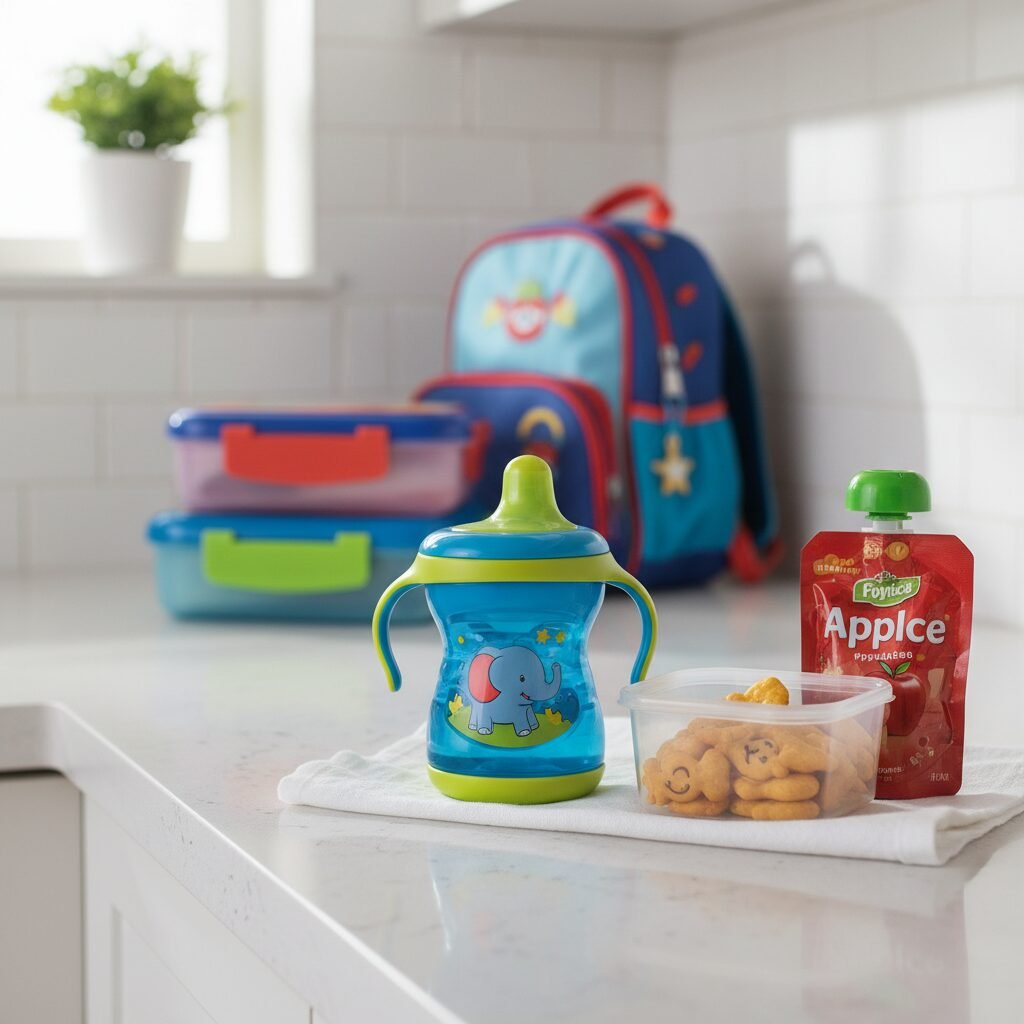
Toddlers can be notoriously particular about their food. While their caregiver will be providing meals, packing their favorite snacks and drinks can prevent meltdowns and provide another form of comfort. It also takes some pressure off the caregiver, who won’t have to guess what your toddler will or won’t eat.
- Favorite Sippy Cup or Water Bottle: This is a must. Having their own cup is a huge source of comfort and routine.
- Familiar Snacks: Pack a good supply of their go-to, non-perishable snacks. Think crackers, fruit pouches, granola bars, puffs, or dried fruit.
- Special Treats: Include a few special treats that they love but don’t get every day. This can be used by the caregiver to celebrate the baby’s arrival or as a special pick-me-up.
- Dietary Information: Even if you’ve discussed it, provide a written list of any allergies or significant dietary restrictions. Clarity is crucial.
Organize snacks in a small lunchbox or a separate compartment of their bag so the caregiver can find them easily. This simple step helps maintain a sense of normalcy in their diet, which can be very stabilizing for a little one.
The ‘Just in Case’ & Information Packet
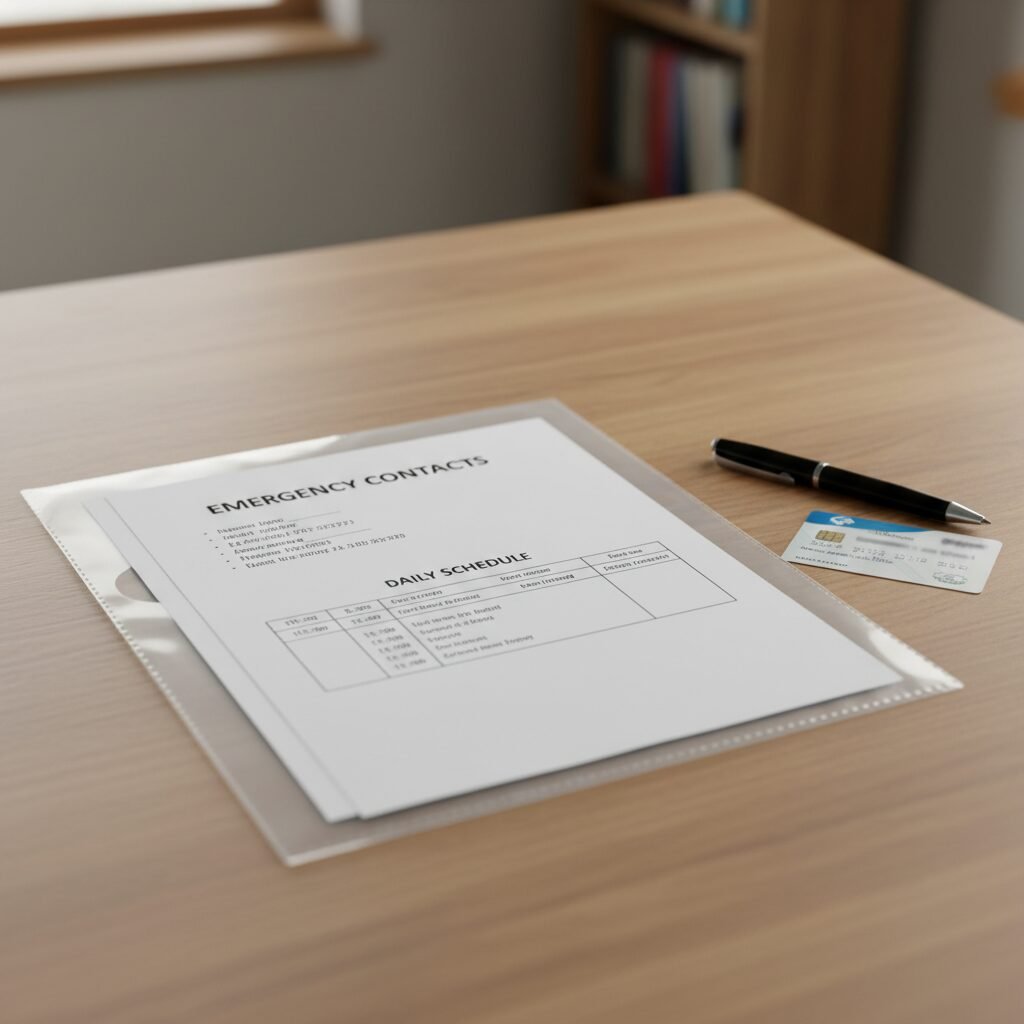
This is your peace-of-mind packet. Create a large, clearly labeled envelope or folder with all the crucial information the caregiver might need in one place. Having this prepared will allow you to focus on your labor and delivery, knowing that everything is covered.
| Information Category | Details to Include |
|---|---|
| Contact Information | Your cell phone, your partner’s cell phone, the hospital’s main number and L&D unit number. Also include two other emergency contacts. |
| Medical Information | Pediatrician’s name, office number, and after-hours line. A front-and-back copy of your child’s insurance card and pharmacy information. |
| Allergies & Medications | A clear list of ALL allergies (food, environmental, medication). A detailed list of any medications they take, including dosage, time, and instructions. |
| Daily Schedule | A brief outline of their typical day: wakeup time, meal times, nap time and duration, and bedtime. This helps the caregiver anticipate their needs. |
| Parental Consent Note | A signed and dated note authorizing the caregiver to seek medical treatment for your child in an emergency. Check local requirements for any specific wording. |
Going through this list might feel a little overwhelming, but preparing it ahead of time is one of the most reassuring things you can do for yourself, your child, and their caregiver. It’s a simple tool that provides immense security for everyone involved.
The Special Touch: Making Your Toddler Feel Included
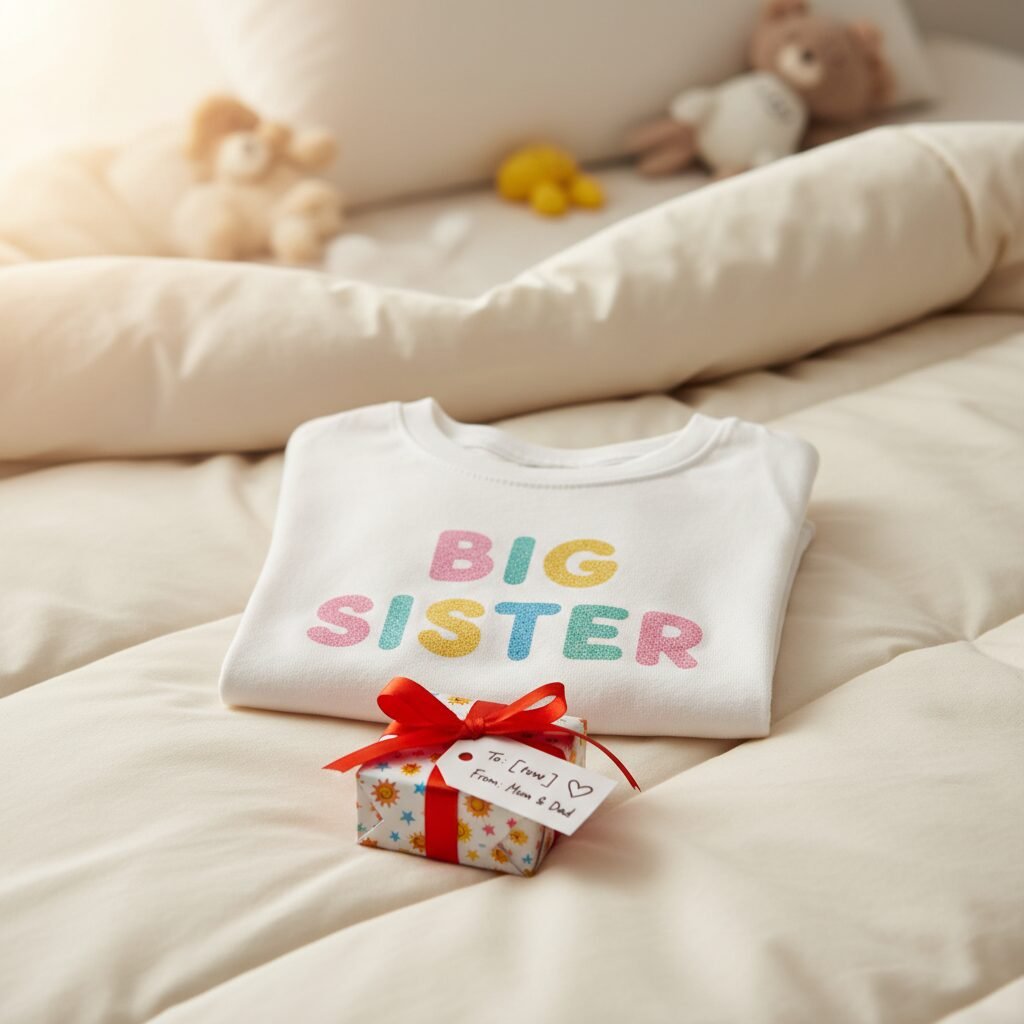
Beyond the practicalities, this transition is all about emotion. The way you frame this time away can make a huge difference in how your toddler experiences becoming a big sibling. Infuse their bag with items and ideas that celebrate their new, important role.
- A ‘Big Sibling’ Shirt: Pack a special t-shirt that says ‘Big Brother’ or ‘Big Sister.’ Arrange for the caregiver to have them wear it when they come to meet the baby for the first time. This creates a beautiful photo opportunity and a moment of pride.
- A Gift from the Baby: Include a small, wrapped gift and label it ‘To my Big Brother/Sister, From your new baby.’ This can be a new book about siblings or a toy. It helps create a positive first association with the baby.
- A Job to Do: You could pack a disposable camera or a small ‘reporter’ notepad and ask them to be the official ‘Family Photographer’ or ‘News Reporter’ when they meet the baby, giving them a fun and important role.
- A Countdown Calendar: In the days leading up to the birth, you can create a paper chain or a small calendar to help them visualize how long they’ll be on their ‘special trip’ with their caregiver.
These small, thoughtful gestures communicate to your toddler that they are not being set aside, but rather, they are being promoted to a new and exciting role within the family. It reframes the experience from one of separation to one of celebration and importance.
Conclusion
Packing your toddler’s overnight bag is a profound act of love that prepares them for one of life’s biggest transitions. By thoughtfully assembling items of comfort, familiarity, and celebration, you are wrapping your child in security while you’re away. This bag is more than just a collection of things; it’s a bridge between their established routine and the exciting new chapter ahead. It tells them they are seen, valued, and central to your growing family.
Remember to talk to them about their ‘special sleepover’ and the exciting job of becoming a big sibling. Your reassurance and preparation will empower them. You are doing an incredible job of nurturing your whole family through this beautiful journey. Trust that this thoughtful planning will help make the introduction of your new baby a joyful and positive experience for everyone.