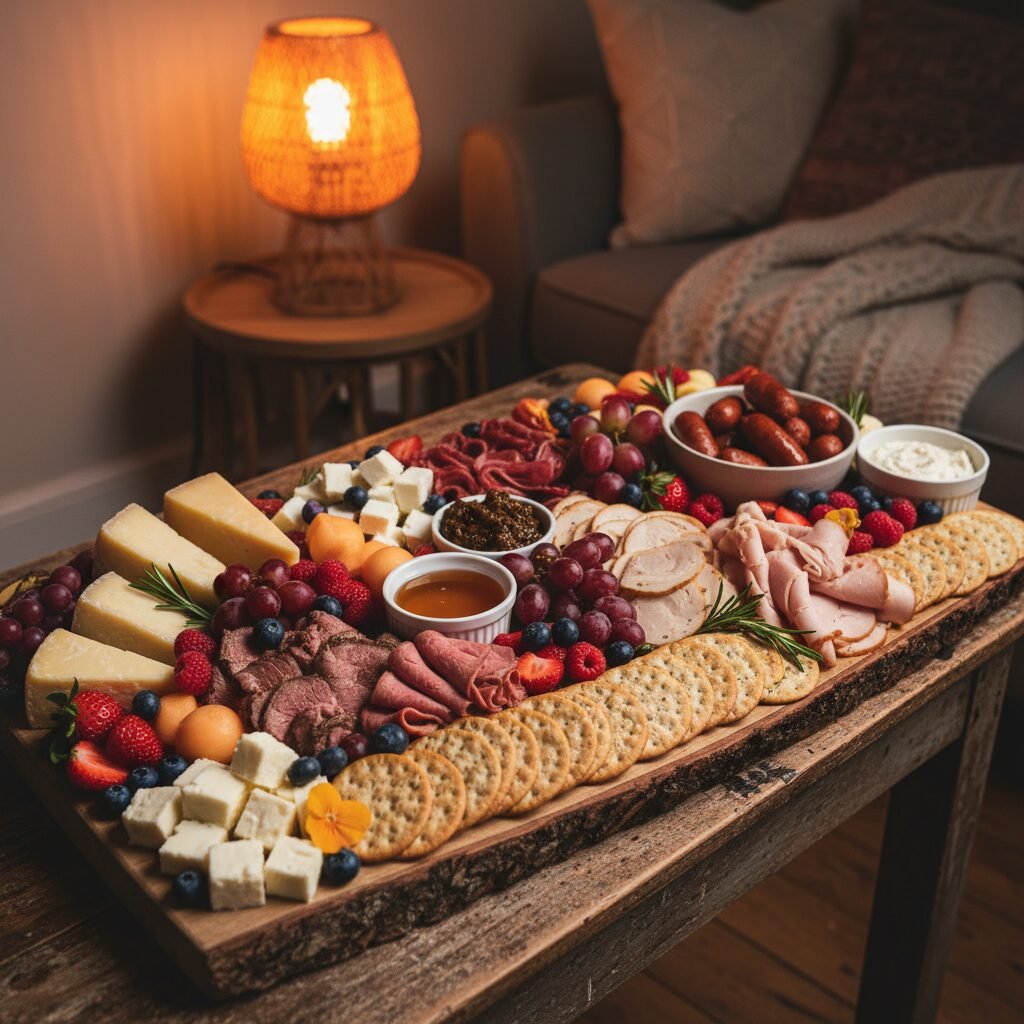
The Ultimate Pregnancy Safe Charcuterie Board To Satisfy Your Cravings Safely
The journey of pregnancy is an extraordinary one, filled with anticipation, wonder, and often, a whirlwind of unique cravings. From the moment you discover you’re expecting, your body becomes a vessel of life, and with that comes a heightened awareness of everything you consume. While satisfying those sudden desires for sweet, savory, or tangy treats is a natural part of pregnancy, ensuring that every bite is safe for both you and your developing baby is paramount.
As a certified Doula and Maternal Health Educator, I understand the delicate balance between indulgence and vigilance. Many expectant parents find themselves navigating a new landscape of food safety guidelines, often feeling overwhelmed by conflicting information or the sheer volume of ‘do’s and don’ts.’ This is especially true when it comes to social gatherings or simple pleasures like a charcuterie board, which traditionally features a variety of cured meats, soft cheeses, and artisanal delights—many of which are off-limits during pregnancy.
But what if you could enjoy the sophistication and variety of a charcuterie board without any of the worry? This article is your ultimate guide to crafting a pregnancy-safe charcuterie board that not only satisfies your cravings but also provides nourishing, delicious options for any occasion. We’ll delve into the ‘why’ behind certain food restrictions, provide an extensive ‘yes’ list of delectable, safe ingredients, and offer a clear ‘no’ list to help you confidently build a board that celebrates both flavor and safety. Get ready to indulge wisely and enjoy every moment of your pregnancy journey, one delicious, safe bite at a time.
Understanding Pregnancy Food Safety: Why It Matters So Much
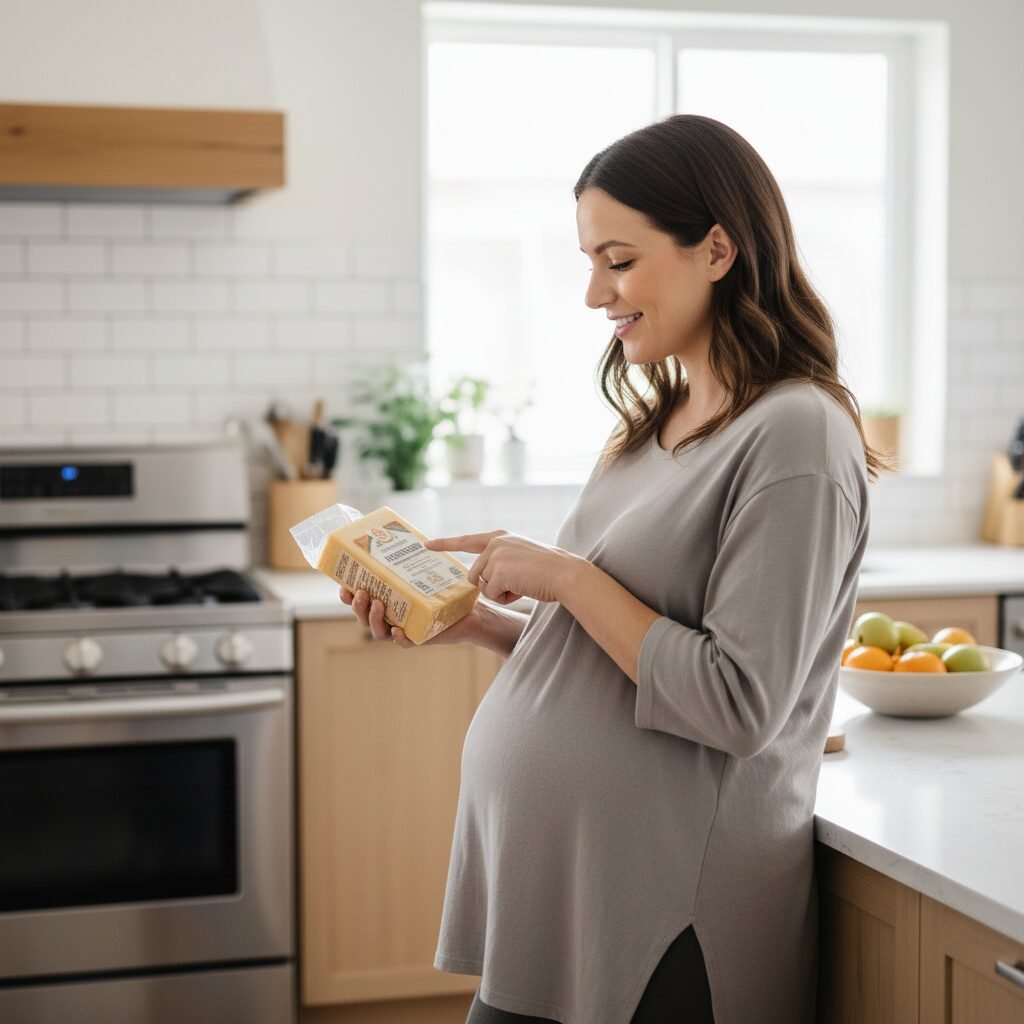
During pregnancy, your immune system undergoes changes that can make you more susceptible to foodborne illnesses. While a healthy adult might experience mild discomfort from certain bacteria, the consequences for an expectant mother and her unborn baby can be far more severe, ranging from miscarriage and premature birth to serious developmental issues. Understanding the primary culprits and how to avoid them is the first step in creating a truly safe charcuterie experience.
The main concerns when it comes to food safety during pregnancy revolve around specific bacteria and parasites:
- Listeria Monocytogenes: This bacterium is particularly dangerous for pregnant women, as it can cross the placenta and lead to listeriosis in the baby, potentially causing miscarriage, stillbirth, or life-threatening infections in newborns. Listeria is commonly found in unpasteurized dairy products, soft cheeses made with unpasteurized milk, deli meats, and smoked seafood.
- Toxoplasma Gondii: A parasite found in raw or undercooked meat and contaminated soil. If contracted during pregnancy, toxoplasmosis can lead to serious health problems for the baby, including brain damage, vision problems, and developmental delays.
- Salmonella and E. coli: These bacteria can cause severe gastrointestinal distress, dehydration, and fever in the mother, which can indirectly impact the baby’s health. They are often associated with raw or undercooked eggs, poultry, and unwashed produce.
The core principle of pregnancy food safety is to minimize exposure to these pathogens. This means paying close attention to pasteurization, cooking temperatures, proper food handling, and thorough washing of all produce. While it might seem daunting at first, equipping yourself with this knowledge empowers you to make informed choices and protect your little one.
When planning your charcuterie board, every ingredient choice becomes an opportunity to affirm your commitment to a healthy pregnancy. By understanding the risks, you can confidently select components that are not only delicious but also meet the highest standards of safety for you and your baby.
The ‘Yes’ List: Building Your Safe & Scrumptious Foundation
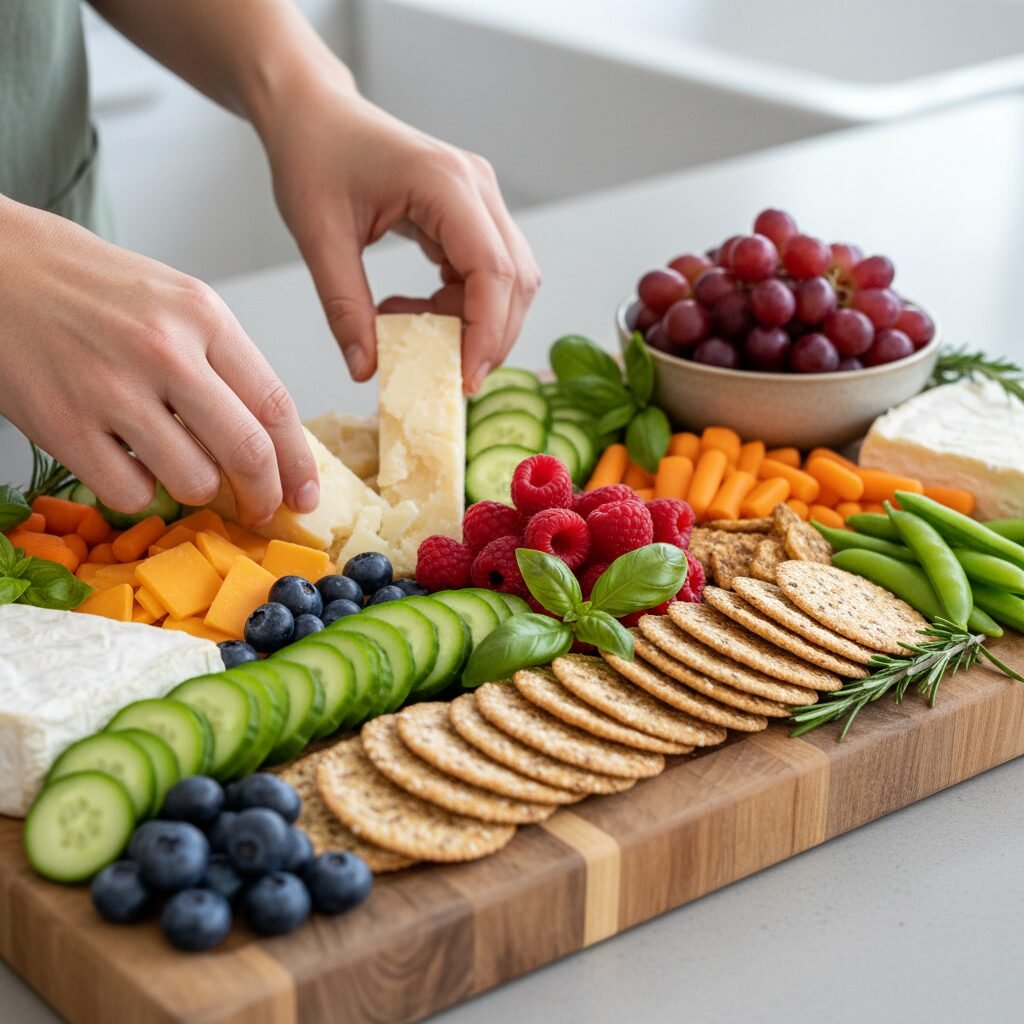
Now for the exciting part: identifying all the wonderful, pregnancy-safe ingredients that will make your charcuterie board a feast for the senses! The key here is to focus on items that are fully cooked, pasteurized, thoroughly washed, or naturally low-risk. Here’s a detailed breakdown:
Cheeses: Creamy, Crumbly, and Completely Safe
- Hard Cheeses: Most hard cheeses are safe because their low moisture content makes them less hospitable for bacteria like Listeria. Think Cheddar, Gouda, Parmesan, Swiss, Monterey Jack, and Pecorino Romano.
- Pasteurized Soft Cheeses: Many soft cheeses are perfectly safe if they are made from pasteurized milk. Always check the label! Safe options include pasteurized mozzarella, cream cheese, cottage cheese, ricotta, and some varieties of pasteurized feta and goat cheese.
- Processed Cheeses: While not artisanal, processed cheese slices and spreads are typically made with pasteurized milk and are safe.
Meats: Savory Selections, Cooked to Perfection
This is where caution is key. Traditional deli meats and cured meats like prosciutto, salami, and pepperoni are generally advised against unless heated to steaming hot (165°F / 74°C) just before serving, which isn’t ideal for a charcuterie board. Instead, focus on:
- Fully Cooked Meats: Slices of freshly roasted turkey breast, chicken breast, or lean roast beef (ensure it’s cooked well-done).
- Cooked Sausage or Pepperoni: If you love pepperoni, opt for varieties that are pre-cooked and packaged, or cook slices yourself until crispy before adding to the board.
- Plant-Based ‘Meats’: Many vegetarian deli slices or plant-based sausages offer a safe and delicious alternative.
Fruits: Nature’s Candy, Washed and Wonderful
A rainbow of fruits adds color, sweetness, and vital nutrients. Always wash thoroughly under running water, even if they have a peel.
- Berries: Strawberries, blueberries, raspberries, blackberries (packed with antioxidants).
- Grapes: Sweet and refreshing.
- Melons: Cantaloupe, honeydew, watermelon (cut just before serving and refrigerate promptly).
- Citrus: Orange segments, grapefruit slices.
- Stone Fruits: Sliced peaches, plums, nectarines.
- Pears and Apples: Sliced thinly for easy eating.
- Dried Fruits: Apricots, figs, dates, cranberries (in moderation due to sugar content).
Vegetables: Crunchy, Colorful, and Nutritious
These add crunch, freshness, and a wealth of vitamins. Again, thorough washing is non-negotiable.
- Crudités: Carrot sticks, celery sticks, cucumber slices, bell pepper strips (various colors), cherry tomatoes.
- Blanched Asparagus or Green Beans: Lightly cooked for tenderness.
- Olives: Black and green olives (pitted).
- Pickles: Cornichons or pickled onions (ensure they are from a reputable source).
Crackers & Breads: The Perfect Vehicle
- Whole Grain Crackers: A variety of shapes and textures.
- Artisanal Breads: Sliced baguette, crusty bread (ensure it’s freshly baked).
- Pretzel Crisps or Breadsticks: For added crunch.
Dips & Spreads: Flavorful Enhancements
- Hummus: Commercially prepared, refrigerated hummus (check expiration dates) or freshly made at home.
- Pesto: Store-bought or homemade (ensure no raw eggs or unpasteurized cheese).
- Nut Butters: Almond butter, cashew butter (check for allergens).
- Guacamole: Freshly made or store-bought from a reputable brand.
- Jams & Preserves: Fruit-based jams, honey (in moderation).
Sweets & Garnishes: A Touch of Indulgence
- Dark Chocolate: Squares or bark (a great source of antioxidants).
- Small Baked Goods: Homemade cookies or muffins (ensure fully cooked).
- Nuts & Seeds: Almonds, walnuts, pecans, pumpkin seeds (check for allergies).
- Fresh Herbs: Rosemary sprigs, basil leaves (for garnish).
By focusing on these safe and delicious categories, you can craft a charcuterie board that is not only visually stunning but also provides peace of mind for every bite.
The ‘No’ List: Essential Foods to Avoid for a Healthy Pregnancy
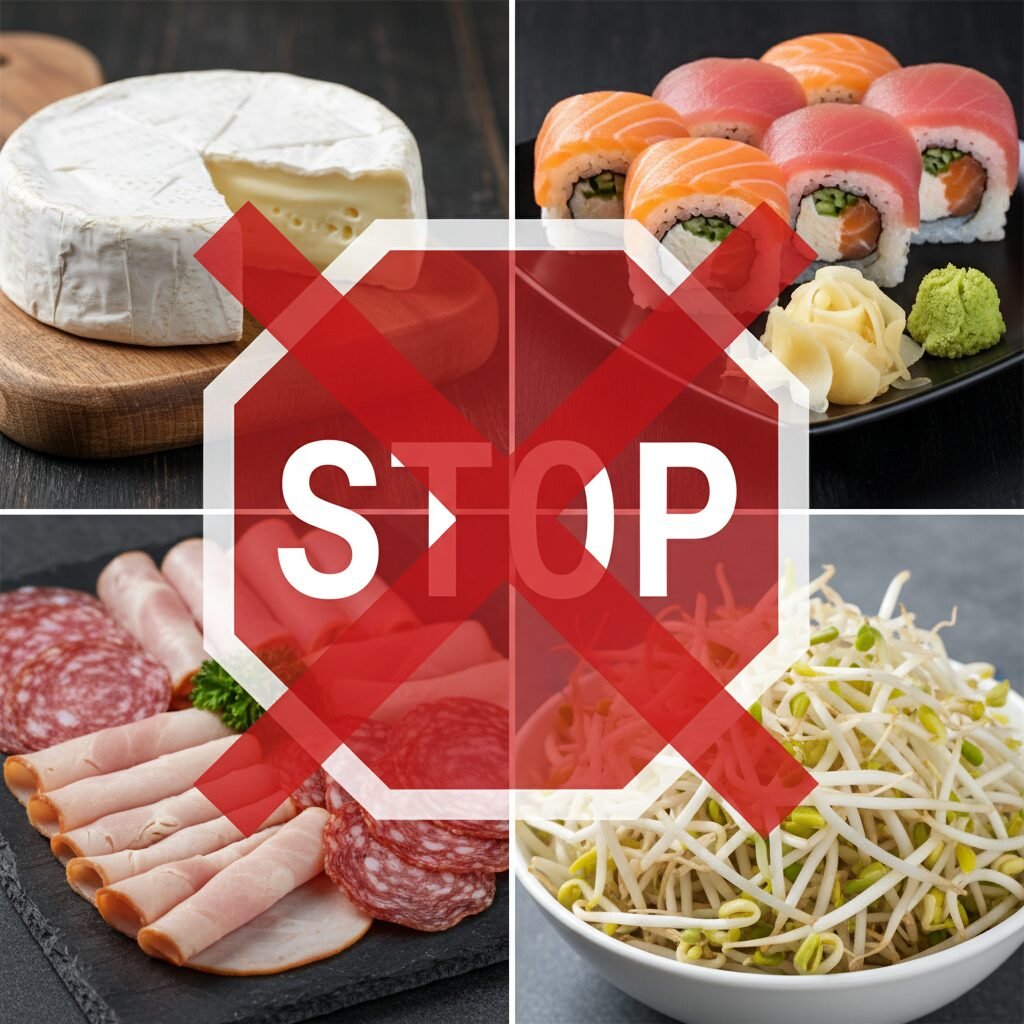
While the ‘yes’ list offers a bounty of choices, it’s equally important to be acutely aware of the foods that pose significant risks during pregnancy. Avoiding these items is a non-negotiable aspect of ensuring the health and safety of both you and your baby. Here’s a comprehensive ‘no’ list, along with the reasons why:
Unpasteurized Dairy Products & Certain Soft Cheeses
This is perhaps one of the most emphasized restrictions due to the risk of Listeria monocytogenes. Unpasteurized milk and cheeses made from it can harbor this dangerous bacterium. Even some pasteurized soft cheeses can be problematic if they are mold-ripened (like Brie, Camembert, or blue cheese) or have a rind that allows bacteria to grow, unless they are specifically labeled as being safe for pregnancy or fully cooked until steaming hot. When in doubt, always opt for hard cheeses or pasteurized soft cheeses like mozzarella, cream cheese, or cottage cheese.
- Examples to Avoid: Brie, Camembert, Roquefort, Feta (unless explicitly stated as pasteurized and safe for pregnancy), blue cheeses (Gorgonzola, Stilton), unpasteurized goat cheese, raw milk.
Raw or Undercooked Meats, Poultry, and Seafood
These items carry risks of Toxoplasma gondii, Salmonella, E. coli, and Listeria. Proper cooking kills these pathogens.
- Deli Meats & Cured Meats: This includes cold cuts like turkey, ham, roast beef, and cured meats such as prosciutto, salami, pepperoni, and chorizo. Unless these are heated to steaming hot (165°F / 74°C) just before consumption, they should be avoided due to the risk of Listeria. The heating process kills the bacteria.
- Raw or Undercooked Fish & Shellfish: Sushi, sashimi, ceviche, raw oysters, and smoked salmon (unless canned or shelf-stable) can contain parasites, bacteria, or viruses.
- Pâté: All types of pâté, whether meat or vegetable-based, should be avoided due to the risk of Listeria, as they are often made with raw ingredients or are unheated.
Raw or Undercooked Eggs
Raw or lightly cooked eggs can carry Salmonella. This means avoiding homemade mayonnaise, hollandaise sauce, Caesar salad dressing, certain custards, and raw cookie dough if they contain raw eggs.
Raw Sprouts
Alfalfa, clover, radish, and mung bean sprouts, even if washed, can harbor bacteria like E. coli and Salmonella, as they are grown in warm, moist conditions ideal for bacterial growth. They should be avoided unless thoroughly cooked.
Unwashed Fruits and Vegetables
While fruits and vegetables are essential, unwashed produce can carry Toxoplasma gondii and other bacteria from the soil. Always wash all produce thoroughly under running water, even if you plan to peel it.
High-Mercury Fish
Certain large predatory fish contain high levels of mercury, which can harm a baby’s developing nervous system. These include shark, swordfish, king mackerel, and tilefish.
Alcohol
There is no known safe amount of alcohol during pregnancy. It can lead to Fetal Alcohol Spectrum Disorders (FASDs).
Excessive Caffeine
While moderate caffeine intake (typically up to 200 mg per day) is generally considered safe, excessive amounts can increase the risk of miscarriage or low birth weight. Be mindful of caffeine in coffee, tea, energy drinks, and chocolate.
By diligently avoiding these items, you significantly reduce the risk of foodborne illness and ensure a safer, healthier environment for your baby’s development. Always consult your healthcare provider if you have specific concerns or questions about particular foods.
Crafting Your Board: A Step-by-Step Assembly Guide
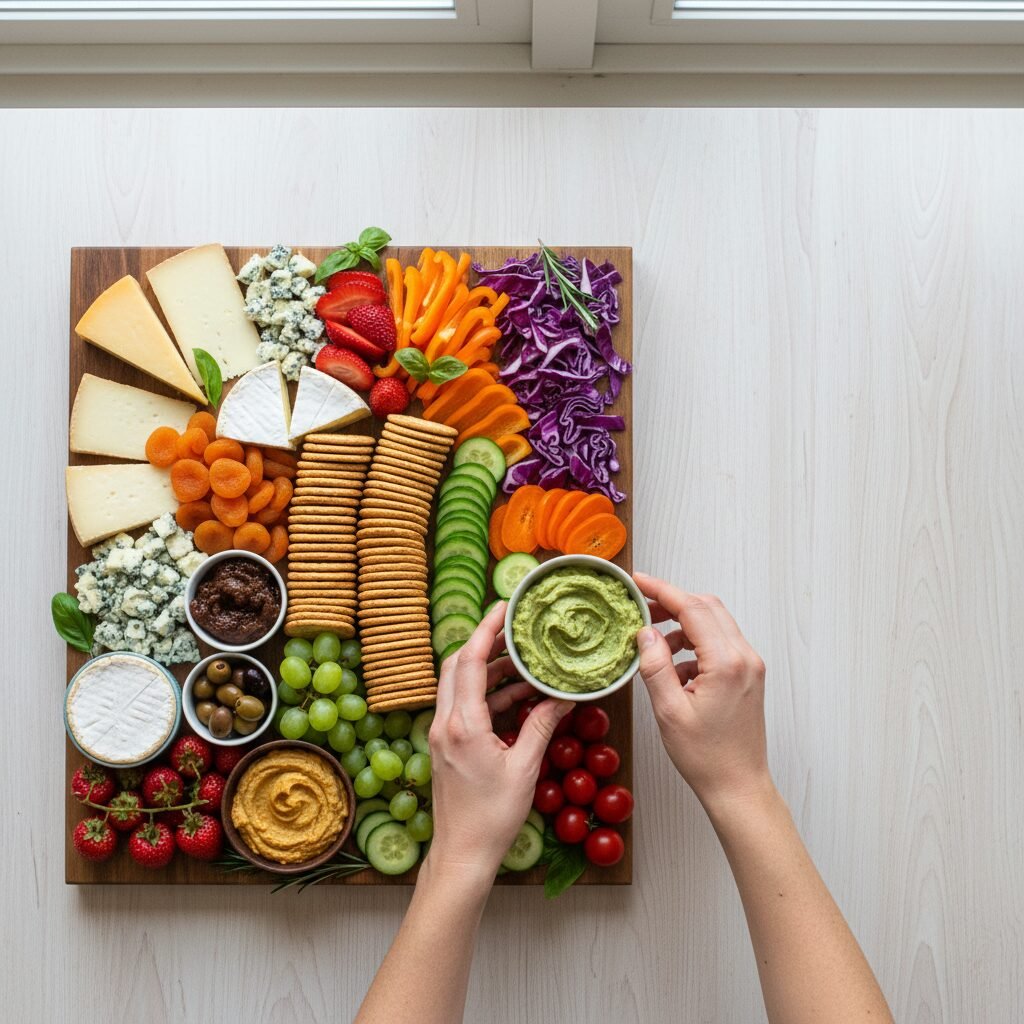
With your safe ingredients ready, it’s time to assemble your ultimate pregnancy-safe charcuterie board! This isn’t just about placing food on a platter; it’s about creating an inviting, abundant, and aesthetically pleasing spread. Follow these steps for a stunning and delicious result:
- Choose Your Canvas: Select a large wooden board, slate platter, or ceramic tray. The size will depend on how many people you’re serving and the variety of ingredients you have.
- Anchor with Bowls: Start by placing any small bowls or ramekins you plan to use for dips, olives, nuts, or preserves. These act as anchors and help define sections on your board.
- Arrange Cheeses First: Place your chosen hard and pasteurized soft cheeses on the board. Cut some into slices, cubes, or wedges to add visual interest and make them easier to pick up. Distribute them evenly.
- Add Meats (Cooked & Safe): If using, arrange your fully cooked turkey, chicken, or plant-based slices. You can fold them artfully or roll them for an elegant presentation.
- Incorporate Fruits: Begin to fill in larger gaps with clusters of grapes, piles of berries, and fanned slices of apples or pears. Think about color and texture contrast.
- Place Vegetables: Arrange your washed crudités, blanched vegetables, and pickles. Use the natural lines of the board or create small piles.
- Add Crackers & Breads: Place your selection of crackers and sliced bread. You can stack them, fan them out, or create small sections. If space is limited, consider having a separate basket of crackers nearby.
- Fill Gaps with Smaller Items: Now, use smaller items like nuts, dried fruits, and olives to fill in any remaining spaces. This makes the board look abundant and inviting.
- Add Dips & Spreads: Spoon your hummus, pesto, or jams into the pre-placed bowls.
- Garnish for Flair: Finish with fresh herbs like rosemary sprigs or basil leaves for a pop of color and aroma. A drizzle of high-quality olive oil over some veggies can also add a nice touch.
Tips for Success:
- Temperature Control: Keep perishable items refrigerated until just before serving. If your board will be out for more than two hours (one hour if the ambient temperature is above 90°F / 32°C), consider using chilled serving platters or refilling with fresh items.
- Variety is Key: Offer a range of textures, flavors (sweet, savory, tangy), and colors to keep the board interesting.
- Accessibility: Ensure everything is easy to pick up. Provide small tongs or spreaders.
- Presentation: Don’t be afraid to overlap items slightly; it creates a lush, abundant look.
- Listen to Your Cravings: While following safety guidelines, remember this board is for you! Include ingredients that genuinely appeal to your pregnancy cravings.
By following these steps, you’ll not only create a stunning and safe charcuterie board but also one that truly satisfies your unique pregnancy cravings with confidence and joy.
Hydration & Mindful Indulgence: Supporting Your Body and Baby
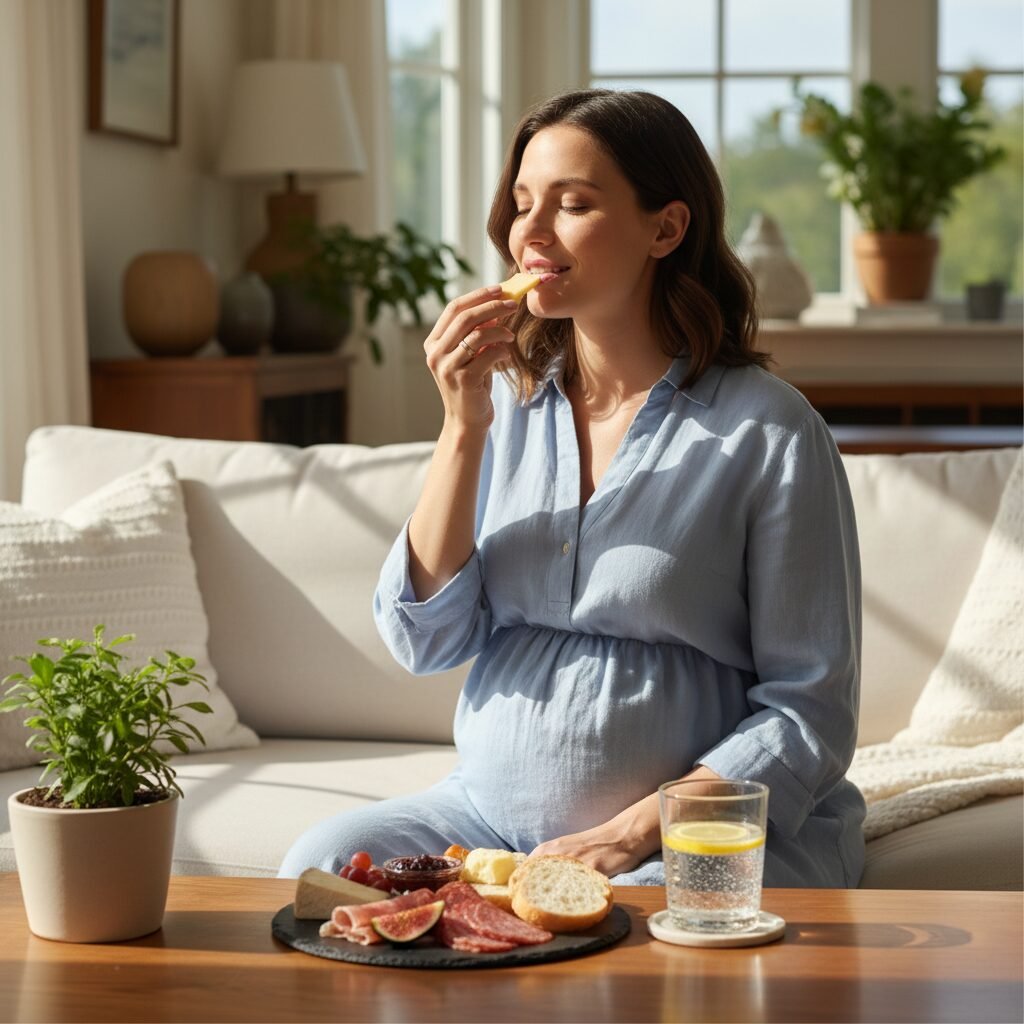
While crafting and enjoying your pregnancy-safe charcuterie board is a delightful experience, it’s also an excellent opportunity to practice mindful eating and prioritize hydration. Pregnancy is a time when your body is working incredibly hard, and supporting it with both nourishing foods and ample fluids is crucial for your well-being and your baby’s development.
The Importance of Hydration:
Water is essential for countless bodily functions, and during pregnancy, your fluid needs increase significantly. It helps form amniotic fluid, aids in nutrient transport, supports increased blood volume, and helps prevent common pregnancy discomforts like constipation and fatigue. When enjoying your charcuterie board, make sure to keep a glass of water, sparkling water with a slice of lemon, or an herbal tea (check for pregnancy safety) nearby.
- Aim for at least 8-10 glasses of water daily.
- Infuse water with fruits like cucumber, mint, or berries for a refreshing twist.
- Limit sugary drinks, which offer empty calories and can contribute to gestational diabetes.
Mindful Indulgence:
A charcuterie board, by its nature, offers a wide array of choices. This can be a wonderful way to listen to your body and honor your cravings in a balanced way. Mindful eating is about paying attention to your hunger and fullness cues, savoring each bite, and eating without distraction.
- Slow Down: Take your time to appreciate the flavors, textures, and aromas of each ingredient.
- Portion Awareness: While all items on your safe board are good choices, moderation is still key. Enjoy a variety without overindulging in any single category.
- Listen to Your Body: Your pregnancy cravings might change daily. Pick what truly appeals to you at that moment, rather than feeling obligated to try everything.
- Enjoy the Experience: Eating should be a joyful experience, especially during pregnancy. Share your board with loved ones, relax, and relish the moment without guilt.
By combining the pleasure of a carefully curated charcuterie board with conscious hydration and mindful eating practices, you’re not just satisfying cravings; you’re actively nurturing your body and creating a positive relationship with food during this special time. Remember, this journey is about embracing joy and making choices that support both you and your precious little one.
Conclusion
Navigating pregnancy cravings while prioritizing food safety can feel like a complex task, but it doesn’t have to diminish the joy of eating. As we’ve explored, creating ‘The Ultimate Pregnancy Safe Charcuterie Board’ is not only achievable but also a delightful way to satisfy your desires with confidence and peace of mind. By understanding the ‘why’ behind food restrictions, carefully selecting pasteurized cheeses, fully cooked meats, thoroughly washed produce, and a host of other safe ingredients, you empower yourself to indulge responsibly.
This journey is about embracing the changes in your body and celebrating the incredible life you are nurturing. A pregnancy-safe charcuterie board offers a versatile, nutritious, and incredibly satisfying option for a snack, a light meal, or a social gathering. It’s a testament to the fact that you don’t have to sacrifice flavor or enjoyment for safety during this special time.
Remember to always prioritize hydration and practice mindful eating, savoring each delicious, safe bite. Should you ever have specific concerns about particular foods or dietary needs during your pregnancy, always consult with your healthcare provider. They are your best resource for personalized advice.
Here’s to a pregnancy filled with delicious, safe, and joyful moments. Enjoy crafting and sharing your ultimate pregnancy-safe charcuterie board!
Disclaimer: The information provided in this article is for general knowledge and informational purposes only, and does not constitute medical advice. Always consult with a qualified healthcare professional, such as your doctor or obstetrician, before making any decisions about your diet or health during pregnancy. This content is not intended to be a substitute for professional medical advice, diagnosis, or treatment.