Glow Without the Burn: The Best Pregnancy Safe Alternatives to Chemical Peels
Embracing Your Changing Glow
Oh, sweet mama, I see you. You’re navigating the incredible journey of growing a tiny human, and while everyone talks about that legendary ‘pregnancy glow,’ you might be looking in the mirror and seeing something a bit different. Perhaps it’s the ‘mask of pregnancy’ (melasma) making an appearance, or maybe those hormonal shifts have brought back a touch of teenage-style acne. It is completely normal to want to maintain your skincare rituals, but as your doula and sister-in-wellness, I want to make sure we are doing it with the utmost safety for both you and your little one. Traditional chemical peels—those high-intensity treatments we once relied on for a total skin reset—often contain ingredients like high-percentage salicylic acid or retinoids that are best left on the shelf during these 40 weeks and beyond. But don’t you worry; we aren’t going to let that radiance fade. We are simply going to pivot to gentler, more nourishing alternatives that honor your body’s current state. Your skin is more permeable and sensitive right now due to increased blood flow and hormonal surges, which means what we put on it matters more than ever. Today, we are going to explore how to achieve that deep exfoliation and brightening effect using ingredients that are as kind as a lullaby. We’ll dive into the science of why some things are off-limits and, more importantly, celebrate the ‘gentle giants’ of the skincare world that will keep you glowing safely from your first trimester through your postpartum recovery. You deserve to feel beautiful, pampered, and protected, and I am here to guide you through every drop and cream in your vanity.
Understanding the ‘Mask of Pregnancy’ and Your Sensitive Skin
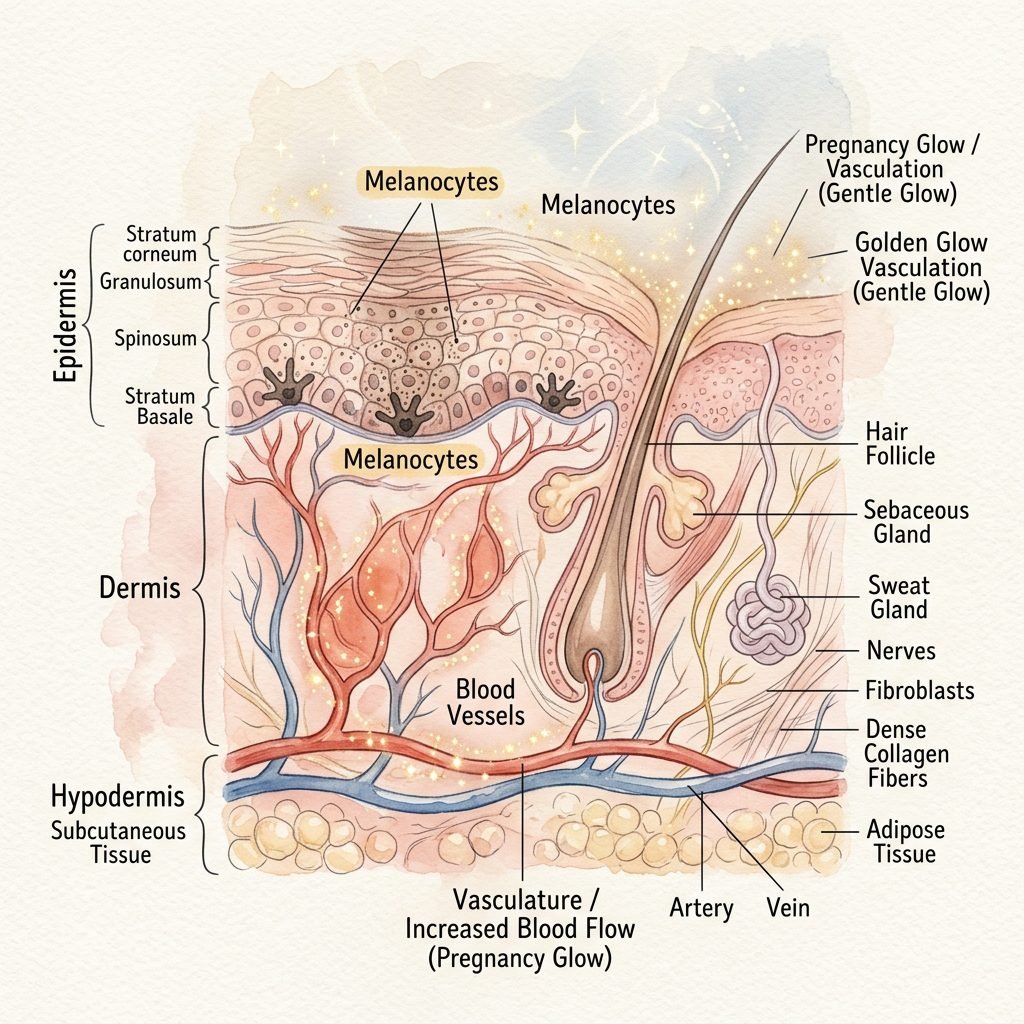
During pregnancy, your body is a literal powerhouse of hormones. Estrogen and progesterone levels are soaring, which can trigger melanocytes—the cells responsible for pigment—to go into overdrive. This often results in Melasma, or Chloasma, which appears as darkened patches on the forehead, cheeks, and upper lip. While it can be frustrating, it is a sign of the powerful work your body is doing. Because your skin is more reactive right now, the harsh ‘burn’ of a traditional chemical peel can actually cause post-inflammatory hyperpigmentation, making those dark spots worse rather than better. This is why we shift our focus from ‘peeling’ to ‘renewing.’ We want to encourage cell turnover without triggering a stress response in the skin. As your skin stretches and changes, its moisture barrier can also become compromised, making traditional acids feel much more aggressive than they did pre-pregnancy. We aren’t just looking for safety; we are looking for efficacy with empathy. We want products that understand your skin is currently sensitive, vascular, and perhaps a bit more prone to redness. By choosing alternatives that work with your skin’s natural rhythm, we can address texture and tone without the downtime or the risk of systemic absorption of questionable chemicals.
Mama, your skin is a reflection of the incredible work your body is doing. Treat it with the same kindness you will show your little one.
The No-Go List: Why We Pause Traditional Peels
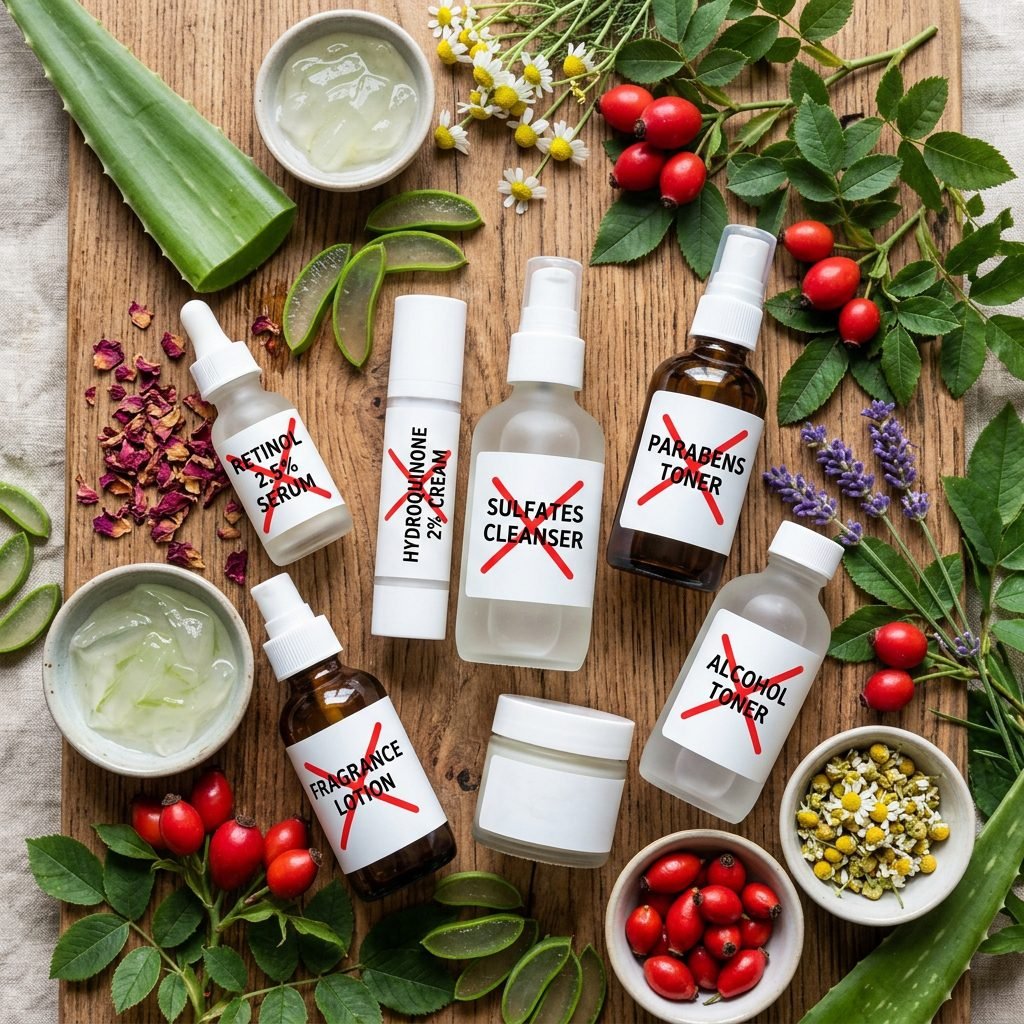
Safety is our top priority, and when it comes to chemical peels, there are a few heavy hitters that we need to put on a temporary ‘maternity leave.’ The main concern with professional-grade peels and certain over-the-counter acids is the risk of systemic absorption—meaning the chemicals could potentially enter your bloodstream. While the data on topical application is often limited, we always lean on the side of caution. Ingredients like Retinoids (Vitamin A) are a big no-no because high doses have been linked to developmental issues. Similarly, high concentrations of Salicylic Acid (a BHA) are generally avoided because they are chemically related to aspirin, and we want to keep your intake of those compounds strictly monitored by your OB-GYN. Hydroquinone, often used for skin lightening, has an exceptionally high absorption rate (up to 45%), making it a definite avoid during pregnancy and breastfeeding. To help you navigate your bathroom cabinet, I’ve put together this quick-reference guide for your next skincare audit.
| Ingredient/Treatment | Why to Avoid | The Safe Alternative |
|---|---|---|
| Retinoids / Retinol | Potential teratogenic risks. | Bakuchiol or Rosehip Oil |
| High-Strength BHA (Salicylic) | Risk of systemic absorption. | Lactic Acid or Enzymes |
| Hydroquinone | High rate of blood absorption. | Vitamin C or Azelaic Acid |
| TCA / Phenol Peels | Too aggressive for sensitive skin. | Gentle Lactic Acid Peels |
The Gentle Giants: Lactic and Azelaic Acids
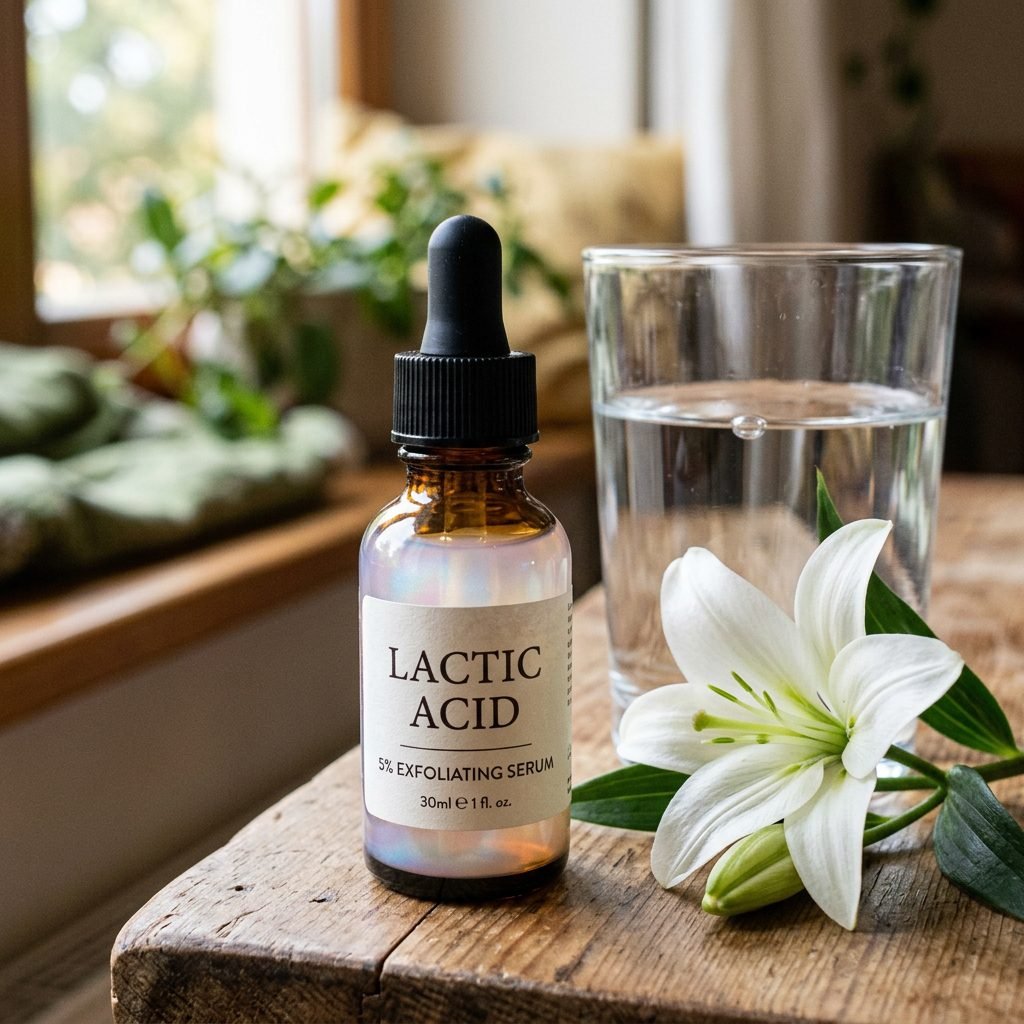
If you’re missing the smoothing effects of a peel, let me introduce you to Lactic Acid. Derived from milk (though many synthetic, vegan versions are available), Lactic Acid is the ‘older, wiser sister’ of Glycolic Acid. Its molecular size is much larger, which means it doesn’t penetrate as deeply or as quickly as other acids. This slow-and-steady approach is exactly what your pregnancy skin needs. It gently dissolves the ‘glue’ holding dead skin cells together, revealing the fresh skin underneath, while also acting as a humectant to draw moisture into the skin. It’s exfoliation and hydration in one beautiful step! Then, we have Azelaic Acid. This is a doula’s favorite for skin because it is incredibly effective at tackling both hormonal acne and melasma. It’s a dicarboxylic acid that helps kill bacteria in the pores while simultaneously slowing down the production of excess pigment. Most dermatologists agree that concentrations up to 15-20% are safe for use during pregnancy. It’s like having a gentle guardian for your complexion, keeping the peace while you focus on growing your baby. When using these, remember to start slow—perhaps two nights a week—to see how your skin responds before increasing frequency.
- Lactic Acid: Best for dry, dull skin needing a gentle refresh.
- Azelaic Acid: Best for redness, acne, and dark spots.
- Low-Dose Glycolic: Safe under 10% for those who need a bit more ‘oomph.’
Bakuchiol: The Plant-Based Retinol Alternative
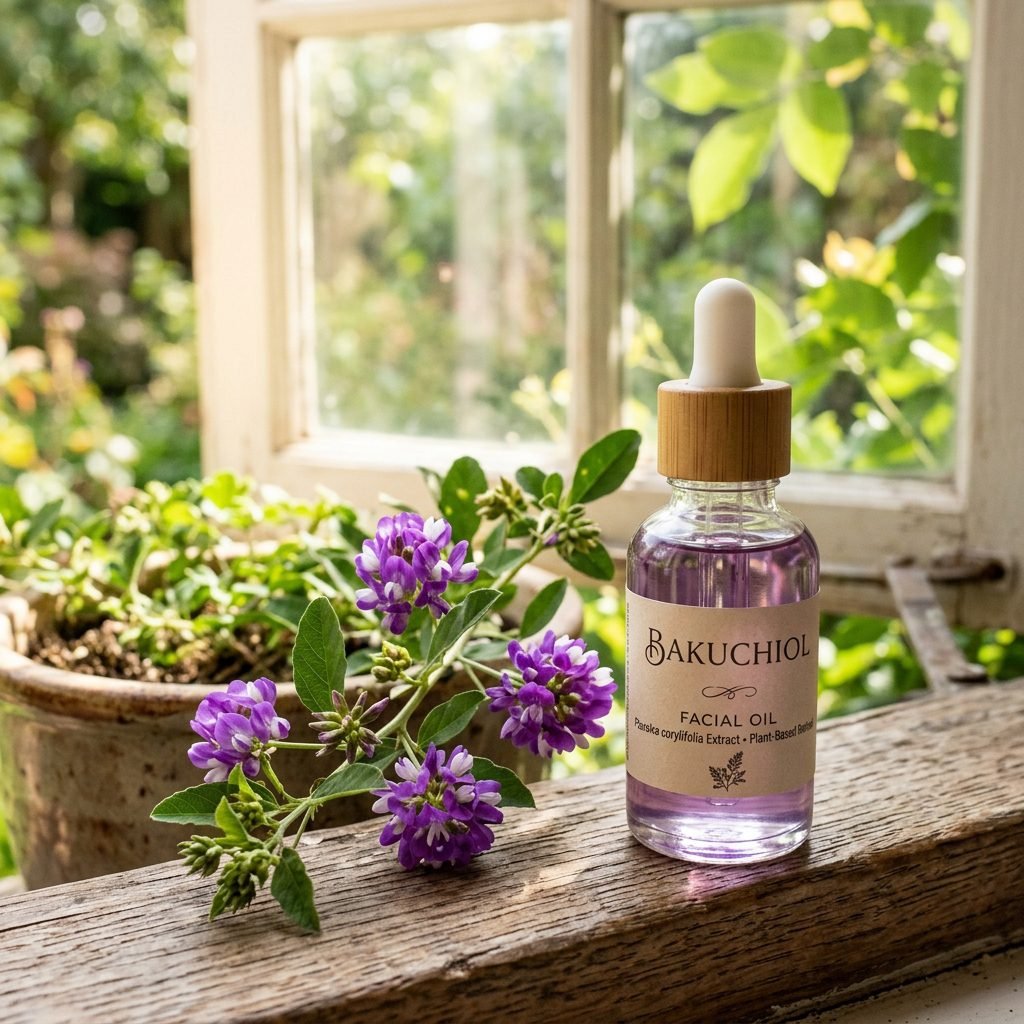
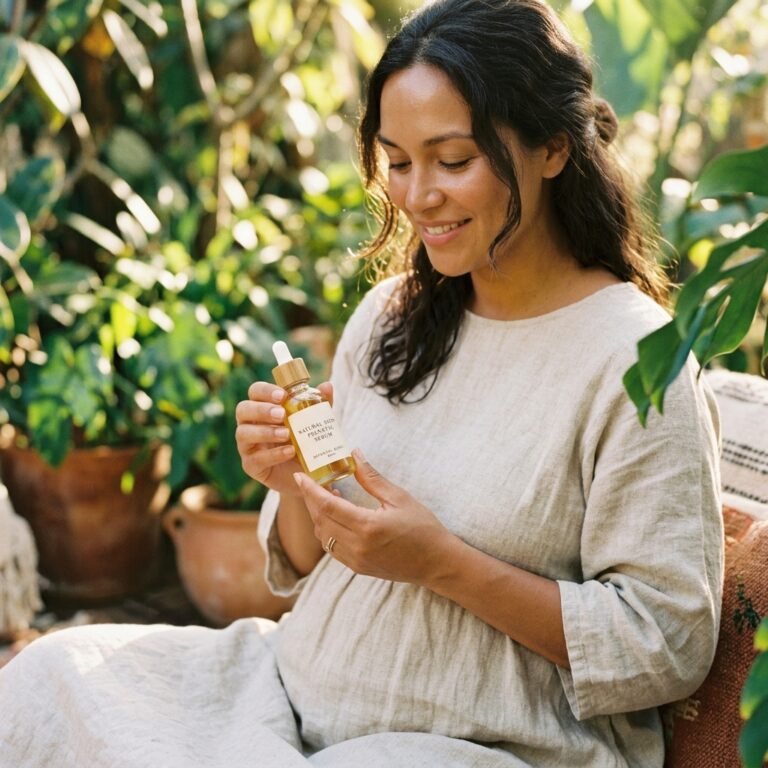
For many of us, Retinol was the holy grail for fine lines and texture. Giving it up can feel like a loss, but let me introduce you to your new best friend: Bakuchiol. Extracted from the seeds of the Psoralea corylifolia plant, Bakuchiol offers almost identical results to Retinol—stimulating collagen production and speeding up cell turnover—without any of the safety concerns or the ‘retinol burn.’ It is a true gift for the expectant mother. Clinical studies have shown that Bakuchiol is just as effective at reducing the appearance of wrinkles and hyperpigmentation, but it is much better tolerated by the skin. You can use it morning or night, and it doesn’t make your skin as photosensitive as traditional retinoids do. Pair it with Vitamin C in the morning to double down on your defense against melasma. Vitamin C acts as a powerful antioxidant, neutralizing free radicals from the sun and pollution that can trigger pigment changes. Together, Bakuchiol and Vitamin C form a powerhouse duo that will have people asking what your secret is. Remember, mama, consistency is key. These natural alternatives take a little longer to show results than a harsh chemical peel, but the health of your skin barrier is worth the wait.
Your ‘Glow Without the Burn’ At-Home Ritual
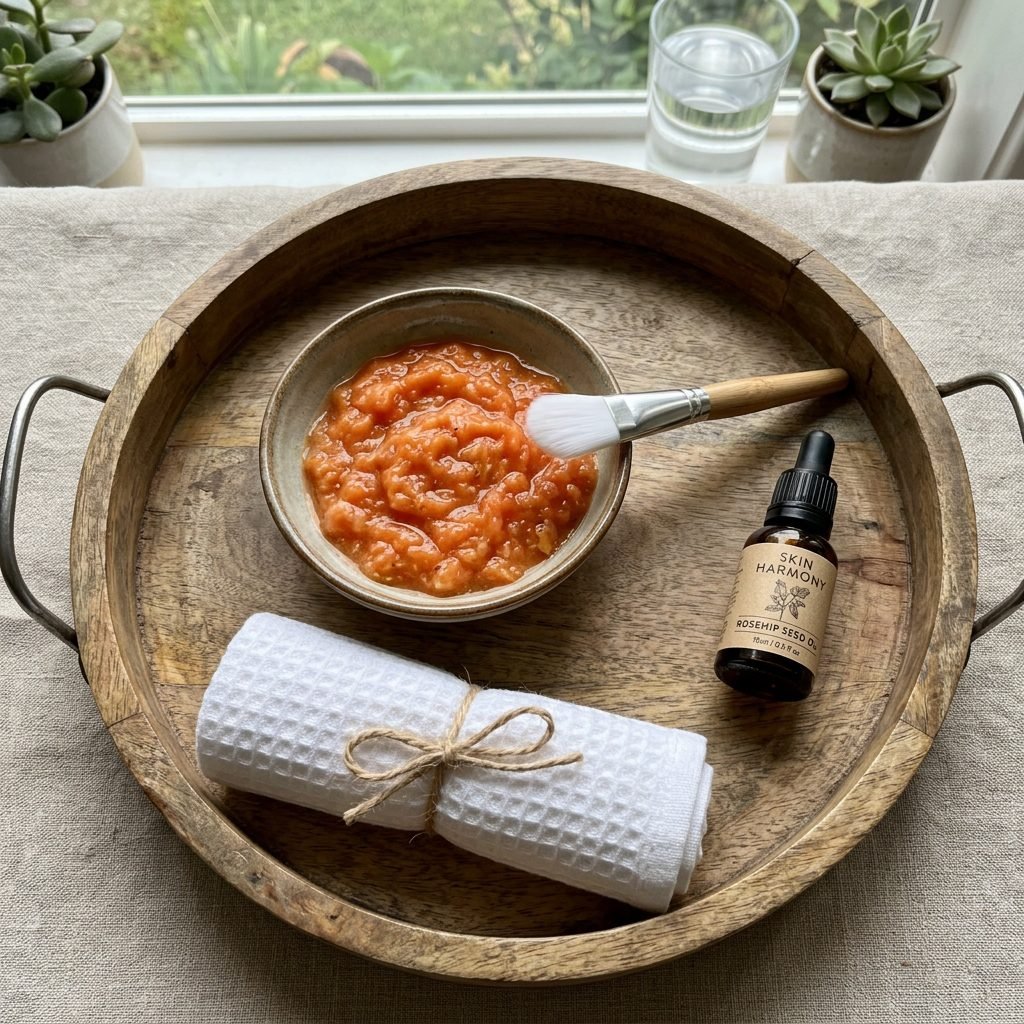
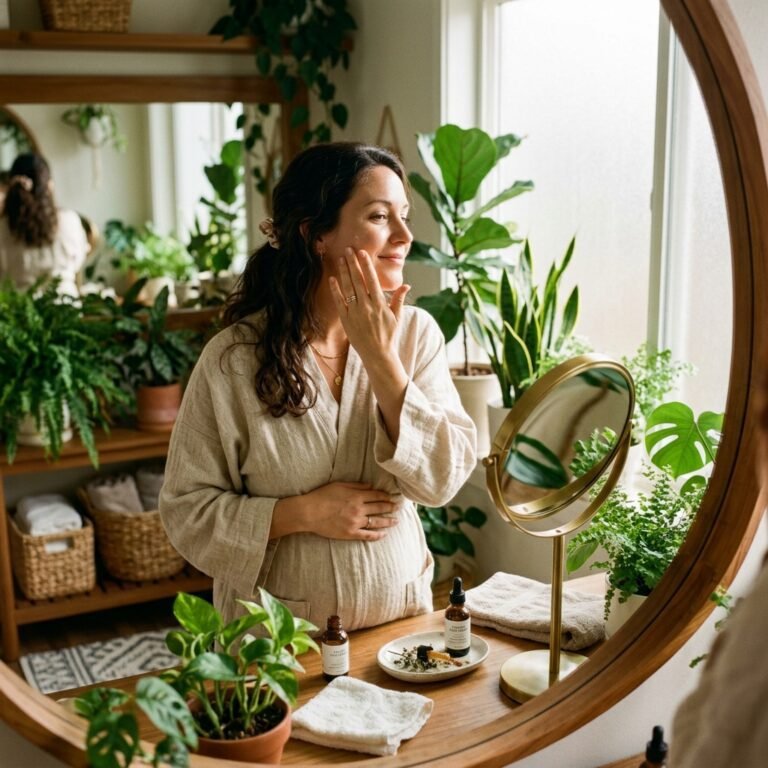
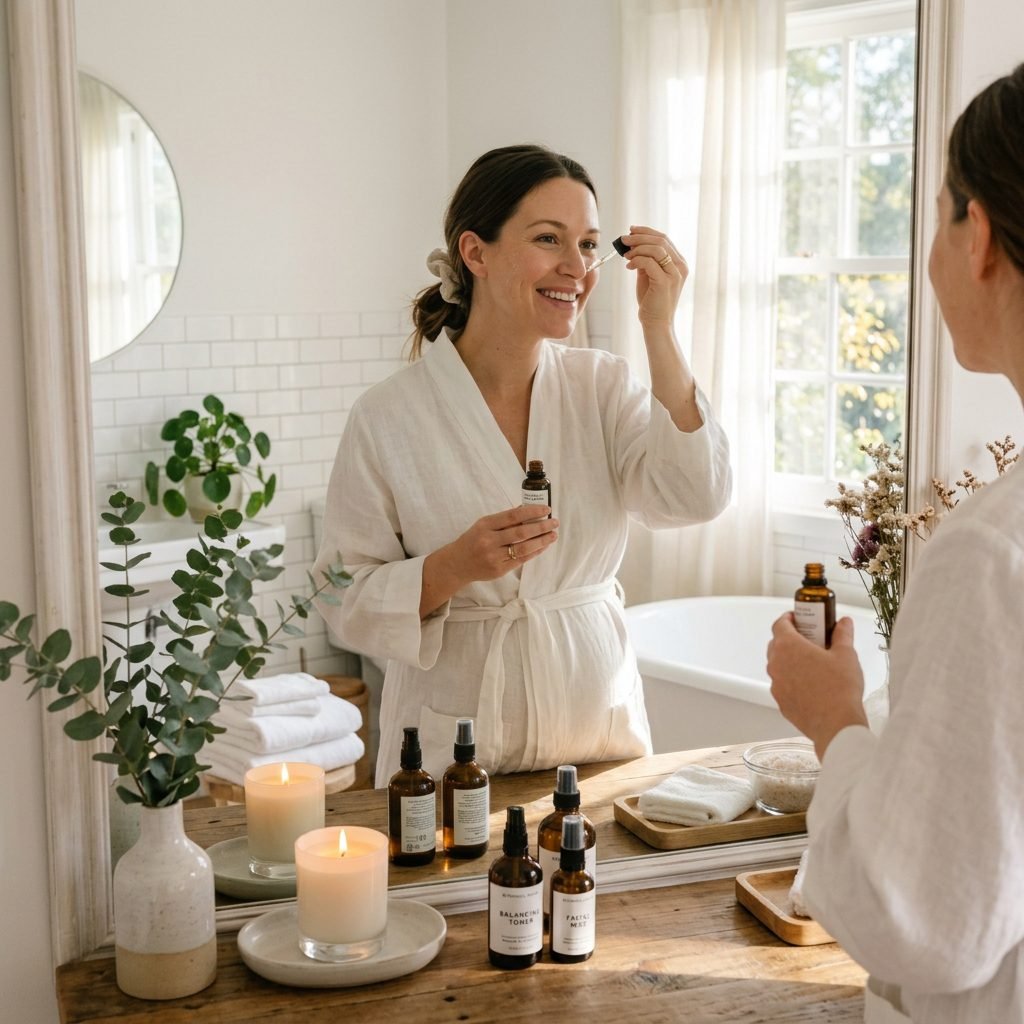
Creating a safe, spa-like experience at home is a wonderful way to bond with yourself and your baby. You don’t need a professional clinic to get that refreshed feeling. Follow this step-by-step ‘Safe Peel’ ritual once a week to maintain your skin health. Step 1: The Double Cleanse. Start with a gentle oil-based cleanser to remove sunscreen and impurities, followed by a creamy, non-foaming cleanser. Step 2: The Enzyme Mask. Instead of a chemical acid, use a mask rich in fruit enzymes like Papaya (Papain) or Pineapple (Bromelain). These enzymes ‘digest’ only the dead skin cells on the surface, leaving your healthy cells untouched. Apply and leave for 10 minutes. Step 3: The Soothe. After rinsing, apply a generous layer of a Hyaluronic Acid serum to plump the skin with moisture. Step 4: The Seal. Use a pregnancy-safe facial oil, like Rosehip or Squalane, to lock in all that goodness. Step 5: The Protection. If it’s daytime, you MUST apply a mineral-based SPF (Zinc Oxide or Titanium Dioxide). Your skin is extra sensitive to the sun right now, and SPF is your number one tool in preventing melasma from darkening. This ritual isn’t just about skincare; it’s about taking 15 minutes for yourself in a world that is currently very focused on the baby. You matter too, mama.
- Cleanse with a gentle, fragrance-free wash.
- Apply a fruit enzyme mask (look for papaya or pumpkin).
- Rinse with lukewarm water—never hot!
- Pat on a Vitamin C or Hyaluronic Acid serum.
- Finish with a mineral SPF 30 or higher.
Nourishing the Glow from the Inside Out
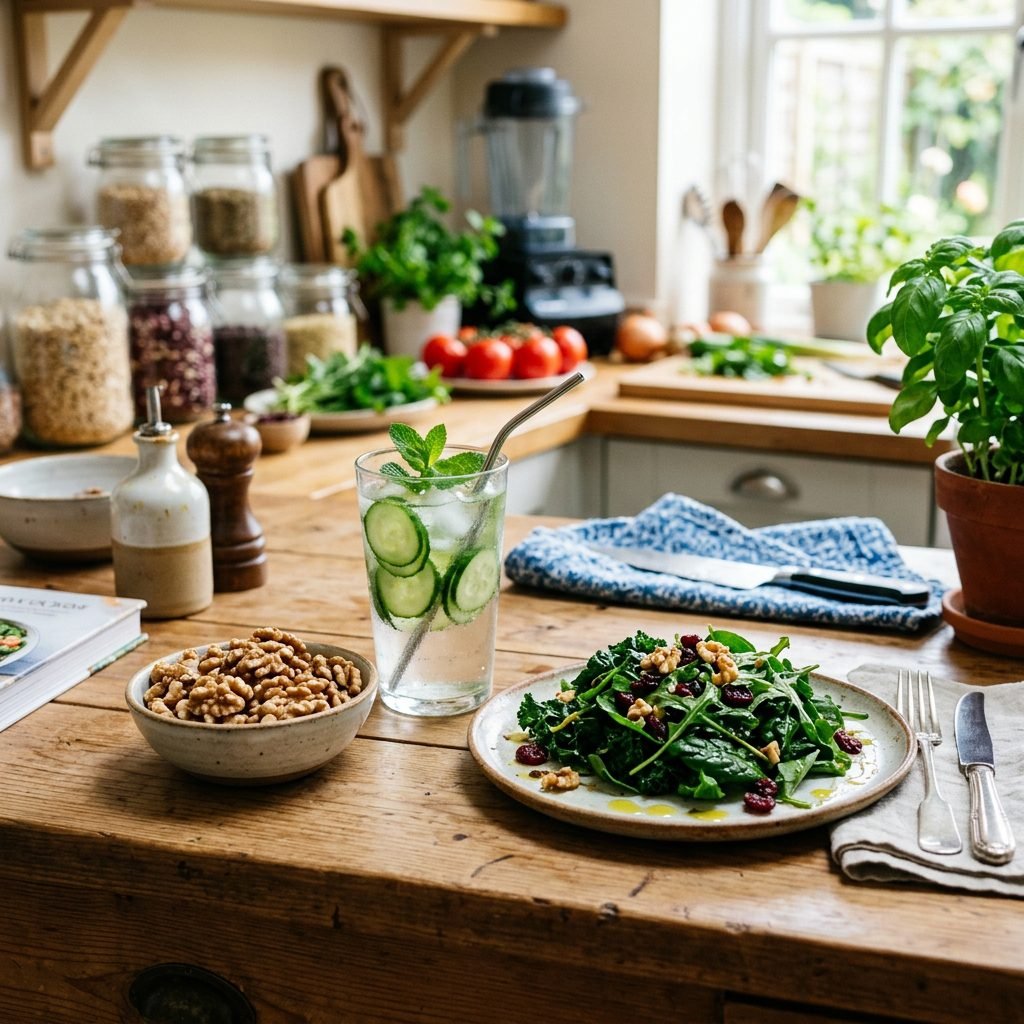
As a doula, I always remind my clients that what we put into our bodies shows up on our faces. Your skin is your largest organ, and it is currently working overtime to support your expanding volume of blood and the needs of your baby. To support your topical ‘peel’ alternatives, focus on hydration. Aim for at least 8-10 glasses of water a day. This keeps the skin cells plump and helps flush out toxins that can contribute to breakouts. Include plenty of Omega-3 fatty acids in your diet—think walnuts, chia seeds, and wild-caught salmon (if you’re doing okay with food aversions!). These healthy fats strengthen your skin’s lipid barrier, making it more resilient to the hormonal shifts that cause sensitivity. Also, don’t underestimate the power of Vitamin E and Zinc found in leafy greens and seeds; they are essential for skin repair and healing. When you nourish yourself from the inside, those gentle acids and enzymes on the outside don’t have to work nearly as hard. Sleep is the final ingredient. I know, I know—sleep is hard to come by when you’re getting up to pee every two hours! But even a 20-minute afternoon nap can lower cortisol levels, which in turn helps keep inflammatory skin conditions like acne and eczema at bay.
Conclusion
Mama, you are doing a beautiful job. Navigating the world of skincare during pregnancy can feel like a maze, but remember that the goal is always health and harmony. By swapping out those harsh chemical peels for gentle Lactic Acid, brightening Azelaic Acid, and the miracle of Bakuchiol, you are choosing a path of safety without sacrificing your glow. Your skin is changing because you are bringing life into this world, and that is a miraculous thing. Treat yourself with grace, enjoy your new rituals, and know that this season of life is as fleeting as it is beautiful. You don’t need to ‘burn’ to be bright; your light is already shining from within. Keep that mineral SPF close, stay hydrated, and keep glowing, you radiant soul!