

The Panic-Proof Medicine Cabinet: What to Buy BEFORE The First Fever Hits
Welcome to the beautiful, yet often overwhelming, world of new parenthood. While you’ve likely spent countless hours preparing the nursery, folding tiny clothes, and researching feeding schedules, there’s one aspect that often catches even the most organized parents off guard: your baby’s first illness. The sound of a cough, the sight of a runny nose, and especially the dread of that first fever can send even the calmest parent into a spiral of panic.
As a certified Doula and Maternal Health Educator, I’ve witnessed firsthand the anxiety that accompanies a sick baby. It’s a primal instinct to protect your little one, and feeling unprepared can intensify that fear. But here’s a comforting truth: preparation is your superpower. By equipping your home with a well-stocked, ‘panic-proof’ medicine cabinet before your baby’s first fever hits, you’re not just buying supplies; you’re investing in peace of mind, confidence, and the ability to respond effectively when it matters most.
This guide is designed to empower you, new parents and parents-to-be, with the knowledge and resources to navigate common infant illnesses with calm and competence. We’ll walk through exactly what you need, why you need it, and crucial safety considerations. Let’s transform that potential panic into proactive parenting.
Why Preparation is Key: Beyond Just Diapers

When your little one is feeling unwell, time is often of the essence. A late-night fever or an unexpected sniffle doesn’t wait for store hours. Imagine the scenario: it’s 2 AM, your baby feels warm, and you realize you don’t have a thermometer or appropriate infant medication. The stress of rushing out, or worse, feeling helpless, is something we want to help you avoid entirely.
Proactive preparation is not about anticipating every possible illness, but rather about having the fundamental tools and knowledge to address the most common ones safely and effectively. It’s about creating a buffer against panic, allowing you to focus on comforting your baby rather than scrambling for supplies. This approach aligns with the ‘village mentality’ – knowing you have a plan and the right resources is like having a supportive community right there in your home.
“Being prepared doesn’t mean you’ll never face challenges, but it significantly reduces the stress and uncertainty when those challenges inevitably arise. For new parents, a well-stocked medicine cabinet is a foundational step in building confidence.” – A Maternal Health Educator’s Insight
By taking the time now, before the immediate need arises, you’re making a conscious decision to be a more confident and capable caregiver. This guide will help you curate a collection of essentials, ensuring that your home is a sanctuary of care, even when illness tries to disrupt the peace.
The Essential Thermometer: Your First Line of Defense
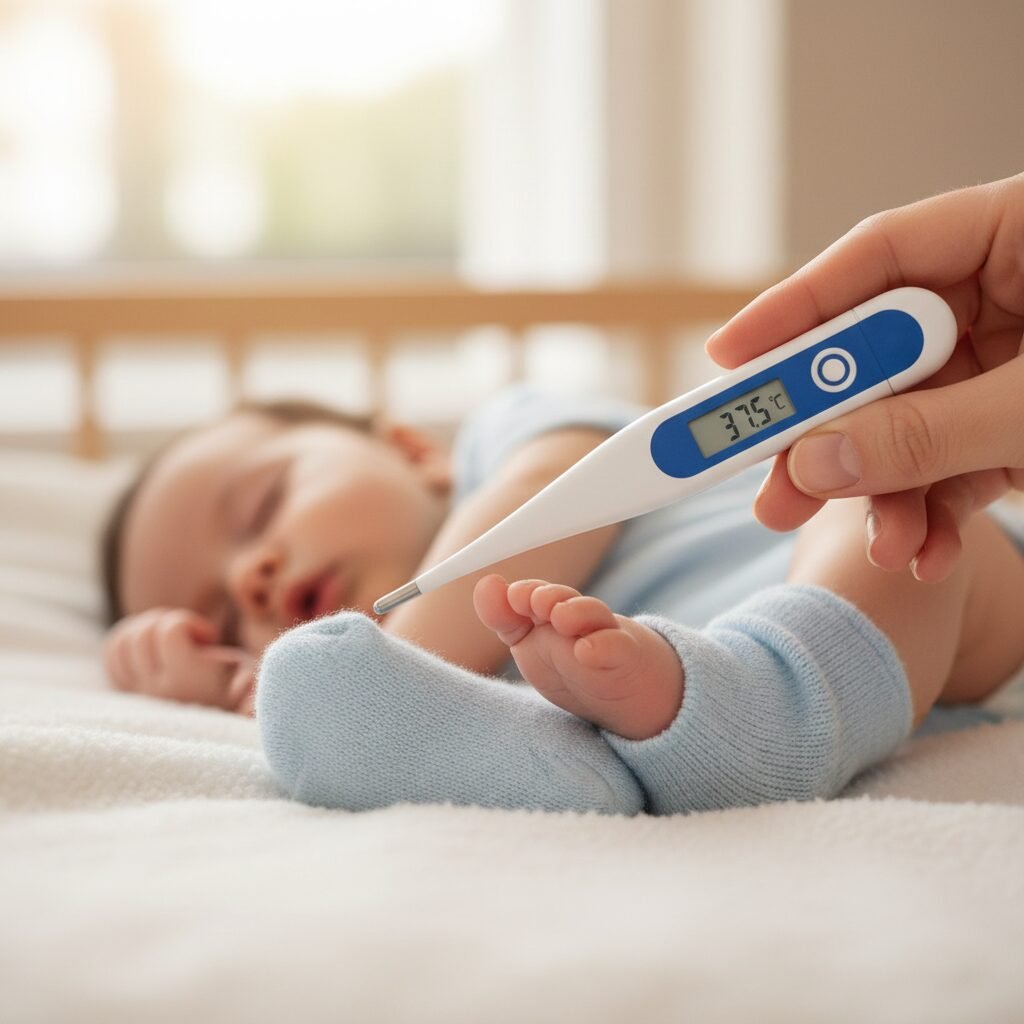
A reliable thermometer is arguably the single most important item in your baby’s medicine cabinet. A fever in an infant, especially a newborn, can be a serious indicator, and accurate temperature readings are crucial for guiding your actions and communicating with your pediatrician.
Types of Thermometers and How to Use Them:
- Rectal Thermometers (Digital): For infants under three months, a digital rectal thermometer is considered the gold standard for accuracy. It provides the most precise reading of core body temperature.
- How to use: Lubricate the tip with petroleum jelly. Place your baby on their back, lift their legs, and gently insert the tip about half an inch to one inch into the rectum. Hold it in place until it beeps.
- Temporal Artery Thermometers (Forehead Scanners): These are convenient and non-invasive, but can be less accurate than rectal thermometers, especially in newborns. They are generally acceptable for older infants and toddlers for screening, but always confirm a high reading with a rectal thermometer if your baby is under three months.
- How to use: Gently sweep the thermometer across the forehead, following the manufacturer’s instructions.
- Axillary Thermometers (Underarm): While easy to use, underarm temperatures are the least accurate and should generally only be used for screening. If you suspect a fever, confirm with a rectal reading.
- How to use: Place the tip of a digital thermometer in your baby’s armpit, ensuring it touches skin, not clothing. Hold your baby’s arm against their body until it beeps.
- Ear Thermometers (Tympanic): These are not recommended for infants under 6 months as their ear canals are too small and curved for accurate readings.
“Always remember that a fever in a baby under 3 months of age (rectal temperature of 100.4°F / 38°C or higher) warrants an immediate call to your pediatrician or emergency services, even if the baby appears well.” – Pediatric Guideline
Pro Tip: Have a dedicated rectal thermometer for your baby and label it clearly to avoid confusion with other household thermometers. Practice using it when your baby is well, so you feel confident when it truly matters.
Fever Reducers & Pain Relievers: Understanding Dosages and Safety
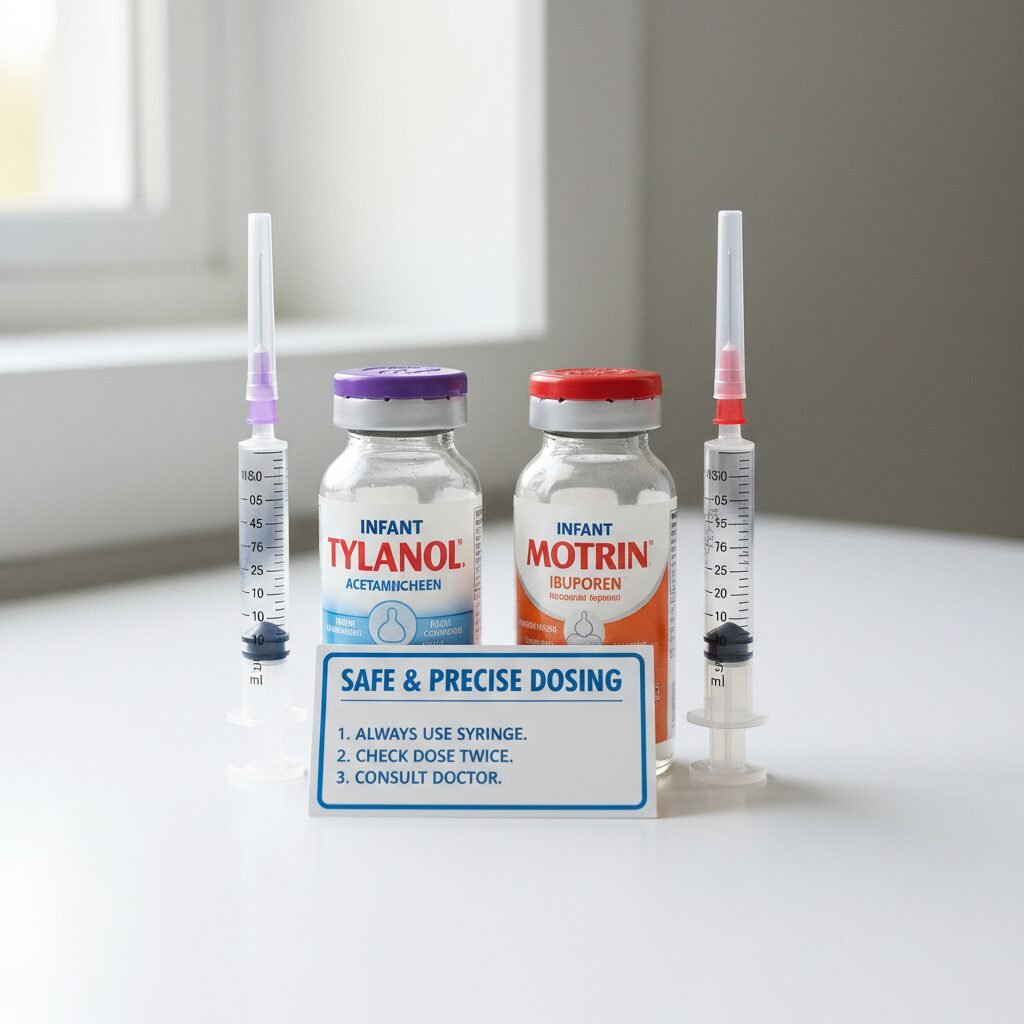
Once you’ve confirmed a fever, the next step might be to administer medication. However, this is where precision and caution are paramount. Never give medication to an infant without consulting your pediatrician first, especially for babies under 3 months old.
Essential Medications:
- Infant Acetaminophen (e.g., Tylenol Infants’): This is generally recommended for babies 2 months and older. It can help reduce fever and alleviate pain.
- Key Safety Points:
- Dosage is based on weight, not age. Always use the dosing chart provided with the medication or, ideally, get a specific dosage from your pediatrician.
- Use the provided measuring device (syringe or dropper). Kitchen spoons are not accurate.
- Never exceed the recommended dosage or frequency. Overdosing can lead to liver damage.
- Do not give to infants under 2 months without explicit instruction from a doctor.
- Key Safety Points:
- Infant Ibuprofen (e.g., Motrin Infants’, Advil Infants’): This is typically recommended for babies 6 months and older. It also reduces fever and pain.
- Key Safety Points:
- Dosage is weight-based. Consult your pediatrician for the correct amount.
- Ensure your baby is well-hydrated before giving ibuprofen, as it can sometimes irritate the stomach or impact kidney function if dehydrated.
- Do not give to infants under 6 months without explicit instruction from a doctor.
- Key Safety Points:
“When it comes to infant medication, always err on the side of caution. Consult your pediatrician for dosage, especially for babies under 6 months. It’s better to make a quick call than to risk an adverse reaction.” – Professional Doula Advice
Crucial Warnings:
- NEVER give aspirin to children or teenagers. It is linked to Reye’s syndrome, a rare but serious illness.
- Avoid combination cold and cough medications for infants and young children. These can contain multiple active ingredients that may be dangerous or ineffective for babies.
- Always check expiration dates. Discard any expired medications.
Having these medications on hand, along with accurate measuring tools, means you won’t be scrambling to the pharmacy in the middle of the night. But remember, possession of these items does not replace professional medical advice.
First Aid Fundamentals: Beyond Fevers
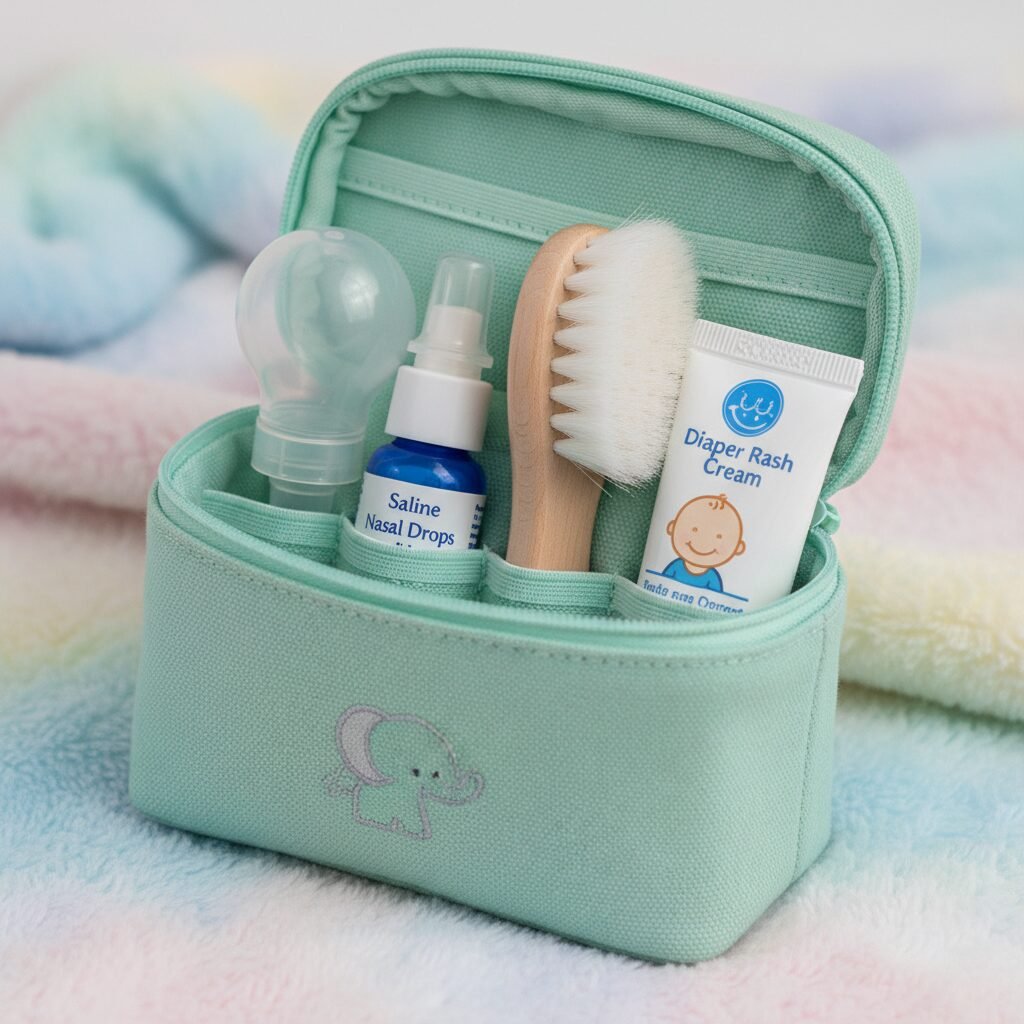
While fevers are a primary concern, your baby’s medicine cabinet should also be equipped for other common ailments and minor injuries. A well-rounded first aid section will cover everything from sniffles to small scrapes.
Beyond Fever Reducers:
- Nasal Aspirator (Bulb Syringe or Snot Sucker): Essential for clearing stuffy noses, especially before feeding or sleeping.
- How to use: Squeeze the bulb to create a vacuum, gently insert the tip into one nostril, release the bulb to suction, then remove and squeeze out the mucus into a tissue. Repeat for the other nostril. Clean thoroughly after each use.
- Saline Nasal Drops or Spray: Helps to loosen thick mucus, making it easier to suction. Safe for all ages.
- Petroleum Jelly (e.g., Vaseline): Useful for lubricating rectal thermometers, protecting chapped skin, or soothing minor irritations.
- Diaper Rash Cream (e.g., Zinc Oxide based): An absolute must-have. Apply at the first sign of redness to prevent severe diaper rash.
- Baby-Safe Soap and Lotion: Gentle, fragrance-free options for sensitive skin.
- Soft-Bristled Baby Brush or Comb: For cradle cap or general grooming.
- Baby Nail Clippers or File: To prevent scratches from tiny, sharp nails.
- Sterile Gauze Pads and Medical Tape: For minor cuts or scrapes (though serious injuries always warrant professional medical attention).
- Antiseptic Wipes (Alcohol-Free): For cleaning minor cuts or scrapes.
- Teething Gel or Rings: If your baby is teething, a pediatrician-approved teething gel (ensure it’s benzocaine-free) or chilled teething rings can provide comfort.
Having these items readily available means you can quickly address minor issues, providing comfort to your baby and preventing small problems from escalating. Always remember to keep all medications and small items out of reach of children, preferably in a locked cabinet.
Soothing Comforts & Hydration Helpers
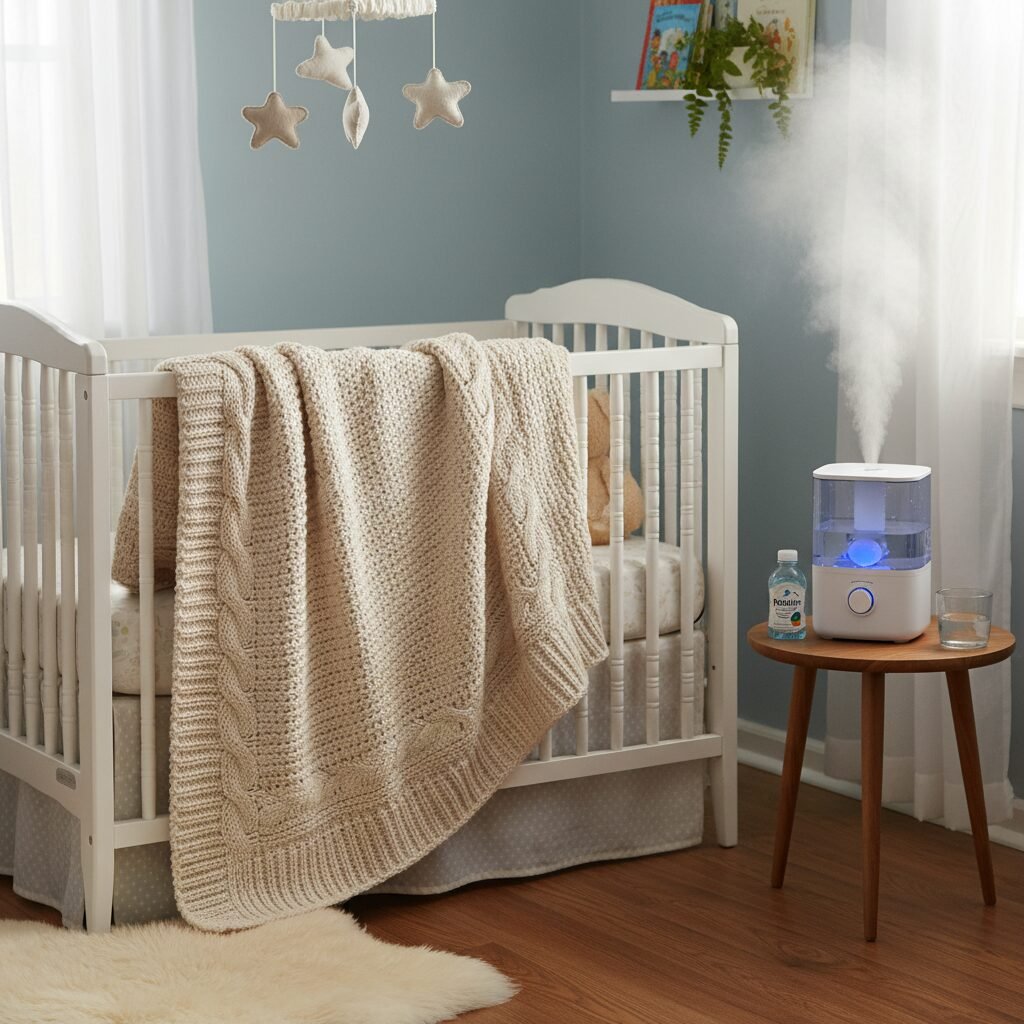
Beyond medication, sometimes the most powerful tools in your medicine cabinet are those that offer comfort and support hydration. A sick baby often needs more than just fever reducers; they need gentle care to help them rest and recover.
Comfort and Hydration Essentials:
- Oral Rehydration Solution (ORS): Brands like Pedialyte are crucial for preventing dehydration during bouts of vomiting, diarrhea, or prolonged fever. Always consult your pediatrician before administering, especially for very young infants.
- Humidifier (Cool Mist): A cool-mist humidifier can work wonders for congestion, dry coughs, and irritated airways. Place it in your baby’s room to add moisture to the air. Remember to clean it regularly to prevent mold and bacteria growth.
- Soft Blankets and Swaddles: While not strictly ‘medicine cabinet’ items, having extra soft, breathable blankets on hand for comfort can be invaluable when your baby is feeling unwell.
- Thermometer for Bathwater: While not for illness, ensuring bathwater is at a safe temperature (around 98-100°F or 37-38°C) is important for overall comfort and preventing burns.
- Gentle Wipes: For quick clean-ups of spit-up or sticky hands and faces, ensuring your baby stays comfortable and clean.
- Baby-Safe Vapor Rub (Petroleum-Free):): Some brands offer petroleum-free, essential oil-based chest rubs suitable for babies over a certain age (always check labels and consult your pediatrician).
“A sick baby often finds immense comfort in gentle touch, a soothing environment, and consistent hydration. These non-medicinal interventions are just as vital to their recovery as any medication.” – Empathetic Parental Guidance
Creating a soothing environment is a significant part of caring for a sick child. The humidifier, along with gentle rocking, skin-to-skin contact, and plenty of fluids (breast milk, formula, or ORS as advised by your doctor), forms a holistic approach to comfort and recovery.
When to Call the Doctor: Knowing the Red Flags

While a well-stocked medicine cabinet empowers you to handle minor issues, it’s equally important – if not more so – to know when to seek professional medical attention. Never hesitate to call your pediatrician if you are worried about your baby’s symptoms. Trust your parental instincts.
Immediate Medical Attention Required (Call 911 or go to ER):
- Difficulty Breathing: Rapid breathing, flaring nostrils, grunting, chest retractions (skin pulling in between ribs or above collarbone), bluish lips or face.
- Severe Lethargy or Unresponsiveness: Baby is unusually sleepy, difficult to wake, or doesn’t respond to stimuli.
- Seizure: Any uncontrolled shaking or jerking movements.
- High Fever in a Newborn (under 3 months): Rectal temperature of 100.4°F (38°C) or higher. This is an emergency.
- Persistent Crying: Inconsolable crying, especially if accompanied by other symptoms.
- Severe Rash: Especially if it looks purple or doesn’t fade when pressed.
- Signs of Dehydration: Fewer wet diapers (e.g., less than 4-6 in 24 hours), no tears when crying, sunken soft spot (fontanelle), dry mouth and tongue.
- Stiff Neck or Bulging Soft Spot: Can indicate serious infection.
- Head Injury: Any fall or bump to the head that causes concern, especially if accompanied by vomiting or loss of consciousness.
When to Call Your Pediatrician (Non-Emergency, but Urgent):
- Fever 102.2°F (39°C) or higher in a baby 3-6 months old.
- Fever lasting more than 24 hours in a baby under 2 years old.
- Persistent Vomiting or Diarrhea: Especially if it’s frequent or severe.
- Refusal to Feed: If your baby is consistently refusing breast milk or formula.
- Unusual Rashes: Any new or spreading rash that you’re concerned about.
- Ear Pulling or Irritability: Could indicate an ear infection.
- Persistent Cough: Especially if it’s worsening or accompanied by wheezing.
Keep your pediatrician’s number, as well as an after-hours nurse line or emergency contact, easily accessible. Consider having a small whiteboard or magnet on your fridge with this information, alongside a list of your baby’s current weight (for medication dosing) and any known allergies.
“Your instincts as a parent are powerful. If something feels ‘off’ with your baby, even if you can’t pinpoint why, don’t hesitate to reach out to your healthcare provider. It’s always better to be safe than sorry.” – Empathetic & Supportive Advice
Being prepared means not only having the right tools but also having the wisdom to know when those tools are insufficient and professional help is needed. This knowledge is truly the ultimate panic-proof strategy.
Conclusion
Navigating your baby’s first illnesses can feel daunting, but with the right preparation, it becomes a manageable part of your parenting journey. By stocking your ‘panic-proof’ medicine cabinet with the essentials we’ve discussed – from accurate thermometers and safe medications to soothing comforts and first-aid basics – you’re building a foundation of confidence and readiness.
Remember, being prepared isn’t about eliminating worry entirely, but about empowering you to respond effectively and calmly when your little one needs you most. You are their first line of defense, and having these tools at your fingertips allows you to focus on what truly matters: providing comfort, care, and love during a vulnerable time.
Trust your instincts, consult your pediatrician, and know that you are doing an incredible job. With a well-stocked cabinet and a clear understanding of when to seek professional help, you’re more than ready to face those inevitable sniffles and fevers with grace and competence.
Medical Disclaimer: The information provided in this article is for general informational purposes only and does not constitute medical advice. It is not a substitute for professional medical advice, diagnosis, or treatment. Always seek the advice of your pediatrician or other qualified health provider with any questions you may have regarding a medical condition or before starting any new treatment or health regimen for your child. Never disregard professional medical advice or delay in seeking it because of something you have read in this article.