

Eating Pineapple to Induce Labor: Miracle Cure or Acid Heartburn Trap?
The final weeks of pregnancy are often a mix of excitement, anticipation, and, let’s be honest, a good deal of impatience. As the due date approaches, many expectant parents find themselves eagerly searching for ways to encourage labor, hoping to meet their little one sooner. This quest often leads to the exploration of various natural remedies, and one that consistently surfaces in conversations and online forums is the idea of eating pineapple to induce labor.
The thought of a delicious, natural way to kickstart contractions can be incredibly appealing. But how much truth is there to this popular belief? Is pineapple a hidden miracle cure, or could indulging in large quantities lead to uncomfortable side effects like acid heartburn, adding to the already challenging late-pregnancy experience? As your empathetic and authoritative guide through the complexities of maternal health, we are here to dissect the lore, examine the science, and provide you with clear, evidence-based insights into the role of pineapple in labor induction.
The Lore of Pineapple: Why the Buzz?

For generations, stories and anecdotal evidence have circulated within communities of expectant parents about various foods and activities believed to bring on labor. Pineapple has carved out a significant place in this lore, often touted as a ‘natural’ way to get things moving. The appeal is understandable: it’s a readily available, delicious fruit, seemingly harmless, and offers a sense of proactive participation in the birthing process. For many, the idea of trying a natural method feels empowering and less intimidating than medical interventions.
This belief likely stems from the fact that pineapple contains an enzyme called bromelain. Traditional medicine and folk remedies have often attributed various properties to natural substances, and bromelain’s known effects on the body have been misinterpreted or exaggerated in the context of labor induction. Expectant parents, sometimes feeling overwhelmed or desperate in the final stretches of pregnancy, can be particularly susceptible to remedies that promise a gentle nudge towards labor, especially when they come from trusted friends or online communities. The hope that a simple fruit could alleviate the discomfort of late pregnancy and hasten the arrival of their baby is a powerful motivator, fueling the persistent buzz around pineapple as a labor inducer.
Bromelain: The Key Ingredient and Its Role

At the heart of the pineapple-for-labor theory is bromelain, a complex mixture of protein-digesting (proteolytic) enzymes found in the pineapple fruit and stem. Bromelain is not just a single enzyme but a group of enzymes. It’s recognized for various health benefits, including its anti-inflammatory properties, its ability to aid digestion, and its potential role in wound healing. It’s also used in some cultures as a meat tenderizer due to its protein-breaking capabilities.
The theory behind its supposed labor-inducing effect is that bromelain could help to soften the cervix (cervical ripening) or stimulate uterine contractions. The idea is that its proteolytic enzymes might break down cervical tissue, making it more pliable and ready for labor, or that it could trigger prostaglandins, hormones that play a crucial role in initiating contractions and cervical changes. However, it’s vital to understand the distinction between in vitro (test tube) studies and what actually happens within the complex environment of the human body, especially during pregnancy. While bromelain does have these enzymatic actions, the concentration required to elicit such effects on the cervix or uterus is far greater than what could reasonably be consumed by eating fresh pineapple.
What Does the Science Say? Separating Fact from Fiction

Despite the persistent folklore, scientific evidence supporting the use of pineapple to induce labor in humans is largely absent. Research into bromelain’s effects on uterine contractions and cervical ripening has primarily been conducted in vitro (in a lab setting) or on animal models, and these findings do not directly translate to human pregnancy and labor. To achieve any theoretical effect on the cervix or uterus, a pregnant individual would need to consume an extremely large quantity of pineapple—far more than is physically comfortable or safe.
The amount of bromelain that actually reaches the bloodstream after digestion is also very low. Most of it is broken down in the digestive tract before it can have any systemic effect on the uterus or cervix. Essentially, your digestive system processes the pineapple as food, not as a targeted labor-inducing agent. Therefore, while the idea is appealing, current medical understanding and research do not support pineapple as an effective method for labor induction.
| Common Labor Induction Beliefs | Scientific Evidence/Reality |
|---|---|
| Eating spicy food | No scientific evidence; may cause indigestion/heartburn. |
| Walking/Exercise | Can help baby descend, but generally doesn’t induce labor unless body is ready. |
| Sex | Semen contains prostaglandins (which ripen the cervix), but the amount is usually insufficient to induce labor. Oxytocin release from orgasm is generally not strong enough. |
| Castor oil | Can cause severe diarrhea and dehydration, leading to uterine irritability but not necessarily effective labor. Not recommended. |
| Acupuncture/Acupressure | Some studies suggest it may help with cervical ripening or pain management, but not a direct induction method. |
| Eating Pineapple | Bromelain is largely broken down in digestion; insufficient amounts reach the uterus to induce labor. More likely to cause digestive upset. |
Potential Risks and Side Effects of Consuming Large Amounts of Pineapple

While a moderate amount of pineapple as part of a balanced diet is perfectly safe and healthy during pregnancy, attempting to consume the vast quantities believed necessary for labor induction can lead to uncomfortable and even problematic side effects. This is where the ‘Acid Heartburn Trap’ becomes a reality for many expectant parents.
- Digestive Discomfort: Pineapple is highly acidic. Eating a large amount can exacerbate common pregnancy complaints like heartburn, indigestion, and acid reflux.
- Diarrhea: The high fiber and acidic content, combined with bromelain’s digestive properties, can lead to severe diarrhea, which can cause dehydration. Dehydration is a concern during pregnancy and can lead to uterine irritability, which might feel like contractions but are not effective labor.
- Oral Irritation: The bromelain in pineapple can cause a tingling or burning sensation in the mouth and on the tongue if consumed in large quantities.
- Allergic Reactions: Though rare, some individuals may have an allergic reaction to pineapple, which could include hives, swelling, or difficulty breathing.
- Blood Thinning: Bromelain has mild anticoagulant (blood-thinning) properties. While usually not significant with normal consumption, extremely high doses could theoretically pose a risk, especially if there are other underlying conditions or medications.
Given these potential discomforts and risks, and the lack of scientific evidence for its efficacy, relying on pineapple for labor induction is generally not recommended by medical professionals. Your comfort and safety, and that of your baby, are paramount.
Safe and Medically Approved Methods for Labor Induction
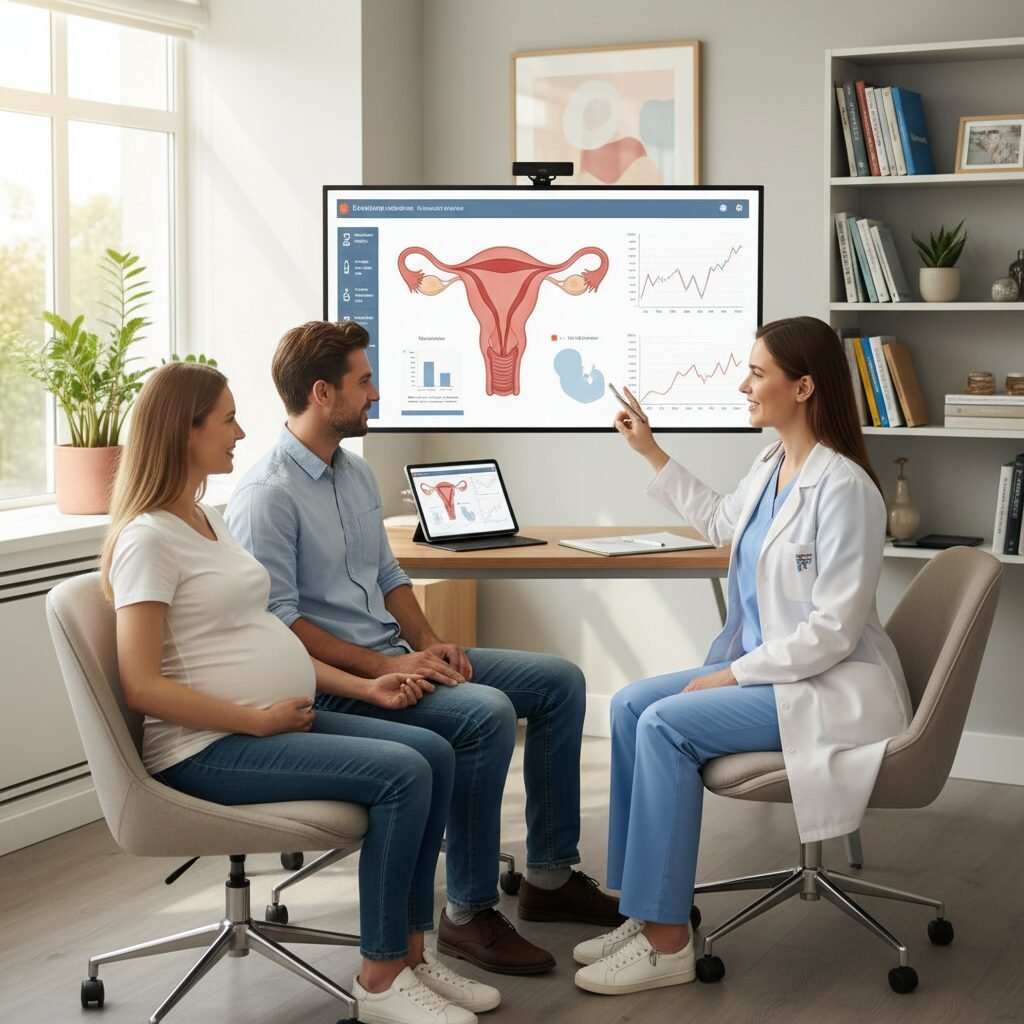
When there is a medical reason to induce labor, your healthcare provider will discuss safe and evidence-based methods. Medical induction is typically recommended when continuing the pregnancy poses a greater risk to the mother or baby than delivering. These reasons can include post-term pregnancy (past 41-42 weeks), preeclampsia, gestational diabetes, ruptured membranes without labor, or other maternal or fetal health concerns.
Medically approved methods for labor induction include:
- Membrane Sweep (Stripping the Membranes): A healthcare provider manually separates the amniotic sac from the wall of the uterus, which can release prostaglandins and potentially stimulate contractions.
- Prostaglandins: Medications (often gels, inserts, or oral tablets) containing prostaglandins are administered to help ripen the cervix, making it softer and thinner.
- Oxytocin (Pitocin): An intravenous (IV) drip of synthetic oxytocin, a hormone that causes uterine contractions, is used to start or strengthen labor.
- Amniotomy (Artificial Rupture of Membranes – AROM): If the cervix is already somewhat dilated, the healthcare provider may use a small hook to break the amniotic sac, which can help labor progress.
It is crucial to have open and honest conversations with your doctor or midwife about any concerns regarding labor induction. They can provide personalized advice based on your specific health circumstances and pregnancy progression, ensuring the safest path forward for you and your baby.
Conclusion
In conclusion, while the allure of a ‘miracle cure’ like pineapple to induce labor is strong, the scientific evidence simply doesn’t support it. The bromelain in pineapple, while having some enzymatic properties, does not reach the uterus in sufficient quantities to trigger labor, and attempting to consume enough to potentially have an effect is more likely to lead to uncomfortable digestive issues like heartburn and diarrhea than actual labor induction.
As expectant parents, your journey is filled with anticipation and often, a desire to control aspects that are inherently unpredictable. It’s completely normal to feel impatient and eager for your baby’s arrival. However, when it comes to labor induction, prioritizing evidence-based practices and medical guidance is paramount for the health and safety of both you and your baby. Trust your healthcare team to guide you through this important phase, and remember that your body knows what to do. Focus on staying comfortable, nourished, and mentally prepared for the beautiful journey ahead.
“Patience is a virtue, especially in the final stretch of pregnancy. Trust in your body’s wisdom and the guidance of your healthcare team. Your baby will arrive when the time is right, and that moment will be truly magical.” – Your Doula and Maternal Health Educator
Medical Disclaimer: The information provided in this article is for educational purposes only and is not intended as medical advice. Always consult with a qualified healthcare professional, such as your doctor or midwife, before making any decisions related to your health or pregnancy. Do not disregard professional medical advice or delay seeking it because of something you have read here.