

6 Dates a Day? The Science Behind Faster Labor
As you approach the exciting culmination of your pregnancy journey, the third trimester brings a flurry of preparations, anticipation, and often, a search for ways to support a smooth and positive birth experience. Amidst the wealth of advice and old wives’ tales, one particular recommendation has gained significant traction: consuming dates in the weeks leading up to labor. You may have heard the buzz – “6 dates a day for faster labor.” But is there any truth to this intriguing claim? As a certified Doula and Maternal Health Educator, I understand your desire for safe, evidence-based approaches to childbirth. This article will delve into the science, traditional wisdom, and practical considerations surrounding date consumption during late pregnancy, offering you an empathetic, fact-based, and authoritative perspective to help you make informed choices for your birth.
Preparing for labor is a deeply personal journey, and understanding the potential benefits and limitations of various strategies can empower you. We’ll explore the nutritional profile of dates, examine what scientific studies have revealed, and discuss how this ancient fruit might interact with your body to prepare for labor. Our aim is to provide clarity and support, ensuring you feel confident and well-informed as you navigate these final weeks of pregnancy.
The Ancient Wisdom: Dates in Traditional Pregnancy Care

For centuries, dates have held a revered place in many cultures, particularly in the Middle East, where they are not just a food source but a symbol of sustenance and vitality. Their use during pregnancy and childbirth is deeply rooted in tradition, passed down through generations. In Islamic cultures, for instance, dates are mentioned in religious texts as a food recommended for women during labor, believed to provide energy and aid in delivery. This historical context highlights a long-standing belief in the fruit’s beneficial properties for expectant mothers.
Traditional medicine often observed effects that modern science later sought to explain. The consistent recommendation of dates for pregnant women across various ancient practices suggests that generations of women and their caregivers noticed a positive correlation between date consumption and labor outcomes. This anecdotal evidence, while not scientific proof, laid the groundwork for contemporary research. It speaks to a collective wisdom that valued natural remedies and nutritional support during the transformative period of childbirth. Understanding this rich history provides a meaningful backdrop to our exploration of the science, reminding us that sometimes, ancient practices hold keys to modern wellness.
“The wisdom of our ancestors often holds profound truths that science later validates. Dates for labor is a beautiful example of this ancient knowledge meeting modern inquiry.”
The cultural significance of dates extends beyond mere nutrition; they are often associated with strength, fertility, and well-being. This positive cultural association can itself contribute to a woman’s sense of preparedness and confidence as she approaches labor, creating a holistic sense of support that complements any potential physiological benefits.
Nutritional Powerhouse: What Makes Dates So Special?
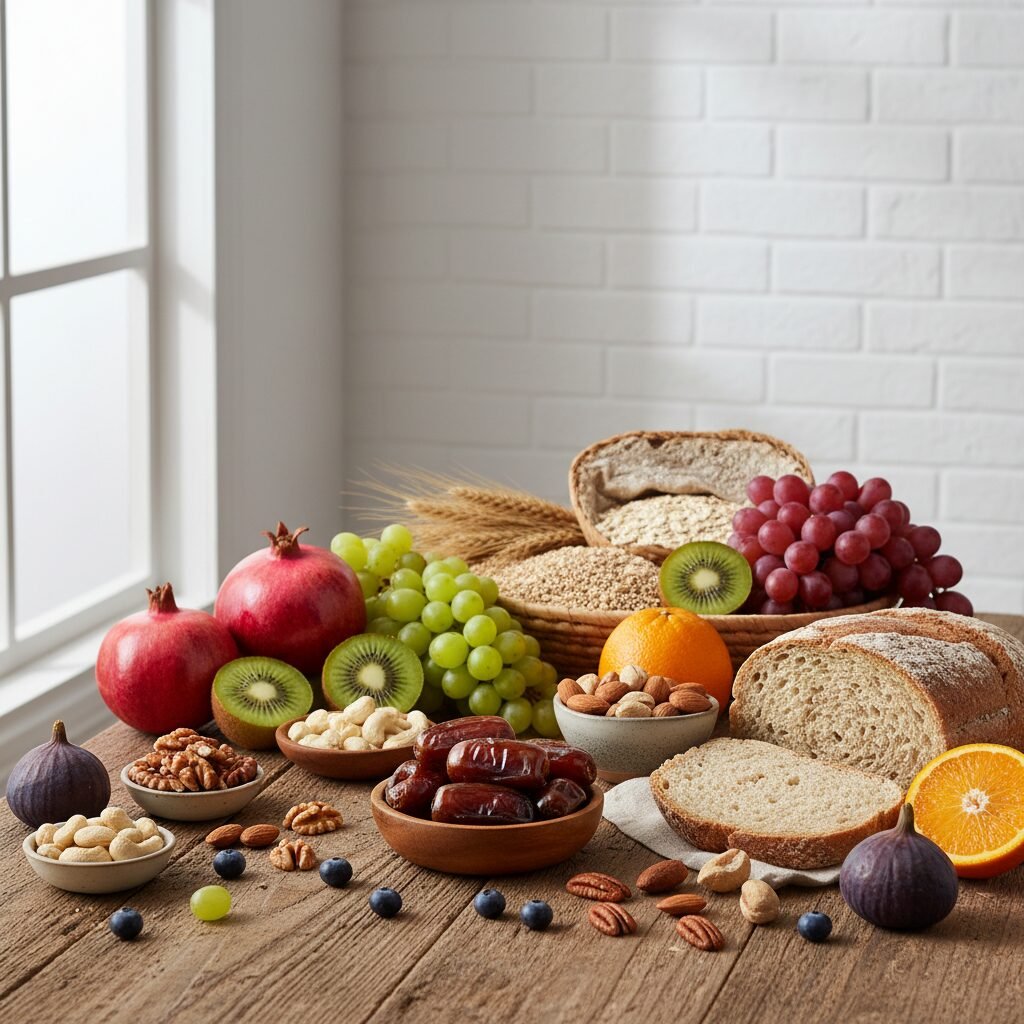
Beyond their sweet taste, dates are a nutritional marvel, packed with components that are particularly beneficial during pregnancy and in preparation for labor. Understanding their composition helps us appreciate why they might play a role in supporting a smoother birth.
Rich in Natural Sugars for Energy
Dates are an excellent source of natural sugars, primarily fructose, glucose, and sucrose. During labor, your body expends an immense amount of energy. These readily available sugars can provide a quick and sustained energy boost, which is crucial for maintaining stamina throughout contractions. Unlike refined sugars, the natural sugars in dates are accompanied by fiber, which helps regulate blood sugar levels, preventing sharp spikes and crashes.
Abundant in Fiber for Digestive Health
Dietary fiber is another key component of dates. Fiber is essential for maintaining healthy digestion, which can be a common concern during pregnancy. It helps prevent constipation, a frequent complaint, and ensures a healthy gut microbiome. A well-functioning digestive system is vital for overall well-being and can indirectly support the body’s readiness for labor.
Key Minerals: Potassium, Magnesium, and More
- Potassium: Dates are rich in potassium, an essential electrolyte that plays a critical role in maintaining fluid balance, nerve signals, and muscle contractions. Adequate potassium levels are important for healthy uterine muscle function.
- Magnesium: This mineral is crucial for muscle relaxation and can help prevent muscle cramps, which are common in late pregnancy. It also plays a role in energy production and nerve function.
- Iron: While not as high as other sources, dates do contain some iron, which is vital for preventing anemia during pregnancy.
Vitamins and Antioxidants
Dates also contain a variety of B vitamins, including B6 (pyridoxine), which is involved in metabolism and nerve function. They also provide antioxidants like carotenoids and phenolic acids, which help protect cells from damage and support overall maternal health.
Unique Compounds: Tannins and Oxytocin-like Effects
Perhaps most intriguing are the specific compounds found in dates, such as tannins, which are believed to have a mild oxytocin-like effect. Oxytocin is the hormone responsible for stimulating uterine contractions during labor and promoting cervical dilation. While dates don’t contain oxytocin itself, certain compounds within them may interact with oxytocin receptors in the uterus, potentially enhancing their sensitivity and promoting more efficient contractions. Additionally, dates are thought to contain compounds that promote the production of prostaglandins, hormones that help ripen and soften the cervix.
This comprehensive nutritional profile makes dates a valuable addition to a pregnant person’s diet, offering more than just a sweet treat. They provide a synergistic blend of nutrients that support both general health and specific physiological processes important for labor.
Unpacking the Research: Scientific Studies on Dates and Labor
While traditional wisdom about dates and labor has existed for centuries, modern science has begun to investigate these claims with controlled studies. The primary focus of these studies has been to determine if date consumption in late pregnancy can influence cervical ripening, the duration of labor, and the need for medical interventions such as induction or augmentation.
Key Research Findings
Several studies have explored the effects of date consumption, primarily focusing on women in their third trimester. Here’s a summary of some notable findings:
- Cervical Ripening: A consistent finding across multiple studies is the positive impact of date consumption on cervical ripening. The cervix tends to be more dilated and effaced (thinned) at admission for labor in women who consumed dates. This is a crucial factor as a ‘ripe’ cervix is better prepared for labor and can often lead to a smoother progression.
- Spontaneous Labor: Some studies suggest that women who consume dates are more likely to go into spontaneous labor, reducing the need for medical induction.
- Labor Duration: While not universally consistent, several studies have indicated a shorter first stage of labor (the period from onset of contractions to full cervical dilation) in date-consuming groups. This is often attributed to the improved cervical readiness and potentially more efficient uterine contractions.
- Need for Interventions: A reduced need for labor augmentation (e.g., synthetic oxytocin) and a lower rate of instrumental deliveries (forceps or vacuum) have also been reported in some research, though more extensive studies are needed to confirm these trends definitively.
Limitations and Considerations
It is important to approach these findings with a balanced perspective. While promising, many studies on dates and labor have limitations, including:
- Sample Size: Some studies have relatively small sample sizes, which can limit the generalizability of their findings.
- Methodology: Variations in study design, duration of date consumption, and amount consumed can make direct comparisons challenging.
- Subjectivity: Some outcomes, like perceived pain or satisfaction, can be subjective.
- Lack of Double-Blinding: It’s difficult to blind participants to date consumption, which can introduce bias.
Despite these limitations, the overall trend in the research points towards a positive association between date consumption and more favorable labor outcomes. It suggests that dates may serve as a natural and accessible intervention to support the physiological processes of labor preparation.
| Study Characteristic | Observed Effect of Date Consumption (vs. Control) | Key Findings |
|---|---|---|
| Cervical Ripening | Significantly higher cervical dilation and effacement at admission. | Cervix more ‘favorable’ for labor onset. |
| Spontaneous Labor | Increased likelihood of spontaneous labor onset. | Reduced need for medical induction. |
| First Stage of Labor Duration | Shorter average duration of the first stage of labor. | Potentially faster progression to full dilation. |
| Labor Augmentation | Lower rates of oxytocin augmentation. | Reduced need for medical intervention to stimulate contractions. |
| Instrumental Delivery | Some studies report lower rates of instrumental delivery (forceps/vacuum). | Suggests more efficient natural labor progression. |
| Overall Birth Experience | Generally positive outcomes reported, though more research needed on subjective experience. | May contribute to a more positive birth experience. |
The collective body of research, while needing further large-scale, randomized controlled trials, provides compelling evidence that dates are more than just a sweet treat during pregnancy; they are a plausible dietary support for labor preparation. It’s a fascinating area where traditional knowledge and modern scientific inquiry converge to offer practical advice to expectant parents.
The Proposed Mechanisms: How Dates Might Influence Labor
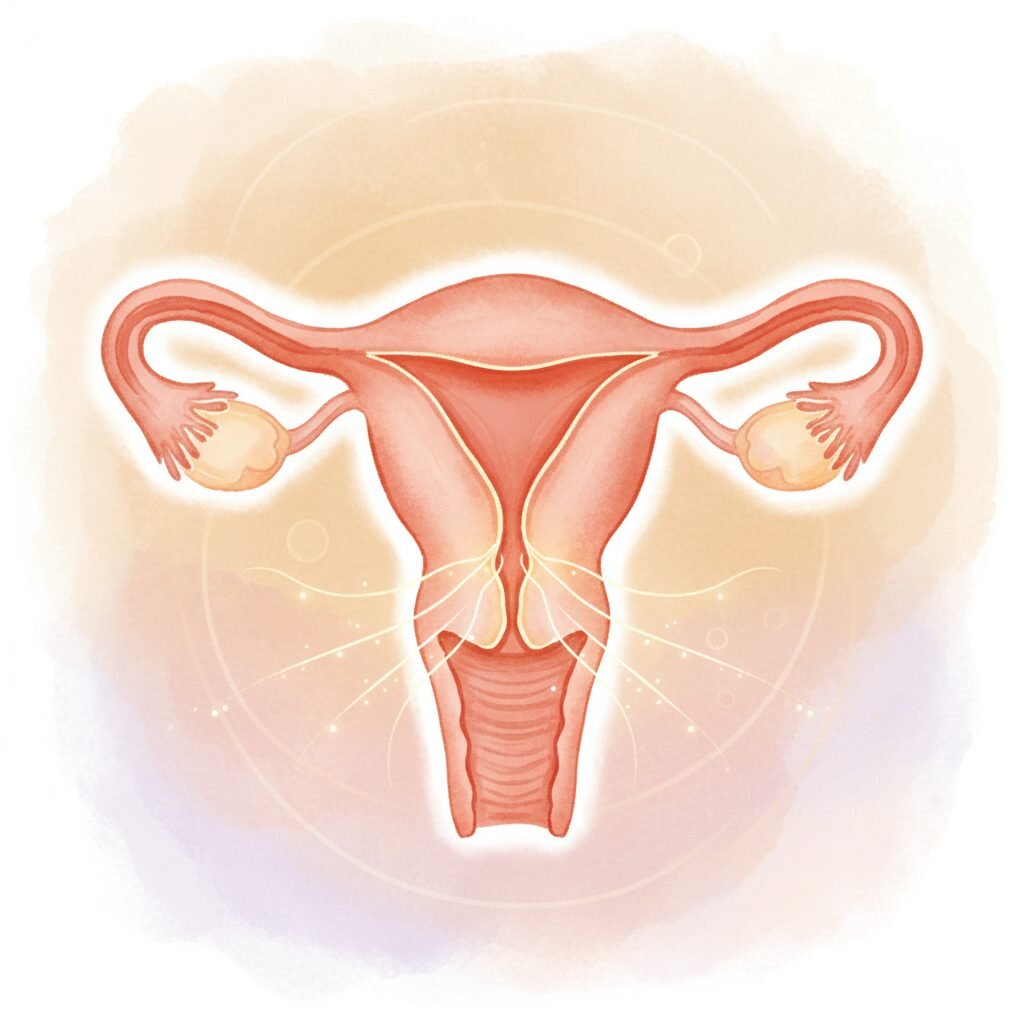
Understanding how dates might exert their effects on labor involves looking at several biological pathways. It’s not just about one magical ingredient, but rather a synergistic interplay of their nutritional components and unique compounds.
Cervical Ripening and Softening
One of the most significant proposed mechanisms is the role dates play in cervical ripening. A ‘ripe’ cervix is soft, thinned (effaced), and often slightly dilated, making it ready to open fully during labor. Dates are believed to aid this process in several ways:
- Oxytocin Receptor Sensitivity: Research suggests that certain compounds in dates may mimic the action of oxytocin, the hormone responsible for uterine contractions. More importantly, they might enhance the sensitivity of the uterus to oxytocin, allowing for more efficient contractions when labor begins. This doesn’t mean dates induce labor directly, but rather optimize the body’s natural response to oxytocin.
- Prostaglandin Release: Dates are thought to stimulate the production of prostaglandins, hormone-like substances that are crucial for softening and dilating the cervix. Prostaglandin gels are often used medically to induce labor, so a natural dietary source could be a gentle way to support this process.
- Tannins: These compounds found in dates are known to have astringent properties and may contribute to the softening and dilation of the cervix.
Promoting Efficient Uterine Contractions
Beyond cervical ripening, dates may also contribute to the efficacy of uterine contractions:
- Energy Supply: As previously mentioned, the natural sugars in dates provide a readily available and sustained source of energy. Strong, consistent contractions require significant energy. By ensuring adequate energy reserves, dates can help prevent uterine fatigue, potentially leading to a more efficient and shorter labor.
- Electrolyte Balance: The high potassium content in dates is vital for proper muscle function, including the smooth muscles of the uterus. Maintaining electrolyte balance is crucial for effective and coordinated contractions.
Supporting Overall Maternal Well-being
While not a direct mechanism for labor, the overall nutritional benefits of dates contribute to a healthier pregnant body, which is better equipped for the demands of childbirth:
- Reduced Constipation: The fiber in dates helps maintain digestive regularity, preventing discomfort that can add to the challenges of late pregnancy.
- Nutrient Density: Providing essential vitamins and minerals supports the mother’s general health, contributing to her strength and resilience during labor.
“Think of dates as a gentle whisper to your body, encouraging it to prepare for the grand event of labor. They don’t force the process, but rather nourish and support its natural progression.”
It’s important to reiterate that dates are seen as a supportive measure, helping to optimize the body’s natural readiness for labor, rather than a guaranteed labor inducer. They work in harmony with your body’s innate wisdom, providing the building blocks and signals that can encourage a more favorable and potentially faster labor experience.
Practical Guidance: Incorporating Dates into Your Third Trimester Diet
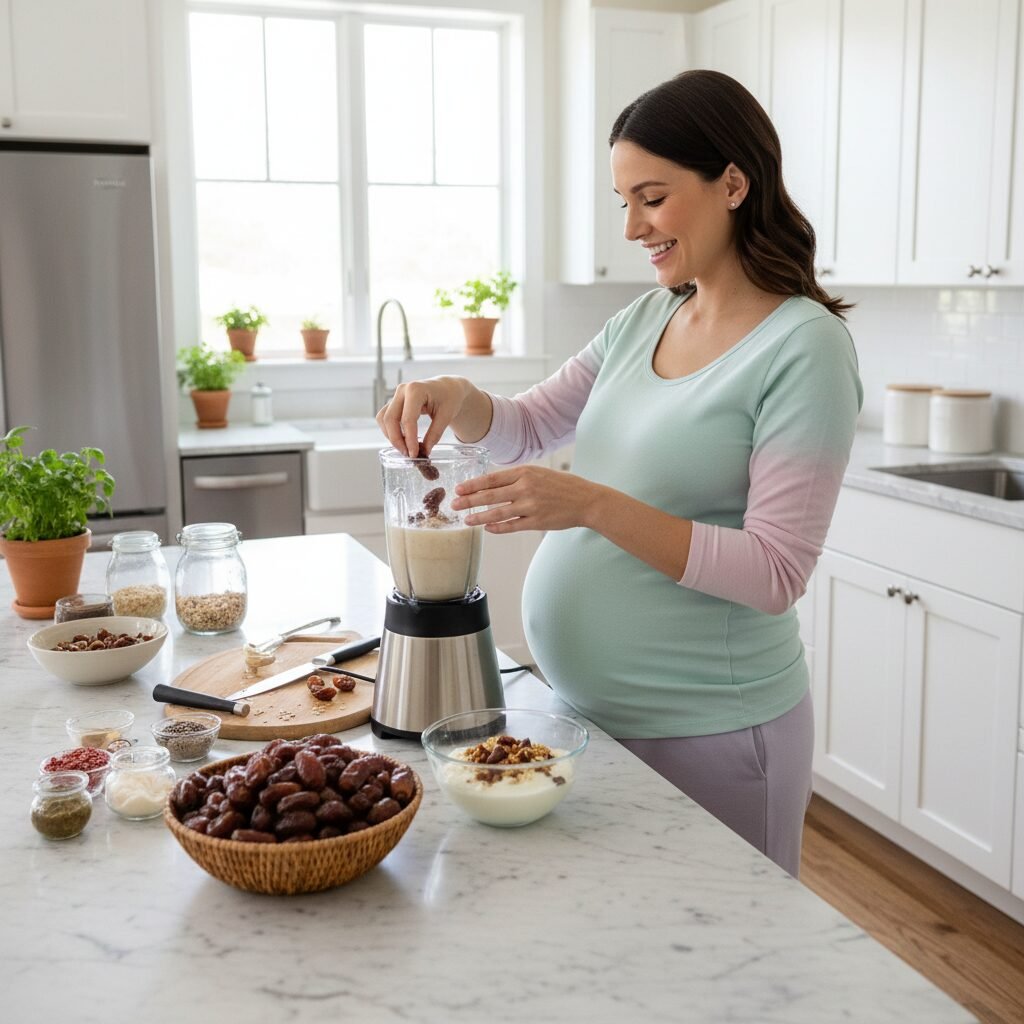
If you’re considering adding dates to your diet to support labor, it’s important to do so thoughtfully and safely. Here’s practical guidance on when to start, how much to consume, and creative ways to enjoy them.
When to Start and How Many
Most research suggests beginning date consumption in the late third trimester, typically around 36 to 37 weeks of gestation. Starting earlier is not harmful but may not offer the specific labor benefits, as the body isn’t yet in the final stages of preparing for birth.
The commonly recommended amount, based on research, is around 60 to 80 grams of dates per day. This translates to approximately 6-7 medium-sized dates (like Medjool or Deglet Noor). It’s not about eating a massive quantity, but rather consistent, moderate intake.
Creative Ways to Enjoy Dates
While simply eating dates whole is perfectly fine, you might enjoy incorporating them into your diet in various ways to prevent taste fatigue:
- Smoothies: Blend pitted dates with your favorite fruits, spinach, protein powder, and milk or yogurt for a nutritious and energizing drink.
- Snacks: Stuff dates with nut butter (almond, peanut) and sprinkle with a pinch of sea salt for a satisfying snack. You can also chop them and add to trail mix.
- Oatmeal or Yogurt Topping: Dice dates and sprinkle them over your morning oatmeal or a bowl of Greek yogurt for natural sweetness and fiber.
- Baking: Incorporate chopped dates into muffins, energy bars, or healthy cookies. Look for recipes that use minimal added sugars.
- Salads: Add chopped dates to savory salads for a touch of sweetness and texture.
- Energy Bites: Combine dates with oats, nuts, and seeds in a food processor to create no-bake energy bites.
Hydration is Key
Dates are high in fiber. When increasing fiber intake, it’s crucial to also increase your water intake. Adequate hydration is essential for preventing constipation and ensuring the fiber moves smoothly through your digestive system. Aim for at least 8-10 glasses of water daily.
“Making dates a delightful part of your daily routine in late pregnancy can be a simple, delicious way to support your body’s natural readiness for labor. Enjoy them!”
Choosing Your Dates
Opt for fresh, high-quality dates. Medjool dates are large, soft, and very sweet, while Deglet Noor dates are smaller and firmer. Both are excellent choices. Ensure they are pitted if you prefer, or easily pit them yourself before consumption.
Remember, consistency is more important than sporadic large amounts. Make it a pleasant ritual, a small act of self-care as you prepare for the incredible journey ahead. By integrating dates mindfully, you’re not just eating a fruit; you’re nourishing your body with purpose.
Important Considerations and Who Should Exercise Caution

While dates offer promising benefits for labor preparation, it’s crucial to approach their consumption with awareness and consider individual health circumstances. This supportive measure is not suitable for everyone, and consulting your healthcare provider is always paramount.
Gestational Diabetes
Perhaps the most significant consideration is for individuals diagnosed with gestational diabetes (GD). Dates are naturally high in sugar. While the fiber content helps to modulate blood sugar response, consuming 6-7 dates daily could still impact glucose levels. If you have gestational diabetes, or are at risk, it is absolutely essential to discuss date consumption with your doctor or a registered dietitian who specializes in pregnancy nutrition. They can help you determine if dates are appropriate for your specific condition and how to incorporate them safely into your meal plan, if at all, while monitoring your blood sugar.
Potential Gastrointestinal Discomfort
For some individuals, the high fiber content in dates, especially when increased suddenly, can lead to gastrointestinal discomfort such as bloating, gas, or loose stools. If you experience these symptoms, consider reducing your intake or gradually increasing it over a few days to allow your digestive system to adjust. Ensuring adequate hydration is also key to preventing discomfort.
Allergies and Sensitivities
While rare, some individuals may have an allergy or sensitivity to dates. If you experience any allergic reactions such as itching, swelling, or difficulty breathing, discontinue consumption immediately and seek medical attention. Always introduce new foods cautiously.
Dates as a Supportive Measure, Not a Guarantee
It’s vital to remember that consuming dates is a supportive measure, not a guaranteed method for faster labor or a substitute for medical care. Every pregnancy and labor is unique. While dates may contribute to a more favorable cervical state and potentially shorter labor, they do not guarantee a specific outcome. Labor is a complex physiological process influenced by many factors, including genetics, baby’s position, emotional state, and medical history.
“Dates are a wonderful tool in your birth preparation toolkit, but they are one tool among many. Always listen to your body and your healthcare team.”
Always Consult Your Healthcare Provider
Before making any significant dietary changes during pregnancy, including consistent date consumption, always consult with your obstetrician, midwife, or other healthcare provider. They have the full picture of your health history, any potential complications, and can offer personalized advice. This is especially true if you have any pre-existing medical conditions, are on medication, or have concerns about your pregnancy.
By being mindful of these considerations and maintaining open communication with your healthcare team, you can make an informed decision about whether incorporating dates into your late pregnancy diet is the right choice for you.
Conclusion
The journey through pregnancy culminates in the profound experience of labor and birth. As we’ve explored, the ancient practice of consuming dates in late pregnancy is gaining increasing scientific validation as a natural, supportive approach to preparing the body for childbirth. From their rich nutritional profile providing essential energy and minerals, to their potential role in cervical ripening and enhancing uterine contractions, dates offer a compelling, evidence-based reason to be included in your third-trimester diet.
While research suggests promising outcomes—such as more favorable cervical conditions, a higher likelihood of spontaneous labor, and potentially shorter labor durations—it’s important to view dates as a complementary tool rather than a definitive solution. They work in harmony with your body’s innate wisdom, gently encouraging it towards readiness for the monumental task ahead. The ‘6 dates a day’ recommendation is rooted in these findings, offering a practical guideline for expectant parents.
Remember, every pregnancy and every birth story is unique. We encourage you to embrace this knowledge with an empathetic and informed perspective, always prioritizing open communication with your trusted healthcare providers. They are your most valuable resource for personalized advice, especially concerning conditions like gestational diabetes or any other health considerations. By making informed choices, you empower yourselves to navigate the final weeks of pregnancy and step into labor feeling supported, nourished, and confident. Here’s to a healthy, positive, and empowered birth experience!
Medical Disclaimer: The information provided in this article is for educational purposes only and is not intended to be a substitute for professional medical advice, diagnosis, or treatment. Always seek the advice of your physician or other qualified health provider with any questions you may have regarding a medical condition. Never disregard professional medical advice or delay in seeking it because of something you have read in this article. If you are pregnant or have any health concerns, please consult with your healthcare provider before making any changes to your diet or health regimen.