The Toy Purge: How to Brutally Declutter Before Baby Number Two Arrives
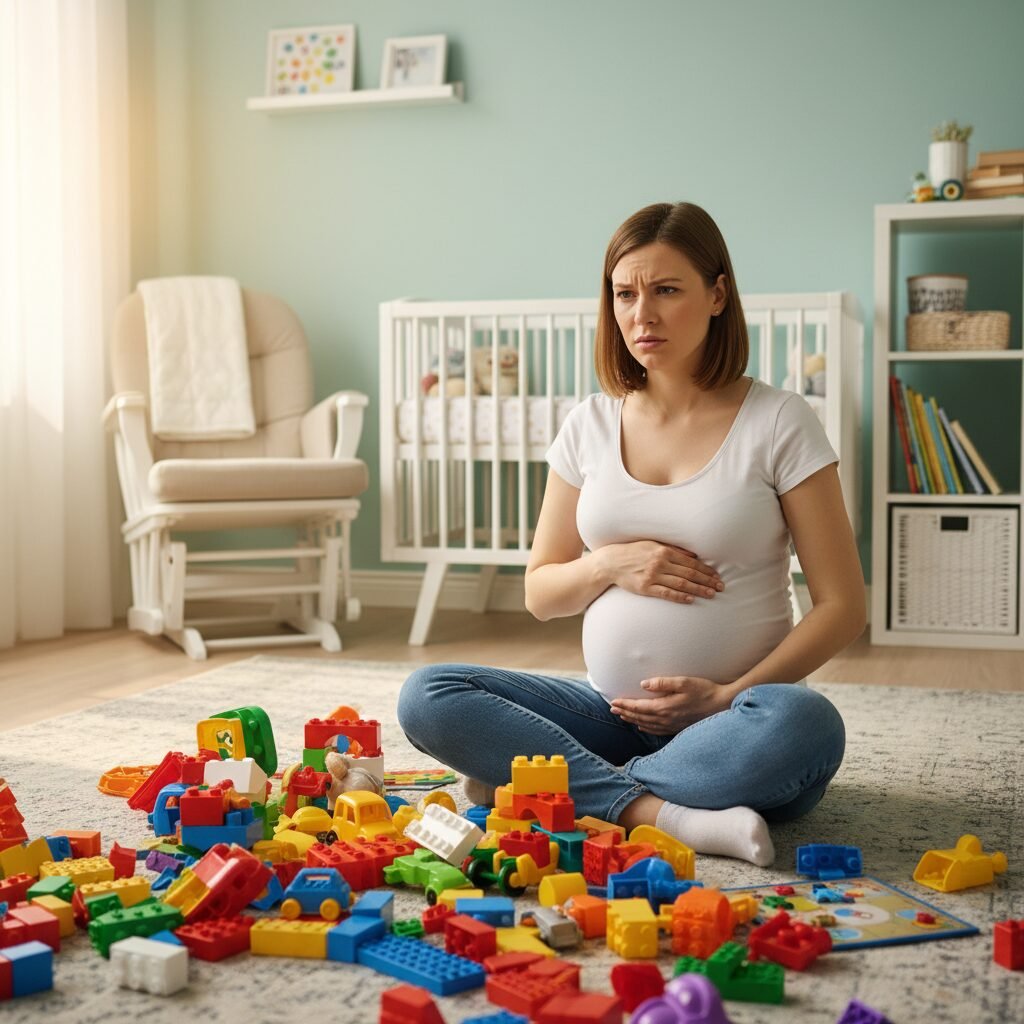
You’ve seen the two pink lines, you’ve shared the joyful news, and you’ve started dreaming about your family of four. Then, one day, you trip over a rogue building block for the tenth time, look around at the sheer volume of toys, and a wave of panic washes over you: Where is another human being going to fit in here?
First, take a deep breath. This feeling is completely normal. The transition from one child to two is a monumental shift, and preparing your physical space is just as important as preparing your heart. The idea of a ‘brutal’ toy purge might sound harsh, but we’re going to reframe it. This isn’t about deprivation; it’s about creation. You are creating more space for play, more calm for your mind, and a more intentional, peaceful environment for the baby who is about to join your family. This guide is your supportive partner through the process, offering a practical, step-by-step plan to conquer the clutter without the guilt.
Preparing Your Mindset: Why a ‘Brutal’ Purge is a Loving Act

Before you even open a toy box, the most important work happens in your head. The guilt associated with getting rid of your child’s things can be paralyzing. You might worry you’re discarding memories, being wasteful, or that your child will miss that one specific toy they haven’t touched in eight months. Let’s dismantle that guilt together.
Shifting Your Perspective
Think of this decluttering process not as taking things away, but as giving your family valuable gifts:
- The Gift of Space: Your home is about to get a lot fuller. Clearing physical space reduces visual noise and creates literal room for baby essentials like a swing, a play mat, or simply a clear patch of floor for tummy time.
- The Gift of Focus: Studies have shown that children with fewer toys engage in deeper, more imaginative, and longer-lasting play. By curating their collection, you’re actually enhancing your older child’s development.
- The Gift of Calm: For parents, less clutter means less to clean up, less to organize, and less stress. A calmer parent contributes to a calmer household, which is a priceless gift for a newborn and a toddler alike.
- The Gift of Generosity: You’re creating an opportunity to teach your older child about sharing and helping others by donating toys to children who may not have any.
When is the Best Time to Start?
The ideal window is often the second trimester. Your energy levels are typically higher than in the first and third trimesters, and the nesting instinct might be kicking in. It’s also far enough from your due date that you won’t feel rushed or physically uncomfortable doing the work. Don’t try to do it all in one day. Break it down into manageable 30-60 minute chunks over a week or two. This is a marathon, not a sprint.
The Game Plan: The Four-Category System for Overwhelmed Parents
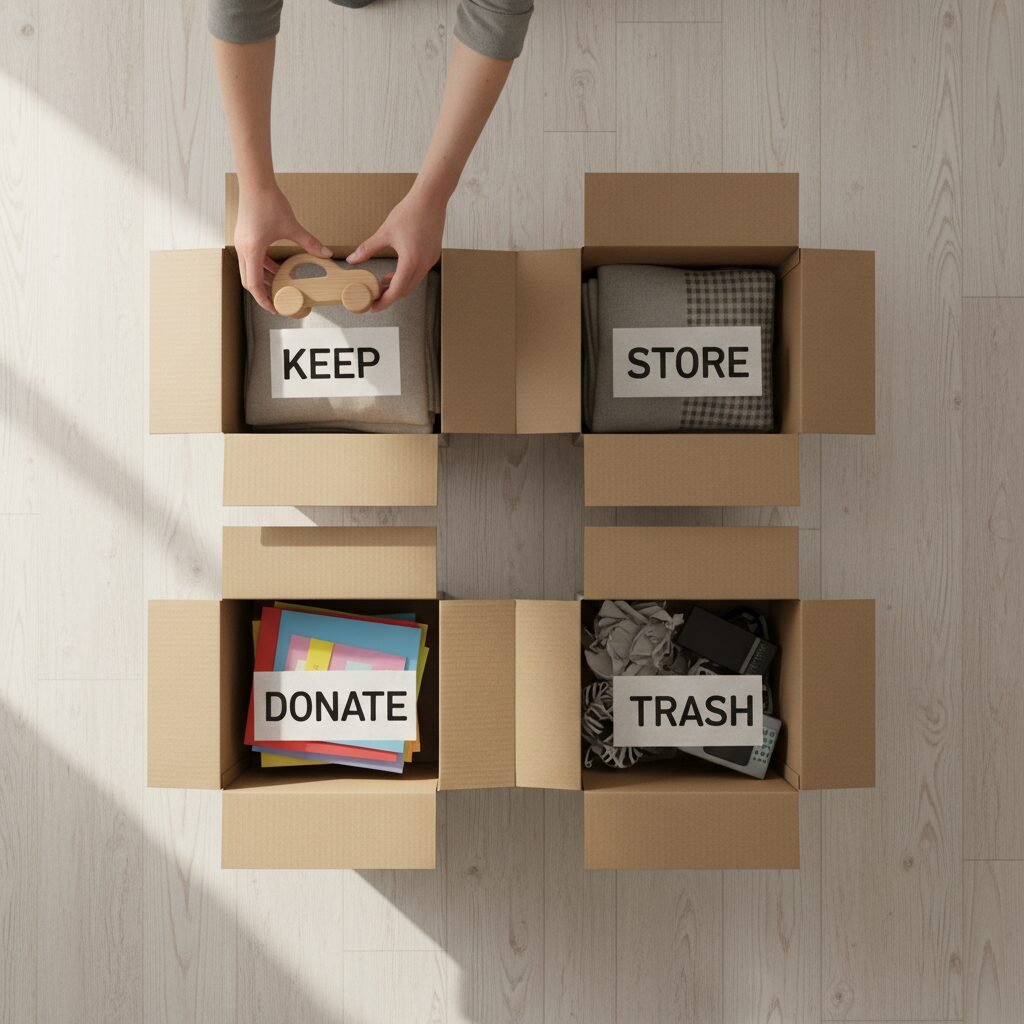
Alright, you’re mentally prepared. Now it’s time for action. A clear system is your best friend here, preventing you from getting lost in decision fatigue. We’re going to use a simple, effective four-category method.
Step 1: Assemble Your Toolkit
Before you start, gather everything you need so you don’t have to stop mid-flow:
- Four large boxes or bins
- A marker and labels (or painter’s tape)
- Cleaning cloths and an all-purpose cleaner
- Trash bags
- Your favorite playlist or a podcast to keep you motivated
Step 2: Label Your Boxes
Clearly label your four boxes. This is the heart of the system:
- KEEP: For toys that are loved, played with regularly, and are age-appropriate. These are the non-negotiables.
- STORE: For sentimental items you can’t part with (like their first rattle) or toys that your older child has outgrown but you want to save for the new baby.
- DONATE / SELL: For items that are in good, usable condition but are no longer serving your family.
- TRASH / RECYCLE: For broken toys, incomplete games, or items that are too worn to be passed on.
Step 3: Involving Your Firstborn (If Age-Appropriate)
For toddlers and preschoolers, involving them can be a powerful and positive experience. Avoid doing it secretly, which can breed mistrust. Instead, frame it as an exciting and important job.
- Use positive language: ‘We need to make space for the new baby’s special toys! Let’s be helpers.’
- Give them control over simple choices: ‘We have two red trucks. Which one should we keep for you to play with, and which one can we give to another little boy or girl to make them happy?’
- Focus on the ‘Donate’ pile: Talk about the joy another child will get from their old toys. This shifts the focus from loss to generosity.
- Know when to stop: If they get overwhelmed or upset, take a break. It’s better to do a little bit with a happy helper than a lot with a melting-down toddler.
Making the Tough Calls: A Category-by-Category Guide
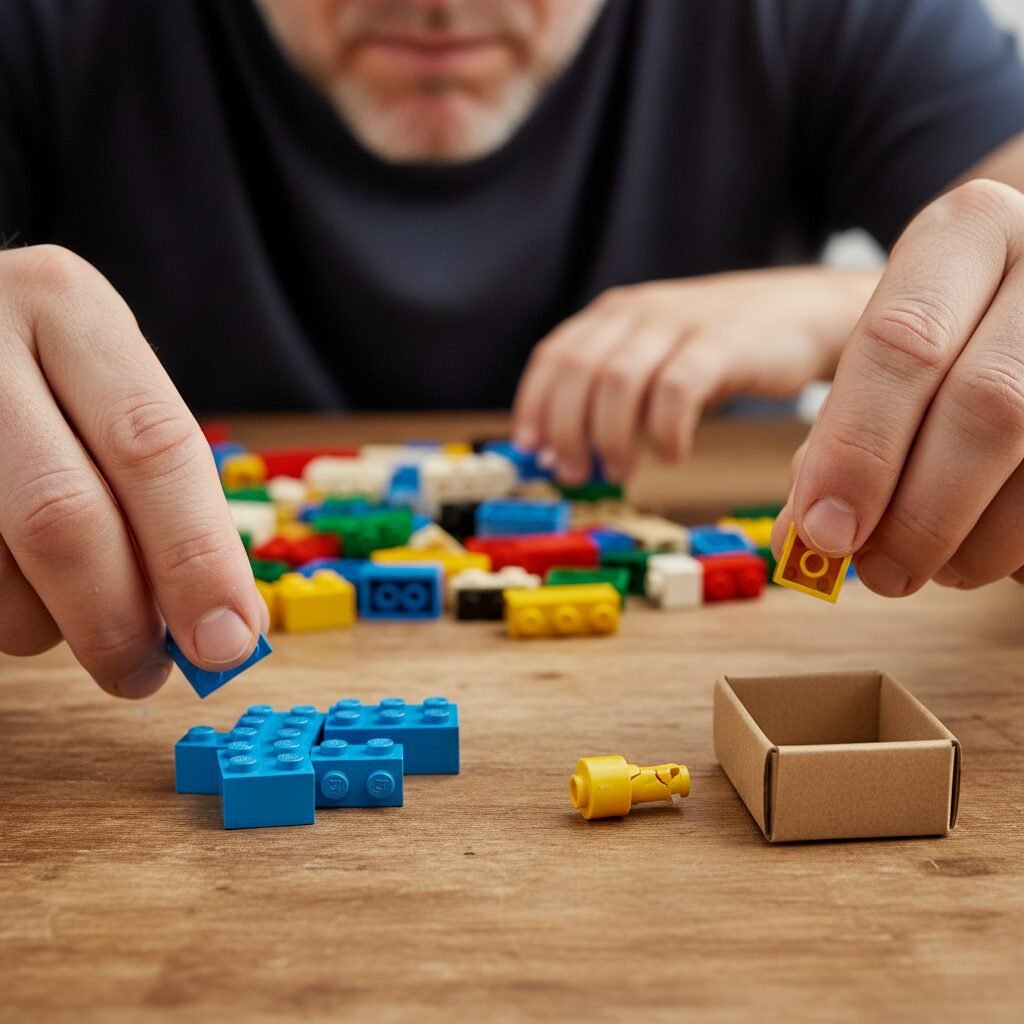
This is where the ‘brutal’ part comes in, but with our empathetic mindset, it’s more like ‘decisive’. The key is to work in small, manageable categories to avoid feeling like you’re drowning in a sea of plastic. Pull out everything from one category at a time (e.g., all the stuffed animals) and sort them using the criteria below.
Here’s a guide to help you make decisions for each category. Ask yourself these questions for every single item.
| Toy Category | Questions to Ask | Pro Tip |
|---|---|---|
| Stuffed Animals & Dolls | Is it a top-tier favorite (i.e., sleeps with it)? Is it a duplicate? Is it stained or ripped beyond repair? | Limit the collection to a small basket. Most kids only play with a few favorites. Wash the keepers before returning them to the room. |
| Building Toys (Blocks, LEGOs) | Are the sets complete? Are they developmentally appropriate? Do we have multiple sets that serve the same purpose? | Consolidate similar types of blocks into one larger bin to encourage more creative building. |
| Puzzles & Games | Are all the pieces there? Has my child mastered it? Is it a family favorite we play together? | Take a photo of the completed puzzle on the box if the image is peeling. Use Ziploc bags for loose pieces. |
| Art & Craft Supplies | Are the markers dried out? Are the crayons broken into tiny, unusable pieces? Is the Play-Doh crusty? | Consolidate all usable supplies into a single, organized art caddy. This is a great category for a ruthless purge. |
| Electronic & Noisy Toys | Does it still work? Does the sound drive every adult in the house insane? Does it encourage passive watching over active playing? | Be extra critical here. These toys often create more noise than developmental value. Keep only one or two favorites. |
| Books | Is it age-appropriate? Are the pages ripped? Have we read it in the last year? | Store sentimental baby board books for the new baby. Donate outgrown picture books to a local preschool or library. |
‘Your goal is not an empty room; it is a room filled only with things that serve a purpose or bring true joy.’
The Final Frontier: Smart Storage and Letting Go
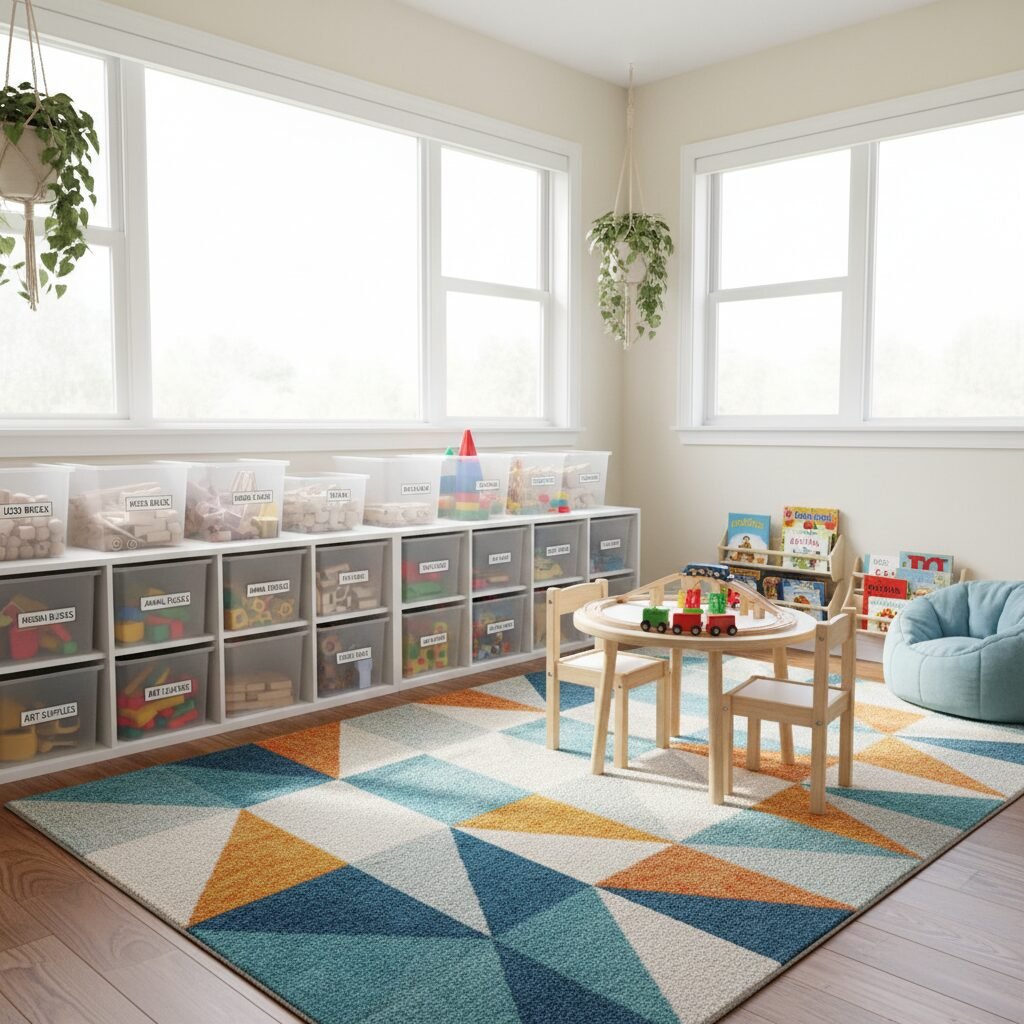
You’ve done the hard work of sorting. The piles are made, the decisions are final, and your living room looks like a donation center exploded. This final phase is about restoring order and completing the process so you can truly enjoy the benefits.
Step 1: Deal With the Departures Immediately
This is critical. Do not let the ‘Donate’ and ‘Trash’ boxes linger in your hallway or car trunk for weeks. They will become clutter themselves and you might be tempted to second-guess your decisions.
- Put the trash/recycling out on the next collection day.
- Schedule a pickup from a local charity or find a nearby drop-off bin. Take the ‘Donate’ box there the very next day.
- List items for sale immediately on platforms like Facebook Marketplace or Mercari. Set a deadline: if it doesn’t sell in one week, it gets donated.
The act of physically removing the items from your home provides a powerful sense of closure and accomplishment.
Step 2: Implement Smart Storage for What’s Left
Now for the fun part: organizing the ‘Keep’ pile. The goal is a system that’s easy for your child to use and for you to maintain.
- Toy Rotation: This is a game-changer. Keep only a third of the toys out at any given time. Store the rest in the ‘Store’ box (in a closet, attic, or garage). Every few weeks or once a month, swap them out. The old toys will feel brand new, reducing boredom and the desire for new things.
- Everything Needs a Home: Use cube storage, clear bins with labels (picture labels for non-readers!), and baskets. When every toy has a designated spot, cleanup is a thousand times easier for everyone.
- Go Vertical: Use wall-mounted shelves for books and special items to free up valuable floor space.
‘Peace is not the absence of toys. It is the presence of order.’
By thoughtfully organizing what remains, you’re not just cleaning up; you’re setting your family up for success. You’re creating a sustainable system that will serve you well when the beautiful chaos of two children fills your home.
Conclusion
Take a look around. Feel that? It’s the feeling of more air, more space, more peace. You did it. You navigated the emotional and physical challenge of the great toy purge, and you’ve come out the other side with a home that feels more prepared to welcome a new life. This was more than just a decluttering project; it was an act of profound love for your entire family. You’ve created a more peaceful environment for your firstborn to play and a safer, calmer space for your newborn to grow. Most importantly, you’ve given yourself the gift of less stress and more mental clarity as you embark on this incredible new chapter. Be proud of the work you’ve done. Now, go put your feet up—you’ve earned it.
Remember, you are building a nest, not a museum. It needs to be functional and full of love, not just full of stuff.