

Curb Walking 101: The Viral Trick To Dilate Faster Before Your Due Date
The final days and weeks of pregnancy can feel like a lifetime. You’re navigating a beautiful mix of excitement, anticipation, and profound physical discomfort. Every twinge and ache brings the question: ‘Is this it?’ In this waiting game, it’s no surprise that many expectant parents turn to the internet for tips and tricks to gently nudge their little one along. One technique that has gained immense popularity on social media is ‘curb walking.’
You’ve likely seen the videos—glowing, full-term parents-to-be striding purposefully with one foot on the curb and one on the street, swearing it’s the secret to starting labor. But what’s the real story behind this viral trend? Is it a safe and effective method to encourage dilation, or just an old wives’ tale repackaged for the digital age? As a doula and maternal health educator, my goal is to empower you with evidence-based, compassionate guidance. This comprehensive guide will walk you through everything you need to know about curb walking: the theory behind it, a step-by-step tutorial for doing it safely, the medical perspective, and crucial precautions to consider. Let’s separate the facts from the fiction and help you make the best, most informed decisions for you and your baby during this precious final chapter of pregnancy.
Understanding the Mechanics: What Is Curb Walking and How Does It Supposedly Work?
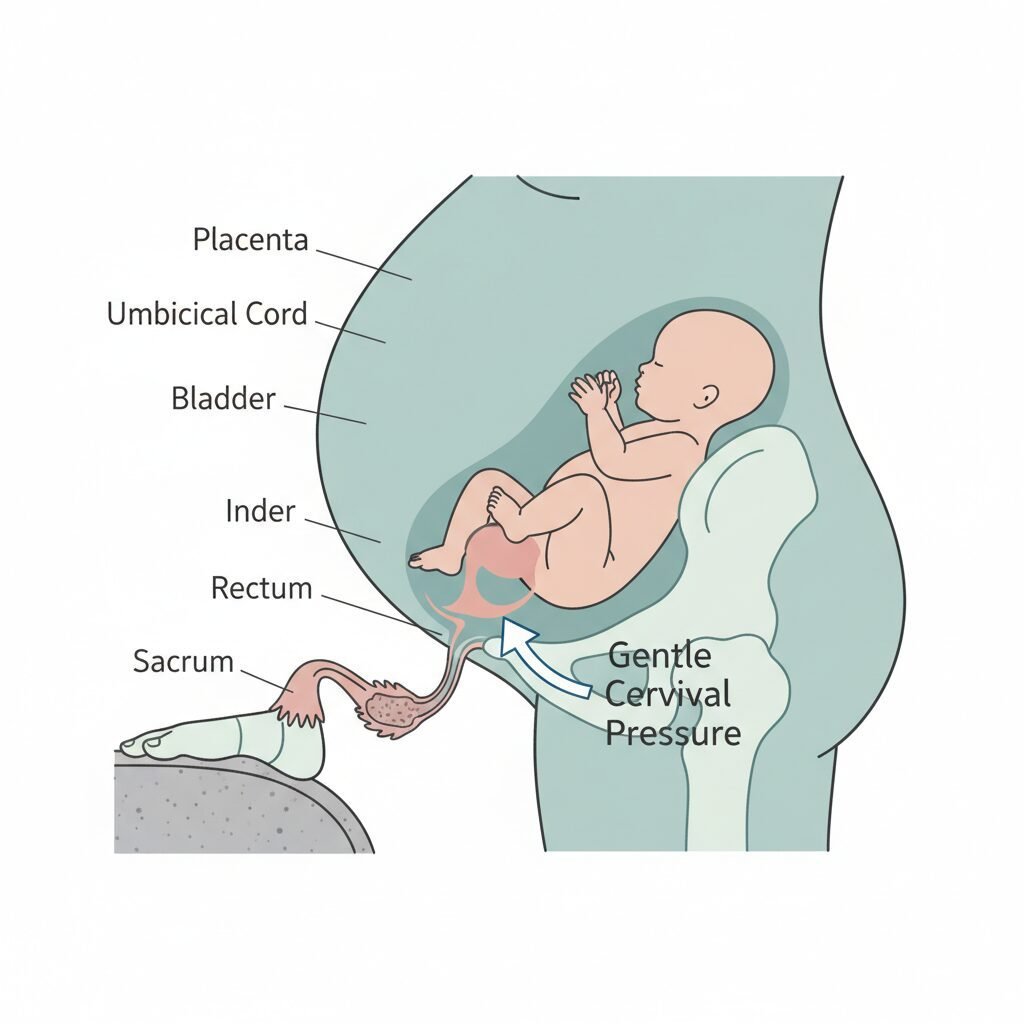
At its core, curb walking is a very simple physical activity. It involves walking along a curb with one foot planted firmly on the elevated surface of the curb and the other foot on the lower surface of the street. The key isn’t just the walking itself, but the specific asymmetrical motion it creates.
The Pelvic Rock and Baby’s Position
The magic of curb walking, according to its proponents, lies in the way it affects the pelvis. This uneven stride forces your hips to move in an up-and-down, rocking motion. This movement can achieve a few important things for a body preparing for labor:
- Encourages Engagement: The primary goal is to help the baby’s head descend and ‘engage’ deeper into the pelvis. This is measured in ‘stations,’ and a well-engaged baby is a great sign of labor progression. The rocking motion can help wiggle the baby’s head past the pelvic inlet and into an optimal position for birth.
- Applies Pressure to the Cervix: As the baby’s head moves down, it applies gentle, consistent pressure directly onto your cervix. This pressure is a key mechanical trigger for the release of prostaglandins, hormones that help the cervix to soften, thin out (efface), and open (dilate). Think of it as a natural, gentle form of a ‘membrane sweep.’
- Opens the Pelvis: The lopsided gait can also help to create more space in the mid-pelvis, giving your baby more room to navigate the birth canal.
- Leverages Gravity: Like any upright activity, curb walking uses the force of gravity to your advantage, helping to keep the baby’s weight pressing down where it needs to be.
Essentially, curb walking combines the general benefits of walking with a specific pelvic-opening movement. It’s not about forcing labor to start from scratch; it’s about optimizing the conditions for labor to begin if your body and baby are already on the cusp of being ready.
Your Step-by-Step Guide to Safe and Effective Curb Walking

While the concept is simple, proper technique and safety are paramount. Rushing into any physical activity in late pregnancy without preparation is unwise. Follow these steps to ensure your curb walking experience is both safe and potentially beneficial.
- Consult Your Healthcare Provider: This is the most critical first step. Before you even think about trying curb walking, have a conversation with your OB/GYN or midwife. They know your specific medical history and pregnancy status. Ask them directly: ‘Is curb walking safe for me and my baby at this stage?’ This is non-negotiable.
- Choose Your Location Wisely: Find a quiet, residential street with a low volume of traffic. The curb should be of a standard, even height—not too high, which could strain your hips, and not too low, which would be ineffective. Ensure the walking surface is clear of debris, cracks, or potholes that could cause you to trip.
- Gear Up with Proper Footwear: Your balance is already compromised in the third trimester. Wear supportive, well-fitting athletic shoes with excellent grip. Avoid sandals, flip-flops, or any footwear that is not secure.
- Bring a Support System: Do not go curb walking alone. Bring your partner, a friend, or a family member. They can provide physical support for balance, watch for traffic, and offer encouragement. Their presence is a crucial safety measure.
- Master the Technique:
- Start by walking for 5-10 minutes with your right foot on the curb and your left foot on the street.
- Walk at a slow, deliberate pace. This is not a race.
- After your time is up, carefully turn around.
- Now, walk back along the same stretch of curb, this time with your left foot on the curb and your right foot on the street for another 5-10 minutes.
- Alternating sides is important to ensure you are working your pelvis symmetrically.
- Stay Hydrated and Listen to Your Body: Bring a water bottle and take sips frequently. Pay close attention to your body’s signals. If you feel any sharp pain (especially in your pelvis or back), dizziness, shortness of breath, contractions that are too intense, or overwhelming fatigue, stop immediately. Pushing through pain is counterproductive and potentially dangerous.
The Science vs. The Anecdote: Does Curb Walking Actually Induce Labor?

This is the million-dollar question. While your social media feed might be filled with success stories, it’s important to approach this topic with a balanced, evidence-based perspective.
What the Medical Research Says
Currently, there are no large-scale, peer-reviewed scientific studies that have specifically investigated the effectiveness of curb walking for inducing labor or speeding up dilation. The medical community’s advice is generally rooted in broader principles. We know that being upright and active in late pregnancy is beneficial. Studies have shown that ambulation (walking) can potentially shorten the first stage of labor and may reduce the need for epidurals. Curb walking is simply a specific variation of this general advice.
“While we lack specific data on curb walking, the principle aligns with what we often recommend: using gravity and pelvic-opening movements to help labor progress. It’s more likely to be effective if the body is already showing signs of readiness for labor, rather than kickstarting the process from zero.” – Expert Obstetrician
The Power of Anecdote and The Placebo Effect
So why is it so popular? The countless stories of ‘I went curb walking and my water broke that night!’ are powerful. However, it’s crucial to remember that correlation does not equal causation. Most people who try curb walking are at or past their due date—a time when labor is imminent anyway. It’s impossible to know if labor would have started regardless of the walk.
There’s also a significant psychological component. Taking proactive steps can provide a sense of control and empowerment during a time of intense waiting. This positive mindset and reduction in stress can, in itself, be beneficial for the labor process, as high levels of stress hormones can inhibit oxytocin, the key hormone of labor.
The verdict: Think of curb walking as a ‘labor encouragement’ tool, not a ‘labor induction’ switch. It may help a ready body tip over the edge into active labor, but it’s unlikely to force a body that isn’t ready. It’s a low-risk, potentially high-reward activity *if* done safely and with your provider’s approval.
Safety First: When You Should Absolutely AVOID Curb Walking

Curb walking is not for everyone. Your safety and your baby’s safety are the top priorities. It is imperative that you do not attempt curb walking if any of the following conditions apply to you. This is not an exhaustive list, and your provider’s advice supersedes any general guidance.
Contraindications for Curb Walking:
- You Are in a High-Risk Pregnancy: If you have been diagnosed with conditions like preeclampsia, placenta previa, vasa previa, or any other issue that requires close monitoring, do not attempt any labor-encouragement techniques without explicit clearance.
- Your Doctor Has Advised Bed Rest: If you are on prescribed bed rest or have been told to limit physical activity for any reason, you must follow those orders strictly.
- Your Water Has Broken: If your amniotic sac has ruptured, the primary goal is to avoid introducing bacteria into the uterus. Most providers will want you to come in for assessment rather than walk around outside. Follow your provider’s specific instructions for when your water breaks.
- You Suffer from Pelvic Pain: If you have been diagnosed with Pelvic Girdle Pain (PGP) or Symphysis Pubis Dysfunction (SPD), the asymmetrical strain of curb walking can significantly exacerbate your pain and is strongly discouraged.
- You Feel Unstable or Dizzy: Your center of gravity is off, and if you already feel unsteady on your feet, adding an uneven surface is a recipe for a fall.
- Unsafe Conditions: Do not walk in the dark, during bad weather (rain, ice, snow), or in an area where you feel unsafe.
Remember, the goal is a healthy parent and a healthy baby. There is no ‘trick’ worth risking that outcome. Always, always default to the side of caution and professional medical advice.
Beyond the Curb: A Comparison of Other Natural Labor Encouragement Methods

If curb walking isn’t right for you, or if you want to try a variety of techniques, you’re in luck. There are many gentle, time-tested methods to encourage labor. As always, discuss these with your provider before trying them. Here’s a look at some popular options, their proposed mechanisms, and the level of supporting evidence.
| Method | How It Works (Theory) | Level of Evidence |
|---|---|---|
| Walking & Upright Positions | Uses gravity to apply pressure to the cervix; can help regulate contractions. | Moderate: Generally accepted to be beneficial for labor progression and comfort. |
| Bouncing on a Birth Ball | Gentle bouncing and hip circles can open the pelvis and encourage the baby to descend. | Moderate: Widely recommended by doulas and midwives for comfort and pelvic mobility. |
| Sex | Semen contains prostaglandins which can help ripen the cervix. Orgasm can release oxytocin and cause mild uterine contractions. | Mixed: Some studies show a correlation with earlier labor onset; others show no effect. Considered safe in low-risk pregnancies. |
| Nipple Stimulation | Stimulating the nipples causes the body to release oxytocin, the hormone that causes contractions. | Strong: This is a well-documented method, but it can cause strong contractions. It must be done under the guidance of a provider. |
| Acupressure/Acupuncture | Based on Traditional Chinese Medicine, it is thought to stimulate energy pathways that can trigger labor. | Limited to Moderate: Some studies suggest it can help with cervical ripening and reduce the need for medical induction. |
| Eating Dates | Some studies suggest that eating 6 dates per day in the last 4 weeks of pregnancy can lead to greater cervical ripening and less need for intervention. | Limited but Promising: More research is needed, but it’s a low-risk nutritional strategy. |
Exploring these options can give you a sense of agency and help you work with your body as you prepare for the incredible journey of birth. Choose what feels right, safe, and comfortable for you.
Conclusion
Patience, Trust, and The Final Stretch
The journey to meeting your baby is a marathon, and the last mile is often the hardest. It’s completely understandable to feel impatient and eager to try anything that might help you cross the finish line. Curb walking, when approached with caution and the green light from your healthcare provider, can be a wonderful tool for connecting with your body, using gravity to your advantage, and feeling proactive in the final days of pregnancy.
However, it is not a magic bullet. The most important factors in labor starting are your body’s readiness and your baby’s timing. Trust in the incredible wisdom of your body. It has grown and nurtured this new life for nine months and knows what it is doing. Use this waiting period to rest, nourish yourself, and connect with your partner. Your baby will arrive when they are truly ready.
Whether you choose to try curb walking, bouncing on a birth ball, or simply resting on the couch, know that you are doing an amazing job. Be gentle with yourself, stay in close communication with your care team, and look forward to the moment you will finally hold your baby in your arms. You’re almost there.
Medical Disclaimer: The information in this article is for educational and informational purposes only and is not intended as health or medical advice. Always consult a physician or other qualified health provider regarding any questions you may have about a medical condition or health objectives.