
12 Household Cleaners To Throw Away Before Baby Arrives
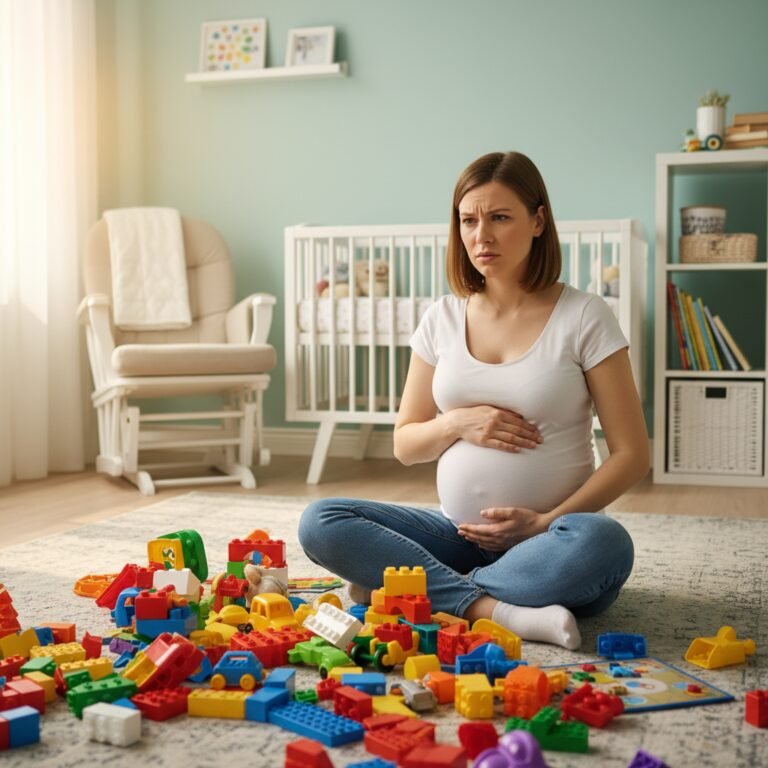
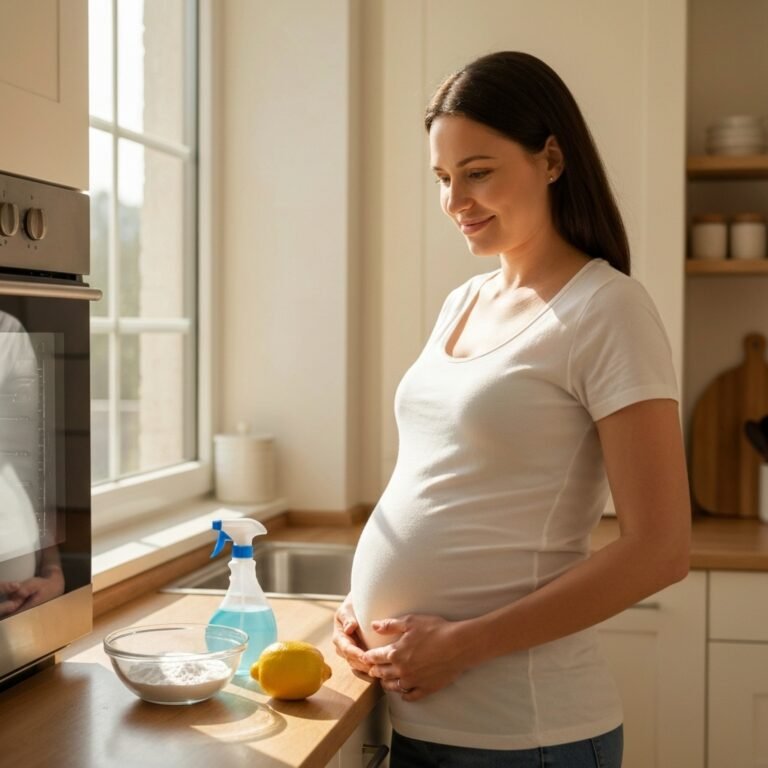
That powerful urge to clean, organize, and prepare your home for your little one’s arrival is a real and beautiful thing. It’s called nesting, and it’s your innate instinct to create a safe, welcoming environment for your baby. But as you stand in the cleaning aisle, staring at a wall of brightly colored bottles all promising a ‘sparkling clean’ home, it’s easy to feel overwhelmed. What does ‘clean’ truly mean? And more importantly, what is genuinely safe for a tiny, developing human?
We understand that worry. You want to protect your baby from everything, and that starts with the very air they breathe and the surfaces they touch. The truth is, many conventional cleaning products contain harsh chemicals that can be irritants or worse for a newborn’s delicate system. This guide isn’t meant to scare you; it’s meant to empower you. We’re here to walk you through it, parent to parent, to help you confidently clear out the clutter and create a cleaning routine that is both effective and truly baby-safe. Let’s take this one simple, powerful step together.
Why ‘Clean’ Doesn’t Always Mean ‘Safe’ for Your Baby
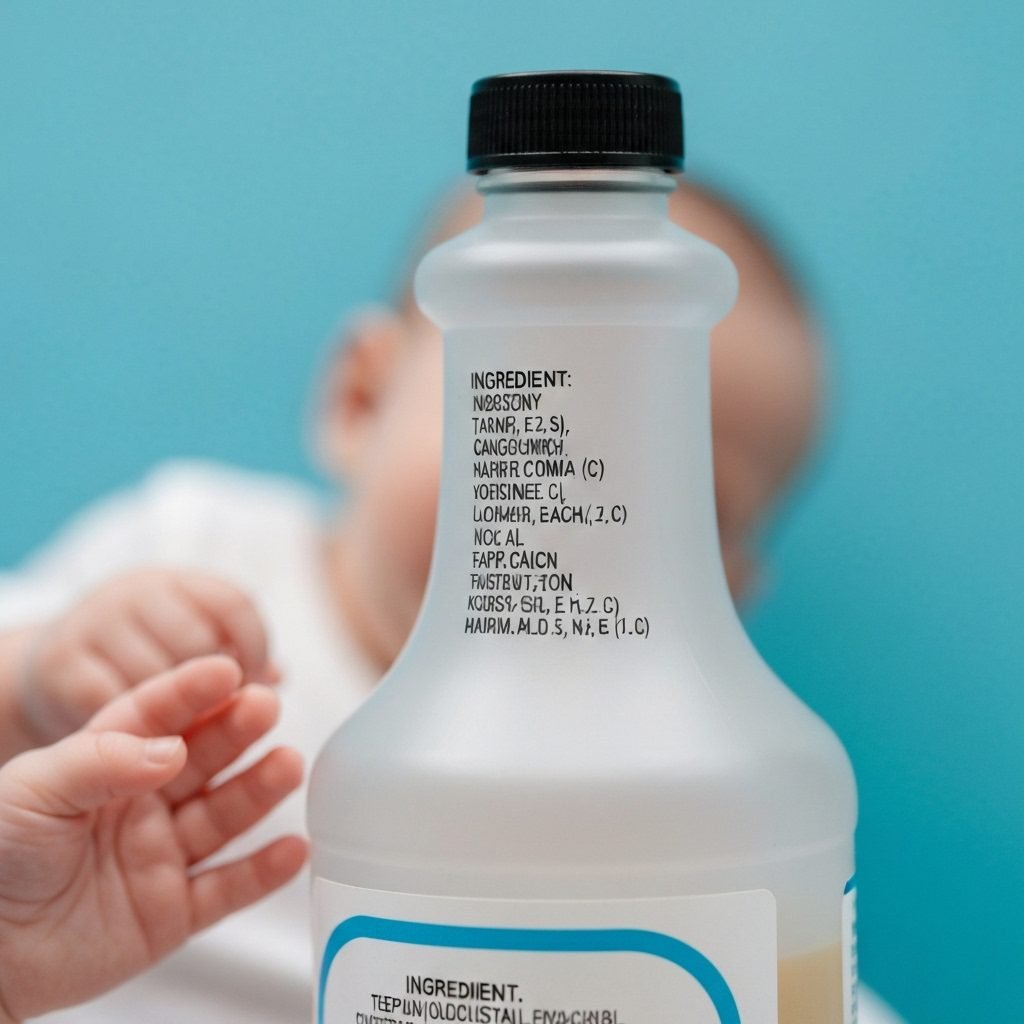
Before we dive into the list, it’s important to understand why this swap is so crucial. A newborn’s body is a marvel of development, but it’s also incredibly vulnerable. Their skin is thinner, their respiratory systems are still maturing, and their little livers and kidneys are not yet efficient at detoxifying chemicals. This means that substances that might not noticeably affect an adult can have a much greater impact on a baby.
Understanding Volatile Organic Compounds (VOCs)
Many cleaning products release Volatile Organic Compounds (VOCs) into the air. These are gases emitted from certain solids or liquids. You know that strong, ‘clean’ smell from bleach or a pine-scented cleaner? Those are often VOCs. When you use these products, the chemicals linger in the air long after you’ve put the bottle away. For a baby, inhaling these compounds can lead to respiratory irritation, allergic reactions, and have been linked to the development of asthma. Creating a low-VOC environment is one of the kindest things you can do for your baby’s developing lungs.
The Problem with ‘Fragrance’
The word ‘fragrance’ or ‘parfum’ on a label can be a Trojan horse. Due to trade secret laws, companies are not required to disclose the individual chemicals that make up a particular scent. A single fragrance can be a cocktail of hundreds of synthetic chemicals, including phthalates. Phthalates are known endocrine disruptors, meaning they can interfere with the body’s natural hormone systems, which is particularly concerning for a developing infant. Opting for ‘fragrance-free’ products is always the safest bet.
Remember, this is not about perfection. It’s about reducing the overall chemical load in your home. Every small change you make contributes to a healthier environment for your family.
The ‘Toss It’ List: 12 Common Culprits in Your Cleaning Caddy
Getting started is as simple as going through your current cleaning supplies. Here are 12 types of products to identify and replace with safer alternatives.
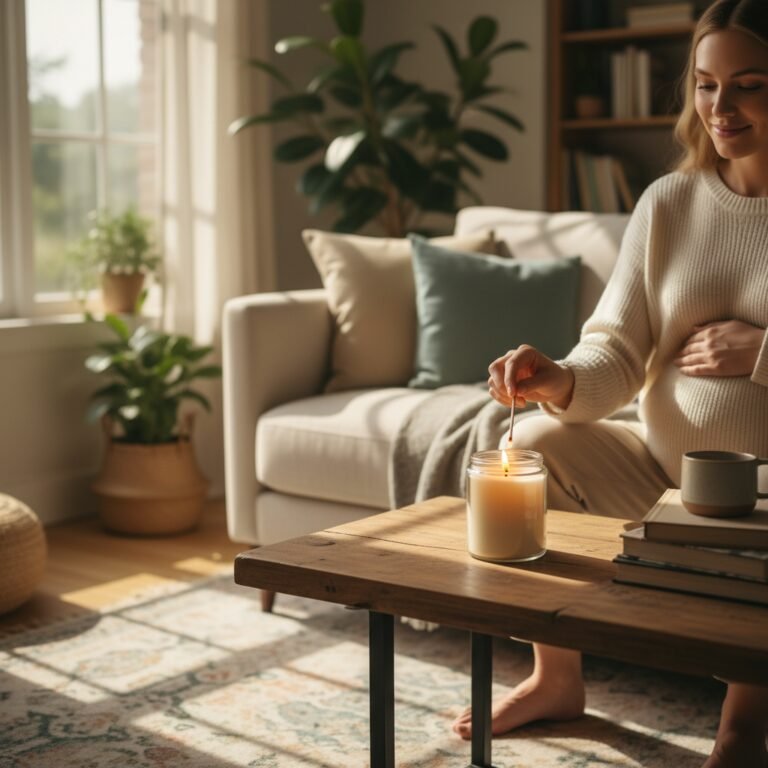
- Conventional Air Fresheners (Plug-ins, Sprays, Gels): They mask odors with a cloud of synthetic fragrances and VOCs. Why toss it? They release phthalates and other chemicals directly into the air your baby breathes. Safe Swap: Open windows for fresh air, use an essential oil diffuser with pure, baby-safe oils (like lavender or chamomile, used sparingly), or simmer cinnamon sticks and cloves on the stove.
- Chlorine Bleach: A harsh disinfectant that creates toxic fumes when mixed with other cleaners (especially ammonia). Why toss it? The fumes are a powerful respiratory irritant, and skin contact can cause burns. Safe Swap: For whitening, use hydrogen peroxide or oxygen-based bleach alternatives. For disinfecting, a simple solution of vinegar and water or a steam cleaner works wonders on many surfaces.
- Ammonia-Based Glass Cleaners: Known for their streak-free shine, but at a cost. Why toss it? Ammonia is a potent irritant for the lungs, throat, and eyes. Safe Swap: A spray bottle with a 50/50 mix of distilled white vinegar and water. Use a microfiber cloth for a perfect, chemical-free shine.
- Harsh Oven Cleaners: These are some of the most toxic products in a home, often containing lye (sodium hydroxide). Why toss it? The corrosive chemicals can cause severe burns, and the fumes are extremely dangerous to inhale. Safe Swap: Make a paste of baking soda and water, apply it to the oven surfaces, let it sit overnight, and then wipe/scrape it clean.
- Chemical Drain Cleaners: Formulated with corrosive acids or lye to dissolve clogs. Why toss it? They are highly toxic if ingested, can cause severe skin and eye burns, and are harmful to aquatic life. Safe Swap: Pour a half-cup of baking soda down the drain, followed by a half-cup of vinegar. Let it fizz, then flush with hot water. A drain snake is a great mechanical option.
- Carpet & Upholstery Cleaners with PERC: Perchloroethylene (PERC) is a chemical often found in heavy-duty carpet shampoos. Why toss it? It’s a neurotoxin and classified as a ‘probable carcinogen.’ Safe Swap: For spot cleaning, use castile soap and water. For deep cleaning, rent a steam cleaner and use only hot water, or a simple vinegar/water solution.
- Antibacterial Soaps/Cleaners with Triclosan: The FDA has banned triclosan from consumer soaps, but it can still be found in some cleaning products. Why toss it? It contributes to antibiotic-resistant bacteria and is an endocrine disruptor. Safe Swap: Regular soap and water are perfectly effective for cleaning hands and most surfaces.
- Furniture Polish: Many polishes contain flammable petrochemicals like phenol and nitrobenzene. Why toss it? These chemicals can be absorbed through the skin and are toxic if inhaled. Safe Swap: A soft cloth with a small amount of olive oil mixed with a little lemon juice will clean and condition wood furniture beautifully.
- Corrosive Toilet Bowl Cleaners: Often contain hydrochloric acid or chlorine bleach. Why toss it? The acidic fumes are highly corrosive to your lungs. Safe Swap: Sprinkle baking soda into the bowl, pour in some vinegar, let it fizz, scrub with a brush, and flush.
- All-Purpose Cleaners with 2-Butoxyethanol: A common solvent that gives many cleaners their signature strength. Why toss it? It can cause sore throats when inhaled and, at high levels, can contribute to liver and kidney damage. Safe Swap: The same vinegar and water solution from your glass cleaner, perhaps with a few drops of castile soap for extra cleaning power, can handle most messes.
- Dryer Sheets & Liquid Fabric Softeners: They work by coating fabrics in a layer of chemicals to reduce static. Why toss it? This chemical residue, full of synthetic fragrances, is left on your baby’s clothes, bedding, and blankets, right next to their sensitive skin. Safe Swap: Reusable wool dryer balls. They soften clothes naturally, reduce drying time, and you can add a drop of a safe essential oil for a light scent if desired.
- Conventional Dish Soap: Many contain fragrances, dyes, and harsh surfactants like Sodium Lauryl Sulfate (SLS). Why toss it? Residue can be left on bottles, pacifiers, and dishes that go directly into your baby’s mouth. Safe Swap: Look for plant-based, fragrance-free, and dye-free dish soaps.
Your New Toolkit: Building a Baby-Safe Cleaning Arsenal
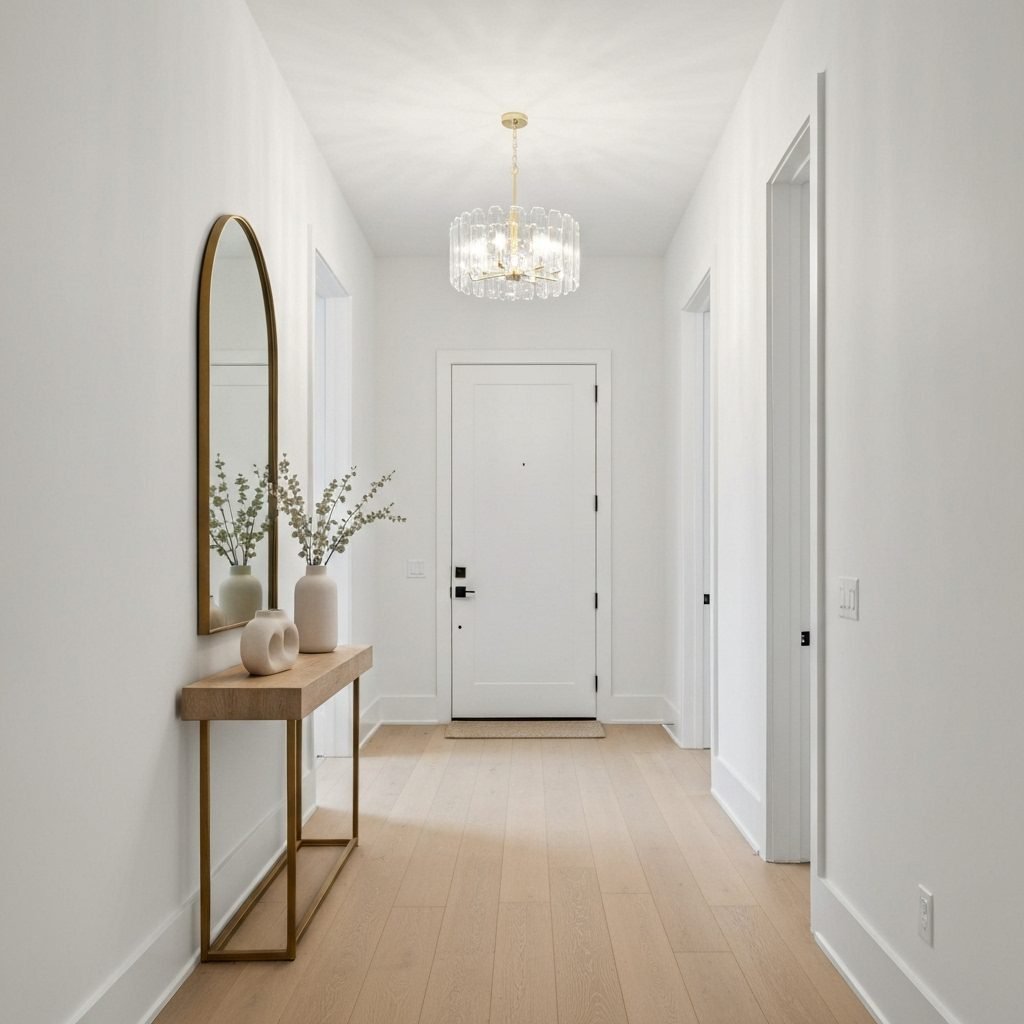
Switching to non-toxic cleaning doesn’t require buying a dozen expensive ‘eco’ products. In fact, you can create a powerful, safe, and incredibly affordable cleaning kit with just a few simple ingredients. Think of this as your new, simplified toolkit for a healthy home.
| Ingredient | Primary Uses | Safety Notes |
|---|---|---|
| Distilled White Vinegar | All-purpose cleaning, glass cleaning, disinfecting, cutting grease, softening water. | Do not use on natural stone like marble or granite as it can etch the surface. Never mix with bleach. |
| Baking Soda (Sodium Bicarbonate) | Scouring, deodorizing, unclogging drains, oven cleaning. | A gentle abrasive that is safe for most surfaces. |
| Liquid Castile Soap | Gentle all-purpose cleaning, dish soap, floor cleaning, stain treatment. | Highly concentrated, so a little goes a long way. Look for unscented versions. |
| Hydrogen Peroxide (3%) | Disinfecting, stain removal (especially on whites), tile grout cleaner. | Store in its original dark bottle as light breaks it down. Can have a mild bleaching effect. |
| Lemons / Lemon Juice | Cutting grease, polishing, deodorizing, removing stains. | Natural acidity makes it a great cleaner, plus it leaves a fresh, natural scent. |
| Essential Oils | Adding natural, non-toxic scent to cleaners. Some have antibacterial properties. | Use with extreme caution. Only use oils known to be safe for babies (e.g., lavender, chamomile). Use only 1-2 drops per bottle of cleaner. |
Reading Labels Like a Pro: What to Look For and What to Avoid
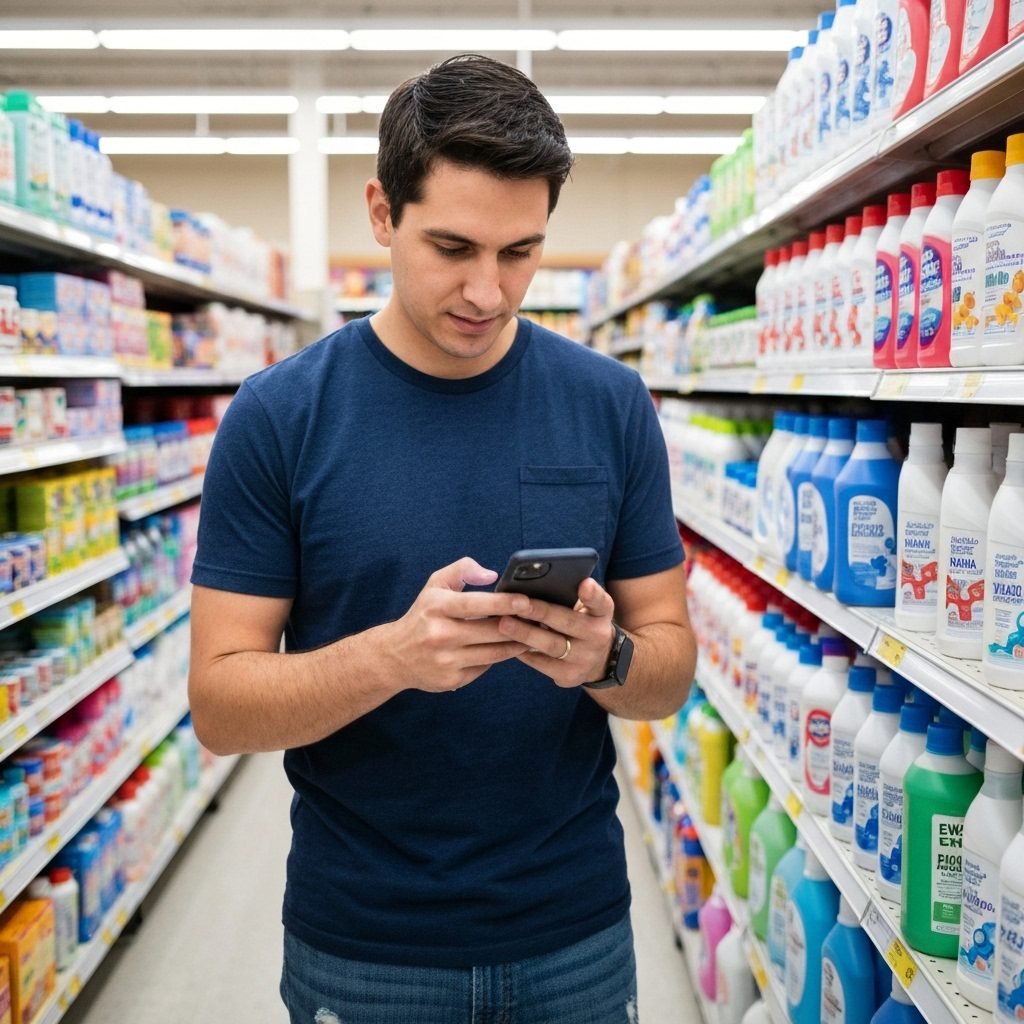
As you navigate the store aisles, you’ll become a detective for your family’s health. It gets easier with practice! Here’s a quick guide to help you distinguish between a genuinely safe product and one that’s just ‘green-washed’ with clever marketing.
Green Flags: What to Look For
- Simple Ingredient Lists: If you can recognize most of the ingredients (e.g., ‘saponified coconut oil,’ ‘water,’ ‘vegetable glycerin’), that’s a great sign.
- ‘Fragrance-Free’ or ‘Unscented’: This is better than ‘scented with essential oils,’ as it eliminates the guesswork about what’s in the fragrance.
- Third-Party Certifications: Look for trusted logos like EWG Verified, which means the product meets the Environmental Working Group’s strictest standards for health, or the EPA’s Safer Choice label, which signifies that the product’s chemical ingredients are safer alternatives.
- Plant-Based Ingredients: Terms like ‘plant-derived’ or ‘plant-based’ are often a good indicator, but still check the full ingredient list to be sure.
Red Flags: Key Ingredients to Avoid
If you see these on a label, it’s best to put the product back on the shelf.
- ‘Fragrance’ or ‘Parfum’: The catch-all term for a hidden mix of chemicals.
- Phthalates: Often hidden in fragrance, but sometimes listed.
- Ammonia: A common ingredient in glass and shiny surface cleaners.
- Chlorine Bleach (Sodium Hypochlorite): A harsh disinfectant.
- Triclosan: An aggressive antibacterial agent.
- 2-Butoxyethanol: A solvent found in many multi-purpose cleaners.
- Parabens (e.g., methylparaben, propylparaben): Preservatives that can act as endocrine disruptors.
Conclusion
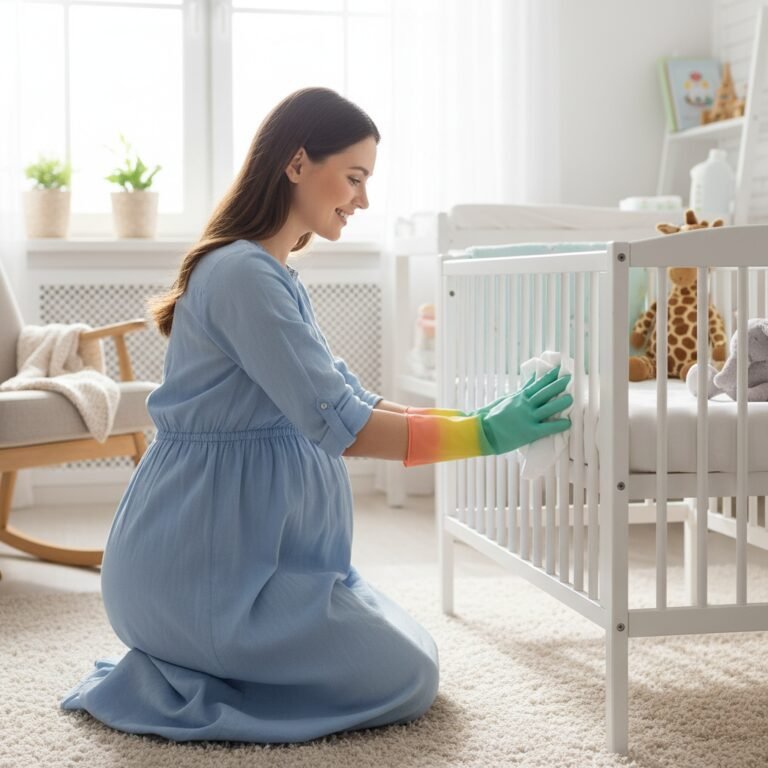
Preparing your home for your baby is an act of love. By consciously choosing what you bring into your space, you are laying the foundation for a healthy, safe, and nurturing environment. Please don’t let this list feel like another source of pressure. See it as an invitation to simplify. You don’t need a specialized cleaner for every surface; a few basic, safe ingredients can handle almost any mess life—and your new baby—will throw at you.
You are taking a beautiful, proactive step to protect your little one. Be patient with yourself, make changes one product at a time, and trust your instincts. You are building a nest for your family, and you are doing an amazing job.
Disclaimer: This article is for informational purposes only and is not a substitute for professional medical advice, diagnosis, or treatment. Always seek the advice of your physician or another qualified health provider with any questions you may have regarding a medical condition.