
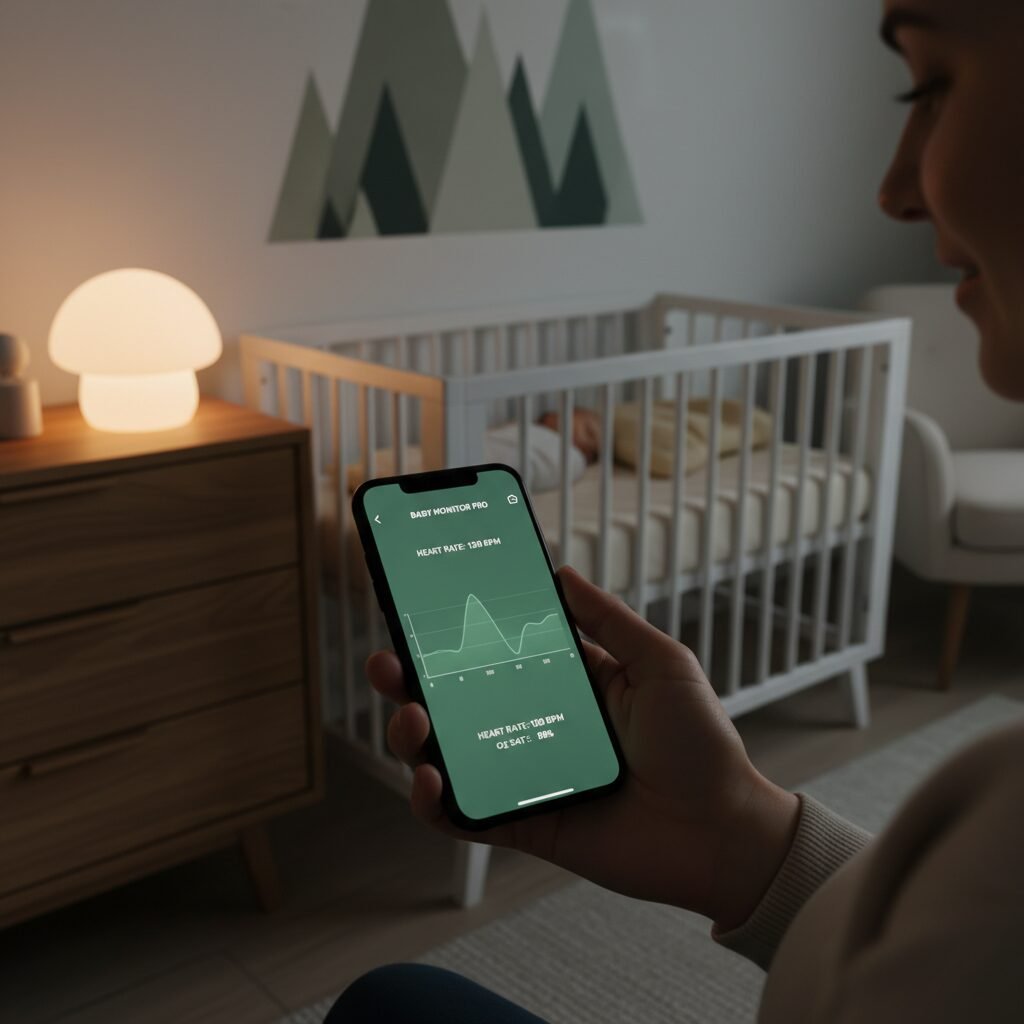
Are Smart Oxygen Monitors Worth The Hype? (Honest Review)
Bringing a new baby home is an unparalleled joy, but it often comes with a profound sense of responsibility that can feel overwhelming. Every new parent has experienced that moment—waking in the middle of the night with a jolt, just to creep over to the bassinet and place a hand on their baby’s back, waiting for the reassuring sign of a breath. In our hyper-connected world, technology has offered a solution: the smart oxygen monitor. These devices, often worn as a sock or a band, promise to track your baby’s heart rate and oxygen levels, offering a stream of data and the allure of ‘peace of mind.’ But are they a revolutionary safety tool or an expensive anxiety amplifier? As a doula and maternal health educator, I’ve supported countless families navigating this exact question. This honest review will break down the science, weigh the evidence-based pros and cons, and provide the expert guidance you need to decide if a smart oxygen monitor is truly worth the hype for your family.
Understanding the Technology: What Do These Monitors Actually Do?
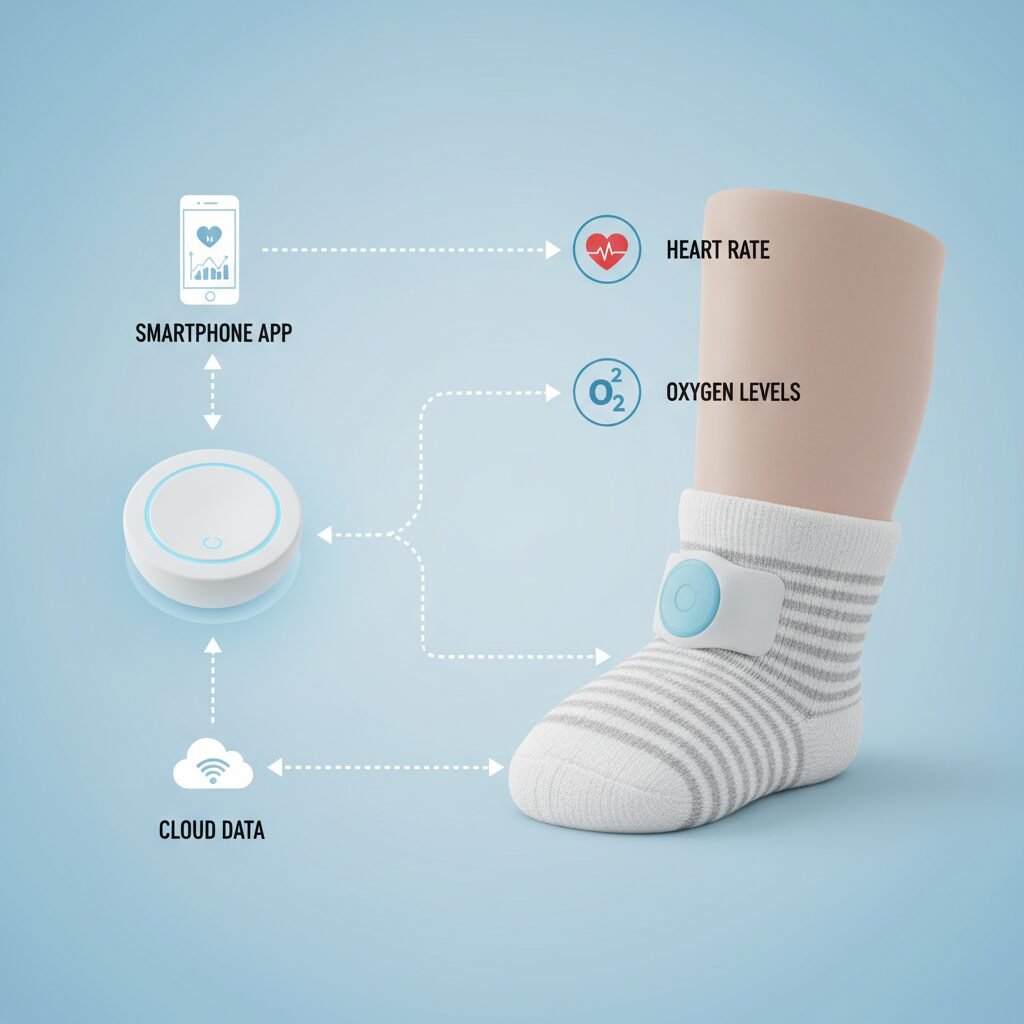
Before we can assess their value, it’s crucial to understand what these devices are—and what they are not. At their core, most smart baby monitors that track vitals use a technology called pulse oximetry. If you’ve ever had a nurse clip a small device with a red light onto your fingertip, you’ve experienced it. This non-invasive method shines light through the skin to measure two key things:
- Heart Rate: The number of times your baby’s heart beats per minute (BPM).
- Oxygen Saturation (SpO2): The percentage of oxygen in your baby’s blood. For a healthy infant, this number is typically between 95% and 100%.
The monitor, usually a soft fabric sock or band fitted around the baby’s foot, contains these tiny sensors. It wirelessly transmits the data to a nearby base station. If the device detects that the baby’s heart rate or oxygen level has moved outside of pre-set ‘normal’ ranges, the base station will sound an alarm and often send an alert to your smartphone. This continuous stream of data is what companies market as the ultimate tool for parental peace of mind.
A Critical Distinction: Wellness vs. Medical Device
This is perhaps the most important fact to understand: consumer-grade smart oxygen monitors are classified as wellness devices, not medical devices. They have not undergone the rigorous testing and approval process from the Food and Drug Administration (FDA) that is required for products intended to diagnose, treat, or prevent a medical condition, including Sudden Infant Death Syndrome (SIDS). This distinction is vital because it frames their role as one of providing data for parental awareness, not as a guaranteed medical safety net.
The Allure of Data: Potential Benefits and ‘Peace of Mind’

The primary selling point for these monitors is the promise of reducing parental anxiety. For many families, the benefits are tangible and deeply felt. Let’s explore the arguments in favor of using a smart monitor.
Pros of Using a Smart Oxygen Monitor:
- Constant Reassurance: The most cited benefit is the ability to check on your baby’s vitals without having to disturb them. A quick glance at your phone can confirm that their heart rate and oxygen levels are stable, allowing you to relax and get some much-needed sleep yourself.
- Data for Informed Conversations: While not diagnostic, the data collected can be useful. For example, tracking sleep patterns or noticing trends in vitals during a mild illness (like a cold) can provide talking points for a conversation with your pediatrician. It empowers parents with information about their child’s unique patterns.
- Potential for Early Warning: Countless anecdotal stories circulate in parent groups about a monitor alerting them to a problem. Whether it was an illness causing breathing difficulties or another issue, some parents feel the device gave them a crucial early warning. It’s important to remember these are anecdotal, but for the parents involved, the value is immeasurable.
- A Tool for Managing Anxiety: For parents who are naturally anxious, or for those who have experienced previous loss or have a baby with specific health considerations (under a doctor’s guidance), the data can be a calming force. In these cases, the monitor can be a tool that helps manage anxiety rather than create it.
For some parents, knowledge is power. Having access to this data stream can transform nighttime from a period of anxiety into a time of rest, knowing a system is in place to alert them.
The Other Side of the Coin: Potential Downsides and Unintended Consequences
While the promise of peace of mind is powerful, it’s not a universal experience. For many families, these monitors can introduce a new set of stressors and risks that are crucial to consider.
Cons and Risks of Using a Smart Oxygen Monitor:
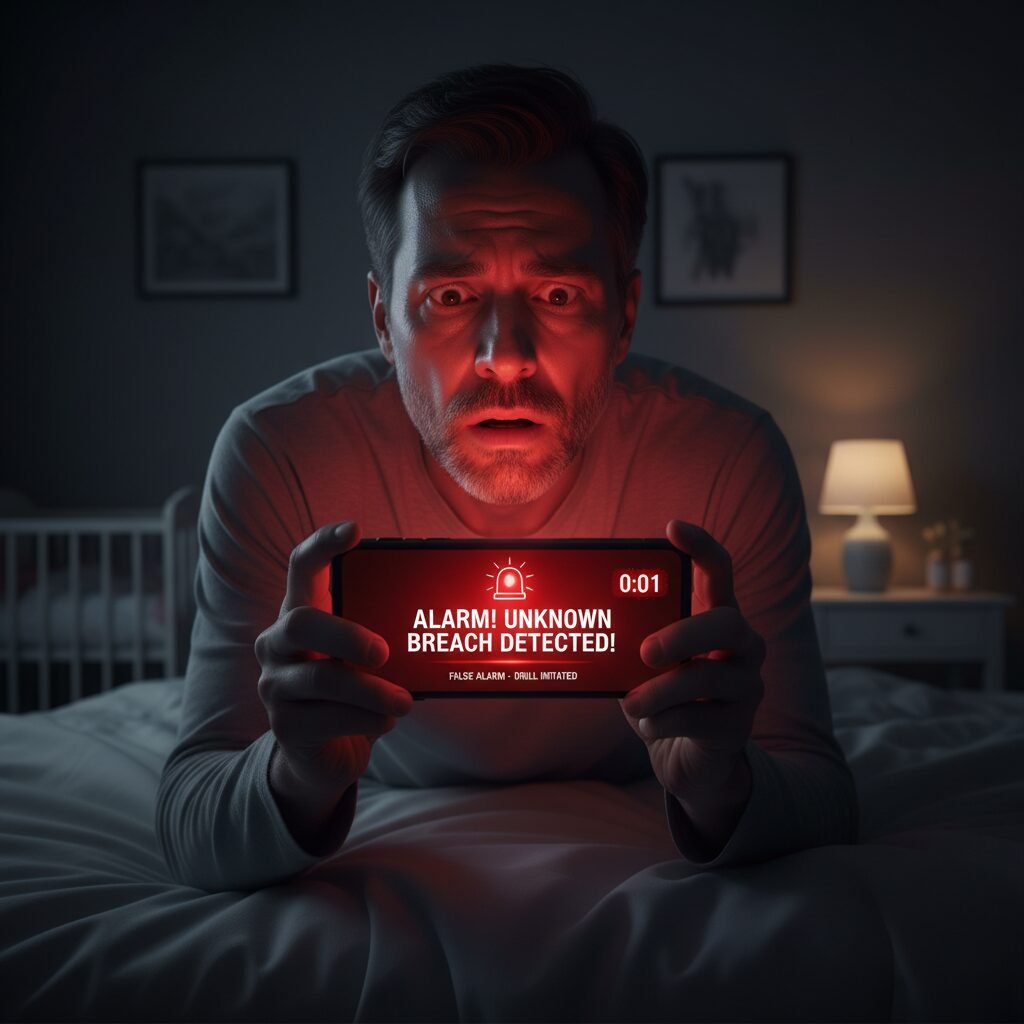
- False Alarms and Increased Anxiety: This is the most significant drawback. A sock that’s poorly placed, a baby wiggling their foot, a momentary dip in connection, or even a simple cold can trigger a loud, panic-inducing alarm. Waking up to a siren and a red alert can be terrifying and, when it proves to be a false alarm, can ultimately shred a parent’s nerves more than it soothes them.
- Over-Reliance and Complacency: The American Academy of Pediatrics (AAP) fears that parents might become complacent about proven safe sleep practices if they put too much faith in technology. A monitor is not a substitute for the ABCs of Safe Sleep: placing the baby Alone, on their Back, in a bare Crib (or bassinet/pack-n-play).
- The Cost Barrier: These devices are a significant investment, often costing several hundred dollars. This is a substantial expense for a product that is not considered a nursery essential by medical experts.
- Lack of Medical Endorsement for SIDS Prevention: No consumer-grade monitor has been proven to reduce the risk of SIDS. The AAP does not recommend them for this purpose. SIDS is a complex and tragic event, and its causes are still not fully understood. Relying on a monitor to prevent it provides a false sense of security.
- Physical Discomfort or Skin Irritation: Though generally well-designed, any device worn for long periods can potentially cause skin irritation, pressure marks, or redness if not fitted properly or if the sock isn’t rotated between feet regularly.
Medical Perspectives: The AAP and the Evidence on SIDS Prevention
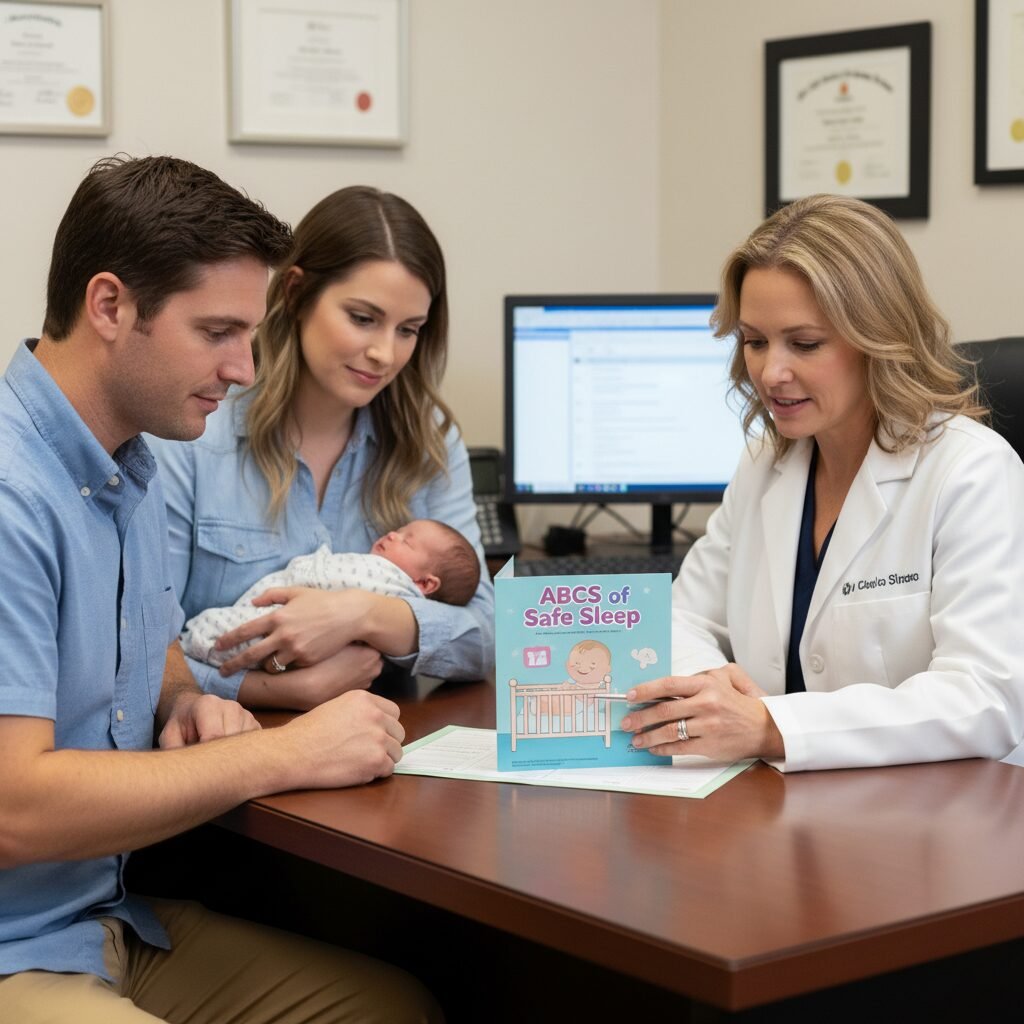
When it comes to baby safety, the American Academy of Pediatrics (AAP) is the leading authority. Their official stance is clear: they do not recommend consumer cardiorespiratory monitors as a strategy to reduce the risk of SIDS. The reasoning is multifaceted:
- There is no scientific evidence that these monitors impact the rate of SIDS in healthy infants.
- They can give parents a false sense of security, potentially leading to a relaxation of proven safe sleep guidelines.
- The high rate of false alarms can cause unnecessary parental anxiety and lead to expensive, unneeded medical evaluations.
“We have no evidence that any of these monitors prevent SIDS. My concern is that parents will become complacent. They’ll put the baby on their stomach to sleep because they think the monitor will save them.” – Dr. Rachel Moon, chair of the AAP task force on SIDS.
It’s also vital to differentiate between these consumer products and prescribed medical-grade monitors. An infant who is born prematurely, has a breathing condition like apnea, or has other serious health risks may be sent home from the hospital with a medical apnea monitor. These are FDA-approved medical devices prescribed and monitored by a doctor.
| Feature | Consumer Smart Monitor (e.g., Owlet) | Prescribed Medical Monitor |
|---|---|---|
| FDA Regulation | Classified as a ‘wellness device’. Not FDA-approved to diagnose or prevent disease. | FDA-approved as a Class II medical device. |
| Purpose | Provides data for parental awareness and peace of mind. | Medically necessary for monitoring high-risk infants for apnea (pauses in breathing) or bradycardia (slow heart rate). |
| Alarm Parameters | Set by the manufacturer based on general population data. Not customizable by a doctor. | Parameters are set and adjusted by a physician based on the specific infant’s medical needs. |
| Cost & Insurance | Paid for out-of-pocket by the consumer. Not covered by insurance. | Covered by health insurance when deemed medically necessary. |
| Who It’s For | Marketed to the general population of new parents. | Prescribed by a doctor for infants with specific, diagnosed medical conditions. |
The Final Verdict: Making an Informed Choice for Your Family

After weighing the technology, the potential benefits, the significant risks, and the expert medical consensus, the question remains: should you buy one? The honest answer is that it is a deeply personal decision. There is no one-size-fits-all recommendation. This device is not a medical necessity, but it may be a valuable tool for certain families under certain circumstances.
To help you decide, ask yourself these questions:
A Checklist for Your Decision:
- What is my primary motivation? Am I seeking reassurance, or am I hoping for a device that will prevent SIDS? If it’s the latter, your focus should be entirely on safe sleep practices.
- How do I typically handle data and anxiety? Will having constant access to numbers make me feel calmer and more in control, or am I likely to become obsessive and anxious over every small fluctuation? Be honest with yourself about your personality.
- Have I mastered the fundamentals of safe sleep? Your baby should always be sleeping alone, on their back, in a bare crib. This is non-negotiable and far more important than any monitor. Your energy and resources should go here first.
- Can I afford it? Does the several-hundred-dollar price tag fit comfortably in my baby budget without sacrificing essential items?
- Am I prepared for false alarms? Have I discussed with my partner how we will react to a middle-of-the-night alarm? Can we handle the adrenaline spike and calmly troubleshoot the situation without panicking?
If you believe the monitor will genuinely help you sleep better and reduce your anxiety, and you understand its limitations as a non-medical wellness device, then it may be a worthwhile investment for your family. If, however, you suspect it will make you more anxious or lead you to be less vigilant about safe sleep, it’s best to save your money.
Conclusion
Smart oxygen monitors represent a fascinating intersection of technology and parenting. They tap into our deepest instinct to protect our children by offering a window into their well-being while they sleep. For some, this window is a source of profound comfort. For others, it becomes a screen of constant worry, filled with confusing numbers and terrifying false alarms. Ultimately, these monitors are a tool, not a solution. They cannot replace the foundational, evidence-based principles of safe sleep that have been proven to reduce infant mortality. Your greatest tools are knowledge and vigilance: creating a safe sleep environment and learning your baby’s cues. Whether you choose to add a smart monitor to your toolkit is up to you, but it should always be a supplement to, never a substitute for, these fundamental practices.
Medical Disclaimer: The information in this article is for educational and informational purposes only and is not intended as health or medical advice. Always consult a physician or other qualified health provider regarding any questions you may have about a medical condition or health objectives. Never disregard professional medical advice or delay in seeking it because of something you have read in this article.