

The Miracle Tea That Shortened My Labor By 3 Hours
The promise of a shorter, easier labor is powerfully alluring for any expectant parent. When you see a title like “The Miracle Tea That Shortened My Labor By 3 Hours,” it’s natural to feel a surge of hope and curiosity. Could a simple, warm beverage really hold the key to a better birth experience? As a doula and maternal health educator, I’ve heard countless stories and questions about this very topic. Many of these whispers and online articles are referring to one specific herb: Red Raspberry Leaf Tea.
While the word “miracle” can be compelling, it’s our responsibility to approach pregnancy and labor with both open-mindedness and a firm grounding in evidence. This article is designed to be your trusted guide. We will explore the history and science behind Red Raspberry Leaf Tea, dissect the claims, and understand its potential benefits and, most importantly, its safety. Our goal isn’t to chase miracles, but to empower you with knowledge so you can build a comprehensive, safe, and effective plan for your own unique labor journey, in partnership with your healthcare provider.
What is Red Raspberry Leaf Tea and Why is it Called the ‘Woman’s Herb’?
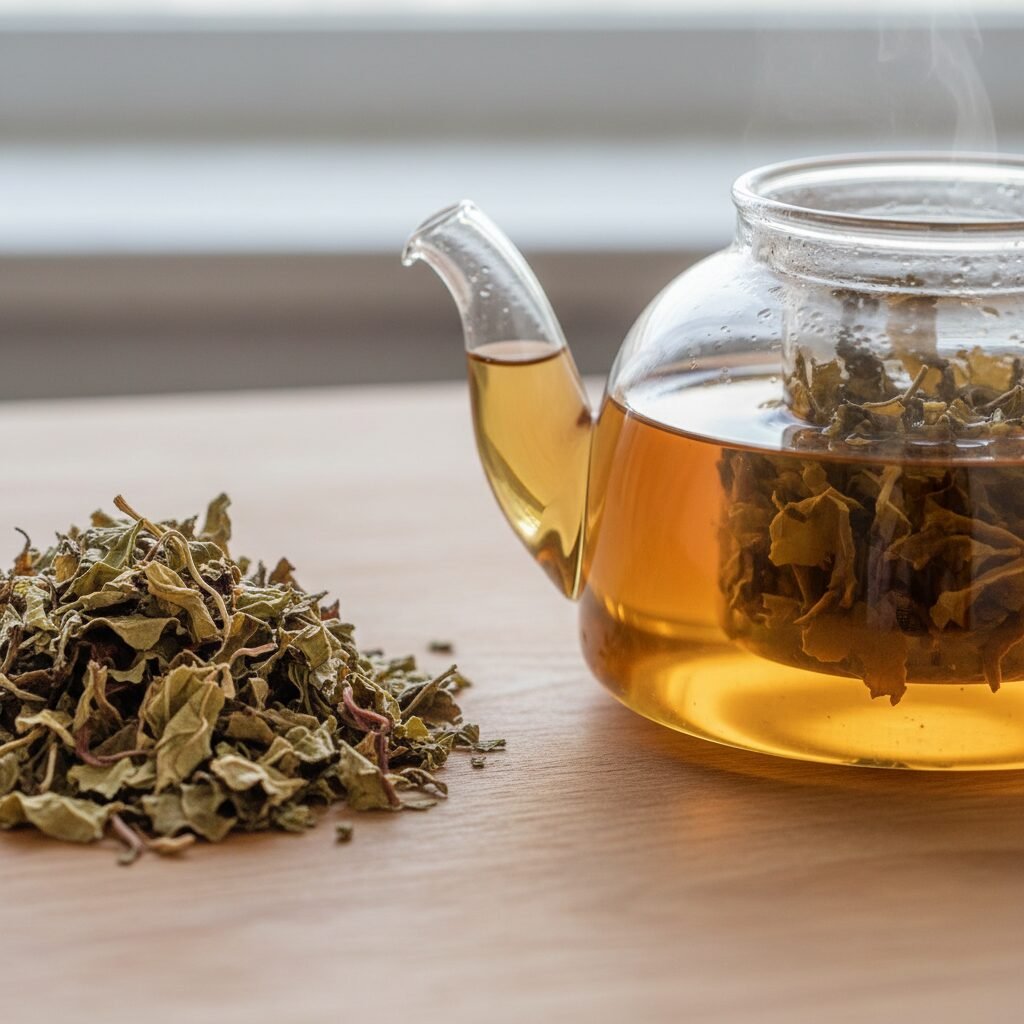
Before we can analyze its effects on labor, it’s essential to understand what Red Raspberry Leaf Tea actually is. Despite its name, the tea doesn’t taste like raspberries. It’s made from the leaves of the red raspberry plant (Rubus idaeus), which have been used for centuries in traditional and folk medicine. It has earned the moniker “the woman’s herb” due to its long history of use for supporting various aspects of female reproductive health, from regulating menstrual cycles to easing symptoms of menopause.
The primary belief behind its use in pregnancy is its purported ability to tone the uterine muscles. The leaves contain an alkaloid called fragarine, which is thought to help strengthen and organize the muscle fibers of the uterus. It’s crucial to understand the distinction here:
- Toning is not inducing. Red Raspberry Leaf Tea is not believed to start labor. Instead, the theory is that a well-toned uterus can contract more efficiently and effectively once labor naturally begins.
- Efficient contractions can lead to better outcomes. The idea is that stronger, more coordinated contractions may help shorten the pushing phase of labor and potentially reduce the need for medical interventions like forceps or vacuum extraction.
“Think of it like training for a marathon. You wouldn’t just show up on race day without preparation. Red Raspberry Leaf Tea is viewed by many as a way to gently prepare the uterine ‘muscle’ for the endurance event of labor.”
This historical context is important because it sets the stage for modern scientific inquiry. While generations of women have sworn by its benefits, today we can look to scientific studies to help us understand if these anecdotal claims hold up to scrutiny.
From Anecdote to Evidence: Examining the Research on Labor Outcomes

When a client asks me about Red Raspberry Leaf Tea, they want to know if it really works. To answer that, we must move beyond personal stories and look at the scientific research. While the body of evidence isn’t vast, a few key studies provide some interesting, albeit cautious, insights.
Two of the most frequently cited studies on this topic offer a glimpse into its potential effects:
- The 1999 Parsons Study: An observational study published in the Journal of Nurse-Midwifery looked at a group of women who drank Red Raspberry Leaf Tea during their pregnancies. It found a potential link to a shortened second stage of labor (the pushing stage) and a lower rate of forceps deliveries.
- The 2001 Simpson Study: This was a more rigorous, double-blind, randomized controlled trial. It found no difference in the length of the first stage of labor. However, it did find a statistically significant shortening of the second stage by an average of 9.59 minutes and, like the Parsons study, a lower rate of forceps delivery.
It’s vital to interpret these findings with a professional and balanced perspective. While a nearly 10-minute reduction in pushing is significant to any laboring person, the studies have limitations, such as relatively small sample sizes. Therefore, the medical community has not reached a firm consensus, and more large-scale research is needed. Below is a summary of the current understanding.
| Study/Claim | Key Takeaway | Strength of Evidence |
|---|---|---|
| Shortens First Stage of Labor | Most studies, including the 2001 Simpson trial, found no significant effect on the length of the first stage. | Low / Contradictory |
| Shortens Second Stage of Labor (Pushing) | Both the Parsons and Simpson studies suggest a potential shortening of this stage. | Moderate, but needs more research |
| Reduces Medical Interventions | Both studies noted a lower incidence of forceps or vacuum-assisted births among tea drinkers. | Moderate, but needs more research |
| Induces Labor | There is no credible scientific evidence to support the claim that the tea starts or induces labor. | Very Low / Anecdotal |
The takeaway is that Red Raspberry Leaf Tea is not a labor-inducing agent. Its potential benefit lies in preparing the uterus for more effective work once labor has already begun on its own.
A Practical Guide: Is This Tea Safe for You and Your Baby?

This is the most critical question of all. The answer is: it depends. While Red Raspberry Leaf Tea is generally considered safe for low-risk pregnancies in the late third trimester, it is not appropriate for everyone. The absolute first step before you even purchase a box of tea is to have a detailed conversation with your OB-GYN, midwife, or primary healthcare provider.
When to Start and How Much to Drink
If your provider gives you the green light, the common recommendation is to begin drinking the tea around 32 weeks of gestation. Starting earlier is generally discouraged because of its stimulating effect on the uterus. A typical approach is to start slowly:
- Weeks 32-34: One cup per day.
- Weeks 35-37: Two cups per day.
- Week 38 onwards: Up to three cups per day.
This gradual increase allows your body to adjust. You can drink it hot or iced. Some women also use tablets or tinctures, but it’s essential to follow dosage instructions and discuss the form with your provider.
Who Should AVOID Red Raspberry Leaf Tea?
Your healthcare provider will advise against it if you have certain conditions. You should exercise extreme caution or avoid it completely if you:
- Have a history of preterm labor.
- Are carrying multiples (twins, triplets).
- Have a planned Cesarean section.
- Have experienced vaginal bleeding in the second half of pregnancy.
- Have a personal or family history of hormone-sensitive conditions like breast or ovarian cancer, endometriosis, or fibroids.
- Have high blood pressure or other complications.
A Personal Note from Your Doula: Your safety and your baby’s safety are paramount. An herb is still a substance with physiological effects. Please, treat it with the same respect and caution you would any medication. A conversation with your provider is non-negotiable.
Creating Your Own ‘Miracle’: Evidence-Based Strategies for a Positive Birth Experience

The allure of a ‘miracle’ tea is understandable, but the truth is that a positive birth experience rarely hinges on a single element. The real magic comes from a holistic, empowered, and well-supported approach to labor preparation. Rather than placing all your hopes in one cup of tea, consider weaving it into a broader tapestry of wellness and preparation. Here are powerful, evidence-based strategies that can make a profound difference.
Movement and Body Preparation
An active body is often a body that is better prepared for labor. Gentle, consistent movement can help with fetal positioning and pelvic mobility.
- Walking: A simple, powerful tool for encouraging the baby to descend into the pelvis.
- Prenatal Yoga: Helps with flexibility, breathing techniques, and pelvic floor awareness. Poses like Cat-Cow and gentle squats can be particularly beneficial.
- Birth Ball Exercises: Sitting on a birth ball and making circular motions with your hips can relieve pressure and open the pelvis.
Nutrition and Hydration
Fueling your body appropriately is foundational. Labor is a marathon, and you need energy reserves.
- Stay Hydrated: Dehydration can cause uterine irritability and non-productive contractions (Braxton Hicks).
- Eat Nutrient-Dense Foods: Focus on whole foods, lean proteins, and complex carbohydrates.
- Consider Dates: Some studies have shown that consuming 6 dates per day in the last four weeks of pregnancy may be associated with higher rates of spontaneous labor and less need for medical induction. Discuss this with your provider!
Mind-Body Connection and Education
Labor is as much a mental and emotional event as it is a physical one. Preparing your mind is just as important as preparing your body.
- Childbirth Education: Enrolling in a high-quality childbirth class (such as Lamaze, the Bradley Method, or HypnoBirthing) empowers you and your partner with knowledge about the stages of labor, comfort measures, and advocacy skills.
- Breathing and Meditation: Practicing mindfulness and deep breathing exercises can be your anchor during the intensity of contractions.
- Build Your Support Team: Decide who you want in your birth space. A supportive partner, a knowledgeable doula, and a trusted medical team are invaluable. Their continuous presence can reduce anxiety and improve outcomes.
Ultimately, combining these strategies creates a powerful synergy. Red Raspberry Leaf Tea can be one small part of your toolkit, but your true strength will come from your knowledge, your preparation, and the unwavering support of your village.
Conclusion
So, is Red Raspberry Leaf Tea the ‘miracle’ that will shorten your labor by hours? The evidence suggests it’s not a magical guarantee. It is, however, a time-honored herbal remedy with some limited but promising scientific data suggesting it may help tone the uterus, potentially leading to a more effective and slightly shorter second stage of labor for some individuals. It is a tool for preparation, not a trigger for induction.
The most profound ‘miracle’ in childbirth isn’t found in a teacup. It’s found in your own strength, your informed choices, and the loving support that surrounds you. It’s in the partner who applies counter-pressure without being asked, the doula who whispers encouragement, and the confidence you gain from educating yourself about the incredible process your body is undertaking. By embracing a holistic approach—combining mindful nutrition, purposeful movement, and robust education—you are doing far more to pave the way for a positive birth experience than any single herb ever could.
Final, essential reminder: Always consult with your midwife or OB-GYN before introducing Red Raspberry Leaf Tea or any herbal supplement into your pregnancy routine. Your unique health history is the most important factor in determining what is safe and right for you and your baby.
Medical Disclaimer: The information provided in this article is for educational purposes only and is not a substitute for professional medical advice, diagnosis, or treatment. Always seek the advice of your physician or other qualified health provider with any questions you may have regarding a medical condition or before undertaking any new health regimen. Never disregard professional medical advice or delay in seeking it because of something you have read here.