10 Popular Baby Items I Regret Buying (And What To Get Instead)
Welcome to one of the most exciting, and frankly, overwhelming, stages of preparing for your baby: building the registry. The modern market is saturated with gadgets and gear promising to make parenting easier, safer, and more convenient. As a doula who has supported hundreds of families, I can tell you a universal truth: the pressure to ‘get it all’ is immense. We’re conditioned to believe that more ‘stuff’ equates to better care, but experience often teaches us the opposite.
Many well-intentioned purchases end up as expensive dust collectors, adding clutter to our homes and stress to our minds. This article isn’t about judgment; it’s about empowerment. It’s about sharing the collective wisdom of parents who have been there, so you can channel your resources—your time, money, and energy—into what truly matters. We’ll walk through ten of the most commonly regretted baby items and explore smarter, more practical, and often safer alternatives that will serve your family well beyond the first few months.
Regret #1: The Wipe Warmer
The Allure of Ultimate Comfort
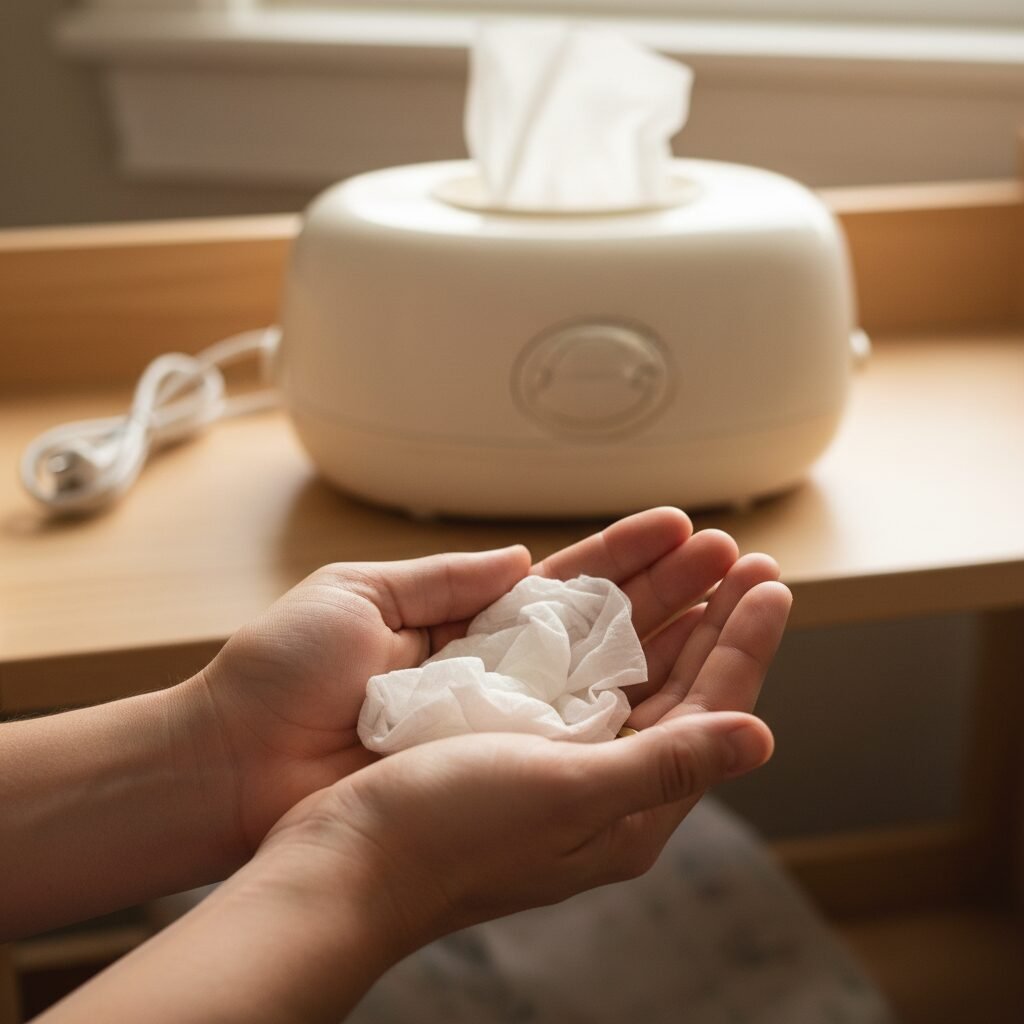
The logic seems sound: a warm wipe on a baby’s sensitive bottom must be more comfortable than a cold one, especially during those 3 a.m. diaper changes. The marketing for wipe warmers paints a picture of a serene, cry-free experience. But the reality is often far from this ideal.
Why It’s Often Unnecessary and Impractical
From a practical standpoint, wipe warmers can be a hassle. They require distilled water to prevent mineral buildup, regular cleaning to prevent mold and bacterial growth, and they take up valuable space on your changing station. Furthermore, babies are incredibly resilient. While they might flinch for a second at a room-temperature wipe, they adapt almost instantly. The bigger issue arises when your baby becomes so accustomed to a warm wipe that any diaper change outside the home—at a doctor’s office, a friend’s house, or in the car—becomes a major ordeal. You’ve inadvertently created a dependency on a non-essential convenience.
The Smarter, Simpler Alternative
Instead of another electronic device to manage, embrace simplicity. If you’re truly concerned about the chill, you can simply hold the wipe in your hands for a few seconds to warm it up with your own body heat. For particularly sensitive newborns, some parents keep a small thermos of warm water and a stack of soft cloths nearby for a truly gentle clean. Ultimately, most families find that standard, room-temperature wipes work perfectly fine. The alternative saves you money, counter space, and the mental load of maintaining another gadget.
Regret #2: The Standalone Changing Table
The Nursery Centerpiece That Isn’t
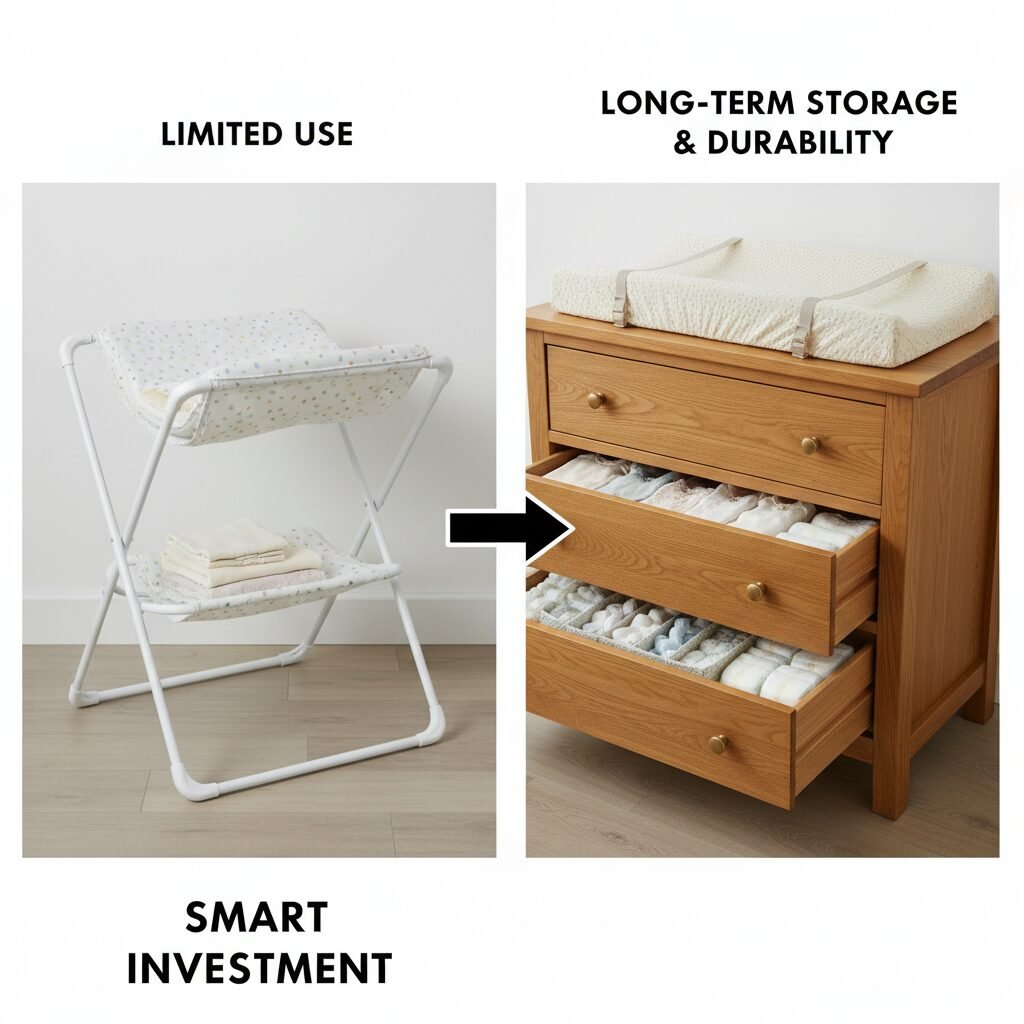
A dedicated changing table often feels like a non-negotiable nursery staple. It’s pictured in every catalog, a designated zone for one of the most frequent tasks of new parenthood. They come with shelves and drawers, promising a perfectly organized station.
The Short-Lived Reality
The truth is, a standalone changing table has an incredibly short lifespan. Once your baby becomes a wriggly toddler who can roll or attempt to climb, the high-up, open-sided table can feel less like a convenience and more like a safety hazard. Many parents find they stop using it long before their child is potty-trained, leaving them with a piece of furniture that serves no other purpose. Furthermore, you’ll find you change diapers everywhere but the nursery—on the living room floor, the couch, your bed. Tying this task to one specific room isn’t always practical.
The Smarter, Long-Term Alternative
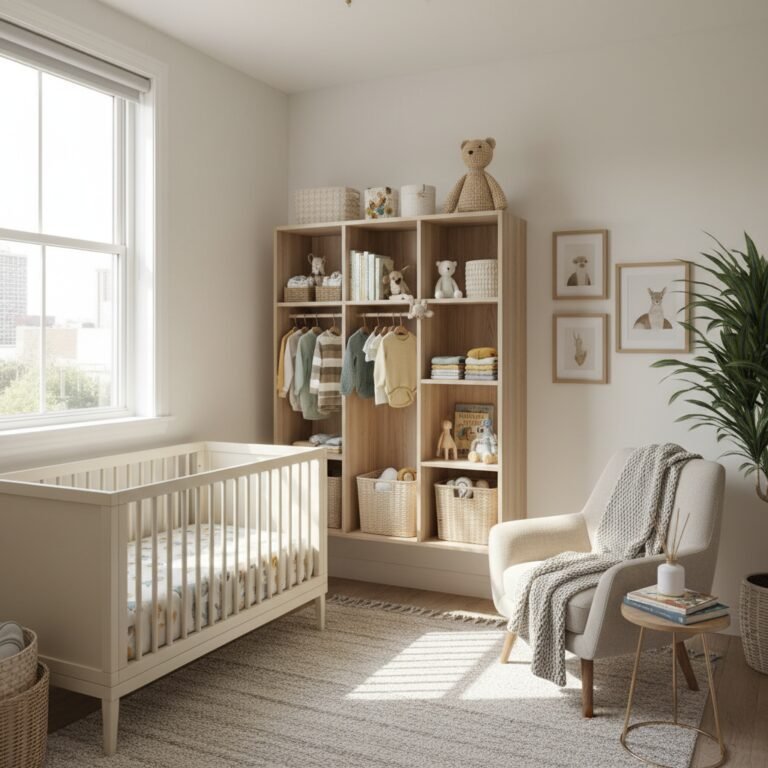
The most cost-effective and space-efficient solution is to repurpose a piece of furniture you’ll use for years to come. A sturdy, low-to-the-ground dresser is the perfect candidate. Simply secure a contoured changing pad with a non-slip base and safety straps to the top. The dresser’s drawers can store diapers, wipes, and creams, keeping everything within arm’s reach. When your child is out of diapers, you simply remove the pad, and you’re left with a functional dresser that will last throughout their childhood. This multi-use approach is the cornerstone of a practical, minimalist nursery.
Regret #3: The Fancy, Single-Use Bassinet
The Dream of a Picture-Perfect Bedside Sleeper
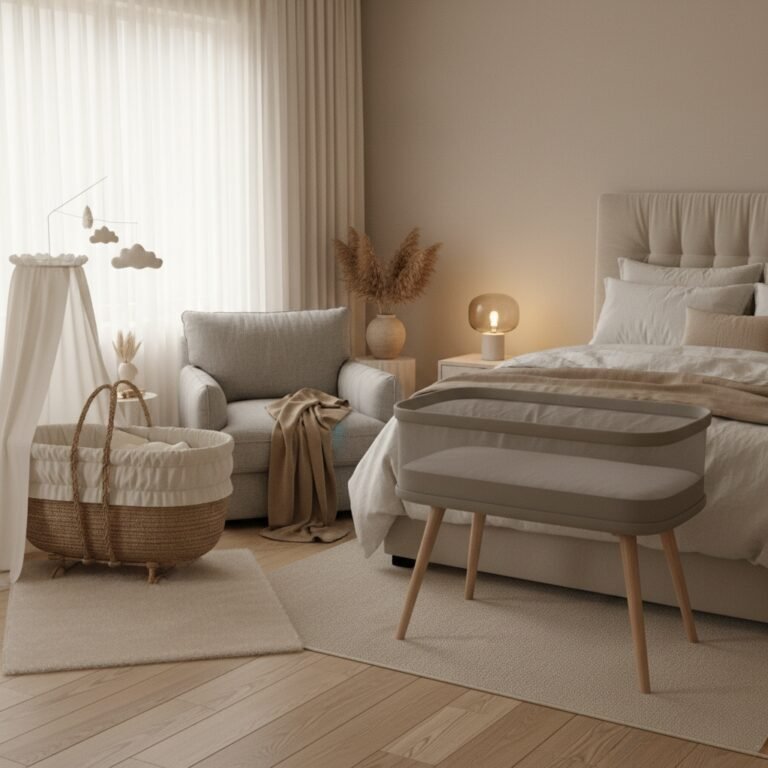
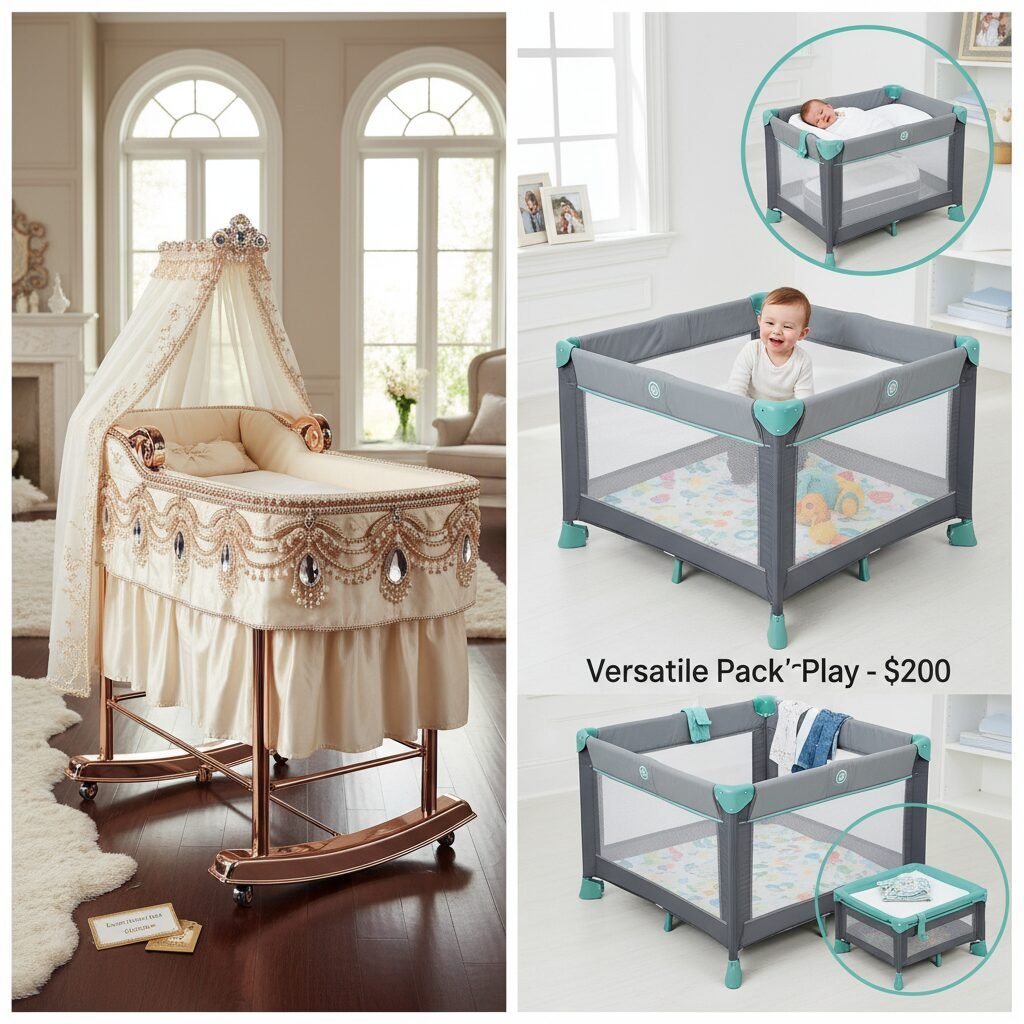
Those gorgeous, stylish bassinets with delicate canopies and smart features are hard to resist. They promise to keep your newborn close, safe, and comfortable during those first few months. The marketing often focuses on aesthetics and high-tech additions like automatic rocking and white noise.
Why It’s a Fleeting Investment
The primary issue with a dedicated bassinet is its fleeting utility. Most babies outgrow them by weight or length, or once they can roll over, which typically happens between 3 to 5 months. This means a product that can cost several hundred dollars is used for an incredibly short period. While keeping your baby in your room is recommended by the American Academy of Pediatrics (AAP) for at least the first six months, a traditional bassinet often won’t last that long, forcing you to find another solution anyway.
The Smarter, Multi-Functional Alternative
A much more versatile and economical choice is a Pack ‘n Play (playard) that comes with a full-size bassinet insert. This single product serves multiple functions: a safe bedside sleeper for the first six months (the insert has a higher weight limit than most standalone bassinets), a contained play space for when they’re older, and a portable crib for travel. You get far more value and years of use from one purchase. Alternatively, if space allows, you can simply move the full-sized crib into your room from the start.
Regret #4: The Electric Bottle Sterilizer
The Promise of Germ-Free Perfection
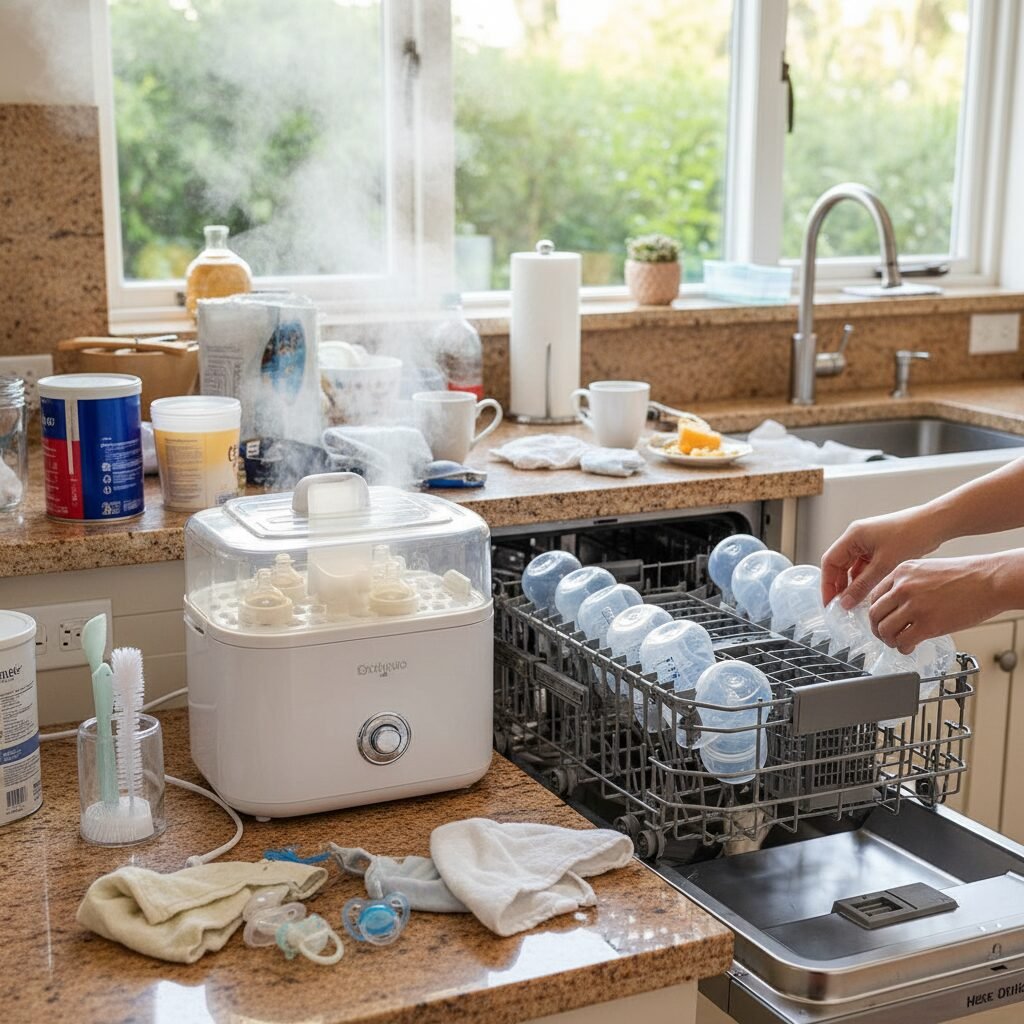
In our hygiene-conscious world, an electric appliance dedicated to sterilizing bottles, pacifiers, and pump parts seems like a must-have for protecting your baby. These countertop machines promise to kill 99.9% of germs with the simple push of a button.
An Unnecessary Appliance
While keeping feeding equipment clean is crucial, a separate sterilizer is largely redundant in most modern homes. According to the CDC, if you have access to clean, treated municipal tap water, thorough washing with hot, soapy water is sufficient for healthy, full-term babies. For an extra layer of sanitation, you likely already own the necessary equipment. Most dishwashers have a sanitize cycle that works perfectly for bottles and parts. And for a low-tech option, a large pot of boiling water on the stove achieves the exact same result. A dedicated sterilizer is just another appliance that consumes precious counter space and requires its own cleaning and descaling.
The Smarter, Built-In Alternative
Save your money and your counter space. Utilize your dishwasher’s high-heat or sanitize setting (just make sure your bottles are labeled ‘dishwasher safe’). Alternatively, the classic method of boiling works perfectly: simply submerge items in a rolling boil for five minutes and remove them with clean tongs. Both methods are effective, free, and don’t add to kitchen clutter.
Regret #5: Newborn-Sized Hard-Soled Shoes
The Cuteness Overload
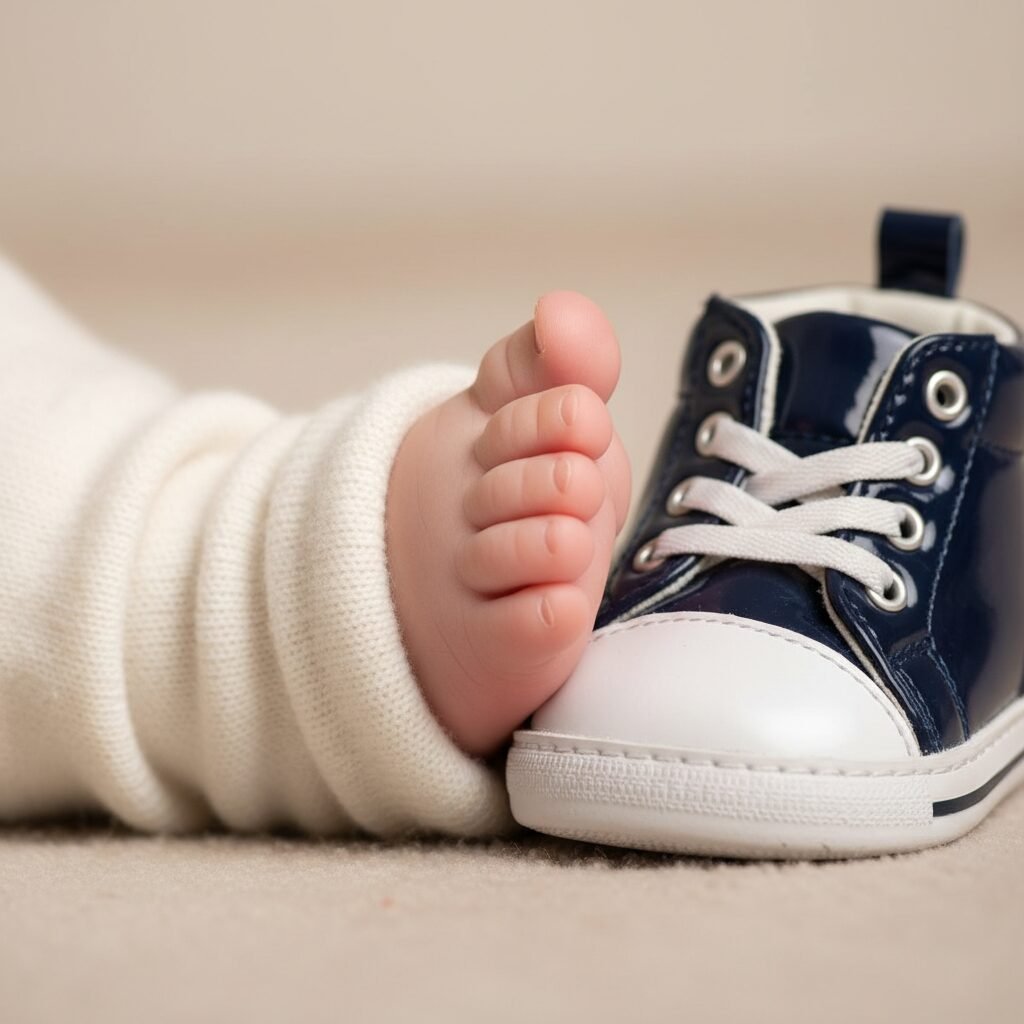
Let’s be honest: tiny sneakers, loafers, and sandals are irresistibly cute. They complete an outfit and make for adorable photos. It feels like a miniature version of adult fashion, and the temptation to buy them is strong.
Impractical and Potentially Harmful
The problem is that babies who aren’t walking have absolutely no functional need for shoes. In fact, they can be detrimental. Hard soles can be restrictive to the natural development of their feet, which are still forming. Furthermore, they are notoriously difficult to keep on. You’ll spend more time searching for a lost shoe than your baby will spend wearing them. They are a purely aesthetic purchase that offers no practical benefit.
The Smarter, Developmentally-Friendly Alternative
For warmth and comfort, focus on soft, flexible options. Simple socks or soft-soled booties with gentle elastic at the ankle will stay on much better and allow for natural foot movement and sensory input, which is crucial for development. Indoors, barefoot is best as it helps babies develop the muscles in their feet and learn to grip with their toes. Prioritize function and comfort over fashion for this stage.
Regret #6: The Bumbo-Style Floor Seat
The Promise of an Independent Sitter
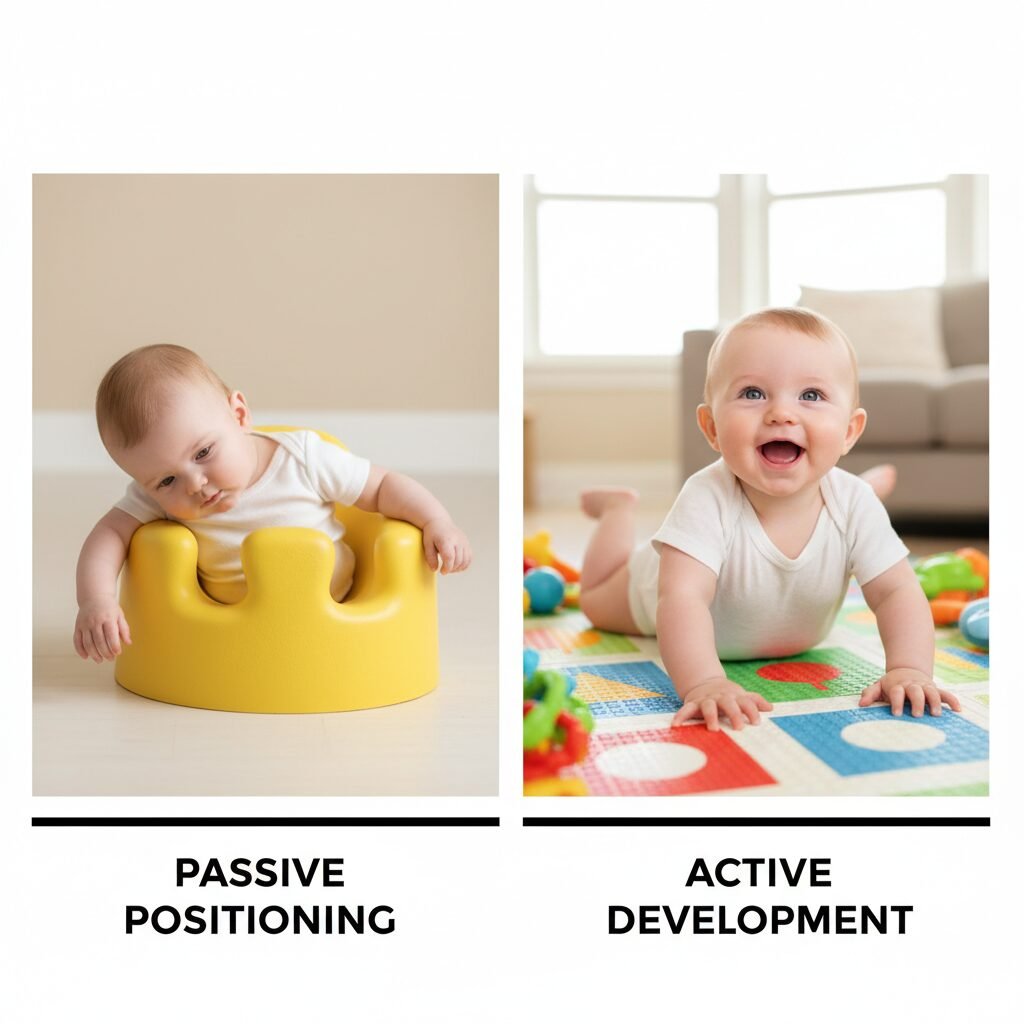
Seats like the Bumbo are marketed as a way to help babies sit up before they can do so independently. They seem like a great way to give your baby a new perspective on the world and free up your hands for a moment.
A Developmental Controversy
These molded floor seats have become a point of contention among pediatric physical therapists. The design can force a baby into a position they aren’t developmentally ready for, often with a rounded back and a posterior pelvic tilt. This can discourage the baby from engaging their own core muscles, which are essential for learning to sit up naturally and unassisted. Rather than helping, these seats can potentially hinder the development of proper posture and motor skills.
The Smarter, Development-Boosting Alternative
The best thing for a baby’s physical development is freedom of movement. A simple, flat surface is their best playground. A soft blanket or an engaging activity mat on the floor provides the perfect environment for crucial ‘tummy time,’ which strengthens the neck, back, and core muscles needed for rolling, sitting, and crawling. When you need a safe place to put your baby down, a bouncer seat (used for short, supervised periods) or a playard is a much better option that doesn’t force them into an unnatural posture.
Regret #7: The Proprietary Diaper Pail System
The Quest for an Odor-Free Nursery
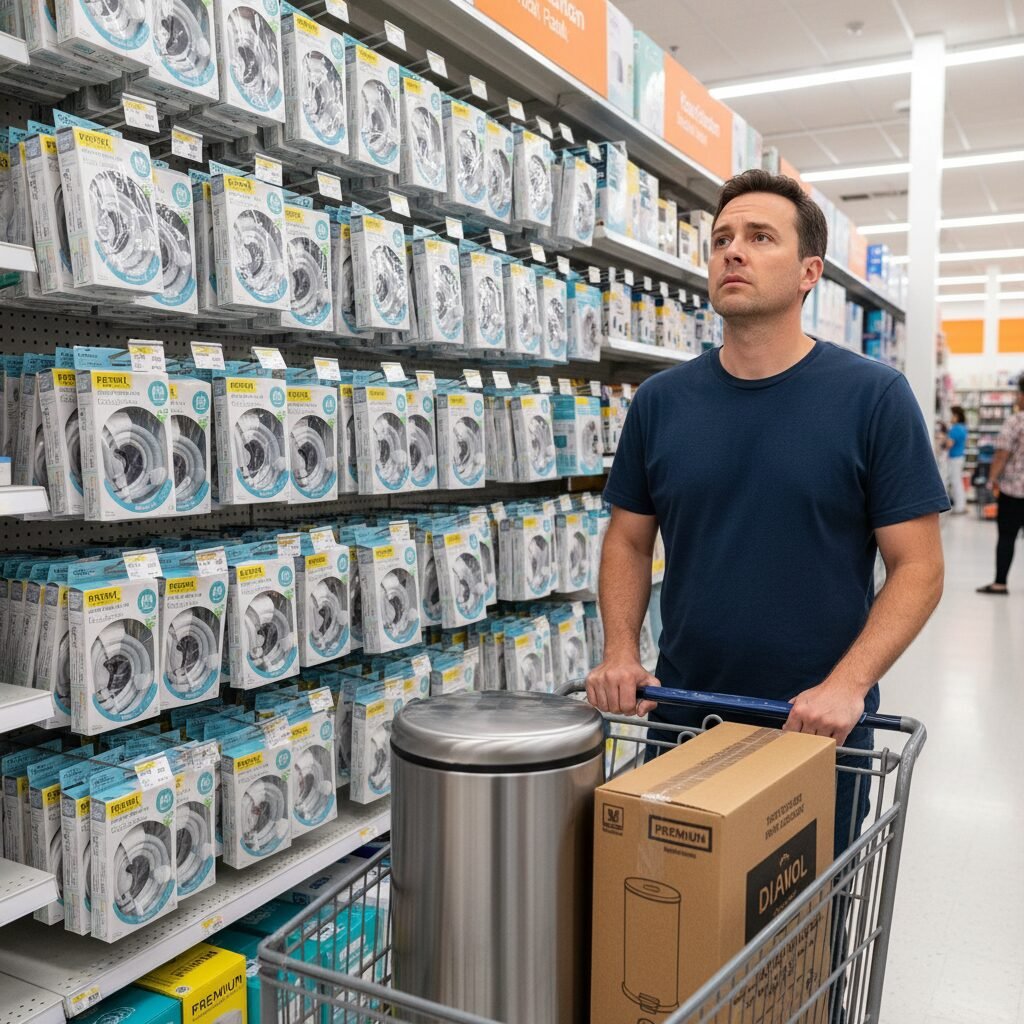
The fear of a smelly nursery leads many parents to invest in a specialized diaper pail system. These products promise to lock away odors through a complex system of twisting, sealing, and proprietary multi-layer bags.
The Hidden, Ongoing Cost
While these pails might work well initially, their true cost lies in the refills. You are locked into buying brand-specific cartridges or liners that are significantly more expensive than standard trash bags. Over the 2-3 years your child is in diapers, this can add up to hundreds of dollars. Many parents also find that despite the fancy system, a very full pail can still be quite odorous when it’s time to empty it.
The Smarter, Budget-Friendly Alternative
A simple, lidded trash can is perfectly effective, with one key strategy: empty it daily. For wet diapers, a standard can works fine. For soiled diapers, consider using small, scented disposable bags (like those used for dog waste) to tie up the individual diaper before tossing it in the main can. This contains the worst of the odor without the need for an expensive system. Taking the trash out each evening becomes a simple part of the daily routine and keeps the nursery fresh for a fraction of the cost.
Regret #8: An Abundance of Newborn-Sized Clothes
The Joy of Dressing Your Tiny Baby
Shopping for newborn clothes is one of the most enjoyable parts of pregnancy. The tiny outfits are adorable, and it’s easy to get carried away buying a full wardrobe in preparation for your little one’s arrival.
They Grow Faster Than You Can Imagine
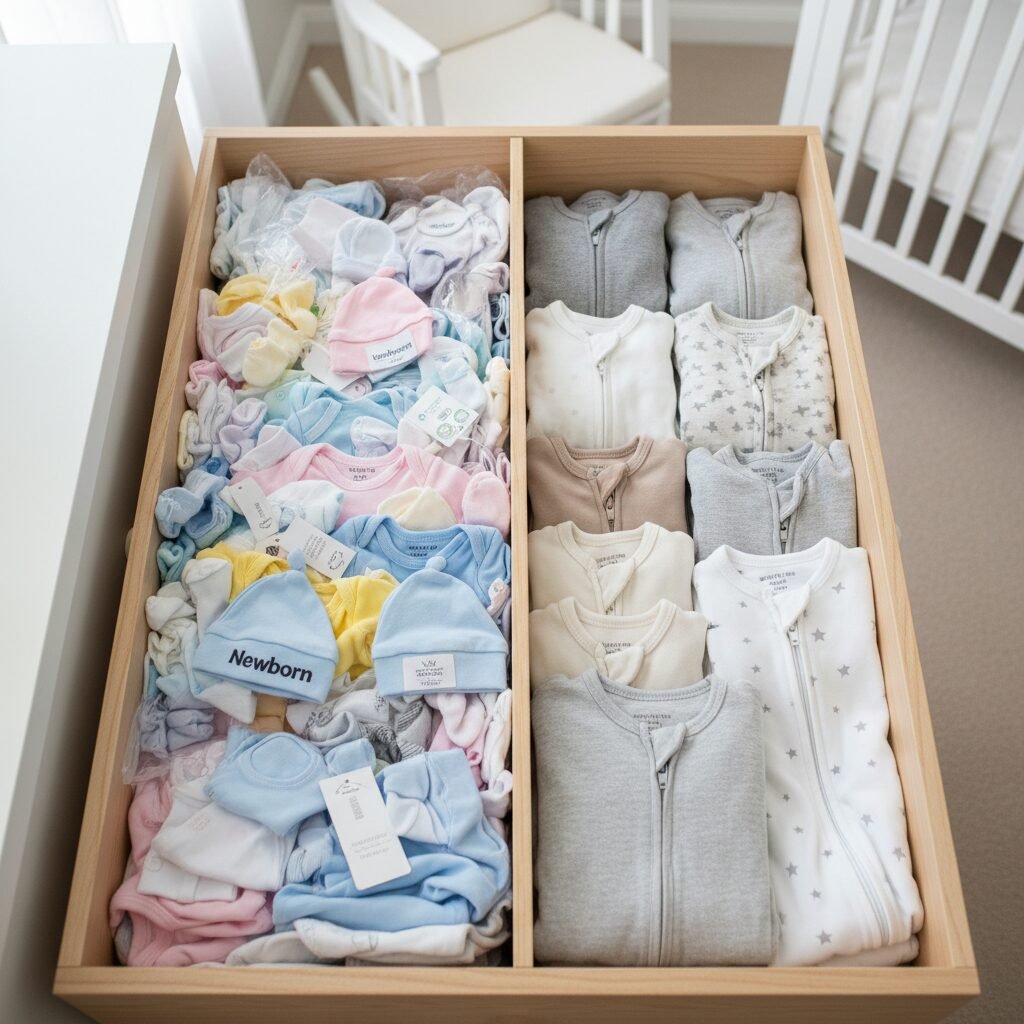
The reality is that babies grow at an astonishing rate in the first few weeks. Some larger babies may even skip the ‘Newborn’ size altogether and go straight into 0-3 months. You might find that those beautiful, elaborate outfits are worn only once—or not at all—before they are too small. You’ll be doing laundry constantly anyway, so a massive wardrobe is entirely unnecessary.
The Smarter, More Practical Alternative
Focus your energy and budget on the next size up: 0-3 months. For the ‘Newborn’ size, a small capsule collection is all you need. Think 5-7 zip-up sleepers (zippers are a lifesaver during nighttime changes), a few long-sleeved bodysuits, and a couple of pairs of pants. When people ask what you need, suggest clothes in larger sizes (3-6 months, 6-9 months, etc.). This ensures you have a steady supply as your baby grows, and you won’t be left with a drawer full of unworn, outgrown clothes.
Regret #9: The All-in-One Baby Food Maker
The Appeal of Homemade Purity
For parents who want to make their own baby food, an appliance that steams and purées in one container seems like a genius invention. It promises to simplify the process of creating healthy, homemade meals for your little one.
Another Redundant Kitchen Gadget
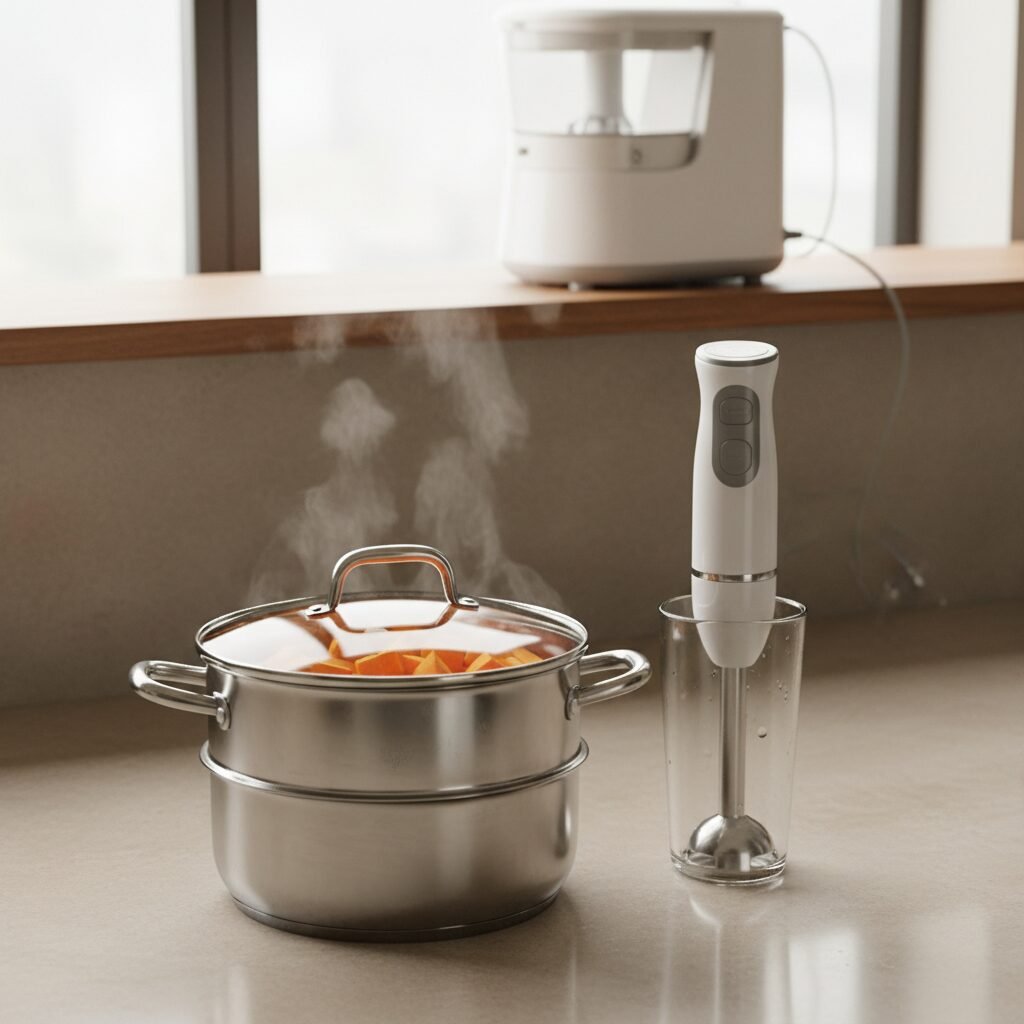
Similar to the bottle sterilizer, this is another ‘uni-tasker’—an appliance that does something your existing kitchen tools can already handle. Steaming can be done with a simple metal or bamboo steamer basket in a pot you already own. Puréeing can be done with a fork (for soft foods like avocado and banana), a standard blender, or an immersion blender. The baby food maker takes up space and is often a pain to clean, with multiple small parts.
The Smarter, Simpler Kitchen Alternative
Use what you have! A simple steamer basket and a fork or immersion blender are all you need to make vast quantities of baby food. This approach is not only free but also more versatile. You can also explore Baby-Led Weaning (BLW), a method where babies are introduced to soft, safely-prepared finger foods, skipping the purée stage altogether. This allows the baby to eat modified versions of what the rest of the family is eating, further reducing the need for specialized equipment.
Regret #10: The Crib Bumper and Bedding Set
The Myth of a ‘Cozy’ Crib
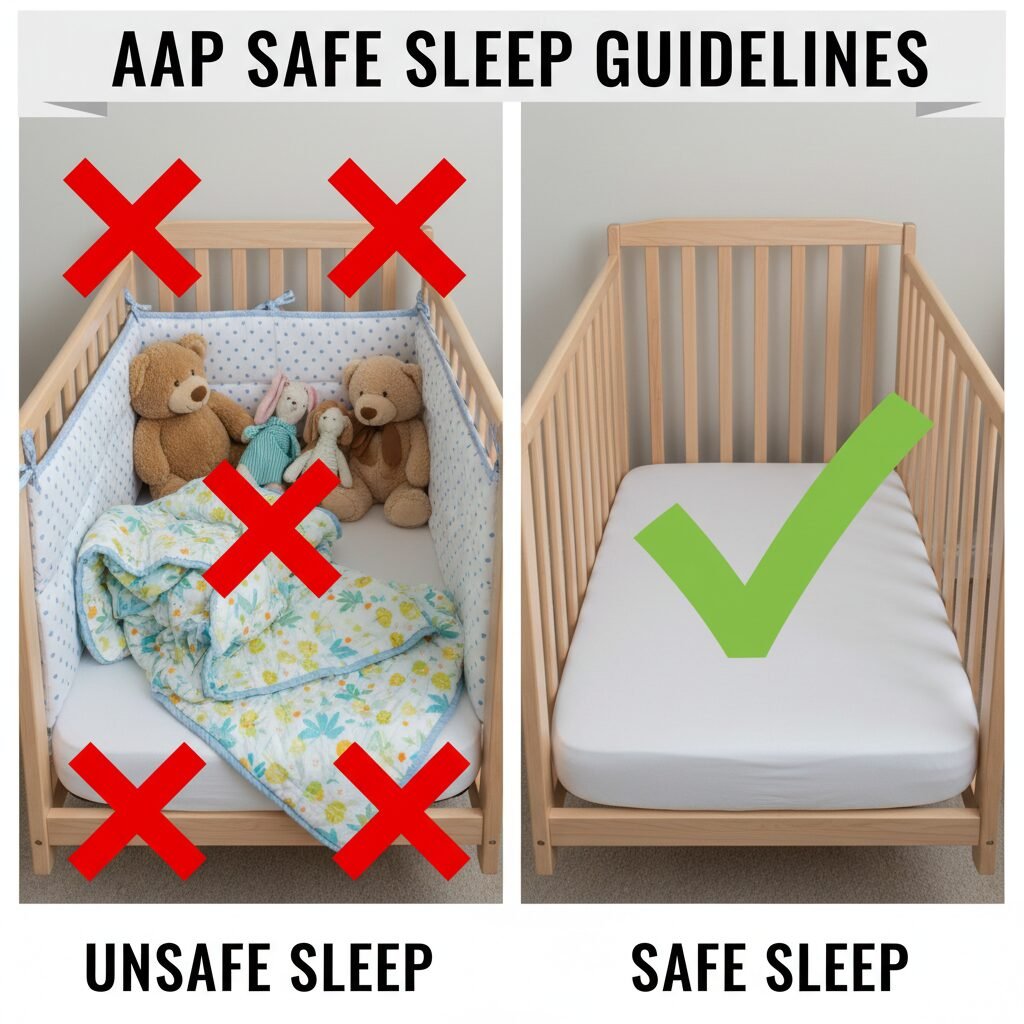
Elaborate crib bedding sets, complete with thick bumpers, quilts, and dust ruffles, have long been marketed as the way to create a beautiful, cozy, and ‘complete’ nursery. The bumpers are often sold with the claim that they protect babies from bumping their heads or getting limbs stuck between crib slats.
A Critical Safety Warning
This is the most critical item on the list to avoid, not for practical reasons, but for safety. The American Academy of Pediatrics (AAP) has issued clear safe sleep guidelines that explicitly state that cribs should be bare. This means no bumpers, no blankets, no pillows, no stuffed animals. These items, including bumpers, pose a significant risk of suffocation, strangulation, and Sudden Infant Death Syndrome (SIDS). The risk of a serious injury from a baby bumping their head or getting a limb stuck is extremely low, whereas the risk of SIDS from soft bedding is real and preventable.
The Safest Alternative: A Bare Crib
The safest sleep environment for a baby is also the simplest. All you need is a firm mattress that fits snugly in the crib, covered with a single, tightly fitted sheet. To keep the baby warm, forgo blankets and use a wearable blanket or sleep sack instead. This provides warmth without the risk of the fabric covering the baby’s face. A safe nursery is always more important than a stylish one. Prioritize safety above all else.
Conclusion
Navigating the world of baby products can feel like a full-time job, but your intuition is your most powerful guide. The goal isn’t to have a perfectly outfitted, magazine-worthy nursery; it’s to create a safe, loving, and functional space for your family to thrive. By focusing on items that are multi-functional, long-lasting, and, above all, safe, you can avoid the common pitfalls of over-buying.
Remember, the most essential things your baby needs—your love, your touch, and your presence—can’t be bought from a store. Trust yourself, keep it simple, and enjoy the beautiful journey ahead. You’ve got this.